

Free Nibok Travel Guide & Mobile App
Explore Nibok with free travel guides. Discover regional history, expert tips, proposed trips, and audio guides on web or mobile app.


Explore Nibok in Nauru for inland plateau landscapes, phosphate-mining history and a quieter perspective on the island’s changing identity.
Read more about Nibok
When is the best time to visit Nibok?
Best: July–September · 28°C| Month | High (°C) | Rainfall (mm) |
|---|---|---|
| January | 29 | 240 |
| February | 29 | 220 |
| March | 29 | 210 |
| April | 29 | 200 |
| May | 29 | 190 |
| June | 28 | 180 |
| July (best) | 28 | 170 |
| August (best) | 28 | 160 |
| September (best) | 28 | 170 |
| October | 29 | 180 |
| November | 29 | 200 |
| December | 29 | 220 |
Getting to and around Nibok
How to get there
Transportation
Top city travel guides in Nibok
The cities of Nibok, and the easiest places to base yourself.
-

-


Swipe for more cities
Destinations in Nibok
Resorts, valleys and scenic spots worth a trip of their own.
-

-

-


Swipe for more destinations
Best attractions in Nibok
Nibok’s attractions are primarily landscape-based and historical rather than purpose-built. The district offers access to the inland plateau, where exposed limestone pinnacles, regenerating vegetation and former phosphate workings show how extensively Nauru was mined. These areas are more suitable for observation and interpretation than independent wandering, since land ownership, unstable ground and unclear tracks can limit access. Short road explorations can be combined with visits to neighbouring inland districts and the wider island’s coastal communities, although each lies outside Nibok and should be described separately. There are no major museums, beaches or large formal visitor complexes within the district itself. The most rewarding experience is therefore contextual: seeing how the elevated interior differs from the narrow coastal belt, and how the island’s modern economy reshaped its physical geography. Visitors interested in nature should look for hardy regrowth and changing vegetation rather than expect intact rainforest, while those interested in history will find the mined plateau an important record of Nauru’s phosphate era. Local guidance is valuable for identifying accessible viewpoints and avoiding restricted or privately held ground.
-
Museum
Naoero Museum
Explore the Naoero Museum for an enlightening journey through Nauru's rich history and cultural heritage.
-
 Park
ParkChad Park
Explore the breathtaking tranquility of Chad Park, a perfect blend of nature, relaxation, and family-friendly outdoor activities.
-
Park
Ella Park
Discover the tranquil beauty of Ella Park in Yaren, Nauru – a perfect retreat for relaxation and connection with nature.
-
Mountain peak
Command Ridge
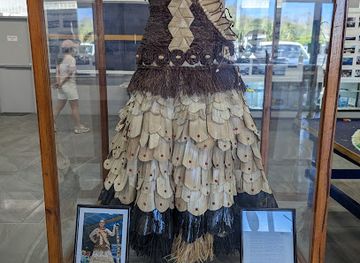
Explore Command Ridge, Nauru's highest peak, where stunning views and historical treasures await every visitor.
Best landmarks in Nibok
Nibok’s principal landmarks are geographical and industrial rather than monumental. The inland plateau itself is the defining feature, marked in places by the irregular limestone formations left after phosphate was removed. These exposed surfaces are a visible reminder that Nauru’s twentieth-century prosperity depended on an industry that profoundly altered the centre of the island. Unlike the coastal districts, Nibok has no prominent harbour, beach or nationally famous civic building to organise a sightseeing route. Its importance lies in the relationship between district, landholding and mining landscape: roads and settlement areas meet terrain that was once a major source of export wealth. The plateau should be viewed carefully and from accessible ground, since former workings may include steep hollows, unstable surfaces and areas where entry is not permitted. Nearby landmarks elsewhere on Nauru, including coastal facilities and nationally significant sites, are outside Nibok and should be visited as separate parts of an island itinerary rather than attributed to the district.
-
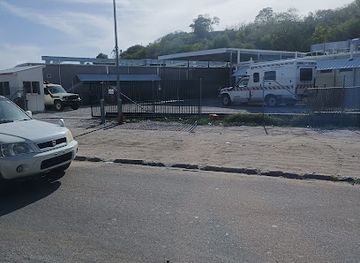
Immigration detention centre
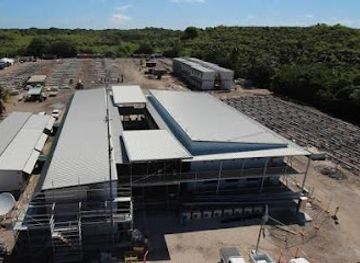
Nauru Australian Immigration Detention Center
Explore the complex narrative of migration at the Nauru Australian Immigration Detention Center, a site reflecting the struggles of asylum seekers.
-
Hospital
Nauru Ron Hospital
Explore the healthcare landscape of Nauru at Nauru Ron Hospital, a vital facility catering to the medical needs of locals and visitors alike.
-
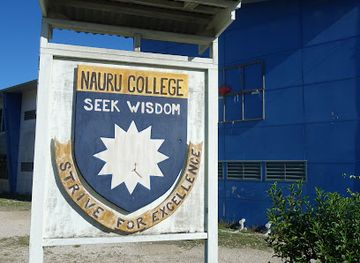
School
Nauru College
Discover the educational heart of Nauru at Nauru College, where culture and learning intersect in a vibrant island community.
-
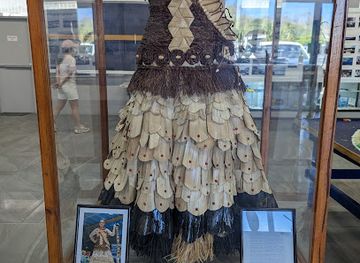
Museum
Naoero Museum
Discover the captivating history and culture of Nauru at the Naoero Museum, a treasure trove of stories and artifacts.
Explore Nibok on the map
Plan your trip on one map. See where the top cities, national parks and sights are, and book hotels and experiences in a few clicks.
Best hotels in Nibok
Best restaurants in Nibok
Nibok has no well-established restaurant quarter or distinctive dining strip, so visitors normally eat at accommodation providers or travel to larger coastal service areas elsewhere on Nauru. Food available on the island reflects a mixture of Nauruan, wider Pacific, Australian and Asian influences, with rice, noodles, tinned goods, fresh or frozen fish, chicken and simple takeaway meals commonly more practical than elaborate regional cuisine. Fresh produce can be limited and supplies vary, making advance planning useful for anyone spending time inland. Visitors should carry water and snacks when exploring the plateau, as there are few dependable refreshment points in the district. Dining with a local household, when properly invited, offers a more meaningful introduction to everyday Nauruan food culture than expecting a formal restaurant experience. Any local catch or produce should be understood within the island’s limited supply chain rather than treated as a guaranteed menu speciality.
-
Restaurant
The Bay Restaurant
Discover the flavors of Nauru at The Bay Restaurant - where fresh seafood meets stunning ocean views.
-
Restaurant
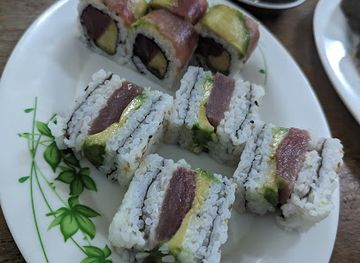
OMG Sushi Restaurant
Discover incredible sushi delights at OMG Sushi Restaurant in Orro - a must-visit culinary destination in Nauru.
-
Chinese
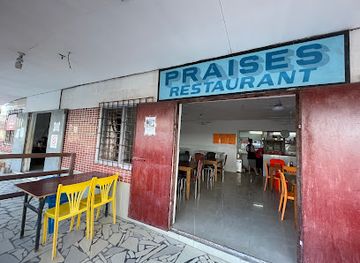
Praises Restaurant
Discover authentic Chinese cuisine at Praises Restaurant in Anabar - where every dish tells a story of flavor and tradition.
-
Restaurant
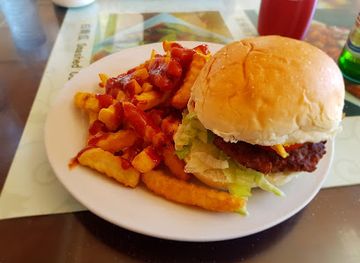
Mr Chippies
Experience authentic Nauruan cuisine at Mr Chippies - where every bite is a taste of paradise.
Best bars in Nibok
Nibok does not have a recognised nightlife district, nightclub strip or substantial evening entertainment scene. After dark, activity is generally centred on homes, accommodation, community gatherings and the limited number of hospitality venues elsewhere on Nauru. Visitors seeking a drink or a social evening should ask their hotel or local host about currently operating options rather than rely on old listings, since businesses and opening arrangements can change. The district is better suited to quiet evening observation and conversation than late-night bar-hopping. Respect residential surroundings, keep noise low and arrange transport before going out, as taxis and other services may be limited at night. Nauru’s evening culture is local and informal, and alcohol should not be treated as the main way to engage with the community or understand the island.
-
Restaurant
The Bay Restaurant
Experience the best of local cuisine with breathtaking ocean views at The Bay Restaurant in Anibare.
-
Bar
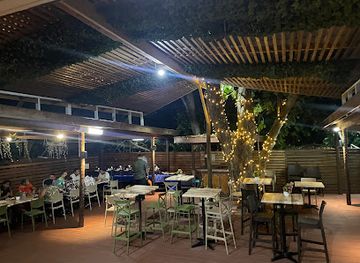
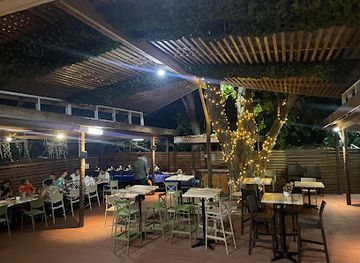
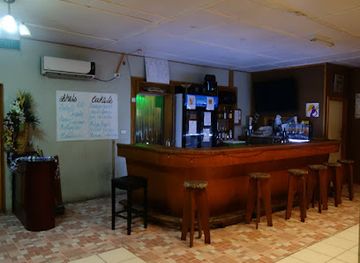
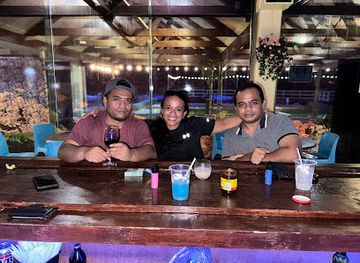
Jules On The Deck
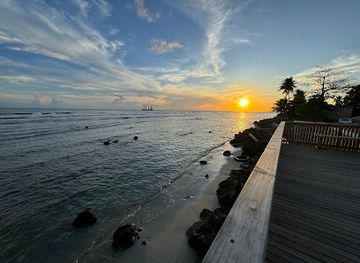
Experience the ultimate tropical escape at Jules On The Deck in Nibok, where refreshing cocktails and stunning views await every visitor.
-
Restaurant
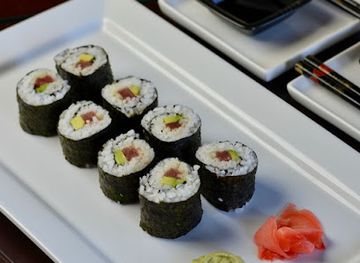
OMG Sushi Restaurant
Experience the finest sushi at OMG Sushi Restaurant in Orro, where fresh ingredients and authentic flavors create a memorable culinary adventure.
-
Bar
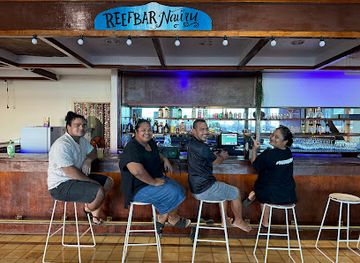
Reef Bar
Experience the lively atmosphere and refreshing drinks at Reef Bar, an essential stop for tourists in Anibare, Nauru.
Best nightclubs in Nibok
Nibok does not have a recognised nightlife district, nightclub strip or substantial evening entertainment scene. After dark, activity is generally centred on homes, accommodation, community gatherings and the limited number of hospitality venues elsewhere on Nauru. Visitors seeking a drink or a social evening should ask their hotel or local host about currently operating options rather than rely on old listings, since businesses and opening arrangements can change. The district is better suited to quiet evening observation and conversation than late-night bar-hopping. Respect residential surroundings, keep noise low and arrange transport before going out, as taxis and other services may be limited at night. Nauru’s evening culture is local and informal, and alcohol should not be treated as the main way to engage with the community or understand the island.
-
Bar
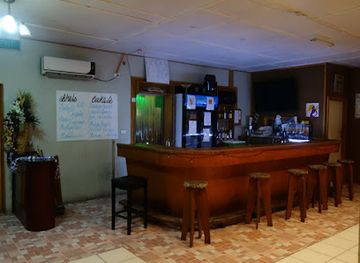
Jules On The Deck
Experience tranquil evenings at Jules On The Deck, a charming bar in Nibok offering stunning views and a delightful drink selection.
-
Hospital
Nauru Ron Hospital
Explore Nauru with peace of mind, knowing Nauru Ron Hospital is ready to provide essential healthcare services for all.
-
Bar
Reef Bar
Experience the vibrant nightlife of Nauru at Reef Bar, where cocktails, local flavors, and island vibes create an unforgettable escape.
-
Bar
Angel Grog Bar
Experience the vibrant nightlife at Angel Grog Bar in Yaren, where friendly locals and refreshing cocktails create the perfect tropical escape.
Best shops in Nibok
Nibok has little dedicated tourist shopping and no major retail centre or market district. Visitors are more likely to find everyday supplies through shops and services in Nauru’s larger coastal settlements, while accommodation providers may offer basic essentials. Practical souvenirs can include locally available handicrafts, books or small items connected with Nauru, but stock is limited and should not be assumed. Food supplies, bottled water and other necessities are best purchased before spending time exploring inland areas. The district’s most important product historically was phosphate, yet phosphate rock is not an appropriate souvenir to remove from former mining ground or private land. Shopping in Nibok is therefore chiefly about preparation and supporting local businesses where available, rather than browsing a developed retail scene. Ask permission before buying handmade objects directly from residents and carry purchases carefully, as replacement options on the island may be limited.
-
Grocery store
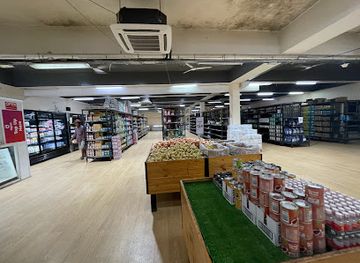
Eigigu Supermarket
Explore the vibrant offerings of Eigigu Supermarket in Boe, where local flavors and international products come together for an unforgettable shopping experience.
-
Grocery store
Pacific store
Explore local flavors and essentials at Pacific Store, Nibok's go-to grocery destination for tourists and residents alike.
-
General store
Zombies Store
Explore the eclectic offerings of Zombies Store in Yaren, showcasing local crafts and unique souvenirs for every traveler.
-
Grocery store
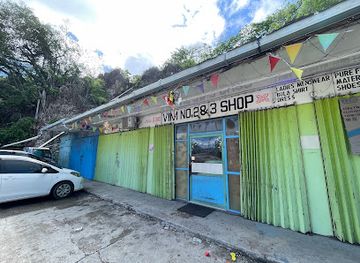
Vim No.1 Store
Explore the flavors of Nauru at Vim No.1 Store, your ultimate grocery destination in Arijejen, offering local and international products for every taste.

Get your free copy of our complete guide to Nibok, delivered straight to you.
Everything on this page, from attractions and restaurants to essentials and local phrases, in one PDF you can read offline, print or share.
Already have an account? Sign in
Your Nibok guide is ready.
We'll send it to · Not you? Sign out

Getting your guide ready…
We are putting together a fresh copy of the Nibok guide. This can take up to a minute.
This can take a few moments. If your browser asks, choose Allow so the download can start. You'll find the guide in your Downloads folder.
Nothing happened? Download it again
Sorry, the guide is taking longer than usual. Please try again in a minute, or get it by email instead.
Nibok essentials
Currency and Payment
Safety
Emergency Situations
Do's and Don'ts
Local Tips
From Eve
Local phrases worth knowing
You don't need to get them perfect. A few words go a long way, and locals appreciate the effort.
Basics
| English | Local | Say it |
|---|---|---|
| Hello | Mauri | [Mow-ree] |
| Goodbye | Eok | [E-ok] |
| Yes | Eo | [Eh-oh] |
| No | Tō | [Toe] |
| Please/You're welcome | E aere | [Eh aye-re] |
| Thank you | Mauri n gie | [Mow-ree n gee-eh] |
| Excuse me/Sorry | E aere | [Eh aye-re] |
| How are you? | E ai n gebi? | [Eh eye n geh-bee] |
| Fine. And you? | E ai, a n gebi? | [Eh eye, ah n geh-bee] |
| Do you speak English? | E aere n ngali English? | [Eh aye-re n ngah-lee English] |
| I don't understand | E aere n gubi | [Eh aye-re n goo-bee] |
Eating & Drinking
| English | Local | Say it |
|---|---|---|
| I'd like to see the menu, please | E aere n aie menu, e aere | [Eh aye-re n ah-ee menu, eh aye-re] |
| I don't eat meat | E aere n eat nīu | [Eh aye-re n eet nee-oo] |
| Cheers! | E aere n aere! | [Eh aye-re n aye-re!] |
| I would like to pay, please | E aere n aie pay, e aere | [Eh aye-re n ah-ee pay, eh aye-re] |
Emergencies
| English | Local | Say it |
|---|---|---|
| Help! | E aere! | [Eh aye-re!] |
| Go away! | E aere n aei! | [Eh aye-re n ah-ay!] |
| Call the Police! | E aere n aei Police! | [Eh aye-re n ah-ay Police!] |
| Call a doctor! | E aere n aei doctor! | [Eh aye-re n ah-ay doctor!] |
| I'm lost | E aere n taia | [Eh aye-re n tie-ah] |
| I'm ill | E aere n nū | [Eh aye-re n noo] |
Shopping
| English | Local | Say it |
|---|---|---|
| I'd like to buy... | E aere n aie buy... | [Eh aye-re n ah-ee buy...] |
| I'm just looking | E aere n n aei | [Eh aye-re n n ah-ay] |
| How much is it? | E ai n nuke? | [Eh eye n noo-keh?] |
| That's too expensive | E aere n nuki e n go | [Eh aye-re n noo-kee eh n go] |
| Can you lower the price? | E aere n nuki e aere n go? | [Eh aye-re n noo-kee eh aye-re n go?] |
Time & Numbers
| English | Local | Say it |
|---|---|---|
| What time is it? | E ai n nuki? | [Eh eye n noo-kee?] |
| It's one o'clock | E ai n nuku one | [Eh eye n noo-koo one] |
| Half past (10) | E ai n nuki half (10) | [Eh eye n noo-kee half (10)] |
| Morning | E ai n nū | [Eh eye n noo] |
| Afternoon | E ai n tei | [Eh eye n tay] |
| Evening | E ai n aei | [Eh eye n ah-ay] |
| Yesterday | E ai n nū | [Eh eye n noo] |
| Today | E ai n nū | [Eh eye n noo] |
| Tomorrow | E ai n nū | [Eh eye n noo] |
| 1 | Tā | [Tah] |
| 2 | Nū | [Noo] |
| 3 | Tāi | [Tie] |
| 4 | Tāfa | [Tah-fah] |
| 5 | Tāro | [Tah-roh] |
| 6 | Tāno | [Tah-noh] |
| 7 | Tāvai | [Tah-vai] |
| 8 | Tāfai | [Tah-fai] |
| 9 | Tāni | [Tah-nee] |
| 10 | Tāru | [Tah-roo] |
Transport & Directions
| English | Local | Say it |
|---|---|---|
| Where's a/the...? | E ai n nū...? | [Eh eye n noo...?] |
| What's the address? | E ai n nuki address? | [Eh eye n noo-kee address?] |
| Can you show me (on the map)? | E aere n nuki me (n nū map)? | [Eh aye-re n noo-kee me (n noo map)?] |
| When's the next (bus)? | E ai n nuki next (bus)? | [Eh eye n noo-kee next (bus)?] |
| A ticket (to ....) | E aere n ticket (n ....) | [Eh aye-re n ticket (n ....)] |
History of Nibok
Early Micronesian Settlement
Nauru was settled by Micronesian and Polynesian voyagers long before written records, and its communities developed around the narrow fertile coastal strip and freshwater resources such as Buada Lagoon. The central plateau, including the area now identified as Nibok, was less suitable for ordinary settlement because of its elevated limestone terrain. Traditional landholding and clan relationships remain important to understanding the island, since land is divided into individually or communally held plots rather than treated as an undifferentiated public landscape.
European Contact and Colonial Rule
European ships began visiting Nauru in the nineteenth century, a period that brought firearms, new diseases, Christianity and political disruption. Germany formally annexed the island in 1888, placing Nauru within its Pacific colonial sphere. After the First World War, administration passed to an Australian, British and New Zealand mandate. Although these changes affected the whole island rather than Nibok alone, they established the colonial framework under which the plateau’s mineral resources would soon be exploited.
The Discovery of Phosphate
High-grade phosphate was identified on Nauru in the late nineteenth century, and commercial extraction began in the early twentieth century. Mining progressively transformed the central plateau, including inland districts such as Nibok, removing much of the original surface and exposing the underlying limestone pinnacles. Phosphate exports became the foundation of Nauru’s economy and created employment, migration and infrastructure, but they also displaced agricultural possibilities and left extensive areas of damaged ground.
War and Japanese Occupation, 1942–1945
Nauru was occupied by Japan during the Second World War. Many Nauruans were forcibly deported to Truk, now Chuuk in the Federated States of Micronesia, where they endured severe hardship; others remained on the island under wartime rule. Mining and island life were disrupted, and bombardment damaged facilities. The occupation affected every district through shortages, displacement and military control, forming one of the most traumatic chapters in modern Nauruan history.
Self-Government and Independence
After the war, Nauru returned to Australian administration as a United Nations Trust Territory. Growing political organisation led to greater self-government and finally independence on 31 January 1968. The new republic inherited substantial phosphate income and used it to build public services and invest abroad. Nibok became part of this independent national framework, although Nauru’s districts remain primarily local and land-based divisions rather than autonomous governments.
Phosphate Decline and Environmental Legacy
Nauru’s easily accessible phosphate reserves declined sharply during the late twentieth century, reducing the revenue that had supported the country’s unusually high standard of living. Mining also left much of the central plateau severely altered, with jagged pinnacles, excavated hollows and limited soil. In Nibok and neighbouring inland districts, this legacy is especially relevant to the landscape. Contemporary Nauru has pursued rehabilitation, new economic strategies and greater international engagement while managing the long-term consequences of extraction.
Nibok in Photos
Browse through our photo collection highlighting the charm and character of the destination.
Neighbouring regions of Nibok
The closest regions to Nibok, if you have time for more than one.
-

-

-

-


Swipe for more regions
Explore more

Explore more of Nauru
Discover Nauru, the serene island nation in Micronesia, offering pristine beaches, rich history, and vibrant marine life for an unforgettable tropical escape.
Explore Nauru