The Creation of Lake McConaughy
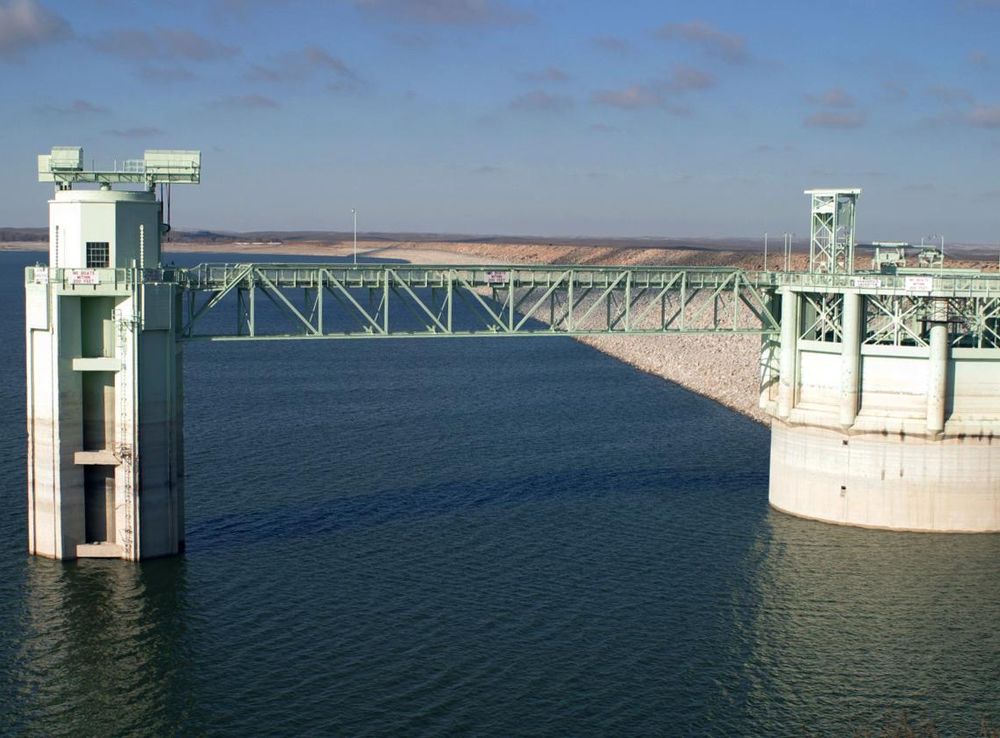
Lake McConaughy, often referred to as 'Big Mac,' was created in 1941 with the completion of the Kingsley Dam. The dam was constructed by the Central Nebraska Public Power and Irrigation District as part of a project to provide irrigation and hydroelectric power to the surrounding region. The lake was named after Charles W. McConaughy, a prominent businessman and irrigation advocate from Holdrege, Nebraska.
Kingsley Dam Construction
The construction of Kingsley Dam was a significant engineering feat of its time. The project began in 1936 during the Great Depression and provided much-needed jobs to thousands of workers. Stretching over 3 miles long and standing 162 feet high, the dam is one of the largest earthen dams in the world. The dam's reservoir, Lake McConaughy, covers over 30,000 acres and holds nearly 2 million acre-feet of water.
Native American Heritage
The region around Lake McConaughy has a rich Native American history. The land was originally inhabited by various tribes, including the Pawnee, Sioux, and Cheyenne. Artifacts such as arrowheads and pottery have been discovered in the area, indicating long-term settlement and use. These tribes depended on the North Platte River for sustenance and transportation long before the lake was formed.
The Mullen Fire of 2000
In the summer of 2000, a massive wildfire known as the Mullen Fire swept through parts of the Lake McConaughy area. The fire consumed thousands of acres of land and threatened nearby communities. It was a stark reminder of the natural challenges that the region faces and led to improved fire management practices in the years that followed.
Recreational Development
Since its creation, Lake McConaughy has become a popular destination for recreation. The lake offers a wide range of activities, including fishing, boating, and camping. Over the years, numerous facilities have been developed to accommodate tourists, such as marinas, campgrounds, and visitor centers. The lake is particularly famous for its white sandy beaches, which attract thousands of visitors each summer.
Biodiversity and Conservation Efforts
Lake McConaughy is not only a recreational hotspot but also a haven for wildlife. The lake and surrounding areas are home to a diverse range of species, including bald eagles, pelicans, and various fish species. Conservation efforts have been ongoing to protect these habitats and ensure the ecological health of the lake. The Nebraska Game and Parks Commission manages several wildlife areas around the lake, promoting both conservation and outdoor recreation.
Hydroelectric Power Generation
One of the primary purposes of Kingsley Dam was to generate hydroelectric power. The dam's power plant has been operational since the early 1940s and continues to provide renewable energy to the region. The plant contributes significantly to the local grid, helping to power homes, businesses, and agricultural operations in central Nebraska.
Economic Impact
Lake McConaughy has had a substantial economic impact on the surrounding region. The lake attracts over a million visitors annually, contributing to the local economy through tourism, hospitality, and retail. Additionally, the irrigation provided by the lake supports extensive agricultural activities, making it a vital resource for Nebraska's farming industry.