

Free Pine Ridge Travel Guide & Mobile App
Explore Pine Ridge with free travel guides. Discover regional history, expert tips, proposed trips, and audio guides on web or mobile app.


Explore Pine Ridge, Nebraska, for pine-covered bluffs, frontier history, fossil sites, state parks, wildlife and wide-open High Plains scenery.
Read more about Pine Ridge
Getting to and around Pine Ridge
How to get there
Transportation
Destinations in Pine Ridge
Resorts, valleys and scenic spots worth a trip of their own.

Swipe for more destinations
Best attractions in Pine Ridge
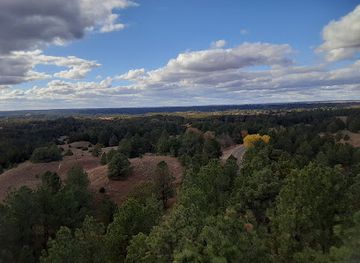
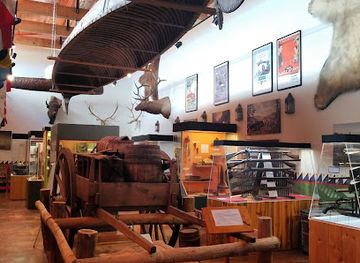
Pine Ridge's attractions combine open-air landscapes with unusually dense layers of history and science. Fort Robinson State Park is the region's major visitor centre, with a substantial historic complex, trails, scenic drives and opportunities to see the landscape associated with the former military post and later ranching operations. Chadron State Park offers a more compact setting of pine-covered canyons, hiking routes and family recreation. Near Chadron, the Nebraska National Forest provides forest trails and a striking contrast with the surrounding grasslands. The Museum of the Fur Trade, north of Chadron, explores the trading networks and material culture of the Northern Plains. Archaeology and palaeontology are central to the region too: Hudson-Meng Bison Kill preserves an ancient bison-hunting site near Crawford, while exposed formations and local collections explain the fossil history of the High Plains. Birdwatching, wildlife viewing, horse riding, hiking, cycling and scenic driving fill the spaces between formal attractions. Seasonal conditions can affect access, and the scale of the countryside means that an itinerary should group nearby sites rather than treat the whole region as a compact park.
-
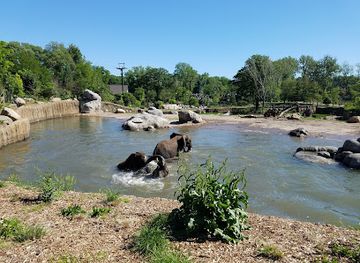
Omaha's Henry Doorly Zoo and Aquarium
Explore Omaha's Henry Doorly Zoo and Aquarium, a top-rated destination for wildlife lovers and families, offering immersive exhibits and conservation education.
-
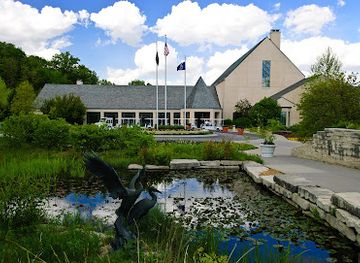
Lauritzen Gardens
Experience the beauty and tranquility of Lauritzen Gardens, Omaha's premier botanical garden, featuring diverse flora and serene landscapes that inspire and educate.
-
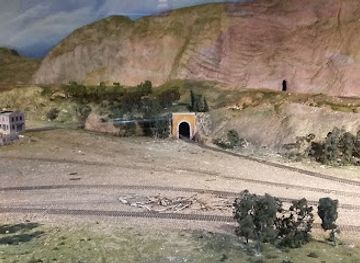
The Durham Museum
Discover the fascinating history of Nebraska and the Great Plains at The Durham Museum, where education meets entertainment in Omaha's historic Union Station.
-
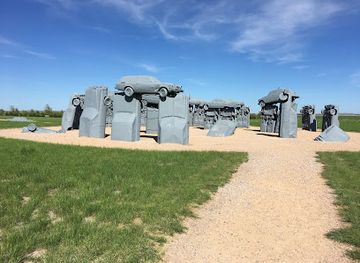
Carhenge
Discover Carhenge, the iconic automotive tribute to Stonehenge in Nebraska, where art and history unite in a quirky roadside attraction.
Best landmarks in Pine Ridge
The most recognisable landmark in Pine Ridge is the escarpment itself: a long, eroded line of buttes and wooded slopes that rises above the surrounding plains and gives the region its name. Fort Robinson's parade ground, officers' quarters, guardhouse and other preserved structures form one of Nebraska's most important historic architectural ensembles, while the surrounding bluffs explain why the post occupied this site. Chadron State Park's pine-filled canyon is a defining natural feature closer to the region's principal town, and the forested terrain of the Nebraska National Forest creates an unexpected landmark landscape within the Great Plains. The Museum of the Fur Trade is notable for its purpose-built interpretation of the commercial and cultural networks that connected European traders, Indigenous nations and frontier communities. Hudson-Meng Bison Kill has a quieter but profound significance: its protected archaeological setting marks a prehistoric hunting place rather than a monumental building. Together, these places show Pine Ridge as a landscape where geology, Indigenous history, military occupation, ranching and conservation remain visibly connected.
-
Campground
US Forestry Department
Experience the best of nature at the U.S. Forestry Campground in Chadron, Nebraska, a prime spot for camping, hiking, and outdoor fun.
Explore Pine Ridge on the map
Plan your trip on one map. See where the top cities, national parks and sights are, and book hotels and experiences in a few clicks.
Best hotels in Pine Ridge
Best restaurants in Pine Ridge
Dining in Pine Ridge is centred on the cafés, diners, family restaurants and pubs of Chadron and Crawford, with additional food stops along the highways rather than a concentrated restaurant district. Menus commonly reflect the broader food culture of the Great Plains: burgers, steaks, sandwiches, soups, breakfast plates and baked goods are practical choices for travellers covering long distances, while locally sourced beef and ranch-country cooking are recurring regional themes. Chadron offers the broadest selection and is the easiest place to plan a meal between museum or outdoor visits. Crawford is convenient for visitors exploring Fort Robinson and may suit those looking for an informal evening meal. Independent cafés are useful for breakfast and provisions, but rural opening patterns can vary, particularly outside the main season. Farmers' markets and small producers may offer seasonal fruit, preserves, baked items or handmade goods; availability is not necessarily year-round. Visitors should carry snacks and water when heading to remote trailheads or archaeological sites.
-
Italian
Spaghetti Works
Discover authentic Italian cuisine at Spaghetti Works in Omaha - where every dish tells a story of flavor and tradition.
-
Steak
Round the Bend Steakhouse
Discover Round the Bend Steakhouse: A premier destination for steak lovers in Ashland, Nebraska offering exceptional cuisine and inviting atmosphere.
-
Restaurant
Plank Provisions
Discover the culinary delights at Plank Provisions - where fresh seafood meets innovative cocktails in Omaha's vibrant dining scene.
-
Restaurant
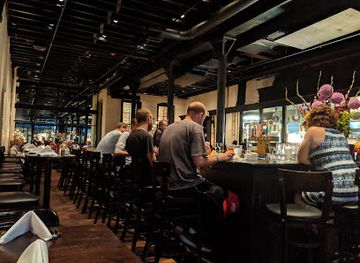
M's Pub
Discover the vibrant flavors of Omaha at M's Pub - where culinary excellence meets local charm.
Best bars in Pine Ridge
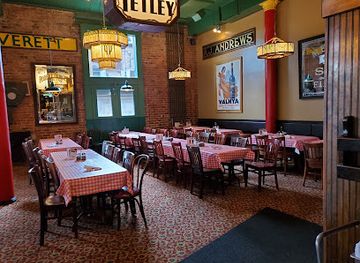
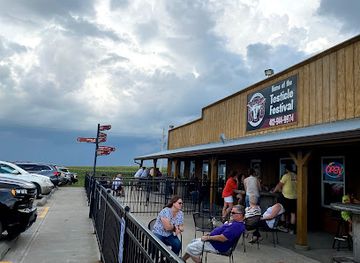
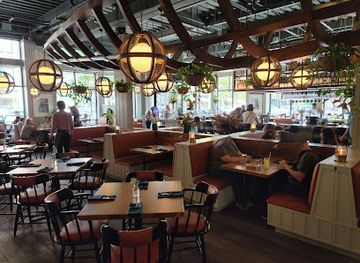
Pine Ridge has a small-town evening culture rather than a major nightclub scene. In Chadron and Crawford, traditional bars, pubs and casual restaurants are the principal places for a drink, conversation and local news, while some venues may host live music or community events at particular times. The region's colleges, parks and historic sites help create seasonal variation, but nightlife remains modest and dispersed compared with Nebraska's larger cities. Fort Robinson and other rural destinations are better suited to quiet evenings, stargazing and dining than late-night entertainment. Alcohol is available in licensed establishments, but visitors should plan a sober driver when travelling between towns because distances are considerable and taxi coverage is limited. Check current arrangements locally rather than relying on assumed opening hours, especially outside summer and during winter.
-
Restaurant
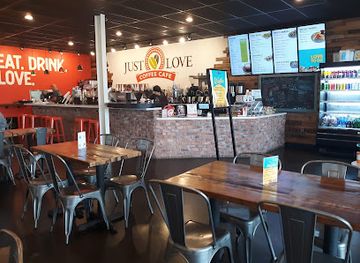
Just Love Coffee Cafe - Chadron NE
Discover the cozy charm of Just Love Coffee Cafe, where artisanal coffee and a welcoming atmosphere create the perfect escape in Chadron, Nebraska.
-
American
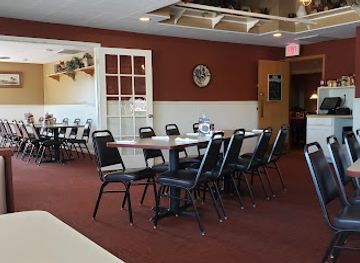
Country Kitchen Restaurant
Discover the heart of American dining at Country Kitchen Restaurant in Chadron, Nebraska - a family-friendly haven for breakfast lovers.
-
Fast Food
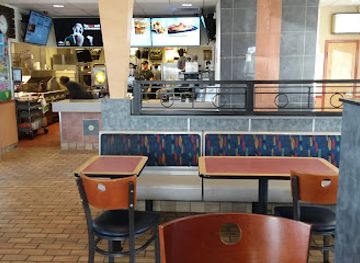
McDonald's
Discover the essence of fast food at McDonald's in Chadron, where quality meals meet affordability for every traveler.
-
 Hotel
HotelBest Western West Hills Inn
Experience comfort and convenience at Best Western West Hills Inn, your ideal base for exploring Chadron, Nebraska's stunning landscapes and rich history.
Best nightclubs in Pine Ridge
Pine Ridge has a small-town evening culture rather than a major nightclub scene. In Chadron and Crawford, traditional bars, pubs and casual restaurants are the principal places for a drink, conversation and local news, while some venues may host live music or community events at particular times. The region's colleges, parks and historic sites help create seasonal variation, but nightlife remains modest and dispersed compared with Nebraska's larger cities. Fort Robinson and other rural destinations are better suited to quiet evenings, stargazing and dining than late-night entertainment. Alcohol is available in licensed establishments, but visitors should plan a sober driver when travelling between towns because distances are considerable and taxi coverage is limited. Check current arrangements locally rather than relying on assumed opening hours, especially outside summer and during winter.
-
Bar
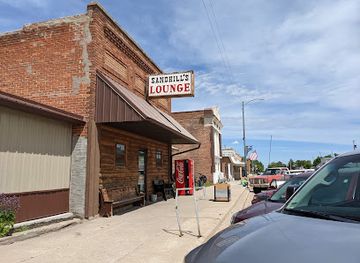
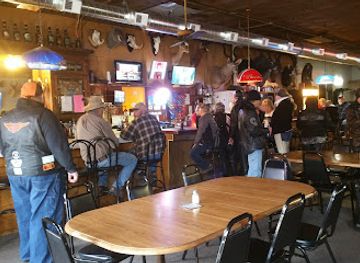
Sand Hills Lounge
Experience the charm of Long Pine at Sand Hills Lounge, where local flavors meet a cozy atmosphere for a perfect night out.
-
Lounge
Penthouse Lounge
Discover the lively Penthouse Lounge in Omaha, where cocktails, karaoke, and live music create an unforgettable night out.
-
Bar
Independent Club
Discover the lively charm of Independent Club in Central City, NE, where excellent food and drinks meet a fun atmosphere perfect for socializing.
-
Adult entertainment club
The Night Before Lounge
Discover the vibrant nightlife at The Night Before Lounge in Lincoln, NE, with captivating performances and a euphoric atmosphere.

Best shops in Pine Ridge
Shopping in Pine Ridge is practical and local rather than centred on large retail complexes. Chadron has the region's broadest selection of everyday shops, independent businesses, outdoor supplies, books, gifts and provisions, while Crawford serves visitors exploring Fort Robinson and the western part of the escarpment. Small-town high streets and local retailers are useful places to look for regional food products, ranch-related goods, handmade items and souvenirs connected with Nebraska's Plains heritage. Museum shops, where available, are particularly appropriate for books on Indigenous history, frontier history, archaeology, fossils and the natural environment. Seasonal farmers' markets and community events may offer baked goods, preserves, produce or craftwork, but availability varies by town and time of year. Visitors should not expect extensive designer shopping or a continuous market circuit; the appeal lies in buying from local businesses and choosing durable, useful mementoes such as regional books, artwork, outdoor gear or locally produced food.
-
Department store
Walmart Supercenter
Explore the Walmart Supercenter in Chadron for unbeatable prices and a diverse selection of groceries, clothing, and home essentials, all in one convenient location.
-
Restaurant
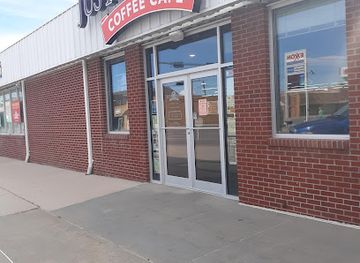
Just Love Coffee Cafe - Chadron NE
Discover the charm of Just Love Coffee Cafe in Chadron, NE, where delicious food meets cozy ambiance in a community-focused setting.
-
National forest
Nebraska National Forest
Discover the tranquility of Nebraska National Forest, a vast haven of nature perfect for hiking, camping, and wildlife encounters.
-
History museum
Museum of the Fur Trade
Discover the legacy of the fur trade and Native American culture at the Museum of the Fur Trade in Chadron, Nebraska.

Get your free copy of our complete guide to Pine Ridge, delivered straight to you.
Everything on this page, from attractions and restaurants to essentials and local phrases, in one PDF you can read offline, print or share.
Already have an account? Sign in
Your Pine Ridge guide is ready.
We'll send it to · Not you? Sign out

Getting your guide ready…
We are putting together a fresh copy of the Pine Ridge guide. This can take up to a minute.
This can take a few moments. If your browser asks, choose Allow so the download can start. You'll find the guide in your Downloads folder.
Nothing happened? Download it again
Sorry, the guide is taking longer than usual. Please try again in a minute, or get it by email instead.
Pine Ridge essentials
Currency and Payment
Safety
Emergency Situations
Do's and Don'ts
Local Tips
From Eve
Local phrases worth knowing
You don't need to get them perfect. A few words go a long way, and locals appreciate the effort.
Basics
| English | Local | Say it |
|---|---|---|
| Hello | Hé | [hay] |
| Goodbye | Toksa | [tok-sah] |
| Yes | Aye | [eye] |
| No | Na | [nah] |
| Please/You're welcome | Tȟaŋkásu | [than-kah-soo] |
| Thank you | Pilamaya | [pee-lah-mah-yah] |
| Excuse me/Sorry | Mato wíiyA | [mah-toh wee-yah] |
| How are you? | Tȟokáhe? | [toe-kah-hey] |
| Fine. And you? | NakhiyA. Tȟokáhe? | [nah-kee-yah toe-kah-hey] |
| Do you speak English? | Tȟa wíiyA anglé? | [thah wee-yah ahn-glay] |
| I don't understand | Niyáŋ wíiyA | [nee-yahn wee-yah] |
Eating & Drinking
| English | Local | Say it |
|---|---|---|
| I'd like to see the menu, please | Tȟáŋka wóiyA menu, tȟaŋkásu | [thahn-kah woi-yah meh-noo than-kah-soo] |
| I don't eat meat | Niyáŋ wíiyA máté | [nee-yahn wee-yah mah-teh] |
| Cheers! | Héčha! | [hay-chah] |
| I would like to pay, please | Tȟáŋka wóiyA pȟézuta, tȟaŋkásu | [thahn-kah woi-yah peh-zoo-tah than-kah-soo] |
Emergencies
| English | Local | Say it |
|---|---|---|
| Help! | Tȟáŋka! | [thahn-kah] |
| Go away! | WíiyA! | [wee-yah] |
| Call the Police! | WíiyA tȟaŋyáŋ wíiyA! | [wee-yah than-yahn wee-yah] |
| Call a doctor! | WíiyA tȟáŋka wíiyA! | [wee-yah thahn-kah wee-yah] |
| I'm lost | Niyáŋ wíiyA akí | [nee-yahn wee-yah ah-kee] |
| I'm ill | Niyáŋ wíiyA wíiyA | [nee-yahn wee-yah wee-yah] |
Shopping
| English | Local | Say it |
|---|---|---|
| I'd like to buy... | Tȟáŋka wóiyA ... | [thahn-kah woi-yah ...] |
| I'm just looking | Niyáŋ wíiyA akí | [nee-yahn wee-yah ah-kee] |
| How much is it? | Tȟokáhe kȟé? | [toe-kah-hey keh] |
| That's too expensive | Tȟo wáŋkȟe wíiyA | [thoh wahn-kay wee-yah] |
| Can you lower the price? | Tȟa wíiyA kȟéčhiyA? | [thah wee-yah keh-chee-yah] |
Time & Numbers
| English | Local | Say it |
|---|---|---|
| What time is it? | Tȟokáhe wíiyA? | [toe-kah-hey wee-yah] |
| It's one o'clock | WíiyA kȟo | [wee-yah kho] |
| Half past (10) | Pȟeží wíiyA (10) | [puh-hey-zee wee-yah ten] |
| Morning | WíiyA | [wee-yah] |
| Afternoon | WíiyA | [wee-yah] |
| Evening | WíiyA | [wee-yah] |
| Yesterday | WíiyA | [wee-yah] |
| Today | WíiyA | [wee-yah] |
| Tomorrow | WíiyA | [wee-yah] |
| 1 | Tȟa | [thah] |
| 2 | Ní | [nee] |
| 3 | Né | [neh] |
| 4 | Nį | [nee] |
| 5 | Nįs | [nees] |
| 6 | Nįt | [neet] |
| 7 | Nįz | [neez] |
| 8 | Nįa | [nee-ah] |
| 9 | Nįá | [nee-ah] |
| 10 | Nįá | [nee-ah] |
Transport & Directions
| English | Local | Say it |
|---|---|---|
| Where's a/the...? | Tȟa wíiyA ...? | [thah wee-yah ...] |
| What's the address? | Tȟokáhe zíyA? | [toe-kah-hey zee-yah] |
| Can you show me (on the map)? | Tȟa wíiyA wíiyA (on the map)? | [thah wee-yah wee-yah (on the map)] |
| When's the next (bus)? | Tȟokáhe wíiyA (bus)? | [toe-kah-hey wee-yah (bus)] |
| A ticket (to ....) | WíiyA tȟe wíiyA ... | [wee-yah thay wee-yah ...] |
History of Pine Ridge
Ancient Plains Peoples and Archaeological Landscapes
Long before the arrival of Euro-American settlers, the Pine Ridge and surrounding High Plains supported Indigenous peoples who hunted, travelled and lived within a landscape of grassland, wooded draws and seasonal water sources. Sites such as Hudson-Meng Bison Kill preserve evidence of large-scale bison hunting roughly 10,000 years ago, although the exact circumstances of the animals' deaths remain a subject of archaeological interpretation. Later inhabitants included peoples associated with the Northern Plains cultural world, whose relationship with the land continued through trade, hunting and seasonal movement.
Lakota Country and the Expansion of the United States
The Pine Ridge lay within a wider zone of importance to Lakota and other Indigenous nations during the nineteenth century. The Fort Laramie treaties and the rapid expansion of United States military, administrative and settler power altered established patterns of movement and land use. The region became a place where military occupation, Indigenous resistance and federal policy intersected. Any visit to its forts and museums benefits from recognising that the surviving buildings record only one part of a much broader history involving displaced communities and contested sovereignty.
Fort Robinson and the Frontier Army, 1874–1890s
Camp Robinson was established in 1874 near the site of present-day Crawford to protect a key route and support federal policy on the Northern Plains; it later became Fort Robinson. The post was involved in military campaigns and negotiations affecting Indigenous peoples, and Crazy Horse died there in 1877 while in military custody. In 1879, the Cheyenne Outbreak at the fort became one of the most tragic episodes in its history. The remaining buildings and interpretation at Fort Robinson State Park present this complicated past alongside the site's later civilian uses.
Railways, Towns and Ranching
Railway construction in the late nineteenth century helped establish Chadron and strengthen Crawford's role as a regional centre. Rail connections brought settlers, supplies and livestock markets, while ranching became a defining economic activity across the open country around the escarpment. Towns grew as service points for ranches, farms and military installations rather than as dense urban settlements. The enduring pattern of long distances, small communities and strong links to livestock production still shapes travel and everyday life in Pine Ridge.
Scientific Discovery in the Pine Ridge Country
The exposed rocks and ancient deposits of north-western Nebraska attracted palaeontologists and archaeologists from the late nineteenth century onwards. Fossils from the broader Pine Ridge and adjoining High Plains have helped document the evolution of mammals in North America, while archaeological sites have illuminated prehistoric hunting practices. The region's museums and protected sites make these discoveries accessible without separating them from the wider landscape: eroded hills, dry valleys and ancient river deposits are themselves part of the scientific story.
Reforestation and the Nebraska National Forest
The establishment of the Nebraska National Forest near Chadron in the early twentieth century reflected an ambitious effort to grow trees in a largely treeless plains environment. Federal foresters and local workers planted extensive stands, especially ponderosa pine, creating a managed forest within the Pine Ridge. The project was intended to test the possibilities of reforestation, provide timber and demonstrate new approaches to land management. Today the forest is both a recreational landscape and a visible example of how human intervention has altered the region's appearance.
From Military Post to State Park and Heritage Landscape
After its military role ended, Fort Robinson gained new lives as a livestock research station, a large ranching operation and eventually a state park. These stages added buildings, agricultural infrastructure and conservation work to the original fort complex. The park's present identity therefore combines military history, Indigenous history, ranching, wildlife management and outdoor recreation. Its evolution reflects a wider twentieth-century shift in Pine Ridge, from a frontier zone organised around military control and transport to a rural region balancing heritage, tourism, ranching and conservation.
Pine Ridge in Photos
Browse through our photo collection highlighting the charm and character of the destination.
Neighbouring regions of Pine Ridge
The closest regions to Pine Ridge, if you have time for more than one.
-

-

-

-

-


Swipe for more regions
Explore more

Explore more of Nebraska
Discover Nebraska: A blend of rich history, diverse landscapes, and unique attractions in the heartland of America.
Explore Nebraska