

Fort Robinson State Park Travel Guide - Free Web & App
Your ultimate guide to Fort Robinson State Park. Discover top landmarks, proposed trips, and local tips. Free on the web or via the Evendo companion app.


Fort Robinson State Park in Nebraska combines Pine Ridge scenery, frontier history, wildlife tours, horseback riding and heritage lodging near Crawford.
A Historic Landscape in the Pine Ridge
Fort Robinson State Park occupies more than 22,000 acres of rugged but accessible country in north-western Nebraska, where the Pine Ridge rises above the surrounding plains. Its wooded canyons, grasslands, sandstone formations and spring-fed valleys create a landscape markedly different from the open agricultural country farther east. The park lies beside the small town of Crawford and incorporates the former Fort Robinson military post, whose surviving buildings give the area an unusually tangible connection with the frontier era.Read more about Fort Robinson State Park
From Military Post to State Park
Exploring the Park
When is the best time to visit Fort Robinson State Park?
Best: May–June, September · 23–28°C| Month | High (°C) | Rainfall (mm) |
|---|---|---|
| January | 2 | 10 |
| February | 5 | 13 |
| March | 11 | 20 |
| April | 17 | 31 |
| May (best) | 23 | 46 |
| June (best) | 28 | 51 |
| July | 31 | 46 |
| August | 29 | 41 |
| September (best) | 24 | 31 |
| October | 17 | 20 |
| November | 8 | 15 |
| December | 3 | 10 |
Getting to and around Fort Robinson State Park
How to get there
Transportation
Best attractions in Fort Robinson State Park
The historic Fort Robinson complex is the park's defining attraction, with preserved military buildings, parade-ground spaces, interpretive displays and museums that explain the post's frontier, Indigenous and military history. Beyond the buildings, roads and trails cross Pine Ridge canyons, wooded valleys, open prairie and sandstone country, revealing the park's varied landscape at a much larger scale. Organised activities offered seasonally through the park have included narrated jeep excursions, horse-drawn stagecoach rides, horseback riding and wildlife-focused outings, while independent visitors can walk, cycle or drive through designated areas. The park's managed herds of bison and longhorn cattle add a strong ranching and conservation dimension, although wildlife sightings and access conditions vary. Swimming and other recreation are concentrated around developed facilities rather than the remote landscape. Nearby Crawford provides a useful small-town base, while Chadron is a regional gateway rather than part of the park itself.
-
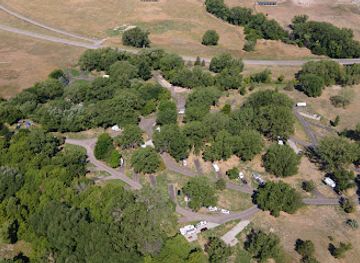
Campground
Soldier Creek Campground
Explore the serene beauty of Soldier Creek Campground in Nebraska, a perfect destination for camping, hiking, and discovering rich local history.
-
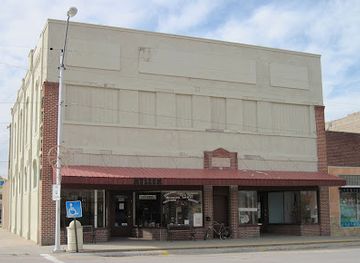
History museum
Crawford Historical Museum
Explore the fascinating stories of Crawford's past at the Crawford Historical Museum, where history is preserved and celebrated.
Explore Fort Robinson State Park on the map
Plan your trip on one map. See where the top attractions, landmarks, restaurants and hotels are, and book hotels and experiences in a few clicks.
Best hotels in Fort Robinson State Park
Best restaurants in Fort Robinson State Park
Dining within Fort Robinson State Park is centred on its developed historic and accommodation complex, where seasonal park-operated meals and refreshments may be available, rather than on a large independent restaurant scene. Visitors staying in cabins or historic quarters may find self-catering useful, but should not assume that every facility is open year-round or that supplies can be obtained within the park. Crawford, immediately outside the park, offers the nearest small-town choice of casual food, cafés and basic provisions, while Chadron has a broader selection of restaurants and grocery services. Regional dining reflects north-western Nebraska's ranching and agricultural character, with familiar American meals, beef and practical road-trip fare more prominent than a distinct restaurant district. Checking current opening arrangements before arrival is particularly important outside the main visitor season.
-
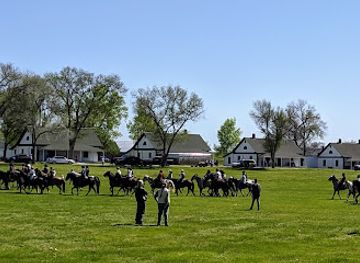
State park
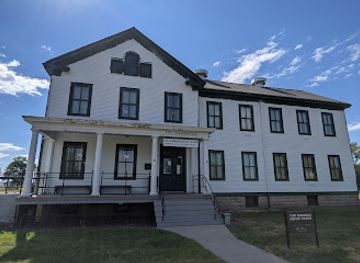
Fort Robinson State Park
Explore Fort Robinson State Park: A captivating blend of history, nature trails, wildlife encounters, and family-friendly activities await in Nebraska's outdoor gem.
-
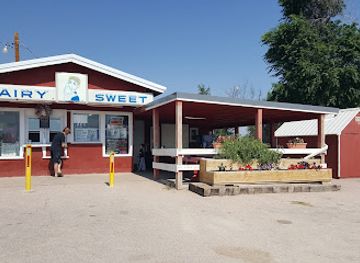
Barbecue
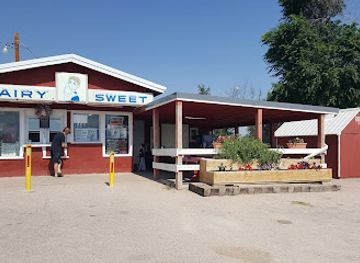
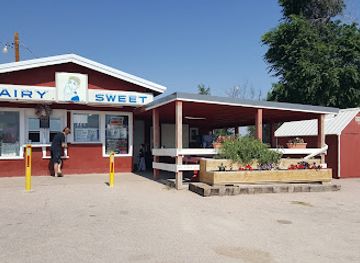
Dairy Sweet
Discover the best barbecue at Dairy Sweet in Crawford, Nebraska – where delicious flavors meet friendly service.
Best bars in Fort Robinson State Park
Fort Robinson State Park is a quiet rural destination rather than a nightlife centre. Evenings generally centre on the lodge or accommodation areas, seasonal park programming, conversation after outdoor activities and the dark Pine Ridge surroundings, with no established nightclub district within the park. Crawford has a small-town evening atmosphere and may provide local bars or informal hospitality venues, but opening patterns and entertainment options should not be assumed. Chadron, outside the park and farther along the regional road network, offers a wider choice of pubs, bars and community events. Visitors seeking live entertainment should check local listings, while those staying in the park should plan for limited late-night transport, dispersed facilities and a largely tranquil setting.
-
Museum
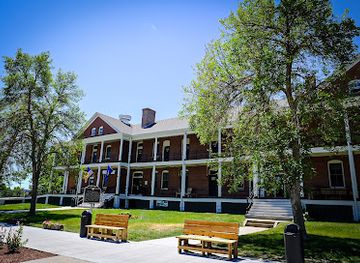
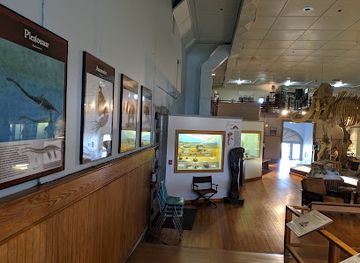
Fort Robinson Museum & History Center
Explore the captivating history and stunning landscapes at Fort Robinson Museum & History Center, a premier destination in Nebraska for culture and adventure.
-
Barbecue
Dairy Sweet
Experience the authentic taste of Nebraska at Dairy Sweet, a barbecue haven known for its delicious smoked meats and friendly service.
-
Grill
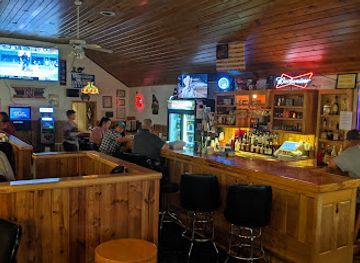
Tailgate Bar & Grill
Discover the flavors of Crawford at Tailgate Bar & Grill, where hearty meals and a vibrant social atmosphere await travelers.
-
Lodging
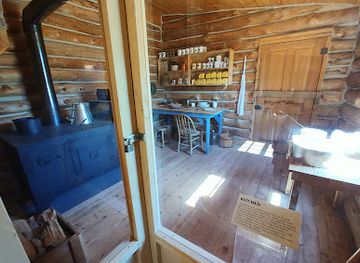
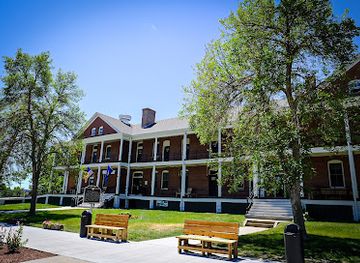
Fort Robinson Lodge
Experience the charm and adventure of Fort Robinson Lodge in the heart of Nebraska, where history meets breathtaking landscapes.
Best shops in Fort Robinson State Park
Shopping at Fort Robinson is limited and practical, centred on visitor-oriented retail connected with the historic park and on supplies available in Crawford rather than on a dedicated shopping district. Where operating, park outlets may offer souvenirs, books, apparel and items related to Nebraska history or outdoor recreation, while the historic interpretation makes locally themed publications particularly relevant. Crawford provides basic groceries, fuel and everyday necessities, but visitors should not expect extensive specialist retail. Chadron is the more useful regional centre for broader shopping, outdoor equipment and provisions. Local products reflect the Pine Ridge and Nebraska ranching context more than a single, highly formalised craft tradition; visitors should distinguish genuinely regional goods from generic frontier-themed souvenirs.
-
State park
Fort Robinson State Park
Experience the breathtaking landscapes and rich history of Fort Robinson State Park, a premier destination for outdoor adventures in Nebraska.
-
Museum
Fort Robinson Museum & History Center
Discover the rich heritage of the American West at Fort Robinson Museum & History Center in Crawford, Nebraska.
-
Barbecue
Dairy Sweet
Experience authentic Nebraska barbecue at Dairy Sweet, where every bite tells a story of smoky perfection and heartwarming hospitality.
-
Lodging
Fort Robinson Lodge
Experience the natural beauty and historical charm of Fort Robinson Lodge, a perfect getaway in Nebraska's picturesque landscape.
Get your free copy of our complete guide to Fort Robinson State Park, delivered straight to you.
Everything on this page, from attractions and restaurants to essentials and local phrases, in one PDF you can read offline, print or share.
Already have an account? Sign in
Your Fort Robinson State Park guide is ready.
We'll send it to · Not you? Sign out

Getting your guide ready…
We are putting together a fresh copy of the Fort Robinson State Park guide. This can take up to a minute.
This can take a few moments. If your browser asks, choose Allow so the download can start. You'll find the guide in your Downloads folder.
Nothing happened? Download it again
Sorry, the guide is taking longer than usual. Please try again in a minute, or get it by email instead.
Fort Robinson State Park essentials
Currency and Payment
Safety
Emergency Situations
Do's and Don'ts
Local Tips
From Eve
Local phrases worth knowing
You don't need to get them perfect. A few words go a long way, and locals appreciate the effort.
Basics
| English | Local | Say it |
|---|---|---|
| Hello | Howdy | [HOU-dee] |
| Goodbye | So long | [so LONG] |
| Yes | Yup | [YUHP] |
| No | Nope | [NOHP] |
| Please/You're welcome | Please | [PLEEZ] |
| Thank you | Thanks | [THANKS] |
| Excuse me/Sorry | Pardon me | [PAR-dn mee] |
| How are you? | Howdy | [HOU-dee] |
| Fine. And you? | Just fine. You? | [JUST fyn. YU?] |
| Do you speak English? | Ya speak English? | [YA speek ING-lish?] |
| I don't understand | I ain't got a clue | [I aint got uh KLOO] |
Eating & Drinking
| English | Local | Say it |
|---|---|---|
| I'd like to see the menu, please | Show me the grub list, please | [SHOW mee the GRUB list, please] |
| I don't eat meat | I don't chow down on flesh | [I don't CHOW down on FLESH] |
| Cheers! | Bottoms up! | [BOT-ums UP] |
| I would like to pay, please | Cash me out, please | [CASH mee out, please] |
Emergencies
| English | Local | Say it |
|---|---|---|
| Help! | I need a hand! | [I need uh HAND] |
| Go away! | Git! | [GIT] |
| Call the Police! | Get the Sheriff! | [Get the SHER-if] |
| Call a doctor! | Fetch a doc! | [Fetch uh DOC] |
| I'm lost | I'm all turned around | [I'm all turned uh-ROUND] |
| I'm ill | I'm feelin' poorly | [I'm FEEL-in POOR-lee] |
Shopping
| English | Local | Say it |
|---|---|---|
| I'd like to buy... | I'm fixin' to purchase... | [I'm FIX-in to PUR-chass] |
| I'm just looking | Just browsin' | [Just BROW-zin] |
| How much is it? | What's the damage? | [Whats the DAM-ij] |
| That's too expensive | That's a steep price | [That's a STEEP price] |
| Can you lower the price? | Can ya knock some off? | [Can ya knock SUM off] |
Time & Numbers
| English | Local | Say it |
|---|---|---|
| What time is it? | What's the hour? | [Whats the OUR] |
| It's one o'clock | It's one | [It's one] |
| Half past (10) | Half past ten | [Half past ten] |
| Morning | Mornin' | [MORN-in] |
| Afternoon | Afternoon | [Afternoon] |
| Evening | Evenin' | [EVE-nin] |
| Yesterday | Yest'day | [YES-t'day] |
| Today | Today | [Today] |
| Tomorrow | Tomorrah | [Tomorrah] |
| 1 | One | [WUN] |
| 2 | Two | [TOO] |
| 3 | Three | [THREE] |
| 4 | Four | [FORE] |
| 5 | Five | [FIVE] |
| 6 | Six | [SIX] |
| 7 | Seven | [SEV-en] |
| 8 | Eight | [ATE] |
| 9 | Nine | [NINE] |
| 10 | Ten | [TEN] |
Transport & Directions
| English | Local | Say it |
|---|---|---|
| Where's a/the...? | Where's the... | [Where's the...] |
| What's the address? | What's the location? | [What's the location?] |
| Can you show me (on the map)? | Can you point it out? | [Can you point it out?] |
| When's the next (bus)? | When's the next ride? | [When's the next ride?] |
| A ticket (to ....) | A pass (to ....) | [A pass (to ....)] |
History of Fort Robinson State Park
Pine Ridge Before the Fort
The Pine Ridge is a long escarpment of mixed grassland, woodland and eroded canyons that has shaped human movement and settlement in north-western Nebraska for centuries. Indigenous nations, including the Oglala Lakota and Northern Cheyenne, used the wider region before the arrival of the United States military. The landscape's springs, sheltered valleys and routes across the plains later made the area strategically important to soldiers, traders and government agencies. Any account of Fort Robinson therefore belongs within the broader history of Indigenous homelands and the profound disruption caused by United States expansion across the Great Plains.
The Establishment of Camp Robinson
The United States Army established Camp Robinson in 1874 beside the White River during a period of intensified military pressure and federal efforts to control movement by Indigenous peoples. The post was named for Lieutenant Levi H. Robinson, who had been killed in the area. Its position near the Red Cloud Agency made it part of the government system surrounding treaty administration, reservation policy and military enforcement. The settlement that developed around the post later became Crawford, while the military complex grew into one of the principal installations on the northern Great Plains.
Conflict and the Northern Cheyenne
Fort Robinson is associated with several painful episodes in the history of the Great Plains wars. Crazy Horse, the Oglala Lakota leader, died at the post in September 1877 after being taken into military custody. In January 1879, Northern Cheyenne prisoners attempted to leave the fort after refusing removal to Indian Territory; the resulting confrontation became known as the Fort Robinson massacre. These events are interpreted through the historic landscape and surviving buildings, and they remain central to understanding the human cost of federal military and reservation policies.
A Changing Military Role
After the major frontier conflicts declined, Fort Robinson continued to serve the army in changing forms. It became associated with cavalry activity and the care and training of army horses, reflecting the importance of mounted units in the region. During the twentieth century the post also served as a remount depot and later as a military training site, including use during the Second World War. These successive functions altered the buildings and grounds but also helped preserve a substantial historic complex rather than leaving the settlement to disappear.
From Military Post to Protected Landscape
The army closed Fort Robinson in 1948, after which the property entered a new phase centred on conservation, education and public recreation. It became part of Nebraska's state park system in the 1960s, and the historic buildings were adapted for interpretation, accommodation and visitor use. The park's protection of the former post, Pine Ridge scenery and managed wildlife landscapes reflects a broader change in public attitudes towards historic preservation and outdoor access. Fort Robinson was later recognised as a National Historic Landmark, linking its military buildings with the wider national history of the American West.
Fort Robinson State Park in Photos
Browse through our photo collection highlighting the charm and character of the destination.
Neighbouring destination travel guides
The closest destinations to Fort Robinson State Park, if you have time for more than one.
-

-

-

-

-


Swipe for more destinations
Explore more

Explore more of Panhandle
Explore Nebraska’s Panhandle for sandstone bluffs, frontier trails, fossil beds, ranch country and wide-open High Plains landscapes.
Explore Panhandle
Explore more of Nebraska
Discover Nebraska: A blend of rich history, diverse landscapes, and unique attractions in the heartland of America.
Explore Nebraska