

Free Norfolk Travel Guide & Mobile App
Plan your Norfolk trip with Evendo. Get free guides to top attractions, restaurants, hotels, and bars. Web access or download the mobile app.


Norfolk, Nebraska pairs Elkhorn River landscapes with Johnny Carson heritage, local museums, parks, arts and small-city hospitality in northeast Nebraska.
A Northeast Nebraska Regional Centre
Norfolk lies in the rolling agricultural country of northeast Nebraska, where the North Fork of the Elkhorn River gives the city a green corridor and a sense of connection to the wider landscape. With a population of roughly 25,000, it is a practical regional centre rather than a large metropolitan destination, offering visitors an approachable blend of local history, outdoor recreation, arts and community life. Broad streets, river parks and low-rise commercial districts make the city straightforward to explore by car, while its central neighbourhoods reward slower visits on foot.Read more about Norfolk
Heritage, Arts and Local Character
River Parks and Open Country
When is the best time to visit Norfolk?
Best: May–June, September · 22–27°C| Month | High (°C) | Rainfall (mm) |
|---|---|---|
| January | 1 | 15 |
| February | 3 | 18 |
| March | 10 | 25 |
| April | 17 | 40 |
| May (best) | 22 | 70 |
| June (best) | 27 | 85 |
| July | 30 | 80 |
| August | 29 | 75 |
| September (best) | 24 | 60 |
| October | 16 | 40 |
| November | 8 | 25 |
| December | 1 | 20 |
Getting to and around Norfolk
How to get there
Transportation
Best attractions in Norfolk
Norfolk's principal attractions present the city through history, culture and open space rather than through a dense cluster of major monuments. The Elkhorn Valley Museum introduces the people, industries and communities of the surrounding region, with a dedicated Johnny Carson gallery documenting the Norfolk-born broadcaster's career and local connection. At the Norfolk Arts Center, changing exhibitions, creative classes and community programming bring visual art into a restored historic setting. Ta-Ha-Zouka Park follows the North Fork of the Elkhorn River and provides lawns, recreation facilities, walking areas and picnic spaces for a relaxed outdoor visit. Downtown streets offer independent businesses, cafés and civic architecture, while the nearby Cowboy Trail provides longer-distance walking and cycling through the agricultural landscape beyond the city. Seasonal events, local sports and the Norfolk Farmers Market can add a more immediate sense of community life, although schedules vary throughout the year.
-
Tourist attraction
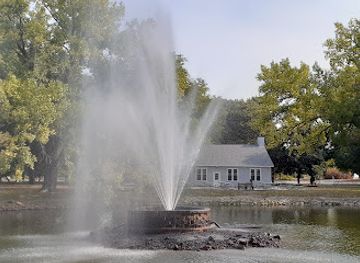
Skyview Park
Discover the natural beauty and recreational charm of Skyview Park, a must-visit destination in Norfolk, Nebraska for outdoor enthusiasts and families.
5 min drive · 1.7 km from city centre
-
Tourist attraction
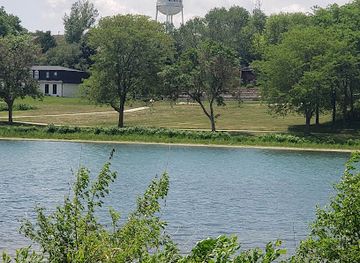
Ta-Ha-Zouka Park
Experience the beauty and recreational charm of Ta-Ha-Zouka Park, a serene escape in Norfolk, Nebraska, perfect for families and outdoor enthusiasts.
9 min drive · 3.0 km from city centre
-
Tourist attraction
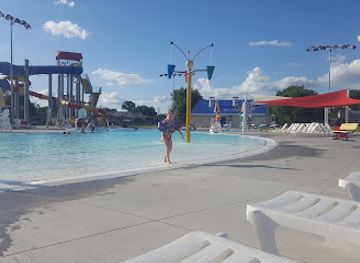
AquaVenture Water Park
Experience the ultimate aquatic adventure at AquaVenture Water Park in Norfolk, Nebraska, featuring thrilling slides and relaxing pools for the whole family.
5 min drive · 1.6 km from city centre
-
Tourist attraction
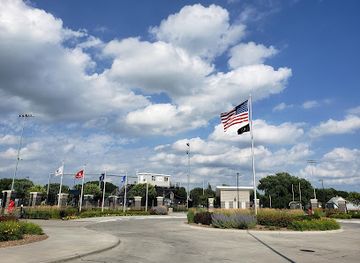
Veterans Memorial Park
Discover tranquility and honor at Veterans Memorial Park, a serene tribute to veterans in Norfolk, Nebraska, surrounded by beautiful landscapes and memorials.
5 min drive · 1.6 km from city centre
Best landmarks in Norfolk
Norfolk's landmarks are closely tied to civic life, regional history and the North Fork of the Elkhorn River. The Elkhorn Valley Museum is the city's principal historical institution, preserving stories of settlement, agriculture and local communities while giving special prominence to Johnny Carson, who was born in Norfolk. The Norfolk Arts Center occupies a notable historic building and represents the city's continuing investment in culture as well as its architectural past. Ta-Ha-Zouka Park is a civic landscape landmark, its name and river setting linking public recreation with the geography that shaped the settlement. Downtown Norfolk contains the visible framework of a regional Nebraska centre: commercial blocks, public buildings and established streets created as railways, agriculture and later highways expanded the town. Together these places express Norfolk's identity more clearly than a single monumental structure.
-
Steak
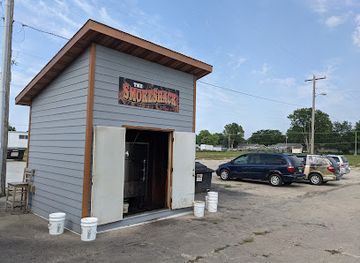
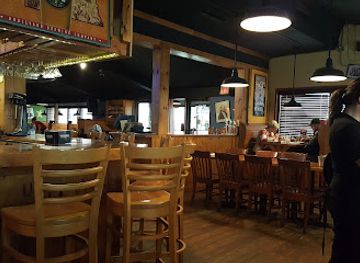
Whiskey Creek Wood Fire Grill
Experience the rich flavors of wood-fired steaks and barbecue at Whiskey Creek Wood Fire Grill in Norfolk, Nebraska – a culinary gem for every traveler.
16 min walk · 1.3 km from city centre
-
Shopping mall
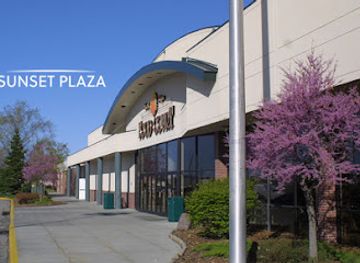
Sunset Plaza Mall
Experience shopping, dining, and community spirit at Sunset Plaza Mall, Norfolk's premier shopping destination.
5 min drive · 1.5 km from city centre
-
Restaurant
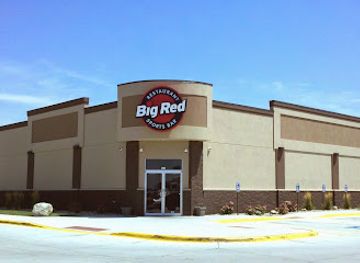
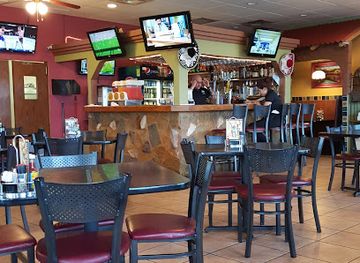
Big Red Restaurant & Sports Bar - Norfolk
Discover the vibrant atmosphere and delicious American cuisine at Big Red Restaurant & Sports Bar in Norfolk, Nebraska.
5 min drive · 1.7 km from city centre
-
Park
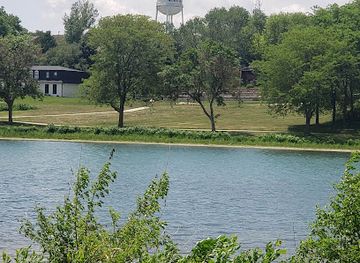
Skyview Park
Discover the serene beauty and recreational wonders of Skyview Park, a must-visit destination for nature lovers in Norfolk, Nebraska.
5 min drive · 1.7 km from city centre
Explore Norfolk on the map
Plan your Norfolk trip on one map. See where the top attractions, landmarks, restaurants, bars and hotels are, find what's near where you're staying, and book hotels and experiences in a few clicks.
Best hotels in Norfolk
Best restaurants in Norfolk
Norfolk's dining scene reflects its role as a practical agricultural service centre, with familiar Midwestern cooking, generous portions and a mixture of long-established local businesses and newer independent venues. Visitors will find diners serving breakfast, cafés, grills, burger restaurants, pizza and casual family meals, alongside Mexican and other international influences that reflect the city's contemporary population. Nebraska staples such as beef, sandwiches and comfort food sit naturally beside seasonal produce and baked goods sold through local markets and community events. Downtown and the main commercial corridors contain most of the everyday choices, while coffee shops provide informal meeting places during the day. The atmosphere is generally relaxed rather than highly formal, and menus, opening patterns and seasonal offerings can change, so the local dining scene is best approached as a collection of neighbourhood businesses rather than a destination built around a single signature restaurant.
-
Mexican
El Mezcal
Experience authentic Mexican cuisine at El Mezcal in Norfolk, NE - where flavor meets tradition in every bite.
6 min drive · 2.1 km from city centre
-
Restaurant
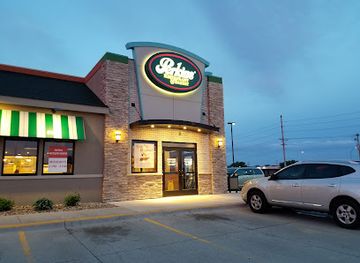
Perkins Restaurant & Bakery
Experience comforting American cuisine at Perkins Restaurant & Bakery in Norfolk - perfect for families and food lovers alike.
5 min drive · 1.6 km from city centre
-
Steak
Whiskey Creek Wood Fire Grill
Experience exceptional wood-fired steaks and barbecue dishes at Whiskey Creek Wood Fire Grill in Norfolk - where every meal is memorable.
16 min walk · 1.3 km from city centre
-
Restaurant
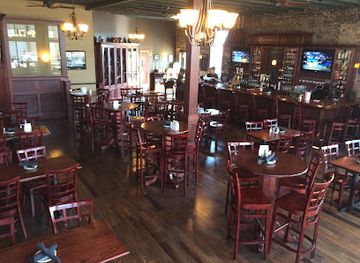
Black Cow Fat Pig Pub & Steak
Discover mouth-watering steaks and hearty pub fare at Black Cow Fat Pig Pub & Steak in Norfolk, Nebraska – a culinary experience not to be missed!
5 min walk · 0.4 km from city centre
Best bars in Norfolk
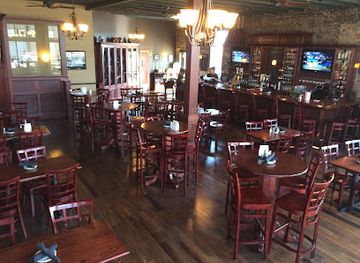
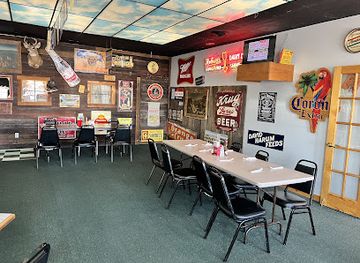
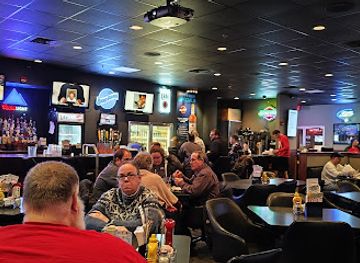
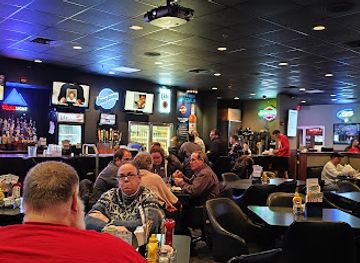
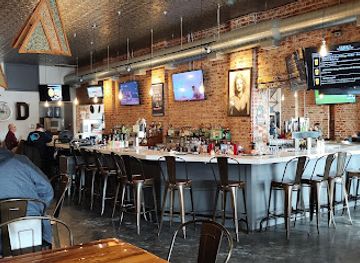
Norfolk's evening scene is modest and locally focused, centred on neighbourhood bars, casual pubs, restaurants and community entertainment rather than a large nightclub district. Downtown and the commercial corridors offer places for drinks, conversation and televised sport, while live music, seasonal events and performances at local arts or civic venues provide alternatives to a late-night bar. The city also benefits from the social rhythm of a regional Nebraska centre, where evening activity may gather around community festivals, college-related events and local gatherings rather than operating every night at the same intensity. Visitors should check current local listings for performances and opening arrangements, particularly outside weekends. Those seeking nightlife on a metropolitan scale will find Norfolk limited, but its evening character suits relaxed socialising and locally organised entertainment.
-
Restaurant
Black Cow Fat Pig Pub & Steak
Experience the heart of Nebraska dining at Black Cow Fat Pig Pub & Steak, where delicious steaks and a welcoming atmosphere await.
5 min walk · 0.4 km from city centre
-
Restaurant
Big Red Restaurant & Sports Bar - Norfolk
Experience the best of American dining at Big Red Restaurant & Sports Bar in Norfolk, where sports and flavor meet in a lively atmosphere.
5 min drive · 1.7 km from city centre
-
Mexican
Michael's Cantina
Discover Michael's Cantina in Norfolk for authentic Mexican cuisine, a lively atmosphere, and a retro lounge experience that brings friends and family together.
5 min drive · 1.5 km from city centre
-
Sports bar
Big Red Keno Norfolk
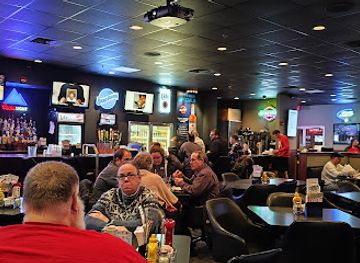
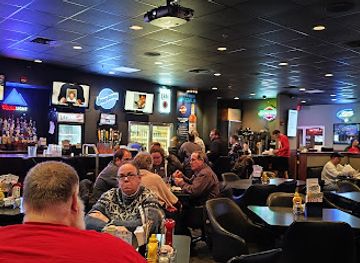
Discover the excitement of gaming and dining at Big Red Keno Norfolk, your premier sports bar and casino destination in Nebraska.
5 min drive · 1.7 km from city centre
Best nightclubs in Norfolk
Norfolk's evening scene is modest and locally focused, centred on neighbourhood bars, casual pubs, restaurants and community entertainment rather than a large nightclub district. Downtown and the commercial corridors offer places for drinks, conversation and televised sport, while live music, seasonal events and performances at local arts or civic venues provide alternatives to a late-night bar. The city also benefits from the social rhythm of a regional Nebraska centre, where evening activity may gather around community festivals, college-related events and local gatherings rather than operating every night at the same intensity. Visitors should check current local listings for performances and opening arrangements, particularly outside weekends. Those seeking nightlife on a metropolitan scale will find Norfolk limited, but its evening character suits relaxed socialising and locally organised entertainment.
-
Restaurant
Big Red Restaurant & Sports Bar - Norfolk
Discover the vibrant atmosphere and delicious American cuisine at Big Red Restaurant & Sports Bar in Norfolk, Nebraska, a perfect spot for sports fans and food lovers.
5 min drive · 1.7 km from city centre
-
Sports bar
Big Red Keno Norfolk
Experience the excitement of Big Red Keno in Norfolk, where delicious food meets thrilling gaming and live sports action in a vibrant atmosphere.
5 min drive · 1.7 km from city centre
-
Pub
District Table and Tap
Experience the vibrant atmosphere and delicious menu at District Table and Tap, Norfolk's favorite pub for food and nightlife.
13 min walk · 1.0 km from city centre
-
Bar
The O Lounge Bar
Discover Norfolk's lively nightlife at The O Lounge Bar, where great drinks and a vibrant atmosphere come together for an unforgettable experience.
5 min drive · 1.6 km from city centre
Best shops in Norfolk
Shopping in Norfolk combines practical regional retail with a small but worthwhile independent downtown scene. Norfolk Avenue and adjacent central streets contain locally owned businesses, cafés, services and speciality shops, while larger commercial areas provide everyday goods, clothing and national retailers. Norfolk Mall adds an enclosed shopping option, particularly useful in cold or wet weather, although the city's retail character is more functional than luxury-oriented. Seasonal markets and community events may offer baked goods, produce, crafts and locally made gifts, with availability varying through the year. Visitors interested in Nebraska-themed souvenirs can look for regional food products, handmade items and references to the Elkhorn Valley or Johnny Carson rather than expecting a large craft district. A car is useful for comparing the dispersed shopping areas, which are not arranged as one compact pedestrian retail quarter.
-
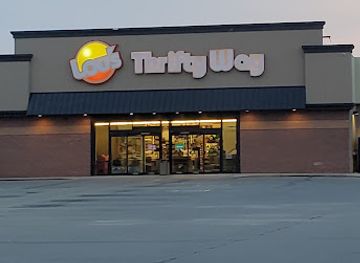
Grocery store
Lou's Thrifty Way
Discover the local flavors of Norfolk, NE at Lou's Thrifty Way, your friendly neighborhood grocery store offering fresh produce and local specialties.
12 min walk · 1.0 km from city centre
-
Shopping mall
Sunset Plaza Mall
Discover a shopper's paradise at Sunset Plaza Mall, where unique stores and delightful dining options await in Norfolk, Nebraska.
5 min drive · 1.5 km from city centre
-
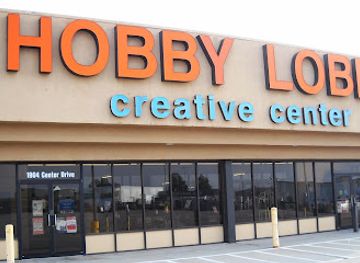
Craft store
Hobby Lobby
Discover endless creativity at Hobby Lobby, the ultimate craft store in Norfolk, Nebraska, offering a vast selection of supplies for all your artistic needs.
5 min drive · 1.5 km from city centre
-
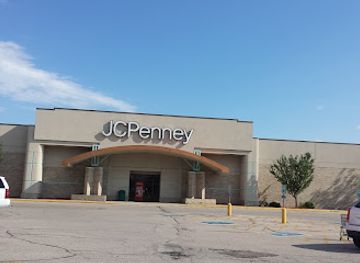
Department store
JCPenney
Explore JCPenney in Norfolk, Nebraska for an all-in-one shopping experience featuring clothing, furniture, and jewelry at great prices.
18 min walk · 1.5 km from city centre
Get your free copy of our complete guide to Norfolk, delivered straight to you.
Everything on this page, from attractions and restaurants to essentials and local phrases, in one PDF you can read offline, print or share.
Already have an account? Sign in
Your Norfolk guide is ready.
We'll send it to · Not you? Sign out

Getting your guide ready…
We are putting together a fresh copy of the Norfolk guide. This can take up to a minute.
This can take a few moments. If your browser asks, choose Allow so the download can start. You'll find the guide in your Downloads folder.
Nothing happened? Download it again
Sorry, the guide is taking longer than usual. Please try again in a minute, or get it by email instead.
Norfolk essentials
Currency and Payment
Safety
Emergency Situations
Do's and Don'ts
Local Tips
From Eve
Local phrases worth knowing
You don't need to get them perfect. A few words go a long way, and locals appreciate the effort.
Basics
| English | Local | Say it |
|---|---|---|
| Hello | Howdy | [haw-dee] |
| Goodbye | See ya | [see yuh] |
| Yes | Yup | [yup] |
| No | Nah | [nah] |
| Please/You're welcome | Please 'n thank ya | [pleez 'n thank yuh] |
| Thank you | Thanks a heap | [thanks uh heap] |
| Excuse me/Sorry | Pardon me | [pahr-dun me] |
| How are you? | How y'all doin'? | [how y'all doin'?] |
| Fine. And you? | Fine as frog hair. You? | [fine as frog hair. yuh?] |
| Do you speak English? | Y'all speak English? | [y'all speak english?] |
| I don't understand | I ain't catchin' on | [ahnt ketch-in on] |
Eating & Drinking
| English | Local | Say it |
|---|---|---|
| I'd like to see the menu, please | I reckon I'd like to see the vittles, please | [ah reckon ah'd like to see the vit-ulz, please] |
| I don't eat meat | I don't chew no fat | [ah dohnt choo no fat] |
| Cheers! | Bottoms up! | [bah-tums up!] |
| I would like to pay, please | I'd fancy payin', please | [ah'd fan-see pay-in, please] |
Emergencies
| English | Local | Say it |
|---|---|---|
| Help! | S.O.S! | [S.O.S!] |
| Go away! | Git! | [git!] |
| Call the Police! | Summon the Sheriff! | [summon the shur-iff!] |
| Call a doctor! | Fetch a doc! | [fetch a doc!] |
| I'm lost | I'm turned around | [ahm turned around] |
| I'm ill | I'm feelin' poorly | [ahm feelin' poor-lee] |
Shopping
| English | Local | Say it |
|---|---|---|
| I'd like to buy... | I'm aimin' to nab... | [ahm aim-in to nab...] |
| I'm just looking | I'm just a-peepin' | [ahm just uh-peepin'] |
| How much is it? | What's the damage? | [whuts the dam-midge?] |
| That's too expensive | That's high-falutin' | [thats high-falutin'] |
| Can you lower the price? | Kin ya knock a bit off? | [kin yuh knock a bit off?] |
Time & Numbers
| English | Local | Say it |
|---|---|---|
| What time is it? | What o'clock is it? | [whut uh-clock is it?] |
| It's one o'clock | It's a tick past twelve | [its uh tick past twelve] |
| Half past (10) | Ten-thirty | [ten-thur-tee] |
| Morning | Mornin' | [mornin'] |
| Afternoon | Afternoon | [afternoon] |
| Evening | Evenin' | [evenin'] |
| Yesterday | Yest'day | [yest-day] |
| Today | Today | [today] |
| Tomorrow | T'morrow | [tuh-mor-row] |
| 1 | One | [wun] |
| 2 | Two | [too] |
| 3 | Three | [three] |
| 4 | Four | [four] |
| 5 | Five | [five] |
| 6 | Six | [six] |
| 7 | Seven | [seven] |
| 8 | Eight | [eight] |
| 9 | Nine | [nine] |
| 10 | Ten | [ten] |
Transport & Directions
| English | Local | Say it |
|---|---|---|
| Where's a/the...? | Where's the... | [wheres the...] |
| What's the address? | What's the location? | [whuts the loh-kay-shun?] |
| Can you show me (on the map)? | Kin ya show me (on the map)? | [kin yuh show me (on the map)?] |
| When's the next (bus)? | When's the next (bus)? | [whens the next (bus)?] |
| A ticket (to ....) | A pass (to ....) | [uh pass (to ....)] |
History of Norfolk
Settlement in the Elkhorn Valley
The area around present-day Norfolk formed part of the broader homeland and travelling territory of Indigenous peoples of the central Great Plains, including communities connected with the Ponca and Otoe-Missouria region. American settlement of Norfolk began in 1866, when German-speaking colonists from Wisconsin established a community near the North Fork of the Elkhorn River. The settlement was initially known as North Fork, reflecting its geographical position, before the name Norfolk became established. Agriculture, access to water and the availability of open prairie shaped the community's early economy, while the river supplied an important local landmark and influenced the town's layout.
Railways and Regional Growth
Norfolk's development accelerated after railway connections reached the community in the late nineteenth century. Rail transport linked local farmers with larger markets, brought merchandise and machinery into town, and strengthened Norfolk's position as a commercial centre for surrounding counties. Grain handling, livestock, agricultural services and retail trade became central to the local economy. The railway also encouraged population growth and civic construction, helping transform a settlement on the Elkhorn into a substantial regional town. Much of the city's later identity as a service centre for northeast Nebraska can be traced to this era of expanding transport and farm commerce.
An Agricultural Service Centre
During the late nineteenth and early twentieth centuries, Norfolk developed the institutions expected of an agricultural service centre: schools, churches, banks, shops, newspapers and civic organisations. Its location among productive farms supported businesses serving grain production, livestock, equipment and rural households. As roads and motor vehicles became increasingly important, commercial activity spread beyond the original railway-oriented core and connected Norfolk more directly with nearby towns. The resulting urban pattern—central civic and commercial areas alongside broad arterial corridors—still reflects the way the city adapted from a railway settlement into a modern regional hub.
Civic Institutions and Community Life
The twentieth century brought continued investment in education, healthcare, recreation and public institutions, reinforcing Norfolk's role as a centre for northeast Nebraska. Parks along the North Fork of the Elkhorn River preserved open space as the built-up area expanded, while schools and community organisations helped sustain cultural life in a predominantly rural region. Agriculture remained influential, but retail, professional services, manufacturing and public-sector employment diversified the economy. The city's historic development is therefore visible less through a single monumental district than through the combination of civic buildings, neighbourhood streets, river parks and institutions serving a wide surrounding area.
Johnny Carson and Modern Norfolk
Norfolk's best-known modern cultural connection is Johnny Carson, born in the city in 1925. Carson spent part of his childhood in the region before building a national career as a radio and television host, eventually becoming associated with The Tonight Show. The Elkhorn Valley Museum's Johnny Carson gallery preserves this connection within the broader story of the valley and its communities. In the contemporary city, arts programming, local museums, outdoor facilities and downtown initiatives complement the agricultural and commercial functions that have long defined Norfolk, giving its public identity both regional purpose and a nationally recognisable cultural association.
Norfolk in Photos
Browse through our photo collection highlighting the charm and character of the destination.
Cities near Norfolk
The closest cities to Norfolk, if you have time for more than one stop.
-

-

-
-

-


Swipe for more cities
Explore more

Explore more of Nebraska
Discover Nebraska: A blend of rich history, diverse landscapes, and unique attractions in the heartland of America.
Explore Nebraska