

Free Omaha Travel Guide & Mobile App
Plan your Omaha trip with Evendo. Get free guides to top attractions, restaurants, hotels, and bars. Web access or download the mobile app.




Discover Omaha: A Midwest treasure with top-rated attractions, rich history, and vibrant culture, perfect for families, nature lovers, and art enthusiasts.
Read more about Omaha
When is the best time to visit Omaha?
Best: June, August–September · 23–28°C| Month | High (°C) | Rainfall (mm) |
|---|---|---|
| January | 1 | 20 |
| February | 3 | 23 |
| March | 9 | 39 |
| April | 17 | 71 |
| May | 22 | 103 |
| June (best) | 27 | 103 |
| July | 29 | 98 |
| August (best) | 28 | 89 |
| September (best) | 23 | 74 |
| October | 17 | 52 |
| November | 9 | 30 |
| December | 1 | 20 |
Getting to and around Omaha
How to get there
Transportation
Best attractions in Omaha
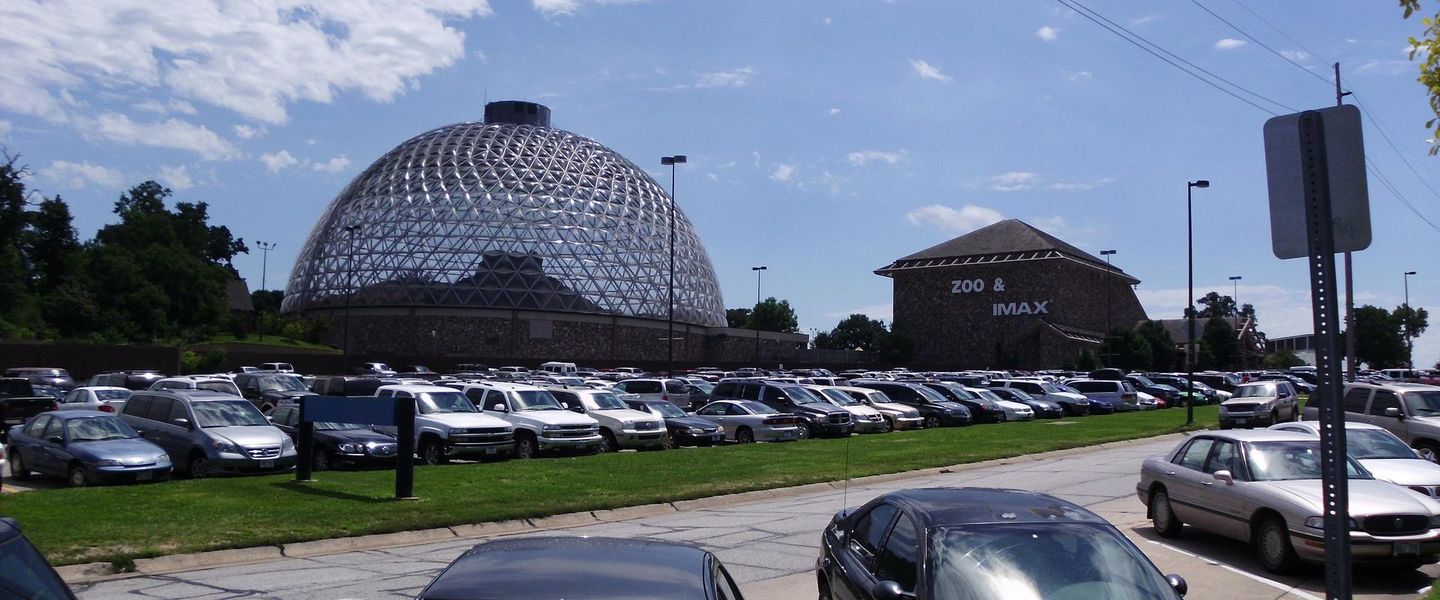
Omaha, Nebraska offers a blend of historical landmarks, cultural attractions, and outdoor activities that will captivate visitors of all interests. Explore the iconic Henry Doorly Zoo and Aquarium, known for its world-class exhibits and interactive experiences. Immerse yourself in history at the Durham Museum, housed in a beautiful Art Deco train station, showcasing the city's past through engaging exhibits. Stroll through the charming Old Market district, filled with unique shops, restaurants, and galleries. Enjoy a leisurely walk along the scenic Bob Kerrey Pedestrian Bridge, spanning the Missouri River and offering breathtaking views of the city skyline. Whether you're a nature lover, history buff, or food enthusiast, Omaha has something for everyone to enjoy.
-
Tourist attraction
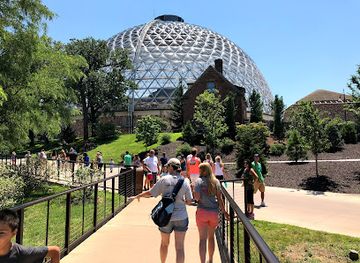
Omaha's Henry Doorly Zoo and Aquarium
Explore Omaha's Henry Doorly Zoo and Aquarium, a top-rated destination for animal lovers and families seeking adventure in a natural setting.
11 min drive · 3.8 km from city centre
-
Tourist attraction
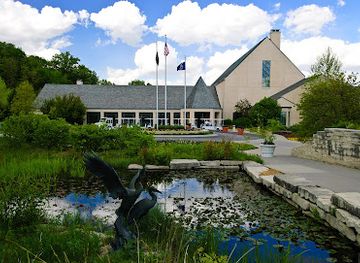
Lauritzen Gardens
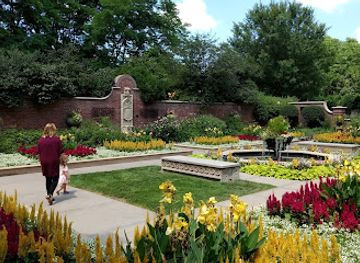
Explore the lush beauty of Lauritzen Gardens, Omaha's premier botanical garden, offering serene landscapes and vibrant floral displays year-round.
10 min drive · 3.3 km from city centre
-
Bridge
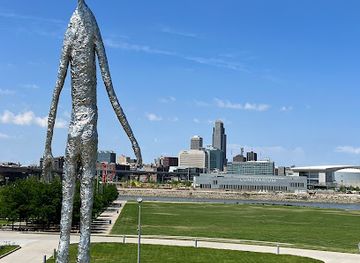
Bob Kerrey Pedestrian Bridge.
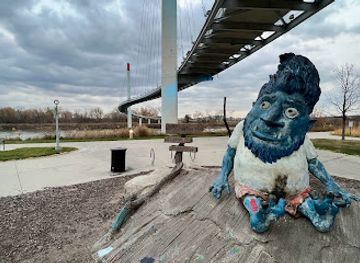
Discover the Bob Kerrey Pedestrian Bridge, a stunning architectural marvel connecting Nebraska and Iowa with picturesque views of the Missouri River.
5 min drive · 1.5 km from city centre
-
Tourist attraction
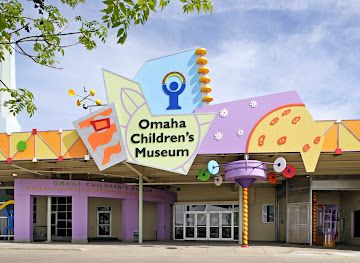
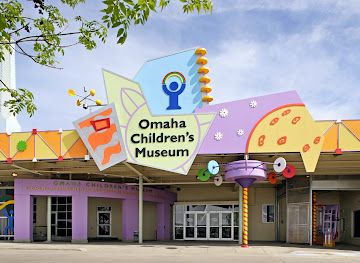
Omaha Children's Museum
Discover endless fun and learning at Omaha Children's Museum, where imagination comes to life for kids and families in an interactive setting.
7 min walk · 0.5 km from city centre
Best landmarks in Omaha
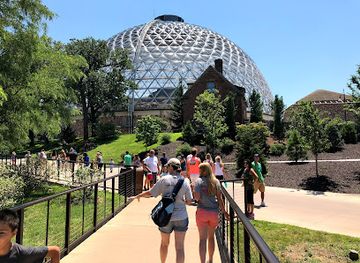
Omaha offers visitors a plethora of historical and cultural landmarks to explore, including the iconic Henry Doorly Zoo and Aquarium, home to the world's largest indoor desert and the largest indoor rainforest in North America. Visitors can also marvel at the stunning architecture of the Joslyn Art Museum, featuring works by renowned artists such as Monet and Degas. History buffs will appreciate a visit to the Durham Museum, housed in a beautifully restored Art Deco train station, showcasing the city's rich past through interactive exhibits and artifacts. And for a taste of the Old West, tourists can wander through the historic Old Market district, filled with charming shops, restaurants, and galleries set amidst cobblestone streets and brick buildings dating back to the 19th century.
-
Zoo
Omaha's Henry Doorly Zoo and Aquarium
Explore Omaha's Henry Doorly Zoo and Aquarium, a premier destination for wildlife enthusiasts featuring breathtaking exhibits and immersive experiences.
11 min drive · 3.8 km from city centre
-
Botanical garden
Lauritzen Gardens
Explore the enchanting beauty of Lauritzen Gardens in Omaha, a tranquil botanical paradise featuring diverse flora and captivating landscapes.
10 min drive · 3.3 km from city centre
-
Bridge
Bob Kerrey Pedestrian Bridge.
Discover the Bob Kerrey Pedestrian Bridge: a stunning architectural gem connecting Omaha and Council Bluffs, perfect for scenic walks and breathtaking views.
5 min drive · 1.5 km from city centre
-
Children's museum
Omaha Children's Museum
Discover a world of creativity and play at the Omaha Children's Museum, where fun and learning come together for young explorers.
7 min walk · 0.5 km from city centre
Explore Omaha on the map
Plan your Omaha trip on one map. See where the top attractions, landmarks, restaurants, bars and hotels are, find what's near where you're staying, and book hotels and experiences in a few clicks.
Neighbourhoods in Omaha
-

-

-

-


Swipe for more neighbourhoods
Best hotels in Omaha
Best restaurants in Omaha
Omaha's dining scene offers a vibrant mix of culinary delights, ranging from traditional steakhouses to trendy farm-to-table eateries. Visitors can indulge in world-class beef at iconic restaurants like the Drover, savor authentic Nebraskan fare at Block 16, or explore international flavors at the Old Market District's diverse array of dining options. With a strong focus on locally sourced ingredients and innovative chefs pushing the boundaries of cuisine, Omaha is a food lover's paradise waiting to be discovered.
-
Italian
Spaghetti Works
Discover authentic Italian cuisine at Spaghetti Works in Downtown Omaha – where every dish tells a story of flavor and tradition.
9 min walk · 0.7 km from city centre
-
Grill
Dinkers Bar and Grill
Experience the best of American cuisine at Dinkers Bar and Grill in Omaha—home of mouth-watering burgers and friendly service.
8 min drive · 2.8 km from city centre
-
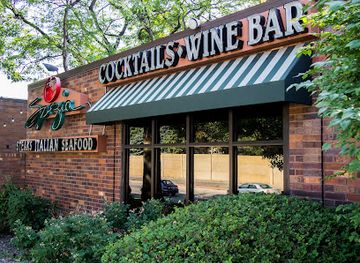
Italian
Spezia Omaha
Discover the exquisite flavors of Italy at Spezia Omaha, where fine dining meets local charm in a beautifully designed setting.
23 min drive · 7.8 km from city centre
-
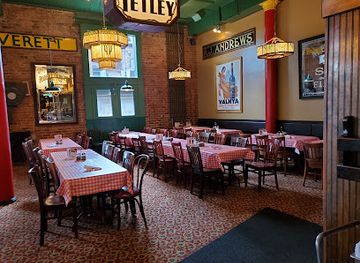
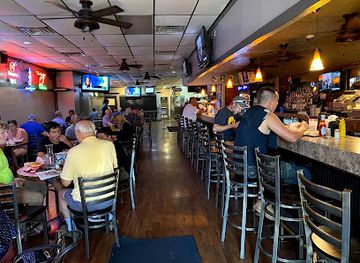
Restaurant
The Old Mattress Factory Bar & Grill
Discover The Old Mattress Factory Bar & Grill in Omaha: where history meets delicious dining in a vibrant atmosphere.
9 min walk · 0.8 km from city centre
Best bars in Omaha
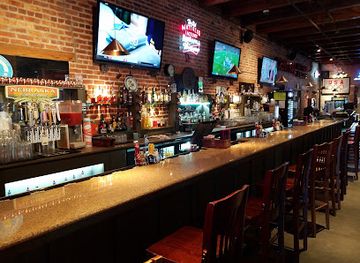
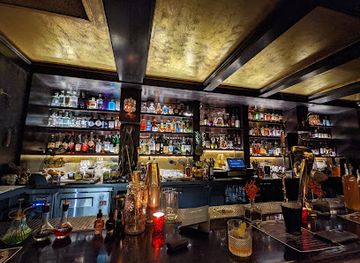
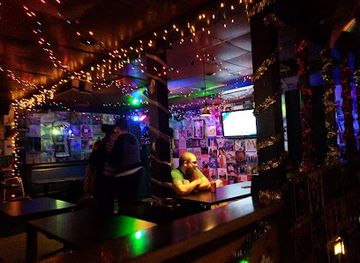
Omaha's nightlife scene offers a vibrant mix of trendy bars, live music venues, and exciting nightclubs that cater to every taste. From the upscale cocktail lounges in the Old Market District to the lively dance clubs in the Blackstone neighborhood, visitors can expect a diverse array of options for a night out on the town. Local breweries and distilleries showcase the city's craft beer and spirits scene, while rooftop bars provide stunning views of the city skyline. Whether you're looking for a laid-back evening sipping craft cocktails or a high-energy night of dancing, Omaha has something for everyone to enjoy after the sun goes down.
-
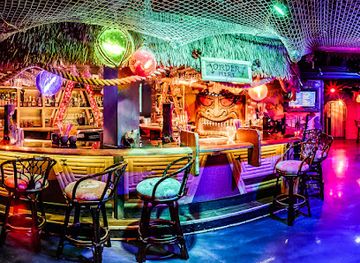
Cocktail bar
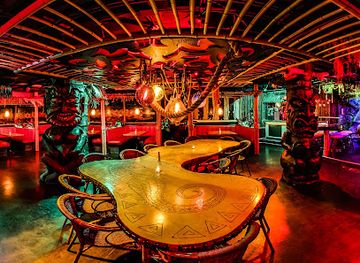
Laka Lono Rum Club
Discover the vibrant Laka Lono Rum Club in Omaha, where tropical cocktails and a relaxing atmosphere transport you to a paradise of flavor and fun.
8 min walk · 0.6 km from city centre
-
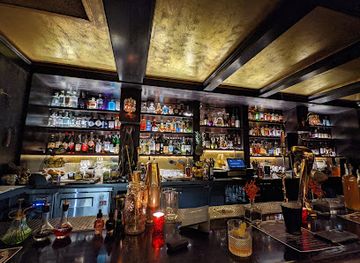
Bar
Wicked Rabbit
Experience the eclectic charm and innovative drinks of Wicked Rabbit, an unforgettable bar in downtown Omaha's vibrant nightlife scene.
4 min walk · 0.3 km from city centre
-
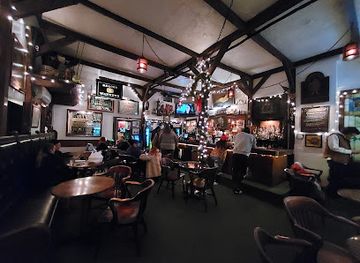
Irish pub
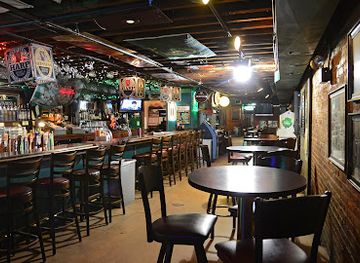
Dubliner Pub
Discover Dubliner Pub, an authentic Irish experience in Omaha with live music, delicious food, and a warm welcoming atmosphere.
7 min walk · 0.6 km from city centre
-
Pub
Mr. Toad
Experience the vibrant atmosphere and nostalgic charm of Mr. Toad, Omaha's favorite pub, where delicious food and friendly faces await.
10 min walk · 0.8 km from city centre
Best nightclubs in Omaha
Omaha's nightlife scene offers a vibrant mix of trendy bars, live music venues, and exciting nightclubs that cater to every taste. From the upscale cocktail lounges in the Old Market District to the lively dance clubs in the Blackstone neighborhood, visitors can expect a diverse array of options for a night out on the town. Local breweries and distilleries showcase the city's craft beer and spirits scene, while rooftop bars provide stunning views of the city skyline. Whether you're looking for a laid-back evening sipping craft cocktails or a high-energy night of dancing, Omaha has something for everyone to enjoy after the sun goes down.
-
Cocktail bar
Laka Lono Rum Club
Experience the vibrant atmosphere of Laka Lono Rum Club, Omaha's premier cocktail bar, offering a tropical escape with expertly crafted rum drinks.
8 min walk · 0.6 km from city centre
-
Bar
Wicked Rabbit
Experience Omaha's vibrant nightlife at Wicked Rabbit, where creative cocktails and a lively atmosphere await you.
4 min walk · 0.3 km from city centre
-
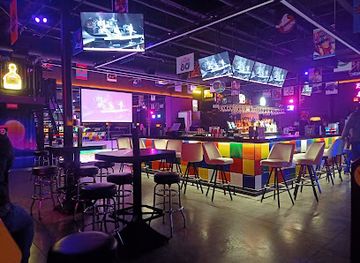
Night club
Throwback Arcade Lounge
Experience the ultimate mix of retro gaming and nightlife at Throwback Arcade Lounge in Omaha, where fun and nostalgia collide!
6 min walk · 0.4 km from city centre
-
Pub
O'Leaver's Pub
O'Leaver's Pub: A lively Omaha pub with craft beers, delicious food, and the best live music scene in town.
14 min drive · 4.5 km from city centre
Best shops in Omaha
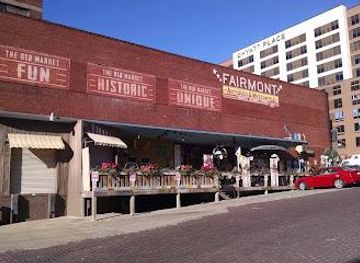
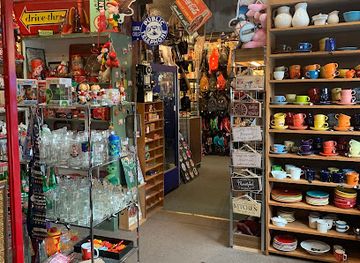
Omaha offers a diverse and vibrant shopping scene for visitors to explore. From upscale boutiques and trendy fashion stores in the Old Market district to the unique vintage shops and antique stores in Dundee, there is something for every taste and budget. Visitors can also enjoy browsing through the local farmers markets for fresh produce and handmade crafts, or explore the large shopping malls like Westroads and Village Pointe for a wide selection of national retailers. With a mix of modern shopping centers and charming historic districts, Omaha's shopping scene is sure to captivate tourists looking for a unique retail experience.
-
Candy store
Hollywood Candy
Explore the whimsical world of Hollywood Candy in Omaha, where every treat brings a smile and sweet nostalgia awaits around every corner.
9 min walk · 0.7 km from city centre
-
Gift shop
Amazing Imaginarium
Discover a treasure trove of nostalgia and creativity at Amazing Imaginarium in Omaha, a unique gift shop for collectors and enthusiasts.
9 min walk · 0.7 km from city centre
-
Collectibles store
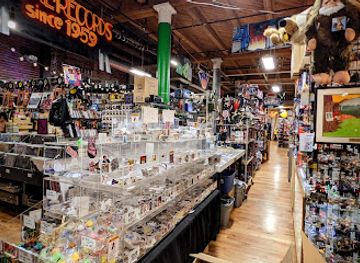
Old Market Emporium
Explore the eclectic treasures of Old Market Emporium in Omaha, a collectibles store brimming with vintage finds and local charm.
7 min walk · 0.6 km from city centre
-
Store
Voodoo's Odd Shop
Explore the enchanting world of oddities and curiosities at Voodoo's Odd Shop in Omaha, where every visit is a new adventure in the bizarre.
7 min drive · 2.3 km from city centre
Get your free copy of our complete guide to Omaha, delivered straight to you.
Everything on this page, from attractions and restaurants to essentials and local phrases, in one PDF you can read offline, print or share.
Already have an account? Sign in
Your Omaha guide is ready.
We'll send it to · Not you? Sign out

Getting your guide ready…
We are putting together a fresh copy of the Omaha guide. This can take up to a minute.
This can take a few moments. If your browser asks, choose Allow so the download can start. You'll find the guide in your Downloads folder.
Nothing happened? Download it again
Sorry, the guide is taking longer than usual. Please try again in a minute, or get it by email instead.
Omaha essentials
Currency and Payment
Safety
Emergency Situations
Do's and Don'ts
Local Tips
From Eve
Local phrases worth knowing
You don't need to get them perfect. A few words go a long way, and locals appreciate the effort.
Basics
| English | Local | Say it |
|---|---|---|
| Hello | Howdy | [haʊdi] |
| Goodbye | See ya | [siː jə] |
| Yes | Yup | [jʌp] |
| No | Nah | [nɑː] |
| Please/You're welcome | Please/No problem | [pliːz/nəʊ ˈprɑbləm] |
| Thank you | Thanks | [θæŋks] |
| Excuse me/Sorry | Pardon me/My bad | [ˈpɑrdn miː/maɪ bæd] |
| How are you? | How ya doin'? | [haʊ jə ˈduɪn] |
| Fine. And you? | Good. You? | [ɡʊd juː] |
| Do you speak English? | Ya speak English? | [jə spiːk ˈɪŋɡlɪʃ] |
| I don't understand | I don't get it | [aɪ doʊnt ˈɡɛt ɪt] |
Eating & Drinking
| English | Local | Say it |
|---|---|---|
| I'd like to see the menu, please | Can I see the menu? | [kæn aɪ siː ðə ˈmɛnjuː] |
| I don't eat meat | I don't eat meat | [aɪ doʊnt it mit] |
| Cheers! | Cheers! | [ʧɪrz] |
| I would like to pay, please | I'll pay now | [aɪl peɪ naʊ] |
Emergencies
| English | Local | Say it |
|---|---|---|
| Help! | Help! | [hɛlp] |
| Go away! | Get lost! | [ɡɛt lɔst] |
| Call the Police! | Call the cops! | [kɔl ðə kɑps] |
| Call a doctor! | Get a doc! | [ɡɛt ə dɑk] |
| I'm lost | I'm lost | [aɪm lɔst] |
| I'm ill | I'm sick | [aɪm sɪk] |
Shopping
| English | Local | Say it |
|---|---|---|
| I'd like to buy... | I wanna buy... | [aɪ ˈwɑnə baɪ] |
| I'm just looking | Just browsing | [ʤʌst ˈbraʊzɪŋ] |
| How much is it? | How much? | [haʊ mʌtʃ] |
| That's too expensive | That's pricey | [ðæts ˈpraɪsi] |
| Can you lower the price? | Can you do better? | [kæn jʊ duː ˈbɛtər] |
Time & Numbers
| English | Local | Say it |
|---|---|---|
| What time is it? | What time? | [wʌt taɪm] |
| It's one o'clock | It's one | [ɪts wʌn] |
| Half past (10) | Half past ten | [hæf pæst tɛn] |
| Morning | Morning | [ˈmɔrnɪŋ] |
| Afternoon | Afternoon | [ˌæftərˈnun] |
| Evening | Evening | [ˈivnɪŋ] |
| Yesterday | Yesterday | [ˈjɛstərdeɪ] |
| Today | Today | [təˈdeɪ] |
| Tomorrow | Tomorrow | [təˈmɑroʊ] |
| 1 | One | [wʌn] |
| 2 | Two | [tuː] |
| 3 | Three | [θriː] |
| 4 | Four | [fɔːr] |
| 5 | Five | [faɪv] |
| 6 | Six | [sɪks] |
| 7 | Seven | [ˈsɛvən] |
| 8 | Eight | [eɪt] |
| 9 | Nine | [naɪn] |
| 10 | Ten | [tɛn] |
Transport & Directions
| English | Local | Say it |
|---|---|---|
| Where's a/the...? | Where's the...? | [wɛərz ðə] |
| What's the address? | What's the addy? | [wʌts ðə ˈædi] |
| Can you show me (on the map)? | Can you point it out? | [kæn jʊ pɔɪnt ɪt aʊt] |
| When's the next (bus)? | When's the next bus? | [wɛnz ðə nɛkst bʌs] |
| A ticket (to ....) | A ticket (to ....) | [ə ˈtɪkɪt (tu...)] |
History of Omaha
The Founding of Omaha
Omaha was founded on July 4, 1854, by speculators from the Council Bluffs area who had crossed the Missouri River and established a new town. The name 'Omaha' was derived from the Omaha tribe, who had inhabited the region for centuries. The city's strategic location along the river made it a key transportation and trading hub in the mid-19th century.
Transcontinental Railroad
The completion of the First Transcontinental Railroad in 1869 was a pivotal moment in Omaha's history. Omaha was selected as the eastern terminus of the Union Pacific Railroad, which significantly boosted the city's economy and population. The railroad transformed Omaha into a bustling center of commerce and industry, attracting settlers, workers, and businesses from across the country.
The Stockyards and Meatpacking Industry
In the late 19th and early 20th centuries, Omaha became a major center for the meatpacking industry. The establishment of the Union Stockyards in 1884 positioned Omaha as one of the largest livestock markets in the world. Companies like Armour, Swift, and Cudahy set up operations in the city, providing employment to thousands and contributing to Omaha's economic growth.
The Omaha Race Riot of 1919
A significant yet tragic event in Omaha's history was the race riot of 1919. The riot was part of the larger Red Summer, a series of race-related violence across the United States. On September 28, 1919, an African American man named Will Brown was lynched by a white mob in the city's courthouse square. This event highlighted the racial tensions in Omaha and had lasting impacts on the community.
The Great Depression and the New Deal
The Great Depression of the 1930s severely impacted Omaha, as it did many other American cities. Unemployment soared, and many businesses closed. However, the New Deal programs initiated by President Franklin D. Roosevelt provided some relief. Projects like the construction of the Omaha Municipal Airport (now Eppley Airfield) and the renovation of the city's parks and public buildings helped to revitalize the area.
The Civil Rights Movement
During the 1960s, Omaha played a role in the national Civil Rights Movement. The city experienced its share of racial unrest, including protests and clashes with law enforcement. Activists like Malcolm X, who was born in Omaha, and local leaders worked tirelessly to address issues of segregation, discrimination, and inequality. The movement led to significant changes in the city's social and political landscape.
Modern Omaha: Economic Diversification and Growth
In recent decades, Omaha has diversified its economy beyond its historical roots in agriculture and meatpacking. The city has become a hub for finance, healthcare, education, and technology. Companies like Berkshire Hathaway, Union Pacific Railroad, and Mutual of Omaha have their headquarters in the city. The revitalization of downtown Omaha, with developments like the Old Market District and the Henry Doorly Zoo, has also contributed to the city's cultural and economic resurgence.
Omaha in Photos
Browse through our photo collection highlighting the charm and character of the destination.
Cities near Omaha
The closest cities to Omaha, if you have time for more than one stop.
-

-

-

-

-


Swipe for more cities
Explore more

Explore more of Nebraska
Discover Nebraska: A blend of rich history, diverse landscapes, and unique attractions in the heartland of America.
Explore Nebraska