

Free Lincoln Travel Guide & Mobile App
Plan your Lincoln trip with Evendo. Get free guides to top attractions, restaurants, hotels, and bars. Web access or download the mobile app.


Lincoln, Nebraska blends prairie-rooted history, the Nebraska State Capitol, lively Haymarket culture, museums, gardens and welcoming local experiences in a walkable city.
A Capital Shaped by the Plains
Lincoln is Nebraska’s capital, set amid the broad grasslands and agricultural country of the state’s eastern interior. Its identity is closely tied to civic life, higher education and the practical, open character of the Great Plains. The city grew from a nineteenth-century settlement into a regional centre, yet its central districts remain approachable, with tree-lined streets, independent businesses and a concentration of cultural institutions around downtown and the University of Nebraska–Lincoln.Read more about Lincoln
Architecture, Museums and Green Spaces
Neighbourhoods and Local Character
When is the best time to visit Lincoln?
Best: May, September–October · 18–25°C| Month | High (°C) | Rainfall (mm) |
|---|---|---|
| January | 1 | 20 |
| February | 4 | 22 |
| March | 11 | 34 |
| April | 17 | 63 |
| May (best) | 23 | 86 |
| June | 28 | 89 |
| July | 31 | 85 |
| August | 30 | 73 |
| September (best) | 25 | 63 |
| October (best) | 18 | 52 |
| November | 9 | 26 |
| December | 4 | 23 |
Getting to and around Lincoln
How to get there
Transportation
Best attractions in Lincoln
Lincoln’s principal attractions combine civic architecture, museums and open landscapes. The Nebraska State Capitol offers richly decorated interiors and a tower viewpoint over the capital, while the Historic Haymarket brings former rail and warehouse buildings together with galleries, public art, restaurants and event spaces. At the University of Nebraska–Lincoln, Morrill Hall presents natural-history exhibits including the celebrated Elephant Hall, and the Sheldon Museum of Art displays American works in a distinctive modern building. Sunken Gardens provides a carefully designed horticultural setting, with changing seasonal planting, while Pioneers Park Nature Center introduces visitors to prairie habitats, wildlife and walking trails. The International Quilt Museum adds a specialised cultural dimension through its global collections. For a more local urban perspective, Havelock’s railway heritage and the city’s connected recreational trails reveal how Lincoln developed beyond its government centre.
-
Children's museum
Lincoln Children's Museum
Experience the joy of discovery at Lincoln Children's Museum, where imagination comes to life through interactive exhibits and enriching activities for kids.
3 min walk · 0.3 km from city centre
-
Children's museum
Lincoln Children's Museum
A vibrant children's museum in Lincoln, NE, offering interactive exhibits that foster creativity and learning through play for kids of all ages.
3 min walk · 0.3 km from city centre
-
Tourist attraction
Sheldon Museum of Art
Explore the Sheldon Museum of Art in Lincoln, NE, showcasing a rich collection of American art set in a stunning architectural masterpiece.
6 min walk · 0.5 km from city centre
-
Tourist attraction
Nebraska History Museum
Explore the captivating history of Nebraska at the Nebraska History Museum, where stories of the past come to life in engaging exhibits and interactive displays.
3 min walk · 0.2 km from city centre


Best landmarks in Lincoln
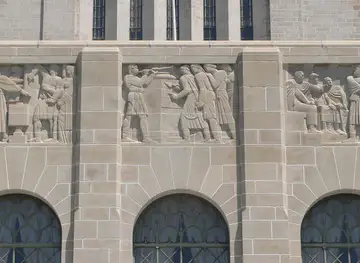
The Nebraska State Capitol is Lincoln’s defining landmark, rising above the city with a central tower, a golden-topped dome, mosaics and sculptural programmes that explore Nebraska’s history, landscape and civic ideals. The building replaced earlier capitols and reflects the ambition of the state’s twentieth-century government centre. The University of Nebraska–Lincoln campus contains older academic buildings and the Sheldon Museum of Art, whose modern architecture gives the city an important cultural marker. In the Historic Haymarket, brick warehouses, former rail-related structures and the Haymarket Farmers’ Market area preserve the physical memory of Lincoln’s commercial and transport growth. Havelock’s former railway identity survives in its station-area streets and neighbourhood institutions, while the Lincoln Children’s Zoo and Sunken Gardens represent later civic investment in public recreation. Together, these sites show a capital shaped by government, railways, education and the landscapes of the Great Plains.
-
Children's museum
Lincoln Children's Museum
Explore the Lincoln Children's Museum for a fun-filled day of interactive learning and imaginative play for kids and families in downtown Nebraska.
3 min walk · 0.3 km from city centre
-
Museum
Nebraska History Museum
Explore the vibrant history of Nebraska at the Nebraska History Museum, where engaging exhibits and rich cultural heritage await.
3 min walk · 0.2 km from city centre
-
Hotel
Holiday Inn Express & Suites Lincoln Downtown, an IHG Hotel
Experience the best of Lincoln at Holiday Inn Express & Suites, your perfect hotel getaway in the heart of the city.
6 min walk · 0.5 km from city centre
-
Apartment building
Grand Manse
Discover the Grand Manse, a historic apartment building and enchanting event venue in Lincoln, Nebraska, perfect for weddings and cultural experiences.
5 min walk · 0.4 km from city centre


Explore Lincoln on the map
Plan your Lincoln trip on one map. See where the top attractions, landmarks, restaurants, bars and hotels are, find what's near where you're staying, and book hotels and experiences in a few clicks.
Neighbourhoods in Lincoln
-
-


Swipe for more neighbourhoods
Best hotels in Lincoln
Best restaurants in Lincoln
Lincoln’s food culture reflects Nebraska’s agricultural setting, Midwestern comfort cooking and a steadily broader range of international influences. The state-associated runza, a baked bread pocket filled traditionally with seasoned beef and cabbage, is closely linked to Lincoln through the first Runza restaurant opened there in 1949. Steaks, burgers, sandwiches and locally minded American cooking remain common, while downtown, the Historic Haymarket, South 9th Street and university-adjacent areas bring cafés, bakeries, breweries and restaurants with Mexican, Vietnamese, Indian and other international cuisines. Farmers’ markets and specialist food shops provide seasonal produce and regional goods, and independent coffee businesses contribute to the city’s daytime culture. Dining districts are separated by substantial roads and neighbourhood distances, so the atmosphere ranges from compact historic streets to car-oriented commercial corridors rather than forming one continuous restaurant quarter.
-
Hamburger
Honest Abe's - Downtown
Discover Honest Abe's - Downtown: A gourmet burger haven in Lincoln offering unique flavors and quality ingredients in a vibrant setting.
2 min walk · 0.2 km from city centre
-
Restaurant
The Green Gateau
Experience exquisite dining at The Green Gateau in Lincoln - where local flavors meet exceptional service in an inviting atmosphere.
6 min walk · 0.5 km from city centre
-
Mediterranean
Sultan's Kite
Discover the flavors of the Mediterranean at Sultan's Kite in Lincoln - where fresh meets fast in a delightful dining experience.
1 min walk · 0.1 km from city centre
-
Pizza
Yia Yia's
Discover the heart of Italian cuisine at Yia Yia's in Lincoln – where every slice tells a story.
2 min walk · 0.2 km from city centre


Best bars in Lincoln
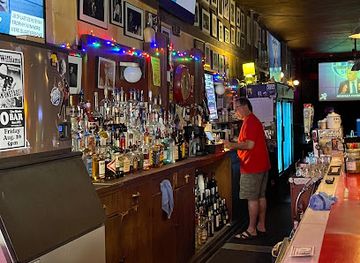
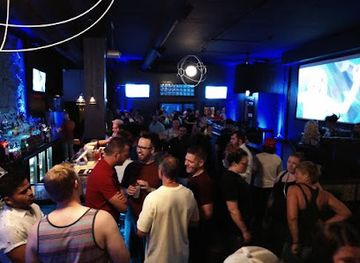
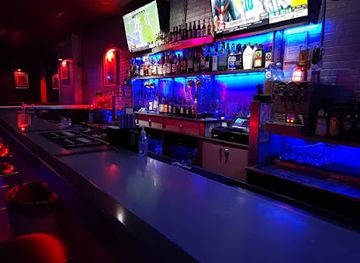
Lincoln’s evening life is concentrated around the Historic Haymarket, downtown and the streets near the University of Nebraska–Lincoln. The Haymarket combines renovated industrial buildings with pubs, breweries, cocktail-led venues and places that become busier around concerts and university events. O Street and the surrounding central districts offer further bars, while the Zoo Bar is a long-established venue associated with blues and live music. Lincoln’s nightlife is more varied than club-centred: theatres, campus performances, comedy, gallery events and live bands provide alternatives to drinking-led evenings. Sporting fixtures, especially Nebraska Cornhuskers games, can transform the social rhythm of the city and make some areas notably busier. Visitors should remember that venues follow US age restrictions and identification requirements, and entertainment options can be quieter outside university terms or major event dates.
-
Bar
Zoo Bar
Discover the lively Zoo Bar in Lincoln, Nebraska, where great drinks, live music, and friendly vibes create the perfect night out.
2 min walk · 0.2 km from city centre
-
Bar
Duffy's Tavern
Duffy's Tavern: A lively bar in Lincoln with Irish charm, live music, and sports excitement for an unforgettable night out.
2 min walk · 0.2 km from city centre
-
Bar
1867 Bar
Discover the lively ambiance and exceptional drink selection at 1867 Bar in downtown Lincoln, Nebraska - a favorite among locals and tourists alike!
1 min walk · 0.1 km from city centre
-
Bar
The Copper Kettle Mule Bar and Eatery
Discover a vibrant blend of craft cocktails and delicious cuisine at The Copper Kettle Mule Bar and Eatery in Lincoln's downtown.
3 min walk · 0.2 km from city centre


Best nightclubs in Lincoln
Lincoln’s evening life is concentrated around the Historic Haymarket, downtown and the streets near the University of Nebraska–Lincoln. The Haymarket combines renovated industrial buildings with pubs, breweries, cocktail-led venues and places that become busier around concerts and university events. O Street and the surrounding central districts offer further bars, while the Zoo Bar is a long-established venue associated with blues and live music. Lincoln’s nightlife is more varied than club-centred: theatres, campus performances, comedy, gallery events and live bands provide alternatives to drinking-led evenings. Sporting fixtures, especially Nebraska Cornhuskers games, can transform the social rhythm of the city and make some areas notably busier. Visitors should remember that venues follow US age restrictions and identification requirements, and entertainment options can be quieter outside university terms or major event dates.
-
Bar
Zoo Bar
Discover the vibrant nightlife at Zoo Bar in downtown Lincoln, where live music and affordable drinks create the perfect atmosphere for a fun night out.
2 min walk · 0.2 km from city centre
-
Night club
Duffy's Tavern
Experience the lively atmosphere of Duffy's Tavern in Lincoln, where Irish pub charm meets live music and sports bar excitement.
2 min walk · 0.2 km from city centre
-
Bar
Das Haus
Discover the energetic nightlife of Lincoln, Nebraska at Das Haus – a lively bar with great drinks and dance vibes.
6 min walk · 0.5 km from city centre
-
Adult entertainment club
The Night Before Lounge
Experience the vibrant nightlife at The Night Before Lounge, Lincoln's top adult entertainment club, offering thrilling performances and a welcoming atmosphere.
5 min walk · 0.4 km from city centre

Best shops in Lincoln
Shopping in Lincoln ranges from independent downtown businesses to large suburban retail areas. The Historic Haymarket and adjacent central streets are the most atmospheric places for boutiques, galleries, books, gifts, antiques and locally made goods, with former warehouse buildings giving the district a distinct setting. The Haymarket Farmers’ Market, held seasonally, brings Nebraska produce, baked goods, flowers and craft products into the centre when operating. SouthPointe Pavilions and Gateway Mall provide broader retail selections, while the university area has bookshops, clothing stores and cafés shaped by student life. Visitors looking for regional purchases may find Nebraska food products, prairie-themed art, textiles, handmade ceramics and locally produced craft beverages, although the exact selection varies by shop and season. Shopping is generally spread across several districts, making a car or planned bus journey useful beyond the central area.
-
Used book store
A Novel Idea Bookstore
Explore A Novel Idea Bookstore, a cozy used book store in Lincoln, NE, filled with literary gems, local events, and a welcoming atmosphere for all book lovers.
2 min walk · 0.2 km from city centre
-
Gift shop
Alumni Hall
Explore Alumni Hall in Downtown Lincoln for unique gifts, trendy clothing, and sports memorabilia that celebrate Nebraska's vibrant culture.
3 min walk · 0.2 km from city centre
-
Toy store
Museum Toy Store
Explore the delightful Museum Toy Store in Lincoln, where imagination meets play with an incredible selection of toys for all ages.
3 min walk · 0.2 km from city centre
-
Clothing store
Ruby Begonias
Explore Ruby Begonias, Lincoln's charming thrift store, for unique vintage clothing and accessories that capture the spirit of local culture.
1 min walk · 0.1 km from city centre


Get your free copy of our complete guide to Lincoln, delivered straight to you.
Everything on this page, from attractions and restaurants to essentials and local phrases, in one PDF you can read offline, print or share.
Already have an account? Sign in
Your Lincoln guide is ready.
We'll send it to · Not you? Sign out

Getting your guide ready…
We are putting together a fresh copy of the Lincoln guide. This can take up to a minute.
This can take a few moments. If your browser asks, choose Allow so the download can start. You'll find the guide in your Downloads folder.
Nothing happened? Download it again
Sorry, the guide is taking longer than usual. Please try again in a minute, or get it by email instead.
Lincoln essentials
Currency and Payment
Safety
Emergency Situations
Do's and Don'ts
Local Tips
From Eve
Local phrases worth knowing
You don't need to get them perfect. A few words go a long way, and locals appreciate the effort.
Basics
| English | Local | Say it |
|---|---|---|
| Hello | Howdy | [haw-dee] |
| Goodbye | See ya | [see yuh] |
| Yes | Yup | [yuhp] |
| No | Nope | [nohp] |
| Please/You're welcome | Please/No problem | [pleez/no prob-lem] |
| Thank you | Thanks | [thanks] |
| Excuse me/Sorry | Pardon me/My bad | [pahr-dun me/my bad] |
| How are you? | Howdy | [haw-dee] |
| Fine. And you? | Good. You? | [good. yuh?] |
| Do you speak English? | Ya speak English? | [ya speak ing-glish?] |
| I don't understand | I dunno | [eye dun-no] |
Eating & Drinking
| English | Local | Say it |
|---|---|---|
| I'd like to see the menu, please | Menu, please | [menu, please] |
| I don't eat meat | No meat for me | [noh meat fer mee] |
| Cheers! | Cheers! | [cheers!] |
| I would like to pay, please | Check, please | [check, please] |
Emergencies
| English | Local | Say it |
|---|---|---|
| Help! | Help! | [help!] |
| Go away! | Get lost! | [get lost!] |
| Call the Police! | Call the cops! | [call the cops!] |
| Call a doctor! | Get a doc! | [get a doc!] |
| I'm lost | I'm lost | [eye-m lost] |
| I'm ill | I'm sick | [eye-m sick] |
Shopping
| English | Local | Say it |
|---|---|---|
| I'd like to buy... | I wanna buy... | [eye wanna buy...] |
| I'm just looking | Just browsing | [just brows-ing] |
| How much is it? | How much? | [how much?] |
| That's too expensive | Too pricey | [too prye-see] |
| Can you lower the price? | Any deals? | [an-nee deels?] |
Time & Numbers
| English | Local | Say it |
|---|---|---|
| What time is it? | What time is it? | [what time is it?] |
| It's one o'clock | It's one | [its one] |
| Half past (10) | Ten thirty | [ten thur-tee] |
| Morning | Morning | [mor-ning] |
| Afternoon | Afternoon | [af-ter-noon] |
| Evening | Evening | [eve-ning] |
| Yesterday | Yesterday | [yess-ter-day] |
| Today | Today | [toh-day] |
| Tomorrow | Tomorrow | [toh-mor-row] |
| 1 | One | [wun] |
| 2 | Two | [too] |
| 3 | Three | [three] |
| 4 | Four | [for] |
| 5 | Five | [fahyv] |
| 6 | Six | [siks] |
| 7 | Seven | [sev-uhn] |
| 8 | Eight | [ayt] |
| 9 | Nine | [nine] |
| 10 | Ten | [ten] |
Transport & Directions
| English | Local | Say it |
|---|---|---|
| Where's a/the...? | Where's the...? | [wheres the...?] |
| What's the address? | What's the address? | [whats the address?] |
| Can you show me (on the map)? | Show me (on the map) | [show me (on the map)] |
| When's the next (bus)? | When's the next bus? | [whens the next bus?] |
| A ticket (to ....) | Ticket (to ...) | [ticket (to ...)] |
History of Lincoln
Indigenous Plains Homelands
The area around present-day Lincoln lies within the wider homelands and historical territories of Indigenous peoples including the Oto-Missouria and Pawnee. These communities maintained complex societies connected to the Platte River basin and the Great Plains through agriculture, hunting, trade and seasonal movement. Later United States expansion brought treaties, land pressures and profound disruption to Indigenous life. Nebraska’s capital now contains institutions and public interpretation that acknowledge this deeper history, although the city itself was established during the era of American territorial settlement rather than as an ancient Indigenous urban centre.
Lancaster Settlement and County Growth
The settlement that became Lincoln began as Lancaster in 1856, when Euro-American settlers established a community in what was then Nebraska Territory. Its early economy was connected to farming, salt production and the expanding network of trails and settlements across the territory. Lancaster remained relatively small, but its position near the Salt Creek valley and its central location within the territory gave it potential for political importance. The name survived in Lancaster County, whose agricultural character continues to shape the city’s regional setting.
A New State Capital in 1867
When Nebraska entered the Union in 1867, the new state legislature selected Lancaster as the capital and renamed it Lincoln in honour of Abraham Lincoln. The decision moved political power away from Omaha and set the direction of the young city’s development. Government buildings, public institutions and residential neighbourhoods gradually spread from the original settlement, while the capital’s location encouraged roads, rail connections and commercial activity. The Nebraska State Capitol, built in stages between 1922 and 1932, later gave the city a defining architectural symbol and a monumental expression of state government.
Railways, Industry and Urban Expansion
Rail connections transformed Lincoln during the late nineteenth and early twentieth centuries, linking the capital to regional markets and supporting grain handling, manufacturing and population growth. The railway helped create distinct working communities, including Havelock, which developed around the Burlington railway shops before being annexed by Lincoln in 1890. Downtown commercial buildings, the Haymarket’s warehouses and neighbourhoods surrounding the city’s rail corridors reflect this period of expansion. Agriculture remained central to the surrounding economy, while government, education and commerce made Lincoln increasingly less dependent on any single industry.
University, Culture and Contemporary Lincoln
The University of Nebraska, founded in Lincoln in 1869, became one of the city’s most influential institutions, shaping research, arts, sport and population growth. The university’s campus and museums helped establish Lincoln as an educational and cultural centre, while twentieth-century suburban development broadened the city beyond its original core. Historic districts such as the Haymarket were later adapted for restaurants, galleries and public events rather than erased by redevelopment. Today, Lincoln’s identity combines state government, higher education, agriculture-related commerce, neighbourhood traditions and a growing programme of cultural activity.
Lincoln in Photos
Browse through our photo collection highlighting the charm and character of the destination.
Cities near Lincoln
The closest cities to Lincoln, if you have time for more than one stop.
-

-
-

-
-


Swipe for more cities
Explore more

Explore more of Nebraska
Discover Nebraska: A blend of rich history, diverse landscapes, and unique attractions in the heartland of America.
Explore Nebraska