

Free Grand Island Travel Guide & Mobile App
Plan your Grand Island trip with Evendo. Get free guides to top attractions, restaurants, hotels, and bars. Web access or download the mobile app.


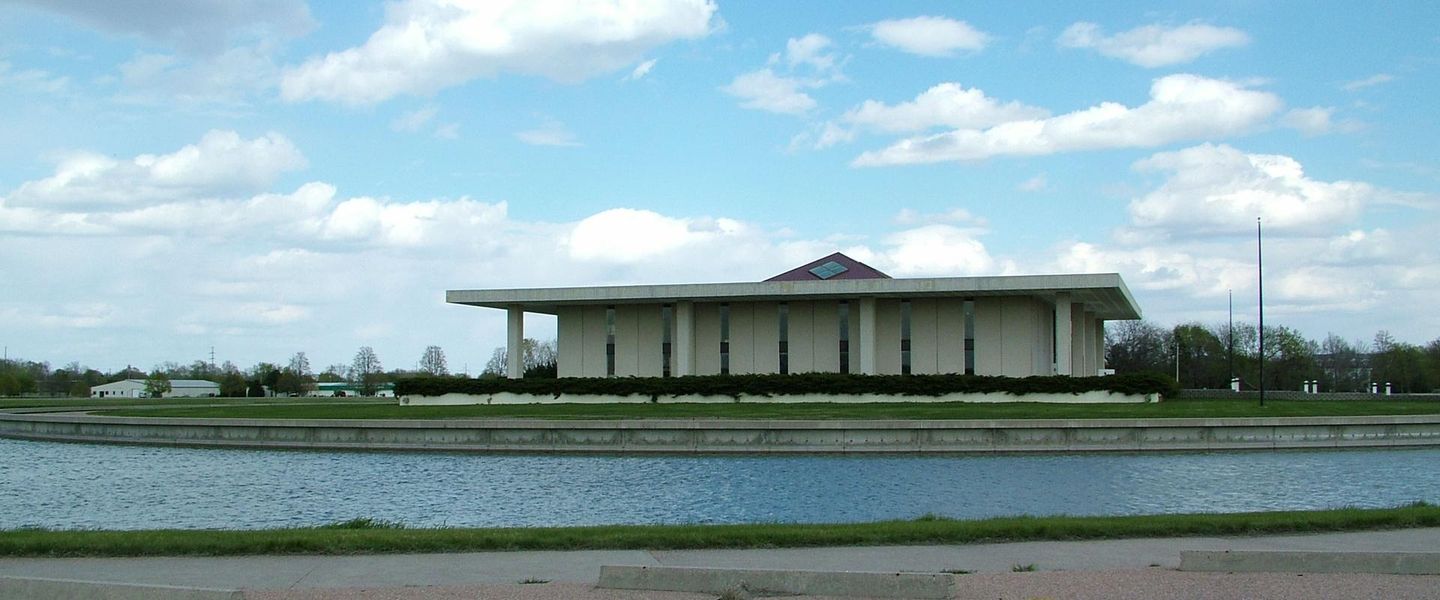


Grand Island, Nebraska blends Platte River landscapes, railroad heritage, pioneering history, museums, wildlife and welcoming small-city culture for Great Plains sightseeing.
Great Plains Setting
Grand Island sits in central Nebraska, between the South Platte River and the wide agricultural plains that define the region. Its name refers to a large island once visible in the Platte, recorded by early French traders and later used as a landmark by travellers crossing the Great Plains. Today, the city combines an easy-going regional atmosphere with a surprisingly varied cultural and natural setting, from broad skies and riparian landscapes to museums, fairgrounds and a revitalised downtown.Read more about Grand Island
Railroads, Museums and Memory
Wildlife and Local Life
When is the best time to visit Grand Island?
Best: May, September–October · 18–25°C| Month | High (°C) | Rainfall (mm) |
|---|---|---|
| January | 2 | 13 |
| February | 4 | 12 |
| March | 11 | 26 |
| April | 17 | 55 |
| May (best) | 23 | 86 |
| June | 28 | 86 |
| July | 31 | 82 |
| August | 30 | 82 |
| September (best) | 25 | 56 |
| October (best) | 18 | 41 |
| November | 10 | 24 |
| December | 3 | 16 |
Getting to and around Grand Island
How to get there
Transportation
Best attractions in Grand Island
Grand Island's attractions reflect its position as a regional centre shaped by the prairie, the railroad and agriculture. The Stuhr Museum of the Prairie Pioneer is the city's leading cultural attraction, combining galleries with relocated and reconstructed buildings that interpret nineteenth-century Nebraska life. At Fonner Park, visitors can encounter the setting of the Nebraska State Fair and a major local events complex, while Island Oasis Water Park provides seasonal recreation for families. Downtown Railside offers a more contemporary experience, with restored commercial buildings, restaurants, public events and a walkable introduction to the city's central streets. The Central Nebraska Veterans Memorial presents a quieter account of regional military service. Beyond the urban area, the Platte River corridor is the setting for birdwatching and the spring arrival of sandhill cranes, whose migration is one of the region's defining natural spectacles. Local parks and trails add space for walking, cycling and open-sky observation.
-
Tourist attraction
Stuhr Museum
Explore Nebraska's heritage at the stunning Stuhr Museum, where history comes to life through engaging exhibits and interactive experiences.
16 min drive · 5.4 km from city centre
-
Tourist attraction
Stolley Park
Discover the lush landscapes and recreational activities at Stolley Park, Grand Island's perfect outdoor escape for families and nature lovers alike.
10 min drive · 3.2 km from city centre
-
Tourist attraction
Island Oasis Water Park
Discover the ultimate summer escape at Island Oasis Water Park in Grand Island, Nebraska, where fun meets relaxation for the whole family.
6 min drive · 2.0 km from city centre
-
Tourist attraction
Stolley Park Kids Kingdom
Explore Stolley Park Kids Kingdom in Grand Island, NE—where family fun meets scenic beauty, perfect for all ages to enjoy outdoor adventures.
10 min drive · 3.3 km from city centre


Best landmarks in Grand Island
Grand Island's landmarks reveal the civic and working history of central Nebraska. The Stuhr Museum of the Prairie Pioneer preserves historic buildings and landscapes that illustrate settlement, domestic life and the agricultural development of the Great Plains. The Central Nebraska Veterans Memorial is a significant contemporary place of remembrance, commemorating local service and sacrifice in a landscaped public setting. Fonner Park represents the city's continuing relationship with agriculture, fairs, livestock and regional gatherings, while the Union Pacific railroad corridor recalls the transport network that accelerated Grand Island's growth after 1866. Downtown Railside contributes a different architectural layer through historic commercial buildings adapted for modern businesses and events. The Platte River itself is an environmental landmark: broad, shallow channels and islands helped give the city its name and continue to shape the area's wildlife identity. Together, these sites connect civic memory, transport, farming and the natural geography of the city.
-
Convention center
Fonner Park
Discover the thrill of horse racing, live concerts, and vibrant community events at Fonner Park in Grand Island, Nebraska.
8 min drive · 2.5 km from city centre
-
Shopping mall
Conestoga Mall
Explore Conestoga Mall in Grand Island, Nebraska – a premier shopping destination with diverse retail options, dining, and entertainment for everyone.
10 min drive · 3.4 km from city centre
-
Museum
Stuhr Museum
Discover the Old West at the Stuhr Museum in Grand Island, Nebraska, where history comes to life through engaging exhibits and immersive experiences.
16 min drive · 5.4 km from city centre
-
Park
Stolley Park
Explore the natural beauty and recreational delights of Stolley Park in Grand Island, Nebraska—a perfect family-friendly getaway.
10 min drive · 3.2 km from city centre


Explore Grand Island on the map
Plan your Grand Island trip on one map. See where the top attractions, landmarks, restaurants, bars and hotels are, find what's near where you're staying, and book hotels and experiences in a few clicks.
Best hotels in Grand Island
Best restaurants in Grand Island
Grand Island's dining scene serves the tastes of a central Nebraska agricultural community, with American comfort food, steaks, burgers, Mexican cooking, Asian influences and cafés alongside familiar casual restaurants. The surrounding farming economy is reflected in the importance of beef, corn, seasonal produce and hearty portions, while the city's immigrant history has broadened its everyday food culture. Downtown Railside is the most recognisable area for combining a meal with cafés, drinks and local events, though restaurants are also dispersed along the city's commercial roads. Visitors will find bakeries, breakfast counters, family-run eateries and venues serving regional staples rather than a tightly defined signature cuisine. During the Nebraska State Fair, Fonner Park adds fairground foods and agricultural-show atmosphere. Dining hours and payment options can vary outside the centre, so smaller independent establishments are best approached as part of the city's local rhythm rather than a formal restaurant circuit.
-
Steak
Texas Roadhouse
Experience mouthwatering steaks and authentic American flavors at Texas Roadhouse in Grand Island – perfect for family meals or casual dining.
10 min drive · 3.5 km from city centre
-
Family-friendly
Tommy's Family Restaurant
Discover the heartwarming charm of Tommy's Family Restaurant in Grand Island, Nebraska - where family-friendly dining meets delicious breakfasts.
6 min drive · 2.1 km from city centre
-
Italian
Olive Garden Italian Restaurant
Savor authentic Italian cuisine at Olive Garden in Grand Island, offering family-friendly dining and takeout options for every taste.
10 min drive · 3.4 km from city centre
-
Steak
Texas T-Bone Steakhouse
Discover mouthwatering steaks and an inviting atmosphere at Texas T-Bone Steakhouse in Grand Island, Nebraska - A true meat lover's paradise.
7 min drive · 2.3 km from city centre


Best bars in Grand Island
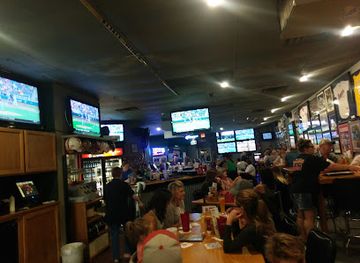
Grand Island's evening scene is modest and locally oriented rather than built around large nightclubs. Railside provides the most convenient central setting for a relaxed night, with restaurants, bars and community events occupying parts of the historic commercial district. Elsewhere, visitors will find neighbourhood bars, sports-oriented venues, breweries or taprooms where available, and live entertainment connected to local events rather than a concentrated club strip. Fonner Park and the Nebraska State Fair can bring larger crowds, concerts and late activity at particular times of year. Evenings may also centre on cinema, community performances, seasonal festivals or quiet drinks after a day on the road. Because venues and schedules can change, current local listings are more reliable than assuming a fixed nightlife programme. The atmosphere is generally informal, with earlier closing patterns than in major American cities and a strong emphasis on socialising among local residents.
-
Sports bar
Balz Sports Bar
Experience the thrill of live sports and tasty bites at Balz Sports Bar in Grand Island, Nebraska, where great food meets a vibrant atmosphere.
11 min drive · 3.6 km from city centre
-
Irish pub
Mckinney's Irish Pub Grand Island
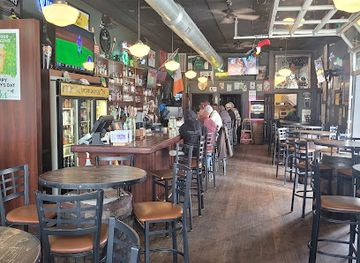
Discover the heart of Ireland in Grand Island at McKinney's Irish Pub, where delicious food and lively atmosphere come together.
2 min walk · 0.2 km from city centre
-
Bar
Kinkaider Brewing Co. Grand Island
Discover the local flavors of Nebraska at Kinkaider Brewing Co. in Grand Island, where craft beer meets delicious cuisine in a welcoming atmosphere.
2 min walk · 0.1 km from city centre
-
Bar
Whitey's
Experience the vibrant atmosphere and exceptional drink selection at Whitey's Bar in Grand Island, the ideal spot for relaxation and socializing.
11 min drive · 3.5 km from city centre


Best nightclubs in Grand Island
Grand Island's evening scene is modest and locally oriented rather than built around large nightclubs. Railside provides the most convenient central setting for a relaxed night, with restaurants, bars and community events occupying parts of the historic commercial district. Elsewhere, visitors will find neighbourhood bars, sports-oriented venues, breweries or taprooms where available, and live entertainment connected to local events rather than a concentrated club strip. Fonner Park and the Nebraska State Fair can bring larger crowds, concerts and late activity at particular times of year. Evenings may also centre on cinema, community performances, seasonal festivals or quiet drinks after a day on the road. Because venues and schedules can change, current local listings are more reliable than assuming a fixed nightlife programme. The atmosphere is generally informal, with earlier closing patterns than in major American cities and a strong emphasis on socialising among local residents.
-
Bar
Peacock Lounge
Experience the lively atmosphere and affordable drinks at Peacock Lounge, a favorite bar and pub in Grand Island, Nebraska.
8 min drive · 2.5 km from city centre
-
Bar
White Horse Tavern
Experience the welcoming ambiance and delicious offerings at White Horse Tavern, a historic bar in Grand Island, Nebraska, perfect for travelers.
5 min drive · 1.6 km from city centre
-
Karaoke bar
Duysen's Upper Deck
Experience the vibrant nightlife at Duysen's Upper Deck, where karaoke, live music, and great food come together for an unforgettable evening in Grand Island, Nebraska.
6 min drive · 2.0 km from city centre
-
Bar
Glass Bar
Discover the relaxed charm of Glass Bar, the perfect spot for cocktails and camaraderie in Grand Island, Nebraska.
11 min walk · 0.9 km from city centre


Best shops in Grand Island
Shopping in Grand Island is practical and regional, with everyday retail concentrated along major commercial roads and independent businesses gathered around parts of downtown and Railside. The city is a service centre for surrounding farming communities, so visitors will find department stores, specialist shops, grocery retailers and locally owned businesses rather than a dense luxury-shopping quarter. Downtown browsing is most rewarding for gifts, antiques, art, seasonal goods and small-town Nebraska character, while the Nebraska State Fair provides opportunities to encounter agricultural products, crafts and fair merchandise. Food gifts can include locally produced items and Great Plains staples, although stock varies by season and shop. The most distinctive purchases are often connected to prairie life, regional history, handmade work or Nebraska-themed souvenirs. Visitors looking for specialist retail should check current local listings, as independent shops may have changing hours and a smaller inventory than metropolitan stores.
-
Shopping mall
Conestoga Mall
Discover the vibrant shopping scene at Conestoga Mall in Grand Island, where you'll find everything from fashion to dining under one roof.
10 min drive · 3.4 km from city centre
-
Department store
Kohl's
Discover great deals and a wide selection of apparel and home goods at Kohl's Department Store in Grand Island, Nebraska.
10 min drive · 3.3 km from city centre
-
Department store
T.J. Maxx
Shop unique fashion finds and home essentials at T.J. Maxx in Grand Island, where designer styles meet affordable prices.
10 min drive · 3.3 km from city centre
-
Western apparel store
Western Edge
Explore authentic western apparel and accessories at Western Edge, the heart of cowboy culture in Grand Island, Nebraska.
11 min drive · 3.6 km from city centre


Get your free copy of our complete guide to Grand Island, delivered straight to you.
Everything on this page, from attractions and restaurants to essentials and local phrases, in one PDF you can read offline, print or share.
Already have an account? Sign in
Your Grand Island guide is ready.
We'll send it to · Not you? Sign out

Getting your guide ready…
We are putting together a fresh copy of the Grand Island guide. This can take up to a minute.
This can take a few moments. If your browser asks, choose Allow so the download can start. You'll find the guide in your Downloads folder.
Nothing happened? Download it again
Sorry, the guide is taking longer than usual. Please try again in a minute, or get it by email instead.
Grand Island essentials
Currency and Payment
Safety
Emergency Situations
Do's and Don'ts
Local Tips
From Eve
Local phrases worth knowing
You don't need to get them perfect. A few words go a long way, and locals appreciate the effort.
Basics
| English | Local | Say it |
|---|---|---|
| Hello | Howdy | [haw-dee] |
| Goodbye | See ya later | [see yuh lay-ter] |
| Yes | Yup | [yuhp] |
| No | Nope | [nohp] |
| Please/You're welcome | Please/No problem | [pleez/no prob-lem] |
| Thank you | Thanks | [thanks] |
| Excuse me/Sorry | Pardon me/My bad | [par-dun me/my bad] |
| How are you? | How ya doin'? | [how yuh doin] |
| Fine. And you? | Good. You? | [good yuh] |
| Do you speak English? | Ya speak English? | [ya speak ing-lish] |
| I don't understand | I ain't gettin' it | [i aint get-tin it] |
Eating & Drinking
| English | Local | Say it |
|---|---|---|
| I'd like to see the menu, please | Can I see the menu? | [kan eye see the men-yoo] |
| I don't eat meat | I don't do meat | [i dont do meat] |
| Cheers! | Cheers! | [cheers] |
| I would like to pay, please | I'll settle up now, thanks | [i'll set-l up now thanks] |
Emergencies
| English | Local | Say it |
|---|---|---|
| Help! | Help! | [help] |
| Go away! | Get lost! | [get lost] |
| Call the Police! | Ring the cops! | [ring the cops] |
| Call a doctor! | Fetch a doc! | [fetch a doc] |
| I'm lost | I'm turned around | [i'm turned a-round] |
| I'm ill | I'm feeling rough | [i'm feel-ing rough] |
Shopping
| English | Local | Say it |
|---|---|---|
| I'd like to buy... | I wanna buy... | [i wanna buy] |
| I'm just looking | Just browsin' | [just browse-in] |
| How much is it? | How much? | [how much] |
| That's too expensive | Too pricey | [too pry-see] |
| Can you lower the price? | Can ya slash the cost? | [can ya slash the cost] |
Time & Numbers
| English | Local | Say it |
|---|---|---|
| What time is it? | What's the time? | [whats the time] |
| It's one o'clock | It's one | [its one] |
| Half past (10) | Ten-thirty | [ten-thur-tee] |
| Morning | Mornin' | [morn-in] |
| Afternoon | Afternoon | [after-noon] |
| Evening | Evenin' | [even-in] |
| Yesterday | Yest'day | [yes-t-day] |
| Today | Today | [to-day] |
| Tomorrow | Tomorrah | [tom-or-rah] |
| 1 | One | [wun] |
| 2 | Two | [too] |
| 3 | Three | [three] |
| 4 | Four | [four] |
| 5 | Five | [five] |
| 6 | Six | [six] |
| 7 | Seven | [seven] |
| 8 | Eight | [ate] |
| 9 | Nine | [nine] |
| 10 | Ten | [ten] |
Transport & Directions
| English | Local | Say it |
|---|---|---|
| Where's a/the...? | Where's the...? | [wheres the] |
| What's the address? | What's the addy? | [whats the addy] |
| Can you show me (on the map)? | Can ya point it out (on the map)? | [can ya point it out on the map] |
| When's the next (bus)? | When's the next (bus)? | [whens the next bus] |
| A ticket (to ....) | A ticket (to ....) | [a ticket to] |
History of Grand Island
Pawnee Country and the Platte
The Grand Island area lies within the historic homeland of the Pawnee, whose communities used the Platte River valley and surrounding grasslands for hunting, cultivation and seasonal movement. The river corridor later became a major route across the Great Plains for Indigenous peoples, fur traders, emigrants and military expeditions. French traders referred to a prominent island in the Platte as Grande Isle, a name that eventually passed to the settlement. Although the modern city developed later, its geographical identity has always been shaped by the river, its islands and the open prairie surrounding them.
Settlement on the Overland Route
Euro-American settlement expanded in the mid-nineteenth century as roads and trails followed the Platte River. Grand Island was established in 1857, during a period when Nebraska communities were forming along routes used by travellers bound for the western territories. The town's position offered access to water, grazing land and transport corridors, while nearby overland trails connected it to the broader movement of migrants and commerce across the continent. Settlement brought farms, businesses and new civic institutions, but it also transformed landscapes long managed and inhabited by Indigenous peoples.
The Railroad Creates a City
The Union Pacific Railroad reached Grand Island in 1866, linking the community to the transcontinental rail network and changing its economic prospects. The railroad made the town a shipping, supply and maintenance centre for central Nebraska, attracting merchants, workers and new residents. Agricultural products could move more efficiently to distant markets, while manufactured goods and settlers arrived by rail. Grand Island's streets, warehouses and commercial institutions developed around this connection, and the railway continued to influence the city's growth long after road transport became dominant.
Agriculture and New Communities
During the late nineteenth and early twentieth centuries, Grand Island grew as an agricultural service centre. Grain, livestock and other farm products supported merchants, processors and transport businesses, while immigration brought communities from several parts of Europe and beyond. The sugar-beet industry became particularly important in central Nebraska, relying on intensive agricultural labour and contributing to the region's cultural diversity. Churches, schools, fraternal organisations and neighbourhoods reflected this changing population. Much of the city's subsequent identity emerged from the interaction between railroad commerce, farming and the institutions built by these communities.
War, Industry and Modern Grand Island
Grand Island's strategic location gave it a military role during the Second World War, when Grand Island Army Air Field operated as a bomber base. The installation brought personnel, construction and new economic activity to the region; the site later became associated with Central Nebraska Regional Airport. After the war, Grand Island continued to function as a commercial and service centre for surrounding farms and smaller communities. Museums, memorials, the Nebraska State Fair and conservation projects along the Platte now present different aspects of this past, linking military, agricultural, transport and environmental history.
Grand Island in Photos
Browse through our photo collection highlighting the charm and character of the destination.
Cities near Grand Island
The closest cities to Grand Island, if you have time for more than one stop.
-

-

-

-

-


Swipe for more cities
Explore more

Explore more of Nebraska
Discover Nebraska: A blend of rich history, diverse landscapes, and unique attractions in the heartland of America.
Explore Nebraska