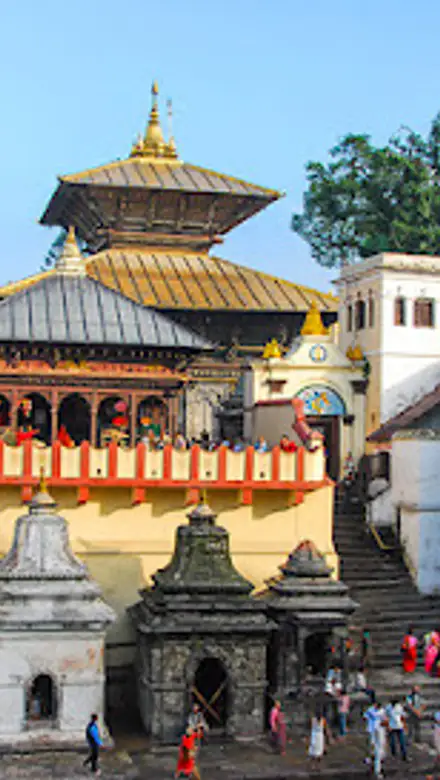
Pashupatinath Temple Travel Guide
Free Guide: Explore the spiritual heart of Nepal at Pashupatinath Temple, where vibrant rituals meet stunning architecture along the sacred Bagmati River.


A brief summary of Pashupatinath Temple
Explore the spiritual heart of Nepal at Pashupatinath Temple, where vibrant rituals meet stunning architecture along the sacred Bagmati River.
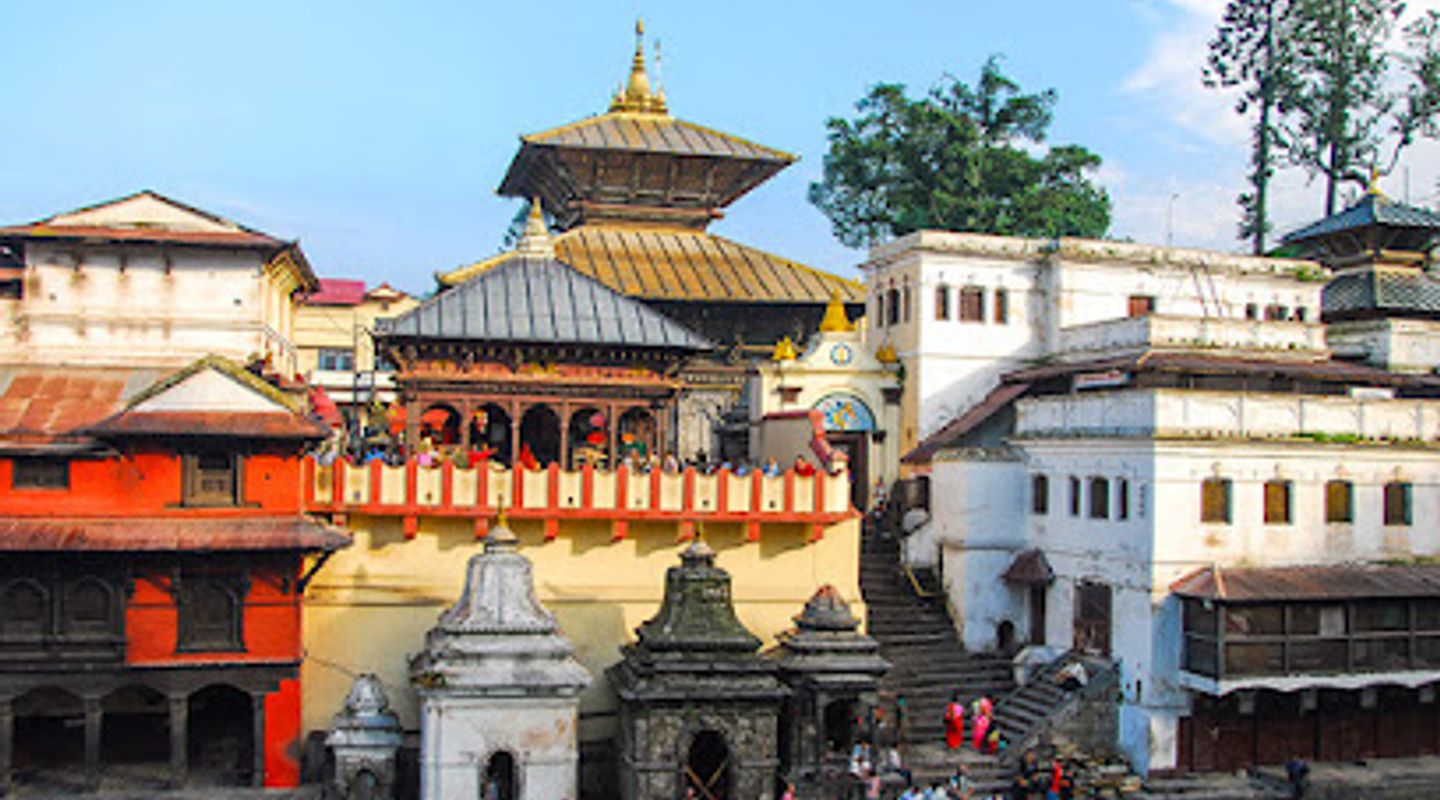
Nestled on the banks of the Bagmati River, Pashupatinath Temple is a UNESCO World Heritage Site and a vibrant hub of Hindu spirituality, attracting thousands of tourists and pilgrims alike. Known for its stunning architecture and rich cultural heritage, this sacred site offers visitors a unique glimpse into the rituals and traditions of Hindu worship. The temple complex is surrounded by serene natural beauty and is a must-visit for anyone traveling to Kathmandu.
Opening hours
- Every day10 am–5 pm
Opening hours as listed on the venue’s Google Business Profile. Hours can change for services and special events, so check with the venue before you go.
- Address
- Pashupati Nath Road, Kathmandu 44600
- Website
Getting there
Car
Public Transportation
Taxi
Walking
Discover more about Pashupatinath Temple
Overview
Pashupatinath Temple, one of the holiest Hindu temples dedicated to Lord Shiva, is a mesmerizing architectural marvel located along the banks of the sacred Bagmati River in Kathmandu. As a UNESCO World Heritage Site, it boasts intricate wooden carvings and gilded roofs, showcasing the exquisite craftsmanship typical of ancient Nepali architecture. The temple's main shrine, which houses a sacred lingam, attracts thousands of devotees and tourists each day, especially during significant religious festivals like Maha Shivaratri, where the atmosphere is filled with devotion and vibrant celebrations.Visiting Pashupatinath offers a rare opportunity to witness the traditional Hindu rites performed at the ghats along the river, where cremation ceremonies are held. This spiritual aspect adds a layer of depth to the experience, as visitors can observe the rituals that honor the deceased, reflecting the Hindu belief in the cycle of life and rebirth. The complex is not only a place of worship but also a cultural center that embodies the rich traditions and beliefs of the local community.The temple grounds are vast, featuring numerous smaller shrines, ashrams, and the impressive Arya Ghat, where the funeral pyres burn. Visitors are encouraged to explore the tranquil surroundings and enjoy the serene ambiance that envelops the area. Although photography is restricted in certain areas, capturing the essence of Pashupatinath through your senses will create lasting memories. Make sure to engage with local guides who can provide insights into the temple's history and significance, enhancing your visit to this sacred site.
Evendo Review Centre
 Google
Guest reviews
Explore Pashupatinath Temple on the map
A handpicked selection of must-see spots near Pashupatinath Temple, mapped for you.
Get your free copy of our complete guide to Pashupatinath Temple, delivered straight to you.
Everything on this page, from opening hours and how to get there to Eve’s tips and the best time to go, in one PDF you can read offline, print or share.
Already have an account? Sign in
Your Pashupatinath Temple guide is ready.
We'll send it to · Not you? Sign out

Getting your guide ready…
We are putting together a fresh copy of the Pashupatinath Temple guide. This can take up to a minute.
This can take a few moments. If your browser asks, choose Allow so the download can start. You'll find the guide in your Downloads folder.
Nothing happened? Download it again
Sorry, the guide is taking longer than usual. Please try again in a minute, or get it by email instead.
Unlock the best of Pashupatinath Temple
Skip-the-line tickets, guided tours with entry, and walking tours of the area, booked in a few clicks.
 Tour with entry
Kathmandu Private City and UNESCO World Heritage Tour
from $23.50 Tour with entry
Explore 7 UNESCO World Heritage Sites in Nepal
from $24.43 Tour with entry
Full Day Ticket Access around Kathmandu Valley
from $38.00 Tour with entry
Kathmandu: UNESCO World Heritage Sites Private & Small Group Tour
from $39.59


Other nearby places you may find interesting
The closest places of the same kind, if this one is not quite what you had in mind.
-
-
-
-
-


Swipe for more places
More to explore near Pashupatinath Temple

 Best experiences near Pashupatinath Temple
 Best hotels near Pashupatinath Temple
 Best landmarks near Pashupatinath Temple
 Best attractions near Pashupatinath Temple
 Best shops near Pashupatinath Temple
 Best restaurants near Pashupatinath Temple
 Best bars near Pashupatinath Temple
Do you manage this location?
Take control to get all the benefits, like improved information, better appearance, and stronger visibility across AI-powered discovery.
Explore more

Explore more of Eastern Development Region
Discover the Eastern Development Region of Nepal: A Land of Majestic Himalayas, Serene Tea Gardens, and Rich Cultural Heritage.
Explore Eastern Development Region
Explore more of Nepal
Discover Nepal: A land of towering peaks, spiritual harmony, and vibrant culture, offering endless adventures and serene escapes for every traveler.
Explore Nepal