

Free Carson City Travel Guide & Mobile App
Plan your Carson City trip with Evendo. Get free guides to top attractions, restaurants, hotels, and bars. Web access or download the mobile app.


Carson City, Nevada combines Old West history, the State Museum, railroad heritage and Sierra scenery with easy access to Lake Tahoe and mountain trails.
A Territorial Capital in the High Desert
Carson City occupies a broad valley east of the Sierra Nevada, where dry sagebrush country rises towards wooded mountain slopes and the waters of Lake Tahoe lie a short drive to the west. Founded during the silver boom and named for frontiersman Kit Carson, the city became Nevada’s territorial capital in 1861 and retained that role when Nevada entered the Union in 1864. Its compact centre still carries the proportions and atmosphere of an old government town, with the Nevada State Capitol, the capitol grounds and the former Carson City Mint providing a tangible link to the nineteenth century.Read more about Carson City
History, Museums and Mountain Country
When is the best time to visit Carson City?
Best: May–June, September · 23–28°C| Month | High (°C) | Rainfall (mm) |
|---|---|---|
| January | 8 | 15 |
| February | 11 | 13 |
| March | 14 | 12 |
| April | 19 | 10 |
| May (best) | 23 | 8 |
| June (best) | 28 | 5 |
| July | 33 | 3 |
| August | 32 | 3 |
| September (best) | 26 | 7 |
| October | 18 | 10 |
| November | 10 | 12 |
| December | 6 | 14 |
Getting to and around Carson City
How to get there
Transportation
Best attractions in Carson City
Carson City’s attractions combine state history with the landscapes of the eastern Sierra. The Nevada State Capitol and its grounds offer a compact introduction to the city’s political role, while the Nevada State Museum occupies the former Carson City Mint and explores mining, geology, Indigenous history and everyday life in Nevada. South of the centre, the Nevada State Railroad Museum displays locomotives and rolling stock connected with the Virginia and Truckee Railway, with selected train rides and programmes varying by season. The Kit Carson Trail links historic homes, churches, public buildings and interpretive markers through the older centre, making it an engaging way to see the capital on foot. Nearby Kings Canyon provides a change of pace with wooded scenery and mountain access, while US 50 leads towards Lake Tahoe’s eastern shore and its distinctive granite, forest and alpine views.
-
State park
Sand Harbor State Park
Experience the serene beauty of Sand Harbor State Park, where crystal-clear waters meet stunning granite landscapes in Lake Tahoe.
35 min drive · 15 km from city centre
-
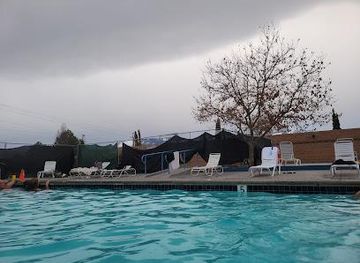
Outdoor bath
Carson Hot Springs
Experience the healing powers of nature at Carson Hot Springs, Nevada's premier outdoor bathing destination, surrounded by breathtaking landscapes.
11 min drive · 3.6 km from city centre
-
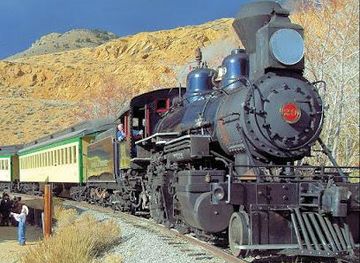
Railroad company
Virginia & Truckee Railroad Company
Discover the historic Virginia & Truckee Railroad, a picturesque journey through Nevada's stunning landscapes and rich mining history.
39 min drive · 19 km from city centre
-
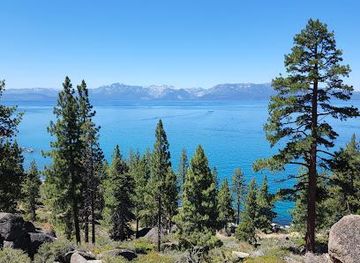
Scenic spot
Logan Shoals Vista Point
Experience the stunning beauty of Lake Tahoe at Logan Shoals Vista Point, a must-visit scenic spot for breathtaking views and unforgettable memories.
39 min drive · 19 km from city centre

Best landmarks in Carson City
The Nevada State Capitol is Carson City’s defining civic landmark, a nineteenth-century building whose later additions reflect the continuing growth of Nevada government. The former United States Branch Mint, now part of the Nevada State Museum, links the capital directly to the silver economy and the production of Carson City coinage. The Nevada State Prison Historic District preserves buildings associated with the state penitentiary, whose long operation formed a significant part of local history, although access and interpretation may vary. Historic homes, churches and public buildings along the Kit Carson Trail reveal the scale and architectural character of the early settlement. The Nevada State Railroad Museum adds an industrial landmark dimension, preserving the machinery and stories of the Virginia and Truckee Railway that connected the Comstock with Carson City and helped sustain its nineteenth-century prosperity.
-
 Hotel
HotelGold Dust West-Carson City
Experience the thrill of gaming and the comfort of hospitality at Gold Dust West in Carson City, your perfect getaway for entertainment and relaxation.
7 min drive · 2.3 km from city centre
-
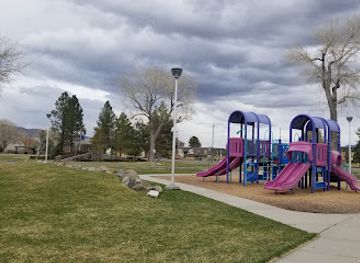
Park
Mills Park
Experience the tranquility and recreational offerings of Mills Park, a scenic urban oasis in Carson City, Nevada, perfect for all ages.
15 min walk · 1.2 km from city centre
-
Rail museum
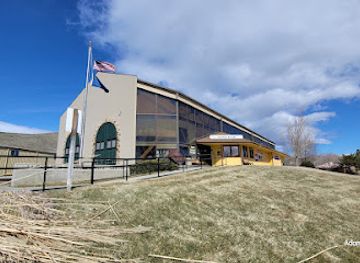
Nevada State Railroad Museum
Discover the fascinating world of railroads at the Nevada State Railroad Museum, where history and innovation come to life.
5 min drive · 1.7 km from city centre
-
Museum
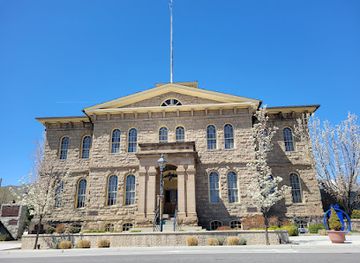
Nevada State Museum
Explore the fascinating history and rich cultural heritage of Nevada at the Nevada State Museum in Carson City.
6 min walk · 0.5 km from city centre
Explore Carson City on the map
Plan your Carson City trip on one map. See where the top attractions, landmarks, restaurants, bars and hotels are, find what's near where you're staying, and book hotels and experiences in a few clicks.
Best hotels in Carson City
Best restaurants in Carson City
Carson City’s dining scene reflects northern Nevada’s mixture of frontier history, ranching, mining migration and proximity to California. Independent cafés, family-run restaurants and casual eateries cluster around Carson Street and the central districts, while newer dining rooms broaden the choice beyond traditional American fare. Basque food is an important regional influence in northern Nevada, with meals often associated with hearty portions, shared starters and dishes shaped by the heritage of immigrant communities who arrived during the mining era. Menus commonly draw on burgers, steaks, sandwiches, Mexican-American favourites and comfort food, alongside coffee shops and bakeries suited to an early start. The city also has breweries and relaxed modern venues, while farmers’ markets and seasonal local produce connect dining with the agricultural communities of the Carson Valley and western Nevada.
-
Barbecue
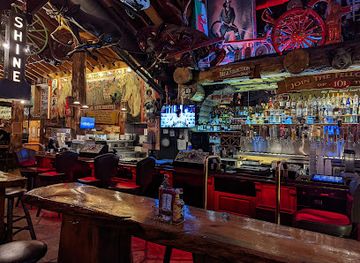
Red's Old 395 Grill
Experience authentic American barbecue at Red's Old 395 Grill - where every bite tells a story of flavor and tradition.
9 min walk · 0.7 km from city centre
-
Italian
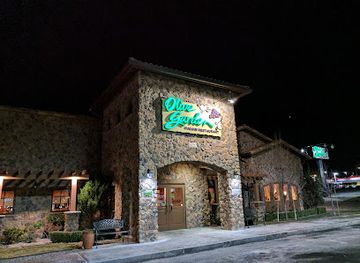
Olive Garden Italian Restaurant
Savor authentic Italian cuisine at Olive Garden in Carson City - where every meal feels like a celebration.
12 min drive · 3.9 km from city centre
-
American
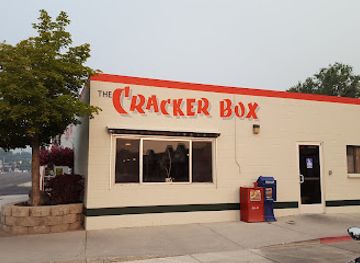
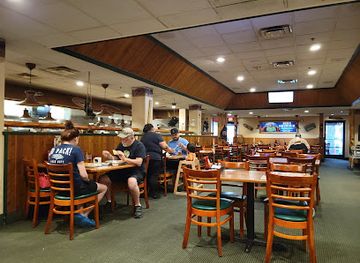
The Cracker Box Diner
Experience the charm of classic American breakfasts at The Cracker Box Diner in Carson City – where every meal is made with love.
10 min walk · 0.8 km from city centre
-
American
Black Bear Diner Carson City
Discover hearty American meals at Black Bear Diner in Carson City—where comfort food meets family-friendly service.
7 min walk · 0.6 km from city centre
Best bars in Carson City
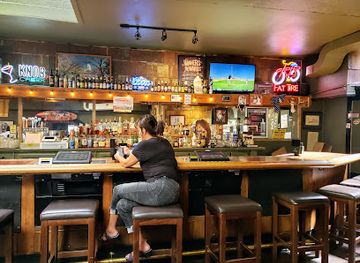
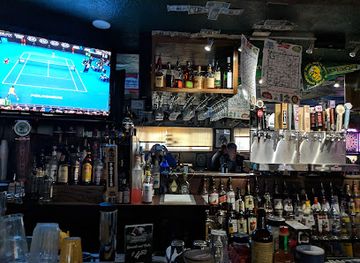
Carson City’s evening scene is modest and locally focused rather than built around large nightclubs. Downtown Carson Street and nearby Curry Street offer the main concentration of pubs, bars, breweries and casual venues, where the pace is generally suited to conversation, live sport and small-scale socialising. Some establishments present live music or community events, while theatres, civic programmes and museum activities provide alternatives to a bar-centred evening when scheduled. The city’s proximity to Reno means that larger concert, casino and club venues are accessible by road, but they are outside Carson City and require a separate journey. After dark, the capital is best understood as a relaxed government town with a small hospitality circuit, where venue schedules and entertainment programmes can change seasonally.
-
Pub
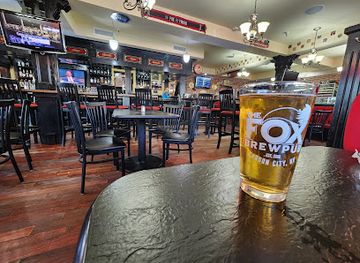
The Fox Brewery & Pub
Discover local craft brews and hearty dishes at The Fox Brewery & Pub, a beloved spot in Carson City for relaxation and socializing.
2 min walk · 0.2 km from city centre
-
Bar
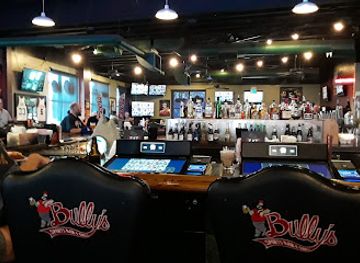
Bully's Sports Bar & Grill
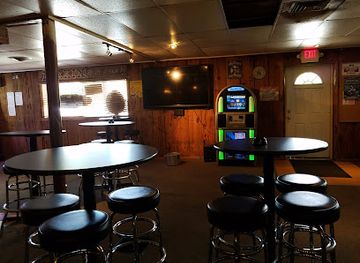
Experience the ultimate sports bar atmosphere at Bully's Sports Bar & Grill in Carson City, NV, where great food meets thrilling sports action.
9 min drive · 3.0 km from city centre
-
Grill
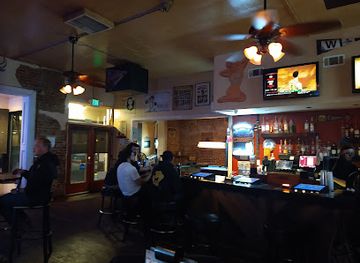
Westside Pour House
Experience the delightful flavors and vibrant atmosphere at Westside Pour House, Carson City's premier grill and bar destination.
3 min walk · 0.3 km from city centre
-
Pub
The Tap Shack
Experience the charm of The Tap Shack, a cozy pub in Carson City offering a wide selection of craft beers and delicious pub fare in a friendly atmosphere.
11 min walk · 0.9 km from city centre
Best nightclubs in Carson City
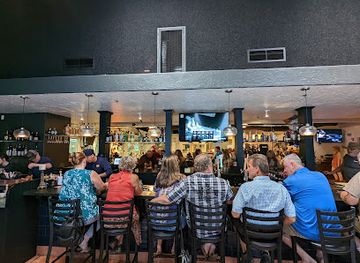
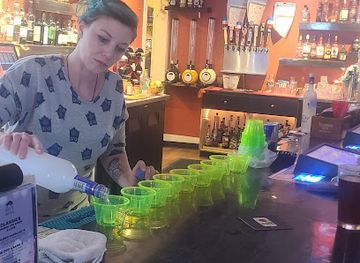
Carson City’s evening scene is modest and locally focused rather than built around large nightclubs. Downtown Carson Street and nearby Curry Street offer the main concentration of pubs, bars, breweries and casual venues, where the pace is generally suited to conversation, live sport and small-scale socialising. Some establishments present live music or community events, while theatres, civic programmes and museum activities provide alternatives to a bar-centred evening when scheduled. The city’s proximity to Reno means that larger concert, casino and club venues are accessible by road, but they are outside Carson City and require a separate journey. After dark, the capital is best understood as a relaxed government town with a small hospitality circuit, where venue schedules and entertainment programmes can change seasonally.
-
Restaurant
Nashville Social Club Carson City
Discover Nashville Social Club Carson City, where delicious cuisine meets exhilarating live music in a vibrant social atmosphere.
9 min walk · 0.7 km from city centre
-
Bar
Blue Bull
Experience the vibrant nightlife of Carson City at Blue Bull, where great drinks meet an inviting atmosphere for all.
3 min walk · 0.2 km from city centre
-
Bar
Jimmy G's Cigar Bar
Experience the charm of Jimmy G's Cigar Bar in Carson City, where premium cigars and a cozy atmosphere await your visit.
2 min walk · 0.2 km from city centre
-
Bar
Whiskey Tavern
Experience the charm of Whiskey Tavern in Carson City, Nevada, where great drinks and karaoke nights create unforgettable memories.
11 min drive · 3.6 km from city centre
Best shops in Carson City
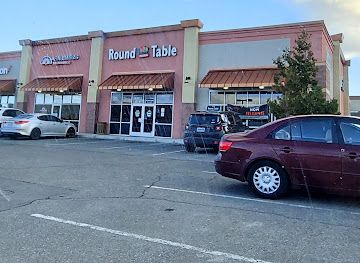
Shopping in Carson City is centred on practical local retail, independent businesses, antiques, gifts and speciality shops rather than a major metropolitan fashion district. Carson Street and the historic downtown area provide the most characterful setting for browsing, with stores and galleries occupying parts of the older commercial fabric. Visitors may find Nevada-themed books, locally made crafts, artwork, jewellery, western goods and food products associated with the wider Great Basin and Sierra region. Farmers’ markets and seasonal community markets, when operating, offer produce and small-scale goods from nearby agricultural areas. Conventional shopping centres and big-box retail are located outside the historic core, while Reno provides a broader selection of national retailers. Purchases connected with mining, railways, the state’s landscapes and Indigenous history are best chosen from reputable sellers with clear provenance.
-
Shopping mall
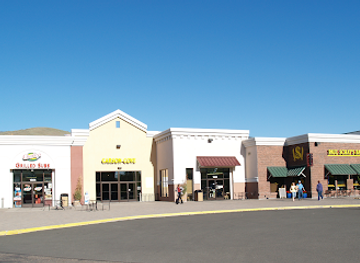
Carson Valley Plaza
Discover the charm of Carson Valley Plaza, a vibrant shopping mall in Carson City, Nevada, offering an array of retail and dining experiences for every visitor.
19 min drive · 6.2 km from city centre
-
Shopping mall
Carson Mall Shopping Center
Experience the best of shopping and dining at Carson Mall Shopping Center, a vibrant hub in Carson City, NV, perfect for every tourist's itinerary.
12 min walk · 1.0 km from city centre
-
Shopping mall
Eagle Station
Discover Eagle Station in Carson City: a vibrant shopping mall with diverse stores, delightful dining, and engaging entertainment options for all ages.
10 min drive · 3.5 km from city centre
-
Department store
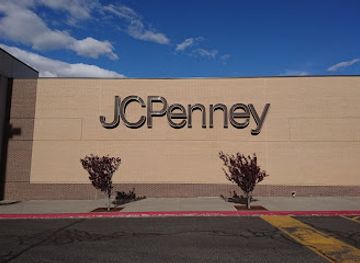
JCPenney
Discover a world of shopping at JCPenney in Carson City, featuring clothing, furniture, jewelry, and shoes for every taste and occasion.
11 min drive · 3.7 km from city centre
Get your free copy of our complete guide to Carson City, delivered straight to you.
Everything on this page, from attractions and restaurants to essentials and local phrases, in one PDF you can read offline, print or share.
Already have an account? Sign in
Your Carson City guide is ready.
We'll send it to · Not you? Sign out

Getting your guide ready…
We are putting together a fresh copy of the Carson City guide. This can take up to a minute.
This can take a few moments. If your browser asks, choose Allow so the download can start. You'll find the guide in your Downloads folder.
Nothing happened? Download it again
Sorry, the guide is taking longer than usual. Please try again in a minute, or get it by email instead.
Carson City essentials
Currency and Payment
Safety
Emergency Situations
Do's and Don'ts
Local Tips
From Eve
Local phrases worth knowing
You don't need to get them perfect. A few words go a long way, and locals appreciate the effort.
Basics
| English | Local | Say it |
|---|---|---|
| Hello | Howdy | [haʊdi] |
| Goodbye | See ya | [siː jə] |
| Yes | Yep | [jɛp] |
| No | Nah | [nɑː] |
| Please/You're welcome | Please and thank ya | [pliːz ænd θæŋk jə] |
| Thank you | Thanks a bunch | [θæŋks ə bʌntʃ] |
| Excuse me/Sorry | Pardon me | [pɑːrdən miː] |
| How are you? | Howdy, y'all doin'? | [haʊdi jɔːl ˈduɪn] |
| Fine. And you? | Just peachy. How 'bout you? | [dʒʌst ˈpiːtʃi haʊ ˈbaʊt jʊ] |
| Do you speak English? | Ya speak English? | [jə spiːk ˈɪŋɡlɪʃ] |
| I don't understand | I ain't gettin' it | [aɪ eɪnt ˈɡɛtɪn ɪt] |
Eating & Drinking
| English | Local | Say it |
|---|---|---|
| I'd like to see the menu, please | I reckon I'd like to peruse the menu, if ya don't mind | [aɪ ˈrɛkən aɪd laɪk tə pəˈruz ðə ˈmɛnjuː ɪf jə doʊnt maɪnd] |
| I don't eat meat | I don't fancy no meat | [aɪ doʊnt ˈfænsi noʊ mit] |
| Cheers! | Bottoms up! | [ˈbɑtəmz ʌp] |
| I would like to pay, please | I reckon I'll settle the bill, if ya please | [aɪ ˈrɛkən aɪl ˈsɛtl ðə bɪl ɪf jə pliːz] |
Emergencies
| English | Local | Say it |
|---|---|---|
| Help! | Send aid! | [sɛnd eɪd] |
| Go away! | Skedaddle! | [skɪˈdædəl] |
| Call the Police! | Ring up the coppers! | [rɪŋ ʌp ðə ˈkɑpərz] |
| Call a doctor! | Get a sawbones! | [ɡɛt ə ˈsɔːboʊnz] |
| I'm lost | I'm all turned around | [aɪm ɔːl tɜrnd əˈraʊnd] |
| I'm ill | I'm under the weather | [aɪm ˈʌndər ðə ˈwɛðər] |
Shopping
| English | Local | Say it |
|---|---|---|
| I'd like to buy... | I reckon I'd like to purchase... | [aɪ ˈrɛkən aɪd laɪk tə ˈpɜːrtʃəs] |
| I'm just looking | Just browsin', thanks | [dʒʌst ˈbraʊzɪn θæŋks] |
| How much is it? | What's the damage? | [wɑːts ðə ˈdæmɪdʒ] |
| That's too expensive | That's a bit steep | [ðæts ə bɪt stip] |
| Can you lower the price? | Can ya cut me a deal? | [kæn jə kʌt miː ə dil] |
Time & Numbers
| English | Local | Say it |
|---|---|---|
| What time is it? | What's the hour? | [wɑːts ðə ˈaʊər] |
| It's one o'clock | It's one in the afternoon | [ɪts wʌn ɪn ðə ˌæftɝˈnun] |
| Half past (10) | Half after ten | [hæf ˈæftər tɛn] |
| Morning | Mornin' | [ˈmɔrnɪn] |
| Afternoon | Afternoon | [ˌæftɝˈnun] |
| Evening | Evenin' | [ˈiːvnɪn] |
| Yesterday | Yest'day | [ˈjɛst'deɪ] |
| Today | Today | [təˈdeɪ] |
| Tomorrow | Tomorra | [təˈmɑːrə] |
| 1 | One | [wʌn] |
| 2 | Two | [tuː] |
| 3 | Three | [θriː] |
| 4 | Four | [fɔːr] |
| 5 | Five | [faɪv] |
| 6 | Six | [sɪks] |
| 7 | Seven | [ˈsɛvən] |
| 8 | Eight | [eɪt] |
| 9 | Nine | [naɪn] |
| 10 | Ten | [tɛn] |
Transport & Directions
| English | Local | Say it |
|---|---|---|
| Where's a/the...? | Where's the... | [wɛrz ðə] |
| What's the address? | What's the addy? | [wɑːts ðə ˈæd.i] |
| Can you show me (on the map)? | Can ya point it out (on the map)? | [kæn jə pɔɪnt ɪt aʊt ɑn ðə mæp] |
| When's the next (bus)? | When's the next bus a-comin'? | [wɛnz ðə nɛkst bʌs əˈkʌmɪn] |
| A ticket (to ....) | A pass (to ....) | [ə pæs tuː] |
History of Carson City
Indigenous Landscapes and Early Trails
The Carson Valley and surrounding Sierra foothills were used by Indigenous peoples, including communities associated with the Washoe, Northern Paiute and Western Shoshone. Their knowledge of seasonal water sources, plants and mountain routes shaped movement through the region long before American settlement. The nearby Carson River corridor later became important to explorers, emigrants and traders travelling across the Great Basin. European-American expansion brought profound disruption through land appropriation, conflict, disease and the displacement of Indigenous communities. Carson City’s later history is therefore part of a wider story in which an established Indigenous landscape was recast as a frontier route and, eventually, as the political centre of Nevada.
Eagle Station and the Carson Valley
American settlement developed in the late 1850s as prospectors and settlers moved through the region following discoveries in the Sierra Nevada and the Washoe Valley. The settlement first known as Eagle Station grew near the Carson River and the route leading towards the California mines. It was renamed Carson City in honour of Kit Carson, whose name had become associated with exploration in the Great Basin. The discovery of the Comstock Lode in 1859 transformed the surrounding territory, bringing miners, merchants, freight operators and officials into western Nevada. Carson City benefited from its position between the mining district and the agricultural and transport routes that supplied it.
Territorial Capital and Nevada Statehood
When the Nevada Territory was created in 1861, Carson City was selected as its capital, strengthening its administrative importance as the Comstock expanded. Territorial institutions, courts and government offices followed, and the city became a centre for regulating mining, land and public affairs. Nevada was admitted to the Union on 31 October 1864 during the American Civil War, with Carson City continuing as the state capital. The Nevada State Capitol, completed in 1871, reflects this transition from frontier settlement to established state government. Civic architecture and the orderly layout around the capitol remain among the clearest physical expressions of the city’s political history.
Silver, Railways and the Carson Mint
The Comstock silver boom brought prosperity and rapid development to western Nevada, while Carson City served as a commercial, governmental and transport centre. The Virginia and Truckee Railroad, established in the 1860s, connected the Comstock with Carson City and points beyond, moving ore, timber, machinery and passengers. The United States Branch Mint at Carson City opened in 1870 and struck gold and silver coins until 1893, with a brief interruption during the 1880s. Although the mint ceased production, the building survived and is now part of the Nevada State Museum. Its presence records the national importance of the region’s mineral wealth.
From Railroad Town to Modern Capital
After the peak of the Comstock era, Carson City remained a small but durable centre of government, commerce and transport. The Virginia and Truckee line eventually declined, yet surviving locomotives and railway buildings preserve the memory of the network that helped build the region. Twentieth-century roads and automobiles altered travel patterns, linking the capital more closely with Reno, Lake Tahoe and communities across the Sierra. In 1969, Carson City and Ormsby County consolidated their governments, creating the unified municipality formally known as Carson City. Today, state administration, heritage institutions and the surrounding mountain environment continue to shape its identity.
Carson City in Photos
Browse through our photo collection highlighting the charm and character of the destination.
Cities near Carson City
The closest cities to Carson City, if you have time for more than one stop.
-

-

-

-

-


Swipe for more cities
Explore more

Explore more of Nevada
Discover Nevada: From the bright lights of Las Vegas to the tranquil beauty of Lake Tahoe, Nevada offers a unique blend of excitement and natural wonder.
Explore Nevada