

Free Elko Travel Guide & Mobile App
Plan your Elko trip with Evendo. Get free guides to top attractions, restaurants, hotels, and bars. Web access or download the mobile app.


Elko, Nevada blends Basque heritage, cowboy culture, historic rail-town character and Ruby Mountain adventures with museums, festivals and Western hospitality.
Railroad Town and Western Heartland
Elko lies in north-eastern Nevada, where the Humboldt River crosses a broad high-desert valley beneath the Ruby Mountains. Established as a railway town in 1869, it developed through ranching, mining, freight transport and the steady movement of people across the Great Basin. Today, its wide streets, low-slung commercial buildings and working-town atmosphere feel distinctly different from the resort cities farther south. Elko remains a practical regional centre, but it is also one of the best places in the American West to encounter living cowboy and Basque traditions.Read more about Elko
Culture on the High Desert
Mountains, Trails and Open Country
When is the best time to visit Elko?
Best: May–June, September · 22–28°C| Month | High (°C) | Rainfall (mm) |
|---|---|---|
| January | 5 | 23 |
| February | 9 | 21 |
| March | 13 | 23 |
| April | 17 | 20 |
| May (best) | 22 | 18 |
| June (best) | 28 | 12 |
| July | 33 | 9 |
| August | 31 | 8 |
| September (best) | 26 | 11 |
| October | 18 | 15 |
| November | 10 | 20 |
| December | 5 | 24 |
Getting to and around Elko
How to get there
Transportation
Best attractions in Elko
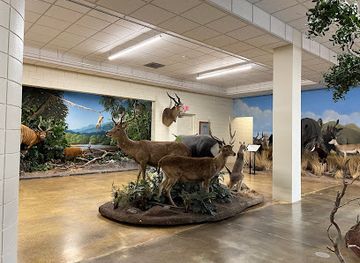
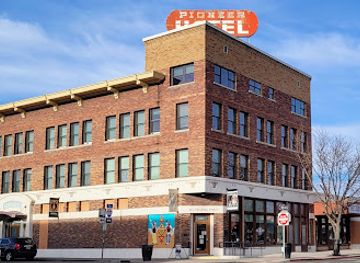
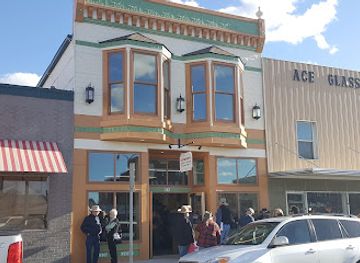
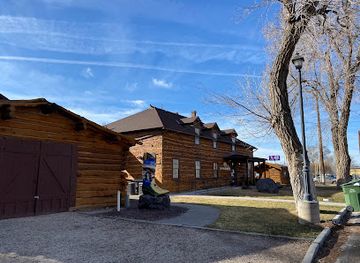
Elko’s principal attractions reveal both its working-town identity and its relationship with the wider Great Basin. The Western Folklife Center, housed in the historic Pioneer Hotel, explores ranching culture through exhibitions, performances and storytelling, while the Northeastern Nevada Museum covers regional history, wildlife and art. At the California Trail Historic Interpretive Center, west of the city, trails, displays and reconstructed scenes explain the emigrant journeys that crossed the Humboldt corridor. Downtown Elko offers independent shops, galleries and Western-themed businesses around the historic commercial core, with the railway remaining a prominent presence. The Ruby Mountains provide the area’s most dramatic scenery: Lamoille Canyon, reached south of town, leads towards alpine landscapes, hiking routes and seasonal wildlife, although it is a regional excursion rather than a city attraction. Together, these places make Elko a useful base for connecting cultural interpretation with open-country exploration.
-
Tourist attraction
Northeastern Nevada Museum
Explore the Northeastern Nevada Museum in Elko for an enriching journey through the region's captivating history and vibrant culture.
17 min walk · 1.4 km from city centre
-
Tourist attraction
Western Folklife Center
Experience the rich tapestry of Western culture at the Western Folklife Center, a vibrant museum and performance space in Elko, Nevada.
1 min walk · 0.1 km from city centre
-
Tourist attraction
Cowboy Arts and Gear Museum
Explore the Cowboy Arts and Gear Museum in Elko, Nevada, and discover the rich legacy of Western culture through stunning artifacts and engaging exhibits.
2 min walk · 0.2 km from city centre
-
Tourist information center
Sherman Station Visitor's Center
Explore Elko, Nevada, through the Sherman Station Visitor's Center, your gateway to local culture, history, and scenic adventures.
14 min walk · 1.1 km from city centre
Best landmarks in Elko
Elko’s landmarks express the layered history of a railway, ranching and mining town. The historic Pioneer Hotel, now home to the Western Folklife Center, is closely associated with the city’s Basque and Western cultural heritage. The Elko County Courthouse represents the civic importance Elko gained as the administrative centre of north-eastern Nevada, while the railway corridor recalls the town’s emergence through the Central Pacific line in the nineteenth century. Downtown’s older commercial buildings provide a more understated architectural record of stores, offices and hotels built to serve freight, livestock and travelling communities. The Northeastern Nevada Museum is a cultural landmark rather than a single historic monument, preserving regional collections that connect the city with its landscapes and communities. The California Trail Historic Interpretive Center, outside Elko, marks the wider historical significance of the Humboldt route and the overland migration across the Great Basin.
-
Family-friendly
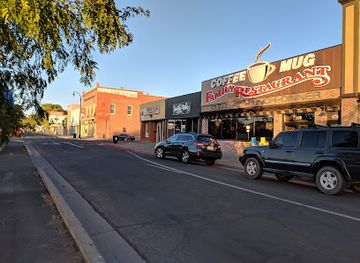
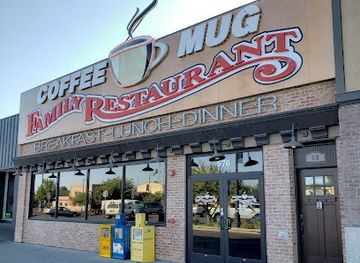
Coffee Mug
Experience the warmth of Coffee Mug, a family-friendly haven in Elko offering delicious breakfasts and aromatic coffee for all travelers.
2 min walk · 0.2 km from city centre
-
Hotel
Maverick Hotel and Casino by Red Lion Hotels
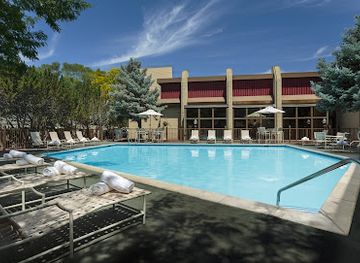
Discover the Maverick Hotel and Casino in Elko, NV - a blend of comfort, gaming excitement, and local culture awaits your visit.
7 min drive · 2.3 km from city centre
-
Family-friendly
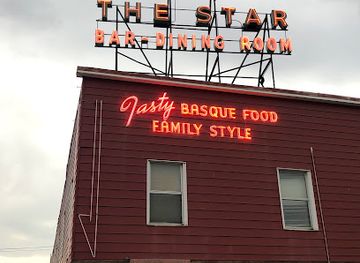
The Star Hotel Basque Dining
Experience authentic Basque dining in a family-friendly atmosphere at The Star Hotel Basque Dining in Elko, Nevada, where quality meets tradition.
4 min walk · 0.3 km from city centre
-
Casino
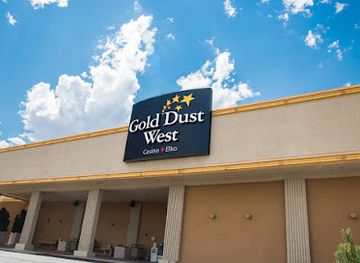
Gold Dust West Elko
Discover the excitement of Gold Dust West Elko, where gaming, dining, and entertainment converge in the heart of Nevada.
5 min drive · 1.8 km from city centre
Explore Elko on the map
Plan your Elko trip on one map. See where the top attractions, landmarks, restaurants, bars and hotels are, find what's near where you're staying, and book hotels and experiences in a few clicks.
Best hotels in Elko
Best restaurants in Elko
Elko’s dining identity is strongly shaped by Basque immigration and the ranching economy of northern Nevada. Basque restaurants traditionally offer generous family-style meals, with dishes such as bean soups, stews, lamb, croquettes and sweet rice appearing alongside bread and shared sides; dining rooms may also reflect the communal atmosphere of the region’s boarding-house tradition. The city’s wider food scene includes American grills, cafés, bakeries, casino restaurants and relaxed places serving burgers, steaks and other practical Western fare. Downtown is the main area for independent dining, while local businesses and community events provide opportunities to encounter regional products and seasonal cooking. Visitors should distinguish Basque food from generic Southwestern cuisine: its flavours and customs come from the Pyrenees and from the history of Basque sheepherders in the Great Basin.
-
Family-friendly
Coffee Mug
Discover Coffee Mug in Elko: A family-friendly breakfast restaurant serving delightful dishes & aromatic coffees amidst a warm atmosphere.
2 min walk · 0.2 km from city centre
-
Family-friendly
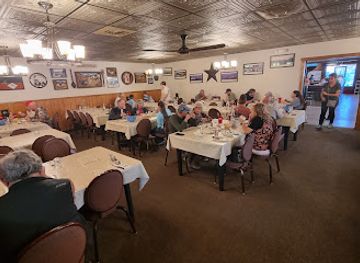
The Star Hotel Basque Dining
Experience authentic Basque flavors at The Star Hotel Basque Dining—Elko's premier family-friendly restaurant offering fine dining in a welcoming atmosphere.
4 min walk · 0.3 km from city centre
-
Restaurant
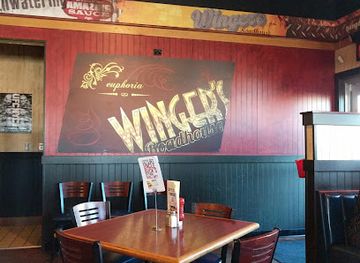
WINGERS Restaurant
Experience the best of American cuisine at WINGERS Restaurant in Elko - where great food meets a fun atmosphere!
8 min drive · 2.6 km from city centre
-
Mexican
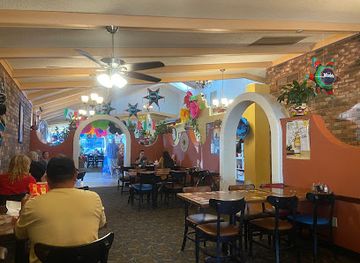
Garibaldi's Restaurant Elko
Discover the rich flavors of Mexico at Garibaldi's Restaurant Elko – where every meal is a fiesta!
5 min drive · 1.7 km from city centre
Best bars in Elko
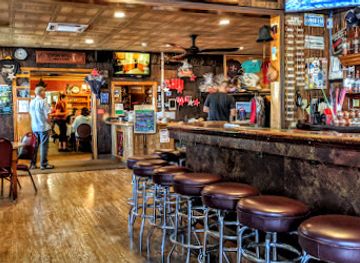
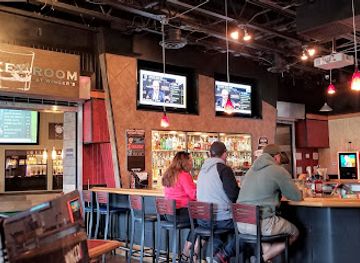
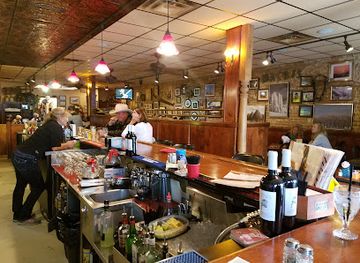
Elko’s evening scene is modest, social and closely tied to its role as a regional service centre rather than a major nightlife destination. Casinos provide some of the city’s most consistent after-dark activity, with bars, live entertainment and gaming rooms operating within the broader Nevada entertainment culture. Downtown also has local bars and lounges where residents, ranching communities and visitors meet, while hotel and restaurant bars offer quieter evenings. During the National Cowboy Poetry Gathering and other cultural events, performances, concerts, readings and informal music sessions broaden the programme beyond drinking venues. The Western Folklife Center is especially important for organised cultural evenings, although event schedules vary. Night-time options thin out quickly beyond central Elko, so the surrounding high desert is better suited to early starts, stargazing and landscape viewing than to late-night entertainment.
-
Bar
The Star Hotel Basque Dining
Experience the rich flavors of Basque cuisine at The Star Hotel in Elko, Nevada—a culinary gem for food lovers and families alike.
4 min walk · 0.3 km from city centre
-
Restaurant
WINGERS Restaurant
Experience the flavorful American cuisine at WINGERS Restaurant in Elko, NV, featuring chicken wings, burgers, and more in a vibrant atmosphere.
8 min drive · 2.6 km from city centre
-
Grill
Matties Taphouse and Grill
Discover the flavors of Elko at Matties Taphouse and Grill, a vibrant eatery offering delicious grilled dishes and local brews in a warm atmosphere.
8 min drive · 2.6 km from city centre
-
Grill
Machi's Saloon & Grill
Discover the best of American cuisine at Machi's Saloon & Grill in Elko, Nevada, where comfort food meets a welcoming atmosphere.
2 min walk · 0.1 km from city centre
Best nightclubs in Elko
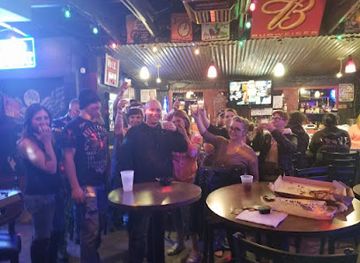
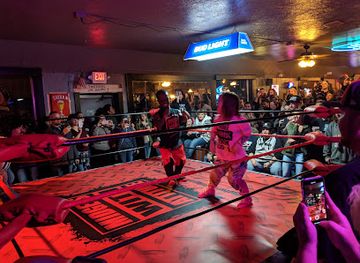
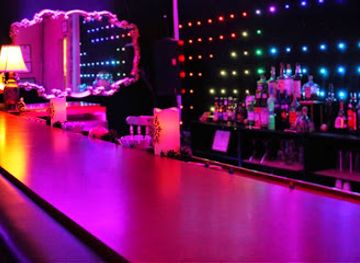
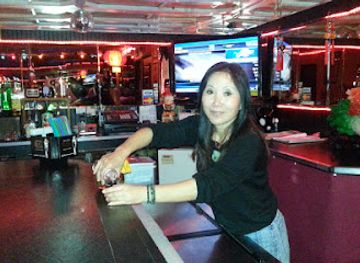
Elko’s evening scene is modest, social and closely tied to its role as a regional service centre rather than a major nightlife destination. Casinos provide some of the city’s most consistent after-dark activity, with bars, live entertainment and gaming rooms operating within the broader Nevada entertainment culture. Downtown also has local bars and lounges where residents, ranching communities and visitors meet, while hotel and restaurant bars offer quieter evenings. During the National Cowboy Poetry Gathering and other cultural events, performances, concerts, readings and informal music sessions broaden the programme beyond drinking venues. The Western Folklife Center is especially important for organised cultural evenings, although event schedules vary. Night-time options thin out quickly beyond central Elko, so the surrounding high desert is better suited to early starts, stargazing and landscape viewing than to late-night entertainment.
-
Karaoke bar
Charlee's Bar
Experience the vibrant nightlife at Charlee's Bar in Elko, Nevada, where karaoke meets a welcoming atmosphere and refreshing drinks.
4 min walk · 0.3 km from city centre
-
Bar
Silver Dollar Club
Discover the vibrant nightlife at Silver Dollar Club in Elko, NV, where great drinks, live music, and a lively atmosphere await.
2 min walk · 0.2 km from city centre
-
Adult entertainment club
Desert Rose Gentlemen's Club and Legal Brothel
Experience vibrant nightlife at the Desert Rose Gentlemen's Club in Elko, Nevada, featuring dazzling performances and an inviting atmosphere.
5 min walk · 0.4 km from city centre
-
Night club
Sue's Fantasy Club Legal Brothel
Discover the vibrant nightlife at Sue's Fantasy Club in Elko, Nevada, where adult entertainment meets a lively atmosphere for an unforgettable experience.
5 min walk · 0.4 km from city centre
Best shops in Elko
Shopping in Elko is practical, locally focused and strongly influenced by Western life. Downtown streets contain independent retailers, galleries and specialist businesses selling cowboy hats, boots, saddlery, Western clothing, jewellery and gifts, while larger commercial areas provide everyday supplies for residents and travellers. Visitors may also find Basque food products, regional artwork, books on Nevada history and craft items connected with ranching and the high desert. The city’s retail atmosphere is less about dense department-store shopping than about browsing businesses that serve a broad rural hinterland. Community markets and seasonal events can add local produce, handmade goods and art, but their dates and availability vary. Elko is also a useful place to buy practical provisions before driving into the Ruby Mountains or across remote sections of north-eastern Nevada.
-
Department store
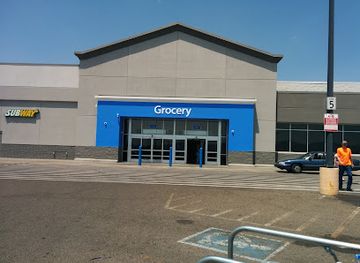
Walmart Supercenter
Explore Walmart Supercenter in Elko, NV: A comprehensive shopping hub for groceries, clothing, electronics, and more, all at affordable prices.
8 min drive · 2.6 km from city centre
-
Outdoor sports store
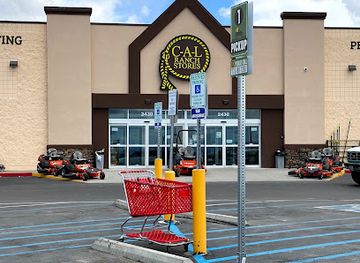
C-A-L Ranch Stores
Discover outdoor adventure essentials, Western apparel, and pet supplies at C-A-L Ranch Stores in Elko, Nevada, your one-stop shop for nature lovers.
7 min drive · 2.2 km from city centre
-
Shopping mall
Elko Junction
Explore Elko Junction, a vibrant shopping mall in Elko, Nevada, offering diverse retail and dining options for all travelers.
8 min drive · 2.7 km from city centre
-
Shopping mall
Sunrise Shopping Center
Experience shopping, dining, and entertainment at the Sunrise Shopping Center in Elko, Nevada - a vibrant hub for locals and tourists alike.
8 min drive · 2.7 km from city centre
Get your free copy of our complete guide to Elko, delivered straight to you.
Everything on this page, from attractions and restaurants to essentials and local phrases, in one PDF you can read offline, print or share.
Already have an account? Sign in
Your Elko guide is ready.
We'll send it to · Not you? Sign out

Getting your guide ready…
We are putting together a fresh copy of the Elko guide. This can take up to a minute.
This can take a few moments. If your browser asks, choose Allow so the download can start. You'll find the guide in your Downloads folder.
Nothing happened? Download it again
Sorry, the guide is taking longer than usual. Please try again in a minute, or get it by email instead.
Elko essentials
Currency and Payment
Safety
Emergency Situations
Do's and Don'ts
Local Tips
From Eve
Local phrases worth knowing
You don't need to get them perfect. A few words go a long way, and locals appreciate the effort.
Basics
| English | Local | Say it |
|---|---|---|
| Hello | Howdy | [haw-dee] |
| Goodbye | See ya | [see yuh] |
| Yes | Yep | [yep] |
| No | Nope | [nohp] |
| Please/You're welcome | Please/No problem | [pleez/no prah-blem] |
| Thank you | Thanks | [thaynks] |
| Excuse me/Sorry | Pardon me/My bad | [par-dun me/my bad] |
| How are you? | Howdy | [haw-dee] |
| Fine. And you? | Good. You? | [good. yuh?] |
| Do you speak English? | Y'all speak English? | [yawl speak ing-glish?] |
| I don't understand | I don't get it | [I don't get it] |
Eating & Drinking
| English | Local | Say it |
|---|---|---|
| I'd like to see the menu, please | I reckon I'll take a gander at the menu, please | [I reckon I'll take a gander at the menu, please] |
| I don't eat meat | I don't do meat | [I don't do meat] |
| Cheers! | Cheers! | [Cheers!] |
| I would like to pay, please | I'm fixin' to settle up, please | [I'm fixin' to settle up, please] |
Emergencies
| English | Local | Say it |
|---|---|---|
| Help! | Help! | [Help!] |
| Go away! | Git! | [Git!] |
| Call the Police! | Ring up the Sheriff! | [Ring up the Sheriff!] |
| Call a doctor! | Get me a sawbones! | [Get me a sawbones!] |
| I'm lost | I'm turned around | [I'm turned around] |
| I'm ill | I'm under the weather | [I'm under the weather] |
Shopping
| English | Local | Say it |
|---|---|---|
| I'd like to buy... | I reckon I'll buy... | [I reckon I'll buy...] |
| I'm just looking | Just browsin' | [Just browsin'] |
| How much is it? | How much fer it? | [How much fer it?] |
| That's too expensive | That's a mite pricey | [That's a mite pricey] |
| Can you lower the price? | Kin ya knock the price down? | [Kin ya knock the price down?] |
Time & Numbers
| English | Local | Say it |
|---|---|---|
| What time is it? | What's the hour? | [What's the hour?] |
| It's one o'clock | It's one | [It's one] |
| Half past (10) | Half past (10) | [Half past (10)] |
| Morning | Mornin' | [Mornin'] |
| Afternoon | Afternoon | [Afternoon] |
| Evening | Evenin' | [Evenin'] |
| Yesterday | Yest'day | [Yest'day] |
| Today | Today | [Today] |
| Tomorrow | Tomorrow | [Tomorrow] |
| 1 | One | [One] |
| 2 | Two | [Two] |
| 3 | Three | [Three] |
| 4 | Four | [Four] |
| 5 | Five | [Five] |
| 6 | Six | [Six] |
| 7 | Seven | [Seven] |
| 8 | Eight | [Eight] |
| 9 | Nine | [Nine] |
| 10 | Ten | [Ten] |
Transport & Directions
| English | Local | Say it |
|---|---|---|
| Where's a/the...? | Where's a/the...? | [Where's a/the...?] |
| What's the address? | What's the addy? | [What's the addy?] |
| Can you show me (on the map)? | Can ya point it out (on the map)? | [Can ya point it out (on the map)?] |
| When's the next (bus)? | When's the next (bus)? | [When's the next (bus)?] |
| A ticket (to ....) | A ticket (to ....) | [A ticket (to ....)] |
History of Elko
Indigenous Great Basin Homelands
The Elko region belongs to the wider cultural landscape of Western Shoshone and Northern Paiute peoples, whose communities adapted to the Great Basin’s dry valleys, mountain ranges and seasonal waters. Indigenous knowledge of plants, animals, routes and water sources shaped life in a demanding environment long before the arrival of American settlement. The Humboldt River corridor later became important to emigrants and freight traffic, but its significance was already embedded in older patterns of movement and exchange. Contemporary interpretation in the region increasingly acknowledges these Indigenous histories alongside the better-known narratives of railways, ranches and emigrant trails.
The Railroad Creates Elko
Elko emerged in 1869 as the Central Pacific Railroad extended its route across Nevada, linking the settlement to the transcontinental railway completed the previous year. The railway transformed the Humboldt River valley into a stopping point for passengers, freight and livestock, while providing an economic foundation for stores, hotels, workshops and public institutions. Elko’s location made it a service centre for a vast territory rather than merely a railway platform. The tracks remain a defining physical and historical feature, connecting the modern city with the era when rail transport opened the interior West to sustained commercial development.
Ranching, Mining and Immigration
During the late nineteenth and early twentieth centuries, Elko expanded as ranching, livestock shipping and mining generated demand for supplies and labour. Basque immigrants from the Pyrenees became especially influential in Nevada’s sheep-shearing and herding economy, establishing boarding houses, restaurants and social traditions that remain visible in Elko’s food culture. Other migrants arrived through the railway, mining camps and expanding commercial networks. This mixture gave the town a layered identity: part county seat, part ranching headquarters and part gateway to remote mineral and grazing country.
A Regional Centre in Modern Nevada
Elko developed into the principal service and administrative centre of north-eastern Nevada, supporting ranches, mines, schools, government offices and transport routes across a sparsely populated region. Its economy has continued to reflect cycles in mining and agriculture, while the city’s institutions preserve local history and cultural practice. The Northeastern Nevada Museum and the California Trail Historic Interpretive Center present different aspects of this past, from Great Basin environments to the overland migration that followed the Humboldt corridor. Elko’s present-day character still depends on its function as a working regional town rather than a purely heritage reconstruction.
Cowboy Poetry and Living Traditions
Elko gained a broader cultural reputation after the first National Cowboy Poetry Gathering was held in 1985. Organised around the Western Folklife Center, the event brought together ranching families, poets, musicians and audiences interested in the occupational traditions of the American West. Cowboy poetry in this context is not simply historical performance: it is a living form of storytelling shaped by work, landscape, humour and memory. The gathering helped place Elko on the cultural map while reinforcing the city’s commitment to preserving Basque, Indigenous, ranching and wider Western histories through exhibitions, performances and community events.
Elko in Photos
Browse through our photo collection highlighting the charm and character of the destination.
Cities near Elko
The closest cities to Elko, if you have time for more than one stop.
-

-

-

-

-


Swipe for more cities
Explore more

Explore more of Nevada
Discover Nevada: From the bright lights of Las Vegas to the tranquil beauty of Lake Tahoe, Nevada offers a unique blend of excitement and natural wonder.
Explore Nevada