
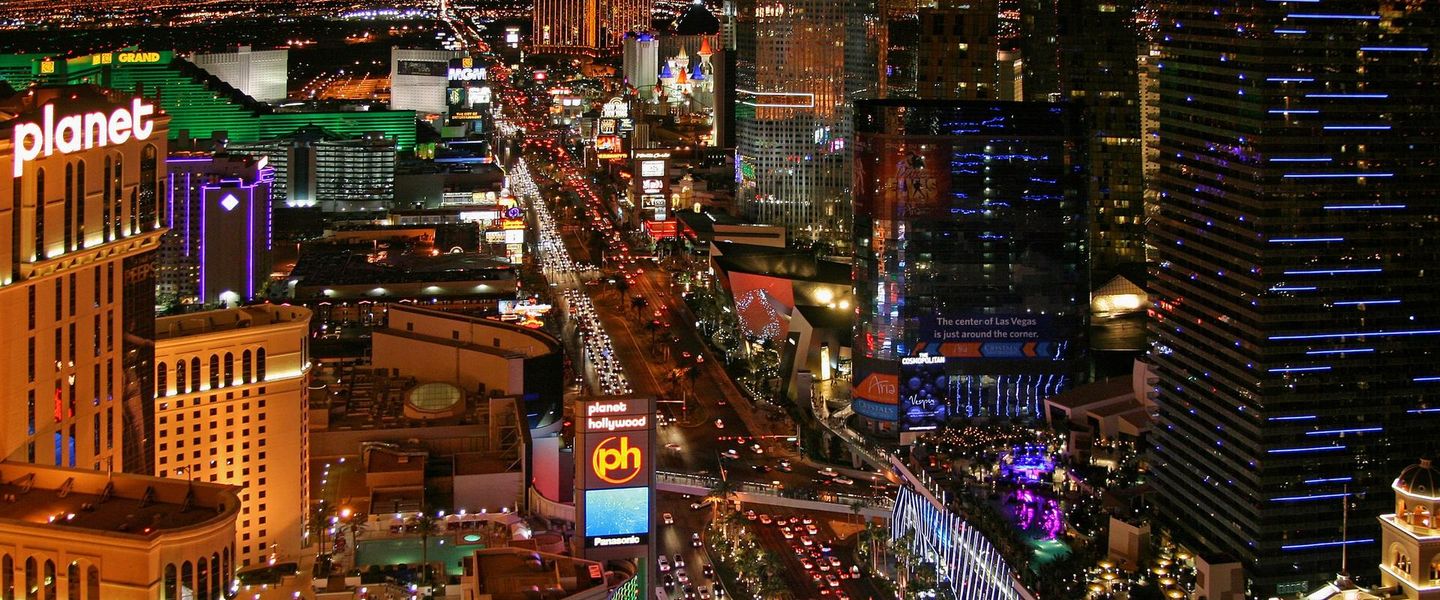
Southern Nevada, Nevada Travel Guide
Discover the allure of Southern Nevada: from the neon lights of Las Vegas to the serene landscapes of Red Rock Canyon and the historic Hoover Dam.
Southern Nevada is a captivating blend of natural beauty, vibrant nightlife, and rich history. Nestled in the Mojave Desert, this region offers more than just the bright lights of Las Vegas. The stunning landscapes, including Red Rock Canyon and the Valley of Fire, provide a breathtaking backdrop for hiking, rock climbing, and photography enthusiasts. These natural parks showcase unique rock formations, petroglyphs, and an array of wildlife, making them a must-visit for nature lovers. Just a short drive from Las Vegas, Hoover Dam stands as an engineering marvel and a testament to human ingenuity. This iconic structure, which bridges Nevada and Arizona, offers guided tours that delve into its history and construction. Nearby, Lake Mead provides opportunities for boating, fishing, and other water activities, making it a perfect retreat from the desert heat. For those interested in culture and history, Southern Nevada does not disappoint. The Neon Museum in Las Vegas preserves and displays iconic signs from the city's past, offering a glimpse into its vibrant history. Similarly, the Clark County Heritage Museum showcases the region's diverse heritage through its extensive collection of artifacts and exhibits. Whether you're an adventure seeker, history buff, or just looking to relax, Southern Nevada has something for everyone.

Know before you go
Hi, I'm Eve. Here are a few practical things to know before exploring Southern Nevada.
- Visit Red Rock Canyon early in the morning or late in the afternoon to avoid the midday heat.
- Book Hoover Dam tours in advance, especially during peak tourist seasons.
- Rent a car to explore the natural parks and attractions outside of Las Vegas city limits.
- Stay hydrated and wear sunscreen when exploring outdoor attractions.
- Check the weather forecast before planning outdoor activities as temperatures can be extreme.
Top City Travel Guides in Southern Nevada
The cities of Southern Nevada, and the easiest places to base yourself.


Destinations in Southern Nevada
Resorts, valleys and scenic spots worth a trip of their own.


Explore Southern Nevada: Things to Do, Places to Eat, Hotels & More
Handpicked recommendations for top attractions, local dining, accommodations, and more

Top Attractions & Sightseeing in Southern Nevada
Top-rated picks
Best Attractions

Fountains of Bellagio
Experience the captivating Fountains of Bellagio in Las Vegas, where music and water unite in a breathtaking display of art and engineering.

Bellagio Conservatory & Botanical Gardens
Experience the breathtaking beauty of nature at the Bellagio Conservatory & Botanical Gardens, a must-see scenic spot in Las Vegas.

Welcome to Fabulous Las Vegas Sign
Capture your Vegas memories at the iconic Welcome to Fabulous Las Vegas Sign, a symbol of excitement and adventure in the heart of the Strip.

AREA15
Discover AREA15, Las Vegas' innovative entertainment hub featuring art, adventure, shopping, and nightlife in a vibrant, immersive environment.

Best landmarks in Southern Nevada
Top-rated picks
Best Landmarks

Fountains of Bellagio
Experience the enchanting Fountains of Bellagio, where water dances to music in a stunning display of art and engineering, a must-see in Las Vegas.

Hoover Dam
Experience the iconic Hoover Dam, a spectacular hydroelectric power plant and tourist attraction with breathtaking views and fascinating history.

Bellagio Conservatory & Botanical Gardens
Experience the breathtaking beauty of the Bellagio Conservatory & Botanical Gardens, a seasonal floral showcase in the heart of Las Vegas, offering tranquility amidst the vibrant city.

Welcome to Fabulous Las Vegas Sign
Capture unforgettable memories at the Welcome to Fabulous Las Vegas Sign, the iconic symbol of entertainment and excitement in Las Vegas.

Best restaurants in Southern Nevada
Top-rated picks
Best Restaurants

Peppermill and Fireside Lounge
Experience iconic American dining at The Peppermill and Fireside Lounge in Las Vegas—where vibrant atmosphere meets delicious cuisine.

Mon Ami Gabi
Experience authentic French cuisine at Mon Ami Gabi, an enchanting bistro on the Las Vegas Strip offering stunning views and delightful dishes.

Lazy Dog Restaurant & Bar
Experience the best of American cuisine in Las Vegas at Lazy Dog Restaurant & Bar—where comfort food meets casual elegance.

Top of the World
Elevate your dining experience at Top of the World - Las Vegas' premier steakhouse with breathtaking views and exquisite cuisine.

Best bars in Southern Nevada
Top-rated picks
Best Bars

Peppermill and Fireside Lounge
Discover the timeless charm of Peppermill and Fireside Lounge, where American cuisine meets vibrant nightlife on the Las Vegas Strip.

Herbs and Rye
Explore the sophisticated flavors of Herbs and Rye, Las Vegas' premier grill and steakhouse with a unique speakeasy vibe.

Gold Spike
Discover the pulse of nightlife at Gold Spike, a lively bar and nightclub in Downtown Las Vegas, offering entertainment, drinks, and unforgettable experiences.

The Golden Tiki
Experience the vibrant spirit of tiki culture at The Golden Tiki, Las Vegas' go-to bar for exotic cocktails and unforgettable fun.

Best nightclubs in Southern Nevada
Top-rated picks
Best Nightclubs

OMNIA Nightclub
Discover the luxury and excitement of OMNIA Nightclub, where world-class DJs and vibrant nightlife converge in Las Vegas.

XS Nightclub
Experience the ultimate nightlife at XS Nightclub in Las Vegas, where luxury meets unbeatable entertainment under the stars.

La Jolla Nightclub
Discover the electrifying nightlife of La Jolla Nightclub in Las Vegas, where music, dance, and hookah come together for an unforgettable experience.

Legacy Club
Discover the elegance of Legacy Club, a premier cocktail bar in Downtown Las Vegas, offering stunning views and unique drinks.

Best shops in Southern Nevada
Top-rated picks
Best Shops

Bonanza Gift Shop
Explore Bonanza Gift Shop, the largest and most eclectic store in Las Vegas, offering unique souvenirs, clothing, jewelry, and more at unbeatable prices.

Antique Mall of America
Explore the Antique Mall of America in Las Vegas: A vintage paradise filled with unique treasures and a journey through time.

Toy Shack
Explore Toy Shack, Las Vegas' premier toy store, featuring a vast collection of vintage and modern toys to ignite your imagination.

Souvenir Supermart
Discover unique Las Vegas souvenirs at Souvenir Supermart, your ultimate gift shop in the heart of Downtown Las Vegas.

Explore Southern Nevada on the Map
A handpicked selection of must-see spots in Southern Nevada, mapped for you.
Southern Nevada Essentials
-
Southern Nevada is well-connected by air, road, and rail. The primary gateway is McCarran International Airport (LAS) in Las Vegas, which offers numerous domestic and international flights. For those driving, Interstate 15 (I-15) is the main highway that runs through the region, connecting it to Los Angeles to the southwest and Salt Lake City to the northeast. Amtrak's Southwest Chief does not directly serve Nevada but has stops in nearby states where you can connect to bus services.
-
Once in Southern Nevada, getting around is relatively easy. Las Vegas has an extensive public transportation system including buses operated by the RTC (Regional Transportation Commission of Southern Nevada). Taxis, ride-sharing services like Uber and Lyft, and rental cars are also widely available. For short distances, the Las Vegas Monorail is a convenient option. If you plan to explore beyond Las Vegas, renting a car is recommended for the flexibility it offers.
-
The official currency is the U.S. Dollar (USD). Credit and debit cards are widely accepted, including in most hotels, restaurants, and shops. ATMs are plentiful, especially in urban areas like Las Vegas. However, it's advisable to carry some cash for small businesses and tipping. Currency exchange services are also available at the airport, major hotels, and banks.
-
Southern Nevada is generally safe for tourists, but it's wise to take standard precautions. Areas like the Las Vegas Strip are heavily policed, but petty crimes like pickpocketing can occur, especially in crowded places. Neighborhoods such as East Las Vegas and some parts of North Las Vegas have higher crime rates, so it's best to stay vigilant and avoid these areas at night. Always keep your belongings secure and be cautious when using ATMs.
-
In case of emergency, dial 911 for immediate assistance. Las Vegas has well-equipped hospitals and medical facilities. It's advisable to have travel insurance that covers medical emergencies. For minor health issues, numerous pharmacies are available in urban areas. Make sure you have a copy of your identification and health insurance information on hand.
-
Fashion: Do dress comfortably, especially in the summer when temperatures can soar. Casual wear is generally acceptable, but upscale venues may require more formal attire. Religion: Do respect religious customs if visiting places of worship. Public Transport: Do be polite and offer your seat to those in need. Don’t eat or drink on public transport. Greetings: Do greet people with a friendly 'hello' or handshake. Eating & Drinking: Do try local specialties and tip service staff around 15-20%. Don’t photograph people without permission, especially in private settings.
-
To experience Southern Nevada like a local, venture beyond the Las Vegas Strip. Visit local favorites such as the Fremont Street Experience in Downtown Las Vegas for a more authentic vibe. Red Rock Canyon offers excellent hiking opportunities, and the Hoover Dam is a must-see historical landmark. For food, try local diners and eateries off the main tourist paths for delicious and affordable meals. Engaging with locals can provide unique insights and enhance your travel experience.
When is the best time to visit Southern Nevada?
Useful Local Phrases for Southern Nevada
You don't need to speak the language perfectly. Even learning a few simple words can make conversations warmer—and locals usually appreciate the effort.
— Eve

Here are the phrases I use most often in Southern Nevada. Try a few—you'll be surprised how far they go! 😊
❤️
-
- HelloHey
[Hey] - GoodbyeSee ya
[See ya] - YesYup
[Yup] - NoNope
[Nope] - Please/You're welcomeSure thing
[Shur thing] - Thank youThanks
[Thanks] - Excuse me/SorrySorry
[Sorry] - How are you?How's it going?
[How's it going?] - Fine. And you?Good. You?
[Good. You?] - Do you speak English?You speak English?
[You speak English?] - I don't understandI don't get it
[I don't get it]
- HelloHey
-
- I'd like to see the menu, pleaseCan I see the menu?
[Can I see the menu?] - I don't eat meatI'm vegetarian
[I'm vegetarian] - Cheers!Cheers!
[Cheers!] - I would like to pay, pleaseCan I get the check?
[Can I get the check?]
- I'd like to see the menu, pleaseCan I see the menu?
-
- Help!Help!
[Help!] - Go away!Leave me alone!
[Leave me alone!] - Call the Police!Call 911!
[Call 911!] - Call a doctor!Get a doctor!
[Get a doctor!] - I'm lostI'm lost
[I'm lost] - I'm illI'm not feeling well
[I'm not feeling well]
- Help!Help!
-
- I'd like to buy...I wanna buy...
[I wanna buy...] - I'm just lookingJust browsing
[Just browsing] - How much is it?What’s the price?
[What’s the price?] - That's too expensiveThat’s pricey
[That’s pricey] - Can you lower the price?Can you make it cheaper?
[Can you make it cheaper?]
- I'd like to buy...I wanna buy...
-
- What time is it?What time is it?
[What time is it?] - It's one o'clockIt's one
[It's one] - Half past (10)Ten-thirty
[Ten-thirty] - MorningMorning
[Morning] - AfternoonAfternoon
[Afternoon] - EveningEvening
[Evening] - YesterdayYesterday
[Yesterday] - TodayToday
[Today] - TomorrowTomorrow
[Tomorrow] - 1One
[One] - 2Two
[Two] - 3Three
[Three] - 4Four
[Four] - 5Five
[Five] - 6Six
[Six] - 7Seven
[Seven] - 8Eight
[Eight] - 9Nine
[Nine] - 10Ten
[Ten]
- What time is it?What time is it?
-
- Where's a/the...?Where's the...?
[Where's the...?] - What's the address?What’s the address?
[What’s the address?] - Can you show me (on the map)?Can you show me on the map?
[Can you show me on the map?] - When's the next (bus)?When's the next bus?
[When's the next bus?] - A ticket (to ....)A ticket to ...
[A ticket to ...]
- Where's a/the...?Where's the...?
History of Southern Nevada
-
Long before European explorers set foot in Southern Nevada, the region was inhabited by the Southern Paiute people. This Native American tribe lived in the area for thousands of years, utilizing the natural resources of the Mojave Desert and its river systems. They practiced a semi-nomadic lifestyle, moving with the seasons to hunt, gather food, and trade. The Southern Paiute had an intricate knowledge of the land, which allowed them to thrive in the harsh desert environment.
-
In the early 19th century, Southern Nevada became a critical link in the Old Spanish Trail, a trade route connecting Santa Fe, New Mexico, with Los Angeles, California. Spanish explorers and traders, including Antonio Armijo, traversed the region, establishing trading posts and bringing new goods and cultural influences. The trail facilitated the exchange of goods such as wool, horses, and mules, shaping the economic landscape of the region.
-
In 1855, Mormon settlers established the Las Vegas Fort in what is now downtown Las Vegas. This settlement was intended to serve as a waystation for travelers along the Mormon Corridor between Salt Lake City and Southern California. Although the fort was abandoned by 1858 due to difficulties with the local environment and Native American tribes, it laid the groundwork for future settlement and development in the Las Vegas Valley.
-
The late 19th century witnessed a mining boom in Southern Nevada, sparked by the discovery of silver in the region. Towns like Pioche and Searchlight sprang up almost overnight, attracting prospectors and fortune-seekers from across the country. These mining towns experienced rapid growth and equally rapid decline as ore deposits were exhausted. The mining era left behind a legacy of ghost towns and abandoned mines, which remain as historical relics of this turbulent period.
-
One of the most significant events in Southern Nevada's history was the construction of the Hoover Dam between 1931 and 1936. This monumental engineering feat provided employment during the Great Depression and transformed the region by controlling the flow of the Colorado River, providing irrigation, and generating hydroelectric power. The dam's construction led to the creation of Lake Mead, one of the largest man-made lakes in the world, and spurred the growth of nearby cities, including Boulder City and Las Vegas.
-
The legalization of gambling in Nevada in 1931 paved the way for Las Vegas to become the entertainment capital of the world. The first casinos, like the Pair-O-Dice Club, opened on what would later become the Las Vegas Strip. In the 1940s and 1950s, the city saw the construction of iconic resorts such as the Flamingo, funded by infamous mob figures like Bugsy Siegel. Las Vegas' reputation for glamorous nightlife, entertainment, and gambling attracted visitors from around the globe, transforming it into a bustling metropolis.
-
During the Cold War, Southern Nevada became a focal point for nuclear testing. The Nevada Test Site, located about 65 miles northwest of Las Vegas, was established in 1951 for the testing of nuclear weapons. The tests, which continued until 1992, had a profound impact on the region, both economically and environmentally. The mushroom clouds from these tests were often visible from Las Vegas, drawing tourists who wanted to witness the explosions firsthand. Today, the site is a reminder of the era's nuclear legacy and its implications.
-
In recent decades, Southern Nevada has experienced significant population growth and diversification. Las Vegas, in particular, has evolved into a vibrant, multicultural city with a diverse population. The region's economy, once heavily reliant on gambling and tourism, has expanded to include sectors such as technology, healthcare, and education. Cultural festivals, culinary diversity, and a thriving arts scene reflect the rich tapestry of influences that define Southern Nevada today.
Neighbouring Regions of Southern Nevada
The closest regions to Southern Nevada, if you have time for more than one.




Your all‑in‑one travel companion app
Explore expert travel guides, compare and book tours, experiences, hotels, and more—all from the palm of your hand. Download now for seamless trip planning wherever your wanderlust takes you.


Explore More of Nevada

Looking beyond Southern Nevada? Discover Nevada for broader travel guides, local hot-spots, and regional highlights.
Explore NevadaSouthern Nevada in Photos
Browse through our photo collection highlighting the charm and character of the destination.


Exploring the Wonders of Southern Nevada
Southern Nevada is a captivating blend of natural beauty, vibrant nightlife, and rich history. Nestled in the Mojave Desert, this region offers more than just the bright lights of Las Vegas. The stunning landscapes, including Red Rock Canyon and the Valley of Fire, provide a breathtaking backdrop for hiking, rock climbing, and photography enthusiasts. These natural parks showcase unique rock formations, petroglyphs, and an array of wildlife, making them a must-visit for nature lovers. Just a short drive from Las Vegas, Hoover Dam stands as an engineering marvel and a testament to human ingenuity. This iconic structure, which bridges Nevada and Arizona, offers guided tours that delve into its history and construction. Nearby, Lake Mead provides opportunities for boating, fishing, and other water activities, making it a perfect retreat from the desert heat. For those interested in culture and history, Southern Nevada does not disappoint. The Neon Museum in Las Vegas preserves and displays iconic signs from the city's past, offering a glimpse into its vibrant history. Similarly, the Clark County Heritage Museum showcases the region's diverse heritage through its extensive collection of artifacts and exhibits. Whether you're an adventure seeker, history buff, or just looking to relax, Southern Nevada has something for everyone.