

Sierra Nevada, Nevada Travel Guide
Explore the Sierra Nevada in Nevada: A natural paradise with year-round outdoor activities, stunning landscapes, and unique wildlife, perfect for adventure and relaxation.
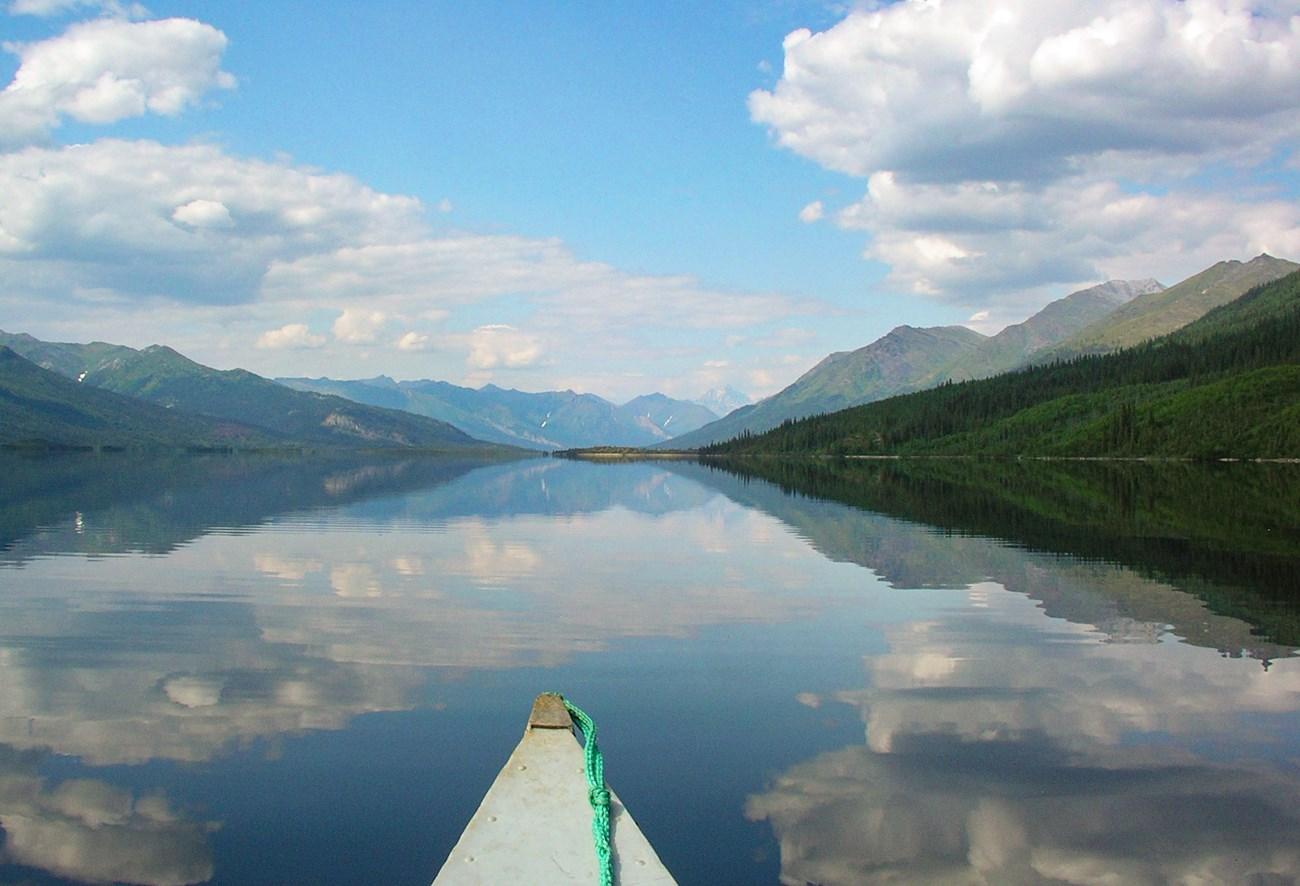
The Sierra Nevada mountain range in Nevada is a breathtaking destination for nature lovers and adventure seekers. Known for its stunning peaks, crystal-clear lakes, and lush forests, this region offers a diverse array of outdoor activities and scenic beauty that captivate visitors year-round. In the warmer months, the Sierra Nevada is a haven for hikers and campers. Trails like the Tahoe Rim Trail and the Pacific Crest Trail provide spectacular views and exciting challenges for all skill levels. Fishing, boating, and swimming are popular activities in the pristine lakes, including the famous Lake Tahoe. The region’s flora and fauna are diverse, making it a perfect spot for wildlife enthusiasts and photographers. Winter transforms the Sierra Nevada into a snowy wonderland. The area boasts some of the best skiing and snowboarding in the United States, with renowned resorts like Heavenly, Squaw Valley, and Northstar. Snowshoeing and cross-country skiing are also popular, offering serene ways to explore the snowy landscapes. The charming mountain towns, with their cozy lodges and warm hospitality, add to the magical winter experience.

Know before you go
Hi, I'm Eve. Here are a few practical things to know before exploring Sierra Nevada.
- Visit in spring or fall for mild weather and fewer crowds.
- Pack layers; mountain weather can change rapidly.
- Bring insect repellent if hiking in summer.
- Check road conditions and closures if visiting in winter.
- Respect wildlife and keep a safe distance.
Top City Travel Guides in Sierra Nevada
The cities of Sierra Nevada, and the easiest places to base yourself.


Destinations in Sierra Nevada
Resorts, valleys and scenic spots worth a trip of their own.


Explore Sierra Nevada: Things to Do, Places to Eat, Hotels & More
Handpicked recommendations for top attractions, local dining, accommodations, and more

Top Attractions & Sightseeing in Sierra Nevada
Top-rated picks
Best Attractions

Eldorado Canyon Mine Tours
Explore the rich mining history and breathtaking landscapes at Eldorado Canyon Mine Tours, a must-visit tourist attraction near Las Vegas.

Nevada State Museum
Discover Nevada's history and culture at the Nevada State Museum in Carson City, a captivating tourist attraction showcasing artifacts and exhibits.

Crystal Peak Park
Explore Crystal Peak Park in Verdi, Nevada: a serene escape with scenic trails, picnic spots, and stunning views of the Sierra Nevada mountains.

Grimes Point Archaeological Area
Explore the rich history and stunning petroglyphs at Grimes Point Archaeological Area in Fallon, Nevada – a must-visit destination for history lovers.

Best restaurants in Sierra Nevada
Top-rated picks
Best Restaurants

Grand Sierra Resort and Casino
Discover unparalleled luxury at Grand Sierra Resort and Casino – Reno's premier destination for entertainment, dining, and relaxation.

The Bootlegger Italian Bistro
Experience authentic Italian flavors at The Bootlegger Italian Bistro in Las Vegas – where every meal is a celebration of culinary tradition.

Red's Old 395 Grill
Experience authentic American barbecue at Red's Old 395 Grill in Carson City – where flavor meets friendly service.

Gar Woods Grill & Pier
Discover exquisite Californian cuisine at Gar Woods Grill & Pier while enjoying breathtaking views of Lake Tahoe in Carnelian Bay.

Best bars in Sierra Nevada
Top-rated picks
Best Bars

Grand Sierra Resort and Casino
Discover the ultimate blend of luxury, entertainment, and relaxation at Grand Sierra Resort and Casino in Reno, Nevada.

Peppermill and Fireside Lounge
Discover the Peppermill and Fireside Lounge, a Las Vegas icon offering American cuisine and a vibrant cocktail experience on the Strip.

The Golden Tiki
Experience the vibrant atmosphere and exotic cocktails at The Golden Tiki, a must-visit bar in Las Vegas for a unique nightlife adventure.

Pioneer Saloon
Explore the rich history and vibrant atmosphere at Pioneer Saloon, a must-visit bar and restaurant in Goodsprings, Nevada.

Best nightclubs in Sierra Nevada
Top-rated picks
Best Nightclubs

Sierra Gold
Discover the lively ambiance and delicious offerings of Sierra Gold, Reno’s ultimate bar and restaurant experience blending dining, drinks, and gaming.

NoVi
Experience the electrifying nightlife of Reno at NoVi Nightclub, where great drinks and unforgettable dance moves await you.

Envy Nightclub and Lounge
Dive into Mesquite's nightlife at Envy Nightclub and Lounge, where music, dance, and unforgettable moments come together.

Club Madrid
Discover the vibrant nightlife of Henderson, Nevada at Club Madrid—your destination for live music and unforgettable dance experiences.

Best shops in Sierra Nevada
Top-rated picks
Best Shops

Junkee Clothing Exchange & Antique Store
Discover the charm of vintage clothing and unique antiques at Junkee Clothing Exchange & Antique Store in Reno, Nevada.

Sierra
Explore Sierra in Reno: A diverse department store offering clothing, outdoor gear, and unique finds for all your shopping needs.

Buy Nevada First Gift Shop & Visitors Center in the NEVADA MARKETPLACE
Explore the heart of Reno with unique local gifts, art, and souvenirs at Buy Nevada First Gift Shop & Visitors Center.

Genoa Country Store
Discover the charm of Genoa Country Store, where local flavors and unique gifts come together in a delightful shopping experience.

Explore Sierra Nevada on the Map
A handpicked selection of must-see spots in Sierra Nevada, mapped for you.
Sierra Nevada Essentials
-
Sierra Nevada in Nevada, United States, can be accessed via several routes. The nearest major airport is Reno-Tahoe International Airport, located approximately 50 miles northwest of the Sierra Nevada range. From the airport, you can rent a car, take a shuttle, or use rideshare services to reach your destination. If you're driving from other parts of the United States, Interstate 80 and U.S. Route 395 are major highways that lead to the Sierra Nevada region.
-
Once you are in the Sierra Nevada region, there are several transportation options. Renting a car is highly recommended for flexibility and ease of travel, especially if you plan to explore remote areas. Alternatively, local buses and shuttles operate in some parts of the region, particularly around popular destinations like Lake Tahoe. Rideshare services like Uber and Lyft are also available, though they may be limited in more remote areas. Biking and hiking are popular for short distances and exploring natural trails.
-
The official currency is the United States Dollar (USD). Credit and debit cards are widely accepted in most hotels, restaurants, and shops. However, it's advisable to carry some cash for smaller establishments, local markets, and remote areas where card payments may not be possible. ATMs are available in larger towns and tourist areas, but it's wise to withdraw sufficient cash before venturing into more secluded parts of the Sierra Nevada.
-
The Sierra Nevada region is generally safe for tourists, but it's important to take standard precautions. Avoid isolated areas after dark and keep an eye on your belongings in crowded places. While there are no specific high-crime areas targeting tourists, be vigilant in cities like Reno, where petty crimes such as pickpocketing can occur. Always inform someone of your plans if you are hiking or exploring remote areas.
-
In case of emergency, dial 911 for immediate assistance. Police and medical facilities are available in the larger towns and cities within the Sierra Nevada region. It's recommended to have travel insurance that covers medical emergencies and outdoor activities. For minor health issues, pharmacies are available in most towns where you can purchase over-the-counter medications.
-
Fashion: Do wear comfortable and weather-appropriate clothing, especially if you plan to hike or explore the outdoors. Layers are recommended due to variable weather. Religion: Do respect local customs if visiting religious sites. Public Transport: Do be courteous and offer your seat to elderly passengers. Don't eat or drink on public transport. Greetings: Do greet people with a friendly 'hello' or a handshake. Eating & Drinking: Do try local cuisine and be open to new food experiences. Don't litter and always dispose of waste properly, especially in natural areas.
-
To experience Sierra Nevada like a local, consider visiting during off-peak times to avoid crowds and enjoy the natural beauty in tranquility. Engage with locals at community events or farmers' markets. Try local specialties such as Basque cuisine in Nevada. Explore lesser-known trails and natural spots for a more intimate experience with nature. Don't miss out on stargazing, as the Sierra Nevada offers some of the clearest night skies.
When is the best time to visit Sierra Nevada?
Useful Local Phrases for Sierra Nevada
You don't need to speak the language perfectly. Even learning a few simple words can make conversations warmer—and locals usually appreciate the effort.
— Eve

Here are the phrases I use most often in Sierra Nevada. Try a few—you'll be surprised how far they go! 😊
❤️
-
- HelloHowdy
[haudi] - GoodbyeSee ya later
[si ya layter] - YesYep
[yehp] - NoNope
[nohp] - Please/You're welcomePlease/No problem
[pleez/no prob-lum] - Thank youThanks
[thangs] - Excuse me/SorryExcuse me/Sorry
[ex-kyoos mee/sor-ree] - How are you?How's it going?
[howz it goin] - Fine. And you?Good. And you?
[gud. and yoo] - Do you speak English?Do ya speak English?
[doo ya speek ing-glish] - I don't understandI don't get it
[I dont get it]
- HelloHowdy
-
- I'd like to see the menu, pleaseCan I see the menu?
[kan I see the men-yoo] - I don't eat meatI don't eat meat
[I dont eet meet] - Cheers!Cheers!
[cheerz] - I would like to pay, pleaseCan I get the check, please?
[kan I get the chek pleez]
- I'd like to see the menu, pleaseCan I see the menu?
-
- Help!Help!
[help] - Go away!Leave me alone!
[leev mee a-lone] - Call the Police!Call the cops!
[kal the kops] - Call a doctor!Get a doctor!
[get a doktor] - I'm lostI'm lost
[I'm lost] - I'm illI'm not feeling well
[I'm not feelin wel]
- Help!Help!
-
- I'd like to buy...I want to buy...
[I want to buy] - I'm just lookingJust browsing
[just browzing] - How much is it?What's the price?
[wats the prys] - That's too expensiveThat's too pricey
[thats too pricy] - Can you lower the price?Can you give me a better price?
[kan you giv mee a beter prys]
- I'd like to buy...I want to buy...
-
- What time is it?What time is it?
[wat tym is it] - It's one o'clockIt's one o'clock
[its wun o'clock] - Half past (10)Half past ten
[haf past ten] - MorningMorning
[mor-ning] - AfternoonAfternoon
[af-ter-noon] - EveningEvening
[eev-ning] - YesterdayYesterday
[yes-ter-day] - TodayToday
[to-day] - TomorrowTomorrow
[to-mor-row] - 1One
[wun] - 2Two
[too] - 3Three
[three] - 4Four
[for] - 5Five
[fiv] - 6Six
[siks] - 7Seven
[sev-en] - 8Eight
[ait] - 9Nine
[nyn] - 10Ten
[ten]
- What time is it?What time is it?
-
- Where's a/the...?Where's the...?
[wheres the] - What's the address?What's the address?
[wats the ad-dress] - Can you show me (on the map)?Can you point it out on the map?
[kan you point it out on the map] - When's the next (bus)?When's the next bus?
[wens the next bus] - A ticket (to ....)A ticket to ...
[a tik-it to ...]
- Where's a/the...?Where's the...?
History of Sierra Nevada
-
Long before European settlers arrived, the Sierra Nevada region was inhabited by Native American tribes such as the Washoe, Paiute, and Shoshone. These tribes lived harmoniously with nature, utilizing the region’s rich resources for hunting, fishing, and gathering. They developed intricate social and cultural systems that are still celebrated today.
-
In the early 19th century, European explorers, including Jedediah Smith and John C. Frémont, ventured into the Sierra Nevada region. Their expeditions paved the way for the influx of settlers and trappers, who were drawn by the promise of new opportunities and the region’s natural beauty.
-
The discovery of gold in California in 1848 triggered a massive influx of prospectors into the Sierra Nevada. While the main rush was in California, the Nevada side saw significant activity as well. Towns like Virginia City boomed as eager miners flocked to the area, hoping to strike it rich. The Comstock Lode, discovered in 1859, became one of the richest silver mines in the world, further cementing the region’s place in mining history.
-
Virginia City, founded in 1859, quickly grew into a bustling mining town due to the Comstock Lode. It became the financial and cultural hub of the region, boasting opulent buildings, theaters, and saloons. The town’s population swelled, making it a vital part of Nevada’s early development. Today, Virginia City stands as a well-preserved historical site, offering a glimpse into the wild and prosperous days of the past.
-
The completion of the First Transcontinental Railroad in 1869 was a monumental event that connected the eastern United States with the west. The Central Pacific Railroad, which passed through the Sierra Nevada, played a crucial role in this achievement. The railroad not only facilitated the movement of people and goods but also accelerated the economic development of the region.
-
Lake Tahoe, straddling the border between California and Nevada, became a popular destination in the late 19th and early 20th centuries. Initially a retreat for the wealthy, it later opened up to tourists from all walks of life. The lake's pristine waters and stunning alpine surroundings made it a favored spot for recreation and relaxation, contributing significantly to the region’s cultural and economic fabric.
-
The early 20th century saw a growing awareness of the need to preserve the Sierra Nevada’s natural beauty. Figures like John Muir advocated for the protection of the region’s wilderness, leading to the establishment of protected areas and national parks. This movement helped ensure that the Sierra Nevada’s unique landscapes and ecosystems would be preserved for future generations.
-
With its towering peaks and reliable snowfall, the Sierra Nevada became a premier destination for winter sports in the 20th century. The development of ski resorts in the region, such as those in the Lake Tahoe area, transformed it into a hub for skiing, snowboarding, and other winter activities. This shift not only boosted tourism but also fostered a vibrant winter sports culture.
-
Today, the Sierra Nevada in Nevada is a blend of historical charm and modern attractions. It continues to draw visitors with its rich history, cultural landmarks, and natural beauty. From exploring historic mining towns to enjoying outdoor adventures and winter sports, the region offers a diverse array of experiences that celebrate both its storied past and vibrant present.
Neighbouring Regions of Sierra Nevada
The closest regions to Sierra Nevada, if you have time for more than one.


Your all‑in‑one travel companion app
Explore expert travel guides, compare and book tours, experiences, hotels, and more—all from the palm of your hand. Download now for seamless trip planning wherever your wanderlust takes you.


Explore More of Nevada

Looking beyond Sierra Nevada? Discover Nevada for broader travel guides, local hot-spots, and regional highlights.
Explore NevadaSierra Nevada in Photos
Browse through our photo collection highlighting the charm and character of the destination.


The Majestic Sierra Nevada: Nature's Playground in Nevada
The Sierra Nevada mountain range in Nevada is a breathtaking destination for nature lovers and adventure seekers. Known for its stunning peaks, crystal-clear lakes, and lush forests, this region offers a diverse array of outdoor activities and scenic beauty that captivate visitors year-round. In the warmer months, the Sierra Nevada is a haven for hikers and campers. Trails like the Tahoe Rim Trail and the Pacific Crest Trail provide spectacular views and exciting challenges for all skill levels. Fishing, boating, and swimming are popular activities in the pristine lakes, including the famous Lake Tahoe. The region’s flora and fauna are diverse, making it a perfect spot for wildlife enthusiasts and photographers. Winter transforms the Sierra Nevada into a snowy wonderland. The area boasts some of the best skiing and snowboarding in the United States, with renowned resorts like Heavenly, Squaw Valley, and Northstar. Snowshoeing and cross-country skiing are also popular, offering serene ways to explore the snowy landscapes. The charming mountain towns, with their cozy lodges and warm hospitality, add to the magical winter experience.