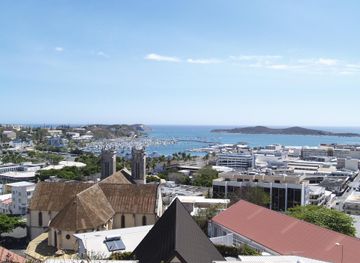
Free Belep Archipelago Travel Guide & Mobile App
Explore Belep Archipelago with free travel guides. Discover regional history, expert tips, proposed trips, and audio guides on web or mobile app.


Discover the untouched beauty and rich culture of the Belep Archipelago in New Caledonia. Perfect for snorkeling, diving, and experiencing indigenous Kanak traditions.
Read more about Belep Archipelago
When is the best time to visit Belep Archipelago?
Best: June–August · 24–25°C| Month | High (°C) | Rainfall (mm) |
|---|---|---|
| January | 29 | 200 |
| February | 30 | 190 |
| March | 29 | 170 |
| April | 28 | 150 |
| May | 26 | 120 |
| June (best) | 25 | 100 |
| July (best) | 24 | 90 |
| August (best) | 24 | 100 |
| September | 25 | 120 |
| October | 27 | 140 |
| November | 28 | 160 |
| December | 29 | 180 |
Getting to and around Belep Archipelago
How to get there
Transportation
Best attractions in Belep Archipelago
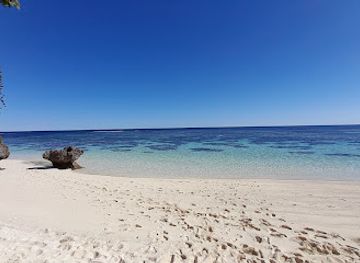
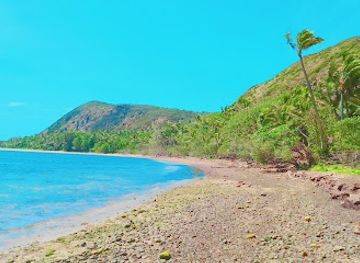
The Belep Archipelago in New Caledonia is a hidden gem waiting to be discovered by adventurous souls. Visitors will be enchanted by its pristine white sandy beaches and crystal-clear turquoise waters, perfect for snorkeling and diving amidst vibrant coral reefs teeming with marine life. The lush, verdant landscapes offer endless opportunities for hiking and exploration, revealing ancient Melanesian cultural sites and traditional Kanak villages where time-honored customs are still practiced. Bird watchers will be delighted by the presence of rare and endemic species, while history enthusiasts can delve into the rich colonial past of the islands. Whether you're seeking tranquility or adventure, the Belep Archipelago offers a captivating escape into nature's untouched beauty.
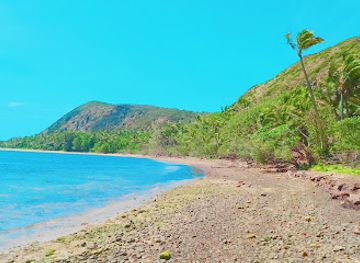
Best landmarks in Belep Archipelago
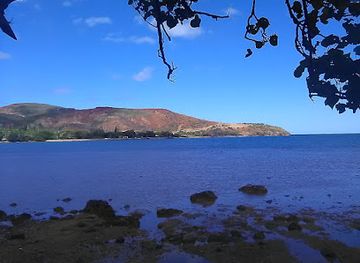
The Belep Archipelago in New Caledonia captivates visitors with its dramatic landscapes and rich cultural heritage, offering an ethereal escape into nature's untouched beauty. Explore the crystalline waters and vibrant coral reefs teeming with marine life, perfect for snorkeling and diving adventures. Wander through the lush greenery of Art Island, home to the historic St. Anne's Church and the enigmatic remnants of ancient Kanak villages that whisper tales of the past. Don't miss the striking rock formations and secluded beaches of Pott Island, where you can bask in the serenity of pristine surroundings. The archipelago's unique blend of natural wonders and cultural treasures promises an unforgettable journey for every traveler.
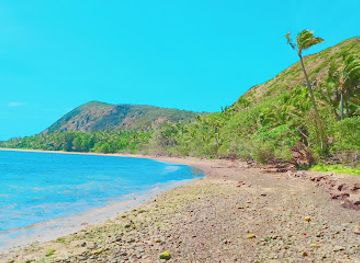
Explore Belep Archipelago on the map
Plan your trip on one map. See where the top cities, national parks and sights are, and book hotels and experiences in a few clicks.
Best hotels in Belep Archipelago
Best restaurants in Belep Archipelago
The dining scene in the Belep Archipelago is a tantalizing journey through Melanesian culture, with its unique blend of traditional Kanak flavors and French culinary finesse. Visitors can expect to savor fresh seafood caught daily from the pristine waters, including the local specialty, bougna, a mouthwatering dish made from fish, yams, and coconut milk, wrapped in banana leaves and slow-cooked to perfection. Quaint, family-run eateries dot the islands, offering an intimate atmosphere where diners can relish the rich, earthy tastes of taro and cassava, often accompanied by freshly baked bread and tropical fruits. The fusion of French and Kanak cuisines creates dishes that are both familiar and exotic, ensuring a dining experience that is both authentic and unforgettable.
Best bars in Belep Archipelago
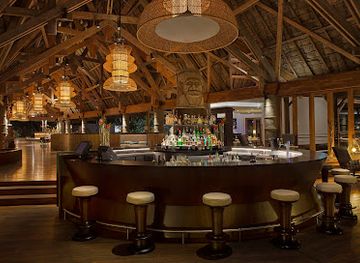
The nightlife scene in the Belep Archipelago offers a unique blend of cultural immersion and relaxed island vibes, where visitors can unwind under the starry Pacific sky. Imagine cozy beachside bars where the gentle sounds of traditional Kanak music mingle with the rhythmic lapping of waves, creating an enchanting atmosphere that beckons you to relax with a tropical cocktail in hand. As the night progresses, local dance performances and impromptu jam sessions often spring to life, inviting you to experience the vibrant spirit of the island's community. Whether you're enjoying a quiet evening with newfound friends or dancing barefoot in the sand, the Belep Archipelago's nightlife is a captivating escape from the ordinary, offering a serene yet lively experience that reflects the heart and soul of this hidden paradise.
Best nightclubs in Belep Archipelago
The nightlife scene in the Belep Archipelago offers a unique blend of cultural immersion and relaxed island vibes, where visitors can unwind under the starry Pacific sky. Imagine cozy beachside bars where the gentle sounds of traditional Kanak music mingle with the rhythmic lapping of waves, creating an enchanting atmosphere that beckons you to relax with a tropical cocktail in hand. As the night progresses, local dance performances and impromptu jam sessions often spring to life, inviting you to experience the vibrant spirit of the island's community. Whether you're enjoying a quiet evening with newfound friends or dancing barefoot in the sand, the Belep Archipelago's nightlife is a captivating escape from the ordinary, offering a serene yet lively experience that reflects the heart and soul of this hidden paradise.
Best shops in Belep Archipelago
In the Belep Archipelago, the shopping scene is a hidden gem waiting to be explored, offering visitors a unique blend of traditional Kanak crafts and contemporary local artistry. Wander through quaint markets where artisans showcase their intricate wood carvings, hand-woven baskets, and vibrant textiles, each piece telling a story of the islands' rich cultural heritage. You'll find charming boutiques stocked with local produce, from exotic spices to hand-made soaps infused with native flora. The atmosphere is warm and inviting, with friendly vendors eager to share the history and significance behind their creations, making every purchase a memorable experience. Whether you're hunting for a one-of-a-kind souvenir or simply soaking in the local culture, shopping in the Belep Archipelago promises a delightful adventure for all your senses.
Get your free copy of our complete guide to Belep Archipelago, delivered straight to you.
Everything on this page, from attractions and restaurants to essentials and local phrases, in one PDF you can read offline, print or share.
Already have an account? Sign in
Your Belep Archipelago guide is ready.
We'll send it to · Not you? Sign out

Getting your guide ready…
We are putting together a fresh copy of the Belep Archipelago guide. This can take up to a minute.
This can take a few moments. If your browser asks, choose Allow so the download can start. You'll find the guide in your Downloads folder.
Nothing happened? Download it again
Sorry, the guide is taking longer than usual. Please try again in a minute, or get it by email instead.
Belep Archipelago essentials
Currency and Payment
Safety
Emergency Situations
Do's and Don'ts
Local Tips
From Eve
Local phrases worth knowing
You don't need to get them perfect. A few words go a long way, and locals appreciate the effort.
Basics
| English | Local | Say it |
|---|---|---|
| Hello | Yah | [yah] |
| Goodbye | Mata | [mah-tah] |
| Yes | Oui | [wee] |
| No | Naa | [nah] |
| Please/You're welcome | S'il vous plaît | [seel voo pleh] |
| Thank you | Mérci | [mehr-see] |
| Excuse me/Sorry | Pardon | [par-dohn] |
| How are you? | Ça va? | [sah vah] |
| Fine. And you? | Bien. Et toi? | [byen. eh twah] |
| Do you speak English? | Tu parles anglais? | [too parl ahn-glay] |
| I don't understand | Je ne comprends pas | [zhuh nuh kohm-prahn pah] |
Eating & Drinking
| English | Local | Say it |
|---|---|---|
| I'd like to see the menu, please | Je voudrais voir le menu, s'il vous plaît | [zhuh voo-dray vwar luh meh-nu, seel voo pleh] |
| I don't eat meat | Je ne mange pas de viande | [zhuh nuh mahnj pah duh vyahnd] |
| Cheers! | Santé! | [sahn-tay] |
| I would like to pay, please | Je voudrais payer, s'il vous plaît | [zhuh voo-dray peh-yay, seel voo pleh] |
Emergencies
| English | Local | Say it |
|---|---|---|
| Help! | Au secours! | [oh seh-koor] |
| Go away! | Va-t'en! | [vah-tahn] |
| Call the Police! | Appelle la police! | [ah-pehl lah poh-lees] |
| Call a doctor! | Appelle un docteur! | [ah-pehl uhn dok-teur] |
| I'm lost | Je suis perdu | [zhuh swee pair-doo] |
| I'm ill | Je suis malade | [zhuh swee mah-lahd] |
Shopping
| English | Local | Say it |
|---|---|---|
| I'd like to buy... | Je voudrais acheter... | [zhuh voo-dray ah-shet...] |
| I'm just looking | Je regarde juste | [zhuh ruh-gard zhoost] |
| How much is it? | C'est combien? | [seh kohm-byen] |
| That's too expensive | C'est trop cher | [seh troh shair] |
| Can you lower the price? | Peux-tu baisser le prix? | [puh too beh-say luh pree] |
Time & Numbers
| English | Local | Say it |
|---|---|---|
| What time is it? | Quelle heure est-il? | [kel uhr eh-teel] |
| It's one o'clock | Il est une heure | [eel eh oon uhr] |
| Half past (10) | Dix heures et demie | [dees uhr eh deh-mee] |
| Morning | Matin | [mah-tan] |
| Afternoon | Après-midi | [ah-pray mee-dee] |
| Evening | Soir | [swahr] |
| Yesterday | Hier | [ee-air] |
| Today | Aujourd'hui | [oh-zhoor-dwee] |
| Tomorrow | Demain | [duh-mahn] |
| 1 | Un | [uhn] |
| 2 | Deux | [duhr] |
| 3 | Trois | [trwah] |
| 4 | Quatre | [katr] |
| 5 | Cinq | [sank] |
| 6 | Six | [sees] |
| 7 | Sept | [set] |
| 8 | Huit | [weet] |
| 9 | Neuf | [nurf] |
| 10 | Dix | [dees] |
Transport & Directions
| English | Local | Say it |
|---|---|---|
| Where's a/the...? | Où est un/une...? | [oo eh uhn/oon] |
| What's the address? | Quelle est l'adresse? | [kel eh luh-dress] |
| Can you show me (on the map)? | Peux-tu me montrer (sur la carte)? | [puh too muh mohn-tray (sur lah kart)] |
| When's the next (bus)? | Quand est le prochain (bus)? | [kahn eh luh pro-shen (boos)] |
| A ticket (to ....) | Un billet (pour ....) | [uhn bee-yay (poor ....)] |
History of Belep Archipelago
Early Settlement and Indigenous Culture
The Belep Archipelago, part of New Caledonia, has been inhabited by the indigenous Kanak people for thousands of years. The archipelago's earliest settlers are believed to have arrived around 1500 BCE. These early inhabitants developed a rich and complex culture, characterized by traditional practices, intricate carvings, and distinctive dwellings known as 'cases'. The Kanak people have a deep connection to the land and sea, which is reflected in their customs, oral traditions, and art.
European Contact and Exploration
The first European to sight the Belep Archipelago was the British navigator James Cook in 1774. However, it was not until the 19th century that more extensive contact was made. French explorer Jules Dumont d'Urville visited the islands in 1827 during his circumnavigation of the globe. His encounters with the Kanak people were among the first documented interactions between Europeans and the indigenous inhabitants of Belep.
French Colonial Era
In the mid-19th century, New Caledonia, including the Belep Archipelago, became a French colony. This period saw significant changes, including missionary activity and the establishment of colonial administration. The French introduced new agricultural practices and infrastructure, which had a profound impact on the traditional ways of life of the Kanak people. The legacy of French colonial rule remains evident in the archipelago's legal, educational, and cultural frameworks.
World War II and Strategic Importance
During World War II, the Belep Archipelago, like much of New Caledonia, gained strategic importance due to its location in the Pacific. The archipelago served as a point of interest for Allied forces, particularly the United States, which established bases and facilities in the region. The war brought increased contact with the outside world and left lasting infrastructural changes in the islands.
Post-War Developments and Modern Era
Following World War II, the Belep Archipelago, along with the rest of New Caledonia, experienced significant social and economic changes. The post-war period saw increased efforts towards modernization and development, including improvements in transportation and communication. The local population began to engage more with the broader New Caledonian and global communities, fostering a blend of traditional and contemporary lifestyles.
Cultural Revival and Heritage Preservation
In recent decades, there has been a strong movement towards the revival and preservation of Kanak culture in the Belep Archipelago. This cultural renaissance is marked by efforts to maintain traditional practices, languages, and arts. The archipelago hosts various cultural festivals and events that celebrate Kanak heritage, drawing both locals and visitors. These initiatives aim to ensure that the rich cultural legacy of the Belep Archipelago is passed down to future generations.
Belep Archipelago in Photos
Browse through our photo collection highlighting the charm and character of the destination.
Neighbouring regions of Belep Archipelago
The closest regions to Belep Archipelago, if you have time for more than one.
-
 Poum
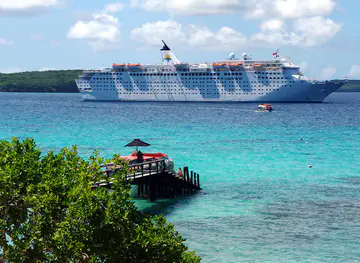
Discover Poum in New Caledonia: A tranquil paradise with pristine beaches, vibrant coral reefs, and rich cultural heritage.
Poum
Discover Poum in New Caledonia: A tranquil paradise with pristine beaches, vibrant coral reefs, and rich cultural heritage.
-
 Ouégoa
Discover Ouégoa in New Caledonia: A serene haven of natural beauty, rich history, and vibrant Kanak culture, perfect for outdoor enthusiasts and cultural explorers.
Ouégoa
Discover Ouégoa in New Caledonia: A serene haven of natural beauty, rich history, and vibrant Kanak culture, perfect for outdoor enthusiasts and cultural explorers.
-
 Koumac
Discover Koumac, New Caledonia: A serene retreat with pristine beaches, rich cultural experiences, and adventurous activities for nature lovers and thrill-seekers alike.
Koumac
Discover Koumac, New Caledonia: A serene retreat with pristine beaches, rich cultural experiences, and adventurous activities for nature lovers and thrill-seekers alike.
-
 Pouébo
Discover Pouébo, New Caledonia's hidden gem, where pristine beaches, lush mountains, and rich cultural heritage await you in a serene and tranquil setting.
Pouébo
Discover Pouébo, New Caledonia's hidden gem, where pristine beaches, lush mountains, and rich cultural heritage await you in a serene and tranquil setting.
-
 Kaala-Gomen
Discover Kaala-Gomen in New Caledonia, where natural beauty meets cultural heritage. Enjoy tranquil beaches, rich history, and lush hiking trails in this serene paradise.
Kaala-Gomen
Discover Kaala-Gomen in New Caledonia, where natural beauty meets cultural heritage. Enjoy tranquil beaches, rich history, and lush hiking trails in this serene paradise.
Swipe for more regions