

Free Poum Travel Guide & Mobile App
Explore Poum with free travel guides. Discover regional history, expert tips, proposed trips, and audio guides on web or mobile app.


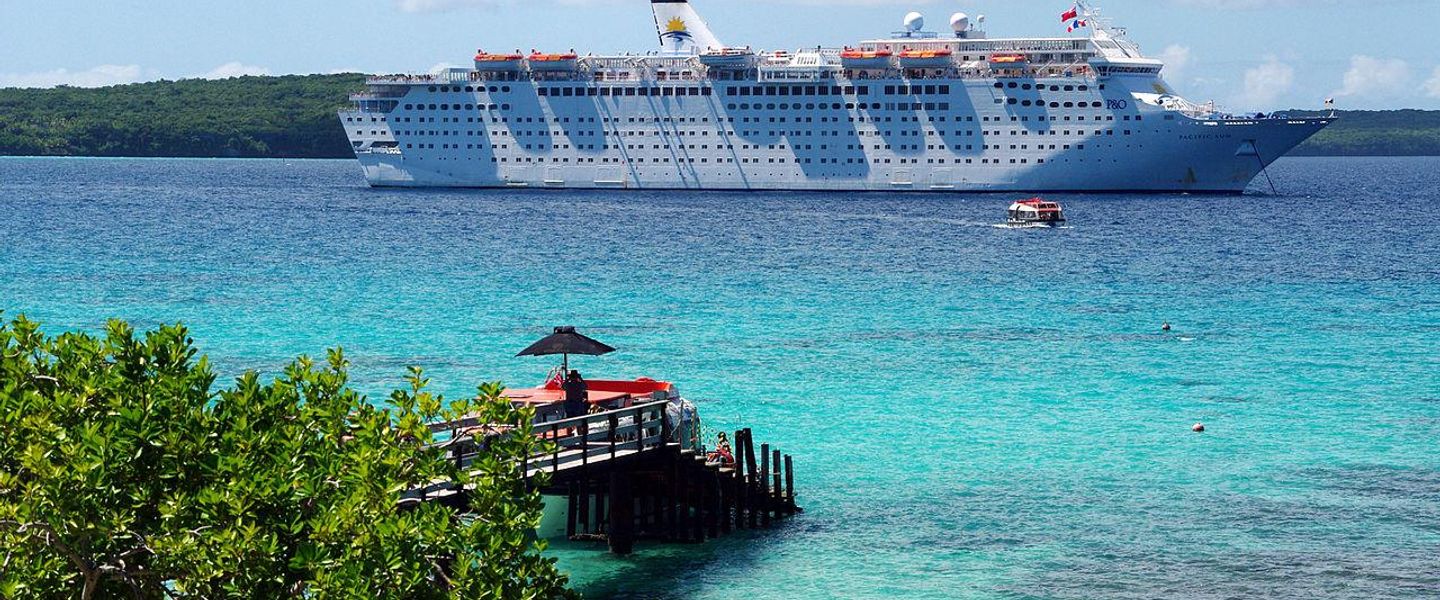


Poum in northern New Caledonia offers quiet beaches, Kanak coastal culture, lagoon adventures and remote Grande Terre landscapes beyond the main tourist circuit.
Read more about Poum
When is the best time to visit Poum?
Best: June–August · 26°C| Month | High (°C) | Rainfall (mm) |
|---|---|---|
| January | 31 | 250 |
| February | 32 | 230 |
| March | 31 | 210 |
| April | 30 | 190 |
| May | 28 | 170 |
| June (best) | 26 | 150 |
| July (best) | 26 | 140 |
| August (best) | 26 | 150 |
| September | 28 | 170 |
| October | 29 | 190 |
| November | 30 | 210 |
| December | 31 | 230 |
Getting to and around Poum
How to get there
Transportation
Best attractions in Poum
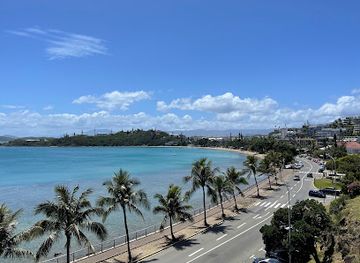
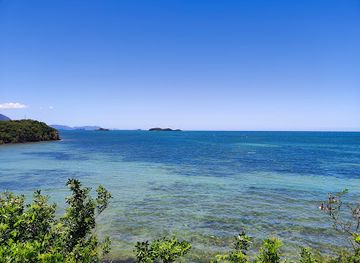
Poum's attractions are primarily coastal and environmental rather than urban. Sheltered bays, sandy beaches, mangrove edges and the lagoon provide opportunities for swimming in suitable conditions, kayaking, fishing, snorkelling and boat excursions, with local operators or hosts best placed to explain access and weather. Small offshore islands and reef passages can be particularly rewarding, but they should be approached with proper equipment and respect for customary arrangements. On land, low hills, dry vegetation and long, lightly developed roads create a setting for quiet walks, birdwatching and landscape photography rather than a sequence of formal sights. The commune's settlements and coastal viewpoints offer insight into everyday northern life, while nearby Koumac, outside Poum, can provide additional services and is sometimes included in wider itineraries. Visitors interested in New Caledonia's natural history can also use the region as a base for observing the contrast between lagoon, reef, mangrove and dry Grande Terre vegetation. Exact activities depend heavily on tide, wind, road condition and local availability, so a flexible itinerary is more realistic than a fixed list of timed excursions.
-
Aquarium
Lagoon Aquarium
Explore the vibrant marine life of New Caledonia at the Lagoon Aquarium in Nouméa, a top tourist attraction for all ages.
-
Tourist attraction
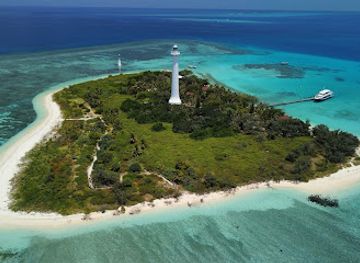
Amédée Lighthouse
Explore the stunning Amédée Lighthouse, a historic landmark offering breathtaking views, rich marine life, and a unique travel experience in New Caledonia.
-
Animal park
Parc Zoologique Et Forestier Michel Corbasson
Explore the enchanting biodiversity of New Caledonia at Parc Zoologique Et Forestier Michel Corbasson, a must-visit animal park in Nouméa.
-
National park
Parc provincial des Grandes Fougères
Experience the breathtaking beauty of Parc provincial des Grandes Fougères, a national park in New Caledonia, filled with unique flora, fauna, and stunning landscapes.

Best landmarks in Poum
Poum's most significant landmarks are geographical and cultural rather than monumental. The northern lagoon, with its reef-protected water, islands and shifting tidal channels, defines the commune's identity and explains its long relationship with fishing and coastal travel. The narrow coastal roads and viewpoints reveal a landscape of dry hills, bays and open Pacific horizons that is markedly different from the more developed south-west of Grande Terre. Local villages, customary spaces and place names are also important cultural landmarks, although they should be approached with discretion and without treating inhabited country as an open-air museum. The shoreline's beaches, mangroves and rocky headlands are visually prominent but remain living environments rather than merely scenic backdrops. There is no single castle, cathedral or grand civic monument that summarises Poum; its significance lies in the combination of Kanak customary geography, lagoon ecology and the remoteness of New Caledonia's far north-west. Local guidance is essential for identifying places that carry particular cultural or environmental importance.
-
Aquarium
Lagoon Aquarium
Explore the vibrant marine life and ecosystems of New Caledonia at the Lagoon Aquarium, an educational and breathtaking experience for all ages.
-
City park
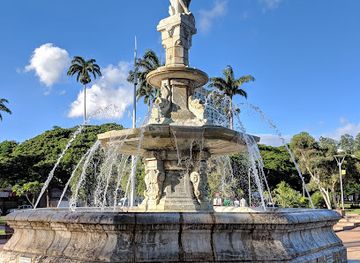
Place des Cocotiers
Discover the vibrant oasis of Place des Cocotiers in Nouméa, where locals gather amidst lush palm trees and cultural festivities.
-
Cultural center
Tjibaou Cultural Centre
Explore the Tjibaou Cultural Centre, a unique blend of Kanak heritage and modern art in the heart of Nouméa, New Caledonia.
-
Tourist attraction
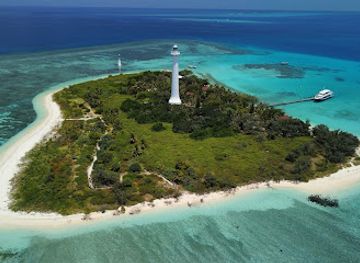
Amédée Lighthouse
Explore Amédée Lighthouse, a historic beacon offering stunning views, vibrant marine life, and a perfect escape in New Caledonia's idyllic waters.
Explore Poum on the map
Plan your trip on one map. See where the top cities, national parks and sights are, and book hotels and experiences in a few clicks.
Best hotels in Poum
Best restaurants in Poum
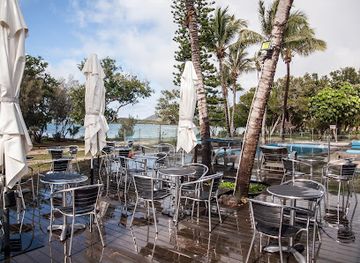
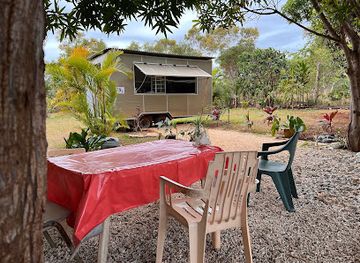
Dining in Poum is small-scale and practical, with accommodation providers, local eateries and community-based services forming the main food network rather than a dense restaurant district. Seafood may feature when locally available, alongside rice, root vegetables, tropical fruit and French-influenced preparations familiar across New Caledonia. Shared meals and locally sourced produce can offer a more meaningful introduction to the area than formal fine dining, but availability varies and should not be assumed every day. Visitors travelling by car should carry water and basic provisions, particularly if exploring remote coastal areas or arriving outside normal service times. Koumac, outside the commune, has a broader range of shops and places to eat, while Poum is better suited to advance arrangements and unhurried meals connected with a stay. Alcohol is regulated under New Caledonian and French law, and responsible consumption is especially important when driving or taking part in water activities.
-
 Restaurant
Malabou Beach Hotel
Experience the serene beauty and culinary delights of Malabou Beach Hotel in New Caledonia's tropical paradise.
-
Restaurant
Restaurant Malabou Beach
Experience exquisite local cuisine with stunning beach views at Restaurant Malabou Beach in New Caledonia.
-
Sandwich
Kordyline
Savor delicious sandwiches at Kordyline in Poum, New Caledonia - where local flavors meet culinary creativity.
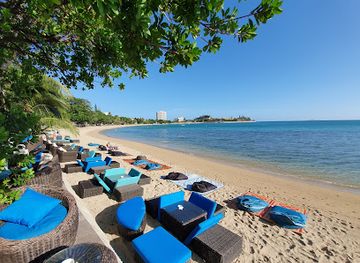
Best bars in Poum
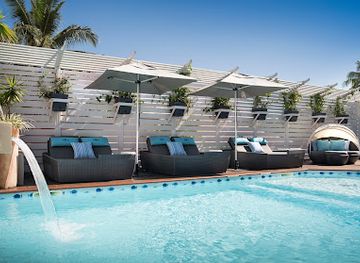
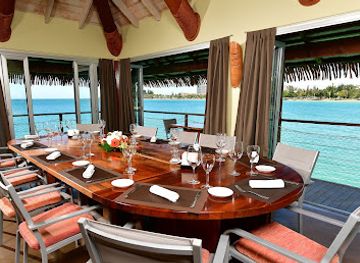
Poum does not have a major nightclub scene or a concentrated late-night entertainment district. Evenings are more likely to centre on accommodation restaurants, informal gatherings, shared meals and quiet time beside the coast, with the rhythm of activities shaped by daylight, tides and the distance between communities. Any local bar or licensed service should be approached as part of a small community setting rather than as a tourist nightlife venue, and opening arrangements may be limited or seasonal. Visitors seeking a wider choice of cafés, bars or evening entertainment will find more options in larger New Caledonian centres, while Koumac, outside Poum, is the nearest practical service town for many travellers in the north. Arrange transport in advance and never combine drinking with driving, boating or swimming.
-
Hotel
Château Royal Beach Resort & Spa
Experience the ultimate luxury at Château Royal Beach Resort & Spa, where breathtaking views and unparalleled relaxation await in Nouméa, New Caledonia.
-
Restaurant
Hôtel Le Lagon
Immerse yourself in luxury and savor exquisite cuisine at Hôtel Le Lagon, the perfect retreat in Nouméa, New Caledonia.
-
Restaurant
Le Roof
Discover the flavors of New Caledonia at Le Roof, a restaurant that offers exquisite seafood and stunning ocean views in Nouméa.
-
Restaurant
Malabou Beach Hotel
Discover the enchanting Malabou Beach Hotel in New Caledonia, where breathtaking views, exquisite dining, and tropical relaxation await you.
Best nightclubs in Poum
Poum does not have a major nightclub scene or a concentrated late-night entertainment district. Evenings are more likely to centre on accommodation restaurants, informal gatherings, shared meals and quiet time beside the coast, with the rhythm of activities shaped by daylight, tides and the distance between communities. Any local bar or licensed service should be approached as part of a small community setting rather than as a tourist nightlife venue, and opening arrangements may be limited or seasonal. Visitors seeking a wider choice of cafés, bars or evening entertainment will find more options in larger New Caledonian centres, while Koumac, outside Poum, is the nearest practical service town for many travellers in the north. Arrange transport in advance and never combine drinking with driving, boating or swimming.
-
Hotel
Malabou Beach Hotel
Experience the tranquility and beauty of New Caledonia at Malabou Beach Hotel, your perfect getaway by the sea.
-
Bar
MV Lounge
Experience the vibrant nightlife at MV Lounge, a premier bar in Nouméa, serving delightful drinks in a stunning coastal setting.
-
Bar
L'Etrave
Discover the vibrant atmosphere and stunning ocean views at L'Etrave, the perfect bar to relax and enjoy local drinks in Nouméa.
-
Bar
Public House Noumea
Experience the lively atmosphere and refreshing drinks at Public House Noumea, a prime destination for nightlife in New Caledonia.

Best shops in Poum
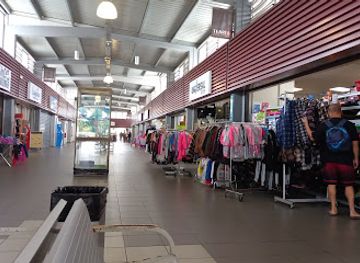
Shopping in Poum is limited and functional, with small local services and accommodation-based purchases more relevant than a conventional retail district. Bring essential food, medicines, toiletries, reliable sun protection and other specialist supplies before travelling north, and use Koumac, outside Poum, for a broader range of provisions. Where available, locally made crafts, prepared foods or regional produce can provide more appropriate souvenirs than imported goods, but selection and availability vary. Visitors should buy directly and respectfully, ask before photographing craftwork and avoid purchasing shells, coral or natural material whose collection may damage the lagoon environment or conflict with local rules. The most enduring souvenirs are often food products, woven items or artwork obtained through legitimate local channels, accompanied by an understanding of their origin and cultural context.
-
Shopping mall
TEARI Commercial centre
Explore the TEARI Commercial Centre in Kone for an authentic New Caledonian shopping and dining experience.
-
Shopping mall
Leader Price
Explore the vibrant Leader Price in Kone, New Caledonia, offering a unique shopping experience with local culture and flavors.
-
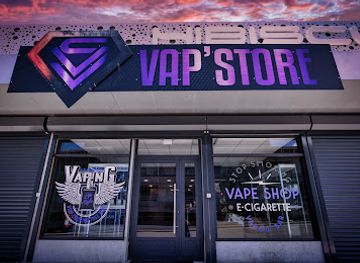
Vaporizer store
Vap'store Koné
Explore the vibrant world of vaporizers at Vap'store Koné in Kone, New Caledonia, where quality meets community.
-
Jewelry store
Maison de la Perle
Experience the beauty of New Caledonian craftsmanship at Maison de la Perle, where exquisite pearl jewelry awaits every visitor.

Get your free copy of our complete guide to Poum, delivered straight to you.
Everything on this page, from attractions and restaurants to essentials and local phrases, in one PDF you can read offline, print or share.
Already have an account? Sign in
Your Poum guide is ready.
We'll send it to · Not you? Sign out

Getting your guide ready…
We are putting together a fresh copy of the Poum guide. This can take up to a minute.
This can take a few moments. If your browser asks, choose Allow so the download can start. You'll find the guide in your Downloads folder.
Nothing happened? Download it again
Sorry, the guide is taking longer than usual. Please try again in a minute, or get it by email instead.
Poum essentials
Currency and Payment
Safety
Emergency Situations
Do's and Don'ts
Local Tips
From Eve
Local phrases worth knowing
You don't need to get them perfect. A few words go a long way, and locals appreciate the effort.
Basics
| English | Local | Say it |
|---|---|---|
| Hello | Bula | [boo-lah] |
| Goodbye | Moce | [mo-theh] |
| Yes | Io | [ee-oh] |
| No | Sega | [seh-ngah] |
| Please/You're welcome | Tukuna | [too-koo-nah] |
| Thank you | Vinaka | [vee-nah-kah] |
| Excuse me/Sorry | Mea culpa | [meh-ah kool-pah] |
| How are you? | Bula vinaka | [boo-lah vee-nah-kah] |
| Fine. And you? | Vinaka. O iko? | [vee-nah-kah. oh ee-koh?] |
| Do you speak English? | O tukuna bea? | [oh too-koo-nah beh-ah?] |
| I don't understand | Au sega ni kilai | [ow seh-ngah nee kee-lie] |
Eating & Drinking
| English | Local | Say it |
|---|---|---|
| I'd like to see the menu, please | Au na vinakata me raica na menyu, tukuna | [ow nah vee-nah-kah-tah meh rye-kah nah men-yoo, too-koo-nah] |
| I don't eat meat | Au sega ni kana mutton | [ow seh-ngah nee kah-nah muht-ton] |
| Cheers! | Matai! | [mah-tah-ee] |
| I would like to pay, please | Au na vinakata me via, tukuna | [ow nah vee-nah-kah-tah meh vee-ah, too-koo-nah] |
Emergencies
| English | Local | Say it |
|---|---|---|
| Help! | Tuku! | [too-koo] |
| Go away! | Bula mai! | [boo-lah my] |
| Call the Police! | Kerea na Polisi! | [keh-reh-ah nah poh-lee-see] |
| Call a doctor! | Kerea na dokita! | [keh-reh-ah nah doh-kee-tah] |
| I'm lost | Au sa lutu | [ow sah loo-too] |
| I'm ill | Au sa mate | [ow sah mah-teh] |
Shopping
| English | Local | Say it |
|---|---|---|
| I'd like to buy... | Au na vinakata me volia... | [ow nah vee-nah-kah-tah meh voh-lee-ah] |
| I'm just looking | Au sa raica | [ow sah rye-kah] |
| How much is it? | E vica na i lavo? | [eh vee-chah nah ee lah-voh?] |
| That's too expensive | E levu rawa | [eh leh-voo rah-wah] |
| Can you lower the price? | O rawa ni lailai na i lavo? | [oh rah-wah nee lie-lie nah ee lah-voh?] |
Time & Numbers
| English | Local | Say it |
|---|---|---|
| What time is it? | Na gauna cava? | [nah gow-nah chah-vah?] |
| It's one o'clock | E dua na ora | [eh doo-ah nah oh-rah] |
| Half past (10) | Vatu ni (10) | [vah-too nee (ten)] |
| Morning | Vakarau | [vah-kah-rau] |
| Afternoon | Vakaipau | [vah-kai-pah-oo] |
| Evening | Vakarau ni bogi | [vah-kah-rau nee boh-gee] |
| Yesterday | E moci | [eh moh-chee] |
| Today | E na siga | [eh nah see-ngah] |
| Tomorrow | E na siga mai | [eh nah see-ngah my] |
| 1 | Dua | [doo-ah] |
| 2 | Rua | [roo-ah] |
| 3 | Tolu | [toh-loo] |
| 4 | Vula | [voo-lah] |
| 5 | Lima | [lee-mah] |
| 6 | Oni | [oh-nee] |
| 7 | Vitu | [vee-too] |
| 8 | Walu | [wah-loo] |
| 9 | Jio | [jee-oh] |
| 10 | Talu | [tah-loo] |
Transport & Directions
| English | Local | Say it |
|---|---|---|
| Where's a/the...? | E vei na...? | [eh veh-ee nah...?] |
| What's the address? | Na adiresi cava? | [nah ah-dee-reh-see chah-vah?] |
| Can you show me (on the map)? | O rawa ni vakaraitaka vei au (ena mapa)? | [oh rah-wah nee vah-kah-rai-tah-kah veh-ee ow (eh-nah mah-pah)?] |
| When's the next (bus)? | E na gauna cava na (busi) e tarava? | [eh nah gow-nah chah-vah nah (boo-see) eh tah-rah-vah?] |
| A ticket (to ....) | Na tikiti (ki ....) | [nah tee-kee-tee (kee ....)] |
History of Poum
Kanak settlement and customary country
Poum has long been part of the customary landscapes of northern New Caledonia, where Kanak communities developed detailed relationships with reefs, lagoons, forests and cultivated land. Oral histories, clan connections and place names remain important ways of understanding the territory. The coastal environment was not simply a backdrop: fishing grounds, passages between islands and seasonal resources shaped movement and settlement. Contemporary Poum remains within the broader customary and political life of the North Province, so visitors should recognise that access to some places may be governed by local custom as well as by ordinary public arrangements.
European contact and the colonial era
European navigators reached New Caledonia during the age of Pacific exploration, followed by missionaries, traders and the establishment of French colonial rule in the nineteenth century. In the far north, contact altered patterns of authority, trade, settlement and labour while introducing new religious and administrative structures. The effects were uneven and often disruptive for Kanak communities. In Poum, the enduring historical story is therefore not confined to surviving colonial buildings; it is also visible in the persistence of customary identity and in the layered use of coastal and inland places.
The nickel economy and northern development
The discovery and exploitation of nickel transformed New Caledonia from the late nineteenth century onwards. Mining was especially important to the economic development of Grande Terre and helped create roads, ports, labour movements and settlements across the northern part of the island. Poum is not the same kind of industrial centre as nearby mining districts, but its modern connections and regional economy have been influenced by the wider northern mining landscape. The industry also brought environmental pressures and sharpened debates about land, resources, political authority and the distribution of economic benefits.
Mission influence, administration and changing communities
During the colonial period, missions and government institutions became significant forces in northern New Caledonia. They affected schooling, religious practice, healthcare, settlement patterns and the recording of local administration. These changes took place alongside the resilience of Kanak social structures and customary authority. In remote communes such as Poum, the resulting cultural landscape is one of overlap rather than replacement: French institutions operate alongside Kanak languages, kinship networks and local practices connected to land and sea.
The rise of Kanak political movements
The twentieth century brought growing demands for Kanak recognition, land rights and political self-determination. Tensions between pro-independence and loyalist movements contributed to the violence of the 1980s, a period that affected communities throughout New Caledonia. The 1988 Matignon Agreements and the 1998 Noumea Accord established frameworks for power-sharing, gradual transfers of responsibility and recognition of New Caledonia's distinct identity. Poum's position in the predominantly pro-independence North Province gives this national history particular regional relevance, even though the commune itself is primarily experienced through its coastal communities and customary landscape.
Contemporary Poum and the North Province
Since the late twentieth century, economic and political development in northern New Caledonia has combined mining, public services, customary initiatives and small-scale tourism. Poum's remote location has limited mass tourism while preserving a destination character based on lagoons, fishing, community life and open landscapes. Modern visitors encounter a commune shaped by the wider constitutional debate over New Caledonia, by the importance of the nickel economy and by continuing efforts to protect customary authority and the marine environment.
Poum in Photos
Browse through our photo collection highlighting the charm and character of the destination.
Neighbouring regions of Poum
The closest regions to Poum, if you have time for more than one.
-

-

-

-

-


Swipe for more regions
Explore more
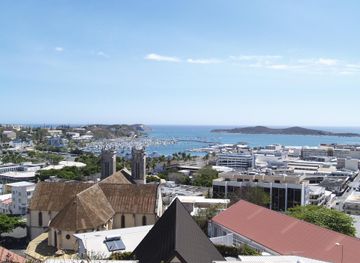
Explore more of New Caledonia
Discover New Caledonia, a captivating blend of French elegance and Pacific beauty, offering pristine beaches, vibrant culture, and unparalleled natural wonders.
Explore New Caledonia