

Koumac, New Caledonia Travel Guide
Discover Koumac, New Caledonia: A serene retreat with pristine beaches, rich cultural experiences, and adventurous activities for nature lovers and thrill-seekers alike.
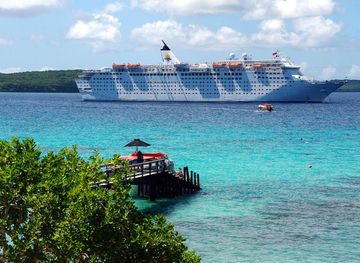
Koumac is a small town on the northern tip of New Caledonia, offering a unique blend of natural beauty, cultural heritage, and adventurous activities. It’s a destination that captivates with its unspoiled landscapes and tranquil ambiance, making it ideal for tourists looking to escape the hustle and bustle of city life. The town itself is charming, with friendly locals and a laid-back vibe. The coastline is dotted with pristine beaches, perfect for swimming, snorkeling, and picnicking. For those interested in diving, Koumac is a gateway to some of the most stunning underwater sites in the region, including the famous Great Northern Lagoon. Nature enthusiasts will be delighted by the nearby Koumac Caves and the lush, scenic trails that offer stunning views of the surrounding countryside. Explore the rich biodiversity, from unique plant species to exotic birds, making every hike an adventure. Cultural experiences abound in Koumac. Visit local markets to sample delicious New Caledonian cuisine and purchase handmade crafts. Immerse yourself in the local way of life, where traditions are deeply rooted and celebrated with warmth and hospitality.

Know before you go
Hi, I'm Eve. Here are a few practical things to know before exploring Koumac.
- Visit the Koumac Caves for a fascinating underground adventure.
- Explore the local markets early in the morning for the freshest produce and unique crafts.
- Plan a snorkeling trip to the Great Northern Lagoon for an unforgettable underwater experience.
- Take a guided tour to learn about the local flora and fauna.
- Don’t miss the chance to try traditional New Caledonian dishes at local eateries.
Explore Koumac: Things to Do, Places to Eat, Hotels & More
Handpicked recommendations for top attractions, local dining, accommodations, and more

Top Attractions & Sightseeing in Koumac
Top-rated picks
Best Attractions

Lagoon Aquarium
Explore the vibrant marine life of New Caledonia at Lagoon Aquarium, a captivating tourist attraction in Nouméa showcasing the beauty and importance of ocean ecosystems.

Amédée Lighthouse
Discover the stunning Amédée Lighthouse in New Caledonia, where history meets breathtaking natural beauty amidst vibrant coral reefs.

Maritime Museum of New Caledonia
Explore maritime history and culture at the Maritime Museum of New Caledonia, where fascinating exhibits and stunning views await you.

Cascade de Colnett
Discover the breathtaking beauty of Cascade de Colnett, a stunning waterfall in New Caledonia perfect for nature lovers and adventurers alike.

Best landmarks in Koumac
Top-rated picks
Best Landmarks

Lagoon Aquarium
Discover the mesmerizing underwater world at Lagoon Aquarium in Nouméa, showcasing New Caledonia's vibrant marine life and breathtaking exhibits.

Place des Cocotiers
Explore the lush beauty and cultural vibrancy of Place des Cocotiers in Nouméa, a perfect oasis for relaxation and local festivities.

Amédée Lighthouse
Discover the iconic Amédée Lighthouse, a stunning attraction in New Caledonia, known for its breathtaking views and vibrant marine life.

Fort Teremba
Explore Fort Teremba, a heritage museum in New Caledonia that reveals the rich colonial history and stunning architecture of this captivating landmark.

Best restaurants in Koumac
Top-rated picks
Best Restaurants

Le Monitel
Discover tranquility at Le Monitel: your gateway to the beauty and culture of New Caledonia.

Chic'n Snack Bar Café Terrasse
Experience Koumac's culinary delight at Chic'n Snack Bar Café Terrasse with delicious local dishes and a cozy terrace ambiance.

L'Andaluz Bar Burger
Discover delicious gourmet burgers at L'Andaluz Bar Burger in Koumac - a culinary delight amidst New Caledonia's stunning landscapes.

Chick & pizz'
Discover the authentic flavors of New Caledonia at Chick & pizz', where every pizza tells a story.

Best bars in Koumac
Top-rated picks
Best Bars

MV Lounge
Discover the vibrant nightlife at MV Lounge in Nouméa, where great drinks, stunning views, and lively atmosphere await you.

Hôtel Restaurant Hibiscus Koné
Experience the serene beauty and culinary delights at Hôtel Restaurant Hibiscus Koné, a perfect retreat in New Caledonia.
Hôtel Koniambo BkhWnkc
Experience the charm of New Caledonia at Hôtel Koniambo, where comfort meets local culture in a stunning natural setting.

Mammamia
Savor authentic Italian cuisine at Mammamia in Kone, New Caledonia, where every dish is a delightful journey of flavors.

Best nightclubs in Koumac


Best shops in Koumac
Top-rated picks
Best Shops

Camping du lagon
Experience the tranquil beauty of Camping du Lagon, a serene campground in Koumac, New Caledonia, perfect for outdoor enthusiasts.

SUPER U Koumac
Explore Super U Koumac, your one-stop supermarket in Koumac, New Caledonia, offering fresh produce and local specialties to enhance your travel experience.
Leader Price
Shop smart at Leader Price, the leading discount supermarket in Koumac, New Caledonia, and enjoy a taste of local and international flavors at great prices.

Boutique La Vie en Rose
Explore Boutique La Vie en Rose in Koné for unique fashion that reflects the spirit of New Caledonia, perfect for every traveler looking for stylish souvenirs.

Explore Koumac on the Map
A handpicked selection of must-see spots in Koumac, mapped for you.
Koumac Essentials
-
Koumac is located in the Northern Province of New Caledonia. The nearest major airport is La Tontouta International Airport in Noumea, approximately 350 kilometers to the south. From Noumea, you can either take a domestic flight to Koumac Airport or travel by car. The drive from Noumea to Koumac takes around 4 to 5 hours via RT1, offering scenic coastal and inland views. There is also a bus service that operates between Noumea and Koumac, providing a budget-friendly option for travelers.
-
Within Koumac, transportation options include taxis and rental cars. Taxis are available but may need to be booked in advance, especially during peak tourist seasons. Renting a car provides the most flexibility for exploring Koumac and its surrounding areas at your own pace. There is also a local bus service, although it may not cover all tourist spots. For short distances, walking or biking can be enjoyable ways to explore the town.
-
The official currency in New Caledonia is the CFP Franc (XPF). Credit and debit cards are widely accepted in hotels, restaurants, and larger stores, but it is advisable to carry some cash for smaller establishments and markets. ATMs are available in Koumac, but it is a good idea to withdraw sufficient cash before heading to more remote areas. Currency exchange services are available at major banks and hotels.
-
Koumac is generally a safe destination for tourists. However, it is advisable to take standard precautions such as avoiding isolated areas at night, keeping your belongings secure, and being aware of your surroundings. There are no specific high-crime areas targeting tourists, but petty theft can occur, so always remain vigilant. It is also advisable to stay updated on local advisories and follow any guidance provided by local authorities.
-
In case of emergencies, dial 17 for police, 18 for fire services, and 15 for medical emergencies. Koumac has a local police station and a medical center that can handle minor health issues. For more serious medical emergencies, you may need to be transported to a larger facility in Noumea. It is recommended to have travel insurance that covers medical emergencies and evacuation. Pharmacies in Koumac can provide over-the-counter medications for minor ailments.
-
Fashion: Do dress casually but modestly. Avoid overly revealing clothing, especially when visiting cultural sites. Religion: Do respect local customs and traditions. Always dress appropriately when visiting churches and other religious sites. Public Transport: Do be polite and respectful on public transport. Don't eat or drink while on buses. Greetings: Do greet people with a warm 'Bonjour.' A handshake is common, and a slight nod of the head shows respect. Eating & Drinking: Do try local dishes and seafood. Don't refuse food or drink offerings, as it can be considered impolite.
-
To experience Koumac like a local, visit the local markets where you can buy fresh produce and handmade crafts. Engage with the locals, who are often friendly and willing to share stories about their culture and history. Don't miss visiting the nearby caves and the Koumac Lagoon for some stunning natural beauty. For a unique experience, consider joining a traditional Kanak cultural event or festival if one is taking place during your visit.
When is the best time to visit Koumac?
Useful Local Phrases for Koumac
You don't need to speak the language perfectly. Even learning a few simple words can make conversations warmer—and locals usually appreciate the effort.
— Eve

Here are the phrases I use most often in Koumac. Try a few—you'll be surprised how far they go! 😊
❤️
-
- HelloBula
[boo-lah] - GoodbyeNaka
[nah-kah] - YesOui
[wee] - NoNon
[noh] - Please/You’re welcomeS'il vous plaît
[seel voo pleh] - Thank youMerci
[mehr-see] - Excuse me/SorryExcusez-moi
[ex-kew-zay mwah] - How are you?Comment ça va?
[koh-mahn sah vah] - Fine. And you?Bien. Et vous?
[byehn. eh voo] - Do you speak English?Parlez-vous anglais?
[par-lay voo ahn-glay] - I don't understandJe ne comprends pas
[zhuh nuh kom-prahn pah]
- HelloBula
-
- I’d like to see the menu, pleaseJe voudrais voir le menu, s'il vous plaît
[zhuh voo-dray vwar luh meh-nu, seel voo pleh] - I don’t eat meatJe ne mange pas de viande
[zhuh nuh mahnj pah duh vyahnd] - Cheers!Santé!
[sahn-tay] - I would like to pay, pleaseJe voudrais payer, s'il vous plaît
[zhuh voo-dray peh-yay, seel voo pleh]
- I’d like to see the menu, pleaseJe voudrais voir le menu, s'il vous plaît
-
- Help!Au secours!
[oh seh-koor] - Go away!Allez-vous en!
[ah-lay voo ahn] - Call the Police!Appelez la police!
[ah-peh-lay lah poh-lees] - Call a doctor!Appelez un médecin!
[ah-peh-lay uhn meh-deh-sahn] - I’m lostJe suis perdu
[zhuh swee pair-doo] - I’m illJe suis malade
[zhuh swee mah-lahd]
- Help!Au secours!
-
- I’d like to buy...Je voudrais acheter...
[zhuh voo-dray ah-sheh-tay] - I’m just lookingJe regarde juste
[zhuh ruh-gard zhuhst] - How much is it?C'est combien?
[seh kohm-byen] - That’s too expensiveC'est trop cher
[seh troh shair] - Can you lower the price?Pouvez-vous baisser le prix?
[poo-vay voo beh-say luh pree]
- I’d like to buy...Je voudrais acheter...
-
- What time is it?Quelle heure est-il?
[kel uhr eh-teel] - It’s one o’clockIl est une heure
[eel eh oon uhr] - Half past (10)Dix heures et demie
[deez uhr eh duh-mee] - MorningMatin
[mah-tahn] - AfternoonAprès-midi
[ah-preh-mee-dee] - EveningSoir
[swahr] - YesterdayHier
[ee-ehr] - TodayAujourd'hui
[oh-zhoor-dwee] - TomorrowDemain
[duh-mahn] - 1Un
[uhn] - 2Deux
[duh] - 3Trois
[trwah] - 4Quatre
[katr] - 5Cinq
[sank] - 6Six
[sees] - 7Sept
[set] - 8Huit
[weet] - 9Neuf
[nuhf] - 10Dix
[deez]
- What time is it?Quelle heure est-il?
-
- Where's a/the...?Où est le/la...?
[oo eh luh/lah] - What’s the address?Quelle est l'adresse?
[kel eh lah-dres] - Can you show me (on the map)?Pouvez-vous me montrer (sur la carte)?
[poo-vay voo muh mohn-tray (sur lah kart)] - When’s the next (bus)?Quand est le prochain (bus)?
[kahn eh luh pro-shen (boos)] - A ticket (to ....)Un billet (pour....)
[uhn bee-yay (poor....)]
- Where's a/the...?Où est le/la...?
History of Koumac
-
Long before European explorers set foot on New Caledonia, the region around Koumac was inhabited by the Kanak people. The Kanak civilization is known for its rich traditions and deep connection to the land. Archeological sites in Koumac reveal remnants of ancient Kanak settlements, including ceremonial grounds, petroglyphs, and traditional huts. These artifacts provide a glimpse into the lives of the Kanak people, who practiced agriculture, fishing, and elaborate social rituals.
-
In the late 18th century, European explorers began to chart the waters of the South Pacific. The first recorded European to sight New Caledonia was British navigator James Cook in 1774. French navigator Dumont d'Urville later explored the region extensively in the early 19th century. The French eventually established a colonial presence, and by the mid-19th century, Koumac began to see European settlers who were attracted by its fertile lands and strategic location.
-
The discovery of nickel in New Caledonia in the late 19th century transformed the economy and landscape of the region, including Koumac. Mining activities brought an influx of workers and led to the development of infrastructure such as roads, ports, and housing. Koumac became an important hub for the extraction and transportation of nickel, which remains a vital part of New Caledonia's economy to this day.
-
During World War II, New Caledonia became strategically significant due to its location in the Pacific. The Allied forces established military bases on the island, including in the Koumac area. The presence of thousands of soldiers and military personnel brought significant changes to the local communities. Airstrips, barracks, and other wartime infrastructure were built, some of which can still be visited as historical sites today.
-
Following World War II, Koumac experienced a period of modernization and growth. The construction of new schools, hospitals, and public buildings improved the quality of life for residents. Agricultural projects were also initiated to diversify the economy beyond mining. Koumac developed into a vibrant town with a blend of traditional Kanak culture and modern influences, attracting visitors and new residents alike.
-
In recent decades, there has been a resurgence of interest in Kanak culture and traditions in Koumac. Efforts to preserve and promote Kanak heritage are evident in the numerous cultural festivals held throughout the year. Events such as the 'Fête de l'Inauguration' celebrate traditional music, dance, crafts, and cuisine, providing both locals and tourists with an immersive cultural experience. These festivals play a crucial role in maintaining the cultural identity of the Kanak people in Koumac.
Neighbouring Regions of Koumac
The closest regions to Koumac, if you have time for more than one.




Your all‑in‑one travel companion app
Explore expert travel guides, compare and book tours, experiences, hotels, and more—all from the palm of your hand. Download now for seamless trip planning wherever your wanderlust takes you.


Explore More of New Caledonia
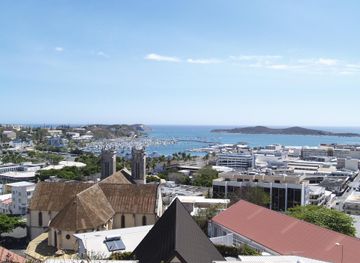
Looking beyond Koumac? Discover New Caledonia for broader travel guides, local hot-spots, and regional highlights.
Explore New CaledoniaKoumac in Photos
Browse through our photo collection highlighting the charm and character of the destination.


Koumac: The Hidden Gem of New Caledonia
Koumac is a small town on the northern tip of New Caledonia, offering a unique blend of natural beauty, cultural heritage, and adventurous activities. It’s a destination that captivates with its unspoiled landscapes and tranquil ambiance, making it ideal for tourists looking to escape the hustle and bustle of city life. The town itself is charming, with friendly locals and a laid-back vibe. The coastline is dotted with pristine beaches, perfect for swimming, snorkeling, and picnicking. For those interested in diving, Koumac is a gateway to some of the most stunning underwater sites in the region, including the famous Great Northern Lagoon. Nature enthusiasts will be delighted by the nearby Koumac Caves and the lush, scenic trails that offer stunning views of the surrounding countryside. Explore the rich biodiversity, from unique plant species to exotic birds, making every hike an adventure. Cultural experiences abound in Koumac. Visit local markets to sample delicious New Caledonian cuisine and purchase handmade crafts. Immerse yourself in the local way of life, where traditions are deeply rooted and celebrated with warmth and hospitality.