

Ouégoa, New Caledonia Travel Guide
Discover Ouégoa in New Caledonia: A serene haven of natural beauty, rich history, and vibrant Kanak culture, perfect for outdoor enthusiasts and cultural explorers.
Nestled in the heart of New Caledonia, Ouégoa is a small, charming town that offers a unique blend of natural beauty and rich cultural heritage. Surrounded by lush forests and majestic mountains, it is the perfect destination for nature lovers and adventure seekers alike. The serene environment and friendly locals make it an ideal place to unwind and immerse yourself in the local way of life. Ouégoa is a gateway to some of the most stunning landscapes in New Caledonia. From hiking trails that lead to breathtaking viewpoints to rivers perfect for kayaking, there is no shortage of outdoor activities. The town itself is steeped in history, with several sites that offer a glimpse into its colonial past. Visitors can explore traditional Kanak villages and learn about the customs and traditions that have been passed down through generations. One of the highlights of visiting Ouégoa is the opportunity to experience authentic Kanak culture. The local markets are vibrant and colorful, offering a variety of handmade crafts and local delicacies. The warm and welcoming atmosphere will make you feel at home, and you will leave with a deeper appreciation for the rich cultural tapestry that defines this unique region.

Know before you go
Hi, I'm Eve. Here are a few practical things to know before exploring Ouégoa.
- Bring suitable footwear for hiking and exploring the rugged terrain.
- Learn a few basic phrases in French or the local dialect to enhance your interactions with locals.
- Visit the local markets early in the morning for the freshest produce and unique handmade crafts.
- Respect local customs and traditions, especially when visiting Kanak villages.
- Carry cash as some local vendors may not accept credit cards.
Explore Ouégoa: Things to Do, Places to Eat, Hotels & More
Handpicked recommendations for top attractions, local dining, accommodations, and more

Top Attractions & Sightseeing in Ouégoa
Top-rated picks
Best Attractions

Îlot Tibarama
Explore the untouched beauty of Îlot Tibarama, a serene island in New Caledonia's lagoon, renowned for pristine beaches and vibrant marine life.

Col d'Amos
Discover the breathtaking beauty of Col d'Amos, a scenic mountain pass in New Caledonia, perfect for nature lovers and adventure seekers alike.

Point de vue Col d'Amos
Discover the breathtaking views and serene beauty at Point de vue Col d'Amos, a must-visit attraction in New Caledonia for nature lovers and photographers alike.

Monument de balade
Explore the rich history and stunning beauty of New Caledonia at the Monument de Balade, a captivating landmark in Balade.

Best landmarks in Ouégoa
Top-rated picks
Best Landmarks

Tarap destination
Experience the serene beauty of Tarap, a tranquil camping cabin destination in New Caledonia, perfect for nature lovers and adventure seekers.

Monument de balade
Explore the stunning Monument de balade in Balade, New Caledonia – a captivating historical landmark rich in culture and surrounded by breathtaking scenery.

Best restaurants in Ouégoa
Top-rated picks
Best Restaurants

Marmite et Tire-Bouchon
Discover exquisite New Caledonian cuisine at Marmite et Tire-Bouchon—where every meal tells a story through taste.

Le Roof
Experience exquisite dining at Le Roof with stunning lagoon views in Nouméa, New Caledonia.

L'Atelier Gourmand
Discover L'Atelier Gourmand: A Culinary Gem in Nouméa Offering Exquisite Pastries and Local Flavors.

Le Faré du Palm Beach
Experience exquisite local cuisine with stunning ocean views at Le Faré du Palm Beach in Nouméa.

Best bars in Ouégoa
Top-rated picks
Best Bars

Le Roof
Experience the finest in New Caledonian cuisine at Le Roof, offering stunning views and exquisite seafood in the heart of Nouméa.

MV Lounge
Experience the lively ambiance of MV Lounge in Baie des Citrons, Nouméa, featuring stunning views, refreshing cocktails, and vibrant nightlife.

Babar Cafe
Experience the vibrant flavors and stunning views of Babar Cafe in Nouméa, New Caledonia's coastal gem.

Hôtel Restaurant Hibiscus Koné
Discover the perfect blend of relaxation and adventure at Hôtel Restaurant Hibiscus in Kone, New Caledonia, where comfort meets nature's beauty.

Best shops in Ouégoa
Top-rated picks
Best Shops

TEARI Commercial centre
Discover the vibrant shopping and dining experience at Téari Commercial Centre in New Caledonia, where culture meets convenience.

Vap'store Koné
Explore Vap'store Koné, a leading vaporizer store in Kone, New Caledonia, offering an extensive range of quality vaping products and a vibrant community experience.

La Boutique Partagée
Explore the essence of New Caledonia at La Boutique Partagée, your go-to organic shop for fresh produce and local artisanal treasures.

Poindimie Discount
Discover authentic local flavors and daily essentials at Poindimie Discount, the vibrant supermarket in Poindimie, New Caledonia.

Explore Ouégoa on the Map
A handpicked selection of must-see spots in Ouégoa, mapped for you.
Ouégoa Essentials
-
Ouégoa is located in the North Province of New Caledonia. The nearest international airport is La Tontouta International Airport near Nouméa, approximately 350 kilometers away. From Nouméa, you can take a domestic flight to Koumac Airport, which is about 60 kilometers from Ouégoa. Alternatively, you can rent a car in Nouméa and drive to Ouégoa, which takes around 6 to 7 hours. There are also bus services that operate between Nouméa and Ouégoa, offering a more budget-friendly option.
-
Ouégoa is a small town, and exploring it on foot is quite feasible. For longer trips within the area, local taxis are available. Renting a car is a convenient option for those who want to explore the surrounding rural areas and natural attractions at their own pace. There are also local minibuses that connect Ouégoa to nearby villages and towns.
-
The official currency of New Caledonia is the CFP Franc (XPF). Credit cards are accepted in some hotels, restaurants, and shops, but it is advisable to carry cash, especially when visiting smaller establishments and rural areas like Ouégoa. ATMs are available in the town, but it is a good idea to withdraw sufficient cash before traveling to ensure you have enough funds for your stay.
-
Ouégoa is generally a safe destination for tourists. However, it is always wise to take standard precautions. Avoid walking alone at night in unfamiliar areas, and keep an eye on your belongings in crowded places. There are no specific high-crime areas targeting tourists, but staying vigilant and aware of your surroundings is always recommended.
-
In case of emergency, dial 17 for police assistance, 15 for medical emergencies, and 18 for fire services. The local police station and medical facilities are available in Ouégoa. It is recommended to have travel insurance that covers medical emergencies. For minor health issues, there are pharmacies in the town where you can purchase over-the-counter medications.
-
Fashion: Do dress modestly, especially when visiting religious or cultural sites. Avoid overly revealing clothing. Religion: Do respect local customs and traditions. Always ask for permission before taking photos inside churches or local homes. Public Transport: Do be respectful and give up your seat to elderly passengers. Don't eat or drink on public transport. Greetings: Do greet people with a warm smile and a handshake. Learning a few phrases in French or the local Kanak languages can be appreciated. Eating & Drinking: Do try local delicacies and accept food offerings graciously. Don't refuse hospitality, as it is considered impolite.
-
To experience Ouégoa like a local, visit the local markets where you can buy fresh produce and traditional New Caledonian goods. Engage with locals, as they are often friendly and willing to share stories about the area's history and culture. Don't miss the opportunity to explore the beautiful natural surroundings, including the nearby mountains and rivers. Participating in local festivals and events can also provide a deeper insight into the local way of life.
When is the best time to visit Ouégoa?
Useful Local Phrases for Ouégoa
You don't need to speak the language perfectly. Even learning a few simple words can make conversations warmer—and locals usually appreciate the effort.
— Eve

Here are the phrases I use most often in Ouégoa. Try a few—you'll be surprised how far they go! 😊
❤️
-
- HelloBongou
[bongoo] - GoodbyeBongou na
[bongoo nah] - YesOui
[wee] - NoNon
[noh] - Please/You’re welcomeS'il vous plaît
[seel voo pleh] - Thank youMerci
[mehr-see] - Excuse me/SorryPardon
[par-dohn] - How are you?Comment ça va?
[koh-mohn sah vah] - Fine. And you?Bien. Et vous?
[byehn. eh voo?] - Do you speak English?Parlez-vous anglais?
[par-lay voo ahn-glay?] - I don't understandJe ne comprends pas
[zhuh nuh kom-prahn pah]
- HelloBongou
-
- I'd like to see the menu, pleaseJe voudrais voir le menu, s'il vous plaît
[zhuh voo-dray vwar luh meh-nu, seel voo pleh] - I don't eat meatJe ne mange pas de viande
[zhuh nuh mahnj pah duh vyahnd] - Cheers!Santé!
[sahn-tay] - I would like to pay, pleaseJe voudrais payer, s'il vous plaît
[zhuh voo-dray pay-ay, seel voo pleh]
- I'd like to see the menu, pleaseJe voudrais voir le menu, s'il vous plaît
-
- Help!Au secours!
[oh se-koor] - Go away!Allez-vous-en!
[ah-lay voo-zahn] - Call the Police!Appelez la police!
[ah-peh-lay lah poh-lees] - Call a doctor!Appelez un docteur!
[ah-peh-lay uhn dok-teur] - I'm lostJe suis perdu
[zhuh swee pair-due] - I'm illJe suis malade
[zhuh swee mah-lahd]
- Help!Au secours!
-
- I'd like to buy...Je voudrais acheter...
[zhuh voo-dray ahsh-tay...] - I'm just lookingJe regarde juste
[zhuh ruh-gard zhuhst] - How much is it?C'est combien?
[seh kohm-byen?] - That's too expensiveC'est trop cher
[seh troh shair] - Can you lower the price?Pouvez-vous baisser le prix?
[poo-vay voo beh-say luh pree?]
- I'd like to buy...Je voudrais acheter...
-
- What time is it?Quelle heure est-il?
[kel uhr eh-teel?] - It's one o'clockIl est une heure
[eel eh ewn uhr] - Half past (10)Dix heures et demie
[deez uhr eh duh-mee] - MorningMatin
[mah-tahn] - AfternoonAprès-midi
[ah-pray-mee-dee] - EveningSoir
[swahr] - YesterdayHier
[ee-ehr] - TodayAujourd'hui
[oh-zhoor-dwee] - TomorrowDemain
[duh-mahn] - 1Un
[uhn] - 2Deux
[duhr] - 3Trois
[trwah] - 4Quatre
[katr] - 5Cinq
[sank] - 6Six
[sees] - 7Sept
[set] - 8Huit
[weet] - 9Neuf
[nuhf] - 10Dix
[deez]
- What time is it?Quelle heure est-il?
-
- Where's a/the...?Où est un/le ...?
[oo eh uhn/luh ...?] - What's the address?Quelle est l'adresse?
[kel eh lah-dres?] - Can you show me (on the map)?Pouvez-vous me montrer (sur la carte)?
[poo-vay voo muh mohn-tray (sur lah kart)?] - When's the next (bus)?Quand est le prochain (bus)?
[kahn eh luh proh-shen (boos)?] - A ticket (to ....)Un billet (pour ...)
[uhn bee-yay (poor ...)]
- Where's a/the...?Où est un/le ...?
History of Ouégoa
-
Ouégoa, located in the northern region of New Caledonia, has a rich history that dates back to the early Lapita culture, around 1500 BC. The area was initially settled by Melanesian tribes who are the ancestors of the present-day Kanak people. Archaeological evidence, including pottery shards and tools, has been found in the region, providing insights into the lifestyle and culture of these early inhabitants.
-
The arrival of European explorers in the late 18th century marked a significant turning point in Ouégoa's history. The French formally annexed New Caledonia in 1853, and Ouégoa soon became an area of interest for colonial administration due to its rich natural resources. The French established administrative posts and attempted to exert control over the local Kanak population, leading to periods of tension and resistance.
-
In the late 19th and early 20th centuries, Ouégoa experienced a mining boom with the discovery of valuable minerals, particularly nickel. Mining operations brought an influx of workers and significantly altered the landscape and local economy. The mining industry remains a vital part of Ouégoa's economic foundation today, contributing to both development and environmental challenges.
-
Throughout the colonial period and into the modern era, the Kanak people of Ouégoa have demonstrated remarkable resilience. They have maintained their cultural heritage, including traditional practices, languages, and social structures, despite external pressures. The Kanak customary system continues to play a central role in local governance and community life.
-
During World War II, New Caledonia, including Ouégoa, became a strategic location for Allied forces in the Pacific. The presence of military installations and personnel brought about economic changes and increased interaction with the wider world. Ouégoa's infrastructure was improved, and the region played a role in supporting the war effort through resource extraction and logistics.
-
The latter half of the 20th century saw the rise of the independence movement in New Caledonia. Ouégoa was no exception, with local leaders and activists advocating for greater autonomy and recognition of Kanak rights. This period was marked by political activism, negotiations, and occasional unrest, eventually leading to the Matignon Accords in 1988 and the Nouméa Accord in 1998, which paved the way for increased self-governance.
-
Today, Ouégoa is a vibrant community that reflects its complex history. It is known for its scenic landscapes, cultural richness, and historical significance. The region continues to balance traditional Kanak customs with contemporary influences, making it a unique destination for those interested in exploring New Caledonia's diverse heritage.
Neighbouring Regions of Ouégoa
The closest regions to Ouégoa, if you have time for more than one.


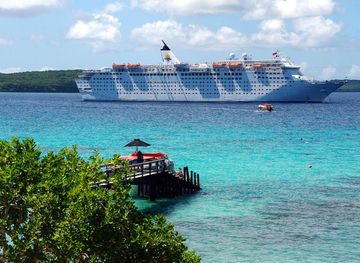


Your all‑in‑one travel companion app
Explore expert travel guides, compare and book tours, experiences, hotels, and more—all from the palm of your hand. Download now for seamless trip planning wherever your wanderlust takes you.


Explore More of New Caledonia
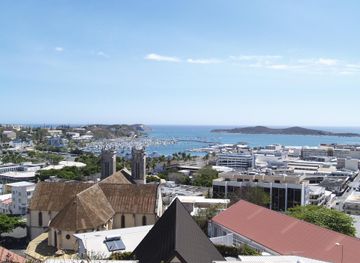
Looking beyond Ouégoa? Discover New Caledonia for broader travel guides, local hot-spots, and regional highlights.
Explore New CaledoniaOuégoa in Photos
Browse through our photo collection highlighting the charm and character of the destination.


Ouégoa: The Hidden Gem of New Caledonia
Nestled in the heart of New Caledonia, Ouégoa is a small, charming town that offers a unique blend of natural beauty and rich cultural heritage. Surrounded by lush forests and majestic mountains, it is the perfect destination for nature lovers and adventure seekers alike. The serene environment and friendly locals make it an ideal place to unwind and immerse yourself in the local way of life. Ouégoa is a gateway to some of the most stunning landscapes in New Caledonia. From hiking trails that lead to breathtaking viewpoints to rivers perfect for kayaking, there is no shortage of outdoor activities. The town itself is steeped in history, with several sites that offer a glimpse into its colonial past. Visitors can explore traditional Kanak villages and learn about the customs and traditions that have been passed down through generations. One of the highlights of visiting Ouégoa is the opportunity to experience authentic Kanak culture. The local markets are vibrant and colorful, offering a variety of handmade crafts and local delicacies. The warm and welcoming atmosphere will make you feel at home, and you will leave with a deeper appreciation for the rich cultural tapestry that defines this unique region.