

Ponérihouen, New Caledonia Travel Guide
Discover the serene beauty and rich cultural heritage of Ponérihouen, a hidden gem on New Caledonia's east coast, perfect for nature lovers and cultural enthusiasts.
Ponérihouen, nestled on the east coast of New Caledonia's main island, is a hidden gem waiting to be discovered. This serene village offers a perfect blend of natural beauty and rich cultural heritage, making it a delightful escape for travelers seeking peace and authenticity. The landscape of Ponérihouen is a captivating mix of lush green mountains, pristine beaches, and crystal-clear rivers. Nature lovers will find plenty to explore, from hiking trails that offer stunning panoramic views to tranquil spots perfect for picnicking. The village itself is charming, with traditional thatched-roof houses and friendly locals who are always ready to share their customs and traditions. Ponérihouen is also a gateway to understanding the unique Kanak culture. Visitors can immerse themselves in the local way of life by participating in traditional ceremonies, tasting delicious local cuisine, and learning about the intricate art of weaving and carving. The sense of community and the warmth of the people here create an unforgettable experience, making Ponérihouen a must-visit destination in New Caledonia.

Know before you go
Hi, I'm Eve. Here are a few practical things to know before exploring Ponérihouen.
- Visit the local markets early in the morning to experience the freshest produce and handmade crafts.
- Respect local customs and traditions by asking for permission before taking photos of people or cultural sites.
- Bring sturdy walking shoes for exploring the numerous hiking trails in the area.
- Try the traditional Bougna dish, a local delicacy made with yams, sweet potatoes, and chicken or fish, wrapped in banana leaves and cooked in an earth oven.
- Learn a few basic phrases in French or the local language to enhance your interactions with the friendly locals.

Best landmarks in Ponérihouen
Top-rated picks
Best Landmarks
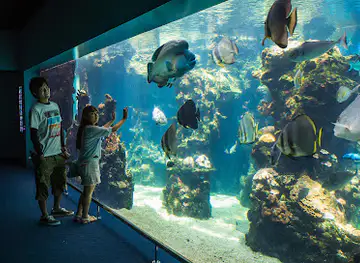
Lagoon Aquarium
Explore the vibrant marine life of New Caledonia at the Lagoon Aquarium, where education meets adventure in a stunning coastal setting.

Place des Cocotiers
Explore the vibrant heart of Nouméa at Place des Cocotiers, a city park filled with palm trees, cultural events, and local charm.

Tjibaou Cultural Centre
Explore the Tjibaou Cultural Centre, a modern architectural marvel celebrating Kanak culture through art, performances, and exhibitions in New Caledonia.

Amédée Lighthouse
Discover the captivating Amédée Lighthouse, a historic beacon offering stunning views and vibrant marine life in New Caledonia's idyllic waters.

Best restaurants in Ponérihouen
Top-rated picks
Best Restaurants

Marmite et Tire-Bouchon
Experience the vibrant tastes of New Caledonia at Marmite et Tire-Bouchon, where every dish tells a story.

Le Roof
Experience exquisite dining with breathtaking lagoon views at Le Roof in Nouméa, New Caledonia.

L'Ed'Zen
Experience exquisite dining at L'Ed'Zen in Nouméa - where local flavors meet culinary excellence.

Hôtel Restaurant Hibiscus Koné
Discover exquisite dining and relaxation at Hôtel Restaurant Hibiscus in Kone - your tropical retreat in New Caledonia.

Best bars in Ponérihouen
Top-rated picks
Best Bars

MV Lounge
Experience Nouméa's vibrant nightlife at MV Lounge, where delightful drinks meet stunning bay views in a lively atmosphere.
Hôtel Restaurant Hibiscus Koné
Experience relaxation and adventure at Hôtel Restaurant Hibiscus Koné, a tranquil oasis in the heart of New Caledonia, perfect for families and solo travelers.

Chai de l'Hippodrome
Discover a delightful wine bar in Nouméa, offering a curated selection of wines and a cozy atmosphere perfect for relaxation.

Le Jardin De Poé
Discover the flavors of New Caledonia at Le Jardin De Poé, a family-friendly restaurant offering a delightful dining experience in Bourail.

Best nightclubs in Ponérihouen
Top-rated picks
Best Nightclubs

MV Lounge
Experience the vibrant nightlife of Nouméa at MV Lounge, a lively bar offering delicious drinks and stunning views of Baie des Citrons.

L'Etrave
Experience the vibrant atmosphere and stunning views at L'Etrave, Nouméa's premier bar by Anse Vata Bay.

Creek Bar
Experience the charm of Creek Bar in New Caledonia, where relaxation meets vibrant entertainment in a stunning tropical setting.

Nakamal le 21
Experience the soothing ambiance and local flavors at Nakamal le 21, a premier lounge destination in the heart of Nouméa, New Caledonia.

Best shops in Ponérihouen
Top-rated picks
Best Shops

Leader Price
Explore the vibrant Leader Price shopping mall in Kone, New Caledonia, where local culture meets modern shopping delights.

Vap'store Koné
Explore Vap'store Koné in Kone, New Caledonia, for the finest selection of vaporizers and e-liquids in a welcoming atmosphere.

Le Passage
Explore the culinary delights of New Caledonia at Le Passage, a vibrant food store in Bourail offering local flavors and artisanal products.

La Boutique Partagée
Explore La Boutique Partagée in Nouméa for fresh organic produce and eco-friendly products that celebrate New Caledonia's sustainable living.

Explore Ponérihouen on the Map
A handpicked selection of must-see spots in Ponérihouen, mapped for you.
Ponérihouen Essentials
-
Ponérihouen is located on the east coast of New Caledonia's main island, Grande Terre. The nearest major airport is La Tontouta International Airport in Nouméa, approximately 300 kilometers away. From Nouméa, you can rent a car and drive along the scenic Route Territoriale 1 (RT1), which will take around 4 to 5 hours. Alternatively, you can take a domestic flight to Touho Airport, which is closer, and then a taxi or rental car for the remaining 30 kilometers to Ponérihouen.
-
Ponérihouen is a small town, and many attractions are within walking distance. For longer trips, local taxis are available, though it is advisable to pre-arrange them. There is a limited public bus service connecting Ponérihouen with other towns on Grande Terre. Renting a car is the most convenient option for exploring the surrounding areas at your own pace.
-
The official currency in New Caledonia is the Pacific Franc (XPF). Credit cards are accepted in some hotels, restaurants, and shops in Ponérihouen, but it is advisable to carry cash, especially when visiting smaller establishments and rural areas. ATMs are available in Ponérihouen, but it is wise to withdraw sufficient cash in Nouméa before traveling.
-
Ponérihouen is generally a safe destination for tourists. However, like any travel destination, it is advisable to take standard precautions. Avoid walking alone at night in unfamiliar areas and keep an eye on your belongings in crowded places. While there are no specific high-crime areas targeting tourists, it is always best to stay vigilant and aware of your surroundings.
-
In case of emergency, dial 15 for medical emergencies, 17 for police assistance, and 18 for fire services. The local police station and medical clinic are available in Ponérihouen. It is recommended to have travel insurance that covers medical emergencies. For minor health issues, there are pharmacies in the town where you can purchase over-the-counter medications.
-
Fashion: Do dress modestly, especially when visiting religious sites or local villages. Avoid wearing overly revealing clothing. Religion: Do respect local customs and traditions. Always ask for permission before taking photos of people or religious ceremonies. Public Transport: Do be respectful and give up your seat to elderly passengers. Don’t eat or drink on public transport. Greetings: Do greet people with a handshake or a friendly 'Bonjour'. A slight bow of the head is also a sign of respect. Eating & Drinking: Do try local delicacies and accept food offerings graciously. Don’t refuse hospitality, as it is considered impolite.
-
To experience Ponérihouen like a local, visit the local markets where you can buy fresh produce and traditional Kanak goods. Engage with locals, as they are often friendly and willing to share stories about the town's history and culture. Don’t miss visiting the nearby Tchamba Valley for its stunning landscapes and cultural significance. For a unique experience, participate in a traditional Kanak ceremony if the opportunity arises.
When is the best time to visit Ponérihouen?
Useful Local Phrases for Ponérihouen
You don't need to speak the language perfectly. Even learning a few simple words can make conversations warmer—and locals usually appreciate the effort.
— Eve

Here are the phrases I use most often in Ponérihouen. Try a few—you'll be surprised how far they go! 😊
❤️
-
- HelloNaki
[nah-kee] - GoodbyeNok
[nok] - YesOua
[wah] - NoNia
[nee-ah] - Please/You're welcomeS'il vous plaît
[seel voo pleh] - Thank youMérci
[mehr-see] - Excuse me/SorryPardon
[par-dohn] - How are you?Comment ça va?
[koh-mohn sah vah] - Fine. And you?Bien. Et vous?
[byan eh voo] - Do you speak English?Parlez-vous anglais?
[par-lay voo ahn-glay] - I don't understandJe ne comprends pas
[zhuh nuh kohm-prahn pah]
- HelloNaki
-
- I'd like to see the menu, pleaseJe voudrais voir le menu, s'il vous plaît
[zhuh voo-dray vwar luh meh-nu seel voo pleh] - I don't eat meatJe ne mange pas de viande
[zhuh nuh mahnj pah duh vyahnd] - Cheers!Santé!
[sahn-tay] - I would like to pay, pleaseJe voudrais payer, s'il vous plaît
[zhuh voo-dray pay-ay seel voo pleh]
- I'd like to see the menu, pleaseJe voudrais voir le menu, s'il vous plaît
-
- Help!Au secours!
[oh se-kour] - Go away!Allez-vous-en!
[ah-lay voo-zahn] - Call the Police!Appelez la police!
[ah-peh-lay lah poh-lees] - Call a doctor!Appelez un médecin!
[ah-peh-lay uhn may-deh-seen] - I'm lostJe suis perdu
[zhuh swee pair-doo] - I'm illJe suis malade
[zhuh swee mah-lahd]
- Help!Au secours!
-
- I'd like to buy...Je voudrais acheter...
[zhuh voo-dray ah-sheh-tay] - I'm just lookingJe regarde juste
[zhuh ruh-gard zhoost] - How much is it?C'est combien?
[seh kohm-byen] - That's too expensiveC'est trop cher
[seh troh shair] - Can you lower the price?Pouvez-vous baisser le prix?
[poo-vay voo beh-say luh pree]
- I'd like to buy...Je voudrais acheter...
-
- What time is it?Quelle heure est-il?
[kel uhr eh teel] - It's one o'clockIl est une heure
[eel eh oon uhr] - Half past (10)Dix et demi
[dees eh duh-mee] - MorningMatin
[mah-tahn] - AfternoonAprès-midi
[ah-pray mee-dee] - EveningSoir
[swahr] - YesterdayHier
[ee-air] - TodayAujourd'hui
[oh-zhoor dwee] - TomorrowDemain
[duh-mahn] - 1Un
[uhn] - 2Deux
[duhr] - 3Trois
[trwah] - 4Quatre
[ka-truh] - 5Cinq
[sank] - 6Six
[sees] - 7Sept
[seht] - 8Huit
[weet] - 9Neuf
[nuhf] - 10Dix
[dees]
- What time is it?Quelle heure est-il?
-
- Where's a/the...?Où se trouve...?
[oo suh troov...?] - What's the address?Quelle est l'adresse?
[kel eh l'ah-dress?] - Can you show me (on the map)?Pouvez-vous me montrer (sur la carte)?
[poo-vay voo muh mohn-tray (sur lah kart)?] - When's the next (bus)?Quand est le prochain (bus)?
[kahn eh luh proh-shen (boos)?] - A ticket (to ....)Un billet (pour....)
[uhn bee-yay (poor....)]
- Where's a/the...?Où se trouve...?
History of Ponérihouen
-
Ponérihouen, known for its scenic landscapes and rich cultural heritage, was initially settled by the Kanak people, the indigenous inhabitants of New Caledonia. These early settlers lived in harmony with the natural environment, relying on fishing, hunting, and agriculture. The Kanak communities were organized into clans, each with its own chieftain, and their social structures were deeply rooted in respect for the land and traditional customs.
-
The first recorded European contact with Ponérihouen occurred in the 18th century when British and French explorers arrived in New Caledonia. These encounters marked the beginning of significant changes for the Kanak people, as European influence began to permeate the region. Missionaries followed the explorers, bringing Christianity and Western education to the local population, which led to both cultural exchange and conflict.
-
In the mid-19th century, New Caledonia, including Ponérihouen, became a French colony. The colonial administration established new social, economic, and political systems that significantly impacted the indigenous way of life. The introduction of cash crops, mining, and infrastructure development altered the local economy and environment. The Kanak people faced land dispossession and were often subjected to forced labor, leading to resistance and uprisings.
-
During World War II, New Caledonia served as an important Allied base in the Pacific theater. Ponérihouen, like many other parts of the island, saw increased military activity and infrastructure development. After the war, the region experienced a period of modernization and growth. The introduction of new technologies and better connectivity with the outside world brought both opportunities and challenges to the community.
-
In the latter half of the 20th century, Ponérihouen witnessed a cultural renaissance as the Kanak people began to reclaim and celebrate their heritage. Efforts to preserve traditional customs, languages, and arts gained momentum. Cultural festivals, such as the Yam Festival, became important events that showcased Kanak traditions and fostered a sense of pride and identity among the local population.
-
The push for greater autonomy and recognition of Kanak rights gained traction in the 1980s and 1990s. The Matignon Agreements of 1988 and the Nouméa Accord of 1998 were pivotal in granting New Caledonia increased self-governance and acknowledging the unique status of the Kanak people. Ponérihouen played a role in these movements, with local leaders actively participating in the negotiations and advocating for their community's interests.
-
Today, Ponérihouen is a vibrant community that balances its rich cultural heritage with modern development. The area is known for its beautiful landscapes, including pristine beaches, lush forests, and mountainous terrain. Visitors to Ponérihouen can explore historical sites, participate in cultural festivals, and engage with the local Kanak community to gain a deeper understanding of their traditions and way of life.
Neighbouring Regions of Ponérihouen
The closest regions to Ponérihouen, if you have time for more than one.
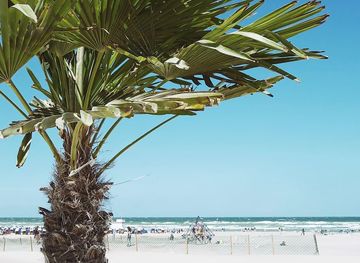
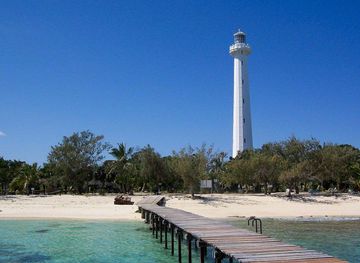


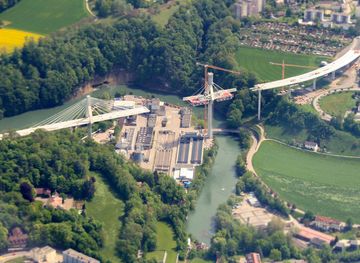

Your all‑in‑one travel companion app
Explore expert travel guides, compare and book tours, experiences, hotels, and more—all from the palm of your hand. Download now for seamless trip planning wherever your wanderlust takes you.


Explore More of New Caledonia
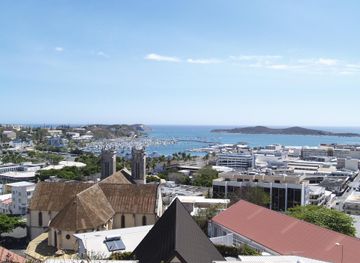
Looking beyond Ponérihouen? Discover New Caledonia for broader travel guides, local hot-spots, and regional highlights.
Explore New CaledoniaPonérihouen in Photos
Browse through our photo collection highlighting the charm and character of the destination.

Ponérihouen: A Tranquil Haven in New Caledonia
Ponérihouen, nestled on the east coast of New Caledonia's main island, is a hidden gem waiting to be discovered. This serene village offers a perfect blend of natural beauty and rich cultural heritage, making it a delightful escape for travelers seeking peace and authenticity. The landscape of Ponérihouen is a captivating mix of lush green mountains, pristine beaches, and crystal-clear rivers. Nature lovers will find plenty to explore, from hiking trails that offer stunning panoramic views to tranquil spots perfect for picnicking. The village itself is charming, with traditional thatched-roof houses and friendly locals who are always ready to share their customs and traditions. Ponérihouen is also a gateway to understanding the unique Kanak culture. Visitors can immerse themselves in the local way of life by participating in traditional ceremonies, tasting delicious local cuisine, and learning about the intricate art of weaving and carving. The sense of community and the warmth of the people here create an unforgettable experience, making Ponérihouen a must-visit destination in New Caledonia.