

Free Grande Terre Travel Guide & Mobile App
Explore Grande Terre with free travel guides. Discover regional history, expert tips, proposed trips, and audio guides on web or mobile app.


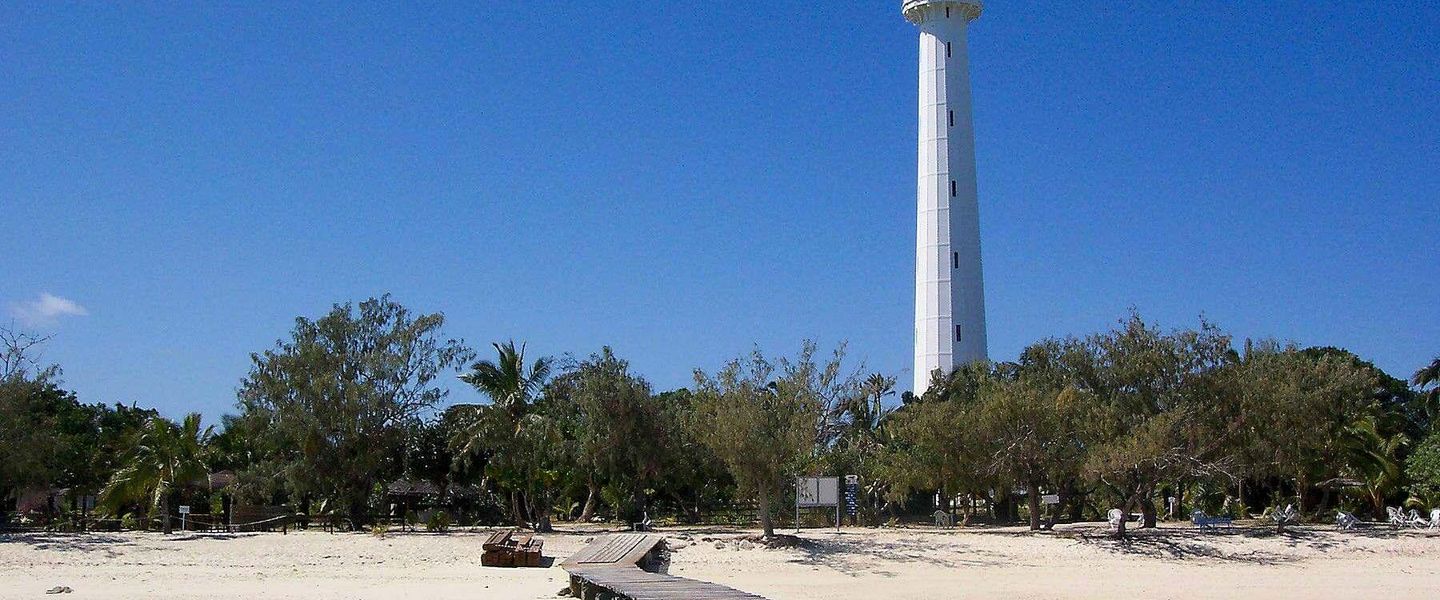


Explore Grande Terre’s Kanak heritage, coral lagoons, mountain forests, west-coast ranch country and distinctive towns from Nouméa to Hienghène.
Read more about Grande Terre
When is the best time to visit Grande Terre?
Best: June–August · 23–24°C| Month | High (°C) | Rainfall (mm) |
|---|---|---|
| January | 30 | 180 |
| February | 30 | 180 |
| March | 30 | 160 |
| April | 28 | 130 |
| May | 26 | 120 |
| June (best) | 24 | 100 |
| July (best) | 23 | 100 |
| August (best) | 23 | 100 |
| September | 25 | 120 |
| October | 27 | 130 |
| November | 29 | 150 |
| December | 30 | 160 |
Getting to and around Grande Terre
How to get there
Transportation
Top city travel guides in Grande Terre
The cities of Grande Terre, and the easiest places to base yourself.
-

-

-


Swipe for more cities
Destinations in Grande Terre
Resorts, valleys and scenic spots worth a trip of their own.
-
-


Swipe for more destinations
Best attractions in Grande Terre
Grande Terre’s attractions range from Nouméa’s museums, markets, galleries and waterfront districts to remote forests, reefs and mountain roads. The Tjibaou Cultural Centre provides an important introduction to Kanak arts and the cultures of the Pacific, while the city’s museums and colonial-era sites add wider historical context. In the south, Parc provincial de la Rivière Bleue offers walking routes, wetlands, forest scenery and opportunities to look for the cagou, subject to access conditions. The west coast combines Bourail’s beaches and limestone formations with ranch country, mangroves and the remarkable Heart of Voh near the settlement of Voh. Along the east coast, Hienghène is a base for seeing distinctive offshore rocks, lagoons and richly vegetated mountain landscapes. Outdoor activities include swimming, snorkelling, diving, kayaking, hiking and wildlife observation, but the best experiences depend on weather, tides, road conditions and local operators. Mining landscapes and former colonial sites provide a less conventional but important counterpoint to the island’s natural attractions.
-
Aquarium
Lagoon Aquarium
Explore the vibrant marine life of New Caledonia at the Lagoon Aquarium, a must-visit attraction for tourists and ocean lovers alike.
-
City park
Place des Cocotiers
Discover the charm of Place des Cocotiers, the heart of Nouméa, where nature and culture meet in a serene city park setting.
-
Cultural center
Tjibaou Cultural Centre
Experience the vibrant culture and artistry of New Caledonia at the Tjibaou Cultural Centre, a must-visit destination for every traveler.
-
Market
City Market
Discover the City Market in Nouméa for an authentic taste of New Caledonia's culture, flavors, and handmade crafts.
Best landmarks in Grande Terre
Grande Terre’s most recognisable landmarks express its overlapping geological, cultural and colonial histories. In Nouméa, the Tjibaou Cultural Centre is a major contemporary architectural statement devoted to Kanak and Pacific cultures, while Nouméa Cathedral and Place des Cocotiers anchor the capital’s older civic landscape. The former penal site at Fort Teremba on the west coast preserves buildings and interpretations connected with colonial imprisonment and convict labour. Near Voh, the Heart of Voh is a distinctive mangrove formation whose shape is best appreciated from an elevated viewpoint or aerial perspective when access permits. Hienghène’s offshore formations, especially the Poule de Hienghène and the Sphinx, are among the island’s most recognisable natural features. In the south, the red mineral landscapes around the ranges and the forests and wetlands of the Blue River area show the geological character that has shaped both biodiversity and mining. These places are not interchangeable scenic stops: each illuminates a different aspect of Grande Terre’s identity.
-
Aquarium
Lagoon Aquarium
Explore the vibrant underwater world at Lagoon Aquarium, Nouméa - a family-friendly attraction showcasing New Caledonia's unique marine biodiversity.
-
City park
Place des Cocotiers
Discover the lush beauty and vibrant culture of Nouméa at Place des Cocotiers, a serene city park perfect for relaxation and social gatherings.
-
Cultural center
Tjibaou Cultural Centre
Experience the captivating blend of modern architecture and Kanak culture at the Tjibaou Cultural Centre in Nouméa, New Caledonia.
-
Market
City Market
Explore the vibrant City Market in Nouméa, a cultural gem offering fresh produce, unique crafts, and a taste of New Caledonia's rich traditions.
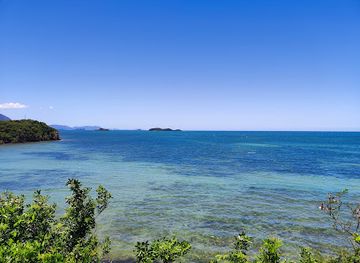
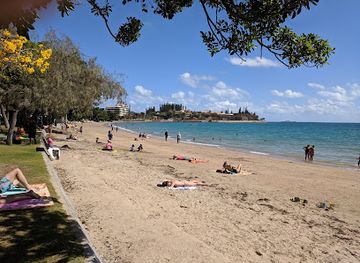
Explore Grande Terre on the map
Plan your trip on one map. See where the top cities, national parks and sights are, and book hotels and experiences in a few clicks.
Best hotels in Grande Terre
Best restaurants in Grande Terre
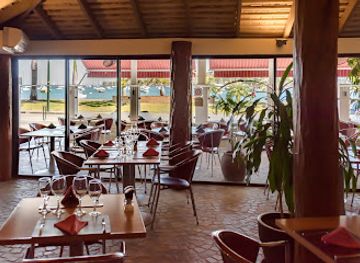
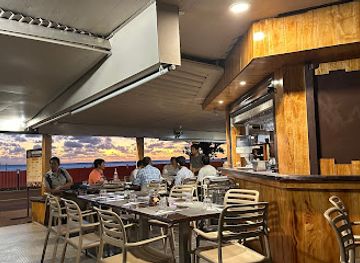
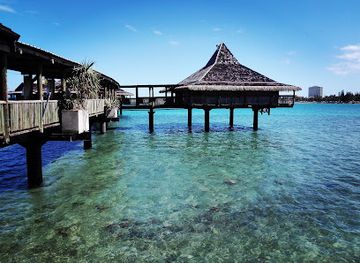
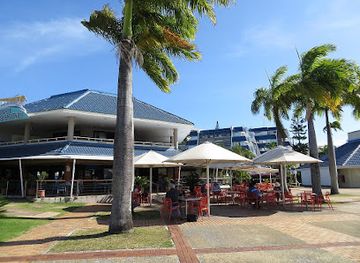
Dining on Grande Terre reflects the island’s French, Kanak and wider Pacific influences. Nouméa has the broadest choice, from bakeries, cafés and French-style restaurants to establishments using local seafood, tropical fruit and vegetables. Outside the capital, food is more closely tied to the brousse, coastal fishing communities and locally grown produce, with simple restaurants, roadside stalls and family-run eateries appearing along principal routes. Bougna, in which ingredients such as chicken, fish, root vegetables or seafood are traditionally cooked with coconut milk, is an important Kanak preparation, though recipes and serving contexts vary. Fresh fish, prawns, coconut, yam, taro, sweet potato, venison and beef may feature in regional meals, while New Caledonian coffee, honey and seasonal fruit make useful local discoveries. Markets are good places to find produce and prepared food, but visitors should allow for limited choices and irregular opening arrangements in smaller settlements.
-
Restaurant
Marmite et Tire-Bouchon
Experience authentic New Caledonian cuisine at Marmite et Tire-Bouchon, where fresh local ingredients meet culinary creativity.
-
Restaurant
Stone Grill
Experience the unique flavors of sizzling steak at Stone Grill in Nouméa - where culinary excellence meets stunning ocean views.
-
Restaurant
Le Roof
Experience exquisite local cuisine and breathtaking ocean views at Le Roof in Nouméa - a must-visit culinary destination.
-
Restaurant
Le Bout Du Monde
Experience exquisite dining at Le Bout Du Monde in Nouméa, where local flavors meet stunning views in an unforgettable culinary journey.
Best bars in Grande Terre
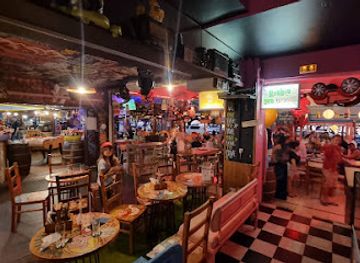
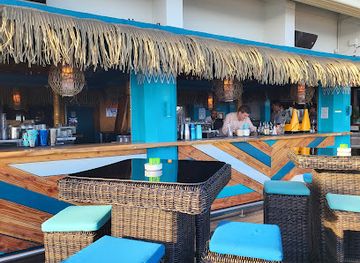
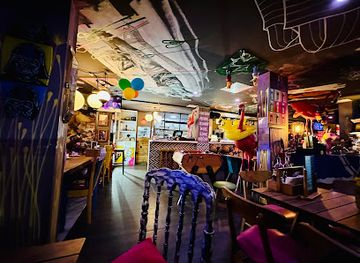
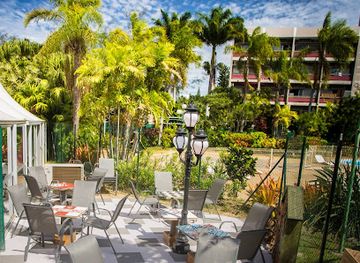
Nightlife is concentrated in Nouméa, where evening options include bars, restaurants, hotel lounges, live music venues and a modest selection of clubs around the city’s central and waterfront areas. The atmosphere ranges from relaxed drinks and Pacific-influenced cocktails to later entertainment, though venues and opening arrangements can change. Outside the capital, evening life is quieter and usually centres on local restaurants, cafés, hotels, community events and traditional or contemporary music rather than a large club scene. Some coastal resorts and larger towns provide evening dining with views over the lagoon, while rural areas may have little organised nightlife after dark. Breweries, wine lists and French-style aperitifs reflect the territory’s connections with France, but visitors should not assume that alcohol is central to every social setting. Driving after drinking is especially unwise on Grande Terre’s winding and sometimes isolated roads.
-
Bar
La Barca
Discover the vibrant atmosphere and stunning views at La Barca, a premier bar in Nouméa, New Caledonia, perfect for relaxing with friends.
-
Bar
MV Lounge
Discover MV Lounge, where cocktails meet stunning views in the heart of Nouméa's vibrant nightlife, offering an unforgettable experience.
-
Bar
Babar Cafe
Experience the vibrant café culture of Nouméa at Babar Cafe, where local flavors meet a welcoming atmosphere along the beautiful promenade.
-
Wine bar
Chai de l'Hippodrome
Discover the essence of New Caledonia at Chai de l'Hippodrome, where exquisite wines meet delightful local flavors in a charming setting.
Best nightclubs in Grande Terre
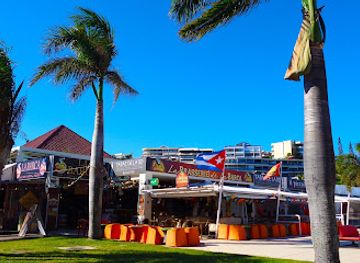
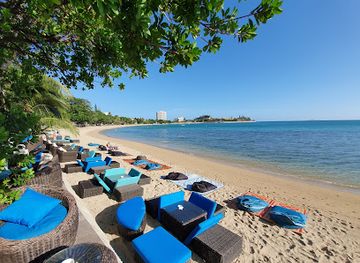
Nightlife is concentrated in Nouméa, where evening options include bars, restaurants, hotel lounges, live music venues and a modest selection of clubs around the city’s central and waterfront areas. The atmosphere ranges from relaxed drinks and Pacific-influenced cocktails to later entertainment, though venues and opening arrangements can change. Outside the capital, evening life is quieter and usually centres on local restaurants, cafés, hotels, community events and traditional or contemporary music rather than a large club scene. Some coastal resorts and larger towns provide evening dining with views over the lagoon, while rural areas may have little organised nightlife after dark. Breweries, wine lists and French-style aperitifs reflect the territory’s connections with France, but visitors should not assume that alcohol is central to every social setting. Driving after drinking is especially unwise on Grande Terre’s winding and sometimes isolated roads.
-
Bar
La Barca
Experience the vibrant atmosphere of La Barca, a premier bar in Nouméa, with stunning views of the Baie des Citrons and a variety of refreshing drinks.
-
Bar
MV Lounge
Discover the vibrant nightlife at MV Lounge in Nouméa, where delicious cocktails and an electric atmosphere await for an unforgettable evening.
-
Bar
L'Etrave
Experience the vibrant atmosphere and stunning views at L'Etrave, Nouméa's premier coastal bar, perfect for relaxation and socializing.
-
Cocktail bar
L’Endroit Rooftop
Discover L’Endroit Rooftop in Nouméa: a cocktail haven with stunning views and a vibrant atmosphere, perfect for a memorable night out.

Best shops in Grande Terre
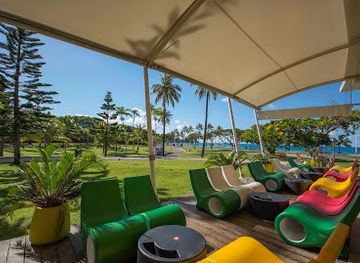
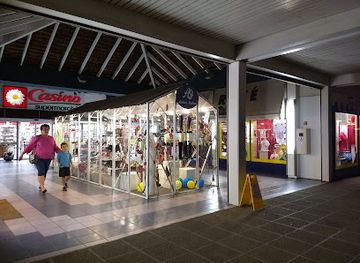
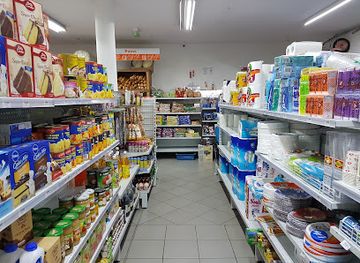
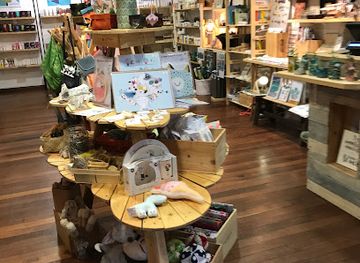
Nouméa offers Grande Terre’s widest shopping choice, including the municipal markets, central high streets, food retailers, galleries, craft outlets and larger commercial areas. Markets are useful for seasonal fruit, vegetables, seafood and locally produced foods, while specialist shops may stock honey, coffee, vanilla, preserves and Pacific-inspired products. Kanak and wider Melanesian arts and crafts can be found through cultural institutions, galleries and craft sellers; buyers should favour clearly attributed, responsibly made work rather than treating all Pacific-style products as local. Outside the capital, shopping is practical and community-based, with small stores, petrol stations and market stalls serving rural districts. Bourail and other west-coast settlements are more associated with brousse produce and local food than with extensive retail. Souvenirs connected with New Caledonia’s distinctive flora, lagoon environment, Kanak design and nickel heritage are generally more meaningful than generic resort merchandise.
-
Shopping mall
Baie Des Citrons Shopping Complex
Discover the vibrant shopping and dining experience at Baie Des Citrons Shopping Complex in Nouméa, New Caledonia – a true tourist haven.
-
Food store
Le Passage
Explore the rich flavors of New Caledonia at Le Passage, Bourail's premier food store offering local produce and gourmet delicacies.
-
Organic shop
La Boutique Partagée
Explore La Boutique Partagée in Nouméa for the best in organic produce and eco-friendly products, reflecting the essence of sustainable living.
-
Supermarket
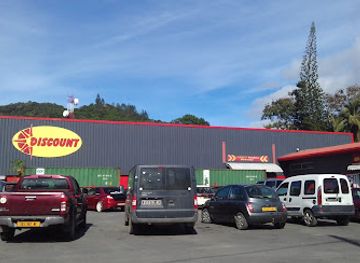
Poindimie Discount
Explore Poindimie Discount, the ultimate supermarket experience in New Caledonia, where local culture meets convenience.
Get your free copy of our complete guide to Grande Terre, delivered straight to you.
Everything on this page, from attractions and restaurants to essentials and local phrases, in one PDF you can read offline, print or share.
Already have an account? Sign in
Your Grande Terre guide is ready.
We'll send it to · Not you? Sign out

Getting your guide ready…
We are putting together a fresh copy of the Grande Terre guide. This can take up to a minute.
This can take a few moments. If your browser asks, choose Allow so the download can start. You'll find the guide in your Downloads folder.
Nothing happened? Download it again
Sorry, the guide is taking longer than usual. Please try again in a minute, or get it by email instead.
Grande Terre essentials
Currency and Payment
Safety
Emergency Situations
Do's and Don'ts
Local Tips
From Eve
Local phrases worth knowing
You don't need to get them perfect. A few words go a long way, and locals appreciate the effort.
Basics
| English | Local | Say it |
|---|---|---|
| Hello | Bonjour | [bɔ̃ʒuʁ] |
| Goodbye | Au revoir | [o ʁəvwaʁ] |
| Yes | Oui | [wi] |
| No | Non | [nɔ̃] |
| Please/You're welcome | S'il vous plaît | [sil vu plɛ] |
| Thank you | Merci | [mɛʁsi] |
| Excuse me/Sorry | Excusez-moi | [ɛkskyze mwa] |
| How are you? | Comment ça va? | [kɔmɑ̃ sa va] |
| Fine. And you? | Bien. Et vous? | [bjɛ̃ e vu] |
| Do you speak English? | Parlez-vous anglais? | [paʁle vu ɑ̃ɡlɛ] |
| I don't understand | Je ne comprends pas | [ʒə nə kɔ̃pʁɑ̃ pa] |
Eating & Drinking
| English | Local | Say it |
|---|---|---|
| I'd like to see the menu, please | Je voudrais voir le menu, s'il vous plaît | [ʒə vudʁɛ vwaʁ lə məny, sil vu plɛ] |
| I don't eat meat | Je ne mange pas de viande | [ʒə nə mɑ̃ʒ pa də vjɑ̃d] |
| Cheers! | Santé! | [sɑ̃te] |
| I would like to pay, please | Je voudrais payer, s'il vous plaît | [ʒə vudʁɛ peje, sil vu plɛ] |
Emergencies
| English | Local | Say it |
|---|---|---|
| Help! | Au secours! | [o səkuʁ] |
| Go away! | Allez-vous-en! | [ale vu zɑ̃] |
| Call the Police! | Appelez la police! | [aple la pɔlis] |
| Call a doctor! | Appelez un médecin! | [aple ɛ̃ medɛsɛ̃] |
| I'm lost | Je suis perdu | [ʒə sɥi pɛʁdy] |
| I'm ill | Je suis malade | [ʒə sɥi malad] |
Shopping
| English | Local | Say it |
|---|---|---|
| I'd like to buy... | Je voudrais acheter... | [ʒə vudʁɛ aʃte] |
| I'm just looking | Je regarde juste | [ʒə ʁəɡaʁd ʒyst] |
| How much is it? | C'est combien? | [se kɔ̃bjɛ̃] |
| That's too expensive | C'est trop cher | [se tʁo ʃɛʁ] |
| Can you lower the price? | Pouvez-vous baisser le prix? | [puve vu bɛse lə pʁi] |
Time & Numbers
| English | Local | Say it |
|---|---|---|
| What time is it? | Quelle heure est-il? | [kɛl œʁ ɛ ti] |
| It's one o'clock | Il est une heure | [il ɛ yn œʁ] |
| Half past (10) | Dix heures et demie | [di zœʁ e dəmi] |
| Morning | Matin | [matɛ̃] |
| Afternoon | Après-midi | [apʁe midi] |
| Evening | Soir | [swaʁ] |
| Yesterday | Hier | [jɛʁ] |
| Today | Aujourd'hui | [oʒuʁdɥi] |
| Tomorrow | Demain | [dəmɛ̃] |
| 1 | Un | [œ̃] |
| 2 | Deux | [dø] |
| 3 | Trois | [tʁwa] |
| 4 | Quatre | [katʁ] |
| 5 | Cinq | [sɛ̃k] |
| 6 | Six | [sis] |
| 7 | Sept | [sɛt] |
| 8 | Huit | [ɥit] |
| 9 | Neuf | [nœf] |
| 10 | Dix | [di] |
Transport & Directions
| English | Local | Say it |
|---|---|---|
| Where's a/the...? | Où est un/une...? | [u ɛ ɛ̃ yn/yn...] |
| What's the address? | Quelle est l'adresse? | [kɛl ɛ ladʁɛs] |
| Can you show me (on the map)? | Pouvez-vous me montrer (sur la carte)? | [puve vu mə mɔ̃tʁe syʁ la kaʁt] |
| When's the next (bus)? | Quand est le prochain (bus)? | [kɑ̃ ɛ lə pʁɔʃɛ̃ (bys)] |
| A ticket (to ....) | Un billet (pour ....) | [œ̃ bijɛ (puʁ ....)] |
History of Grande Terre
Lapita Settlement and Kanak Cultural Foundations
People associated with the Lapita cultural tradition reached the New Caledonian archipelago more than two millennia ago, bringing ceramic technology, seafaring knowledge and links to wider Pacific exchange networks. Over succeeding centuries, Kanak societies developed their own languages, customary structures, agricultural practices and relationships with particular valleys and coastal areas. On Grande Terre, these traditions remain central to cultural identity. Archaeological sites, oral histories, customary institutions and contemporary artistic practice all reflect a history that predates European colonisation by many centuries.
European Exploration and French Annexation
European navigators charted parts of the island during the eighteenth century, but sustained colonial involvement began when France annexed New Caledonia in 1853. French administration gradually expanded, reshaping land ownership, settlement and political authority. The colonial system placed severe pressure on Kanak communities, whose access to land and autonomy were restricted through policies including the creation of reserves and the imposition of the French indigénat regime. The effects of this period remain important to understanding contemporary debates about identity, land and political status.
The Penal Colony and Colonial Infrastructure
From the 1860s until the twentieth century, France used New Caledonia as a penal colony. Convict labour contributed to roads, public buildings, agriculture and other infrastructure, while penal settlements operated at sites including Île Nou and Prony Bay. Grande Terre also received free settlers, administrators and transported political prisoners, adding new layers to its population and built heritage. The former penal settlement at Fort Teremba, on the west coast, interprets this history and the coercive systems that helped establish colonial control.
Nickel, Mining and Economic Transformation
Nickel was discovered in New Caledonia in the nineteenth century and became the foundation of the territory’s modern economy. Mining expanded across Grande Terre, particularly in the mineral-rich southern and central ranges, attracting workers and investment while transforming ports, roads and settlements. The industry generated considerable wealth but also produced environmental damage and sharp social inequalities. Red earth, open mine faces and processing infrastructure are now part of the island’s landscape, alongside continuing efforts to manage water, forests and biodiversity.
Kanak Political Mobilisation and the Events of the 1980s
By the late twentieth century, demands for greater recognition of Kanak identity, land rights and self-determination had become a major political force. Tensions between supporters of independence and those favouring continued association with France escalated into violence during the 1980s, affecting communities across Grande Terre. The period included the 1988 Ouvéa hostage crisis elsewhere in the archipelago and culminated in negotiations that sought to establish a more balanced political framework. Its memory remains significant in local discussions of citizenship and sovereignty.
The Matignon and Nouméa Agreements
The Matignon Agreements of 1988 helped end the most acute phase of conflict and established measures for economic, social and institutional rebalancing. The Nouméa Accord of 1998 further transferred powers from the French state to New Caledonian institutions and recognised the legitimacy of Kanak identity and culture within the territory’s political future. Its framework shaped the development of provincial government, customary recognition and restricted local citizenship. The agreements are essential context for understanding why New Caledonia has a political status distinct from that of an ordinary overseas department of France.
Contemporary Grande Terre
Today Grande Terre combines French administrative and economic structures with Kanak customary institutions and a highly diverse population shaped by Pacific, Asian and European migration. Nouméa remains the principal urban and commercial centre, while rural districts continue to depend on agriculture, fishing, tourism and mining. Political debates over the island’s future have continued through the twenty-first century, including the self-determination referendum process established under the Nouméa Accord. Contemporary travel therefore takes place within a living, and sometimes contested, cultural and political landscape.
Grande Terre in Photos
Browse through our photo collection highlighting the charm and character of the destination.
Neighbouring regions of Grande Terre
The closest regions to Grande Terre, if you have time for more than one.
-

-

-

-
-


Swipe for more regions
Explore more
Explore more of New Caledonia
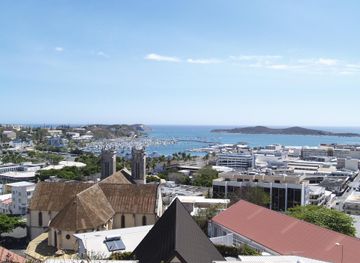
Discover New Caledonia, a captivating blend of French elegance and Pacific beauty, offering pristine beaches, vibrant culture, and unparalleled natural wonders.
Explore New Caledonia