

Free Loyalty Islands Province Travel Guide & Mobile App
Explore Loyalty Islands Province with free travel guides. Discover regional history, expert tips, proposed trips, and audio guides on web or mobile app.


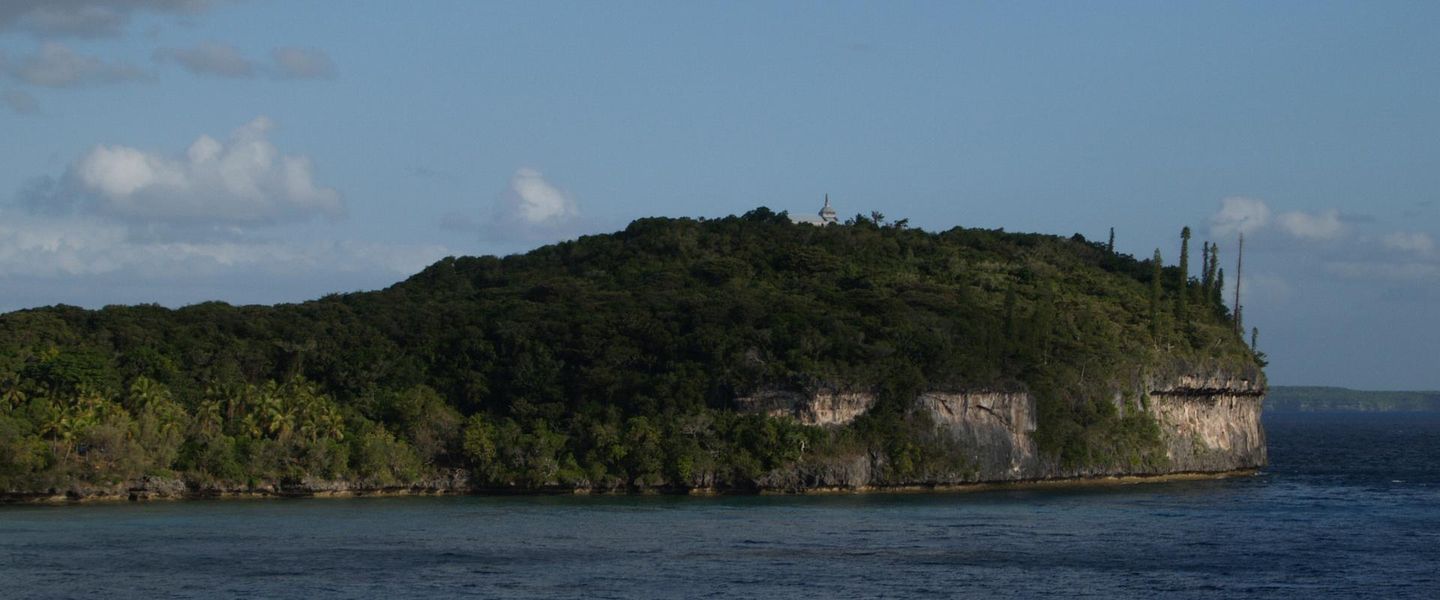


Explore Loyalty Islands Province for Kanak culture, coral beaches, limestone cliffs, lagoon waters and quiet island landscapes across Lifou, Maré and Ouvéa.
Read more about Loyalty Islands Province
When is the best time to visit Loyalty Islands Province?
Best: July–September · 23–25°C| Month | High (°C) | Rainfall (mm) |
|---|---|---|
| January | 29 | 200 |
| February | 29 | 190 |
| March | 29 | 180 |
| April | 28 | 170 |
| May | 26 | 160 |
| June | 24 | 150 |
| July (best) | 23 | 140 |
| August (best) | 24 | 140 |
| September (best) | 25 | 150 |
| October | 27 | 160 |
| November | 28 | 180 |
| December | 29 | 190 |
Getting to and around Loyalty Islands Province
How to get there
Transportation
Destinations in Loyalty Islands Province
Resorts, valleys and scenic spots worth a trip of their own.

Swipe for more destinations
Best attractions in Loyalty Islands Province
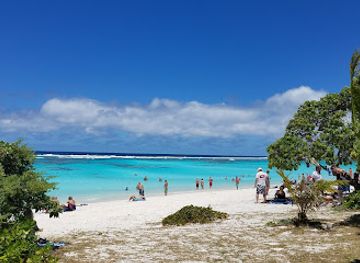
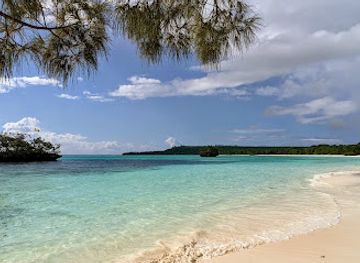
The Loyalty Islands’ attractions are primarily natural, cultural and community-based rather than built around large commercial complexes. Lifou offers coral beaches at Luengöni, dramatic coastal scenery around Jokin and Easo, forested interiors, caves, vanilla-growing areas and reefs suited to swimming, snorkelling and diving when conditions permit. Maré has a more rugged profile, with raised coral terrain, steep coastal formations, natural pools, forest paths and beaches such as Yejele, while local guides can interpret the island’s customary landscapes and oral traditions. Ouvéa is valued for its elongated lagoon, white beaches, clear shallow water and the contrast between ocean-facing shorelines and lagoon-side communities; the Lekiny area is particularly associated with limestone scenery. Tiga is smaller and less serviced, appealing to travellers seeking a quieter, locally arranged visit rather than a full programme of facilities. Churches, village life, local produce and community-run cultural experiences are important throughout the province. Outdoor activities require respect for tides, reef conditions, private or customary land and the limited rescue infrastructure found away from population centres.
-
Beach
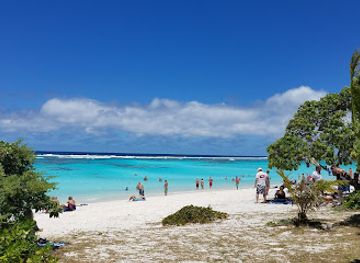
Yejele Beach
Experience the idyllic beauty of Yejele Beach in New Caledonia, where soft sands meet crystal-clear waters in a tropical paradise.
-
Tourist attraction
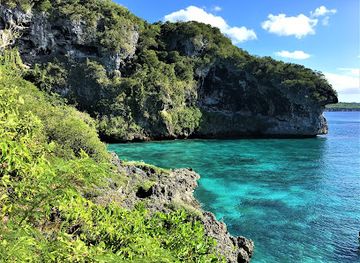
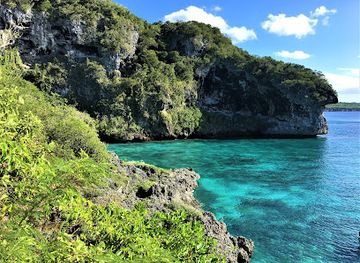
Jokin Cliffs
Explore the breathtaking Jokin Cliffs, where adventure meets stunning natural beauty in New Caledonia's picturesque landscape.
-
Scenic spot
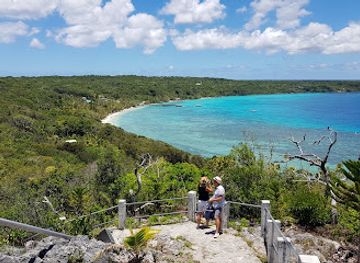
Jinek Bay
Explore Jinek Bay, a scenic paradise in New Caledonia, renowned for its stunning coral reefs and breathtaking natural beauty.
-
Tourist attraction
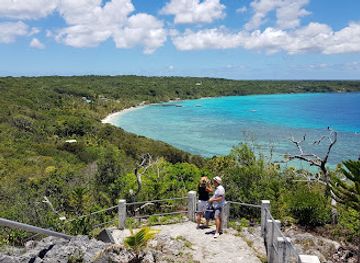
Plage de Luengoni
Experience the breathtaking beauty of Plage de Luengoni, a serene paradise in New Caledonia's stunning coastal landscape, perfect for relaxation and adventure.
Best landmarks in Loyalty Islands Province
The Loyalty Islands’ landmarks are closely tied to coral geology, churches, customary history and the sea. On Lifou, the Notre-Dame de Lourdes chapel near Easo is associated with a prominent coastal setting, while the Jokin cliffs express the island’s raised-limestone structure and overlook waters shaped by reef and ocean. Maré’s Saut du Guerrier is a well-known natural formation whose cliffs and coastal setting are connected with local tradition, and the island’s rocky headlands and natural pools give its landscape a distinctive physical identity. Ouvéa is marked by its long, narrow form, lagoon and limestone cliffs, particularly around the Lekiny area, where land and water create one of the province’s most recognisable scenes. Churches at island settlements also serve as visible reminders of nineteenth-century missionary history and continuing religious life. Places associated with the 1988 Ouvéa crisis carry historical and emotional weight rather than functioning simply as sightseeing stops; visits should be quiet, informed and respectful.
-
Beach
Yejele Beach
Discover the breathtaking beauty of Yejele Beach, a pristine paradise in New Caledonia, perfect for relaxation and adventure amidst stunning landscapes.
-
Tourist attraction
Jokin Cliffs
Experience the breathtaking beauty of Jokin Cliffs in New Caledonia, where stunning ocean views meet vibrant natural landscapes.
-
Scenic spot
Jinek Bay
Explore Jinek Bay in New Caledonia for an unforgettable blend of stunning coral reefs, clear waters, and serene natural beauty.
-
Tourist attraction
Plage de Luengoni
Experience the tranquility and beauty of Plage de Luengoni, a hidden gem in New Caledonia, perfect for relaxation and adventure.
Explore Loyalty Islands Province on the map
Plan your trip on one map. See where the top cities, national parks and sights are, and book hotels and experiences in a few clicks.
Best hotels in Loyalty Islands Province
Best restaurants in Loyalty Islands Province
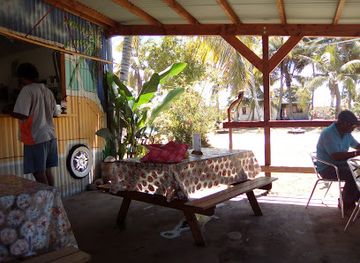
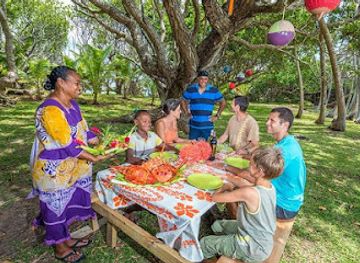
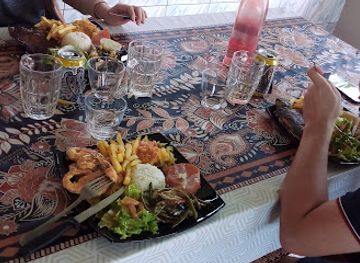
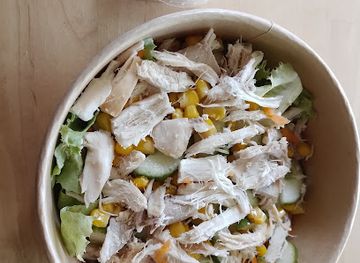
Dining in Loyalty Islands Province is closely linked to accommodation providers, family kitchens, small local eateries and pre-arranged community meals rather than a large restaurant industry. Seafood, fish, shellfish, coconut, tropical fruit, root vegetables and locally grown produce feature prominently, while island gardens and coastal livelihoods give meals a strong connection to place. Lifou’s vanilla is an important local product and may appear in desserts, drinks or produce sold to visitors. Maré is noted for agricultural and marine produce, and Ouvéa’s cuisine reflects its lagoon and atoll environment. French culinary influences are present, but visitors should not expect the same range of bakeries, supermarkets and late-opening restaurants available in Nouméa. Reserve meals when staying in a remote area, carry provisions for travel between settlements and ask hosts about local specialities. Farmers, fishers and small producers are often best encountered through accommodation, markets or community contacts rather than formal food tours.
-
Restaurant
La Kaz A Jo
Discover authentic New Caledonian cuisine at La Kaz A Jo – where every dish tells a story amidst breathtaking island views.
-
Restaurant
Le TAMANOU BEACH
Experience tranquility at Le TAMANOU BEACH: where soft sands meet azure waters in New Caledonia's natural beauty.
-
Restaurant
SNACK LE PARY
Discover authentic local flavors at Snack Le Pary, where New Caledonian cuisine meets warm hospitality in the heart of Mu.
-
Restaurant
Snack Kolopi
Discover authentic New Caledonian flavors at Snack Kolopi – where every dish tells a story of local tradition and culinary excellence.
Best bars in Loyalty Islands Province
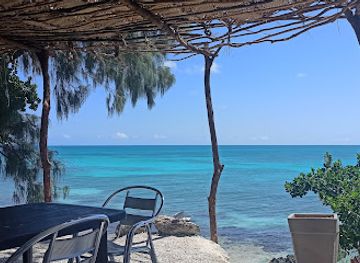
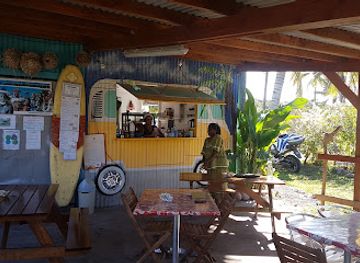
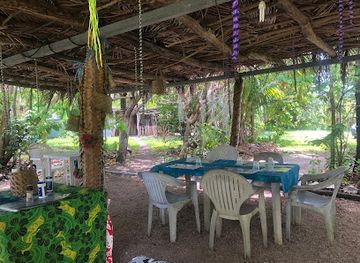
Nightlife in the Loyalty Islands is quiet and locally focused. In most places, the evening scene centres on accommodation dining rooms, small cafés, community gatherings and occasional informal music rather than nightclubs or a concentrated bar district. Wé on Lifou, Tadine on Maré and Fayaoué on Ouvéa have the greatest concentration of services, but opening arrangements and late-night transport remain limited. Visitors may encounter locally produced drinks and French or Pacific influences in restaurant settings, although alcohol should not be treated as the main way to experience island culture. Evenings are often better suited to an early meal, conversation, stargazing or a pre-arranged cultural event. Confirm plans with hosts, avoid walking unfamiliar roads after dark and remember that many communities value quiet residential surroundings.
-
Restaurant
Snack O'Kafika
Experience the best of New Caledonian cuisine at Snack O'Kafika in Ouvéa, where every meal tells a story of the island's rich culinary heritage.
-
Restaurant
La Kaz A Jo
Experience the flavors of New Caledonia at La Kaz A Jo, a delightful restaurant offering authentic cuisine in a welcoming atmosphere.
-
Restaurant
Soleil Levant
Discover the culinary delights of Soleil Levant, a premier restaurant in Ouvéa, New Caledonia, offering exquisite flavors and stunning views.
-
Restaurant
Fassy
Experience the rich culinary heritage of New Caledonia at Fassy, a must-visit restaurant in beautiful Ouvéa, known for its fresh local ingredients and warm hospitality.
Best nightclubs in Loyalty Islands Province
Nightlife in the Loyalty Islands is quiet and locally focused. In most places, the evening scene centres on accommodation dining rooms, small cafés, community gatherings and occasional informal music rather than nightclubs or a concentrated bar district. Wé on Lifou, Tadine on Maré and Fayaoué on Ouvéa have the greatest concentration of services, but opening arrangements and late-night transport remain limited. Visitors may encounter locally produced drinks and French or Pacific influences in restaurant settings, although alcohol should not be treated as the main way to experience island culture. Evenings are often better suited to an early meal, conversation, stargazing or a pre-arranged cultural event. Confirm plans with hosts, avoid walking unfamiliar roads after dark and remember that many communities value quiet residential surroundings.
-
 Bar
BarKavatorium de la plage
Discover the serene charm of Kavatorium de la plage, a perfect bar for relaxation and enjoying stunning coastal views in New Caledonia.
Best shops in Loyalty Islands Province
Shopping in Loyalty Islands Province is small-scale and practical, with buying opportunities concentrated around island settlements, accommodation providers, local stalls and occasional markets rather than large retail centres. Visitors may find vanilla and other local produce on Lifou, along with shell, woven or crafted items whose availability varies by community and season. Maré is a good place to look for locally grown food, seafood products and small-scale handicrafts, while Ouvéa offers island produce and souvenirs through local contacts rather than an extensive dedicated shopping district. Ask whether an item has been made locally and respect restrictions on removing shells, coral, plants or other natural material. French food products and everyday supplies are available in limited shops, but range and opening hours can be unpredictable, especially on smaller islands. Carry essential toiletries and specialist equipment from Nouméa, and support community sellers directly where possible.
-
Beach pavillion
Plage de Peng
Discover the serene beauty of Plage de Peng, a stunning beach pavilion in New Caledonia perfect for relaxation, adventure, and unforgettable memories.
-
Supermarket
Korail Alimentation
Discover local flavors and essentials at Korail Alimentation, the vibrant supermarket in Lifou, New Caledonia.
-
Gift shop
ONO Factory
Explore ONO Factory, Lifou's premier gift shop showcasing exquisite handicrafts and delightful honey, perfect for unique souvenirs.
-
Supermarket
Station Lifou Moderne
Discover local flavors and essentials at Station Lifou Moderne, your supermarket destination in New Caledonia's beautiful We.

Get your free copy of our complete guide to Loyalty Islands Province, delivered straight to you.
Everything on this page, from attractions and restaurants to essentials and local phrases, in one PDF you can read offline, print or share.
Already have an account? Sign in
Your Loyalty Islands Province guide is ready.
We'll send it to · Not you? Sign out

Getting your guide ready…
We are putting together a fresh copy of the Loyalty Islands Province guide. This can take up to a minute.
This can take a few moments. If your browser asks, choose Allow so the download can start. You'll find the guide in your Downloads folder.
Nothing happened? Download it again
Sorry, the guide is taking longer than usual. Please try again in a minute, or get it by email instead.
Loyalty Islands Province essentials
Currency and Payment
Safety
Emergency Situations
Do's and Don'ts
Local Tips
From Eve
Local phrases worth knowing
You don't need to get them perfect. A few words go a long way, and locals appreciate the effort.
Basics
| English | Local | Say it |
|---|---|---|
| Hello | Bula | [boo-lah] |
| Goodbye | Bula vinaka | [boo-lah vee-nah-kah] |
| Yes | E | [eh] |
| No | Ayo | [ah-yo] |
| Please/You’re welcome | S'il vous plaît | [seel voo pleh] |
| Thank you | Merci | [mehr-see] |
| Excuse me/Sorry | Pardon | [par-don] |
| How are you? | Comment ça va? | [koh-mohn sah vah] |
| Fine. And you? | Bien. Et vous? | [byehn eh voo] |
| Do you speak English? | Parlez-vous anglais? | [par-lay voo ahn-glay] |
| I don't understand | Je ne comprends pas | [zhuh nuh kom-prahn pah] |
Eating & Drinking
| English | Local | Say it |
|---|---|---|
| I’d like to see the menu, please | Je voudrais voir le menu, s'il vous plaît | [zhuh voo-dray vwar luh meh-nu seel voo pleh] |
| I don’t eat meat | Je ne mange pas de viande | [zhuh nuh mahnj pah duh vyahnd] |
| Cheers! | Santé! | [sahn-tay] |
| I would like to pay, please | Je voudrais payer, s'il vous plaît | [zhuh voo-dray pay-yay seel voo pleh] |
Emergencies
| English | Local | Say it |
|---|---|---|
| Help! | Au secours! | [oh suh-koor] |
| Go away! | Allez-vous en! | [ah-lay voo zahn] |
| Call the Police! | Appelez la police! | [ah-peh-lay lah poh-lees] |
| Call a doctor! | Appelez un médecin! | [ah-peh-lay uh meh-deh-sin] |
| I’m lost | Je suis perdu | [zhuh swee pair-due] |
| I’m ill | Je suis malade | [zhuh swee mah-lahd] |
Shopping
| English | Local | Say it |
|---|---|---|
| I’d like to buy... | Je voudrais acheter... | [zhuh voo-dray ah-she-tay] |
| I’m just looking | Je regarde juste | [zhuh ruh-gard zhuhst] |
| How much is it? | Combien ça coûte? | [kohm-byen sah koot] |
| That’s too expensive | C'est trop cher | [seh troh share] |
| Can you lower the price? | Pouvez-vous baisser le prix? | [poo-vay voo beh-say luh pree] |
Time & Numbers
| English | Local | Say it |
|---|---|---|
| What time is it? | Quelle heure est-il? | [kel uhr eh-teel] |
| It’s one o’clock | Il est une heure | [eel eh ewn uhr] |
| Half past (10) | Dix heures et demie | [dees uhr eh duh-mee] |
| Morning | Matin | [mah-tahn] |
| Afternoon | Après-midi | [ah-preh mee-dee] |
| Evening | Soir | [swahr] |
| Yesterday | Hier | [ee-ehr] |
| Today | Aujourd'hui | [oh-zhoor dwee] |
| Tomorrow | Demain | [duh-mahn] |
| 1 | Un | [uhn] |
| 2 | Deux | [duh] |
| 3 | Trois | [trwah] |
| 4 | Quatre | [katr] |
| 5 | Cinq | [sank] |
| 6 | Six | [sees] |
| 7 | Sept | [set] |
| 8 | Huit | [weet] |
| 9 | Neuf | [nurf] |
| 10 | Dix | [dees] |
Transport & Directions
| English | Local | Say it |
|---|---|---|
| Where's a/the...? | Où est un/une...? | [oo eh uhn/oon] |
| What's the address? | Quelle est l'adresse? | [kel eh la-dress] |
| Can you show me (on the map)? | Pouvez-vous me montrer (sur la carte)? | [poo-vay voo muh mohn-tray (sur lah kart)] |
| When's the next (bus)? | Quand est le prochain (bus)? | [kahn eh luh proh-shen (boos)] |
| A ticket (to ....) | Un billet (pour ....) | [uhn bee-yay (poor ....)] |
History of Loyalty Islands Province
Lapita Settlement and Austronesian Voyaging
The Loyalty Islands were reached by seafaring peoples during the wider settlement of the southwest Pacific. Archaeological evidence connects the islands with the Lapita cultural horizon, whose communities moved through the region bringing sophisticated navigation, farming, fishing and pottery traditions. Later settlement developed into the distinct Kanak societies of the islands, with languages, genealogies, customary territories and exchange networks that varied between Lifou, Maré, Ouvéa and neighbouring islands. The maritime setting was not a barrier to connection: canoes and inter-island relationships linked communities across the Loyalty Islands and with other parts of the Pacific.
Kanak Customary Societies Before European Rule
Before formal French control, the islands were organised through clans, chiefly systems, customary obligations and relationships to land, reefs and ancestral places. Lifou, Maré and Ouvéa each developed their own political and cultural structures, while oral traditions preserved histories of migration, alliance and conflict. Land was understood through genealogy and customary belonging rather than solely through individual ownership. These systems continue to shape local authority and access today, making customary protocols essential to understanding why some locations require permission or a local introduction.
Missionaries and Religious Transformation in the Nineteenth Century
Christian missionaries arrived in the Loyalty Islands during the nineteenth century, competing for influence as Protestant and Catholic missions established stations and converted communities. The process brought churches, schools and new links with international networks, but it also disrupted existing authority and religious practices. Denominational identity remains visible in island architecture, village life and the prominence of churches at places such as Lifou, Maré and Ouvéa. Christianity is therefore part of a layered history in which imported institutions were adapted within existing Kanak societies.
French Annexation and Colonial Administration, 1860s Onwards
France formally extended colonial control over the Loyalty Islands in the nineteenth century, incorporating them into New Caledonia after earlier missionary and commercial contact. Colonial administration introduced new legal categories, labour practices and restrictions while reshaping relationships between customary leaders and state institutions. The islands remained geographically remote from Nouméa and developed differently from the mining districts of Grande Terre, with village life, subsistence activities, gardening, fishing and small-scale production continuing to dominate. The legacy of this period is evident in land questions, language use, church networks and the coexistence of French administration with customary authority.
The Kanak Independence Movement and Political Change
During the twentieth century, Kanak political movements challenged colonial inequalities and demanded greater recognition, land rights and self-determination. The Loyalty Islands became important centres of Kanak political life, and island communities participated in the wider debates that shaped New Caledonia’s contemporary institutions. The Matignon Accords of 1988 and the Nouméa Accord of 1998 established a framework for power-sharing, economic rebalancing and a gradual transfer of powers. New Caledonia remains French, but its political arrangements recognise a distinct Kanak identity and provide for shared governance.
The Ouvéa Hostage Crisis of 1988
Ouvéa was the setting for one of the most painful episodes in New Caledonia’s modern history. In April 1988, Kanak separatists seized gendarmes and held hostages in a cave near Gossanah. The military operation that ended the crisis in May resulted in the deaths of nineteen Kanak militants and two members of the security forces. The event intensified national debate and contributed to the political negotiations that led to the Matignon Accords. Memorials and commemorative places on Ouvéa should be visited quietly and with respect for local memory.
Contemporary Island Development and Cultural Continuity
Since the late twentieth century, the Loyalty Islands have balanced improved air links, tourism, education and public services with the protection of customary life and fragile island environments. Tourism has generally developed on a smaller scale than in some South Pacific resort destinations, with family accommodation, locally guided excursions and community-based initiatives playing an important role. Vanilla, fishing, agriculture and local crafts remain part of the economic picture, while French and Kanak languages coexist in daily life. The province’s present character reflects both modern connectivity and strong continuity with island identities.
Loyalty Islands Province in Photos
Browse through our photo collection highlighting the charm and character of the destination.
Neighbouring regions of Loyalty Islands Province
The closest regions to Loyalty Islands Province, if you have time for more than one.
-

-

-

-

-


Swipe for more regions
Explore more
Explore more of New Caledonia
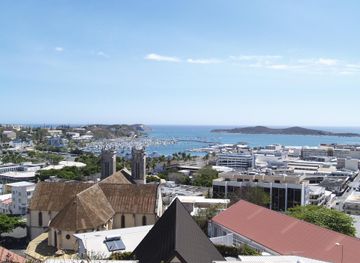
Discover New Caledonia, a captivating blend of French elegance and Pacific beauty, offering pristine beaches, vibrant culture, and unparalleled natural wonders.
Explore New Caledonia