

Free Ouvéa Travel Guide & Mobile App
Explore Ouvéa with free travel guides. Discover regional history, expert tips, proposed trips, and audio guides on web or mobile app.


Ouvéa offers New Caledonia’s Loyalty Islands landscapes through coral beaches, lagoon excursions, Kanak culture and unhurried island travel.
Read more about Ouvéa
When is the best time to visit Ouvéa?
Best: September–November · 25–28°C| Month | High (°C) | Rainfall (mm) |
|---|---|---|
| January | 30 | 200 |
| February | 31 | 190 |
| March | 30 | 180 |
| April | 28 | 170 |
| May | 26 | 160 |
| June | 24 | 150 |
| July | 23 | 140 |
| August | 24 | 130 |
| September (best) | 25 | 120 |
| October (best) | 27 | 110 |
| November (best) | 28 | 100 |
| December | 30 | 90 |
Getting to and around Ouvéa
How to get there
Transportation
Destinations in Ouvéa
Resorts, valleys and scenic spots worth a trip of their own.

Swipe for more destinations
Best attractions in Ouvéa
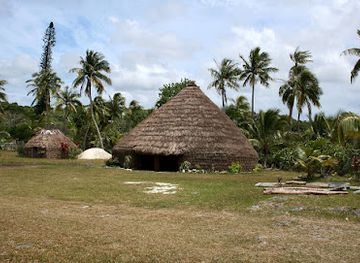
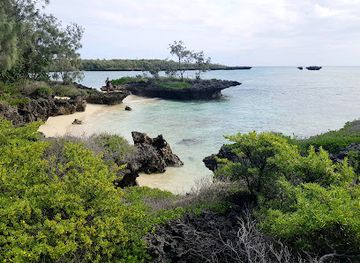
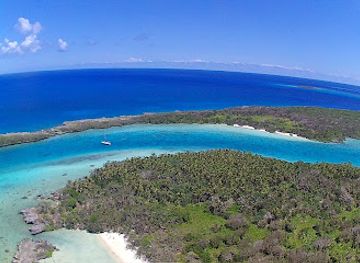
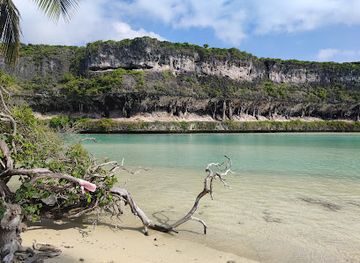
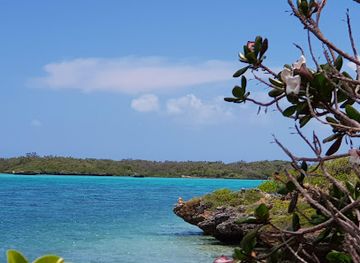
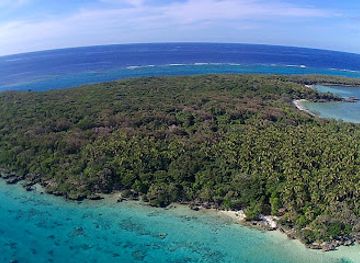
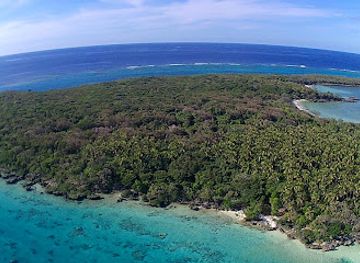
Ouvéa’s attractions are primarily environmental and cultural rather than built for mass tourism. Long coral-sand beaches and the lagoon provide settings for swimming, snorkelling, boat trips and quiet coastal walks, subject to local guidance and changing sea conditions. The raised limestone scenery around the Lekiny area offers a different experience from the flat coconut landscapes farther north, while the waters around the island support marine life associated with the wider New Caledonian Lagoons World Heritage property. The Mouli area is valued for lagoon views and access to southern coastal scenery, and Anawa is known for its striking blue water and limestone surroundings. Community-led outings can introduce visitors to fishing, local produce, island history or customary culture more meaningfully than independent sightseeing alone. The island’s churches, village roads and coconut groves also form part of its everyday interest, revealing how religious, agricultural and family life remain interwoven. Nature lovers should choose operators and activities that respect reef habitats, avoid collecting coral or shells and recognise that some apparently open areas may have customary restrictions.
-
Beach pavillion
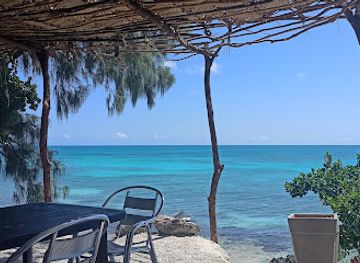
Plage de Peng
Experience the tranquility and natural beauty of Plage de Peng, a stunning beach pavilion in Hapetra, New Caledonia.
-
Tourist attraction
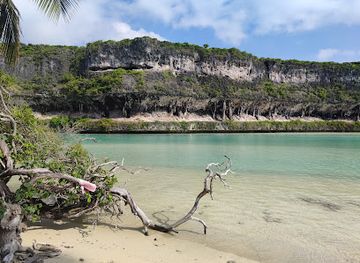
Falaise de Lékiny
Discover the breathtaking cliffs and serene beaches of Falaise de Lékiny, a stunning natural attraction in New Caledonia's Ouvéa.
-
Boat tour agency
Pleiades du nord
Explore Ouvéa's stunning waters with Pleiades du nord, your gateway to unforgettable boat tours and breathtaking marine adventures in New Caledonia.
-
Island
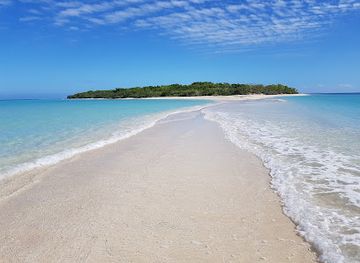
Tiam Bouene Island
Discover the pristine beauty and vibrant marine life of Tiam Bouene Island, a hidden paradise in New Caledonia.
Best landmarks in Ouvéa
The Mouli Bridge is one of Ouvéa’s most recognisable modern landmarks, crossing a narrow marine passage and framing views towards the lagoon and southern island landscapes. The Lekiny cliffs provide the island’s most distinctive natural architecture: pale raised coral limestone shaped by the sea and weather, with nearby waters and channels adding to the area’s visual importance. Anawa’s blue hole is another notable geological feature, where clear water contrasts with surrounding coral and vegetation. Fayaoué and its neighbouring settlements are significant in a different way, as centres of administration, church life and contemporary island history. Gossanah is associated with the cave and events of the 1988 hostage crisis; its importance is historical and deeply sensitive, requiring respectful behaviour and, where appropriate, local guidance. Ouvéa’s broad beaches, lagoon edge and coconut-lined coastal roads are not single monuments, but together they form the landscape that most clearly defines the island.
-
 Hotel
HotelHôtel Paradis d'Ouvéa, Nouvelle Calédonie
Discover the serene beauty of Hôtel Paradis d'Ouvéa, a tropical haven in New Caledonia, where relaxation meets adventure amidst stunning landscapes.
-
Island
Ouvéa Island
Experience the unspoiled beauty of Ouvéa Island in New Caledonia, where pristine beaches and vibrant culture await every traveler.
-
Guest house
Chez Dydyce Guesthouse
Discover the charm of Ouvéa at Chez Dydyce Guesthouse, where local culture meets serene relaxation in New Caledonia's paradise.
-
Tourist attraction
Falaise de Lékiny
Explore the breathtaking cliffs of Falaise de Lékini, a natural wonder in New Caledonia offering stunning views and rich cultural experiences.
Explore Ouvéa on the map
Plan your trip on one map. See where the top cities, national parks and sights are, and book hotels and experiences in a few clicks.
Best hotels in Ouvéa
Best restaurants in Ouvéa
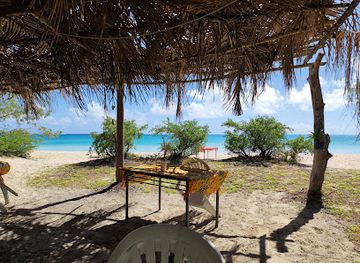
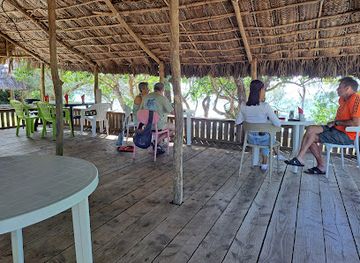
Dining on Ouvéa is small-scale and closely connected to accommodation, family life and local supply rather than a broad restaurant industry. Guesthouses and tribal lodges may provide advance-booked meals featuring freshly caught fish, coconut, root vegetables, seasonal fruit and other island produce. The culinary setting reflects both Kanak traditions and wider Pacific influences, with simple preparations designed around what is available locally. Coconut groves recall the island’s copra economy, while fishing remains important to food culture and household livelihoods. Visitors should arrange dinner ahead of time, especially when staying away from Fayaoué and Wadrilla, and should not expect a choice of cafés open throughout the day. Picnic supplies and drinking water are useful for excursions, but food brought to beaches should be packed out carefully. A shared meal at a locally run lodge can offer a more accurate understanding of Ouvéa’s food culture than searching for formal fine dining.
-
Restaurant
Snack O'Kafika
Discover delicious local cuisine at Snack O'Kafika in Ouvéa - where traditional flavors meet modern dining.
-
Restaurant
Soleil Levant
Experience exquisite local cuisine at Soleil Levant in Ouvéa - where every meal is a celebration of New Caledonia's rich culinary heritage.
-
Restaurant
Fassy
Discover Fassy: A delightful restaurant in Ouvéa serving exquisite local cuisine amidst stunning island views.
-
Restaurant
Restaurant Didéwa
Experience authentic New Caledonian cuisine at Restaurant Didéwa in Ouvéa – where every dish tells a story.
Best bars in Ouvéa
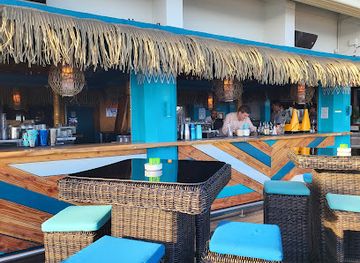
Ouvéa does not have a conventional nightclub district or a large late-night entertainment scene. Evening life is centred on guesthouse meals, family gatherings, community events and the modest social atmosphere of local establishments rather than purpose-built bars. Some accommodation providers may offer drinks with dinner, but opening arrangements and licensing vary, so visitors should not expect a reliable nightlife schedule. The island’s quiet nights are better suited to conversation, observing the stars and listening to the sea than to clubbing. Respect community routines by keeping noise down around villages and accommodation, and never assume that a beach or customary area is an appropriate setting for an impromptu party. Occasional cultural or community events may provide music and social activity, but these should be approached as local occasions rather than staged tourist entertainment.
-
Hotel
Hôtel Paradis d'Ouvéa, Nouvelle Calédonie
Experience the serene beauty and vibrant culture of Ouvéa at Hôtel Paradis d'Ouvéa, your ultimate tropical retreat in New Caledonia.
-
Bar
MV Lounge
Immerse yourself in the vibrant nightlife of Nouméa at MV Lounge, a trendy bar offering an array of cocktails and live entertainment.
-
Island
Ouvéa Island
Discover the untouched beauty of Ouvéa Island in New Caledonia, where white sandy beaches meet vibrant lagoons and rich cultural heritage.
-
Restaurant
Snack O'Kafika
Experience the vibrant flavors of New Caledonia at Snack O'Kafika, Ouvéa's beloved restaurant offering authentic local cuisine and a warm atmosphere.
Best nightclubs in Ouvéa
Ouvéa does not have a conventional nightclub district or a large late-night entertainment scene. Evening life is centred on guesthouse meals, family gatherings, community events and the modest social atmosphere of local establishments rather than purpose-built bars. Some accommodation providers may offer drinks with dinner, but opening arrangements and licensing vary, so visitors should not expect a reliable nightlife schedule. The island’s quiet nights are better suited to conversation, observing the stars and listening to the sea than to clubbing. Respect community routines by keeping noise down around villages and accommodation, and never assume that a beach or customary area is an appropriate setting for an impromptu party. Occasional cultural or community events may provide music and social activity, but these should be approached as local occasions rather than staged tourist entertainment.
-
Resort hotel
OURE TERA beach resort
Discover the ultimate tropical escape at OURE TERA Beach Resort, where luxury meets adventure in stunning New Caledonia.
-
Resort hotel
Koulnoué Village
Discover the serene beauty of Koulnoué Village, a luxurious resort hotel in New Caledonia offering stunning views, relaxation, and unforgettable experiences.
-
Hotel
Hôtel Paradis d'Ouvéa, Nouvelle Calédonie
Discover the serenity and beauty of Hôtel Paradis d'Ouvéa, a tropical haven in New Caledonia, perfect for relaxation and adventure.
-
Bar
MV Lounge
Discover the vibrant MV Lounge in Nouméa, a lively bar offering delicious drinks and stunning coastal views for an unforgettable nightlife experience.
Best shops in Ouvéa
Shopping on Ouvéa is limited and practical, with small local outlets and accommodation providers offering fewer goods than the markets and shops of Nouméa. Visitors may find locally produced food, vanilla, coconut-related products, preserves, woven items or small handicrafts, although availability depends on season and community production. Purchasing directly from a local maker or lodge can support island households, but ask before photographing crafts or production areas and do not bargain aggressively over handmade work. Basic supplies should be bought before travelling to remote parts of the island, since retail choice is narrow and delivery depends on transport connections. Ouvéa’s most meaningful souvenirs are usually modest: locally made crafts, regional food products or books and artwork that present Kanak culture respectfully. Avoid buying coral, shells or other natural material collected from the reef, as removal can damage the environment and may conflict with local rules.
-
City park
Place des Cocotiers
Experience the beauty of Place des Cocotiers, a vibrant city park in Nouméa, perfect for relaxation, culture, and stunning ocean views.
-
Hotel
Hôtel Paradis d'Ouvéa, Nouvelle Calédonie
Experience the serene beauty of Ouvéa at Hôtel Paradis d'Ouvéa, where comfort meets the stunning landscapes of Nouvelle Calédonie.
-
Tourist attraction
Kuendu Beach
Experience the tranquility and beauty of Kuendu Beach, a tropical paradise in Nouméa, perfect for relaxation and adventure under the sun.
-
Island
Ouvéa Island
Explore Ouvéa Island, New Caledonia: A hidden gem with pristine beaches, rich culture, and breathtaking natural beauty.

Get your free copy of our complete guide to Ouvéa, delivered straight to you.
Everything on this page, from attractions and restaurants to essentials and local phrases, in one PDF you can read offline, print or share.
Already have an account? Sign in
Your Ouvéa guide is ready.
We'll send it to · Not you? Sign out

Getting your guide ready…
We are putting together a fresh copy of the Ouvéa guide. This can take up to a minute.
This can take a few moments. If your browser asks, choose Allow so the download can start. You'll find the guide in your Downloads folder.
Nothing happened? Download it again
Sorry, the guide is taking longer than usual. Please try again in a minute, or get it by email instead.
Ouvéa essentials
Currency and Payment
Safety
Emergency Situations
Do's and Don'ts
Local Tips
From Eve
Local phrases worth knowing
You don't need to get them perfect. A few words go a long way, and locals appreciate the effort.
Basics
| English | Local | Say it |
|---|---|---|
| Hello | Niaouli | [nee-ah-oo-lee] |
| Goodbye | Aroha | [ah-roh-hah] |
| Yes | E | [eh] |
| No | Ayo | [ah-yoh] |
| Please/You're welcome | Tuanua | [too-ah-noo-ah] |
| Thank you | Mere | [meh-reh] |
| Excuse me/Sorry | Nokok | [noh-kok] |
| How are you? | Niaoua? | [nee-ah-oo-ah?] |
| Fine. And you? | Aroha. E na? | [ah-roh-hah. eh nah?] |
| Do you speak English? | Ninaiu ni e neneu English? | [nee-nah-ee-oo nee eh neh-neh-oo English?] |
| I don't understand | Ninaiu ni e keni | [nee-nah-ee-oo nee eh keh-nee] |
Eating & Drinking
| English | Local | Say it |
|---|---|---|
| I'd like to see the menu, please | Ninaiu e keni le menu, tuanua | [nee-nah-ee-oo eh keh-nee leh meh-noo, too-ah-noo-ah] |
| I don't eat meat | Ninaiu ni e keni nô | [nee-nah-ee-oo nee eh keh-nee noh] |
| Cheers! | Tōna! | [toh-nah!] |
| I would like to pay, please | Ninaiu e keni le paie, tuanua | [nee-nah-ee-oo eh keh-nee leh pah-ee, too-ah-noo-ah] |
Emergencies
| English | Local | Say it |
|---|---|---|
| Help! | Aide! | [eh-deh!] |
| Go away! | Tôna aoro! | [toh-nah ah-oh-roh!] |
| Call the Police! | Ninaiu e keni le Police! | [nee-nah-ee-oo eh keh-nee leh poh-lees!] |
| Call a doctor! | Ninaiu e keni le médecin! | [nee-nah-ee-oo eh keh-nee leh meh-deh-seen!] |
| I'm lost | Ninaiu e keni aoro | [nee-nah-ee-oo eh keh-nee ah-oh-roh] |
| I'm ill | Ninaiu e keni e kô | [nee-nah-ee-oo eh keh-nee eh koh] |
Shopping
| English | Local | Say it |
|---|---|---|
| I'd like to buy... | Ninaiu e keni tî... | [nee-nah-ee-oo eh keh-nee tee...] |
| I'm just looking | Ninaiu e keni le tî | [nee-nah-ee-oo eh keh-nee leh tee] |
| How much is it? | Nîna aoro? | [nee-nah ah-oh-roh?] |
| That's too expensive | Nîna e keni tîa | [nee-nah eh keh-nee tee-ah] |
| Can you lower the price? | Ninaiu ni e keni e tîa te? | [nee-nah-ee-oo nee eh keh-nee eh tee-ah teh?] |
Time & Numbers
| English | Local | Say it |
|---|---|---|
| What time is it? | Nîna aoro a ki? | [nee-nah ah-oh-roh ah kee?] |
| It's one o'clock | E ki a o’kolo | [eh kee ah oh-koh-loh] |
| Half past (10) | Aroha e keni pî | [ah-roh-hah eh keh-nee pee] |
| Morning | Mîna | [mee-nah] |
| Afternoon | Kîna | [kee-nah] |
| Evening | Mîna tîna | [mee-nah tee-nah] |
| Yesterday | Mîna tîna | [mee-nah tee-nah] |
| Today | Mîna ko | [mee-nah koh] |
| Tomorrow | Mîna tîna | [mee-nah tee-nah] |
| 1 | Tî | [tee] |
| 2 | Nê | [neh] |
| 3 | Tô | [toh] |
| 4 | Nê | [neh] |
| 5 | Nî | [nee] |
| 6 | Nê | [neh] |
| 7 | Tô | [toh] |
| 8 | Nê | [neh] |
| 9 | Tô | [toh] |
| 10 | Nê | [neh] |
Transport & Directions
| English | Local | Say it |
|---|---|---|
| Where's a/the...? | Nîna e keni a ...? | [nee-nah eh keh-nee ah ...?] |
| What's the address? | Nîna aoro e keni le adresse? | [nee-nah ah-oh-roh eh keh-nee leh ah-dress?] |
| Can you show me (on the map)? | Ninaiu ni e keni e tî a (le plan)? | [nee-nah-ee-oo nee eh keh-nee eh tee ah (leh plahn)?] |
| When's the next (bus)? | Nîna aoro e keni le (bus) na? | [nee-nah ah-oh-roh eh keh-nee leh (boos) nah?] |
| A ticket (to ....) | Ninaiu e keni le billet (a ...) | [nee-nah-ee-oo eh keh-nee leh bee-yet (ah ...)] |
History of Ouvéa
Lapita and Early Island Settlement
The Loyalty Islands were settled by seafaring peoples during the wider Lapita expansion across the western Pacific, more than two millennia ago. Archaeological evidence from New Caledonia shows long-established exchange networks, horticulture, fishing and movement between islands. Ouvéa’s later cultural landscape also reflects Polynesian connections, especially through ancestry and language, alongside the island’s Kanak foundations. Although relatively little of the early archaeological record is visible to casual visitors, the settlement history explains why Ouvéa belongs to a wider network of Pacific societies rather than being an isolated coral island.
Kanak Customary Society
Over many centuries, Ouvéa developed through clan relationships, customary authority, agriculture, fishing and exchange. Social organisation was connected to particular lands, reefs, springs and ancestral histories, with oral traditions preserving relationships between communities and places. The island’s customary areas remain important today, and their authority operates alongside New Caledonia’s modern institutions. Visitors encounter this continuity in community ceremonies, local protocols, family-run accommodation and the need to seek permission in places whose significance is not immediately apparent.
European Contact and Missionary Change
European navigators reached the Loyalty Islands during the eighteenth century, followed by traders, whalers, beachcombers and missionaries. During the nineteenth century, Protestant and Catholic missions became influential on the islands, reshaping education, religious practice and settlement patterns while interacting with existing customary structures. Churches and Christian traditions remain visible in Ouvéa, but the island’s identity cannot be reduced to missionary history: Kanak and Polynesian cultural connections continued to shape language, family life and local authority.
French Annexation and Colonial Administration
France annexed New Caledonia in 1853, and French colonial administration subsequently extended over the Loyalty Islands. The colonial period brought new legal frameworks, mission influence and economic pressures, while Kanak communities experienced restrictions and the erosion of customary autonomy. In the twentieth century, copra production, fishing and small-scale agriculture became important parts of island life. The consequences of colonial rule remain relevant to contemporary discussions of land, identity, political status and the relationship between customary institutions and the New Caledonian state.
The Rise and Decline of Copra Production
Coconut cultivation and copra, the dried kernel used to produce coconut oil, became a significant island industry during the colonial and post-war periods. Ouvéa’s coconut groves still form a major part of its scenery, but copra production no longer defines the economy as it once did. Changing prices, transport costs and limited scale contributed to its decline, while fishing, public services, family enterprises and carefully managed tourism assumed greater importance. The remaining groves are therefore both working landscapes and reminders of an earlier export economy.
The 1988 Ouvéa Hostage Crisis
In April and May 1988, a group of Kanak independence activists took police officers hostage at a gendarmerie in Fayaoué and later moved some captives to a cave near Gossanah. The French military assault on 5 May resulted in the deaths of nineteen activists and two members of the security forces. The crisis occurred during a period of severe political tension between supporters of independence and those favouring continued association with France. It remains a painful subject, but it is also essential to understanding the Matignon agreements and the subsequent political history of New Caledonia.
Contemporary Ouvéa
Modern Ouvéa combines customary governance and community life with the institutions of New Caledonia, a French sui generis collectivity. The island has developed a small-scale tourism economy based on its lagoon, beaches, cultural setting and locally run accommodation rather than mass resort development. Environmental protection is increasingly important because coral reefs, seagrass areas, fisheries and freshwater resources are vulnerable to climate change and visitor pressure. Contemporary travel on Ouvéa is consequently shaped by both ecological limits and the community’s wish to control how its history and culture are presented.
Ouvéa in Photos
Browse through our photo collection highlighting the charm and character of the destination.
Neighbouring regions of Ouvéa
The closest regions to Ouvéa, if you have time for more than one.
-

-

-

-

-


Swipe for more regions
Explore more
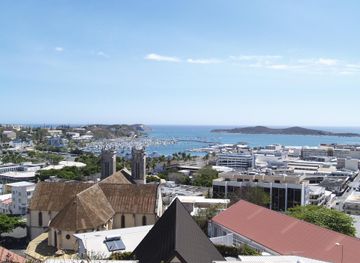
Explore more of New Caledonia
Discover New Caledonia, a captivating blend of French elegance and Pacific beauty, offering pristine beaches, vibrant culture, and unparalleled natural wonders.
Explore New Caledonia