
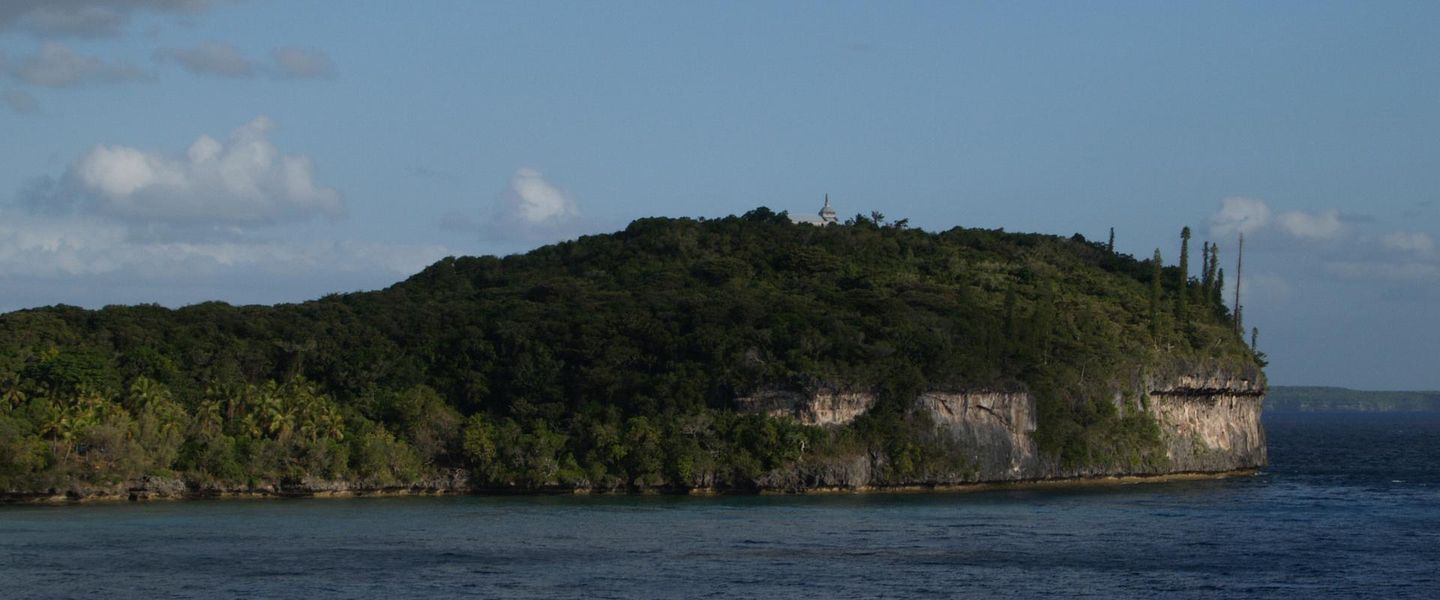
Lifou, New Caledonia Travel Guide
Discover Lifou, the heart of New Caledonia's Loyalty Islands, where pristine beaches, rich culture, and stunning natural landscapes await.
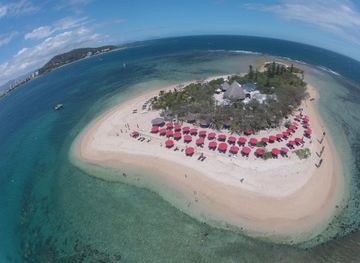
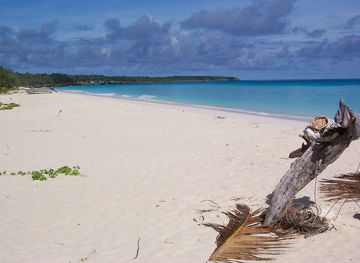
Lifou, the largest and most vibrant of the Loyalty Islands, offers an untouched paradise for travelers seeking both adventure and tranquility. This island boasts stunning beaches with powdery white sand and crystal-clear turquoise waters, perfect for swimming, snorkeling, and diving. The coral reefs teem with colorful marine life, making it a haven for underwater enthusiasts. Beyond its picturesque coastline, Lifou is rich in natural beauty with lush forests and dramatic cliffs. The island's interior is dotted with vanilla plantations and traditional Melanesian villages, where visitors can experience the warm hospitality of the local Kanak people and learn about their unique culture and traditions. Lifou also offers a range of outdoor activities, from hiking through dense forests to exploring hidden caves and scenic lookouts. The Jokin Cliffs provide breathtaking views of the ocean, and the Xodre Cliffs are a must-visit for their spectacular sunsets. For a more relaxed experience, visit the tranquil bays and secluded beaches like Luengoni Bay and Chateaubriand Bay, where you can unwind and soak up the sun.

Know before you go
Hi, I'm Eve. Here are a few practical things to know before exploring Lifou.
- Visit the local markets to buy fresh produce and handmade crafts.
- Rent a car or scooter to explore the island at your own pace.
- Don't miss the traditional dance performances often held in the villages.
- Bring reef-safe sunscreen to protect the delicate marine environment.
- Learn a few basic phrases in French or Drehu to communicate with locals.
Destinations in Lifou
Resorts, valleys and scenic spots worth a trip of their own.

Explore Lifou: Things to Do, Places to Eat, Hotels & More
Handpicked recommendations for top attractions, local dining, accommodations, and more

Top Attractions & Sightseeing in Lifou
Top-rated picks
Best Attractions

Jokin Cliffs
Explore the breathtaking Jokin Cliffs in New Caledonia, where stunning ocean views and rich biodiversity await every traveler.

The Natural Aquarium Lifou
Explore the vibrant underwater world at The Natural Aquarium Lifou, where stunning marine life and coral reefs await.

Jinek Bay
Experience the serene beauty of Jinek Bay in New Caledonia, where turquoise waters meet lush landscapes for unforgettable adventures.

Kiki Plage
Discover the beauty of Kiki Plage, a breathtaking beach in New Caledonia, perfect for relaxation, snorkeling, and savoring local cuisine.

Best landmarks in Lifou
Top-rated picks
Best Landmarks

Isle of Pines
Discover the enchanting Isle of Pines, a tropical paradise in New Caledonia boasting stunning beaches, rich culture, and breathtaking landscapes.

Yejele Beach
Discover the pristine beauty of Yejele Beach in New Caledonia, a serene tropical getaway perfect for relaxation and marine adventures.

Lifou Pier
Explore the stunning Lifou Pier in New Caledonia, a gateway to pristine beaches, vibrant culture, and breathtaking marine life in a tropical paradise.
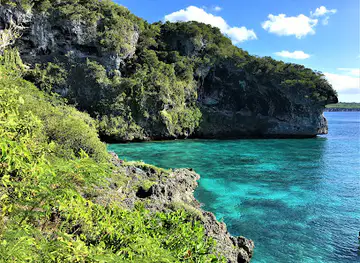
Jokin Cliffs
Experience the breathtaking beauty of the Jokin Cliffs in New Caledonia, a natural wonder offering stunning ocean views and unforgettable adventures.

Best restaurants in Lifou
Top-rated picks
Best Restaurants
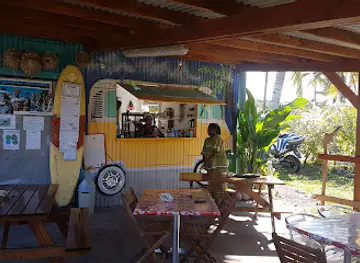
La Kaz A Jo
Discover authentic New Caledonian flavors at La Kaz A Jo - a charming restaurant offering delightful dishes in We.

Restaurant l'Occitan
Discover the culinary delights of Restaurant l'Occitan, where fresh seafood meets Southwest French cuisine in a family-friendly atmosphere.

Le TAMANOU BEACH
Experience exquisite local cuisine with breathtaking ocean views at Le TAMANOU BEACH in New Caledonia.

Gite Fenepaza
Experience authentic New Caledonian cuisine at Gite Fenepaza in Mucaweng – where flavor meets island hospitality.

Best bars in Lifou
Top-rated picks
Best Bars

Jokin Cliffs
Discover the breathtaking beauty of Jokin Cliffs, New Caledonia's hidden gem, with stunning views and rich biodiversity.

Plage de Peng
Experience the breathtaking beauty of Plage de Peng, a serene beach pavilion in Hapetra, New Caledonia, perfect for relaxation and adventure.
Oasis De Kiamu
Discover the serene beauty of Oasis De Kiamu in Jozip, New Caledonia - your perfect retreat for relaxation and adventure.

Hotel Drehu Village
Discover the serene beauty of New Caledonia at Hotel Drehu Village, where comfort meets cultural richness for a perfect getaway.

Best nightclubs in Lifou
Top-rated picks
Best Nightclubs

MV Lounge
Discover the vibrant nightlife at MV Lounge, Nouméa's premier bar with stunning views, delightful drinks, and a lively atmosphere.

Jokin Cliffs
Discover the stunning Jokin Cliffs in New Caledonia, where breathtaking views meet vibrant nature and unforgettable adventures await.
Oasis De Kiamu
Experience the tranquility of Oasis De Kiamu, a picturesque hotel in New Caledonia, perfect for relaxation and adventure amidst stunning natural beauty.

Jinek Bay
Experience the enchanting beauty of Jinek Bay, a serene paradise in New Caledonia perfect for nature lovers and adventurers alike.

Best shops in Lifou
Top-rated picks
Best Shops

Jokin Cliffs
Experience the breathtaking views and serene landscapes of Jokin Cliffs, a must-visit natural attraction in New Caledonia for every traveler.

Plage de Peng
Experience the tranquility of Plage de Peng in New Caledonia, a stunning beach pavilion perfect for relaxation and adventure amidst breathtaking scenery.
Oasis De Kiamu
Experience the perfect blend of tranquility and adventure at Oasis De Kiamu, your ideal hotel in New Caledonia.

Korail Alimentation
Discover the flavors of New Caledonia at Korail Alimentation, a vibrant supermarket in Wé offering local produce and international delights.

Explore Lifou on the Map
A handpicked selection of must-see spots in Lifou, mapped for you.
Lifou Essentials
-
Lifou is part of the Loyalty Islands in New Caledonia and is accessible by air and sea. The main airport on Lifou is Wanaham Airport (LIF), which receives flights from Nouméa's La Tontouta International Airport. There are also occasional direct flights from other parts of New Caledonia. Alternatively, you can reach Lifou by ferry from Nouméa. The ferry ride offers a scenic route but takes longer than flying.
-
Once on Lifou, transportation options include rental cars, scooters, and bicycles, which are ideal for exploring the island at your own pace. Taxis are available but less common, so it's advisable to arrange transportation in advance. Many accommodations offer shuttle services to and from the airport. There is no public bus system on Lifou, so renting a vehicle or using a shuttle service is recommended for getting around.
-
The official currency is the CFP Franc (XPF). Credit cards are accepted in most hotels, restaurants, and larger shops, but it's a good idea to carry cash for smaller establishments and markets. ATMs are available in the main village of Wé, but they can be scarce in more remote areas. It is advisable to withdraw sufficient cash upon arrival to ensure you have enough funds for your stay.
-
Lifou is generally a safe destination for tourists. However, standard travel precautions should be taken. Avoid walking alone at night in unfamiliar areas and keep an eye on your belongings in crowded places. There are no specific high-crime areas targeting tourists, but it's always best to stay vigilant and aware of your surroundings.
-
In case of an emergency, dial 17 for police assistance or 15 for medical emergencies. Lifou has a small hospital in Wé and several clinics around the island. It is recommended to have travel insurance that covers medical emergencies. For minor health issues, there are pharmacies in Wé where you can purchase over-the-counter medications.
-
Fashion: Do dress modestly, especially when visiting local villages. Avoid wearing revealing clothing. Religion: Do respect local customs and traditions. Always ask for permission before entering sacred sites or taking photos of religious ceremonies. Public Transport: There is no public bus system, so do arrange for private transport in advance. Greetings: Do greet locals with a friendly 'Bonjour' or 'Jòò'. A smile goes a long way. Eating & Drinking: Do try local dishes like bougna. Don't waste food, as it is considered disrespectful.
-
To experience Lifou like a local, visit the markets where you can buy fresh produce and traditional Kanak goods. Engage with locals; they are often friendly and willing to share stories about the island's history and culture. Don't miss visiting the vanilla plantations and the stunning Jokin Cliffs. For a unique experience, participate in a traditional feast or dance ceremony if the opportunity arises.
When is the best time to visit Lifou?
Useful Local Phrases for Lifou
You don't need to speak the language perfectly. Even learning a few simple words can make conversations warmer—and locals usually appreciate the effort.
— Eve

Here are the phrases I use most often in Lifou. Try a few—you'll be surprised how far they go! 😊
❤️
-
- HelloNaka
[Nah-kah] - GoodbyeNda
[N-dah] - YesOua
[Ooh-ah] - NoNda
[N-dah] - Please/You're welcomeMwa
[Mwah] - Thank youMalo
[Mah-lo] - Excuse me/SorryNda kâ
[N-dah kah] - How are you?Naka e kâ?
[Nah-kah eh kah] - Fine. And you?E kâ. E mwa?
[Eh kah. Eh mwa] - Do you speak English?E kâ fala anglé?
[Eh kah fah-lah ahn-glay] - I don't understandNda kâ e na
[N-dah kah eh nah]
- HelloNaka
-
- I'd like to see the menu, pleaseMwa e kâ a faat, mwa
[Mwah eh kah ah faht, mwah] - I don't eat meatNda kâ e na mî
[N-dah kah eh nah mee] - Cheers!Mâa
[Mah-ah] - I would like to pay, pleaseMwa e kâ a kâ, mwa
[Mwah eh kah ah kah, mwah]
- I'd like to see the menu, pleaseMwa e kâ a faat, mwa
-
- Help!Ahu!
[Ah-hoo] - Go away!Nda e ngâ!
[N-dah eh ngah] - Call the Police!Ahu e kâ a policé!
[Ah-hoo eh kah ah poh-lee-say] - Call a doctor!Ahu e kâ a daktari!
[Ah-hoo eh kah ah dahk-tah-ree] - I'm lostNda kâ e na mî
[N-dah kah eh nah mee] - I'm illNda kâ e na e kâ
[N-dah kah eh nah eh kah]
- Help!Ahu!
-
- I'd like to buy...Mwa e kâ a bô...
[Mwah eh kah ah boh] - I'm just lookingNda kâ e ngâ
[N-dah kah eh ngah] - How much is it?E kâ e na?
[Eh kah eh nah?] - That's too expensiveE kâ mî fâ
[Eh kah mee fah] - Can you lower the price?E kâ e na a fâ e ngâ?
[Eh kah eh nah ah fah eh ngah?]
- I'd like to buy...Mwa e kâ a bô...
-
- What time is it?E kâ e na a kâ?
[Eh kah eh nah ah kah?] - It's one o'clockE kâ e na a nô!
[Eh kah eh nah ah noh!] - Half past (10)E kâ e na a nô e ngâ
[Eh kah eh nah ah noh eh ngah] - MorningMâa
[Mah-ah] - AfternoonE kâ e na e kâ
[Eh kah eh nah eh kah] - EveningNda e kâ
[N-dah eh kah] - YesterdayNda e kâ i
[N-dah eh kah ee] - TodayNda e kâ a kâ
[N-dah eh kah ah kah] - TomorrowNda e kâ i a kâ
[N-dah eh kah ee ah kah] - 1Nô
[Noh] - 2Nâ
[Nah] - 3Tâ
[Tah] - 4Nê
[Neh] - 5Râ
[Rah] - 6Rô
[Roh] - 7Râa
[Rah-ah] - 8Rôa
[Roh-ah] - 9Nôa
[Noh-ah] - 10Nâa
[Nah-ah]
- What time is it?E kâ e na a kâ?
-
- Where's a/the...?Ou e kâ a...?
[Ooh eh kah ah...?] - What's the address?E kâ e na a adres?
[Eh kah eh nah ah ah-dress?] - Can you show me (on the map)?E kâ e ngâ a faat?
[Eh kah eh ngah ah faht?] - When's the next (bus)?E kâ e na a bus?
[Eh kah eh nah ah bus?] - A ticket (to ....)E kâ e na a tiké a...?
[Eh kah eh nah ah tee-kay ah...?]
- Where's a/the...?Ou e kâ a...?
History of Lifou
-
The earliest known inhabitants of Lifou, part of the Loyalty Islands, are the Kanak people. They are Melanesians who arrived thousands of years ago, bringing with them rich traditions and communal living practices that still influence the island today.
-
The first recorded European contact with Lifou occurred in the late 18th century when British explorer James Cook sailed through the region. This period marked the beginning of significant changes as European influences started to permeate the island.
-
In the mid-19th century, missionaries from the London Missionary Society arrived in Lifou. They played a pivotal role in shaping the religious landscape of the island, introducing Christianity and establishing schools, which led to a transformation in local customs and education.
-
In 1864, Lifou, along with the rest of New Caledonia, was formally annexed by France. This brought about administrative changes and the introduction of French laws and governance, significantly altering the political landscape of the island.
-
During World War II, New Caledonia, including Lifou, served as an important base for the Allied forces in the Pacific. The presence of Allied troops brought economic activity and infrastructural development, leaving a lasting impact on the island.
-
In recent decades, there has been a strong movement towards the revival of Kanak culture and traditions in Lifou. Efforts to promote the local language, traditional dances, and customs are evident, reflecting a renewed pride in indigenous heritage.
-
Tourism has become a significant part of Lifou's economy. The island's stunning natural beauty, combined with its rich cultural heritage, attracts visitors from around the world. Efforts are made to ensure that tourism development is sustainable and benefits the local community.
Neighbouring Regions of Lifou
The closest regions to Lifou, if you have time for more than one.


Your all‑in‑one travel companion app
Explore expert travel guides, compare and book tours, experiences, hotels, and more—all from the palm of your hand. Download now for seamless trip planning wherever your wanderlust takes you.


Explore More of New Caledonia
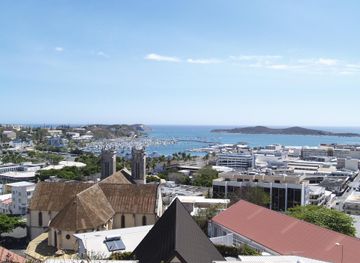
Looking beyond Lifou? Discover New Caledonia for broader travel guides, local hot-spots, and regional highlights.
Explore New CaledoniaLifou in Photos
Browse through our photo collection highlighting the charm and character of the destination.

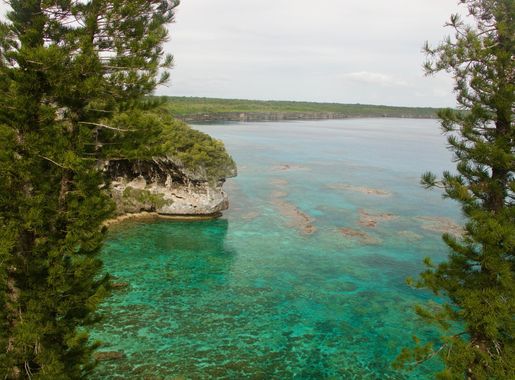




Lifou: The Gem of New Caledonia
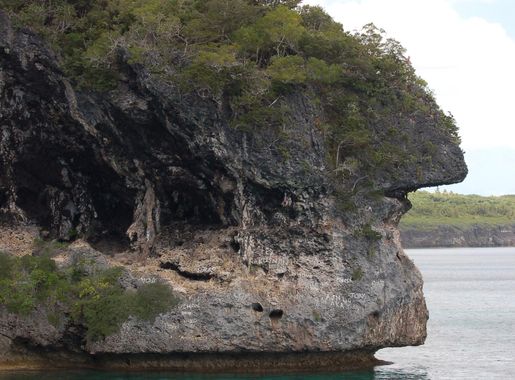
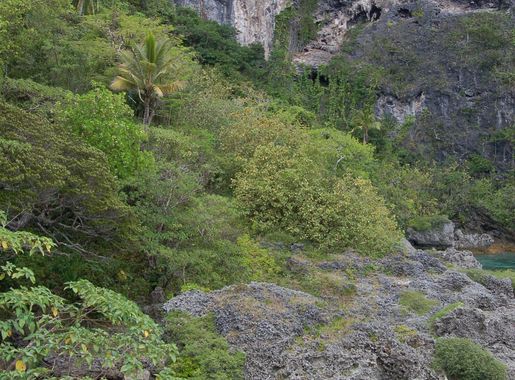
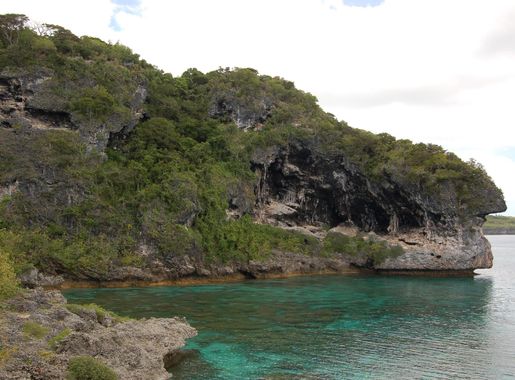
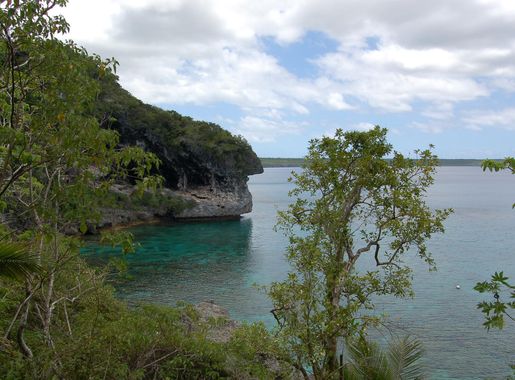
Lifou, the largest and most vibrant of the Loyalty Islands, offers an untouched paradise for travelers seeking both adventure and tranquility. This island boasts stunning beaches with powdery white sand and crystal-clear turquoise waters, perfect for swimming, snorkeling, and diving. The coral reefs teem with colorful marine life, making it a haven for underwater enthusiasts. Beyond its picturesque coastline, Lifou is rich in natural beauty with lush forests and dramatic cliffs. The island's interior is dotted with vanilla plantations and traditional Melanesian villages, where visitors can experience the warm hospitality of the local Kanak people and learn about their unique culture and traditions. Lifou also offers a range of outdoor activities, from hiking through dense forests to exploring hidden caves and scenic lookouts. The Jokin Cliffs provide breathtaking views of the ocean, and the Xodre Cliffs are a must-visit for their spectacular sunsets. For a more relaxed experience, visit the tranquil bays and secluded beaches like Luengoni Bay and Chateaubriand Bay, where you can unwind and soak up the sun.