

Free Maré Travel Guide & Mobile App
Explore Maré with free travel guides. Discover regional history, expert tips, proposed trips, and audio guides on web or mobile app.


Explore Maré in New Caledonia for coral cliffs, forested interiors, quiet beaches, Kanak culture and carefully guided island adventures.
Read more about Maré
When is the best time to visit Maré?
Best: June–August · 24–25°C| Month | High (°C) | Rainfall (mm) |
|---|---|---|
| January | 30 | 150 |
| February | 30 | 170 |
| March | 30 | 180 |
| April | 29 | 140 |
| May | 27 | 120 |
| June (best) | 25 | 110 |
| July (best) | 24 | 100 |
| August (best) | 25 | 100 |
| September | 26 | 110 |
| October | 27 | 120 |
| November | 29 | 130 |
| December | 30 | 140 |
Getting to and around Maré
How to get there
Transportation
Top city travel guides in Maré
The cities of Maré, and the easiest places to base yourself.

Swipe for more cities
Best attractions in Maré
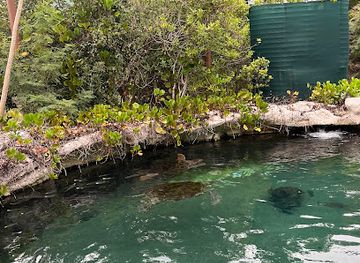
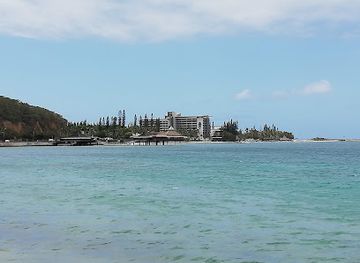
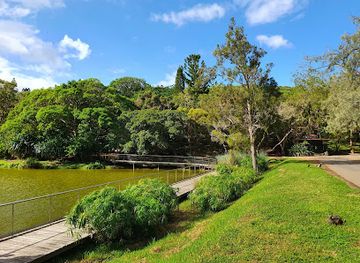
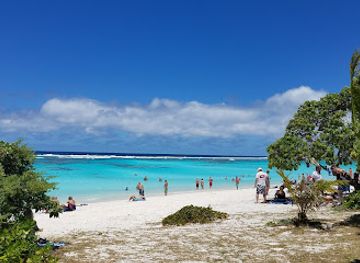
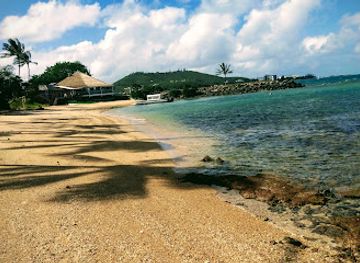
Maré’s attractions are predominantly natural and cultural rather than built around large commercial facilities. The island’s raised coral geology creates limestone caves, sinkholes, cliffs, reef platforms and coastal viewpoints, with the dramatic Shabadran area in the south standing out for its terraces, rock formations and open Pacific setting. Access can be demanding and should be arranged with local guidance. Yejele Beach provides a more accessible coastal landscape, with sand, reef and vegetation suited to quiet swimming or shoreline time when conditions permit. Around Tadine and the island’s villages, visitors can learn about Kanak customary life, churches, gardens and local food traditions through respectful, locally arranged encounters. Inland roads reveal forest, plantations and scattered communities rather than a concentrated sequence of attractions. Snorkelling and swimming are possible at suitable beaches and reef areas, but currents, surf and coral hazards require local advice. Maré is also well suited to scenic driving, birdwatching and short walks, although remote routes may lack signs, shade and services. The island’s appeal lies in the relationship between its natural features and living communities, not in a long checklist of ticketed sights.
-
Tourist attraction
Lagoon Aquarium
Explore the vibrant marine life of New Caledonia at the Lagoon Aquarium, a must-visit destination for ocean lovers and families in Nouméa.
-
Tourist attraction
Place des Cocotiers
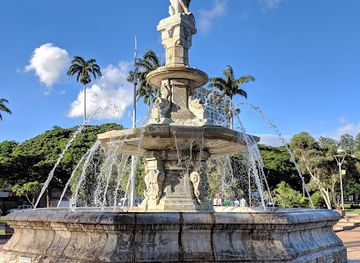
Explore the vibrant beauty and cultural heartbeat of Nouméa at Place des Cocotiers, a cherished city park filled with lush greenery and local events.
-
Tourist attraction
Parc Zoologique Et Forestier Michel Corbasson
Discover the beauty of nature and wildlife at Parc Zoologique Et Forestier Michel Corbasson, a top tourist attraction in Nouméa, New Caledonia.
-
Beach
Yejele Beach
Explore Yejele Beach: A hidden gem in New Caledonia with stunning sands, crystal-clear waters, and rich cultural experiences.
Best landmarks in Maré
Maré’s most recognisable landmarks are largely geological and coastal. The Shabadran coastline in the south is noted for its stepped coral formations, exposed rock and powerful open-ocean scenery, forming one of the island’s defining landscapes. Yejele Beach is a prominent natural reference point on the western side, where pale sand and reef-fringed water meet dense coastal vegetation. Around the island, raised limestone cliffs and caves reveal Maré’s geological history, while natural holes and subterranean formations reflect the porous coral foundation beneath the surface. Tadine’s churches and civic buildings provide more human-scale points of orientation, linking the present island community with the missionary and colonial periods. Village churches elsewhere on Maré likewise occupy an important place in local visual and social landscapes, though their significance is best understood through local context rather than architecture alone. The island’s landmarks should be visited with attention to safety and customary access: a striking cave, reef platform or coastal track may also be privately held, spiritually significant or vulnerable to damage. Local hosts can explain which places are appropriate to enter, photograph or explore.
-
Aquarium
Lagoon Aquarium
Explore the vibrant marine life of New Caledonia at the Lagoon Aquarium, an unforgettable experience for tourists and families alike.
-
City park
Place des Cocotiers
Experience the vibrant heart of Nouméa at Place des Cocotiers, a lush park ideal for relaxation, culture, and local gatherings.
-
Cultural center
Tjibaou Cultural Centre
Explore the Tjibaou Cultural Centre, a stunning fusion of Kanak culture and modern art, surrounded by lush gardens in Nouméa, New Caledonia.
-
 Tourist attraction
Amédée Lighthouse
Discover the breathtaking Amédée Lighthouse, a historic maritime wonder offering stunning views, rich culture, and serene beaches in New Caledonia.
Explore Maré on the map
Plan your trip on one map. See where the top cities, national parks and sights are, and book hotels and experiences in a few clicks.
Best hotels in Maré
Best restaurants in Maré
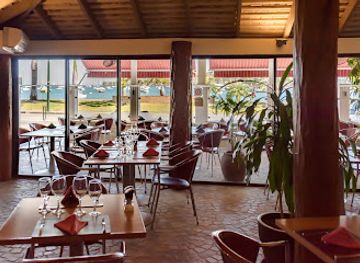
Dining on Maré is generally small-scale, seasonal and closely connected to local households, guest accommodation and community life. Meals may feature seafood, coconut, tropical fruit and garden crops such as yam, taro and sweet potato, alongside French and wider New Caledonian influences. Fish and shellfish are important possibilities on an island surrounded by productive waters, but availability depends on weather, supply and local catch rather than a fixed restaurant menu. Guesthouses and lodges may offer pre-arranged meals, often the most reliable way to experience home-style cooking outside Tadine. In villages, food may also be encountered through community events or local sellers rather than formal dining rooms. Visitors should confirm meal arrangements in advance, particularly when staying in remote parts of the island, and should not expect late-night service or a wide choice of cafés. Carrying a few provisions is sensible, while locally grown produce can provide a more meaningful taste of Maré’s island economy than imported packaged food.
-
Restaurant
Marmite et Tire-Bouchon
Discover culinary excellence at Marmite et Tire-Bouchon in Nouméa – where local flavors meet exquisite dining experiences.
-
Restaurant
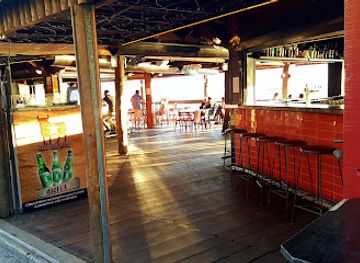
Le Roof
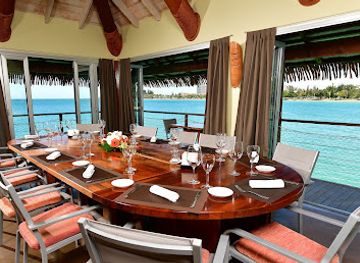
Discover exquisite dining at Le Roof in Nouméa—where culinary artistry meets breathtaking lagoon views for an unforgettable experience.
-
Restaurant
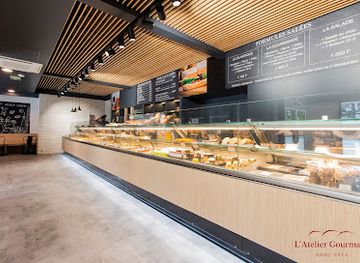
L'Atelier Gourmand
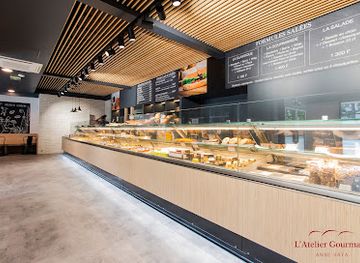
Discover the exquisite flavors of New Caledonia at L'Atelier Gourmand—a delightful restaurant and bakery in Anse Vata.
-
Restaurant
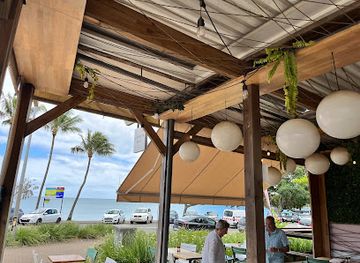
Le Faré du Palm Beach
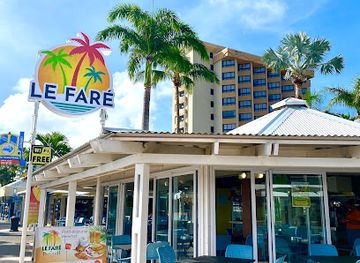
Experience coastal dining at its finest with fresh seafood and stunning ocean views at Le Faré du Palm Beach in Nouméa.
Best bars in Maré
Maré does not have a major nightclub scene, and evening life is centred on accommodation, family gatherings, community occasions and small local establishments rather than late-night entertainment districts. Tadine offers the island’s most accessible concentration of services, while elsewhere visitors are more likely to spend the evening dining at a lodge, sharing conversation with hosts or enjoying the quiet of a rural and coastal setting. Alcohol should be consumed discreetly and in accordance with local expectations, particularly near villages, churches and customary events. There may be occasional dances, cultural gatherings or community celebrations, but these are not permanent tourist nightlife products and should be approached through local invitations or organisers. Because services and transport are limited after dark, arrange a return journey in advance and avoid walking unfamiliar roads or coastlines at night. The absence of extensive nightlife is part of Maré’s character: evenings are generally slower, more social and more closely connected to the small scale of island life.
-
Restaurant
Le Roof
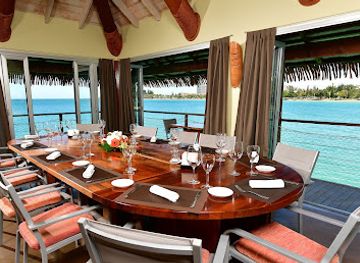
Experience the essence of New Caledonia with exquisite cuisine and stunning waterfront views at Le Roof.
-
Restaurant
L'Atelier Gourmand
Experience the exquisite flavors of New Caledonia at L'Atelier Gourmand, where culinary artistry meets stunning seaside views.
-
Gift shop
La Bodega del Mar
Discover Unique Artistry and Treasures at La Bodega del Mar, Nouméa's Premier Gift Shop for Authentic Souvenirs.
-
Restaurant
Lemon Bay Cafe
Discover the vibrant flavors of New Caledonia at Lemon Bay Cafe, a fusion restaurant offering breathtaking views and delightful dishes by Baie des Citrons.
Best nightclubs in Maré
Maré does not have a major nightclub scene, and evening life is centred on accommodation, family gatherings, community occasions and small local establishments rather than late-night entertainment districts. Tadine offers the island’s most accessible concentration of services, while elsewhere visitors are more likely to spend the evening dining at a lodge, sharing conversation with hosts or enjoying the quiet of a rural and coastal setting. Alcohol should be consumed discreetly and in accordance with local expectations, particularly near villages, churches and customary events. There may be occasional dances, cultural gatherings or community celebrations, but these are not permanent tourist nightlife products and should be approached through local invitations or organisers. Because services and transport are limited after dark, arrange a return journey in advance and avoid walking unfamiliar roads or coastlines at night. The absence of extensive nightlife is part of Maré’s character: evenings are generally slower, more social and more closely connected to the small scale of island life.
-
Bar
MV Lounge
Discover the vibrant nightlife and exquisite cocktails at MV Lounge in Nouméa—your perfect bar for an unforgettable evening.
-
Bar
L'Etrave
Experience the vibrant atmosphere and stunning coastal views at L'Etrave, a premier bar in Nouméa, New Caledonia.
-
Night club
XO Club
Discover the vibrant nightlife at XO Club in Nouméa, where stunning views and lively music create unforgettable memories.
-
Bar
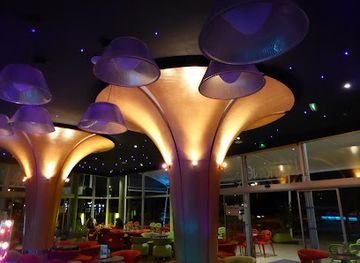
Latitude 22
Experience the vibrant nightlife of Nouméa at Latitude 22, where refreshing drinks meet stunning views in a laid-back atmosphere.

Best shops in Maré
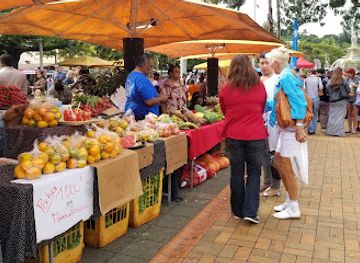
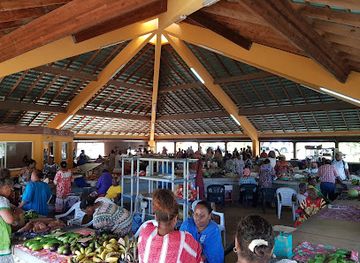
Shopping on Maré is limited and practical rather than centred on large retail districts. Tadine is the most useful place to look for basic supplies, while small shops and accommodation providers may offer drinks, snacks and locally available products subject to island deliveries. Visitors may encounter garden produce, fruit, seafood and prepared food through local contacts or community sales, although markets are not necessarily daily or permanent fixtures. Handicrafts, woven items and locally made products can sometimes be found through customary or community networks, where buying directly supports makers and provides an opportunity to learn about materials and techniques. New Caledonian food products and souvenirs are more widely available in Nouméa, so leave major gift shopping until the mainland if you need a broad selection. On Maré, the most appropriate purchases are modest, locally sourced and made with permission; do not collect shells, coral, plants or cultural objects from the landscape. Carry cash for small transactions, as card facilities are not universal.
-
City park
Place des Cocotiers
Discover the tranquil charm of Place des Cocotiers, a lush city park in Nouméa perfect for relaxation and local culture.
-
Gift shop
La Bodega del Mar
Experience the vibrant culture of New Caledonia at La Bodega del Mar, your go-to gift shop for unique souvenirs and local crafts.
-
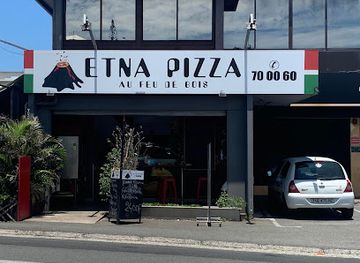
Pizza
ETNA PIZZA
Discover the authentic taste of Italy at Etna Pizza in Nouméa, where delicious handcrafted pizzas and a vibrant atmosphere await.
-
Supermarket
Korail Alimentation
Experience the vibrant local culture and flavors of Lifou at Korail Alimentation, your supermarket hub for fresh produce and unique local products.
Get your free copy of our complete guide to Maré, delivered straight to you.
Everything on this page, from attractions and restaurants to essentials and local phrases, in one PDF you can read offline, print or share.
Already have an account? Sign in
Your Maré guide is ready.
We'll send it to · Not you? Sign out

Getting your guide ready…
We are putting together a fresh copy of the Maré guide. This can take up to a minute.
This can take a few moments. If your browser asks, choose Allow so the download can start. You'll find the guide in your Downloads folder.
Nothing happened? Download it again
Sorry, the guide is taking longer than usual. Please try again in a minute, or get it by email instead.
Maré essentials
Currency and Payment
Safety
Emergency Situations
Do's and Don'ts
Local Tips
From Eve
Local phrases worth knowing
You don't need to get them perfect. A few words go a long way, and locals appreciate the effort.
Basics
| English | Local | Say it |
|---|---|---|
| Hello | Māuru | [mah-oo-roo] |
| Goodbye | Nōna | [noh-nah] |
| Yes | E | [eh] |
| No | Nō | [noh] |
| Please/You're welcome | Tōfā | [toh-fah] |
| Thank you | Māuru tātou | [mah-oo-roo tah-toh] |
| Excuse me/Sorry | Tāu anō | [tah-oo ah-noh] |
| How are you? | Ono tāu? | [oh-noh tah-oo] |
| Fine. And you? | Māuru. Tōfā? | [mah-oo-roo toh-fah] |
| Do you speak English? | Tāu parō aŋlī? | [tah-oo pah-roh ah-ng-lee] |
| I don't understand | Māuru nō, aū anō | [mah-oo-roo noh, ah-oo ah-noh] |
Eating & Drinking
| English | Local | Say it |
|---|---|---|
| I'd like to see the menu, please | Tōfā, au ta māri menu | [toh-fah, ow tah mah-ree meh-noo] |
| I don't eat meat | Aū nō māri mī | [ah-oo noh mah-ree mee] |
| Cheers! | Tōfā! | [toh-fah] |
| I would like to pay, please | Tōfā, au ta māri pā | [toh-fah, ow tah mah-ree pah] |
Emergencies
| English | Local | Say it |
|---|---|---|
| Help! | Tāu! | [tah-oo] |
| Go away! | Māuri nā! | [mah-oo-ree nah] |
| Call the Police! | Tāu māri aū pōlīs! | [tah-oo mah-ree ah-oo poh-lees] |
| Call a doctor! | Tāu māri aū tōka! | [tah-oo mah-ree ah-oo toh-kah] |
| I'm lost | Aū māri pānā | [ah-oo mah-ree pah-nah] |
| I'm ill | Aū māri anō | [ah-oo mah-ree ah-noh] |
Shopping
| English | Local | Say it |
|---|---|---|
| I'd like to buy... | Tōfā, au ta māri... | [toh-fah, ow tah mah-ree] |
| I'm just looking | Aū māru anō | [ah-oo mah-roo ah-noh] |
| How much is it? | Tāu māri ki ē? | [tah-oo mah-ree kee eh] |
| That's too expensive | E nāna tōfā | [eh nah-nah toh-fah] |
| Can you lower the price? | Tāu māri tāu ki nāna? | [tah-oo mah-ree tah-oo kee nah-nah] |
Time & Numbers
| English | Local | Say it |
|---|---|---|
| What time is it? | Tāu māri ki ē? | [tah-oo mah-ree kee eh] |
| It's one o'clock | E māri ta'ū | [eh mah-ree tah-oo] |
| Half past (10) | E pānā ki (10) | [eh pah-nah kee (10)] |
| Morning | Māuru | [mah-oo-roo] |
| Afternoon | Pāna | [pah-nah] |
| Evening | Māru | [mah-roo] |
| Yesterday | Nōna māru | [noh-nah mah-roo] |
| Today | Nōna | [noh-nah] |
| Tomorrow | Pāna nā | [pah-nah nah] |
| 1 | Tāu | [tah-oo] |
| 2 | Nōna | [noh-nah] |
| 3 | Tāu pānā | [tah-oo pah-nah] |
| 4 | Tāu pāna māri | [tah-oo pah-nah mah-ree] |
| 5 | Tāu māri pānā | [tah-oo mah-ree pah-nah] |
| 6 | Tāu pānā māri | [tah-oo pah-nah mah-ree] |
| 7 | Tāu pānā māri | [tah-oo pah-nah mah-ree] |
| 8 | Tāu pānā māri | [tah-oo pah-nah mah-ree] |
| 9 | Tāu pānā māri | [tah-oo pah-nah mah-ree] |
| 10 | Tāu pānā māri | [tah-oo pah-nah mah-ree] |
Transport & Directions
| English | Local | Say it |
|---|---|---|
| Where's a/the...? | Tāu māri a ...? | [tah-oo mah-ree ah ...] |
| What's the address? | Tāu māri ki tāu? | [tah-oo mah-ree kee tah-oo] |
| Can you show me (on the map)? | Tāu māri tāu ki tāu (ki māp)? | [tah-oo mah-ree tah-oo kee tah-oo (kee mahp)] |
| When's the next (bus)? | Tāu māri ki nāna (bus)? | [tah-oo mah-ree kee nah-nah (bus)] |
| A ticket (to ....) | Tāu māri ki tāu (to ....) | [tah-oo mah-ree kee tah-oo (to ....)] |
History of Maré
Lapita Settlement and Austronesian Ancestry
The Loyalty Islands were settled within the wider movement of Austronesian-speaking peoples across the Pacific. Archaeological evidence from New Caledonia records Lapita-associated settlement from the first millennium BCE, followed by later cultural developments that contributed to the societies encountered by Europeans. On Maré, as elsewhere in the archipelago, communities adapted to a raised coral island environment through fishing, gardening, exchange and detailed knowledge of freshwater, forest and reef resources. The island’s present-day Kanak communities inherit this long Oceanian history, although customary identities are organised through later clan, chiefly and regional relationships rather than through a single simple historical line.
Kanak Customary Societies Before European Rule
Before French colonisation, Maré was organised through Kanak customary institutions, including clans, chiefly authority, land relationships and obligations between communities. Oral histories remain important in explaining origins, alliances, movements and the significance of particular places. Gardening, fishing and exchange supported settlements distributed around the island, while caves, upland areas and coastal features could carry spiritual or ancestral meaning. These social structures were not erased by later political changes; customary authority and local protocol continue to influence how visitors should approach land, ceremonies, villages and culturally significant sites.
European Contact, Missions and the Sandalwood Era
European navigators reached the Loyalty Islands during the nineteenth century, followed by traders, beachcombers and Christian missionaries. The sandalwood trade brought the islands into expanding commercial networks, while missionary activity introduced new religious institutions and transformed aspects of settlement and education. Maré’s coastal communities experienced these changes unevenly, and relations between local authorities, missionaries, traders and neighbouring islands could be tense. Churches visible across the island therefore form part of a complex history in which Christianity became embedded in local life without replacing the importance of Kanak identity and customary relationships.
French Annexation and Colonial Administration, 1853 Onwards
France annexed New Caledonia in 1853, bringing Grande Terre and the Loyalty Islands into a colonial system whose administration, laws and economic priorities were centred elsewhere. The Loyalty Islands were incorporated into a structure that restricted Kanak autonomy and imposed new forms of land and social control. Maré remained geographically remote from the colonial capital, yet it was affected by missionary institutions, administrative authority, labour patterns and changing access to land and resources. The island’s present political status as part of New Caledonia reflects this colonial history as well as continuing indigenous claims to recognition and self-determination.
Jean-Marie Tjibaou and the Kanak Independence Movement
Jean-Marie Tjibaou, born on Maré in 1936, became one of the most influential figures in the modern Kanak movement. A Catholic priest in his early life, he later became an anthropologist, cultural advocate and political leader who argued for Kanak identity, cultural recognition and independence. His work helped place indigenous culture at the centre of political debate in New Caledonia. Tjibaou was assassinated in 1989 at Ouvéa, another Loyalty Island, but his ideas continued to influence the country’s cultural and political development. His connection with Maré gives the island an important place in contemporary New Caledonian history.
The 1980s Crisis and the Matignon Framework
Political conflict over the future of New Caledonia intensified during the 1980s, producing violence and deep divisions between independence supporters and those favouring continued association with France. The crisis culminated in the 1988 Ouvéa hostage-taking and was followed by the Matignon Agreements, which established a process of political accommodation, economic rebalancing and greater recognition of customary identity. Later arrangements, including the Nouméa Accord, further shaped New Caledonia’s institutions. Maré was part of this wider national debate, while its own communities continued to negotiate questions of land, authority, culture and political representation.
Neighbouring regions of Maré
The closest regions to Maré, if you have time for more than one.
-

-

-

-

-


Swipe for more regions
Explore more
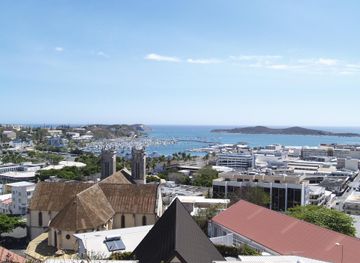
Explore more of New Caledonia
Discover New Caledonia, a captivating blend of French elegance and Pacific beauty, offering pristine beaches, vibrant culture, and unparalleled natural wonders.
Explore New Caledonia