
Tiga, New Caledonia Travel Guide
Discover Tiga in New Caledonia: A serene island paradise with pristine beaches, vibrant marine life, and rich local culture, perfect for nature lovers and adventurers.
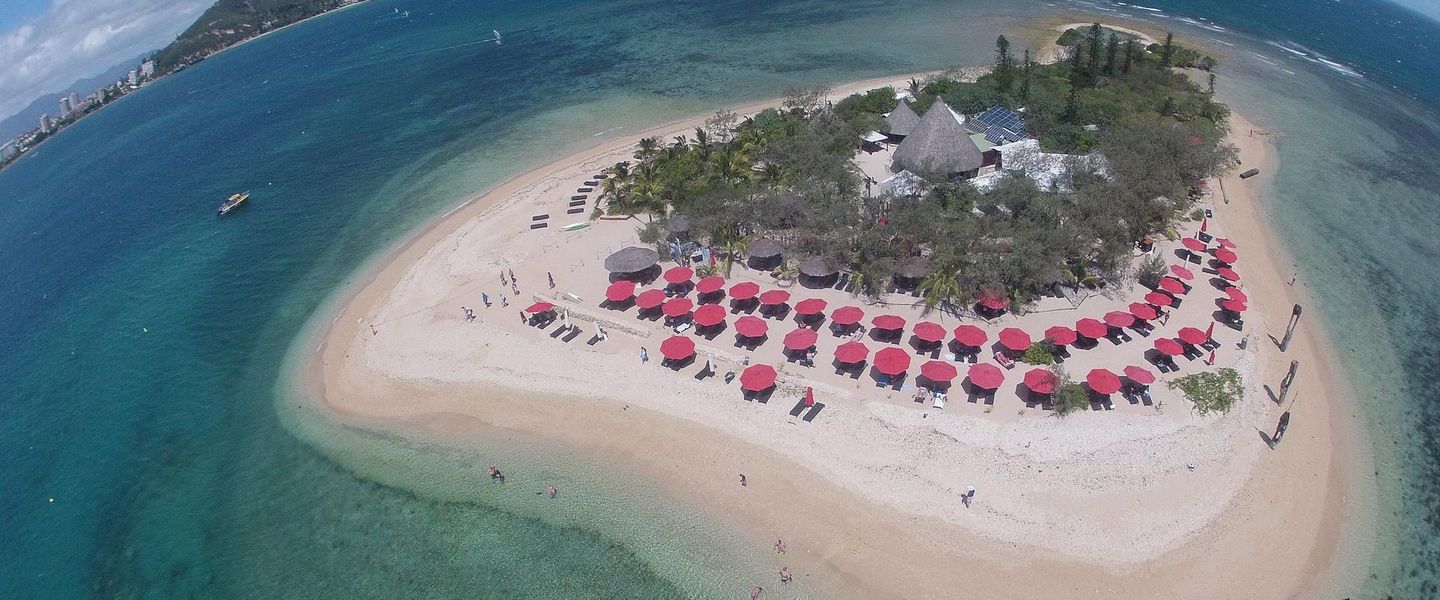
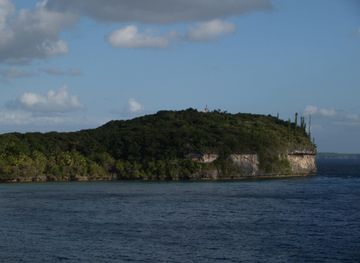
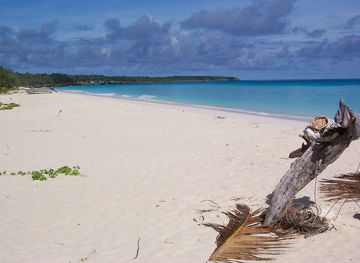
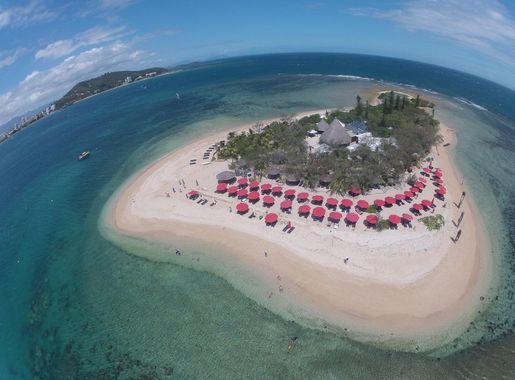
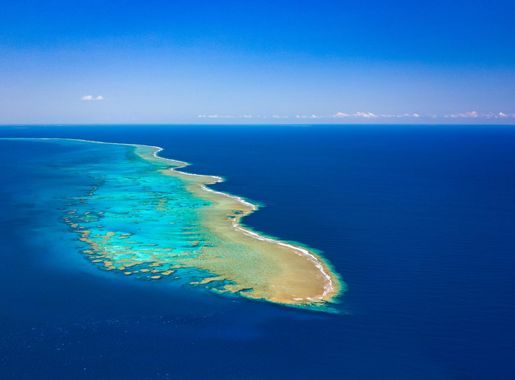
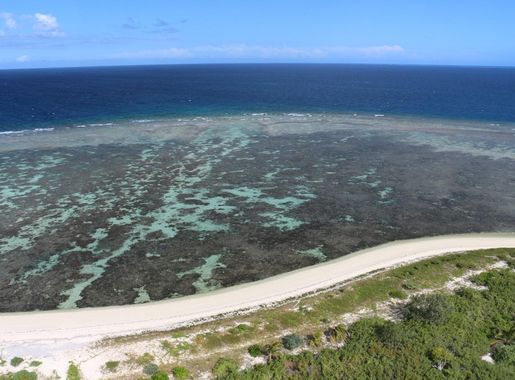
Tiga, also known as Tokanod, is a small island located in the Loyalty Islands of New Caledonia. This tranquil island is a haven for those seeking to escape the hustle and bustle of modern life. The peaceful surroundings and crystal-clear waters make it an ideal destination for nature lovers and adventurers alike. One of the most striking features of Tiga is its pristine beaches. The soft white sands and turquoise waters provide a perfect backdrop for relaxation. Snorkelers and divers will find a vibrant underwater world teeming with colorful coral reefs and exotic marine life. The island is also home to lush forests and limestone cliffs, offering numerous opportunities for hiking and exploration. The local culture of Tiga is rich and welcoming. Visitors can immerse themselves in the traditional Kanak way of life, experiencing local customs, dances, and cuisine. The islanders are known for their warm hospitality, making every visitor feel like part of the community. Don't miss the chance to try local dishes made from fresh seafood and tropical fruits. Whether you're looking to relax on the beach, explore underwater wonders, or connect with local culture, Tiga offers a unique and unforgettable experience.

Know before you go
Hi, I'm Eve. Here are a few practical things to know before exploring Tiga.
- Pack light but include essentials like sunscreen, insect repellent, and a reusable water bottle.
- Respect local customs and traditions; always ask for permission before taking photos of people.
- Bring cash as there are limited banking facilities on the island.
- Consider hiring a local guide for hiking and underwater activities to enhance your experience.
- Check the weather forecast and plan your visit during the dry season for the best experience.
Explore Tiga: Things to Do, Places to Eat, Hotels & More
Handpicked recommendations for top attractions, local dining, accommodations, and more

Top Attractions & Sightseeing in Tiga
Top-rated picks
Best Attractions

Tjibaou Cultural Centre
Explore the Tjibaou Cultural Centre, a vibrant hub of Kanak culture and modern art in Nouméa, celebrating the rich heritage of New Caledonia.

City Market
Experience the vibrant City Market in Nouméa, where local flavors and cultural treasures come together in a bustling atmosphere.

Natural pool
Explore the serene beauty of New Caledonia's Natural Pool, a hidden gem offering tranquility, stunning views, and a refreshing escape into nature.
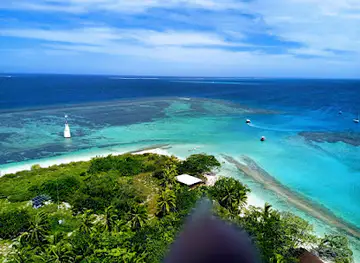
Amédée Lighthouse
Explore the breathtaking Amédée Lighthouse in New Caledonia, a stunning attraction with rich history, panoramic views, and vibrant marine life.

Best landmarks in Tiga
Top-rated picks
Best Landmarks

Lagoon Aquarium
Explore the Lagoon Aquarium in Nouméa, a vibrant showcase of New Caledonia's marine life, perfect for families and nature lovers alike.
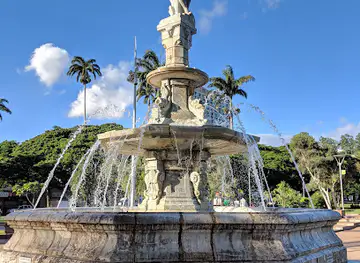
Place des Cocotiers
Experience the lush greenery and vibrant cultural scene at Place des Cocotiers, Nouméa's urban oasis perfect for relaxation and exploration.
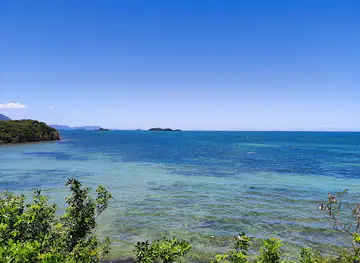
Tjibaou Cultural Centre
Explore the Tjibaou Cultural Centre: A vibrant hub of Kanak heritage and modern art in Nouméa, New Caledonia.

Amédée Lighthouse
Experience the breathtaking Amédée Lighthouse in New Caledonia, where stunning ocean views and rich maritime history await every visitor.

Best restaurants in Tiga
Top-rated picks
Best Restaurants

Marmite et Tire-Bouchon
Discover culinary excellence at Marmite et Tire-Bouchon in Nouméa - where local flavors meet gourmet creativity.

Le Roof
Experience fine dining at Le Roof in Nouméa with stunning ocean views and delectable local cuisine.

L'Atelier Gourmand
Discover the delightful flavors at L'Atelier Gourmand – where bakery meets restaurant in beautiful Nouméa.

Tipico Latino
Experience authentic Mexican cuisine in Nouméa at Tipico Latino – a culinary gem blending tradition with flavor.

Best bars in Tiga
Top-rated picks
Best Bars

La Barca
Experience the vibrant atmosphere of La Barca in Nouméa, where stunning views and refreshing drinks create the perfect tropical getaway.
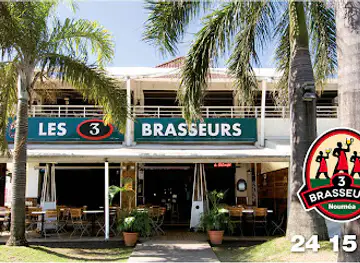
Les 3 Brasseurs
Discover Les 3 Brasseurs in Nouméa - a vibrant brewery and bar offering a unique blend of local beers and delightful cuisine in a stunning beachfront setting.

MV Lounge
Discover the vibrant nightlife of Nouméa at MV Lounge, a chic bar with stunning views, exquisite cocktails, and an electric atmosphere.

Babar Cafe
Discover Babar Cafe in Nouméa: A vibrant bar and cafe offering stunning ocean views, delicious local cuisine, and a lively atmosphere for unforgettable moments.

Best nightclubs in Tiga
Top-rated picks
Best Nightclubs

La Barca
Discover the vibrant atmosphere and stunning views at La Barca, a must-visit bar in Nouméa, New Caledonia, perfect for relaxation and local cuisine.

MV Lounge
Experience the vibrant nightlife at MV Lounge, a premier bar in Nouméa offering delicious drinks and a welcoming atmosphere.

L'Etrave
Discover L'Etrave, a vibrant bar in Nouméa offering stunning views, local flavors, and a lively atmosphere perfect for tourists.

ART FACTORY - MAISON CHEVAL
Explore the artistic heart of Nouméa at Art Factory - Maison Cheval, a vibrant lounge and gallery celebrating local creativity.

Best shops in Tiga
Top-rated picks
Best Shops

City Market
Explore the vibrant City Market in Nouméa, where fresh produce, local crafts, and the essence of New Caledonia await your discovery.

Korail Alimentation
Discover the flavors of Lifou at Korail Alimentation, your go-to supermarket for local and international products in New Caledonia.

Maison de la Perle
Explore the exquisite jewelry of Maison de la Perle, showcasing local craftsmanship and the beauty of New Caledonian pearls.

La Boutique Partagée
Discover the best of organic living at La Boutique Partagée in Nouméa, where fresh produce meets eco-friendly choices for a sustainable lifestyle.

Explore Tiga on the Map
A handpicked selection of must-see spots in Tiga, mapped for you.
Tiga Essentials
-
Tiga is a small island in New Caledonia, located in the Pacific Ocean. The most common way to reach Tiga is by air. You can take a domestic flight from Nouméa, the capital of New Caledonia, to Tiga Airport (TGJ). The flight is operated by Air Calédonie and takes approximately 1 hour. Alternatively, you can reach Tiga by boat, with services available from the main island of Grande Terre.
-
Once on Tiga, transportation options are limited due to the small size of the island. Walking is the most common way to get around and explore. There are no public transport services, but you can arrange for private transport or hire a bicycle through your accommodation. Some local guides offer tours around the island, which is a great way to see all the sights.
-
The official currency of New Caledonia is the CFP Franc (XPF). While some accommodations and larger establishments on Tiga may accept credit cards, it is advisable to carry cash for small purchases, local markets, and in rural areas. There are no ATMs on Tiga, so ensure you have enough cash before arriving.
-
Tiga is generally a safe destination for tourists. Crime rates are low, and the local community is welcoming. However, it's always wise to take standard precautions. Keep an eye on your belongings, avoid isolated areas at night, and be cautious when swimming or participating in water activities. There are no specific areas with high crime rates targeting tourists.
-
In case of emergency, dial 17 for police assistance and 15 for medical emergencies. Tiga has limited medical facilities, so for serious medical issues, evacuation to Nouméa may be necessary. It is highly recommended to have travel insurance that covers medical emergencies and evacuations. For minor health issues, some medications might be available at local shops, but it's best to bring a personal medical kit.
-
Fashion: Do dress modestly, especially in villages and around religious sites. Avoid wearing overly revealing clothing. Religion: Do be respectful of local customs and traditions. Public Transport: Do be aware that there are no public transport options on Tiga. Plan accordingly. Greetings: Do greet locals with a smile and a friendly gesture. A simple 'Bonjour' (Hello) is appreciated. Eating & Drinking: Do try the local cuisine and accept invitations to share meals with locals. Don't waste food, as it is considered disrespectful.
-
To experience Tiga like a local, visit during traditional festivals and participate in cultural activities. Engage with the local community, who are often eager to share their way of life and stories. Try the local dishes, particularly fresh seafood, and tropical fruits. Exploring the island's natural beauty, including its pristine beaches and lush landscapes, is a must. Hiring a local guide can provide deeper insights into the island's history and culture.
When is the best time to visit Tiga?
Useful Local Phrases for Tiga
You don't need to speak the language perfectly. Even learning a few simple words can make conversations warmer—and locals usually appreciate the effort.
— Eve

Here are the phrases I use most often in Tiga. Try a few—you'll be surprised how far they go! 😊
❤️
-
- HelloKia ora
[kee-ah oh-rah] - GoodbyeAroha
[ah-roh-hah] - YesE
[eh] - NoAroha
[ah-roh-hah] - Please/You're welcomeTena koa
[teh-nah koh-ah] - Thank youNgā mihi
[ngah mee-hee] - Excuse me/SorryAroha mai
[ah-roh-hah my] - How are you?Kei te pēhea koe?
[kay teh peh-hah koy] - Fine. And you?Ka pai. Anei?
[kah pie. ah-neh-ee] - Do you speak English?Ka korero koe i te reo Pākehā?
[kah koh-reh-roh koy ee teh reh-oh pah-keh-hah] - I don't understandKaore au e mohio
[kah-oh-reh ow eh moh-hee-oh]
- HelloKia ora
-
- I'd like to see the menu, pleaseKa hiahia au ki te kite i te rārangi kai
[kah hee-ah-hee-ah ow kee teh kee-teh ee teh rah-rah-ngi ky] - I don't eat meatKaore au e kai i te mutton
[kah-oh-reh ow eh kye ee teh muh-ton] - Cheers!Kia ora!
[kee-ah oh-rah] - I would like to pay, pleaseKa hiahia au ki te utu, tena koa
[kah hee-ah-hee-ah ow kee teh oo-too, teh-nah koh-ah]
- I'd like to see the menu, pleaseKa hiahia au ki te kite i te rārangi kai
-
- Help!Tākoha!
[tah-koh-hah] - Go away!Haere atu!
[high-reh ah-too] - Call the Police!Karanga ki te Pirihimana!
[kah-rah-ngah kee teh pee-ree-hee-mah-nah] - Call a doctor!Karanga ki te rata!
[kah-rah-ngah kee teh rah-tah] - I'm lostKei te ngaro au
[kay teh nah-roh ow] - I'm illKei te mate au
[kay teh mah-teh ow]
- Help!Tākoha!
-
- I'd like to buy...Ka hiahia au ki te hoko...
[kah hee-ah-hee-ah ow kee teh hoh-koh] - I'm just lookingKei te tirohia noa
[kay teh tee-roh-hee-ah noh-ah] - How much is it?E hia te utu?
[eh hee-ah teh oo-too] - That's too expensiveHe nui rawa te utu
[heh noo-ee rah-wah teh oo-too] - Can you lower the price?Ka taea e koe te whakaiti i te utu?
[kah tah-eh eh koy teh fah-kah-ee-tee ee teh oo-too]
- I'd like to buy...Ka hiahia au ki te hoko...
-
- What time is it?He aha te taima?
[heh ah-hah teh tie-mah] - It's one o'clockHe kotahi te haora
[heh koh-tah-hee teh how-rah] - Half past (10)I te haurua ki te tekau
[ee teh how-roo-ah kee teh teh-kah-oo] - MorningAta
[ah-tah] - AfternoonAhiahi
[ah-hee-ah-hee] - EveningPō
[poh] - YesterdayInanahi
[ee-nah-nah-hee] - TodayI tenei ra
[ee teh-neh rah] - TomorrowApo
[ah-poh] - 1Tahi
[tah-hee] - 2Rua
[roo-ah] - 3Toru
[toh-roo] - 4Whā
[fah] - 5Rima
[ree-mah] - 6Ono
[oh-noh] - 7Whitu
[fee-too] - 8Waru
[wah-roo] - 9Iwa
[ee-wah] - 10Tekau
[teh-kah-oo]
- What time is it?He aha te taima?
-
- Where's a/the...?Kei hea te...?
[kay heh-ah teh] - What's the address?He aha te wāhitau?
[heh ah-hah teh wah-hee-tah-oo] - Can you show me (on the map)?Ka taea e koe te whakaatu mai (i te mapi)?
[kah tah-eh eh koy teh fah-kah-ah-too my (ee teh mah-pee)] - When's the next (bus)?Ahea te pahi e whai mai ana?
[ah-heh-ah teh pah-hee eh fah-ee my ah-nah] - A ticket (to ....)He tikiti (ki ....)
[heh tee-kee-tee (kee)]
- Where's a/the...?Kei hea te...?
History of Tiga
-
Tiga, known as Tokanod in the Kanak language, has been inhabited by the indigenous Kanak people for thousands of years. The Kanak culture is rich with traditions, oral histories, and intricate art forms, including wood carvings and totems. The island's ancient heritage is still evident in its traditional clan-based society and customary practices.
-
In the early 19th century, European explorers and missionaries began arriving in New Caledonia, including Tiga. The arrival of missionaries, particularly those from the London Missionary Society, had a significant impact on the island's cultural and social structures. Christianity began to spread, leading to the establishment of churches and the conversion of many Kanak people. This period marked a profound transformation in the island's way of life.
-
In 1853, France formally annexed New Caledonia, incorporating Tiga into its colonial empire. The island, like much of New Caledonia, experienced changes under French colonial rule. The introduction of new administrative systems, land policies, and economic activities, such as copra production, altered the traditional ways of the Kanak people. Despite these changes, the Kanak culture and identity endured, often in resistance to colonial policies.
-
During World War II, New Caledonia, including Tiga, gained strategic importance due to its location in the Pacific. The island served as a valuable base for Allied forces, particularly the United States, which established military installations in the region. This period brought infrastructure developments and increased interaction with the global community, leaving a lasting impact on the island.
-
The latter half of the 20th century saw a resurgence of Kanak cultural pride and identity. Movements advocating for greater autonomy and the preservation of traditional practices gained momentum. Tiga, like other parts of New Caledonia, experienced a cultural revival, with increased efforts to document and celebrate Kanak heritage, language, and customs. This era also saw the development of tourism, highlighting the island's unique cultural and historical significance.
Neighbouring Regions of Tiga
The closest regions to Tiga, if you have time for more than one.




Your all‑in‑one travel companion app
Explore expert travel guides, compare and book tours, experiences, hotels, and more—all from the palm of your hand. Download now for seamless trip planning wherever your wanderlust takes you.


Explore More of New Caledonia
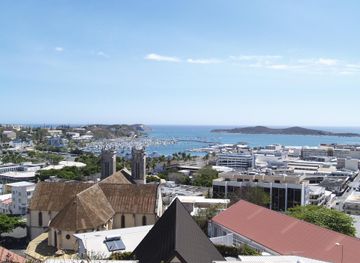
Looking beyond Tiga? Discover New Caledonia for broader travel guides, local hot-spots, and regional highlights.
Explore New CaledoniaTiga in Photos
Browse through our photo collection highlighting the charm and character of the destination.




Tiga: The Hidden Gem of New Caledonia
Tiga, also known as Tokanod, is a small island located in the Loyalty Islands of New Caledonia. This tranquil island is a haven for those seeking to escape the hustle and bustle of modern life. The peaceful surroundings and crystal-clear waters make it an ideal destination for nature lovers and adventurers alike. One of the most striking features of Tiga is its pristine beaches. The soft white sands and turquoise waters provide a perfect backdrop for relaxation. Snorkelers and divers will find a vibrant underwater world teeming with colorful coral reefs and exotic marine life. The island is also home to lush forests and limestone cliffs, offering numerous opportunities for hiking and exploration. The local culture of Tiga is rich and welcoming. Visitors can immerse themselves in the traditional Kanak way of life, experiencing local customs, dances, and cuisine. The islanders are known for their warm hospitality, making every visitor feel like part of the community. Don't miss the chance to try local dishes made from fresh seafood and tropical fruits. Whether you're looking to relax on the beach, explore underwater wonders, or connect with local culture, Tiga offers a unique and unforgettable experience.