

Free Boulouparis Travel Guide & Mobile App
Explore Boulouparis with free travel guides. Discover regional history, expert tips, proposed trips, and audio guides on web or mobile app.


Explore Boulouparis in New Caledonia for quiet west-coast bays, lagoon scenery, rural valleys, mangroves and a slower Grande Terre experience.
Read more about Boulouparis
When is the best time to visit Boulouparis?
Best: June, August–September · 24–25°C| Month | High (°C) | Rainfall (mm) |
|---|---|---|
| January | 30 | 150 |
| February | 31 | 140 |
| March | 30 | 130 |
| April | 29 | 120 |
| May | 26 | 110 |
| June (best) | 24 | 100 |
| July | 24 | 100 |
| August (best) | 24 | 100 |
| September (best) | 25 | 110 |
| October | 27 | 120 |
| November | 28 | 130 |
| December | 30 | 140 |
Getting to and around Boulouparis
How to get there
Transportation
Top city travel guides in Boulouparis
The cities of Boulouparis, and the easiest places to base yourself.

Swipe for more cities
Best attractions in Boulouparis
Boulouparis's attractions are primarily coastal, rural and landscape-based rather than concentrated in major museums or monumental complexes. Bouraké and the Baie de Saint-Vincent provide access to the western lagoon environment, with opportunities for scenic drives, photography, fishing and boating when weather, tides and local conditions are suitable. Mangroves, mudflats and shallow channels offer an insight into the ecological importance of the coast, but they require careful treatment and are not interchangeable with conventional beaches. Inland, the Tamoa and Ouenghi areas lead through open pasture, river valleys and low hills characteristic of western Grande Terre. The village offers a modest base for understanding local services and community life, while rural roads reveal the commune's agricultural identity. Visitors seeking walking, birdwatching or wildlife encounters should arrange activities with a knowledgeable local provider where possible, since access and conditions vary. Boulouparis works particularly well as part of a self-drive journey, giving travellers a contrast with Nouméa and with the wetter, more densely forested eastern side of New Caledonia.
-
Island
Îlot Maître
Discover the breathtaking beauty of Îlot Maître, a tropical island paradise in New Caledonia, filled with stunning beaches and vibrant marine life.
-
Amusement center
Les Boucles de Tina
Discover the natural beauty and adventure at Les Boucles de Tina, a premier amusement center in New Caledonia offering scenic trails and family-friendly activities.
-
Amusement park
KOGHI PARC AVENTURE
Discover thrills and breathtaking views at Koghi Parc Aventure, New Caledonia's top family amusement park offering unforgettable adventures for all ages.
-
Nature preserve
Poule couveuse de Hienghène
Experience the untouched beauty of Poule Couveuse de Hienghène, a serene nature preserve in New Caledonia perfect for nature lovers and adventurers alike.


Best landmarks in Boulouparis
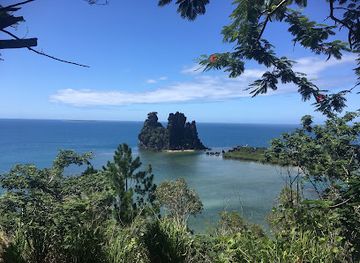
Boulouparis's most recognisable landmarks are geographic rather than monumental. The wide coastal inlets of the Baie de Saint-Vincent and Bouraké express the commune's relationship with the western lagoon, while mangrove edges and tidal channels reveal how strongly the landscape is shaped by the sea. Inland, the Tamoa and Ouenghi valleys provide characteristic views of open pasture, waterways and low western hills, contrasting with the denser forests found elsewhere on Grande Terre. The village itself is a practical civic landmark, with its church, public facilities and road connections reflecting the way rural communes were organised during colonial and post-colonial development. Fences, ranch buildings, creek crossings and old routes are less grand than a castle or cathedral, but they are important visual evidence of Boulouparis's pastoral history. Offshore views and changing tidal horizons also form part of the commune's identity, especially around the bays. These places are best appreciated with attention to customary, private and environmental boundaries, since not every attractive viewpoint or track is an unrestricted public site.
-
Aquarium
Lagoon Aquarium
Explore the vibrant underwater world of New Caledonia at Lagoon Aquarium, a captivating attraction perfect for families and marine enthusiasts.
-
City park
Place des Cocotiers
Explore the lush oasis of Place des Cocotiers, a cultural gem in the heart of Nouméa, New Caledonia, perfect for relaxation and local experiences.
-
Cultural center
Tjibaou Cultural Centre
Discover the Tjibaou Cultural Centre, a masterpiece of architecture celebrating Kanak culture through art, performance, and immersive experiences.
-
Market
City Market
Explore the vibrant City Market in Nouméa, a cultural gem offering fresh produce, local delicacies, and the true essence of New Caledonian life.



Explore Boulouparis on the map
Plan your trip on one map. See where the top cities, national parks and sights are, and book hotels and experiences in a few clicks.
Best hotels in Boulouparis
Best restaurants in Boulouparis
Dining in Boulouparis is shaped by its rural scale and dispersed settlements rather than by a large restaurant quarter. Simple cafés, local eateries, accommodation-based meals and food bought for a picnic are often more practical than expecting a choice of establishments in every locality. The broader western New Caledonian tradition brings together French culinary influences, Pacific ingredients and produce from farms and coastal waters, with fish, prawns, seasonal fruit, vegetables and locally raised meat appearing according to availability. Fresh coconut, root vegetables and tropical fruit may accompany meals, while baguettes, pastries and French-style everyday cooking reflect the territory's national connections. Markets and roadside purchases can provide a useful way to find seasonal produce, although trading arrangements vary. Around the bays, check opening arrangements before relying on waterfront dining, and carry supplies when exploring the inland countryside. Nouméa, outside Boulouparis, remains the regional centre for the widest choice of restaurants and more formal dining.
-
European
La Table d'en Haut
Experience exquisite European cuisine amidst breathtaking views at La Table d'en Haut in Bouloupari, New Caledonia.
-
Restaurant
Petit resto Gros la cale
Discover authentic New Caledonian cuisine at Petit Resto Gros la Cale in Bouloupari—where every meal tells a story.
-
Restaurant
Chez Esmé Table d’hôte Gîte
Experience authentic New Caledonian cuisine at Chez Esmé Table d’hôte Gîte – where tradition meets flavor in every dish.
-
Restaurant
Table d'hôte chez Marie-Georgette
Experience authentic New Caledonian cuisine at Table d'hôte chez Marie-Georgette in Oua Tom - a delightful restaurant showcasing local flavors.


Best bars in Boulouparis
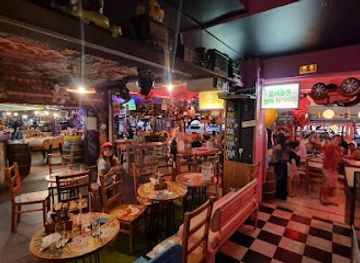
Boulouparis does not have a major nightclub scene, and evening life is generally quiet, local and dispersed. The social focus is more likely to be a meal, a small gathering, a rural accommodation venue or a drink in a modest local establishment than a late-night entertainment district. Visitors should not assume that coastal recreation areas operate as busy resort promenades after dark; many are better suited to daylight activities and early evening meals. Check arrangements locally because opening patterns can change and distances between settlements make improvised bar-hopping impractical. For live entertainment, cocktail bars, larger pubs and nightclubs, Nouméa, outside the commune, offers New Caledonia's broadest choice. In Boulouparis, responsible drinking is particularly important when driving, walking near water or staying in isolated accommodation.
-
Bar
La Barca
Experience the vibrant atmosphere of La Barca in Nouméa, where stunning ocean views meet delicious cocktails and lively entertainment.
-
Bar
MV Lounge
Discover the vibrant MV Lounge in Nouméa, where tropical vibes, live music, and stunning bay views create an unforgettable nightlife experience.
-
Restaurant
Le 12 Glasser Bar Tapas Nouméa
Experience exquisite tapas and cocktails at Le 12 Glasser Bar Tapas, Nouméa's premier dining destination for food lovers.
-
Wine bar
Q20
Experience the vibrant ambiance of Q20, a premier wine bar in Nouméa, serving exquisite tapas and an extensive selection of wines and craft beers.


Best nightclubs in Boulouparis
Boulouparis does not have a major nightclub scene, and evening life is generally quiet, local and dispersed. The social focus is more likely to be a meal, a small gathering, a rural accommodation venue or a drink in a modest local establishment than a late-night entertainment district. Visitors should not assume that coastal recreation areas operate as busy resort promenades after dark; many are better suited to daylight activities and early evening meals. Check arrangements locally because opening patterns can change and distances between settlements make improvised bar-hopping impractical. For live entertainment, cocktail bars, larger pubs and nightclubs, Nouméa, outside the commune, offers New Caledonia's broadest choice. In Boulouparis, responsible drinking is particularly important when driving, walking near water or staying in isolated accommodation.
-
Bar
La Barca
Discover the vibrant nightlife and local flavors at La Barca, Nouméa's premier bar for drinks and delicious bites along the stunning Baie des Citrons.
-
Bar
MV Lounge
Discover the energetic MV Lounge in Nouméa—where delicious drinks meet stunning seaside views in a vibrant atmosphere.
-
Lounge
Hibiscus Lounge Aircalin
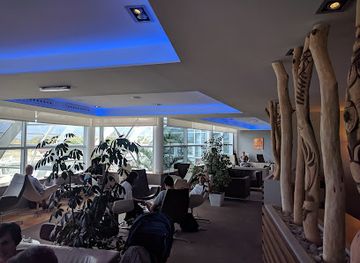
Hibiscus Lounge Aircalin: Your serene escape at La Tontouta International Airport, where tropical vibes meet comfort in New Caledonia.
-
Bar
Codebar
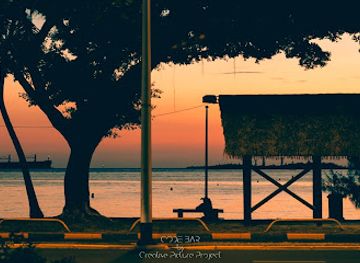
Discover the vibrant nightlife of Nouméa at Codebar, where cocktails, stunning views, and a lively atmosphere await every visitor.
Best shops in Boulouparis
Shopping in Boulouparis is limited and practical, reflecting the commune's dispersed rural population rather than a dedicated retail district. Small general shops and local services may provide basic provisions, but visitors should not rely on finding extensive choices of clothing, equipment or speciality goods once they leave the main urban area. Seasonal produce, locally prepared food and items sold through community or roadside channels may be available, though trading times and stock vary. For distinctive New Caledonian purchases, look for regional produce, Pacific-inspired handicrafts, woven goods, carvings and locally made food products, while buying respectfully and asking about provenance where appropriate. Nouméa, outside Boulouparis, is the principal nearby centre for larger shops, galleries and dependable retail selection. Stock up on essentials before a coastal or inland excursion, and remember that market-style opportunities in rural areas are occasional rather than guaranteed daily attractions.
-
Gift shop
La Bodega del Mar
Explore La Bodega del Mar, a charming gift shop in Nouméa, offering unique souvenirs and local crafts capturing the essence of New Caledonia.
-
Organic shop
La Boutique Partagée
Experience the best of local organic flavors at La Boutique Partagée in Nouméa, where sustainability meets deliciousness.
-
Gift basket store
Les Arts du Pacifique - Anse Vata
Explore the artistry of New Caledonia at Les Arts du Pacifique, your go-to destination for authentic handicrafts and unique gift baskets.
-
Gift shop
CHÈQUE CADEAU CALÉDONIEN - La Boutique Cadeau
Explore Chèque Cadeau Calédonien in Nouméa for unique gifts and authentic New Caledonian souvenirs that capture the island's spirit.


Get your free copy of our complete guide to Boulouparis, delivered straight to you.
Everything on this page, from attractions and restaurants to essentials and local phrases, in one PDF you can read offline, print or share.
Already have an account? Sign in
Your Boulouparis guide is ready.
We'll send it to · Not you? Sign out

Getting your guide ready…
We are putting together a fresh copy of the Boulouparis guide. This can take up to a minute.
This can take a few moments. If your browser asks, choose Allow so the download can start. You'll find the guide in your Downloads folder.
Nothing happened? Download it again
Sorry, the guide is taking longer than usual. Please try again in a minute, or get it by email instead.
Boulouparis essentials
Currency and Payment
Safety
Emergency Situations
Do's and Don'ts
Local Tips
From Eve
Local phrases worth knowing
You don't need to get them perfect. A few words go a long way, and locals appreciate the effort.
Basics
| English | Local | Say it |
|---|---|---|
| Hello | Bula | [boo-lah] |
| Goodbye | Noutou | [noo-too] |
| Yes | Oui | [wee] |
| No | Non | [noh] |
| Please/You're welcome | S'il vous plaît | [seel voo pleh] |
| Thank you | Merci | [mehr-see] |
| Excuse me/Sorry | Pardon | [par-dohn] |
| How are you? | Comment ça va? | [koh-mohn sah vah] |
| Fine. And you? | Bien. Et vous? | [byehn. eh voo] |
| Do you speak English? | Parlez-vous anglais? | [par-lay voo ahn-glay] |
| I don't understand | Je ne comprends pas | [zhuh nuh kom-prahn pah] |
Eating & Drinking
| English | Local | Say it |
|---|---|---|
| I'd like to see the menu, please | Je voudrais voir le menu, s'il vous plaît | [zhuh voo-dray vwar luh meh-nu, seel voo pleh] |
| I don't eat meat | Je ne mange pas de viande | [zhuh nuh mahnj pah duh vyahnd] |
| Cheers! | Santé! | [sahn-tay] |
| I would like to pay, please | Je voudrais payer, s'il vous plaît | [zhuh voo-dray pay-ay, seel voo pleh] |
Emergencies
| English | Local | Say it |
|---|---|---|
| Help! | Au secours! | [oh suh-koor] |
| Go away! | Allez-vous-en! | [ah-lay voo zahn] |
| Call the Police! | Appelez la police! | [ah-peh-lay lah poh-lees] |
| Call a doctor! | Appelez un médecin! | [ah-peh-lay uhn meh-deh-sehn] |
| I'm lost | Je suis perdu | [zhuh swee pair-doo] |
| I'm ill | Je suis malade | [zhuh swee mah-lahd] |
Shopping
| English | Local | Say it |
|---|---|---|
| I'd like to buy... | Je voudrais acheter... | [zhuh voo-dray ah-sheh-tay] |
| I'm just looking | Je regarde juste | [zhuh ruh-gard zhoost] |
| How much is it? | C'est combien? | [say kohm-byen] |
| That's too expensive | C'est trop cher | [say troh shair] |
| Can you lower the price? | Pouvez-vous baisser le prix? | [poo-vay voo beh-say luh pree] |
Time & Numbers
| English | Local | Say it |
|---|---|---|
| What time is it? | Quelle heure est-il? | [kehl uhr eh-teel] |
| It's one o'clock | Il est une heure | [eel eh tün uhr] |
| Half past (10) | Dix heures et demie | [deez uhr eh duh-mee] |
| Morning | Matin | [mah-tan] |
| Afternoon | Après-midi | [ah-preh mee-dee] |
| Evening | Soir | [swahr] |
| Yesterday | Hier | [ee-ehr] |
| Today | Aujourd'hui | [oh-zhoor-dwee] |
| Tomorrow | Demain | [duh-man] |
| 1 | Un | [uhn] |
| 2 | Deux | [duh] |
| 3 | Trois | [trwah] |
| 4 | Quatre | [katr] |
| 5 | Cinq | [sank] |
| 6 | Six | [sees] |
| 7 | Sept | [seht] |
| 8 | Huit | [weet] |
| 9 | Neuf | [nuhf] |
| 10 | Dix | [deez] |
Transport & Directions
| English | Local | Say it |
|---|---|---|
| Where's a/the...? | Où est un/une...? | [oo eh uhn/oon] |
| What's the address? | Quelle est l'adresse? | [kehl eh l'ah-dress] |
| Can you show me (on the map)? | Pouvez-vous me montrer (sur la carte)? | [poo-vay voo muh mohn-tray (sur lah kart)] |
| When's the next (bus)? | Quand est le prochain (bus)? | [kahn eh luh proh-shen (boos)] |
| A ticket (to ....) | Un billet (pour ....) | [uhn bee-yay (poor ....)] |
History of Boulouparis
Kanak settlement and customary landscapes
Long before European administration, the area now called Boulouparis formed part of the lived landscape of Kanak communities. Coastal resources, river valleys, forest and inland country were connected through customary relationships, movement and exchange. Place names and contemporary community life preserve elements of this deeper history, although the region's past cannot be reduced to visible monuments. Visitors should understand that land in New Caledonia may carry customary significance as well as private or public legal status, making local permission and respectful behaviour important when leaving established roads or facilities.
European contact and the colonial frontier
European exploration and settlement transformed the western side of Grande Terre during the nineteenth century. Colonial authorities progressively mapped, administered and occupied land, while missionaries, settlers and commercial interests established new forms of settlement and production. These changes took place alongside the disruption of Kanak communities and customary landholding. Boulouparis developed as part of the rural west, whose open country was considered suitable for pastoral activity and agriculture. The resulting landscape of roads, homesteads, churches and fenced properties reflects both colonial development and the continuing presence of Kanak society.
The formation of Boulouparis township
Boulouparis emerged as a local administrative and service centre during the expansion of nineteenth-century colonial settlement on Grande Terre. Its position between Nouméa and the more distant communities of the west helped it serve nearby farms and coastal areas. As elsewhere in New Caledonia, the township's development was tied to roads, land concessions, agricultural work and the practical need for administration in a dispersed territory. The village remains relatively small, but its existence helps explain how rural communes on Grande Terre were organised around services rather than dense urban growth.
Pastoral agriculture and rural life
Cattle raising became one of the defining economic activities of New Caledonia's western plains and valleys, and Boulouparis shares this pastoral identity. Ranches, grazing land and agricultural properties shaped both the appearance of the countryside and the rhythm of local life. Farming has never been isolated from wider changes: roads, markets, weather, labour patterns and the growth of nearby Nouméa have all influenced rural production. Today, the open western landscape, river country and scattered properties provide a visible reminder that New Caledonia's economy and culture extend well beyond mining and the capital.
New Caledonia in the twentieth century
The twentieth century brought stronger transport links, changing public administration and closer economic connections between rural communes and Nouméa. New Caledonia's nickel economy attracted workers and investment, while agriculture, public services and coastal activities continued to shape communities such as Boulouparis. The period also saw growing demands for recognition of Kanak identity, land rights and political representation. The tensions that culminated in the events of the 1980s affected the territory as a whole and form essential context for understanding contemporary New Caledonia, even where the local landscape appears peaceful and rural.
Contemporary Boulouparis
Modern Boulouparis is influenced by several overlapping forces: the expansion of settlements around Nouméa, the continuing importance of pastoral and agricultural land, coastal recreation, environmental protection and New Caledonia's ongoing political debate. The commune remains less urbanised than the capital and preserves a distinctly open, regional character. At the same time, improved roads and weekend travel have made its bays and countryside more accessible. Its present identity therefore combines rural continuity with gradual change, rather than belonging solely to either the historic colonial west or the metropolitan orbit of Nouméa.
Boulouparis in Photos
Browse through our photo collection highlighting the charm and character of the destination.
Neighbouring regions of Boulouparis
The closest regions to Boulouparis, if you have time for more than one.
-

-

-

-

-


Swipe for more regions
Explore more
Explore more of New Caledonia
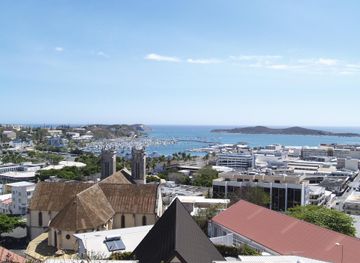
Discover New Caledonia, a captivating blend of French elegance and Pacific beauty, offering pristine beaches, vibrant culture, and unparalleled natural wonders.
Explore New Caledonia