

Free Thio Travel Guide & Mobile App
Explore Thio with free travel guides. Discover regional history, expert tips, proposed trips, and audio guides on web or mobile app.


Explore Thio in New Caledonia for nickel heritage, quiet beaches, mountain roads, Kanak culture and the landscapes of Grande Terre’s east coast.
Read more about Thio
When is the best time to visit Thio?
Best: May, September–October · 24–25°C| Month | High (°C) | Rainfall (mm) |
|---|---|---|
| January | 28 | 150 |
| February | 29 | 130 |
| March | 28 | 135 |
| April | 27 | 120 |
| May (best) | 24 | 115 |
| June | 22 | 110 |
| July | 22 | 100 |
| August | 22 | 105 |
| September (best) | 24 | 110 |
| October (best) | 25 | 120 |
| November | 27 | 130 |
| December | 28 | 140 |
Getting to and around Thio
How to get there
Transportation
Best attractions in Thio
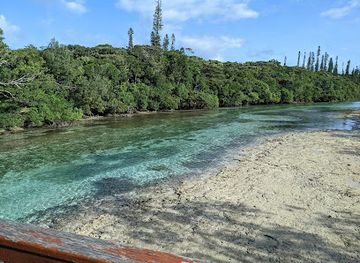
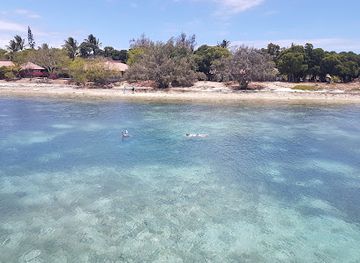
Thio’s attractions are spread across a coastal and mountainous landscape rather than concentrated in a single visitor precinct. The commune’s central draw is its nickel heritage: mining-related scenery, historic industrial traces and the local mining museum tradition provide context for understanding why this small east-coast settlement became important to New Caledonia’s economy. Visitors should establish current opening arrangements locally, as facilities and access can change. Along the shore, bays and beaches offer opportunities for quiet bathing, picnicking and short walks when weather and sea conditions are suitable. Inland roads lead towards forested slopes, river valleys and red lateritic hills characteristic of Grande Terre’s mineral country. The contrast between the humid east-facing landscape and the drier mountain approaches is part of the journey. Kanak communities, customary landscapes and locally interpreted places also form an important part of Thio’s cultural interest, although access may require permission. Outdoor exploration is best kept to clearly accessible roads, beaches and tracks, with care around active or abandoned mining areas and waterways after rain. Thio is not a destination built around a long list of ticketed sights; its appeal lies in connecting geology, industrial history, coastal scenery and living communities.
-
Bay
Oro Bay
Experience the tranquil beauty of Oro Bay in New Caledonia, where crystal-clear waters meet lush landscapes and vibrant marine life.
-
Tourist attraction
Mine Museum
Explore the Mine Museum in Thio, New Caledonia, where history and mining heritage come alive through engaging exhibits and stunning landscapes.
-
Live Music
Oceania New Caledonia
Explore the vibrant live music scene in New Caledonia, where local rhythms meet international sounds in a culturally rich atmosphere.

Best landmarks in Thio
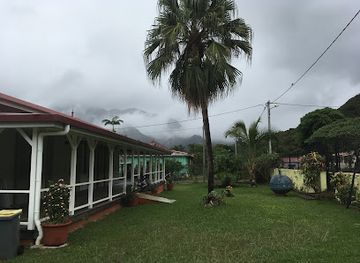
Thio’s most defining landmarks are closely connected with the land’s mineral wealth. The mining landscape around the commune, marked by red lateritic slopes, extraction areas, haul routes and industrial infrastructure, forms a powerful visual record of New Caledonia’s nickel history; access to individual workings must be treated as controlled or potentially hazardous. The bay and coastal settlement provide a second landmark group, showing how the town developed around maritime transport and the export of ore. Inland, the forested ridges and steep mountain approaches frame the commune and demonstrate the sharp geographical transition between Grande Terre’s central range and its east coast. Rivers and valley corridors are also important features, although their character changes after heavy rain. Rather than a single monumental building dominating the town, Thio’s identity is expressed through the combined presence of mining traces, coastline, mountain relief and Kanak customary landscapes. Local churches, civic facilities and community places may be meaningful, but visitors should ask before entering or photographing them. The most significant viewpoints are therefore those that explain how geology, industry and settlement relate to one another.
-
Aquarium
Lagoon Aquarium
Experience the vibrant marine life of New Caledonia at the Lagoon Aquarium, a captivating tourist attraction that combines education and wonder.
-
City park
Place des Cocotiers
Experience the beauty and cultural vibrancy of Place des Cocotiers, a serene city park in Nouméa, New Caledonia, perfect for relaxation and cultural exploration.
-
Cultural center
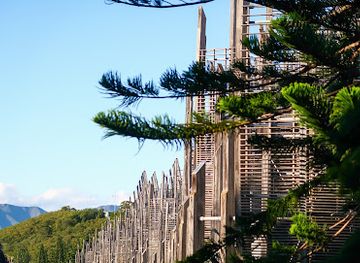
Tjibaou Cultural Centre
Discover the Tjibaou Cultural Centre, where Kanak heritage meets modern art and stunning architecture in Nouméa, New Caledonia.
-
Tourist attraction
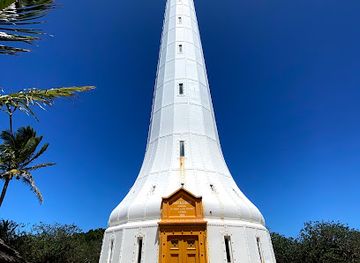
Amédée Lighthouse
Experience breathtaking views and rich history at Amédée Lighthouse, a must-visit attraction near Nouméa, New Caledonia, surrounded by stunning marine beauty.
Explore Thio on the map
Plan your trip on one map. See where the top cities, national parks and sights are, and book hotels and experiences in a few clicks.
Best hotels in Thio
Best restaurants in Thio
Dining in Thio is limited and practical rather than organised around a large restaurant scene, so visitors should confirm what is operating and plan supplies before leaving Nouméa or another larger centre. Local meals may combine French and Pacific influences, with rice, seafood, grilled meats, seasonal vegetables and tropical fruit appearing more often than a narrowly defined local cuisine. Fish and shellfish are part of the wider coastal food culture, but availability depends on catches, weather and local supply. Simple cafés, accommodation dining and informal takeaway options are more realistic expectations than an extensive choice of evening restaurants. Market-style ingredients and home cooking can provide a stronger sense of place than formal dining, while bread, cheese and French pantry products reflect New Caledonia’s national and colonial connections. Visitors should never take food from customary land or coastal areas without permission, and should carry water and snacks for excursions. In a remote commune, booking ahead and respecting local service times are more useful than relying on spontaneous restaurant-hopping.
-
Restaurant
Marmite et Tire-Bouchon
Discover exquisite local flavors at Marmite et Tire-Bouchon - Nouméa's premier dining destination for culinary enthusiasts.
-
Restaurant
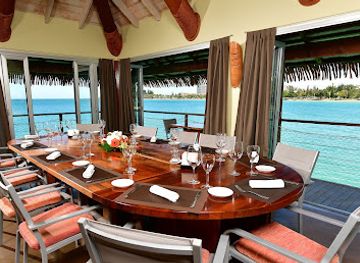
Le Roof
Discover Le Roof: Where Exquisite Cuisine Meets Breathtaking Ocean Views in Nouméa.
-
Restaurant
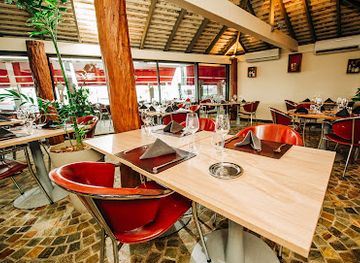
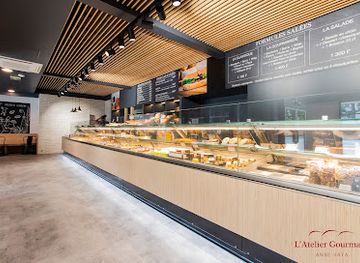
L'Atelier Gourmand
Discover the culinary treasures of New Caledonia at L'Atelier Gourmand - where exquisite bakery meets fine dining in an enchanting setting.
-
Mexican
Tipico Latino
Discover the authentic taste of Mexico at Tipico Latino in Nouméa - where vibrant flavors meet warm hospitality.

Best bars in Thio
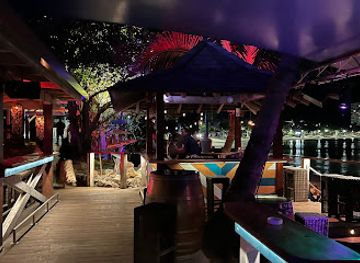
Thio does not have a major nightclub district or a late-night entertainment economy. Evening life is more likely to centre on accommodation, small local gathering places, informal meals and community activities than on a sequence of bars. Any licensed venue may have limited or changing hours, so visitors should check locally and avoid assuming that services continue late into the night. The wider New Caledonian habit of socialising over food and drinks is present, but alcohol is not essential to experiencing the commune. After dark, the rural setting brings limited street lighting, patchy communications and quiet roads, making it sensible to arrange transport, return before nightfall and remain close to known accommodation. Travellers interested in local culture should seek community-approved events or conversations rather than expecting commercial nightlife. The reward is a slower evening atmosphere, with coastal and mountain surroundings taking the place of clubs and entertainment strips.
-
Bar
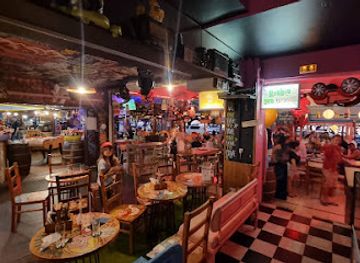
La Barca
Experience La Barca in Nouméa, where vibrant cocktails, eclectic decor, and stunning ocean views create an unforgettable atmosphere.
-
Bar
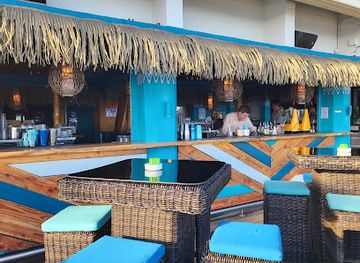
MV Lounge
Discover the lively MV Lounge in Nouméa, where great drinks and stunning views come together for an unforgettable night out.
-
Bar
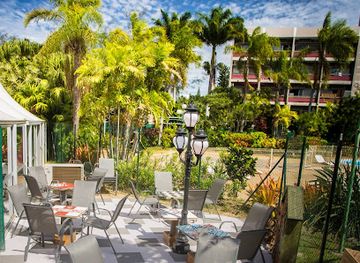
Babar Cafe
Experience the vibrant flavors and stunning views at Babar Cafe in Nouméa's beautiful Baie des Citrons.
-
Wine bar
Chai de l'Hippodrome
Discover the exquisite flavors of Chai de l'Hippodrome, a premier wine bar and restaurant in Nouméa, offering an unforgettable dining experience.

Best nightclubs in Thio
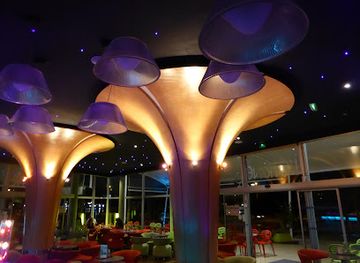
Thio does not have a major nightclub district or a late-night entertainment economy. Evening life is more likely to centre on accommodation, small local gathering places, informal meals and community activities than on a sequence of bars. Any licensed venue may have limited or changing hours, so visitors should check locally and avoid assuming that services continue late into the night. The wider New Caledonian habit of socialising over food and drinks is present, but alcohol is not essential to experiencing the commune. After dark, the rural setting brings limited street lighting, patchy communications and quiet roads, making it sensible to arrange transport, return before nightfall and remain close to known accommodation. Travellers interested in local culture should seek community-approved events or conversations rather than expecting commercial nightlife. The reward is a slower evening atmosphere, with coastal and mountain surroundings taking the place of clubs and entertainment strips.
-
Bar
MV Lounge
Experience the vibrant nightlife at MV Lounge, Nouméa's premier bar for exquisite cocktails and stunning bay views.
-
Bar
L'Etrave
Discover L'Etrave: A vibrant bar in Nouméa, New Caledonia, offering stunning views, lively atmosphere, and a diverse drink menu.
-
Bar
Public House Noumea
Explore the vibrant nightlife at Public House Noumea, where great drinks and a lively atmosphere come together in the heart of New Caledonia.
-
Night club
XO Club
Experience the vibrant nightlife of Nouméa at XO Club, where music and dance unite for an unforgettable evening.


Best shops in Thio
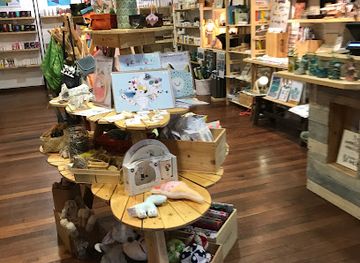
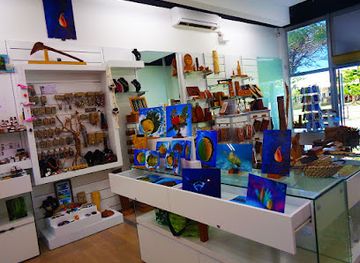
Shopping in Thio is limited to everyday supplies and locally available provisions rather than a substantial retail district. Visitors should buy specialist food, medicines, fuel-related necessities and outdoor equipment before travelling from Nouméa or another larger New Caledonian centre. Small local outlets may stock basic groceries and drinks, but opening arrangements and payment options can vary. The most appropriate souvenirs are locally made crafts, artwork or food products obtained directly from recognised vendors or community-approved outlets, rather than unverified objects collected from beaches, forests or mining areas. Nickel-themed material and locally produced handicrafts can help explain the commune’s identity, although selection is much smaller than in Nouméa. Visitors interested in Kanak art should purchase through established cultural or craft channels and ask about provenance, permissions and appropriate photography. Thio is not a destination for extensive fashion, antiques or designer shopping; its commercial character is that of a remote working community, where planning ahead and supporting legitimate local sellers matter more than browsing a large high street.
-
Gift shop
La Bodega del Mar
Discover the heart of New Caledonia at La Bodega del Mar, where unique gifts and local treasures await every traveler.
-
Gift shop
IDEFIX
Discover the vibrant world of crafts at IDEFIX, Nouméa's go-to destination for unique gifts, beads, and quality yarn.
-
Organic shop
La Boutique Partagée
Discover the essence of healthy living at La Boutique Partagée, Nouméa's premier organic shop, featuring local produce and unique artisanal products.
-
Gift basket store
Les Arts du Pacifique - Anse Vata
Explore Les Arts du Pacifique in Anse Vata for exquisite handicrafts and unique sculptures that embody the spirit of New Caledonia.


Get your free copy of our complete guide to Thio, delivered straight to you.
Everything on this page, from attractions and restaurants to essentials and local phrases, in one PDF you can read offline, print or share.
Already have an account? Sign in
Your Thio guide is ready.
We'll send it to · Not you? Sign out

Getting your guide ready…
We are putting together a fresh copy of the Thio guide. This can take up to a minute.
This can take a few moments. If your browser asks, choose Allow so the download can start. You'll find the guide in your Downloads folder.
Nothing happened? Download it again
Sorry, the guide is taking longer than usual. Please try again in a minute, or get it by email instead.
Thio essentials
Currency and Payment
Safety
Emergency Situations
Do's and Don'ts
Local Tips
From Eve
Local phrases worth knowing
You don't need to get them perfect. A few words go a long way, and locals appreciate the effort.
Basics
| English | Local | Say it |
|---|---|---|
| Hello | Bula | [boo-lah] |
| Goodbye | Sòbye | [soh-bee] |
| Yes | Wi | [wee] |
| No | Non | [nohn] |
| Please/You're welcome | S'il vous plaît | [seel voo pleh] |
| Thank you | Merci | [mehr-see] |
| Excuse me/Sorry | Excusez-moi | [ex-kew-zay mwah] |
| How are you? | Comment ça va? | [koh-mahn sah vah] |
| Fine. And you? | Bien. Et vous? | [byehn. eh voo] |
| Do you speak English? | Parlez-vous anglais? | [par-lay voo ahn-glay] |
| I don't understand | Je ne comprends pas | [zhuh nuh kohm-prahn pah] |
Eating & Drinking
| English | Local | Say it |
|---|---|---|
| I'd like to see the menu, please | Je voudrais voir le menu, s'il vous plaît | [zhuh voo-dray vwar luh meh-nu, seel voo pleh] |
| I don't eat meat | Je ne mange pas de viande | [zhuh nuh mahnzh pah duh vyahnd] |
| Cheers! | Santé! | [sahn-tay] |
| I would like to pay, please | Je voudrais payer, s'il vous plaît | [zhuh voo-dray pay-yay, seel voo pleh] |
Emergencies
| English | Local | Say it |
|---|---|---|
| Help! | Au secours! | [oh suh-koor] |
| Go away! | Allez-vous-en! | [ah-lay voo zahn] |
| Call the Police! | Appelez la police! | [ah-peh-lay lah poh-lees] |
| Call a doctor! | Appelez un médecin! | [ah-peh-lay uhn med-seen] |
| I'm lost | Je suis perdu | [zhuh swee pehr-duh] |
| I'm ill | Je suis malade | [zhuh swee mah-lahd] |
Shopping
| English | Local | Say it |
|---|---|---|
| I'd like to buy... | Je voudrais acheter... | [zhuh voo-dray ah-sheh-tay] |
| I'm just looking | Je regarde seulement | [zhuh reh-gard seuhl-mahn] |
| How much is it? | C'est combien? | [seh kohm-byen] |
| That's too expensive | C'est trop cher | [seh troh shehr] |
| Can you lower the price? | Pouvez-vous baisser le prix? | [poo-vay voo beh-say luh pree] |
Time & Numbers
| English | Local | Say it |
|---|---|---|
| What time is it? | Quelle heure est-il? | [kehl uhr eh-teel] |
| It's one o'clock | Il est une heure | [eel eh oon uhr] |
| Half past (10) | Dix heures et demie | [deez uhr eh duh-mee] |
| Morning | Matin | [mah-tahn] |
| Afternoon | Après-midi | [ah-preh-mee-dee] |
| Evening | Soir | [swahr] |
| Yesterday | Hier | [ee-ehr] |
| Today | Aujourd'hui | [oh-zhoor-dwee] |
| Tomorrow | Demain | [duh-mahn] |
| 1 | Un | [uhn] |
| 2 | Deux | [duh] |
| 3 | Trois | [trwah] |
| 4 | Quatre | [katr] |
| 5 | Cinq | [sank] |
| 6 | Six | [sees] |
| 7 | Sept | [set] |
| 8 | Huit | [weet] |
| 9 | Neuf | [nuhf] |
| 10 | Dix | [deez] |
Transport & Directions
| English | Local | Say it |
|---|---|---|
| Where's a/the...? | Où est un/le...? | [oo eh uhn/luh] |
| What's the address? | Quelle est l'adresse? | [kehl eh luh-dress] |
| Can you show me (on the map)? | Pouvez-vous me montrer (sur la carte)? | [poo-vay voo meh mon-tray (sur lah kart)] |
| When's the next (bus)? | Quand est le prochain (bus)? | [kahn eh luh pro-shen (boos)] |
| A ticket (to ....) | Un billet (pour....) | [uhn bee-yay (poor....)] |
History of Thio
Kanak settlement and customary landscapes
Long before European mining, the Thio area was inhabited and managed by Kanak communities whose relationships with rivers, forests, gardens, coastlines and customary land shaped the local landscape. Oral traditions, place names and community practices remain important to understanding the commune. Visitors should remember that land ownership and access may follow customary as well as public or private arrangements, and that not every attractive valley, beach or track is an unrestricted tourist site.
European contact and the colonial transformation
During the nineteenth century, European settlement and colonial administration brought new forms of land use, commerce and labour to the east coast of Grande Terre. Coastal locations such as Thio became connected to shipping and the export economy, while Kanak communities experienced the pressures that accompanied the colonial seizure and reorganisation of land. The consequences of this period remain visible in the region’s demographic patterns, customary questions and divided landscape.
The rise of nickel mining in the nineteenth century
Nickel was discovered in New Caledonia in the 1860s, and Thio became one of the territory’s earliest major mining districts. Ore was extracted from the surrounding hills and carried towards the coast for shipment, creating roads, wharves, workshops and administrative facilities. The industry changed Thio from a primarily customary and rural area into a settlement tied to international commodity markets. Red earth and scarred slopes around the commune still record this long period of extraction.
The mining town and a diverse labour force
As mining expanded, Thio attracted workers and technical specialists from different parts of the colonial world and the Pacific. The nickel economy involved Kanak labour as well as migrants recruited from Asia and other Pacific territories, contributing to the multicultural character found across New Caledonia’s mining communities. Company infrastructure, labour accommodation, transport routes and port facilities linked daily life closely to the fortunes of the mines, while fluctuations in nickel demand could affect the whole settlement.
War, strategic nickel and the twentieth century
New Caledonia’s nickel made the territory strategically significant during the twentieth century, particularly during the Second World War, when Allied forces used the archipelago as a base in the Pacific. Mining, shipping and transport infrastructure acquired wider military importance, although Thio remained primarily known for its industrial role. The period reinforced the connection between the territory’s mineral resources, international politics and the development of modern transport and administration.
The contemporary nickel landscape
Today Thio combines a continuing mining presence with residential areas, customary communities, coastal recreation and an economy influenced by the wider cycles of New Caledonia’s nickel sector. The commune’s heritage is therefore both industrial and living: mining remains part of the landscape, while local communities maintain social and cultural connections that pre-date the industry. Visiting responsibly means recognising that the red hills, roads and facilities are working or historically sensitive environments, not merely scenic backdrops.
Thio in Photos
Browse through our photo collection highlighting the charm and character of the destination.
Neighbouring regions of Thio
The closest regions to Thio, if you have time for more than one.
-

-

-

-

-


Swipe for more regions
Explore more
Explore more of New Caledonia
Discover New Caledonia, a captivating blend of French elegance and Pacific beauty, offering pristine beaches, vibrant culture, and unparalleled natural wonders.
Explore New Caledonia