
South Province, New Caledonia Travel Guide
Explore the stunning South Province of New Caledonia, where pristine nature, rich culture, and adventure await in a unique blend of French and Melanesian charm.
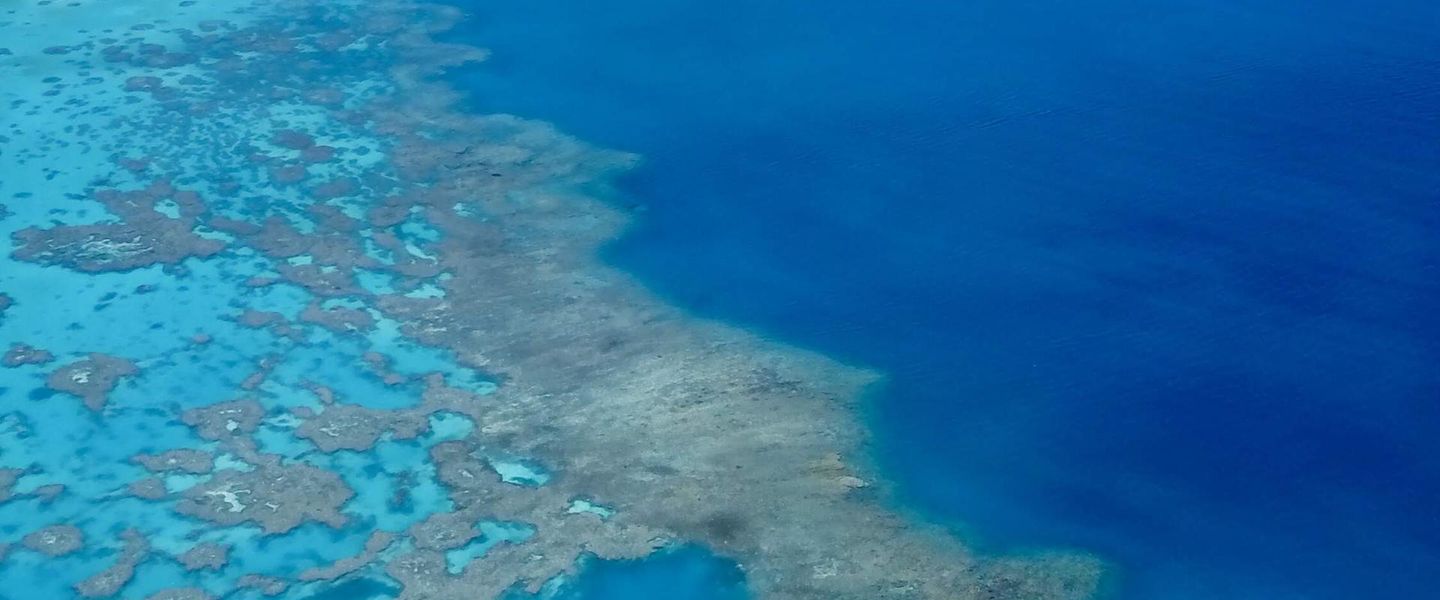
The South Province of New Caledonia is a captivating destination that offers a blend of natural beauty, rich culture, and exciting activities. It's known for its stunning landscapes, from the azure waters of the lagoon to the lush green mountains and rolling hills. The region is perfect for nature lovers, adventure seekers, and those looking to immerse themselves in local culture. One of the highlights of the South Province is the UNESCO World Heritage-listed lagoon, which is one of the largest in the world. Here, you can enjoy snorkeling, diving, and sailing in the crystal-clear waters, exploring vibrant coral reefs and diverse marine life. For those who prefer land-based activities, the Blue River Provincial Park offers hiking trails, kayaking, and the chance to see the rare Kagu bird in its natural habitat. Cultural enthusiasts will appreciate the rich Kanak heritage in the South Province. Visit traditional villages to learn about the customs and traditions of the indigenous people. The Tjibaou Cultural Center in Nouméa, designed by renowned architect Renzo Piano, is a must-visit for its impressive architecture and insightful exhibitions on Kanak culture. The capital city of Nouméa is a vibrant hub where you can enjoy fine dining, shopping, and a lively nightlife. Don't miss the local markets where you can taste fresh produce, seafood, and traditional dishes. The city's mix of French and Melanesian influences creates a unique and delightful atmosphere for visitors.

Know before you go
Hi, I'm Eve. Here are a few practical things to know before exploring South Province.
- Visit the Blue River Provincial Park early in the morning to avoid the heat and enjoy the serene environment.
- Bring reef-safe sunscreen if you plan to snorkel or dive in the lagoon to protect the delicate coral reefs.
- Try to learn a few basic phrases in French as it is widely spoken and will enhance your interactions with locals.
- Dress modestly when visiting traditional Kanak villages to show respect for local customs.
- Check the local market days in Nouméa to experience the freshest produce and local delicacies.
Top City Travel Guides in South Province
The cities of South Province, and the easiest places to base yourself.


Destinations in South Province
Resorts, valleys and scenic spots worth a trip of their own.


Explore South Province: Things to Do, Places to Eat, Hotels & More
Handpicked recommendations for top attractions, local dining, accommodations, and more

Top Attractions & Sightseeing in South Province
Top-rated picks
Best Attractions

Amédée Lighthouse
Discover the stunning Amédée Lighthouse in New Caledonia, a historical landmark offering breathtaking views and vibrant marine life.

Port Moselle Harbour
Discover the vibrant charm of Port Moselle Harbour, a picturesque marina in Nouméa, where stunning views and local culture await.

Heart of Voh
Discover the breathtaking Heart of Voh in New Caledonia, a stunning natural lagoon shaped like a heart, perfect for photography and exploration.

MANA NAUTIQUE - Excursions Île des Pins
Explore the stunning Île des Pins with MANA NAUTIQUE, where breathtaking boat tours reveal the beauty of New Caledonia's crystal-clear lagoons and vibrant marine life.

Best landmarks in South Province
Top-rated picks
Best Landmarks
Lagoon Aquarium
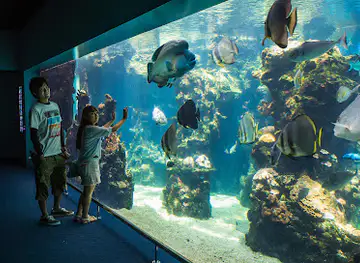
Discover the vibrant marine life of New Caledonia at the Lagoon Aquarium, a family-friendly attraction in Nouméa showcasing the wonders of the South Pacific.

Place des Cocotiers
Discover the lush beauty and vibrant culture of Nouméa at Place des Cocotiers, the city's beloved urban park and cultural hub.

Tjibaou Cultural Centre
Discover the Tjibaou Cultural Centre in Nouméa, a stunning tribute to Kanak heritage with art, performances, and breathtaking architecture.

City Market
Explore the City Market of Nouméa, a lively destination filled with fresh produce, local crafts, and vibrant cultural experiences.

Best restaurants in South Province
Top-rated picks
Best Restaurants

Marmite et Tire-Bouchon
Experience exceptional local cuisine at Marmite et Tire-Bouchon in Nouméa—where fresh ingredients meet culinary artistry.

Stone Grill
Discover the ultimate dining experience at Stone Grill in Nouméa—where delicious grilled dishes meet stunning coastal views.

Le Roof
Discover exquisite cuisine and breathtaking ocean views at Le Roof in Nouméa – a must-visit culinary gem in New Caledonia.

Le Bout Du Monde
Experience the flavors of New Caledonia at Le Bout Du Monde - a culinary haven in Nouméa offering exquisite dishes and stunning coastal views.

Best bars in South Province
Top-rated picks
Best Bars

Le Méridien Noumea Resort & Spa
Experience luxury and tranquility at Le Méridien Noumea Resort & Spa, where stunning beaches meet exceptional service in New Caledonia.

Château Royal Beach Resort & Spa
Experience the luxurious relaxation and stunning beachfront views at Château Royal Beach Resort & Spa, your perfect getaway in New Caledonia.
DoubleTree by Hilton Noumea Ilot Maitre Resort
Experience luxurious island living at DoubleTree by Hilton Noumea Ilot Maitre Resort, where paradise meets comfort in New Caledonia.

Hôtel Le Lagon
Experience luxury and tranquility at Hôtel Le Lagon, a premier hotel and spa in Nouméa, offering stunning lagoon views and exceptional dining.

Best nightclubs in South Province
Top-rated picks
Best Nightclubs

La Barca
Experience the vibrant atmosphere of La Barca, the premier bar in Nouméa with breathtaking views and delightful local drinks.

MV Lounge
Discover Nouméa's nightlife at MV Lounge, where stunning views and exquisite cocktails create an unforgettable evening experience.

L'Etrave
Experience vibrant beachside vibes at L'Etrave, the ultimate bar destination in Nouméa, New Caledonia, for refreshing cocktails and stunning ocean views.

Hibiscus Lounge Aircalin
Discover tranquility at Hibiscus Lounge Aircalin, where comfort meets convenience at La Tontouta International Airport.

Best shops in South Province
Top-rated picks
Best Shops

La Bodega del Mar
Discover unique local gifts and artisan craftsmanship at La Bodega del Mar, a vibrant gift shop in the heart of Nouméa.

Baie Des Citrons Shopping Complex
Experience the vibrant Baie des Citrons Shopping Complex, where local culture meets a diverse shopping and dining scene in stunning coastal surroundings.

IDEFIX
Explore IDEFIX in Nouméa for unique crafts, beads, and yarns, capturing the essence of New Caledonia's vibrant artistic culture.

Maison de la Perle
Discover the exquisite pearl jewelry of New Caledonia at Maison de la Perle, a true gem in the heart of Nouméa.

Explore South Province on the Map
A handpicked selection of must-see spots in South Province, mapped for you.
South Province Essentials
-
South Province in New Caledonia is accessible via La Tontouta International Airport, located about 52 kilometers from Nouméa, the capital city. Direct flights from Australia, New Zealand, Japan, and other Pacific islands are available. From the airport, you can take a shuttle bus, taxi, or rent a car to reach your accommodation in South Province.
-
Within South Province, transportation options include rental cars, taxis, and public buses. Renting a car is highly recommended for exploring the region at your own pace. Buses operated by Karuïa Bus service Nouméa and surrounding areas. For intercity travel, the Arc en Ciel shuttle services connect Nouméa with other regions. Taxis are available but can be costly for long distances.
-
The local currency is the CFP Franc (XPF). Credit cards are widely accepted in hotels, restaurants, and larger shops, but it's advisable to carry some cash for smaller establishments and markets. ATMs are plentiful in Nouméa and other major towns, but may be scarce in more remote areas.
-
South Province is generally safe for tourists, but it is wise to take standard precautions. Avoid walking alone at night in poorly lit areas and be cautious with your belongings in crowded places. High-crime areas targeting tourists are rare, but staying vigilant is always recommended.
-
In case of emergency, dial 17 for police, 18 for fire, and 15 for medical emergencies. Nouméa has well-equipped medical facilities, including the Médipôle de Koutio. It is advisable to have travel insurance that covers medical and evacuation costs. Pharmacies are available in larger towns for minor health issues.
-
Fashion: Do dress modestly, especially when visiting villages and religious sites. Avoid overly revealing clothing. Religion: Do respect local customs and traditions. Remove your hat and avoid loud behavior in places of worship. Public Transport: Do be courteous and give up your seat to elderly passengers. Don’t eat or drink on public transport. Greetings: Do greet people with a handshake or a friendly 'Bonjour'. A slight bow of the head is also appreciated. Eating & Drinking: Do try local dishes and accept food offerings graciously. Don’t refuse hospitality, as it is considered impolite.
-
To experience South Province like a local, visit the local markets in Nouméa, such as the Port Moselle Market, for fresh produce and unique souvenirs. Engage with the locals who are often friendly and eager to share their culture and history. Don’t miss exploring the beautiful beaches, hiking trails, and the rich biodiversity of the Blue River Provincial Park. Also, try traditional Kanak dishes and participate in local festivals for an immersive cultural experience.
When is the best time to visit South Province?
Useful Local Phrases for South Province
You don't need to speak the language perfectly. Even learning a few simple words can make conversations warmer—and locals usually appreciate the effort.
— Eve

Here are the phrases I use most often in South Province. Try a few—you'll be surprised how far they go! 😊
❤️
-
- HelloKia ora
[kee-ah oh-rah] - GoodbyeAroha
[ah-roh-hah] - YesOui
[wee] - NoNon
[noh] - Please/You're welcomeS'il vous plaît
[seel voo pleh] - Thank youMerci
[mehr-see] - Excuse me/SorryPardon
[par-dohn] - How are you?Comment ça va?
[koh-mohn sah vah] - Fine. And you?Bien. Et toi?
[byehn eh twah] - Do you speak English?Parlez-vous anglais?
[par-lay voo ahn-glay] - I don't understandJe ne comprends pas
[zhuh nuh kohm-prahn pah]
- HelloKia ora
-
- I'd like to see the menu, pleaseJe voudrais voir le menu, s'il vous plaît
[zhuh voo-dray vwar luh meh-nu, seel voo pleh] - I don't eat meatJe ne mange pas de viande
[zhuh nuh mahnj pah duh vyahnd] - Cheers!Santé!
[sahn-tay] - I would like to pay, pleaseJe voudrais payer, s'il vous plaît
[zhuh voo-dray pay-ay, seel voo pleh]
- I'd like to see the menu, pleaseJe voudrais voir le menu, s'il vous plaît
-
- Help!Au secours!
[oh suh-koor] - Go away!Va-t'en!
[vah-tahn] - Call the Police!Appelez la police!
[ah-peh-lay lah poh-lees] - Call a doctor!Appelez un médecin!
[ah-peh-lay uh meh-deh-sin] - I'm lostJe suis perdu
[zhuh swee pair-doo] - I'm illJe suis malade
[zhuh swee mah-lahd]
- Help!Au secours!
-
- I'd like to buy...Je voudrais acheter...
[zhuh voo-dray ah-she-tay] - I'm just lookingJe regarde juste
[zhuh reh-gard zhuhst] - How much is it?C'est combien?
[seh kohm-byen] - That's too expensiveC'est trop cher
[seh troh shair] - Can you lower the price?Pouvez-vous baisser le prix?
[poo-vay voo beh-say luh pree]
- I'd like to buy...Je voudrais acheter...
-
- What time is it?Quelle heure est-il?
[kehl uhr eh-teel] - It's one o'clockIl est une heure
[eel eh tun uhr] - Half past (10)Dix heures et demie
[deez uhr eh deh-mee] - MorningMatin
[mah-tahn] - AfternoonAprès-midi
[ah-pray mee-dee] - EveningSoir
[swahr] - YesterdayHier
[ee-ehr] - TodayAujourd'hui
[oh-zhoor dwee] - TomorrowDemain
[deh-mahn] - 1Un
[uhn] - 2Deux
[duhr] - 3Trois
[trwah] - 4Quatre
[katr] - 5Cinq
[sank] - 6Six
[sees] - 7Sept
[set] - 8Huit
[weet] - 9Neuf
[nuhf] - 10Dix
[deez]
- What time is it?Quelle heure est-il?
-
- Where's a/the...?Où est un/une...?
[oo eh uhn/oon] - What's the address?Quelle est l'adresse?
[kehl eh lah-dres] - Can you show me (on the map)?Pouvez-vous me montrer (sur la carte)?
[poo-vay voo muh mohn-tray (sur lah kart)] - When's the next (bus)?Quand est le prochain (bus)?
[kahn eh luh proh-shen (boos)] - A ticket (to ....)Un billet (pour ....)
[uhn bee-yay (poor ....)]
- Where's a/the...?Où est un/une...?
History of South Province
-
The South Province of New Caledonia is rich with the heritage of the Kanak people, the indigenous inhabitants of the region. Archaeological findings suggest that the Kanak people settled in the area around 3,000 years ago. They established complex societies with intricate social structures, extensive trade networks, and rich cultural traditions. The traditional Kanak Great Houses, or 'cases,' are notable for their unique architecture and cultural significance. These structures serve as a testament to the Kanak's sophisticated craftsmanship and communal way of life.
-
In 1774, British explorer Captain James Cook arrived in New Caledonia during his second voyage to the Pacific. He named the island 'New Caledonia' after Scotland, which was known as Caledonia in Latin. Cook's arrival marked the beginning of European interest in the island, although it would be several decades before permanent European settlements were established.
-
In 1853, New Caledonia was officially annexed by France under the orders of Emperor Napoleon III. The South Province became a significant part of this new French colony. By 1864, France had established a penal colony in the region, where thousands of convicts were sent to serve their sentences. The penal colony had a profound impact on the development of the area, as prisoners built much of the infrastructure, including roads and buildings, that would lay the foundation for future settlements.
-
The late 19th and early 20th centuries saw a significant economic transformation in the South Province with the discovery and exploitation of vast nickel deposits. New Caledonia quickly became one of the world's leading producers of nickel, and the mineral's extraction and export brought considerable wealth to the region. This period, known as the Nickel Boom, led to the development of new towns and infrastructure, and attracted a diverse population of workers from around the world.
-
During World War II, New Caledonia, including the South Province, played a strategic role as a base for Allied forces in the Pacific Theater. The island served as a critical supply and troop staging area, contributing significantly to the Allied efforts against Japanese forces. The presence of American troops and infrastructure development during this period left a lasting impact on the region, including the construction of numerous military facilities and airstrips.
-
The latter half of the 20th century saw the rise of the Kanak independence movement, which sought greater autonomy and recognition for the indigenous people of New Caledonia. The South Province was a focal point for many of the political and social movements that emerged during this period. The 1980s were particularly turbulent, culminating in the Matignon Agreements of 1988 and the Nouméa Accord of 1998, which set the framework for increased self-governance and a gradual path toward potential independence.
-
Today, the South Province of New Caledonia is a vibrant and diverse region that blends its rich indigenous heritage with French influence and modern development. The capital city, Nouméa, is a bustling hub of culture, commerce, and tourism. Visitors can explore a myriad of historical sites, including remnants of the penal colony, traditional Kanak villages, and museums that showcase the region's complex history and cultural tapestry.
Neighbouring Regions of South Province
The closest regions to South Province, if you have time for more than one.


Your all‑in‑one travel companion app
Explore expert travel guides, compare and book tours, experiences, hotels, and more—all from the palm of your hand. Download now for seamless trip planning wherever your wanderlust takes you.


Explore More of New Caledonia
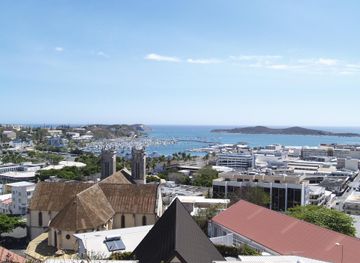
Looking beyond South Province? Discover New Caledonia for broader travel guides, local hot-spots, and regional highlights.
Explore New CaledoniaSouth Province in Photos
Browse through our photo collection highlighting the charm and character of the destination.




Discover the Enchanting South Province of New Caledonia
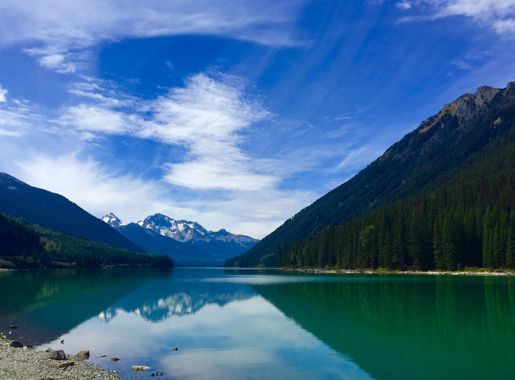
The South Province of New Caledonia is a captivating destination that offers a blend of natural beauty, rich culture, and exciting activities. It's known for its stunning landscapes, from the azure waters of the lagoon to the lush green mountains and rolling hills. The region is perfect for nature lovers, adventure seekers, and those looking to immerse themselves in local culture. One of the highlights of the South Province is the UNESCO World Heritage-listed lagoon, which is one of the largest in the world. Here, you can enjoy snorkeling, diving, and sailing in the crystal-clear waters, exploring vibrant coral reefs and diverse marine life. For those who prefer land-based activities, the Blue River Provincial Park offers hiking trails, kayaking, and the chance to see the rare Kagu bird in its natural habitat. Cultural enthusiasts will appreciate the rich Kanak heritage in the South Province. Visit traditional villages to learn about the customs and traditions of the indigenous people. The Tjibaou Cultural Center in Nouméa, designed by renowned architect Renzo Piano, is a must-visit for its impressive architecture and insightful exhibitions on Kanak culture. The capital city of Nouméa is a vibrant hub where you can enjoy fine dining, shopping, and a lively nightlife. Don't miss the local markets where you can taste fresh produce, seafood, and traditional dishes. The city's mix of French and Melanesian influences creates a unique and delightful atmosphere for visitors.