

Free Voh Travel Guide & Mobile App
Explore Voh with free travel guides. Discover regional history, expert tips, proposed trips, and audio guides on web or mobile app.


Explore Voh in New Caledonia for the Coeur de Voh mangrove, west-coast landscapes, Kanak culture and the mineral hills of Grande Terre.
Read more about Voh
When is the best time to visit Voh?
Best: June–August · 25°C| Month | High (°C) | Rainfall (mm) |
|---|---|---|
| January | 31 | 200 |
| February | 31 | 170 |
| March | 31 | 150 |
| April | 29 | 130 |
| May | 27 | 110 |
| June (best) | 25 | 100 |
| July (best) | 25 | 100 |
| August (best) | 25 | 100 |
| September | 27 | 110 |
| October | 28 | 130 |
| November | 30 | 150 |
| December | 31 | 180 |
Getting to and around Voh
How to get there
Transportation
Best attractions in Voh
Voh’s attractions centre on landscape and interpretation rather than a dense collection of ticketed sites. The Coeur de Voh is the defining experience: a naturally formed mangrove pattern whose recognisable outline is best understood from an elevated or aerial perspective, subject to local access and conditions. Guided visits can add context about tides, mangrove ecology and the communities that live alongside the lagoon. The surrounding west-coast plain offers opportunities for birdwatching, photography and observing the contrast between salt marsh, coastal woodland, pasture and mineral-rich hills. Inland routes reveal the dry landscapes associated with ranching and nickel, while nearby Koné provides a broader range of services and cultural points of interest outside Voh itself. Visitors interested in Kanak culture should prioritise locally organised encounters and ask permission before entering customary areas. This is not a conventional beach-resort destination: the coastline is more notable for estuaries, mangrove habitats and expansive views than for continuous developed waterfront. Self-drive exploration is rewarding but requires preparation, as roads, weather, tides and private or industrial land can affect access.
-
Scenic spot
Jinek Bay
Explore the stunning natural beauty and serene atmosphere of Jinek Bay in Santal Bay, New Caledonia, a paradise for beach lovers and adventure seekers.
-
Wildlife park
Grotte de la Reine Hortense
Experience the natural beauty and wildlife of Grotte de la Reine Hortense, a captivating wildlife park in New Caledonia's stunning landscapes.
-
History museum
Ecomusée du café de Voh
Explore the rich coffee heritage of New Caledonia at the Ecomusée du Café de Voh, where history meets culture in a delightful café setting.
-
Flight school
Hibisair
Experience the breathtaking beauty of New Caledonia from the sky with Hibisair's aerial adventures and flight training.


Best landmarks in Voh
The Coeur de Voh is Voh’s most recognisable landmark, a heart-shaped mangrove formation created by the pattern of vegetation, tidal channels and coastal sediment. Its international fame comes largely from aerial imagery, but its significance is also ecological: mangroves shelter young marine life, bind shoreline sediments and form a transition between land and lagoon. The west-coast mangrove and estuarine landscape around Voh is therefore a landmark in its own right, even where no single viewpoint captures the full shape. Inland, the mineral-toned hills and rugged massifs provide a strong visual counterpoint to the flat coastal plain and express the geological foundation of New Caledonia’s nickel economy. The village itself is a more understated point of reference, representing the administrative and community life of a rural North Province commune. In the wider Voh–Koné landscape, ranch fences, lateritic cuttings and long coastal roads show how customary land, pastoral settlement, transport and mining have shaped the modern view.
-
Aquarium
Lagoon Aquarium
Explore the vibrant underwater world at Lagoon Aquarium, Nouméa, where marine life and adventure await every visitor.
-
City park
Place des Cocotiers
Discover tranquility in the heart of Nouméa at Place des Cocotiers, a lush city park blending nature and culture for every traveler.
-
Cultural center
Tjibaou Cultural Centre
Explore the Tjibaou Cultural Centre in Nouméa, where Kanak culture comes to life through art, performances, and stunning architecture, offering a unique cultural experience.
-
 Tourist attraction
Amédée Lighthouse
Discover the stunning Amédée Lighthouse in New Caledonia, a historic maritime beacon surrounded by breathtaking coral reefs and idyllic beaches.


Explore Voh on the map
Plan your trip on one map. See where the top cities, national parks and sights are, and book hotels and experiences in a few clicks.
Best hotels in Voh
Best restaurants in Voh
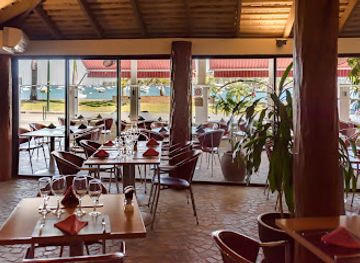
Dining in Voh is modest and closely linked to the practical needs of a rural community, so visitors should not expect the concentration of restaurants found in Nouméa. The wider Koné area offers a more dependable choice of cafés, casual restaurants and places to buy provisions, while accommodation providers in and around Voh may offer meals by prior arrangement. Local food reflects New Caledonia’s Pacific and French influences, with fish, shellfish, coconut, tropical fruit, yams, cassava and other root vegetables appearing alongside baguettes, salads and French-style cooking. Bougna, a Kanak dish traditionally prepared with root crops, coconut milk and meat or seafood, is culturally important but is usually associated with organised meals, community occasions or advance requests rather than an everyday takeaway. The west coast’s produce and seafood are best approached through local recommendations, markets or hosted meals, where available. Visitors with dietary requirements should communicate them ahead of time because rural supply and menu choice can be limited.
-
Restaurant
Marmite et Tire-Bouchon
Experience authentic New Caledonian cuisine at Marmite et Tire-Bouchon - where local flavors meet French culinary excellence.
-
Restaurant
Le Roof
Discover exquisite dining at Le Roof in Nouméa - where stunning views meet exceptional cuisine.
-
Restaurant
L'Atelier Gourmand
Discover the delicious fusion of French cuisine and local flavors at L'Atelier Gourmand – a bakery and restaurant gem in Nouméa.
-
Mexican
Tipico Latino
Experience vibrant Mexican cuisine at Tipico Latino in Nouméa - where every meal is a celebration of flavor.


Best bars in Voh
Voh does not have a major nightclub scene, and evening life is generally quieter and more community-focused than in Nouméa. Socialising tends to centre on accommodation dining rooms, small local establishments, community gatherings and informal meals rather than a dedicated strip of bars. Koné, outside Voh but nearby in regional terms, provides a wider selection of places for an evening drink or meal, although its nightlife also remains small-scale. Visitors should not assume that rural venues stay open late, and advance arrangements are sensible when dining away from the main service centres. Evening walks near mangroves, beaches or unlit roads require care because of tides, uneven ground, limited lighting and wildlife. The region’s night-time appeal lies more in quiet west-coast skies, hosted cultural occasions and relaxed conversation than in clubbing.
-
Restaurant
Le Roof
Experience stunning views and exceptional cuisine at Le Roof, the premier dining destination in Nouméa, New Caledonia.
-
Restaurant
L'Ed'Zen
Experience the fusion of local flavors and modern cuisine at L'Ed'Zen, a culinary haven in Nouméa, New Caledonia.
-
Restaurant
Lemon Bay Cafe
Discover the fusion flavors of Lemon Bay Cafe in Nouméa, where delightful brunch meets stunning bay views, perfect for every food lover.
-
Bar
MV Lounge
Discover the vibrant nightlife of Nouméa at MV Lounge, where cocktails and a lively atmosphere create unforgettable moments.


Best nightclubs in Voh
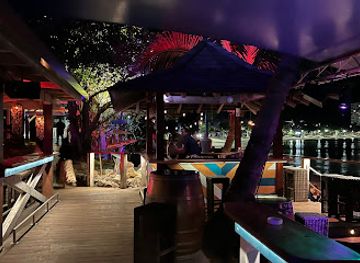
Voh does not have a major nightclub scene, and evening life is generally quieter and more community-focused than in Nouméa. Socialising tends to centre on accommodation dining rooms, small local establishments, community gatherings and informal meals rather than a dedicated strip of bars. Koné, outside Voh but nearby in regional terms, provides a wider selection of places for an evening drink or meal, although its nightlife also remains small-scale. Visitors should not assume that rural venues stay open late, and advance arrangements are sensible when dining away from the main service centres. Evening walks near mangroves, beaches or unlit roads require care because of tides, uneven ground, limited lighting and wildlife. The region’s night-time appeal lies more in quiet west-coast skies, hosted cultural occasions and relaxed conversation than in clubbing.
-
Bar
MV Lounge
Experience the vibrant atmosphere and exquisite drinks at MV Lounge in Nouméa, the perfect spot for relaxation and socializing.
-
Bar
L'Etrave
Discover the vibrant atmosphere of L'Etrave, the ultimate bar experience in Nouméa, offering stunning views and a delightful drink selection.
-
Lounge
Nakamal le 21
Discover Nakamal le 21, the perfect lounge in Nouméa for enjoying drinks and local culture in a warm, inviting ambiance.
-
Bar
Public House Noumea
Experience the vibrant nightlife of Nouméa at Public House - a lively bar and club perfect for cocktails and live music.


Best shops in Voh
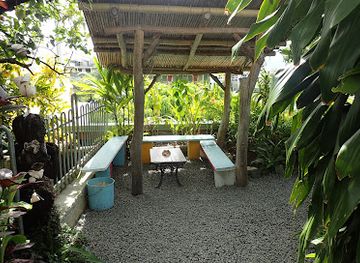
Shopping in Voh is limited and practical, with small local provisions and everyday necessities rather than a substantial retail district. Koné is the nearest place to look for a broader selection of supermarkets, services and locally sourced products, while visitors travelling through the west coast should stock up before heading into more remote areas. Regional purchases may include tropical produce, locally made foods, crafts and small souvenirs connected with Kanak or New Caledonian culture, but availability varies and should not be assumed. When buying handicrafts, ask about their maker, materials and permission to export natural items; shells, coral, plants and other pieces taken from the environment should never be collected casually. Markets and community sales may occur at particular times rather than on a permanent daily schedule. The most meaningful shopping opportunities are often linked to local producers or organised cultural visits, where purchases directly reflect the community and the place rather than generic imported souvenirs.
-
Vaporizer store
Vap'store Koné
Explore Vap'store Koné in Kone, New Caledonia, for the best selection of vaporizers and accessories in a welcoming environment.
-
Grocery store
PRIMAG VOH SARL
Explore local produce and culinary delights at PRIMAG VOH SARL in New Caledonia, a vibrant grocery store offering a taste of the islands.
-
Pharmacy
Pharmacie De Voh
Explore Voh with confidence; Pharmacie De Voh offers essential health services for tourists in New Caledonia.
-
Duty free store
Aelia Duty Free Noumea Airport
Discover unbeatable deals on luxury goods and local specialties at Aelia Duty Free Noumea Airport, your gateway to exclusive shopping.


Get your free copy of our complete guide to Voh, delivered straight to you.
Everything on this page, from attractions and restaurants to essentials and local phrases, in one PDF you can read offline, print or share.
Already have an account? Sign in
Your Voh guide is ready.
We'll send it to · Not you? Sign out

Getting your guide ready…
We are putting together a fresh copy of the Voh guide. This can take up to a minute.
This can take a few moments. If your browser asks, choose Allow so the download can start. You'll find the guide in your Downloads folder.
Nothing happened? Download it again
Sorry, the guide is taking longer than usual. Please try again in a minute, or get it by email instead.
Voh essentials
Currency and Payment
Safety
Emergency Situations
Do's and Don'ts
Local Tips
From Eve
Local phrases worth knowing
You don't need to get them perfect. A few words go a long way, and locals appreciate the effort.
Basics
| English | Local | Say it |
|---|---|---|
| Hello | Niaou | [nee-ow] |
| Goodbye | Aurevoir | [oh-ruh-vwahr] |
| Yes | Oui | [wee] |
| No | Non | [noh] |
| Please/You’re welcome | S'il vous plaît | [seel voo pleh] |
| Thank you | Merci | [mehr-see] |
| Excuse me/Sorry | Pardon | [par-dohn] |
| How are you? | Comment ça va? | [koh-mohn sah vah] |
| Fine. And you? | Bien. Et vous? | [byehn eh voo] |
| Do you speak English? | Parlez-vous anglais? | [par-lay voo ahn-glay] |
| I don’t understand | Je ne comprends pas | [zhuh nuh kom-prahn pah] |
Eating & Drinking
| English | Local | Say it |
|---|---|---|
| I’d like to see the menu, please | Je voudrais voir le menu, s'il vous plaît | [zhuh voo-dray vwar luh meh-nu seel voo pleh] |
| I don’t eat meat | Je ne mange pas de viande | [zhuh nuh mahnj pah duh vyahnd] |
| Cheers! | Santé! | [sahn-tay] |
| I would like to pay, please | Je voudrais payer, s'il vous plaît | [zhuh voo-dray pay-ay seel voo pleh] |
Emergencies
| English | Local | Say it |
|---|---|---|
| Help! | Au secours! | [oh suh-koor] |
| Go away! | Allez-vous-en! | [ah-lay voo-zahn] |
| Call the Police! | Appelez la police! | [ah-peh-lay lah poh-lees] |
| Call a doctor! | Appelez un docteur! | [ah-peh-lay uhn doh-ktehr] |
| I’m lost | Je suis perdu | [zhuh swee pair-doo] |
| I’m ill | Je suis malade | [zhuh swee mah-lahd] |
Shopping
| English | Local | Say it |
|---|---|---|
| I’d like to buy... | Je voudrais acheter... | [zhuh voo-dray ah-sheh-tay] |
| I’m just looking | Je regarde juste | [zhuh ruh-gahrd zhoost] |
| How much is it? | C'est combien? | [seh kohm-byen] |
| That’s too expensive | C'est trop cher | [seh troh shair] |
| Can you lower the price? | Pouvez-vous baisser le prix? | [poo-vay voo beh-say luh pree] |
Time & Numbers
| English | Local | Say it |
|---|---|---|
| What time is it? | Quelle heure est-il? | [kel uhr eh-teel] |
| It’s one o’clock | Il est une heure | [eel eh oon uhr] |
| Half past (10) | Dix heures et demie | [deez uhr eh deh-mee] |
| Morning | Matin | [mah-tan] |
| Afternoon | Après-midi | [ah-preh mee-dee] |
| Evening | Soir | [swahr] |
| Yesterday | Hier | [ee-ehr] |
| Today | Aujourd'hui | [oh-zhoor dwee] |
| Tomorrow | Demain | [duh-mahn] |
| 1 | Un | [uhn] |
| 2 | Deux | [duh] |
| 3 | Trois | [trwah] |
| 4 | Quatre | [katr] |
| 5 | Cinq | [sank] |
| 6 | Six | [sees] |
| 7 | Sept | [set] |
| 8 | Huit | [weet] |
| 9 | Neuf | [nuhf] |
| 10 | Dix | [deez] |
Transport & Directions
| English | Local | Say it |
|---|---|---|
| Where's a/the...? | Où est un/une...? | [oo eh uhn/ewn] |
| What's the address? | Quelle est l'adresse? | [kel eh luh-dress] |
| Can you show me (on the map)? | Pouvez-vous me montrer (sur la carte)? | [poo-vay voo muh mohn-tray (sur lah kart)] |
| When's the next (bus)? | Quand est le prochain (bus)? | [kahn eh luh pro-shen (boos)] |
| A ticket (to ....) | Un billet (pour ....) | [uhn bee-yay (poor ....)] |
History of Voh
Kanak settlement and customary life
Long before European colonisation, the Voh area was part of the interconnected Kanak world of Grande Terre. Communities organised social life through clan relationships, customary authority, cultivation, fishing, exchange and detailed knowledge of the coast and interior. The landscape was not an empty wilderness: river mouths, forests, savannahs and lagoon environments were used and understood through customary relationships and oral histories. Contemporary Voh remains part of this living cultural framework, although customary areas, local communities and access arrangements differ from place to place.
European contact and French colonisation
European contact and the establishment of French control during the nineteenth century transformed landholding, administration and movement across New Caledonia. Mission activity, colonial settlement and the introduction of new legal systems altered Kanak life, while roads, ranching and coastal trading gradually tied communities to a wider colonial economy. Voh’s west-coast setting brought it into this process without losing the importance of local customary structures. The resulting cultural landscape combines Kanak continuity with institutions, buildings and land uses introduced during the colonial period.
Nickel and the making of a mining economy
Nickel, identified in New Caledonia during the nineteenth century, became the territory’s defining mineral resource. Mining and the associated transport, labour and processing networks reshaped Grande Terre, including the hills inland from the west coast. In the Voh and Koné area, the bright red and ochre tones of lateritic ground are a visible reminder of this geological and economic history. Mining brought employment and investment but also raised enduring questions about land, water, environmental protection and the distribution of wealth between communities.
Ranching, roads and west-coast settlement
The drier western side of Grande Terre developed a strong cattle-ranching identity alongside mining and coastal agriculture. Open savannah, fenced pasture and long north–south roads became characteristic features of the landscape around Voh. Improvements in transport connected rural settlements with Koné and Nouméa, while imported foods, French administrative practices and Pacific exchanges influenced everyday life. The region’s present appearance is therefore the result of several overlapping economies rather than a single industry.
The Kanak independence movement and political change
From the 1970s, demands for greater Kanak recognition, land rights and political power intensified across New Caledonia. The period of conflict in the 1980s affected the territory deeply, including the north, and led to the Matignon Agreements of 1988 and the Nouméa Accord of 1998. These agreements established a framework for power-sharing, economic rebalancing and recognition of New Caledonia’s distinct political identity. The development of the North Province, including the Voh–Koné area, has been closely connected with that effort to reduce the historic concentration of infrastructure and opportunity around Nouméa.
The North Province and contemporary development
Since the late twentieth century, the North Province has pursued greater economic and administrative autonomy, with nickel remaining central but not representing the whole regional identity. The proposed and developed Koniambo mining and metallurgical project near Koné became an important symbol of northern development and local participation in the mineral economy. Voh sits within this wider transformation, where customary land concerns, environmental stewardship, employment, tourism and industrial investment coexist. The Coeur de Voh has also given the commune a global visual identity, drawing attention to its mangrove ecology as well as its mining landscape.
Voh in Photos
Browse through our photo collection highlighting the charm and character of the destination.
Neighbouring regions of Voh
The closest regions to Voh, if you have time for more than one.
-

-

-

-

-


Swipe for more regions
Explore more
Explore more of New Caledonia
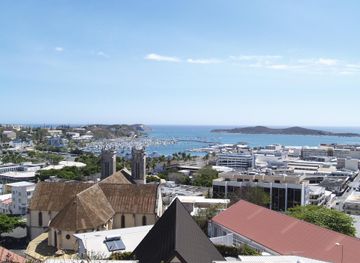
Discover New Caledonia, a captivating blend of French elegance and Pacific beauty, offering pristine beaches, vibrant culture, and unparalleled natural wonders.
Explore New Caledonia