

Free Pouembout Travel Guide & Mobile App
Explore Pouembout with free travel guides. Discover regional history, expert tips, proposed trips, and audio guides on web or mobile app.


Discover Pouembout in New Caledonia through cattle country, Kanak heritage, dry landscapes and rural journeys across the North Province.
Read more about Pouembout
When is the best time to visit Pouembout?
Best: June–August · 24–25°C| Month | High (°C) | Rainfall (mm) |
|---|---|---|
| January | 30 | 150 |
| February | 30 | 140 |
| March | 29 | 130 |
| April | 28 | 120 |
| May | 27 | 110 |
| June (best) | 25 | 100 |
| July (best) | 24 | 90 |
| August (best) | 24 | 100 |
| September | 26 | 110 |
| October | 28 | 120 |
| November | 29 | 130 |
| December | 29 | 140 |
Getting to and around Pouembout
How to get there
Transportation
Best attractions in Pouembout
Pouembout’s attractions are primarily landscape-based and rural rather than concentrated in a large visitor complex. The village and surrounding agricultural plain offer an introduction to west-coast New Caledonian life, with cattle country, broad views towards the mountains and roads passing between pasture, scrub and cultivated land. Visitors interested in local history can look for the traces of colonial agricultural development in the settlement pattern and older rural properties, while conversations arranged through local cultural or tourism organisations can provide a more informed perspective on Kanak connections with the area. Outdoor exploration is best approached through prepared routes, private operators or locally recommended access, as not every attractive track is a public visitor trail. The wider Koné–Pouembout area, with Koné outside the commune, provides additional services and regional excursions, but should not be confused with Pouembout itself. Birdwatching, landscape photography, scenic driving and quiet observation of seasonal changes are more realistic here than a packed list of formal attractions. The dry western climate also creates a clear contrast with the wetter eastern side of Grande Terre, making the commune useful for travellers studying the island’s ecological and agricultural differences.
-
National park
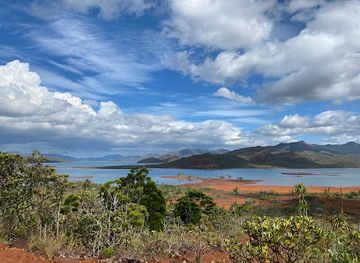
Blue River Provincial Park
Explore the breathtaking Blue River Provincial Park in New Caledonia, a haven for nature lovers and adventure seekers alike.
-
Outdoor swimming pool
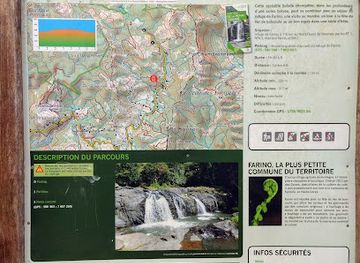
Petite cascade de Farino
Explore the tranquil beauty of Petite Cascade de Farino, a serene outdoor swimming pool in New Caledonia surrounded by stunning waterfalls and lush landscapes.
-
Memorial park
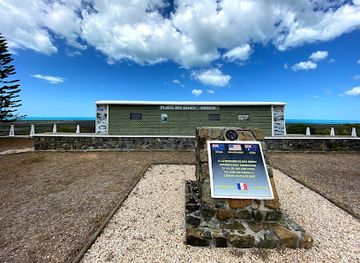
Memorial Plaine des Gaiacs
Explore the Memorial Plaine des Gaiacs in New Caledonia, where nature meets history in a serene memorial park dedicated to peace.
Best landmarks in Pouembout
Pouembout’s most significant landmarks are connected less with monumental architecture than with the relationship between settlement, agriculture and the west-coast landscape. The village itself provides a reference point for the commune’s colonial agricultural development, while the surrounding pasturelands and river corridors form a recognisable rural setting against the uplands of Grande Terre. Local churches, civic buildings and older rural structures should be viewed as part of a wider historical landscape rather than isolated grand monuments. The Pouembout River and the open plain are important geographical features, expressing the seasonal climate and the agricultural character that has long distinguished the area. The nearby Koné–Pouembout urban zone, including landmarks in Koné, belongs to the wider regional setting but lies outside Pouembout and should be identified separately. For visitors, the most meaningful visual landmarks may therefore be working landscapes, mountain horizons, old road alignments and the changing boundary between cultivated ground, customary areas and dry forest. Local guidance is valuable because access to some apparently attractive places can involve private property or customary land.
-
Aquarium
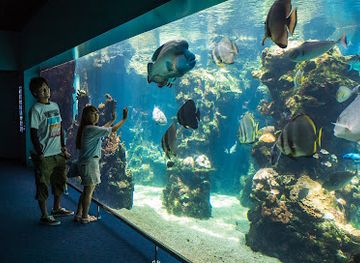
Lagoon Aquarium
Explore the vibrant marine life at Lagoon Aquarium in Nouméa, New Caledonia, a captivating destination for nature lovers and families.
-
City park
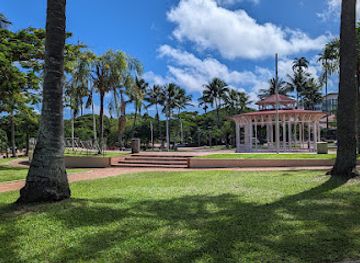
Place des Cocotiers
Experience the vibrant atmosphere and natural beauty of Place des Cocotiers, the heart of Nouméa, New Caledonia's charming city park.
-
Cultural center
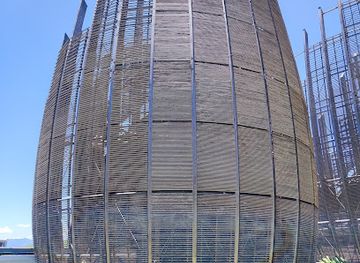
Tjibaou Cultural Centre
Explore New Caledonia's heritage at Tjibaou Cultural Centre, where Kanak culture comes alive through art, architecture, and performances.
-
Tourist attraction
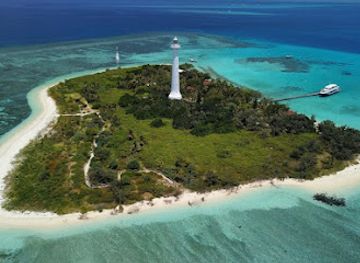
Amédée Lighthouse
Discover the enchanting Amédée Lighthouse in New Caledonia, a stunning tourist attraction offering breathtaking views, rich history, and vibrant marine life.
Explore Pouembout on the map
Plan your trip on one map. See where the top cities, national parks and sights are, and book hotels and experiences in a few clicks.
Best hotels in Pouembout
Best restaurants in Pouembout
Dining in Pouembout is shaped by its rural setting and limited population, so visitors should expect a small selection of cafés, informal eateries and accommodation-based meals rather than a large restaurant district. New Caledonian cooking draws on French technique, Melanesian ingredients and Pacific produce; menus may include locally caught fish, prawns, tropical fruit, root vegetables, rice and grilled meats. Beef has particular relevance in the west-coast pastoral economy, although availability and menus vary by establishment. In the wider Koné area, outside Pouembout, there are more opportunities to shop for supplies and find everyday dining. Markets and small food outlets are useful places to look for seasonal fruit, vegetables and locally produced goods, but opening days can vary. Carrying provisions is sensible when travelling through the countryside, especially outside normal meal times. Visitors should not expect each rural property or cultural activity to operate as a restaurant, and pre-arrangement is often appropriate for meals connected with local tours or accommodation.
-
Restaurant
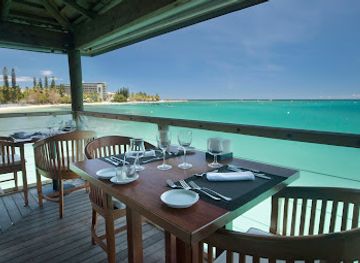
Le Roof
Discover Le Roof: Where exquisite cuisine meets breathtaking lagoon views in Nouméa.
-
Restaurant
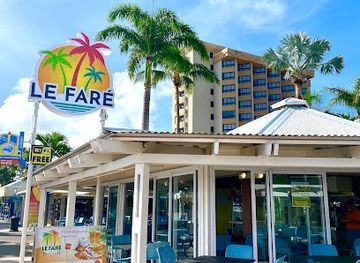
Le Faré du Palm Beach
Discover exquisite local cuisine with stunning ocean views at Le Faré du Palm Beach in Nouméa's beautiful Anse Vata.
-
 Hotel
HotelHôtel Restaurant Hibiscus Koné
Discover comfort and relaxation at Hôtel Restaurant Hibiscus in beautiful Koné, New Caledonia – your perfect tropical escape.
-
Restaurant
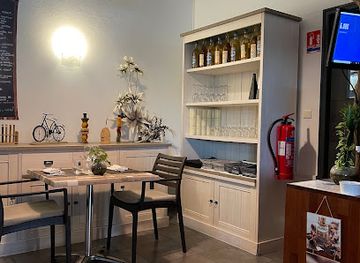
La Table des Gourmets
Experience the best of New Caledonian cuisine at La Table des Gourmets in Nouméa, where every meal tells a story through its flavors.
Best bars in Pouembout
Pouembout does not have a major nightclub scene; evening life is generally quiet and centred on restaurants, accommodation, informal gatherings and the social atmosphere of local cafés or licensed establishments. The larger selection of bars and evening venues is in Koné, outside the commune, where the North Province’s administrative and commercial activity supports a broader choice. Traditional French-style café culture exists alongside Pacific influences, but nightlife is not the main reason to visit this rural area. Travellers should arrange late transport in advance, especially when staying away from the main road, and should not assume that venues open late every night. During community, cultural or sporting events, the social rhythm may be livelier, but dates and access vary and should be confirmed locally. Responsible drinking is particularly important when driving on rural roads, where lighting, pedestrians, livestock and mobile coverage may be limited.
-
Bar
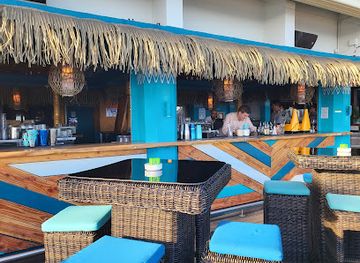
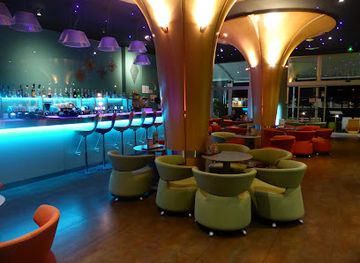
MV Lounge
Experience the vibrant nightlife of Nouméa at MV Lounge, where friendly staff serve refreshing drinks in a stunning setting.
-
Bar
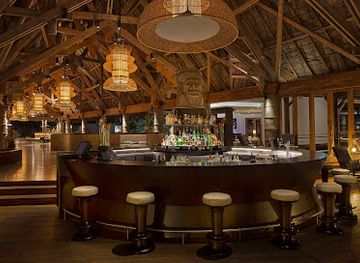
Hôtel Restaurant Hibiscus Koné
Discover the tranquil beauty and exceptional hospitality of Hôtel Restaurant Hibiscus Koné in New Caledonia, a perfect blend of relaxation and adventure.
-
Restaurant
Hôtel Koniambo BkhWnkc
Discover the tranquil escape of Hôtel Koniambo, where culinary delights meet the serene beauty of New Caledonia's landscapes.
-
Family-friendly
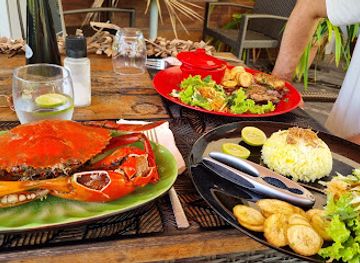
Le Jardin De Poé
Discover the family-friendly charm of Le Jardin De Poé, where local flavors meet a serene garden atmosphere in Bourail, New Caledonia.
Best nightclubs in Pouembout
Pouembout does not have a major nightclub scene; evening life is generally quiet and centred on restaurants, accommodation, informal gatherings and the social atmosphere of local cafés or licensed establishments. The larger selection of bars and evening venues is in Koné, outside the commune, where the North Province’s administrative and commercial activity supports a broader choice. Traditional French-style café culture exists alongside Pacific influences, but nightlife is not the main reason to visit this rural area. Travellers should arrange late transport in advance, especially when staying away from the main road, and should not assume that venues open late every night. During community, cultural or sporting events, the social rhythm may be livelier, but dates and access vary and should be confirmed locally. Responsible drinking is particularly important when driving on rural roads, where lighting, pedestrians, livestock and mobile coverage may be limited.
-
Bar
MV Lounge
Discover the lively atmosphere of MV Lounge in Nouméa, where exquisite drinks meet stunning sunset views, perfect for unwinding and enjoying local culture.
-
Bar
L'Etrave
Discover the vibrant ambiance and stunning ocean views at L'Etrave, Nouméa's premier bar for relaxation and nightlife.
-
Bar
Creek Bar
Experience the vibrant atmosphere and tropical charm of Creek Bar in New Caledonia, the perfect spot for relaxation and entertainment.
-
Bar
Public House Noumea
Experience the vibrant nightlife at Public House Noumea, the ultimate bar and lounge in the heart of Anse Vata, New Caledonia.


Best shops in Pouembout
Shopping in Pouembout is modest and practical, reflecting its rural population. Visitors can find everyday provisions and locally produced goods through small shops, service businesses and occasional market activity, while the broader range of supermarkets, pharmacies and retail services is concentrated in Koné outside the commune. Regional purchases may include tropical fruit, preserves, honey, locally made food products and crafts, although availability depends on season and outlet. Look for artwork and handicrafts through recognised cultural organisations or established makers, and ask about provenance rather than assuming that every souvenir represents local production. New Caledonia’s distinctive Kanak art and craft traditions deserve respectful purchasing from legitimate sellers. Rural shopping may operate during limited hours, so obtain food, water and fuel before heading into the countryside. Pouembout is better suited to finding useful provisions and locally connected products than to designer retail, large shopping centres or an extensive antiques market.
-
Shopping mall
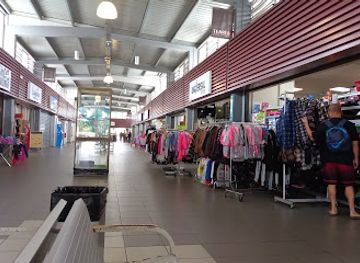
TEARI Commercial centre
Explore the vibrant TEARI Commercial Centre in Koné, New Caledonia, where shopping meets culture in a delightful atmosphere.
-
Shopping mall
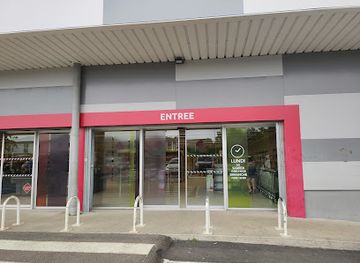
Leader Price
Explore the vibrant shopping scene at Leader Price in Kone, New Caledonia, offering a delightful mix of local products and cultural experiences.
-
Vaporizer store
Vap'store Koné
Discover the best vaporizer store in Koné, New Caledonia, offering quality products and a welcoming atmosphere for all vaping enthusiasts.
-
Appliance store
Darty Nouvelle-Calédonie (Pouembout)
Explore quality appliances and unique local goods at Darty Nouvelle-Calédonie in Pouembout, a shopping haven for every traveler.


Get your free copy of our complete guide to Pouembout, delivered straight to you.
Everything on this page, from attractions and restaurants to essentials and local phrases, in one PDF you can read offline, print or share.
Already have an account? Sign in
Your Pouembout guide is ready.
We'll send it to · Not you? Sign out

Getting your guide ready…
We are putting together a fresh copy of the Pouembout guide. This can take up to a minute.
This can take a few moments. If your browser asks, choose Allow so the download can start. You'll find the guide in your Downloads folder.
Nothing happened? Download it again
Sorry, the guide is taking longer than usual. Please try again in a minute, or get it by email instead.
Pouembout essentials
Currency and Payment
Safety
Emergency Situations
Do's and Don'ts
Local Tips
From Eve
Local phrases worth knowing
You don't need to get them perfect. A few words go a long way, and locals appreciate the effort.
Basics
| English | Local | Say it |
|---|---|---|
| Hello | Nia | [nee-ah] |
| Goodbye | Nia bobo | [nee-ah boh-boh] |
| Yes | Oui | [wee] |
| No | Nô | [noh] |
| Please/You're welcome | S'il te plaît | [seel tuh pleh] |
| Thank you | Merçi | [mehr-see] |
| Excuse me/Sorry | Pardon | [par-dohn] |
| How are you? | Comment ça va? | [koh-mohn sah vah] |
| Fine. And you? | Bien. Et toi? | [byahn. eh twah] |
| Do you speak English? | Parles-tu anglais? | [parl tuh ahn-glay] |
| I don't understand | Je ne comprends pas | [zhuh nuh kohm-prahn pah] |
Eating & Drinking
| English | Local | Say it |
|---|---|---|
| I'd like to see the menu, please | Je voudrais voir le menu, s'il te plaît | [zhuh voo-dray vwar luh meh-nu, seel tuh pleh] |
| I don't eat meat | Je ne mange pas de viande | [zhuh nuh mahnj pah duh vyahnd] |
| Cheers! | À votre santé! | [ah vo-truh sahn-tay] |
| I would like to pay, please | Je voudrais payer, s'il te plaît | [zhuh voo-dray pay-ay, seel tuh pleh] |
Emergencies
| English | Local | Say it |
|---|---|---|
| Help! | Au secours! | [oh suh-koor] |
| Go away! | Va t'en! | [vah tahn] |
| Call the Police! | Appelle la police! | [ah-pel lah poh-lees] |
| Call a doctor! | Appelle un médecin! | [ah-pel un meh-deh-sahn] |
| I'm lost | Je suis perdu | [zhuh swee pehr-dyoo] |
| I'm ill | Je suis malade | [zhuh swee mah-lahd] |
Shopping
| English | Local | Say it |
|---|---|---|
| I'd like to buy... | Je voudrais acheter... | [zhuh voo-dray ah-sheh-tay] |
| I'm just looking | Je regarde juste | [zhuh reh-gard zhoost] |
| How much is it? | C'est combien? | [say kohm-byen] |
| That's too expensive | C'est trop cher | [say troh shair] |
| Can you lower the price? | Peux-tu baisser le prix? | [puh tu beh-say luh pree] |
Time & Numbers
| English | Local | Say it |
|---|---|---|
| What time is it? | Quelle heure est-il? | [kel uhr eh teel] |
| It's one o'clock | Il est une heure | [eel eh oon uhr] |
| Half past (10) | Dix heures et demie | [deez uhr eh duh-mee] |
| Morning | Matin | [mah-tahn] |
| Afternoon | Après-midi | [ah-preh mee-dee] |
| Evening | Soir | [swahr] |
| Yesterday | Hier | [ee-ehr] |
| Today | Aujourd'hui | [oh-zhoor-dwee] |
| Tomorrow | Demain | [duh-mahn] |
| 1 | Un | [uhn] |
| 2 | Deux | [duhr] |
| 3 | Trois | [trwah] |
| 4 | Quatre | [ka-truh] |
| 5 | Cinq | [sank] |
| 6 | Six | [sees] |
| 7 | Sept | [seht] |
| 8 | Huit | [weet] |
| 9 | Neuf | [nuhf] |
| 10 | Dix | [deez] |
Transport & Directions
| English | Local | Say it |
|---|---|---|
| Where's a/the...? | Où est un/une...? | [oo eh uhn/oon] |
| What's the address? | Quelle est l'adresse? | [kel eh lah-dress] |
| Can you show me (on the map)? | Peux-tu me montrer (sur la carte)? | [puh tu muh mohn-tray (sur lah kart)] |
| When's the next (bus)? | Quand est le prochain (bus)? | [kahn eh luh proh-shen (boos)] |
| A ticket (to ....) | Un billet (pour ....) | [uhn bee-yay (poor ....)] |
History of Pouembout
Kanak settlement before European colonisation
Pouembout lies within a landscape shaped by Kanak communities over many centuries. Before European settlement, people cultivated food crops, managed useful plants, travelled through river valleys and maintained social and customary relationships with particular places. Oral traditions, clan connections and customary authority remain important to understanding land in New Caledonia. Archaeological evidence across Grande Terre demonstrates long-established settlement and changing patterns of agriculture and exchange, even though Pouembout is not primarily presented to visitors through a large archaeological complex.
French annexation and changing land control in the nineteenth century
France annexed New Caledonia in 1853, after which colonial administration, missionary activity, settlement and new land policies altered life throughout Grande Terre. Kanak communities faced pressure through land alienation, restricted movement and the expansion of colonial institutions. Pouembout was subsequently incorporated into the colonial agricultural landscape of the west coast. The visible settlement today therefore reflects not only farming development but also the much wider political changes that affected customary landholding and relations between Kanak communities and the colonial state.
The agricultural centre of Pouembout
Pouembout became associated with organised agricultural development during the late nineteenth and early twentieth centuries. Its relatively open west-coast plain was suitable for cattle and other forms of farming, and the area became an important setting for agricultural experimentation and rural settlement. This history helped distinguish Pouembout from New Caledonia’s major mining districts and remains evident in its pastureland, ranches and low-density village form. Agriculture continues to be a central part of the commune’s identity, even as the wider region has diversified economically.
Convict labour and the colonial economy
From the 1860s until the early twentieth century, New Caledonia was also a French penal colony. Convict labour supported roads, construction, agriculture and mining in different parts of the territory, while free settlers, officials and commercial interests developed the colonial economy. Pouembout was not the territory’s principal penal settlement, but its agricultural history belongs to this broader period of colonial expansion. The legacy is best understood alongside New Caledonia’s uneven land history and the lasting influence of French institutions, rather than as a single isolated local episode.
Nickel and the transformation of northern New Caledonia
Nickel mining became one of New Caledonia’s defining industries after the nineteenth-century discovery of commercially important deposits. The main mines are located in the central and northern ranges rather than in the agricultural heart of Pouembout, but mining shaped roads, employment, migration and the growth of nearby Koné. The industrial development of the North Province created a contrasting regional economy in which pastoral land, customary territories, public administration and large-scale resource projects exist close together.
The North Province and contemporary regional development
The establishment of New Caledonia’s provinces in 1989 gave the North Province a stronger institutional framework for directing economic and social development. Koné grew as the provincial administrative centre and as a service hub for the surrounding communes, including Pouembout. Modern northern development has involved attempts to broaden the economy beyond dependence on Nouméa and to recognise Kanak participation and customary interests more fully. Pouembout’s present character, combining rural production with proximity to a growing regional centre, is a product of these continuing changes.
Pouembout in Photos
Browse through our photo collection highlighting the charm and character of the destination.
Neighbouring regions of Pouembout
The closest regions to Pouembout, if you have time for more than one.
-

-

-

-

-


Swipe for more regions
Explore more
Explore more of New Caledonia
Discover New Caledonia, a captivating blend of French elegance and Pacific beauty, offering pristine beaches, vibrant culture, and unparalleled natural wonders.
Explore New Caledonia