

Free Koné Travel Guide & Mobile App
Explore Koné with free travel guides. Discover regional history, expert tips, proposed trips, and audio guides on web or mobile app.


Explore Koné in New Caledonia for Kanak culture, nickel-country landscapes, coastal wetlands, rural roads and access to the north.
Read more about Koné
When is the best time to visit Koné?
Best: May–June, September · 23–25°C| Month | High (°C) | Rainfall (mm) |
|---|---|---|
| January | 30 | 200 |
| February | 30 | 170 |
| March | 30 | 150 |
| April | 28 | 120 |
| May (best) | 25 | 80 |
| June (best) | 23 | 70 |
| July | 22 | 70 |
| August | 23 | 70 |
| September (best) | 24 | 80 |
| October | 26 | 110 |
| November | 28 | 130 |
| December | 29 | 160 |
Getting to and around Koné
How to get there
Transportation
Best attractions in Koné
Koné’s attractions are defined by landscape and living culture rather than by a dense collection of ticketed sights. The town provides a practical starting point for exploring the dry west coast, the Koné River and its surrounding valleys, where red earth, open pasture and forested slopes reveal the geological and climatic contrasts of northern Grande Terre. Coastal outings around Foué and nearby shores offer beaches, tidal environments and views across the lagoon, while mangrove areas reward quiet observation of birds and marine life. The wider district is also a useful base for understanding the northern nickel landscape, including the dramatic mountains associated with the Koniambo massif near neighbouring Voh; this is an industrial and environmental landscape, not simply a scenic viewpoint. Visitors interested in culture should prioritise respectful encounters with Kanak communities, local produce and customary places rather than expecting a large museum circuit. Koné’s position makes longer excursions towards Voh, Poum and the north-west coast possible, but these are outside the immediate town and require realistic driving time. Walking, photography, birdwatching and scenic road journeys are generally more dependable activities than highly structured attractions, with access varying according to weather, land ownership and local arrangements.
-
Beach
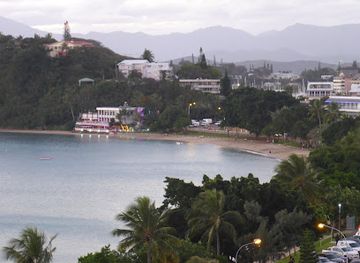
Plage de la Baie des Citrons
Experience the stunning beauty and vibrant atmosphere of Plage de la Baie des Citrons, a must-visit beach destination in Nouméa, New Caledonia.
-
Island
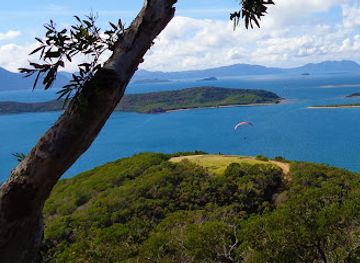
Isle of Pines
Discover the Isle of Pines, a breathtaking island paradise in New Caledonia known for its pristine beaches, vibrant marine life, and lush tropical landscapes.
-
Mountain peak
Ouen Toro
Discover the breathtaking views and lush landscapes of Ouen Toro, a majestic peak in Nouméa, New Caledonia, perfect for nature lovers and adventurers alike.
-
Bay
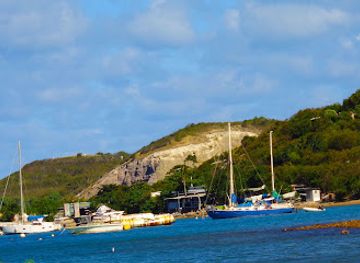
Moselle Bay
Experience the serene beauty of Moselle Bay in New Caledonia, where adventure meets tranquility among stunning landscapes and vibrant marine life.

Best landmarks in Koné
Koné’s most recognisable landmarks are its relationship with the surrounding mountains, valleys and coast rather than a single monumental building. The Koniambo massif near the neighbouring communes of Koné and Voh is the dominant northern geological and industrial reference point, its mineral-bearing slopes linking dramatic scenery with the history of nickel extraction. Around the town, the broad western plain and Koné River corridor create a characteristic landscape of pasture, red soil and wooded ridges, while the coastal wetlands and lagoon-facing shores provide a contrasting natural landmark shaped by tides and mangroves. Foué is associated with Koné’s coastal identity, offering open shorelines and views across the maritime landscape, although the surrounding environment should be treated carefully and access can depend on local conditions. In the town itself, civic buildings, churches and public spaces express Koné’s role as the administrative centre of the North Province, while Kanak customary places and community landscapes carry cultural significance that may not be visually marked for visitors. The most meaningful way to read these landmarks is as connected elements of a living territory: customary land, provincial government, mining country, river valleys and lagoon coast.
-
Aquarium
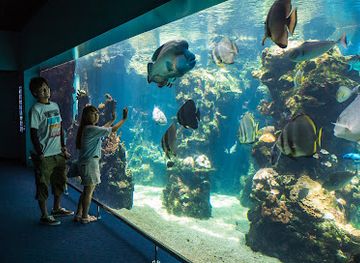
Lagoon Aquarium
Explore the vibrant marine life at Lagoon Aquarium in Nouméa, showcasing local and exotic species in a stunning oceanfront setting.
-
City park
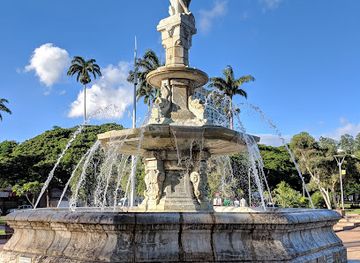
Place des Cocotiers
Explore the serene beauty of Place des Cocotiers, a lush urban park in Nouméa, perfect for relaxation and cultural experiences.
-
Cultural center
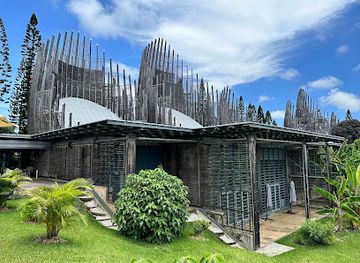
Tjibaou Cultural Centre
Explore the Tjibaou Cultural Centre, a stunning fusion of Kanak heritage and modern architecture in Nouméa, New Caledonia.
-
Tourist attraction
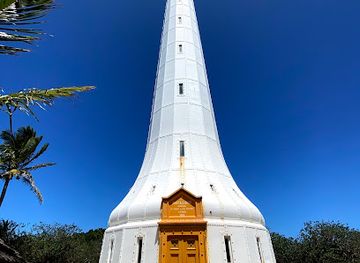
Amédée Lighthouse
Explore Amédée Lighthouse, a stunning historical landmark in New Caledonia, offering breathtaking views, rich maritime heritage, and vibrant marine life.
Explore Koné on the map
Plan your trip on one map. See where the top cities, national parks and sights are, and book hotels and experiences in a few clicks.
Best hotels in Koné
Best restaurants in Koné
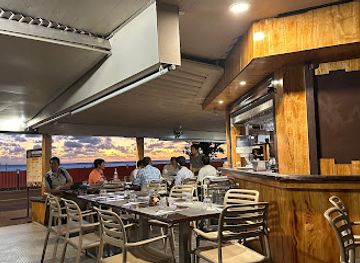
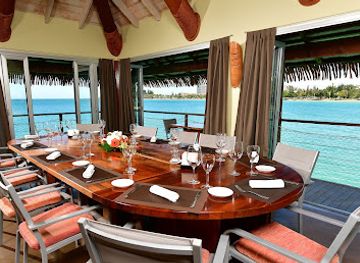
Dining in Koné reflects its role as a northern service town, with modest restaurants, cafés, hotel dining rooms and takeaway options rather than the extensive choice found in Nouméa. Menus commonly draw on French techniques alongside Pacific ingredients, including fish, prawns and other seafood, tropical fruit, coconut, rice and locally available vegetables. In the wider countryside, meals may be encountered through accommodation, community occasions or simple roadside and village businesses, so advance planning is sensible outside town. French bread, pastries and familiar café food sit alongside New Caledonian and Melanesian influences; bougna, a traditional Kanak dish of meat or seafood with vegetables cooked in an earth oven, may require local arrangements rather than appearing routinely on everyday menus. Markets and small food shops are useful for fruit, snacks and picnic supplies, particularly before a long drive. Local availability changes with season, weather and supply chains, so restaurant choice can be limited on quieter days. Visitors should treat customary or community-hosted meals as cultural occasions, follow local guidance and ask before photographing food preparation or participants.
-
Restaurant
Marmite et Tire-Bouchon
Experience exquisite local flavors at Marmite et Tire-Bouchon in Nouméa - where French cuisine meets New Caledonian hospitality.
-
Restaurant
Stone Grill
Discover the unique culinary experience at Stone Grill in Nouméa - where you cook your steak to perfection on volcanic stones!
-
Restaurant
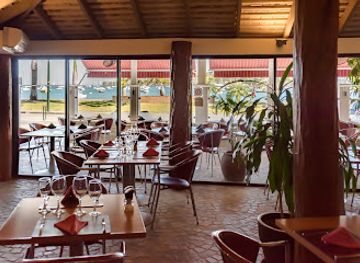
Le Roof
Experience exquisite dining at Le Roof in Nouméa – where fresh seafood meets breathtaking ocean views.
-
Restaurant
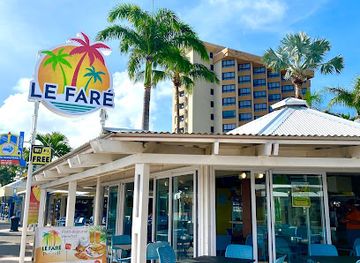
Le Faré du Palm Beach
Discover culinary excellence at Le Faré du Palm Beach – where fresh local flavors meet stunning ocean views in Nouméa.
Best bars in Koné
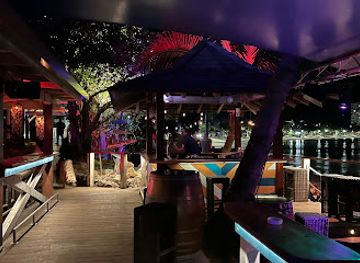
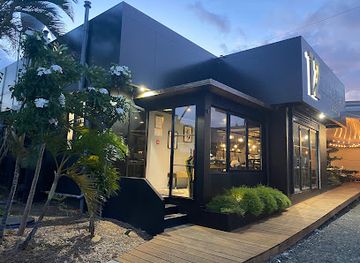
Koné’s evening life is low-key and centred on hotel bars, cafés, restaurants, local social venues and traditional-style drinking places rather than a large nightclub district. The town’s role as the North Province capital brings a steadier evening economy than many rural settlements, but nightlife remains compact and usually finishes earlier than in Nouméa. Beer, French wine, soft drinks and Pacific-influenced refreshments are more likely to define an evening than an extensive cocktail scene. Live music and community events may occur periodically, though schedules are changeable and should be checked locally. In surrounding rural areas, evenings are typically organised around meals, family and community gatherings, with few late services. Drink responsibly, arrange transport before heading out and do not assume that taxis or public transport will be readily available after dark. During larger cultural, sporting or provincial events, the atmosphere may become busier, but these occasions should be treated as community events rather than guaranteed nightlife attractions.
-
Bar
MV Lounge
Discover the vibrant MV Lounge in Nouméa, where stunning views and delicious drinks create the perfect atmosphere for relaxation and enjoyment.
-
 Bar
BarHôtel Restaurant Hibiscus Koné
Discover the serene beauty of New Caledonia at Hôtel Restaurant Hibiscus Koné, your perfect retreat for relaxation and adventure.
-
Restaurant
Hôtel Koniambo BkhWnkc
Discover the culinary delights and cozy accommodations at Hôtel Koniambo in the heart of New Caledonia's stunning landscapes.
-
Restaurant
Le 12 Glasser Bar Tapas Nouméa
Discover the exquisite fusion of local and international flavors at Le 12 Glasser Bar Tapas, Nouméa's culinary treasure.
Best nightclubs in Koné
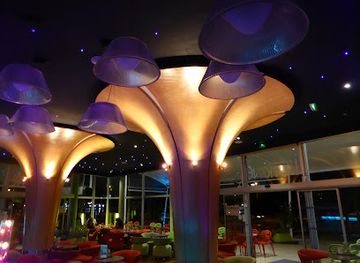
Koné’s evening life is low-key and centred on hotel bars, cafés, restaurants, local social venues and traditional-style drinking places rather than a large nightclub district. The town’s role as the North Province capital brings a steadier evening economy than many rural settlements, but nightlife remains compact and usually finishes earlier than in Nouméa. Beer, French wine, soft drinks and Pacific-influenced refreshments are more likely to define an evening than an extensive cocktail scene. Live music and community events may occur periodically, though schedules are changeable and should be checked locally. In surrounding rural areas, evenings are typically organised around meals, family and community gatherings, with few late services. Drink responsibly, arrange transport before heading out and do not assume that taxis or public transport will be readily available after dark. During larger cultural, sporting or provincial events, the atmosphere may become busier, but these occasions should be treated as community events rather than guaranteed nightlife attractions.
-
Resort hotel
Koulnoué Village
Experience the serene beauty and rich culture of New Caledonia at Koulnoué Village, an idyllic resort hotel perfect for relaxation and exploration.
-
Bar
MV Lounge
Experience the vibrant nightlife of Nouméa at MV Lounge - where cocktails, ocean views, and live music create unforgettable memories.
-
Hotel
Hôtel Restaurant Hibiscus Koné
Discover the serene beauty of Kone at Hôtel Restaurant Hibiscus, your perfect retreat for relaxation and adventure in New Caledonia.
-
Bar
L'Etrave
Experience the vibrant atmosphere of L'Etrave, the ultimate seaside bar in Nouméa offering delightful drinks and stunning views of Anse Vata.

Best shops in Koné
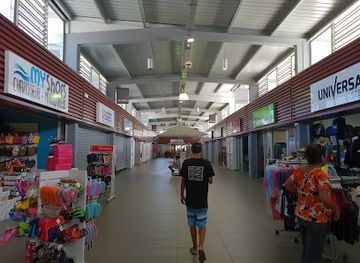
Shopping in Koné is practical and local rather than centred on major fashion or luxury retail. The town’s shops and services cater to residents and travellers preparing for journeys, while small food businesses provide useful supplies, tropical fruit, snacks and locally available produce. Markets and community sales may offer vegetables, fruit, seafood, prepared food and handmade items, although locations and days can vary, so ask locally rather than relying on a fixed schedule. Visitors looking for meaningful purchases should consider Kanak craftwork, woven goods, carvings and locally produced food, buying through reputable community or craft channels and asking about provenance. Jewellery, baskets and other handmade objects should be treated as cultural products, not generic souvenirs; avoid purchasing archaeological material, protected shells or items whose origin is unclear. Koné is not a conventional shopping destination, but its modest retail scene helps reveal the difference between a provincial service town and the larger commercial centres of southern New Caledonia. Stock up before travelling into remote districts, where choice and opening arrangements are limited.
-
Supermarket
Discount TEARI
Discover a local treasure at Discount TEARI, where vibrant flavors and essential goods meet in the heart of New Caledonia.
-
Shopping mall
TEARI Commercial centre
Explore the TEARI Commercial Centre: A vibrant shopping and dining destination in New Caledonia blending local and international experiences.
-
Shopping mall
Leader Price
Discover the essence of New Caledonia at Leader Price in Kone, where local culture meets shopping delight.
-
Vaporizer store
Vap'store Koné
Discover the best vaporizers in Kone, New Caledonia at Vap'store Koné, where quality meets a vibrant vaping culture.


Get your free copy of our complete guide to Koné, delivered straight to you.
Everything on this page, from attractions and restaurants to essentials and local phrases, in one PDF you can read offline, print or share.
Already have an account? Sign in
Your Koné guide is ready.
We'll send it to · Not you? Sign out

Getting your guide ready…
We are putting together a fresh copy of the Koné guide. This can take up to a minute.
This can take a few moments. If your browser asks, choose Allow so the download can start. You'll find the guide in your Downloads folder.
Nothing happened? Download it again
Sorry, the guide is taking longer than usual. Please try again in a minute, or get it by email instead.
Koné essentials
Currency and Payment
Safety
Emergency Situations
Do's and Don'ts
Local Tips
From Eve
Local phrases worth knowing
You don't need to get them perfect. A few words go a long way, and locals appreciate the effort.
Basics
| English | Local | Say it |
|---|---|---|
| Hello | Bula | [boo-lah] |
| Goodbye | Nana | [nah-nah] |
| Yes | Oui | [wee] |
| No | Non | [noh] |
| Please/You're welcome | S'il vous plaît | [seel voo pleh] |
| Thank you | Merci | [mehr-see] |
| Excuse me/Sorry | Pardon | [par-dohn] |
| How are you? | Comment ça va? | [koh-moh sah vah] |
| Fine. And you? | Bien. Et vous? | [byehn. eh voo] |
| Do you speak English? | Parlez-vous anglais? | [par-lay voo ahn-glay] |
| I don't understand | Je ne comprends pas | [zhuh nuh kohm-prahn pah] |
Eating & Drinking
| English | Local | Say it |
|---|---|---|
| I'd like to see the menu, please | Je voudrais voir le menu, s'il vous plaît | [zhuh voo-dray vwar luh meh-nu, seel voo pleh] |
| I don't eat meat | Je ne mange pas de viande | [zhuh nuh mahnj pah duh vyahnd] |
| Cheers! | Santé! | [sahn-tay] |
| I would like to pay, please | Je voudrais payer, s'il vous plaît | [zhuh voo-dray pay-ay, seel voo pleh] |
Emergencies
| English | Local | Say it |
|---|---|---|
| Help! | Au secours! | [oh suh-koor] |
| Go away! | Allez-vous-en! | [ah-lay voo-zahn] |
| Call the Police! | Appelez la police! | [ah-peh-lay lah poh-lees] |
| Call a doctor! | Appelez un médecin! | [ah-peh-lay uhn meh-deh-sen] |
| I'm lost | Je suis perdu | [zhuh swee pair-doo] |
| I'm ill | Je suis malade | [zhuh swee mah-lahd] |
Shopping
| English | Local | Say it |
|---|---|---|
| I'd like to buy... | Je voudrais acheter... | [zhuh voo-dray ah-she-tay] |
| I'm just looking | Je regarde juste | [zhuh ruh-gard zhoost] |
| How much is it? | C'est combien? | [say kohm-byen] |
| That's too expensive | C'est trop cher | [say troh shair] |
| Can you lower the price? | Pouvez-vous baisser le prix? | [poo-vay voo beh-say luh pree] |
Time & Numbers
| English | Local | Say it |
|---|---|---|
| What time is it? | Quelle heure est-il? | [kel uhr eh-teel] |
| It's one o'clock | Il est une heure | [eel eh tün uhr] |
| Half past (10) | Dix heures et demie | [deez uhr eh duh-mee] |
| Morning | Matin | [mah-tahn] |
| Afternoon | Après-midi | [ah-pray-mee-dee] |
| Evening | Soir | [swahr] |
| Yesterday | Hier | [ee-air] |
| Today | Aujourd'hui | [oh-zhoor-dwee] |
| Tomorrow | Demain | [duh-man] |
| 1 | Un | [uhn] |
| 2 | Deux | [duhr] |
| 3 | Trois | [twah] |
| 4 | Quatre | [katr] |
| 5 | Cinq | [sank] |
| 6 | Six | [sees] |
| 7 | Sept | [set] |
| 8 | Huit | [weet] |
| 9 | Neuf | [nurf] |
| 10 | Dix | [deez] |
Transport & Directions
| English | Local | Say it |
|---|---|---|
| Where's a/the...? | Où est un/une...? | [oo eh uhn/oon] |
| What's the address? | Quelle est l'adresse? | [kel eh luh-dress] |
| Can you show me (on the map)? | Pouvez-vous me montrer (sur la carte)? | [poo-vay voo muh mohn-tray (suhr lah kart)] |
| When's the next (bus)? | Quand est le prochain (bus)? | [kan eh luh pro-shen (boos)] |
| A ticket (to ....) | Un billet (pour ...) | [uhn bee-yay (poor ...)] |
History of Koné
Kanak settlement and customary landscapes
The Koné area forms part of the long-established homeland of Kanak communities whose social, spiritual and political relationships with land continue to shape daily life. Villages, gardens, rivers, mountains and coastal resources are connected through customary histories and clan responsibilities. These relationships predate European administration and cannot be reduced to the boundaries of the modern commune. Visitors may encounter this living heritage through local names, community events, customary protocols and the continuing importance of land and family networks.
Lapita and wider Pacific voyaging
New Caledonia was incorporated into the wider settlement history of the Pacific by Austronesian voyagers, whose movement through the region is associated with Lapita cultural traditions. Archaeological evidence across the archipelago, including pottery and settlement traces, shows that people were navigating, farming and exchanging goods across the islands long before European arrival. Koné’s coastal and riverine setting belongs to this broader history of movement between inland resources, lagoons and neighbouring islands, even where individual archaeological sites are not presented as public attractions.
European contact and colonial transformation
European navigators reached New Caledonia in the eighteenth century, followed by the establishment of French colonial rule in the nineteenth century. Colonial administration altered land ownership, labour systems and patterns of settlement throughout Grande Terre, while Christian missions and new commercial links introduced further social change. In the north, these developments interacted with established Kanak authority rather than simply replacing it. The cultural and political consequences remain important to understanding present-day debates about land, identity and self-determination.
The nickel economy and the northern mountains
Nickel was discovered in New Caledonia in the nineteenth century and became the foundation of the territory’s industrial economy. The mineral-bearing ranges around the north-west, including the Koniambo massif near Koné and Voh, have therefore had an importance far beyond their geological appearance. Mining brought roads, employment, industrial infrastructure and population movement, while also creating lasting environmental pressures. The industry remains central to northern economic life, but discussions about water, forests, coastal ecosystems and equitable development are equally significant.
Kanak political mobilisation and the 1980s
The drive for greater recognition of Kanak political rights and self-determination intensified during the 1970s and 1980s. Tensions culminated in the period of conflict known as the Events, which affected communities across New Caledonia and led to serious violence and loss of life. The 1988 Matignon Agreements and the 1998 Nouméa Accord established frameworks for power-sharing, provincial government and a gradual process of political recognition. Koné’s role as the capital of the pro-independence North Province gives the town particular relevance within this modern history.
Provincial government and northern development
The provincial institutions created through the Nouméa Accord strengthened the North Province’s ability to manage development, land, culture and public services. Koné became the province’s administrative centre and grew as investment, education, healthcare and transport infrastructure expanded. This transformation is visible in the contrast between the town’s civic functions and the rural settlements, customary areas and industrial landscapes around it. Contemporary Koné is consequently both a regional service town and a place where questions about autonomy, economic diversification and environmental responsibility remain highly visible.
Koné in Photos
Browse through our photo collection highlighting the charm and character of the destination.
Neighbouring regions of Koné
The closest regions to Koné, if you have time for more than one.
-

-

-

-

-


Swipe for more regions
Explore more
Explore more of New Caledonia
Discover New Caledonia, a captivating blend of French elegance and Pacific beauty, offering pristine beaches, vibrant culture, and unparalleled natural wonders.
Explore New Caledonia