

North Province, New Caledonia Travel Guide
Explore North Province in New Caledonia: A blend of untamed landscapes, rich indigenous culture, and adventure-filled activities, perfect for nature and culture enthusiasts.
North Province in New Caledonia is a place where natural beauty meets cultural richness. This region is known for its lush landscapes, pristine beaches, and rich indigenous heritage. The province is a paradise for nature lovers, offering a variety of outdoor activities such as hiking, snorkeling, and bird watching. The scenic beauty of the region is enhanced by its diverse flora and fauna, making it a perfect destination for eco-tourism. The local Kanak culture is deeply rooted in North Province, offering tourists a unique opportunity to learn about traditional customs and lifestyles. Villages like Poindimié and Hienghène are great places to experience the warm hospitality of the Kanak people. Visitors can explore traditional huts, participate in cultural ceremonies, and enjoy local cuisine that reflects the region's rich history. Adventure seekers will find plenty to do in North Province. The rugged terrain is perfect for trekking, with trails leading through dense forests and up to panoramic viewpoints. The coastline is dotted with stunning beaches and coral reefs, ideal for snorkeling and diving. Don't miss the famous Heart of Voh, a natural heart-shaped formation in the mangroves, best viewed from a nearby hilltop.

Know before you go
Hi, I'm Eve. Here are a few practical things to know before exploring North Province.
- Visit the Heart of Voh for a unique natural wonder. The best view is from the nearby hilltop.
- Explore the traditional Kanak villages to learn about the local culture and customs.
- Pack light but include essentials like sunscreen, insect repellent, and comfortable hiking shoes.
- Renting a car is recommended for exploring the remote and scenic areas of North Province.
- Try the local cuisine, especially dishes made with fresh seafood and native ingredients.
Top City Travel Guides in North Province
The cities of North Province, and the easiest places to base yourself.


Destinations in North Province
Resorts, valleys and scenic spots worth a trip of their own.
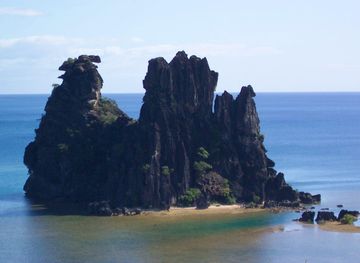
Explore North Province: Things to Do, Places to Eat, Hotels & More
Handpicked recommendations for top attractions, local dining, accommodations, and more

Top Attractions & Sightseeing in North Province
Top-rated picks
Best Attractions

Parc Zoologique Et Forestier Michel Corbasson
Explore the lush landscapes and diverse wildlife at Parc Zoologique Et Forestier Michel Corbasson in Nouméa, a must-visit destination for nature lovers.

Le Saut Du Guerrier
Discover stunning views and tranquil nature at Le Saut Du Guerrier, an iconic observation deck in New Caledonia's breathtaking landscapes.

Massif du Panié
Discover the breathtaking beauty and biodiversity of Massif du Panié, New Caledonia's highest peak, perfect for adventure seekers and nature lovers.

Best landmarks in North Province
Top-rated picks
Best Landmarks

Lagoon Aquarium
Explore the vibrant marine life of New Caledonia at the Lagoon Aquarium, a family-friendly attraction showcasing the wonders of the South Pacific.

Place des Cocotiers
Explore the serene charm of Place des Cocotiers, a vibrant city park in Nouméa, where lush landscapes and cultural events come together.

Tjibaou Cultural Centre
Explore the Tjibaou Cultural Centre, a stunning blend of modern architecture and Kanak culture in Nouméa, New Caledonia.

Amédée Lighthouse
Amédée Lighthouse: A breathtaking beacon of history and natural beauty in New Caledonia's stunning lagoon.

Best restaurants in North Province
Top-rated picks
Best Restaurants

Stone Grill
Experience exquisite grilled cuisine with stunning ocean views at Stone Grill in Nouméa - a must-visit for food lovers.

Fun
Experience the vibrant flavors of New Caledonia at Le Fun – a culinary gem along Nouméa's stunning coastline.
Hôtel Restaurant Hibiscus Koné
Discover paradise at Hôtel Restaurant Hibiscus Koné—where luxury meets nature in stunning New Caledonia.
Hôtel Koniambo BkhWnkc
Experience comfort and local charm at Hôtel Koniambo in Kone, your perfect base for exploring New Caledonia's breathtaking landscapes.

Best bars in North Province
Top-rated picks
Best Bars
Koulnoué Village
Discover the tranquility of Koulnoué Village, a resort hotel in New Caledonia offering stunning natural beauty, cultural richness, and serene relaxation.
Hotel Tieti
Discover the serene beauty of Hotel Tieti in Poindimie, New Caledonia - a perfect resort for relaxation, adventure, and cultural exploration.
Malabou Beach Hotel
Experience the tropical paradise of Malabou Beach Hotel, where stunning ocean views meet exceptional dining and warm hospitality in New Caledonia.
Hôtel Restaurant Hibiscus Koné
Discover the perfect blend of relaxation, culinary delights, and wellness at Hôtel Restaurant Hibiscus in Kone, New Caledonia.

Best nightclubs in North Province
Top-rated picks
Best Nightclubs

MV Lounge
Discover the vibrant atmosphere and exquisite cocktails at MV Lounge, the ultimate nightlife destination in Nouméa, New Caledonia.
Naina Park Resort
Experience luxury and nature at Naina Park Resort in La Foa, New Caledonia, where relaxation meets adventure in paradise.

L'Etrave
Discover L'Etrave, a tranquil bar in Nouméa offering stunning coastal views, refreshing cocktails, and a vibrant atmosphere for relaxation.

Hibiscus Lounge Aircalin
Experience tranquility at Hibiscus Lounge Aircalin, your peaceful oasis at La Tontouta International Airport in New Caledonia.

Best shops in North Province
Top-rated picks
Best Shops

TEARI Commercial centre
Explore TEARI Commercial Centre for a unique shopping experience in New Caledonia, offering local and international brands amidst vibrant culture.

Chez Fred
Experience the taste of New Caledonia at Chez Fred, a delightful bakery in Bourail offering fresh pastries and local delights.

Le Passage
Discover the flavors of New Caledonia at Le Passage, a charming food store in Bourail offering fresh local produce and delicious culinary delights.

Vap'store Koné
Explore the best vaporizer selection at Vap'store Koné, the premier destination for vaping enthusiasts in New Caledonia.

Explore North Province on the Map
A handpicked selection of must-see spots in North Province, mapped for you.
North Province Essentials
-
North Province in New Caledonia can be accessed primarily via La Tontouta International Airport in Nouméa, the capital of New Caledonia. From Nouméa, you can drive to the North Province, which takes approximately 5 to 6 hours by car. Alternatively, domestic flights are available to the smaller airstrips in Koné and Koumac, which are the primary towns in the North Province. Buses also operate from Nouméa to various towns in the North Province, providing a more economical, though longer, travel option.
-
Transportation in North Province is relatively straightforward. Car rentals are the most convenient option for exploring the region, offering flexibility to visit remote areas at your own pace. Public buses connect major towns, though services may be infrequent. Taxis are available but can be costly for long distances. For a local experience, consider renting a bicycle or scooter in towns like Koné and Poum.
-
The official currency of New Caledonia is the CFP Franc (XPF). Credit and debit cards are widely accepted in larger towns, but smaller villages and rural areas may require cash transactions. ATMs are available in major towns like Koné and Koumac. It is advisable to carry sufficient cash when traveling to more remote areas, as banking facilities can be sparse.
-
North Province is generally safe for tourists. However, it is wise to exercise standard precautions. Avoid walking alone at night in isolated areas and keep an eye on your personal belongings in crowded places. The towns of Koné and Koumac are safe, but always be vigilant in unfamiliar surroundings. Petty theft can occasionally occur, so secure your valuables.
-
In case of emergency, dial 17 for police assistance, 18 for fire services, and 15 for medical emergencies. Major towns like Koné and Koumac have hospitals and medical clinics. It is advisable to have travel insurance that covers medical emergencies. For minor health issues, pharmacies are available in larger towns, offering over-the-counter medications.
-
Fashion: Do dress modestly, especially when visiting cultural or religious sites. Avoid overly revealing clothing. Religion: Do respect local customs and traditions. Always ask for permission before taking photographs of people or sacred sites. Public Transport: Do be courteous and offer your seat to elderly passengers. Don't play loud music or eat on public transport. Greetings: Do greet locals with a friendly 'Bonjour' and a smile. Handshakes are common in formal settings. Eating & Drinking: Do try local dishes and accept food offerings graciously. Don’t refuse hospitality, as it may be considered impolite.
-
To experience North Province like a local, visit the weekly markets in towns like Koné and Voh, where you can buy fresh produce and traditional goods. Engage with the Kanak people, who are known for their hospitality and are often willing to share their culture and traditions. Don't miss the opportunity to explore the scenic trails and coastal areas, which offer stunning views of the natural landscape. For a unique experience, participate in local festivals and cultural events, which provide insight into the province's vibrant heritage.
When is the best time to visit North Province?
Useful Local Phrases for North Province
You don't need to speak the language perfectly. Even learning a few simple words can make conversations warmer—and locals usually appreciate the effort.
— Eve

Here are the phrases I use most often in North Province. Try a few—you'll be surprised how far they go! 😊
❤️
-
- HelloBula
[boo-lah] - GoodbyeAroha
[ah-roh-hah] - YesOui
[wee] - NoNon
[noh] - Please/You're welcomeS'il vous plaît
[seel voo pleh] - Thank youMerci
[mehr-see] - Excuse me/SorryPardon
[par-dohn] - How are you?Comment ça va?
[koh-mohn sah vah] - Fine. And you?Bien. Et vous?
[byehn. eh voo] - Do you speak English?Parlez-vous anglais?
[par-lay voo ahn-glay] - I don't understandJe ne comprends pas
[zhuh nuh kom-prahn pah]
- HelloBula
-
- I'd like to see the menu, pleaseJe voudrais voir le menu, s'il vous plaît
[zhuh voo-dray vwar luh meh-nu, seel voo pleh] - I don't eat meatJe ne mange pas de viande
[zhuh nuh mahnj pah duh vyahnd] - Cheers!Santé!
[sahn-tay] - I would like to pay, pleaseJe voudrais payer, s'il vous plaît
[zhuh voo-dray pay-ay, seel voo pleh]
- I'd like to see the menu, pleaseJe voudrais voir le menu, s'il vous plaît
-
- Help!Au secours!
[oh suh-koor] - Go away!Allez-vous en!
[ah-lay voo zahn] - Call the Police!Appelez la police!
[ah-peh-lay lah poh-lees] - Call a doctor!Appelez un médecin!
[ah-peh-lay uhn meh-deh-sahn] - I'm lostJe suis perdu
[zhuh swee pair-doo] - I'm illJe suis malade
[zhuh swee mah-lahd]
- Help!Au secours!
-
- I'd like to buy...Je voudrais acheter...
[zhuh voo-dray ah-sheh-tay] - I'm just lookingJe regarde juste
[zhuh ruh-gard zhoost] - How much is it?C'est combien?
[seh kohm-byen] - That's too expensiveC'est trop cher
[seh troh shair] - Can you lower the price?Pouvez-vous baisser le prix?
[poo-vay voo beh-say luh pree]
- I'd like to buy...Je voudrais acheter...
-
- What time is it?Quelle heure est-il?
[kel uhr eh teel] - It's one o'clockIl est une heure
[eel eh oon uhr] - Half past (10)Dix heures et demie
[dees uhr eh duh-mee] - MorningMatin
[mah-tan] - AfternoonAprès-midi
[ah-preh-mee-dee] - EveningSoir
[swahr] - YesterdayHier
[ee-ehr] - TodayAujourd'hui
[oh-zhoor-dwee] - TomorrowDemain
[duh-mehn] - 1Un
[uhn] - 2Deux
[duh] - 3Trois
[trwah] - 4Quatre
[katr] - 5Cinq
[sank] - 6Six
[sees] - 7Sept
[set] - 8Huit
[weet] - 9Neuf
[nuhf] - 10Dix
[dees]
- What time is it?Quelle heure est-il?
-
- Where's a/the...?Où est un/une...?
[oo eh uhn/oon] - What's the address?Quelle est l'adresse?
[kel eh la-dress] - Can you show me (on the map)?Pouvez-vous me montrer (sur la carte)?
[poo-vay voo muh mohn-tray (sur lah kart)] - When's the next (bus)?Quand est le prochain (bus)?
[kahn eh luh proh-shen] - A ticket (to ....)Un billet (pour....)
[uhn bee-yay (poor....)]
- Where's a/the...?Où est un/une...?
History of North Province
-
Long before European explorers set foot on New Caledonia, the region was inhabited by the Kanak people. The Kanak culture, rich in traditions and customs, dates back over 3,000 years. The North Province is home to many ancient Kanak villages and archaeological sites, where one can find remnants of traditional huts, ceremonial grounds, and intricate petroglyphs. The customary practices, such as the exchange of yams and woven mats, are still observed and offer a glimpse into the indigenous way of life.
-
In 1774, Captain James Cook became the first European to lay eyes on the islands of New Caledonia. He named the territory after Scotland, which was then known as Caledonia. Cook's discovery marked the beginning of European interest in the region, eventually leading to increased exploration and subsequent colonization.
-
New Caledonia was officially annexed by France in 1853 under the orders of Emperor Napoleon III. The annexation brought significant changes to the region, including the establishment of French settlements and the introduction of European customs and governance. The North Province, with its rich natural resources, became a focal point for French colonial activities.
-
In the late 19th century, New Caledonia became a penal colony for France. Thousands of convicts were sent to the island, including political prisoners from the Paris Commune. The remnants of this era can still be seen in the ruins of the old prison buildings and settlements scattered across the North Province. These sites serve as a stark reminder of the harsh conditions faced by the convicts.
-
The year 1878 was marked by a significant uprising of the Kanak people against French colonial rule. Led by Chief Ataï, the Kanaks resisted the encroachment on their lands and the imposition of foreign authority. The rebellion was ultimately suppressed by the French, but it remains a symbol of Kanak resistance and resilience.
-
During World War II, New Caledonia and its North Province played a strategic role as an Allied base in the Pacific theater. The island's location made it a key point for military operations, and many airfields and military installations were constructed. The presence of Allied forces brought about significant cultural exchanges and infrastructural developments that have had a lasting impact on the region.
-
In 1988, the Matignon Accords were signed, marking a turning point in the relationship between the French government and the Kanak people. The agreements aimed to address the political and economic disparities faced by the Kanak population and provided a framework for greater autonomy for New Caledonia. The accords have been instrumental in shaping the modern political landscape of the region.
-
In recent decades, there has been a significant movement towards the revitalization of Kanak culture and traditions in the North Province. Efforts to preserve and promote the indigenous language, art, dance, and customs are evident in various cultural centers and festivals. This cultural renaissance is not only a testament to the resilience of the Kanak people but also an enriching aspect of the region's identity.
Neighbouring Regions of North Province
The closest regions to North Province, if you have time for more than one.




Your all‑in‑one travel companion app
Explore expert travel guides, compare and book tours, experiences, hotels, and more—all from the palm of your hand. Download now for seamless trip planning wherever your wanderlust takes you.


Explore More of New Caledonia
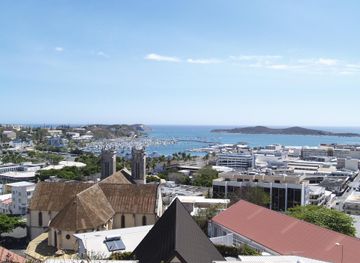
Looking beyond North Province? Discover New Caledonia for broader travel guides, local hot-spots, and regional highlights.
Explore New CaledoniaNorth Province in Photos
Browse through our photo collection highlighting the charm and character of the destination.


Discover the Untamed Beauty of North Province, New Caledonia
North Province in New Caledonia is a place where natural beauty meets cultural richness. This region is known for its lush landscapes, pristine beaches, and rich indigenous heritage. The province is a paradise for nature lovers, offering a variety of outdoor activities such as hiking, snorkeling, and bird watching. The scenic beauty of the region is enhanced by its diverse flora and fauna, making it a perfect destination for eco-tourism. The local Kanak culture is deeply rooted in North Province, offering tourists a unique opportunity to learn about traditional customs and lifestyles. Villages like Poindimié and Hienghène are great places to experience the warm hospitality of the Kanak people. Visitors can explore traditional huts, participate in cultural ceremonies, and enjoy local cuisine that reflects the region's rich history. Adventure seekers will find plenty to do in North Province. The rugged terrain is perfect for trekking, with trails leading through dense forests and up to panoramic viewpoints. The coastline is dotted with stunning beaches and coral reefs, ideal for snorkeling and diving. Don't miss the famous Heart of Voh, a natural heart-shaped formation in the mangroves, best viewed from a nearby hilltop.