

Free Concord Travel Guide & Mobile App
Plan your Concord trip with Evendo. Get free guides to top attractions, restaurants, hotels, and bars. Web access or download the mobile app.


Concord, New Hampshire offers State House history, museums, river walks, local dining and arts-filled sightseeing in a compact New England capital.
A Capital Shaped by the Merrimack
Concord, the capital of New Hampshire, occupies a gently wooded stretch of the Merrimack River between the state’s southern cities and the mountains to the north. Its identity is more understated than that of a major tourist centre, yet the city rewards close attention with a compact historic core, independent shops, cultural institutions and an unusually strong connection to the state’s political life. The gold-domed New Hampshire State House anchors downtown, while broad streets, brick commercial buildings and leafy neighbourhoods reveal Concord’s development from riverside settlement to nineteenth-century industrial town.Read more about Concord
History in the Streets
Culture, Science and Open Space
When is the best time to visit Concord?
Best: June–August · 25–28°C| Month | High (°C) | Rainfall (mm) |
|---|---|---|
| January | -2 | 67 |
| February | 0 | 61 |
| March | 5 | 80 |
| April | 13 | 91 |
| May | 20 | 91 |
| June (best) | 25 | 99 |
| July (best) | 28 | 95 |
| August (best) | 26 | 93 |
| September | 21 | 91 |
| October | 14 | 95 |
| November | 7 | 87 |
| December | 1 | 77 |
Getting to and around Concord
How to get there
Transportation
Best attractions in Concord
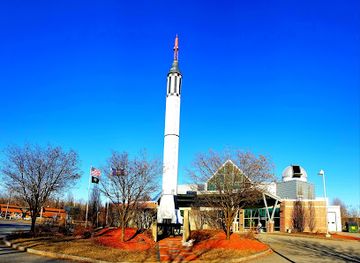
Concord’s principal attractions cluster around its compact downtown and civic centre. The New Hampshire State House, with its gold dome and public rooms, introduces the workings of the nation’s fourth-oldest state legislature, while the Museum of New Hampshire History presents objects and stories from Indigenous, colonial, industrial and modern life. At the Capitol Center for the Arts, a restored theatre hosts concerts, dance, comedy and touring productions. Families and science enthusiasts can explore astronomy, aviation and spaceflight at the McAuliffe-Shepard Discovery Center, named for Christa McAuliffe and Alan Shepard. Main Street adds independent shops, cafés and historic commercial architecture, and the city’s parks and river paths provide room for walking, cycling and seasonal recreation. The New Hampshire Historical Society’s collections deepen the picture of the state beyond the capital, while nearby wooded landscapes offer a reminder that Concord is a gateway to central New Hampshire as well as a functioning government city.
-
Tourist attraction
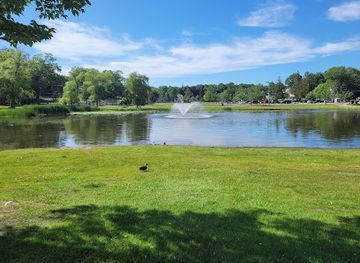
White Park
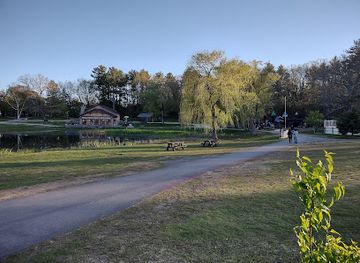
Experience the tranquility of White Park in Concord, NH, a serene city park perfect for leisure, nature walks, and family fun.
9 min drive · 3.1 km from city centre
-
Tourist attraction
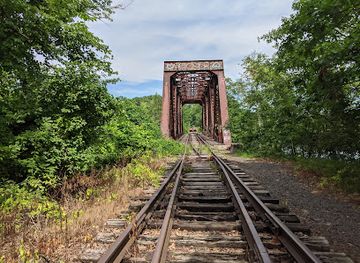
Scenic RailRiders
Experience the thrill of rail biking through New Hampshire's stunning landscapes at Scenic RailRiders, a unique adventure for all ages.
12 min drive · 4.0 km from city centre
-
Tourist attraction
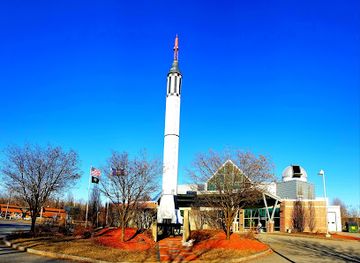
McAuliffe-Shepard Discovery Center
Discover the universe at McAuliffe-Shepard Discovery Center, a premier science museum in Concord, New Hampshire, celebrating space and education.
8 min drive · 2.5 km from city centre
-
Tourist attraction
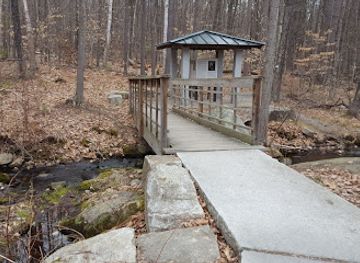
Winant Park
Discover the serene landscapes and scenic views of Winant Park in Concord, NH—a perfect retreat for nature lovers and outdoor enthusiasts.
12 min drive · 3.9 km from city centre
Best landmarks in Concord
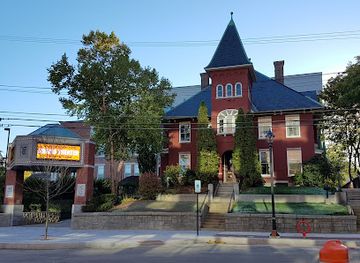
The New Hampshire State House is Concord’s defining landmark, its 1819 Federal-style design and gilded dome symbolising the city’s role as the state capital. It remains an active seat of government, giving the building an unusual continuity between historic architecture and present-day civic life. Nearby, the New Hampshire Historical Society’s headquarters and Museum of New Hampshire History represent the state’s long effort to preserve and interpret its collective past. The South Congregational Church and other historic churches contribute to the architectural character of the central streets, while older brick commercial blocks along Main Street recall Concord’s nineteenth-century expansion. The Capitol Center for the Arts occupies the former Concord Theatre, an important surviving entertainment building whose auditorium continues to support public performance. Together these sites show how political authority, religion, commerce, historical memory and popular culture developed around the capital’s central streets rather than in a single monumental complex.
-
Performing arts theater
Capitol Center for the Arts
Discover the Capitol Center for the Arts in Concord, NH – a cultural gem offering unforgettable performances and a vibrant community experience.
12 min drive · 4.1 km from city centre
-
City park
White Park
Explore White Park in Concord, NH – a serene city park with lush greenery, recreational facilities, and scenic walking paths, perfect for nature lovers.
9 min drive · 3.1 km from city centre
-
Non-profit organization
New Hampshire Audubon
Explore the beauty and biodiversity of New Hampshire Audubon, a sanctuary for nature lovers and wildlife enthusiasts in Concord.
18 min drive · 5.9 km from city centre
-
Science museum
McAuliffe-Shepard Discovery Center
Discover the universe at McAuliffe-Shepard Discovery Center, a science museum in Concord, NH, where education meets adventure for all ages.
8 min drive · 2.5 km from city centre
Explore Concord on the map
Plan your Concord trip on one map. See where the top attractions, landmarks, restaurants, bars and hotels are, find what's near where you're staying, and book hotels and experiences in a few clicks.
Best hotels in Concord
Best restaurants in Concord
Concord’s dining scene is concentrated around downtown Main Street and nearby neighbourhoods, where independent restaurants, cafés, bakeries and casual eateries serve a small-city audience of residents, state workers and visitors. New England traditions appear in seafood, chowders, roast meats, seasonal produce and maple products, while contemporary menus draw on the region’s farms and craft-food culture. The Concord Food Co-op provides a useful window onto local and regional ingredients, prepared foods and everyday shopping, rather than functioning solely as a tourist market. Coffee shops and bakeries suit a daytime visit, while restaurants around the central district offer a range of informal and more polished meals. New Hampshire’s changing seasons influence menus, with root vegetables, apples, berries and maple syrup prominent at different times of year. Dining is generally relaxed and practical, reflecting Concord’s role as a working capital rather than a destination built around theatrical gastronomy.
-
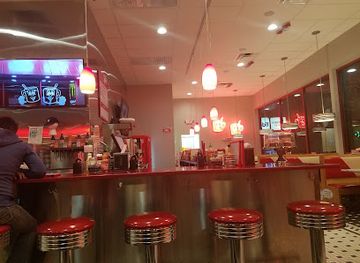
Diner
Red Arrow Diner
Discover classic American comfort food at Red Arrow Diner in Concord - where every meal feels like home!
13 min drive · 4.5 km from city centre
-
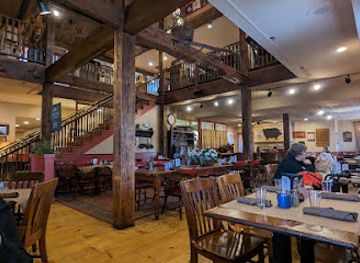
American
The Common Man Concord
Experience delicious American cuisine at The Common Man Concord, where rustic charm meets modern flavor in New Hampshire's capital.
15 min drive · 5.0 km from city centre
-
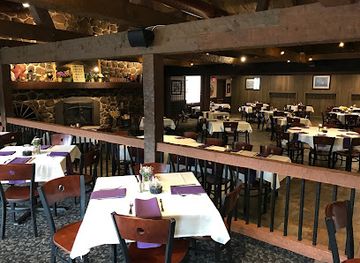
American
Red Blazer Restaurant & Pub
Discover the heart of Concord at Red Blazer Restaurant & Pub – where American comfort food meets local charm in every bite.
18 min drive · 6.1 km from city centre
-
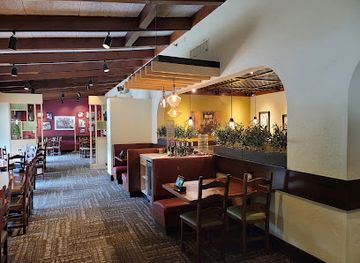
Italian
Olive Garden Italian Restaurant
Savor authentic Italian flavors at Olive Garden in Concord - perfect for families and friends seeking delicious meals and great memories.
16 min drive · 5.4 km from city centre
Best bars in Concord
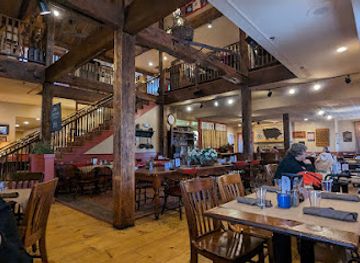
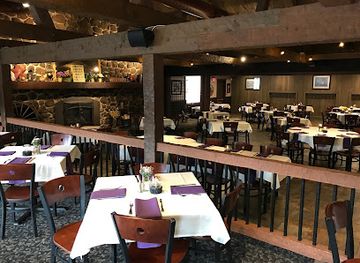
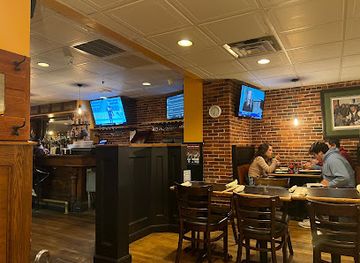
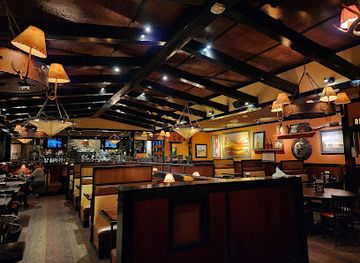
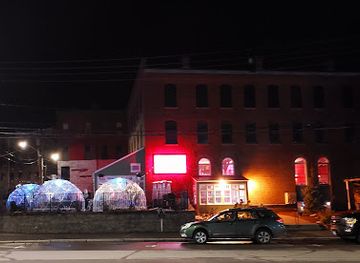
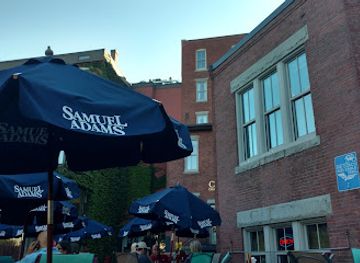
Concord’s evening scene is modest and locally focused, with activity centred on downtown restaurants, pubs, taprooms and bars rather than a large nightclub district. Main Street is the most convenient area for combining dinner with a drink, while local breweries and beer-focused venues reflect New Hampshire’s strong craft-brewing culture. The Capitol Center for the Arts is a major part of the city after dark, presenting touring music, theatre, comedy and other performances in a restored historic theatre. Seasonal festivals, community events and occasional live-music programmes add variety, but schedules are important because the city is quieter on many weeknights. Visitors should expect an easy-going New England evening: conversation, local beer and cultural performances are more characteristic than late-night clubbing. Standard United States rules on alcohol service and identification apply, and arrangements for getting back to accommodation are worth considering outside the walkable centre.
-
American
The Common Man Concord
Discover the heart of New England at The Common Man Concord, where comfort food meets local charm in a cozy atmosphere.
15 min drive · 5.0 km from city centre
-
American
Red Blazer Restaurant & Pub
Experience the best of American cuisine at Red Blazer Restaurant & Pub, a Concord landmark with a warm atmosphere and delicious offerings.
18 min drive · 6.1 km from city centre
-
American
The Barley House Restaurant & Tavern
Experience the heart of American cuisine at The Barley House in Concord, NH, where delicious flavors and a warm atmosphere await every visitor.
10 min drive · 3.4 km from city centre
-
Steak
LongHorn Steakhouse
Experience the best of traditional American cuisine with expertly grilled steaks and a welcoming atmosphere at LongHorn Steakhouse in Concord, NH.
16 min drive · 5.4 km from city centre
Best nightclubs in Concord
Concord’s evening scene is modest and locally focused, with activity centred on downtown restaurants, pubs, taprooms and bars rather than a large nightclub district. Main Street is the most convenient area for combining dinner with a drink, while local breweries and beer-focused venues reflect New Hampshire’s strong craft-brewing culture. The Capitol Center for the Arts is a major part of the city after dark, presenting touring music, theatre, comedy and other performances in a restored historic theatre. Seasonal festivals, community events and occasional live-music programmes add variety, but schedules are important because the city is quieter on many weeknights. Visitors should expect an easy-going New England evening: conversation, local beer and cultural performances are more characteristic than late-night clubbing. Standard United States rules on alcohol service and identification apply, and arrangements for getting back to accommodation are worth considering outside the walkable centre.
-
Grill
Cheers Grille & Bar
Discover the vibrant atmosphere and delicious American cuisine at Cheers Grille & Bar in Concord, New Hampshire, perfect for any occasion.
11 min drive · 3.7 km from city centre
-
Restaurant
TGI Fridays
Savor the lively atmosphere and diverse American cuisine at TGI Fridays in Concord, a perfect spot for food and sports enthusiasts.
16 min drive · 5.4 km from city centre
-
Bar
Tandy's Pub & Grille
Experience Tandy's Pub & Grille in Concord, NH, where lively atmosphere meets delectable food and drinks in a quintessential pub experience.
10 min drive · 3.5 km from city centre
-
Restaurant
The Draft Sports Bar & Grill
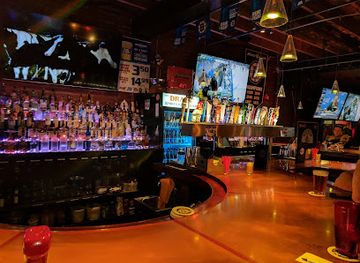
Experience the vibrant atmosphere and delicious American fare at The Draft Sports Bar & Grill, the ultimate destination for food and sports lovers in Concord.
13 min drive · 4.2 km from city centre
Best shops in Concord
Shopping in Concord is centred on Main Street and the surrounding downtown blocks, where independent retailers, bookstores, galleries, cafés and service businesses give the centre a distinctly local character. Visitors can browse New Hampshire-themed gifts, books on regional history, handmade goods, art and small-batch food products, while the Concord Food Co-op offers local and regional ingredients alongside prepared foods. The city is not primarily a large-scale retail destination, so shopping is more about independent businesses and practical browsing than luxury labels or extensive department stores. Maple products, craft beer, preserves, New England foods and locally made artwork make more distinctive purchases than generic souvenirs. Antique and vintage interests are also well represented in central New Hampshire, though individual shop locations and opening patterns change. Seasonal markets and community events may add temporary stalls, making official local listings useful when planning a visit.
-
Shopping mall
Fort Eddy Plaza
Discover Fort Eddy Plaza: Concord's bustling shopping mall with diverse stores, dining options, and vibrant community events.
10 min drive · 3.4 km from city centre
-
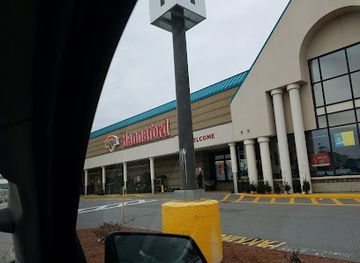
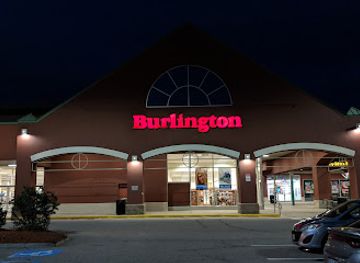
Shopping mall
Capitol Shopping Center
Explore the Capitol Shopping Center in Concord, NH, for a delightful shopping and dining experience in a vibrant retail atmosphere.
12 min drive · 3.9 km from city centre
-
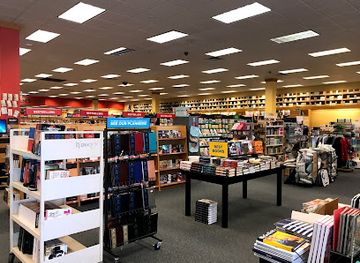
Gift shop
Books-A-Million
Explore a world of books, collectibles, and more at Books-A-Million – the ultimate destination for literature lovers in Concord, NH.
10 min drive · 3.3 km from city centre
-
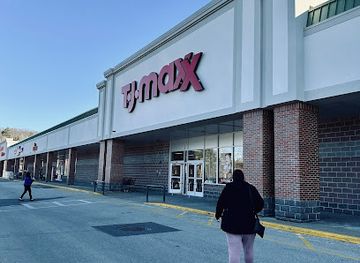
Department store
T.J. Maxx
Explore T.J. Maxx in Concord for unbeatable fashion finds at great prices, featuring clothing, jewelry, and accessories for the entire family.
12 min drive · 3.9 km from city centre
Get your free copy of our complete guide to Concord, delivered straight to you.
Everything on this page, from attractions and restaurants to essentials and local phrases, in one PDF you can read offline, print or share.
Already have an account? Sign in
Your Concord guide is ready.
We'll send it to · Not you? Sign out

Getting your guide ready…
We are putting together a fresh copy of the Concord guide. This can take up to a minute.
This can take a few moments. If your browser asks, choose Allow so the download can start. You'll find the guide in your Downloads folder.
Nothing happened? Download it again
Sorry, the guide is taking longer than usual. Please try again in a minute, or get it by email instead.
Concord essentials
Currency and Payment
Safety
Emergency Situations
Do's and Don'ts
Local Tips
From Eve
Local phrases worth knowing
You don't need to get them perfect. A few words go a long way, and locals appreciate the effort.
Basics
| English | Local | Say it |
|---|---|---|
| Hello | Hey | [Hey] |
| Goodbye | See ya | [See ya] |
| Yes | Yup | [Yup] |
| No | Nope | [Nope] |
| Please/You're welcome | Please/No problem | [Please/No problem] |
| Thank you | Thanks | [Thanks] |
| Excuse me/Sorry | Sorry | [Sorry] |
| How are you? | How's it going? | [How's it going?] |
| Fine. And you? | Good. You? | [Good. You?] |
| Do you speak English? | Do you speak English? | [Do you speak English?] |
| I don't understand | I don't get it | [I don't get it] |
Eating & Drinking
| English | Local | Say it |
|---|---|---|
| I'd like to see the menu, please | Can I see the menu, please | [Can I see the menu, please] |
| I don't eat meat | I'm vegetarian | [I'm vegetarian] |
| Cheers! | Cheers! | [Cheers!] |
| I would like to pay, please | I'll pay now, please | [I'll pay now, please] |
Emergencies
| English | Local | Say it |
|---|---|---|
| Help! | Help! | [Help!] |
| Go away! | Go away! | [Go away!] |
| Call the Police! | Call the cops! | [Call the cops!] |
| Call a doctor! | Call a doctor! | [Call a doctor!] |
| I'm lost | I'm lost | [I'm lost] |
| I'm ill | I'm sick | [I'm sick] |
Shopping
| English | Local | Say it |
|---|---|---|
| I'd like to buy... | I want to buy... | [I want to buy...] |
| I'm just looking | I'm just browsing | [I'm just browsing] |
| How much is it? | How much does it cost? | [How much does it cost?] |
| That's too expensive | That's too pricey | [That's too pricey] |
| Can you lower the price? | Can you lower the price? | [Can you lower the price?] |
Time & Numbers
| English | Local | Say it |
|---|---|---|
| What time is it? | What time is it? | [What time is it?] |
| It's one o'clock | It's one o'clock | [It's one o'clock] |
| Half past (10) | Half past ten | [Half past ten] |
| Morning | Morning | [Morning] |
| Afternoon | Afternoon | [Afternoon] |
| Evening | Evening | [Evening] |
| Yesterday | Yesterday | [Yesterday] |
| Today | Today | [Today] |
| Tomorrow | Tomorrow | [Tomorrow] |
| 1 | One | [One] |
| 2 | Two | [Two] |
| 3 | Three | [Three] |
| 4 | Four | [Four] |
| 5 | Five | [Five] |
| 6 | Six | [Six] |
| 7 | Seven | [Seven] |
| 8 | Eight | [Eight] |
| 9 | Nine | [Nine] |
| 10 | Ten | [Ten] |
Transport & Directions
| English | Local | Say it |
|---|---|---|
| Where's a/the...? | Where's the...? | [Where's the...?] |
| What's the address? | What's the address? | [What's the address?] |
| Can you show me (on the map)? | Can you show me (on the map)? | [Can you show me (on the map)?] |
| When's the next (bus)? | When's the next (bus)? | [When's the next (bus)?] |
| A ticket (to ....) | A ticket (to ....) | [A ticket (to ....)] |
History of Concord
Pennacook Country and Colonial Settlement
The Concord area lies within the traditional homeland of the Pennacook, an Indigenous people whose communities were connected to the Merrimack River and its tributaries. English colonists established a settlement here in the early eighteenth century, naming it Rumford. The location offered fertile river valleys, woodland resources and access to an important water route through central New Hampshire. Colonial expansion brought conflict, displacement and profound disruption to Indigenous life, as it did across the region. The settlement’s later civic identity developed within this layered landscape, even though much of the surviving built environment reflects colonial and nineteenth-century growth rather than the earlier Pennacook presence.
From Rumford to Concord
Rumford became the centre of a prolonged boundary dispute with the neighbouring community of Bow. Residents on each side followed competing colonial grants and legal claims, and the disagreement was eventually taken to the courts. In 1765, Governor Benning Wentworth resolved the conflict by renaming Rumford Concord, a name intended to express reconciliation. The settlement was incorporated as a town under that name and began to assume a more prominent political role in the province. The episode remains central to Concord’s civic story: the city’s name itself commemorates an attempt to settle a local conflict through compromise.
A New Hampshire Political Centre
Concord’s position near the middle of New Hampshire helped it become an important administrative and political centre. It was selected as the state capital in 1808, and the New Hampshire State House was completed in 1819. Built in the Federal style with a prominent golden dome, the building established the architectural focus that still defines downtown. The legislature and executive offices encouraged the growth of legal, commercial and professional services, while the capital’s institutions brought visitors and residents from across the state. Concord’s political importance shaped its streets, public buildings and enduring reputation as a civic rather than purely commercial city.
Mills, Railways and Industrial Growth
The Merrimack River supplied water power for early industry, and Concord developed mills, workshops and businesses connected with lumber, textiles, machinery and regional trade. The arrival and expansion of rail links in the nineteenth century strengthened those connections, moving goods and passengers through the capital and tying it to Manchester, Boston and other New England centres. Industrial growth changed the riverfront and expanded the town beyond its earlier core. It also created the commercial prosperity that supported churches, civic buildings and substantial homes. Although many industries have disappeared or changed use, the city’s street plan and older architecture still reflect this period of economic transformation.
Civic Architecture and Cultural Institutions
Nineteenth- and early twentieth-century Concord acquired the public institutions expected of a state capital, including libraries, schools, churches and cultural organisations. The New Hampshire Historical Society, founded in 1823, developed collections that document the state’s political, social and material history; its headquarters and Museum of New Hampshire History remain important cultural resources. The downtown streetscape also gained commercial blocks and civic buildings as the city modernised. These institutions helped preserve a sense of statewide identity in the capital, while the continuing use of older buildings connected government and public culture with Concord’s earlier phases of growth.
Modern Concord and the Space Age
Concord entered the modern era as both a state-government centre and a regional service city. Its twentieth-century identity gained an international dimension through two New Hampshire figures associated with education and space exploration: Christa McAuliffe, selected as NASA’s first Teacher in Space, and astronaut Alan Shepard, the first American to travel into space. The McAuliffe-Shepard Discovery Center, located in Concord, interprets their stories alongside astronomy and aviation. Contemporary Concord continues to balance state administration, historic preservation, arts programming and outdoor recreation, with redevelopment and cultural activity concentrated around the downtown and river corridors.
Concord in Photos
Browse through our photo collection highlighting the charm and character of the destination.
Cities near Concord
The closest cities to Concord, if you have time for more than one stop.
-

-

-

-

-


Swipe for more cities
Explore more

Explore more of New Hampshire
Discover New Hampshire: Explore the majestic White Mountains, serene lakes, and historic towns in the heart of New England's enchanting landscapes.
Explore New Hampshire