

Free Keene Travel Guide & Mobile App
Plan your Keene trip with Evendo. Get free guides to top attractions, restaurants, hotels, and bars. Web access or download the mobile app.


Keene, New Hampshire blends Monadnock scenery, historic streets, independent shops, museums, theatre, local food and four-season outdoor adventures.
A Historic Cheshire County Centre
Keene lies in south-western New Hampshire, where the broad Ashuelot River valley meets the wooded landscape of the Monadnock region. Its compact centre is defined by Central Square, tree-lined streets and a well-preserved collection of nineteenth- and early twentieth-century buildings. The city’s historic identity is closely tied to the timber, textile and manufacturing industries that developed along the river, while its present-day character is shaped by Keene State College, independent businesses and a strong local arts scene.Read more about Keene
Streets, Culture and Community
The Monadnock Landscape
When is the best time to visit Keene?
Best: June–August · 24–26°C| Month | High (°C) | Rainfall (mm) |
|---|---|---|
| January | -2 | 78 |
| February | 0 | 68 |
| March | 7 | 85 |
| April | 14 | 90 |
| May | 19 | 95 |
| June (best) | 24 | 95 |
| July (best) | 26 | 105 |
| August (best) | 26 | 105 |
| September | 21 | 95 |
| October | 14 | 100 |
| November | 8 | 90 |
| December | 1 | 85 |
Getting to and around Keene
How to get there
Transportation
Best attractions in Keene
Keene’s attractions combine a compact historic centre with museums, performance spaces and accessible countryside. The Wyman Tavern, an eighteenth-century inn and house museum, introduces the domestic and political world of early Keene, while the Horatio Colony Museum explores the life of a prominent local family in a carefully preserved setting. The Colonial Theatre brings films, music and performing arts to an atmospheric historic venue on Main Street. For outdoor exploration, the Cheshire Rail Trail follows a former railway route through woodland and open land, and Stonewall Farm offers walking paths, farm landscapes and educational activities. Central Square and the surrounding downtown streets reward unhurried architectural exploration, with cafés, galleries and independent shops occupying many of the historic buildings. Seasonal events, particularly the Keene Pumpkin Festival, add a distinctive communal dimension to the city’s cultural calendar.
-
Tourist attraction
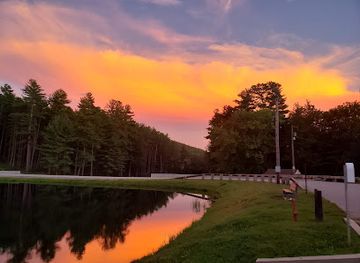
Robin Hood Park
Experience nature's tranquility at Robin Hood Park in Keene, NH, a perfect family-friendly destination for outdoor fun and relaxation.
14 min walk · 1.1 km from city centre
-
Tourist attraction
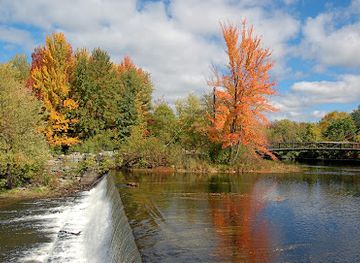
Ashuelot River Park
Experience the beauty and tranquility of Ashuelot River Park, a nature lover's paradise in Keene, New Hampshire, perfect for relaxation and outdoor activities.
10 min walk · 0.8 km from city centre
-
Tourist attraction
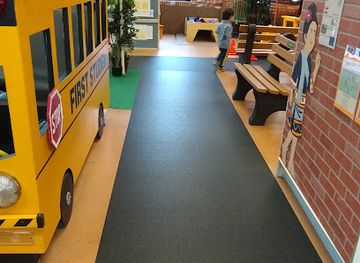
Cheshire Children's Museum
Explore creativity and learning at Cheshire Children's Museum, a top family-friendly attraction in Keene, New Hampshire, perfect for young explorers.
7 min walk · 0.5 km from city centre
-
Tourist attraction
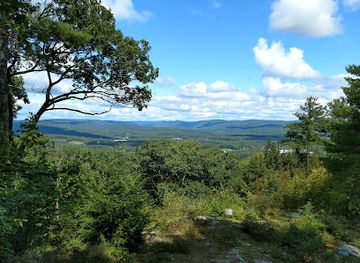
Horatio Colony Nature Preserve
Explore Horatio Colony Nature Preserve, a breathtaking natural haven in Keene, NH, where stunning trails and diverse wildlife await every visitor.
11 min drive · 3.8 km from city centre
Best landmarks in Keene
Central Square is the symbolic heart of Keene, framed by civic and commercial buildings that reveal the prosperity of the nineteenth-century regional centre. The Wyman Tavern is one of the city’s most important surviving early buildings, linking local history with the period when Keene was developing as a colonial community. The Colonial Theatre is a notable twentieth-century landmark whose decorative interior and continued cultural use give Main Street a strong sense of place. The Cheshire County Courthouse and the surrounding historic commercial blocks express the city’s long role as a county seat, while churches and older residential streets broaden the architectural story beyond the central square. Together, these landmarks chart Keene’s development from a frontier settlement and river-industrial town into an educational and cultural centre for the Monadnock region.
-
Shopping mall
Monadnock Marketplace
Explore Monadnock Marketplace in Keene, NH: a vibrant shopping mall offering diverse stores, delicious dining, and local culture.
6 min drive · 2.1 km from city centre
-
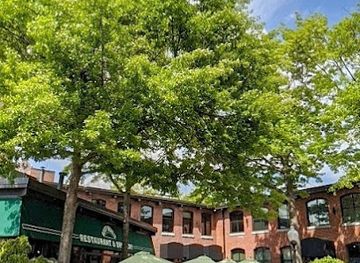
Brewpub
Elm City Brewing Company
Experience the best of local craft beer and American cuisine at Elm City Brewing Company in Keene, NH, perfect for foodies and beer lovers alike.
9 min walk · 0.7 km from city centre
-
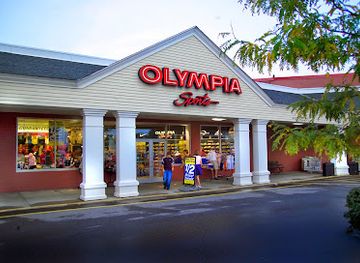
Shopping mall
Riverside Plaza
Experience the vibrant shopping and dining scene at Riverside Plaza, the heart of Keene, New Hampshire, perfect for tourists and locals alike.
16 min walk · 1.3 km from city centre
-
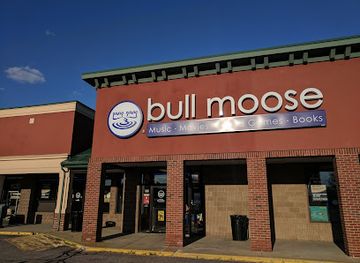
CD store
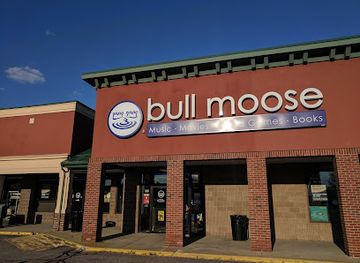
Bull Moose
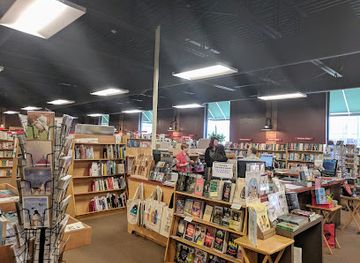
Explore Bull Moose in Keene, NH - your ultimate destination for CDs, vinyl records, DVDs, books, and video games in a welcoming atmosphere.
16 min walk · 1.3 km from city centre
Explore Keene on the map
Plan your Keene trip on one map. See where the top attractions, landmarks, restaurants, bars and hotels are, find what's near where you're staying, and book hotels and experiences in a few clicks.
Best hotels in Keene
Best restaurants in Keene
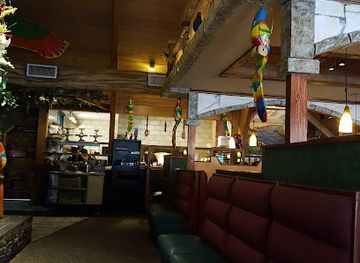
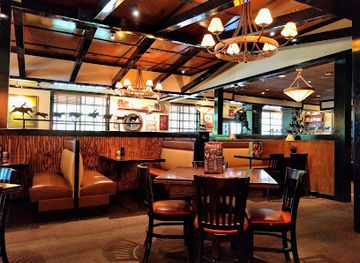
Keene’s dining scene reflects south-western New Hampshire’s mixture of farming country, college life and independent local enterprise. Downtown restaurants and cafés serve familiar New England cooking alongside sandwiches, burgers, international dishes, baked goods and vegetarian options, while local breweries contribute food-led informal dining. Regional ingredients appear seasonally through farmers’ markets, farm shops and menus that draw on apples, berries, pumpkins, dairy products and maple from the surrounding countryside. The Monadnock Food Co-op provides another route into local and regional produce, with groceries, prepared foods and community-minded programming. Breakfast cafés, bakeries and relaxed Main Street eateries are particularly useful for experiencing the city’s everyday rhythm, while evening dining is concentrated around the central business district rather than spread across a large metropolitan area.
-
Italian
Papagallos Restaurant
Experience the essence of Italy at Papagallos Restaurant in Swanzey, NH—where every meal is crafted with love and tradition.
8 min drive · 2.8 km from city centre
-
Steak
LongHorn Steakhouse
Experience the best of American cuisine at LongHorn Steakhouse in Keene with expertly grilled steaks and family-friendly dining.
7 min drive · 2.5 km from city centre
-
Restaurant
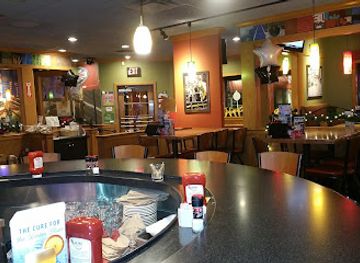
Applebee's Grill + Bar
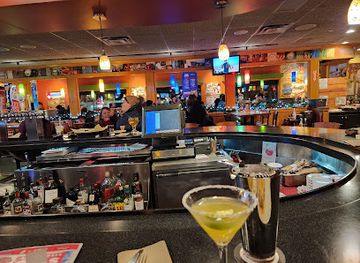
Experience American cuisine at Applebee's Grill + Bar in Keene, NH - perfect for families and friends looking to enjoy great food in a casual atmosphere.
5 min drive · 1.5 km from city centre
-
American
Stage Restaurant
Experience innovative American cuisine at Stage Restaurant in Keene, NH – where delicious brunches meet elegant dinners in a vibrant atmosphere.
2 min walk · 0.2 km from city centre
Best bars in Keene
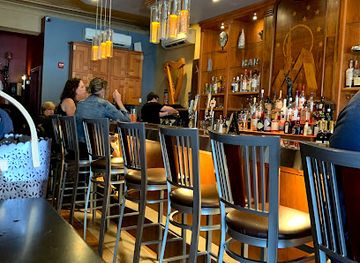
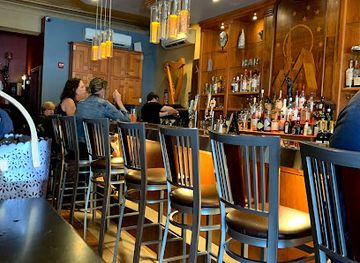
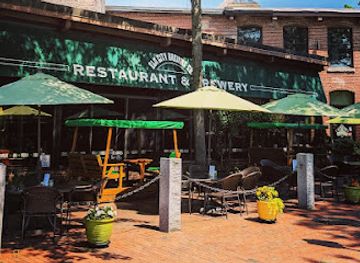
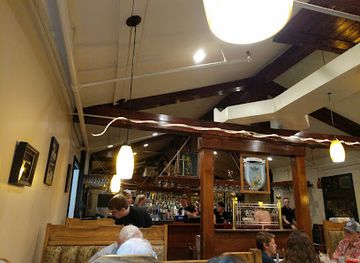
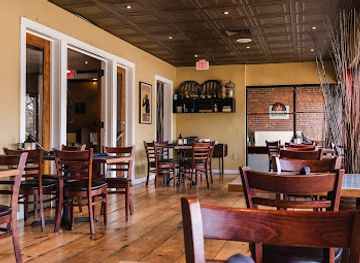
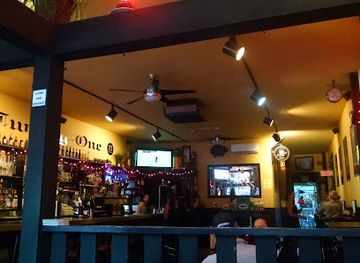
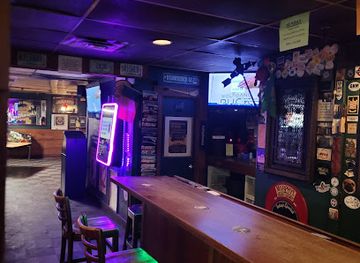
Keene’s evening life is centred on conversation, live performance and small-scale social venues rather than a large club scene. Downtown pubs, bars and restaurants attract students from Keene State College as well as local residents, and breweries such as Elm City Brewing Company contribute to the city’s craft-drinks culture. Modest Man Brewing also forms part of the local beer landscape. The Colonial Theatre is a major evening anchor, presenting concerts, films, comedy and other performances in a historic setting. Cultural events, college productions and occasional live music provide alternatives to drinking-focused nightlife, while the compact centre makes it possible to move between venues on foot. Visitors should expect a relaxed New England atmosphere and check individual programmes and service arrangements rather than assuming every venue operates late every night.
-
American
Stage Restaurant
Experience the vibrant flavors of American cuisine at Stage Restaurant, Keene, NH's premier dining destination for brunch, cocktails, and fine dining.
2 min walk · 0.2 km from city centre
-
Brewpub
Elm City Brewing Company
Experience the best of craft brewing and American cuisine at Elm City Brewing Company in Keene, NH. A must-visit for food and beer lovers!
9 min walk · 0.7 km from city centre
-
Family-friendly
Pub Restaurant & Caterers
Experience the warm hospitality and diverse menu of Pub Restaurant & Caterers in Keene, NH, perfect for families and food enthusiasts.
8 min walk · 0.7 km from city centre
-
Italian
Fireworks Restaurant
Experience the best of Italian and American cuisine in a family-friendly setting at Fireworks Restaurant, Keene, NH.
1 min walk · 0.1 km from city centre
Best nightclubs in Keene
Keene’s evening life is centred on conversation, live performance and small-scale social venues rather than a large club scene. Downtown pubs, bars and restaurants attract students from Keene State College as well as local residents, and breweries such as Elm City Brewing Company contribute to the city’s craft-drinks culture. Modest Man Brewing also forms part of the local beer landscape. The Colonial Theatre is a major evening anchor, presenting concerts, films, comedy and other performances in a historic setting. Cultural events, college productions and occasional live music provide alternatives to drinking-focused nightlife, while the compact centre makes it possible to move between venues on foot. Visitors should expect a relaxed New England atmosphere and check individual programmes and service arrangements rather than assuming every venue operates late every night.
-
Restaurant
Applebee's Grill + Bar
Discover the casual charm of Applebee's Grill + Bar in Keene, NH, where diverse American cuisine meets a friendly atmosphere for all ages.
5 min drive · 1.5 km from city centre
-
Grill
Lab'n Lager
Discover the lively grill and bar scene at Lab'n Lager in Keene, NH, where delicious American cuisine meets an energetic sports atmosphere.
3 min walk · 0.2 km from city centre
-
Grill
21 Bar & Grill
Experience the best of grill cuisine in Keene, NH, at 21 Bar & Grill, where flavor meets a vibrant atmosphere.
1 min walk · 0.1 km from city centre
-
Pub
Kilkenny Pub
Discover Kilkenny Pub in Keene, NH - where great food, craft beer, and lively entertainment come together for an unforgettable experience.
2 min walk · 0.1 km from city centre

Best shops in Keene
Shopping in Keene is concentrated along Main Street and the adjoining downtown blocks, where independent retailers, bookshops, galleries, cafés and specialist businesses occupy historic commercial premises. Hannah Grimes Marketplace showcases products by New Hampshire makers and provides a useful introduction to regional crafts, artwork, food and gifts. The Monadnock Food Co-op offers locally sourced and regional groceries, prepared foods and everyday provisions, while seasonal farmers’ markets connect visitors with produce from the surrounding countryside. Traditional New England goods such as maple products, preserves, baked items, pottery, textiles and handcrafted objects are more characteristic purchases than mass-market souvenirs. The retail experience is compact and community-oriented, with larger general shopping areas located beyond the historic core rather than within a single major shopping district.
-
 Shopping mall
Monadnock Marketplace
Explore Monadnock Marketplace in Keene, NH – a vibrant shopping mall with diverse stores, dining options, and a lively community atmosphere.
6 min drive · 2.1 km from city centre
-
Shopping mall
Riverside Plaza
Discover Riverside Plaza, Keene's premier shopping destination with diverse stores, dining options, and a welcoming atmosphere for all visitors.
16 min walk · 1.3 km from city centre
-
CD store
Bull Moose
Discover a treasure trove of music, books, and games at Bull Moose, your go-to store in Keene, NH for eclectic media.
16 min walk · 1.3 km from city centre
-
Book store
The Toadstool Bookshop
Discover a literary oasis at The Toadstool Bookshop in Keene, NH, where books and coffee create a perfect escape for every guest.
3 min walk · 0.3 km from city centre
Get your free copy of our complete guide to Keene, delivered straight to you.
Everything on this page, from attractions and restaurants to essentials and local phrases, in one PDF you can read offline, print or share.
Already have an account? Sign in
Your Keene guide is ready.
We'll send it to · Not you? Sign out

Getting your guide ready…
We are putting together a fresh copy of the Keene guide. This can take up to a minute.
This can take a few moments. If your browser asks, choose Allow so the download can start. You'll find the guide in your Downloads folder.
Nothing happened? Download it again
Sorry, the guide is taking longer than usual. Please try again in a minute, or get it by email instead.
Keene essentials
Currency and Payment
Safety
Emergency Situations
Do's and Don'ts
Local Tips
From Eve
Local phrases worth knowing
You don't need to get them perfect. A few words go a long way, and locals appreciate the effort.
Basics
| English | Local | Say it |
|---|---|---|
| Hello | Hey | [Hey] |
| Goodbye | So long | [So long] |
| Yes | Yep | [Yep] |
| No | Nah | [Nah] |
| Please/You're welcome | Please/No problem | [Please/No problem] |
| Thank you | Thanks | [Thanks] |
| Excuse me/Sorry | Pardon me/My bad | [Pardon me/My bad] |
| How are you? | How you doin'? | [How you doin'?] |
| Fine. And you? | Good. You? | [Good. You?] |
| Do you speak English? | You speak English? | [You speak English?] |
| I don't understand | I don't get it | [I don't get it] |
Eating & Drinking
| English | Local | Say it |
|---|---|---|
| I'd like to see the menu, please | Can I see the menu? | [Can I see the menu?] |
| I don't eat meat | I don't eat meat | [I don't eat meat] |
| Cheers! | Cheers! | [Cheers!] |
| I would like to pay, please | Can I pay? | [Can I pay?] |
Emergencies
| English | Local | Say it |
|---|---|---|
| Help! | Help! | [Help!] |
| Go away! | Go away! | [Go away!] |
| Call the Police! | Call the cops! | [Call the cops!] |
| Call a doctor! | Call a doc! | [Call a doc!] |
| I'm lost | I'm lost | [I'm lost] |
| I'm ill | I'm sick | [I'm sick] |
Shopping
| English | Local | Say it |
|---|---|---|
| I'd like to buy... | I wanna buy... | [I wanna buy...] |
| I'm just looking | Just browsing | [Just browsing] |
| How much is it? | How much? | [How much?] |
| That's too expensive | Too pricey | [Too pricey] |
| Can you lower the price? | Can you do better? | [Can you do better?] |
Time & Numbers
| English | Local | Say it |
|---|---|---|
| What time is it? | What time is it? | [What time is it?] |
| It's one o'clock | It's one | [It's one] |
| Half past (10) | Ten-thirty | [Ten-thirty] |
| Morning | Morning | [Morning] |
| Afternoon | Afternoon | [Afternoon] |
| Evening | Evening | [Evening] |
| Yesterday | Yesterday | [Yesterday] |
| Today | Today | [Today] |
| Tomorrow | Tomorrow | [Tomorrow] |
| 1 | One | [One] |
| 2 | Two | [Two] |
| 3 | Three | [Three] |
| 4 | Four | [Four] |
| 5 | Five | [Five] |
| 6 | Six | [Six] |
| 7 | Seven | [Seven] |
| 8 | Eight | [Eight] |
| 9 | Nine | [Nine] |
| 10 | Ten | [Ten] |
Transport & Directions
| English | Local | Say it |
|---|---|---|
| Where's a/the...? | Where's the...? | [Where's the...?] |
| What's the address? | What's the address? | [What's the address?] |
| Can you show me (on the map)? | Can you show me (on the map)? | [Can you show me (on the map)?] |
| When's the next (bus)? | When's the next (bus)? | [When's the next (bus)?] |
| A ticket (to ....) | A ticket (to ....) | [A ticket (to ....)] |
History of Keene
Abenaki Homeland and Early Settlement
Before European settlement, the Ashuelot River valley formed part of the homeland and seasonal landscape of Abenaki peoples. English settlement expanded during the eighteenth century, and the community that became Keene was first known as Upper Ashuelot. A township was granted in 1733, reflecting the wider colonial effort to establish communities in the interior of New Hampshire. The river, fertile valley and surrounding forests influenced settlement patterns, although life remained vulnerable during the conflicts between British colonists, French forces and Indigenous allies in the region.
Destruction and Rebuilding
In 1747, Upper Ashuelot was attacked and abandoned during King George’s War, when frontier settlements in northern New England faced raids connected with the wider Anglo-French struggle. The community was later re-established, and in 1753 it was incorporated as Keene, a name associated with Sir Benjamin Keene, the British diplomat and statesman. Rebuilding brought a more permanent civic structure, including roads, farms, meeting places and institutions that established Keene as an important settlement in the Cheshire County interior.
River Industries and Civic Growth
During the late eighteenth and nineteenth centuries, Keene developed from an agricultural settlement into a regional commercial centre. Water power from the Ashuelot River supported mills and manufacturing, while nearby forests supplied timber and other raw materials. The arrival of the Cheshire Railroad in the nineteenth century strengthened connections with markets beyond the valley and encouraged further industrial growth. Merchants, manufacturers and professional institutions reshaped the centre, leaving behind the substantial commercial blocks, civic buildings and houses that contribute to Keene’s historic streetscape.
Education, Industry and the Modern City
Keene’s industrial economy diversified through the late nineteenth and early twentieth centuries, while education became increasingly important to the city’s identity. Keene Normal School opened in 1909 to prepare teachers and later developed into Keene State College. The Colonial Theatre, opened in 1924, reflected the era’s investment in public entertainment and remains a major cultural institution. These developments added educational and artistic dimensions to a city still connected to manufacturing, trade and the surrounding agricultural landscape.
Heritage and Regional Identity
After the decline of many traditional New England industries, Keene retained its role as a service, educational and cultural centre for the Monadnock region. Historic preservation, independent businesses, museums and performing arts now sit alongside modern institutions and outdoor recreation. Events such as the Keene Pumpkin Festival have strengthened the city’s public identity, while the Cheshire Rail Trail and nearby Mount Monadnock connect its urban history with the wider landscape. Keene’s present character therefore reflects both industrial inheritance and a continuing regional role.
Keene in Photos
Browse through our photo collection highlighting the charm and character of the destination.
Cities near Keene
The closest cities to Keene, if you have time for more than one stop.
-

-

-

-

-


Swipe for more cities
Explore more

Explore more of New Hampshire
Discover New Hampshire: Explore the majestic White Mountains, serene lakes, and historic towns in the heart of New England's enchanting landscapes.
Explore New Hampshire