

Free Nashua Travel Guide & Mobile App
Plan your Nashua trip with Evendo. Get free guides to top attractions, restaurants, hotels, and bars. Web access or download the mobile app.


Nashua, New Hampshire, pairs Merrimack Valley mill history with riverside parks, local dining, independent shops and easy New England day trips.
Riverside Industrial Heritage
Nashua occupies a meeting point of the Nashua and Merrimack rivers in southern New Hampshire, close to the Massachusetts border and within reach of Boston. Its identity was shaped by water-powered industry: nineteenth-century textile mills transformed a small agricultural settlement into a manufacturing centre, while the surviving mill buildings and canal remnants around downtown still suggest the scale of that expansion. The city's name, drawn from the Nashua River, reflects its long relationship with the waterways that supported both Indigenous life and industrial growth.Read more about Nashua
Downtown and Neighbourhood Life
Parks and Outdoor Space
When is the best time to visit Nashua?
Best: June–August · 25–27°C| Month | High (°C) | Rainfall (mm) |
|---|---|---|
| January | 1 | 75 |
| February | 2 | 70 |
| March | 8 | 85 |
| April | 14 | 90 |
| May | 20 | 95 |
| June (best) | 25 | 90 |
| July (best) | 27 | 95 |
| August (best) | 26 | 90 |
| September | 22 | 95 |
| October | 15 | 95 |
| November | 9 | 90 |
| December | 3 | 85 |
Getting to and around Nashua
How to get there
Transportation
Best attractions in Nashua
Nashua's attractions combine local history with accessible outdoor space. Downtown Main Street is the natural starting point, with civic architecture, independent businesses and the Nashua Historical Society's exhibits in the Abbott-Spalding Building. Mine Falls Park follows the Nashua River through woodland, bridges and remnants of the canal and mill-power system that supported nineteenth-century manufacturing. At the city's northern edge, Greeley Park offers broad lawns, mature trees, paths and seasonal cultural activity beside the Merrimack River. The Nashua River Rail Trail begins near the urban area and continues through changing landscapes suited to walking and cycling. Holman Stadium, a historic baseball ground, reflects the city's sporting tradition, while the surrounding river corridors provide a quieter way to understand Nashua's geography. Together, these sites make the city more rewarding for visitors interested in industrial heritage, neighbourhood life and low-key outdoor exploration than for those seeking a dense concentration of major museums.
-
Tourist attraction
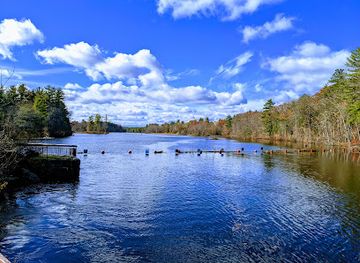
Mine Falls Park
Discover the serene landscapes and recreational trails of Mine Falls Park, a hidden gem in Nashua, New Hampshire, perfect for outdoor enthusiasts and nature lovers.
6 min drive · 1.9 km from city centre
-
Park
Benson Park
Explore the natural beauty and tranquility of Benson Park, a perfect escape for families and nature lovers in Hudson, New Hampshire.
16 min drive · 5.2 km from city centre
-
Performing arts theater
The Palace Theatre
Experience the magic of live performances at The Palace Theatre, Manchester’s premier venue for arts and entertainment.
45 min drive · 25 km from city centre
-
Art museum
Currier Museum of Art
Discover the Currier Museum of Art in Manchester, NH - a cultural haven featuring an extensive collection of American and European masterpieces.
46 min drive · 26 km from city centre


Best landmarks in Nashua
Nashua's landmarks tell the story of a river-powered manufacturing city and its later civic development. The Abbott-Spalding Building, home of the Nashua Historical Society, is an important downtown reminder of the city's nineteenth-century prosperity and public life. The Hunt Memorial Building on Main Street contributes another distinctive historic civic presence, while the Nashua Public Library and surrounding downtown buildings help define the city's traditional centre. Around Mine Falls Park, canals, stonework and former industrial structures are less formal landmarks but significant evidence of the water system that supported textile production. Holman Stadium represents Nashua's long connection with organised baseball and community sport. Greeley Park, with its established trees, open grounds and historic park setting beside the Merrimack, is also part of the city's cultural landscape, showing how public recreation became an important element of urban life.
-
Park
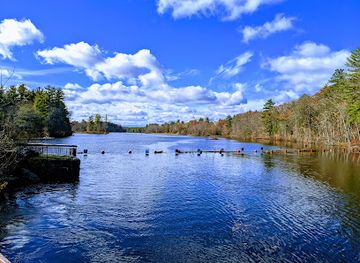
Mine Falls Park
Explore Mine Falls Park, a stunning urban retreat in Nashua, NH, perfect for outdoor enthusiasts and nature lovers alike.
6 min drive · 1.9 km from city centre
-
Irish
The Peddler's Daughter
Discover the authentic taste of Ireland at The Peddler's Daughter in Nashua, NH, where warm hospitality meets delicious traditional cuisine.
2 min walk · 0.2 km from city centre
-
Park
Greeley Park
Discover the tranquility of Greeley Park in Nashua, NH, where lush landscapes and recreational activities create the perfect outdoor escape.
5 min drive · 1.7 km from city centre
-
Cafe
Riverwalk Bakery & Café
Experience the best of Nashua at Riverwalk Bakery & Café, where delicious pastries and artisanal coffee create an unforgettable dining experience.
1 min walk · 0.1 km from city centre


Explore Nashua on the map
Plan your Nashua trip on one map. See where the top attractions, landmarks, restaurants, bars and hotels are, find what's near where you're staying, and book hotels and experiences in a few clicks.
Best hotels in Nashua
Best restaurants in Nashua
Nashua's dining scene reflects southern New Hampshire's position between traditional New England food culture and the diverse communities of the Merrimack Valley. Restaurants and cafés around Main Street and the city's commercial corridors serve familiar American and New England fare alongside Brazilian, Portuguese, Greek, Indian, Chinese, Thai and other international cuisines. Seafood, chowders, sandwiches and baked goods connect the area with wider regional traditions, while independent cafés and family-run eateries give the city much of its everyday character. Pheasant Lane Mall and the surrounding southern commercial district add further variety, particularly for casual dining. Farmers' markets and seasonal community events can offer locally produced food when operating, but schedules vary. Dining is generally informal, with counter service common in casual establishments and tipping expected for table service.
-
Mexican
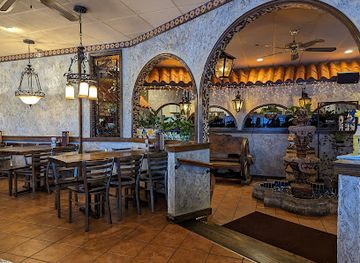
La Carreta Mexican Restaurant
Experience the vibrant flavors of authentic Mexican cuisine at La Carreta Mexican Restaurant in Nashua, NH.
14 min drive · 4.6 km from city centre
-
American
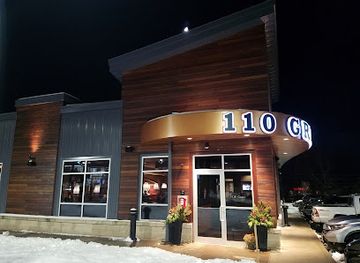
110 Grill Nashua
Savor the essence of American cuisine with gluten-free options at 110 Grill Nashua - where flavor meets inclusivity.
11 min drive · 3.6 km from city centre
-
Irish
The Peddler's Daughter
Savor traditional Irish cuisine at The Peddler's Daughter in Nashua - your gateway to an authentic pub experience with lively entertainment.
2 min walk · 0.2 km from city centre
-
American
Not Your Average Joe's - Nashua
Experience a unique twist on American dining at Not Your Average Joe's in Nashua—where every meal feels special!
19 min drive · 6.2 km from city centre
Best bars in Nashua
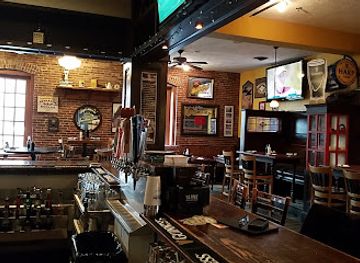
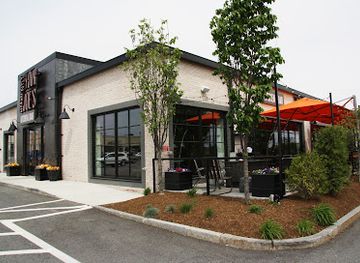
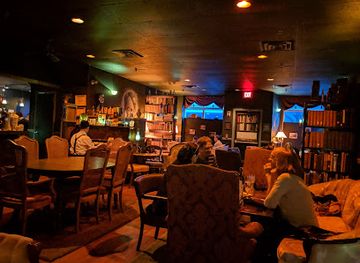
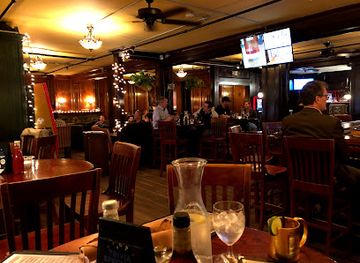
Nashua's evening scene is modest and locally oriented rather than dominated by large nightclubs. Downtown Main Street and nearby commercial areas contain pubs, taverns, restaurants with bars and casual places for an evening drink, while community events and live performances provide alternatives to late-night clubbing. The city's cultural calendar can include theatre, music, seasonal outdoor programmes and performances at local civic venues, with availability changing through the year. Craft beer is part of the broader New Hampshire social scene, and visitors may encounter locally brewed options in pubs and restaurants, though the city is not best understood as a concentrated brewery district. After dark, the comfortable pattern is generally dinner, drinks, music or a community event, with quieter residential areas and riverside parks better suited to daytime visits.
-
Bar
The Peddler's Daughter
Discover the heart of Irish culture at The Peddler's Daughter, a charming pub in Nashua, NH, offering authentic dishes and vibrant drinks.
2 min walk · 0.2 km from city centre
-
American
Burtons Grill & Bar
Discover the flavors of American cuisine at Burtons Grill & Bar in Nashua, where every meal is a celebration of taste and hospitality.
22 min drive · 7.5 km from city centre
-
Bar
CodeX B.A.R.
Discover CodeX B.A.R. in Nashua, NH - A premier bar and restaurant offering innovative cocktails and delicious food in a vibrant atmosphere.
8 min walk · 0.6 km from city centre
-
American
Fody's Great American Tavern
Discover Fody's Great American Tavern: A historic gem in Nashua, serving classic American dishes with a side of live music and vibrant atmosphere.
1 min walk · 0.1 km from city centre
Best nightclubs in Nashua
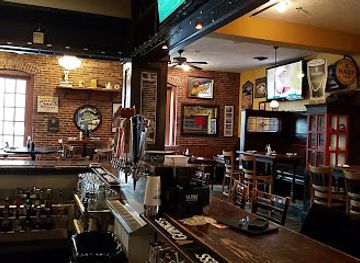
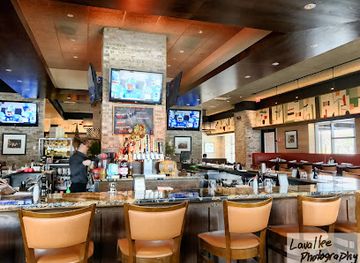
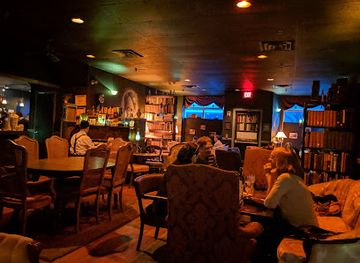
Nashua's evening scene is modest and locally oriented rather than dominated by large nightclubs. Downtown Main Street and nearby commercial areas contain pubs, taverns, restaurants with bars and casual places for an evening drink, while community events and live performances provide alternatives to late-night clubbing. The city's cultural calendar can include theatre, music, seasonal outdoor programmes and performances at local civic venues, with availability changing through the year. Craft beer is part of the broader New Hampshire social scene, and visitors may encounter locally brewed options in pubs and restaurants, though the city is not best understood as a concentrated brewery district. After dark, the comfortable pattern is generally dinner, drinks, music or a community event, with quieter residential areas and riverside parks better suited to daytime visits.
-
Bar
CodeX B.A.R.
Discover the ultimate nightlife experience at CodeX B.A.R., where great food, drinks, and atmosphere come together in Nashua, NH.
8 min walk · 0.6 km from city centre
-
Casino
The River Casino & Sports Bar
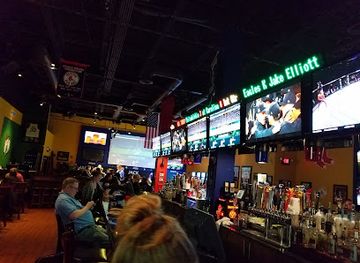
Discover excitement and entertainment at The River Casino & Sports Bar – Nashua's premier destination for gaming, dining, and sports.
7 min walk · 0.5 km from city centre
-
Sports bar
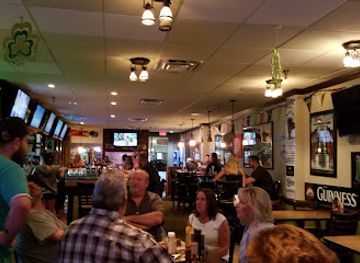
O'Brien's Sports Bar
Experience the thrill of live sports and delicious cuisine at O'Brien's Sports Bar in Nashua, NH - your go-to destination for game day excitement.
5 min walk · 0.4 km from city centre
-
Bar
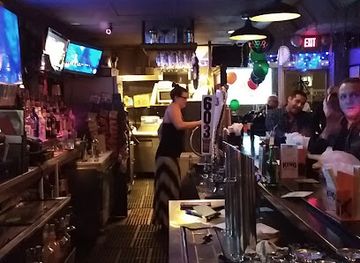
Slade's Food & Spirits
Experience the vibrant atmosphere, delicious food, and lively entertainment at Slade's Food & Spirits in Nashua, NH.
11 min walk · 0.9 km from city centre
Best shops in Nashua
Shopping in Nashua ranges from traditional downtown businesses to large modern retail areas. Main Street provides the most useful setting for independent shops, cafés, services and locally oriented browsing, with historic buildings giving the centre a more compact character than the roadside commercial districts. Pheasant Lane Mall, near the Massachusetts border, is the city's principal enclosed shopping centre and offers national retailers, food outlets and practical shopping under one roof. Other retail clusters line major roads outside downtown, where visitors will find everyday goods and specialist businesses rather than a concentrated craft quarter. Local food products, New England-themed gifts, books, clothing and small artisan items are more likely to appear in independent shops, seasonal markets and community events than in a single dedicated bazaar. New Hampshire's lack of a general sales tax is also relevant to retail purchases, although exclusions and other charges can apply.
-
Shopping mall
Pheasant Lane Mall
Explore Pheasant Lane Mall in Nashua, NH: A retail haven featuring diverse shops, delicious dining, and family-friendly activities for all ages.
23 min drive · 7.6 km from city centre
-
Shopping mall
Somerset Plaza
Experience the vibrant shopping and dining at Somerset Plaza in Nashua, New Hampshire, where every visit brings something new and exciting.
12 min drive · 3.9 km from city centre
-
Shopping mall
Nashua Mall Plaza
Explore Nashua Mall Plaza: Your ultimate shopping destination in New Hampshire filled with diverse stores, dining, and entertainment options.
7 min drive · 2.4 km from city centre
-
Shopping mall
Willow Springs Plaza
Explore Willow Springs Plaza - a bustling shopping destination in Nashua, NH, offering a variety of retail, dining, and entertainment experiences.
22 min drive · 7.2 km from city centre

Get your free copy of our complete guide to Nashua, delivered straight to you.
Everything on this page, from attractions and restaurants to essentials and local phrases, in one PDF you can read offline, print or share.
Already have an account? Sign in
Your Nashua guide is ready.
We'll send it to · Not you? Sign out

Getting your guide ready…
We are putting together a fresh copy of the Nashua guide. This can take up to a minute.
This can take a few moments. If your browser asks, choose Allow so the download can start. You'll find the guide in your Downloads folder.
Nothing happened? Download it again
Sorry, the guide is taking longer than usual. Please try again in a minute, or get it by email instead.
Nashua essentials
Currency and Payment
Safety
Emergency Situations
Do's and Don'ts
Local Tips
From Eve
Local phrases worth knowing
You don't need to get them perfect. A few words go a long way, and locals appreciate the effort.
Basics
| English | Local | Say it |
|---|---|---|
| Hello | Hey | [hey] |
| Goodbye | See ya | [see yuh] |
| Yes | Yup | [yup] |
| No | Nope | [nohp] |
| Please/You're welcome | Please/You're welcome | [please/yuh welcome] |
| Thank you | Thanks | [thanks] |
| Excuse me/Sorry | Sorry | [sore-ee] |
| How are you? | How you doin'? | [how yuh doin'] |
| Fine. And you? | Good. You? | [good. yuh?] |
| Do you speak English? | Yuh speak English? | [yuh speak english?] |
| I don't understand | I don't get it | [I don't get it] |
Eating & Drinking
| English | Local | Say it |
|---|---|---|
| I'd like to see the menu, please | Can I see the menu? | [can I see the menu?] |
| I don't eat meat | I don't eat meat | [I don't eat meat] |
| Cheers! | Cheers! | [cheers!] |
| I would like to pay, please | Can I pay now? | [can I pay now?] |
Emergencies
| English | Local | Say it |
|---|---|---|
| Help! | Help! | [help!] |
| Go away! | Go away! | [go away!] |
| Call the Police! | Call the cops! | [call the cops!] |
| Call a doctor! | Get a doc! | [get a doc!] |
| I'm lost | I'm lost | [I'm lost] |
| I'm ill | I'm sick | [I'm sick] |
Shopping
| English | Local | Say it |
|---|---|---|
| I'd like to buy... | I wanna buy... | [I wanna buy...] |
| I'm just looking | I'm just looking | [I'm just looking] |
| How much is it? | How much? | [how much?] |
| That's too expensive | That's too much | [that's too much] |
| Can you lower the price? | Can you do a deal? | [can you do a deal?] |
Time & Numbers
| English | Local | Say it |
|---|---|---|
| What time is it? | What time is it? | [what time is it?] |
| It's one o'clock | It's one | [it's one] |
| Half past (10) | Half past ten | [half past ten] |
| Morning | Morning | [morning] |
| Afternoon | Afternoon | [afternoon] |
| Evening | Evening | [evening] |
| Yesterday | Yesterday | [yesterday] |
| Today | Today | [today] |
| Tomorrow | Tomorrow | [tomorrow] |
| 1 | One | [wun] |
| 2 | Two | [too] |
| 3 | Three | [three] |
| 4 | Four | [four] |
| 5 | Five | [fahv] |
| 6 | Six | [siks] |
| 7 | Seven | [sev-uhn] |
| 8 | Eight | [ayt] |
| 9 | Nine | [nahyn] |
| 10 | Ten | [ten] |
Transport & Directions
| English | Local | Say it |
|---|---|---|
| Where's a/the...? | Where's the...? | [where's the...?] |
| What's the address? | What's the address? | [what's the address?] |
| Can you show me (on the map)? | Show me (on the map) | [show me (on the map)] |
| When's the next (bus)? | When's the next (bus)? | [when's the next (bus)?] |
| A ticket (to ....) | A ticket (to ....) | [a ticket (to ....)] |
History of Nashua
Indigenous River Landscapes
Long before European settlement, the Nashua and Merrimack river corridors supported Indigenous communities through fishing, hunting, farming and movement across southern New Hampshire. The Pennacook, an Indigenous people of the Merrimack Valley, are particularly associated with the region, whose waterways formed important routes through the interior of New England. European colonists later used the name Nashua for the river and surrounding area, though colonial descriptions often obscured the region's earlier history. The confluence of waterways remained central to the settlement's development, first as a source of transport and fertile land and later as the foundation for water-powered industry.
Dunstable and Colonial Settlement
Colonial settlement developed within the broad township of Dunstable, established in the late seventeenth century when the Massachusetts and New Hampshire border region was still politically unsettled. The area that became Nashua was incorporated as part of Dunstable in 1673, although frontier conflict and changing boundaries repeatedly disrupted settlement. In 1746, the New Hampshire portion became the town of Dunstable, reflecting the separation of the colony's jurisdiction from Massachusetts. Agriculture, timber and river transport supported the early community, while the Nashua River's falls hinted at the industrial role it would later assume.
The Rise of Textile Manufacturing
Nashua's decisive transformation began in the early nineteenth century, when investors recognised the potential of the Nashua River for mill power. The Nashua Manufacturing Company was established in 1823, and textile production soon drew workers, capital and infrastructure to the settlement. Canals, mill buildings, boarding houses and new commercial streets reshaped the riverfront, while the arrival of rail connections strengthened links with Boston and other New England markets. In 1836, the town adopted the name Nashua, marking its emergence as a distinct industrial community rather than a remnant of the older Dunstable settlement.
An Industrial City Takes Shape
During the nineteenth and early twentieth centuries, Nashua grew around textile production, although its economy also included machine-making, small manufacturing and businesses serving the expanding population. Mill work brought together migrants and families from different parts of New England and abroad, creating a more complex social landscape than the earlier farming community. Industrial buildings and water-management works around Mine Falls preserve traces of this period. As textile manufacturing declined across New England in the twentieth century, Nashua faced economic change, but its transportation links, skilled workforce and proximity to Boston helped it develop a broader commercial and technology-oriented economy.
Modern Nashua and the Merrimack Valley
Post-industrial Nashua retained the physical imprint of its mill era while adapting to suburban growth and the expanding economic influence of southern New Hampshire and metropolitan Boston. Main Street and the former industrial areas became important settings for civic activity, local commerce and cultural preservation, while newer retail and employment centres developed along major roads. Public parks, trails and river corridors remain part of the city's historical landscape rather than separate from it. This combination of preserved nineteenth-century fabric, twentieth-century expansion and contemporary regional connections defines Nashua's present character.
Nashua in Photos
Browse through our photo collection highlighting the charm and character of the destination.
Cities near Nashua
The closest cities to Nashua, if you have time for more than one stop.
-

-

-

-

-


Swipe for more cities
Explore more

Explore more of New Hampshire
Discover New Hampshire: Explore the majestic White Mountains, serene lakes, and historic towns in the heart of New England's enchanting landscapes.
Explore New Hampshire