

Free Monadnock Region Travel Guide & Mobile App
Explore Monadnock Region with free travel guides. Discover regional history, expert tips, proposed trips, and audio guides on web or mobile app.


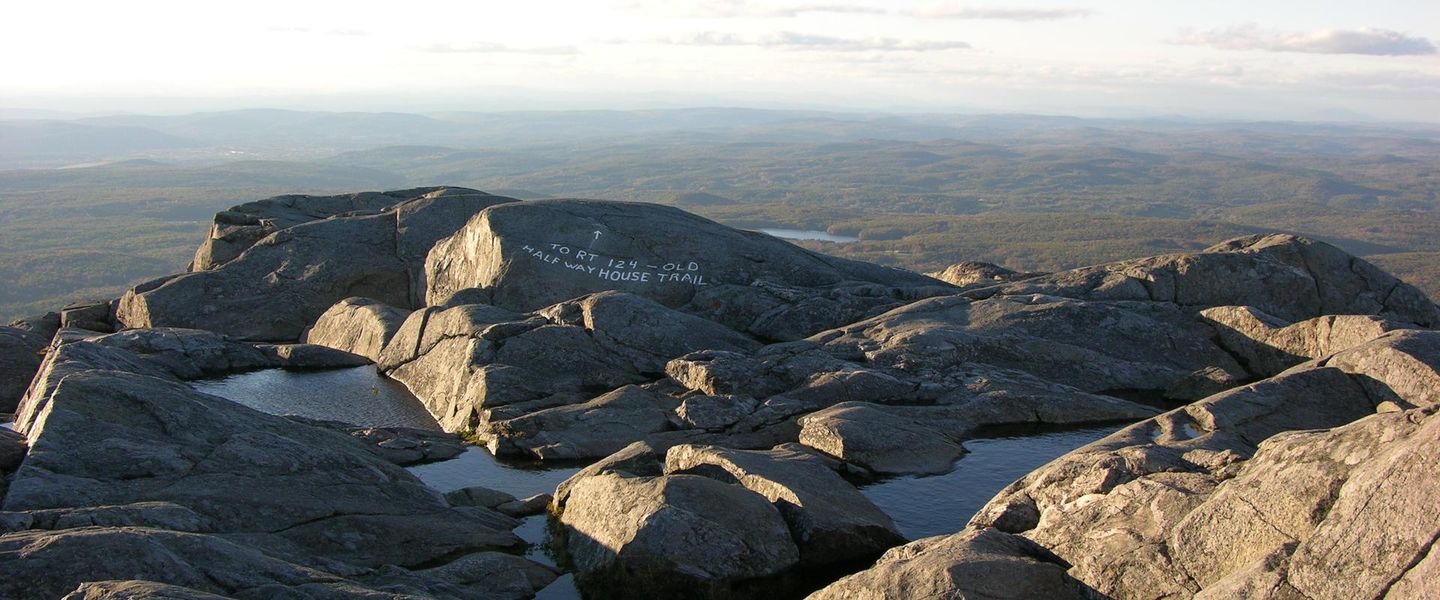


Explore New Hampshire’s Monadnock Region for Mount Monadnock hikes, historic villages, autumn woodland, local food and a strong arts tradition.
Read more about Monadnock Region
Getting to and around Monadnock Region
How to get there
Transportation
Top city travel guides in Monadnock Region
The cities of Monadnock Region, and the easiest places to base yourself.

Swipe for more cities
Destinations in Monadnock Region
Resorts, valleys and scenic spots worth a trip of their own.

Swipe for more destinations
Best attractions in Monadnock Region
The region’s attractions combine outdoor recreation with small-town culture and historic New England landscapes. Monadnock State Park is the central draw, offering several routes towards the summit and shorter woodland walks for visitors who do not want a full mountain ascent. Around the mountain, roads pass ponds, farms, orchards and conservation areas suited to scenic driving, cycling, birdwatching and seasonal foliage viewing. The Ashuelot River Rail Trail provides a more level route for walking and cycling near Keene and neighbouring communities. Keene’s compact centre offers museums, civic architecture, independent shops and cultural programming, while Peterborough has galleries, bookshops, theatre and the historic MacDowell artists’ colony. Smaller towns contribute village greens, covered bridges, meetinghouses, mill buildings and local historical collections. Water-based recreation is available on selected lakes and ponds, subject to local regulations and conditions, while winter visitors can look for snowshoeing and cross-country opportunities. The attraction landscape is intentionally varied but not densely concentrated: a satisfying itinerary usually combines one principal walk or cultural visit with time on rural roads and in a market town.
-
State park
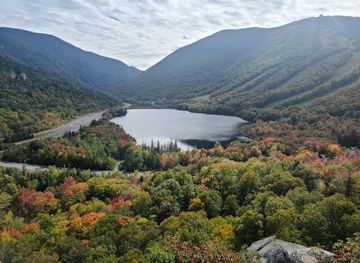
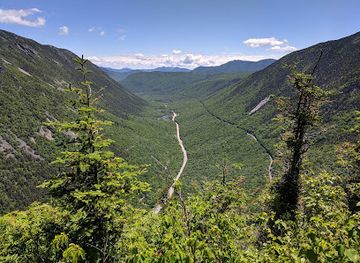
Franconia Notch State Park
Discover the breathtaking beauty of Franconia Notch State Park, a paradise for outdoor enthusiasts and nature lovers in New Hampshire's White Mountains.
-
Park
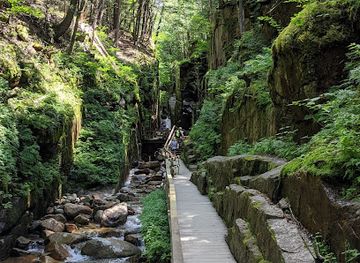
Flume Gorge
Explore the breathtaking Flume Gorge in New Hampshire, a stunning natural park featuring granite cliffs, waterfalls, and scenic hiking trails for all adventurers.
-
Ski resort
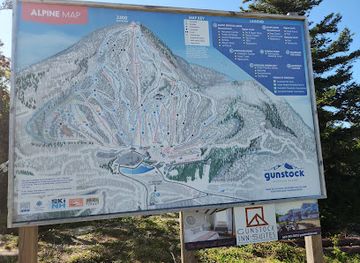
Gunstock Mountain Resort
Experience thrilling outdoor adventures year-round at Gunstock Mountain Resort, the ultimate destination for skiing, hiking, and breathtaking views in New Hampshire.
-
State park
Crawford Notch State Park
Discover the breathtaking landscapes and outdoor adventures at Crawford Notch State Park, a gem in New Hampshire's White Mountains.
Best landmarks in Monadnock Region
Mount Monadnock is the region’s defining landmark, its broad wooded mass and rocky summit visible from roads and villages across southwestern New Hampshire. Its importance is both geographical and cultural: the mountain became a subject for writers and painters in the nineteenth century and remains the focal point of local recreation. In Keene, Central Square and the surrounding historic centre express the town’s civic development through churches, commercial buildings and public spaces, while the Ashuelot River and former mill areas point to the industrial role of waterpower. Peterborough’s village centre and the grounds associated with MacDowell represent the region’s continuing relationship with architecture, art and creative work. Smaller landmarks include village meetinghouses, covered bridges, stone walls, old cemeteries and preserved mill structures scattered through Jaffrey, Dublin, Hancock, Harrisville, Fitzwilliam and neighbouring communities. These places matter less as isolated monuments than as parts of a rural settlement pattern in which farms, wooded hills, waterways and compact villages remain closely linked.
-
Mountain peak
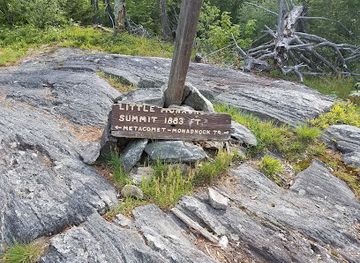
Little Monadnock Mountain
Explore Little Monadnock Mountain, a breathtaking hiking destination in Fitzwilliam, NH, offering stunning views and a rich outdoor experience.
-
Park
ANNETT WAYSIDE PARK
Explore the serene beauty of Annett Wayside Park in Rindge, NH, a hidden gem for nature lovers and a perfect spot for relaxation in picturesque surroundings.
Explore Monadnock Region on the map
Plan your trip on one map. See where the top cities, national parks and sights are, and book hotels and experiences in a few clicks.
Best hotels in Monadnock Region
Best restaurants in Monadnock Region
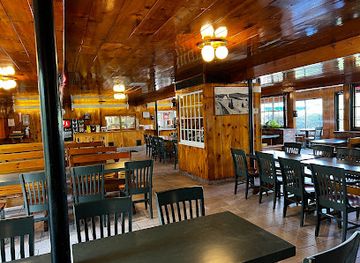
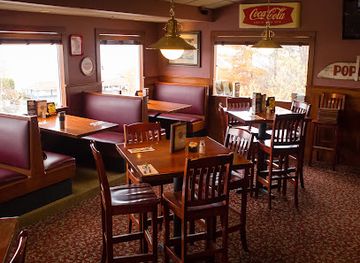
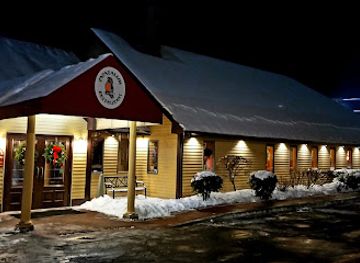
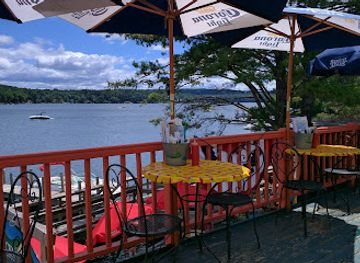
Dining in the Monadnock Region reflects southern New Hampshire’s farm and small-town setting rather than a single regional cuisine. Keene and Peterborough have the broadest choice of restaurants, cafés, bakeries, pubs and more contemporary dining, while village inns and roadside establishments provide a slower rural rhythm. Menus commonly draw on New England ingredients such as apples, maple, local vegetables, dairy products and seasonal meat, with nearby farms and producers supplying some of the region’s kitchens. Cider, craft beer and American wines may appear alongside coffee and traditional soft drinks, while breakfast cafés and bakeries are useful stops before a day outdoors. Farm stands and farmers’ markets offer produce, baked goods and prepared foods at different points in the year, although schedules are seasonal. Seafood is available, but the region is inland; it should not be confused with the coastal food culture of New Hampshire. Reservations can be sensible for popular dining times, especially during autumn weekends and cultural events.
-
Ice Cream
Kimball Farm Jaffrey
Experience the charm of Kimball Farm Jaffrey - where delicious ice cream meets fresh seafood in a picturesque setting.
-
American
T-BONES Great American Eatery
Experience classic American cuisine at T-BONES Great American Eatery in Laconia—where every meal feels like home.
-
Italian
Papagallos Restaurant
Experience authentic Italian cuisine at Papagallos Restaurant in Swanzey—where flavor meets tradition in every dish.
-
Seafood
Town Docks Restaurant - Summers Only
Experience exquisite seafood dining at Town Docks Restaurant in Meredith, NH - where fresh flavors meet stunning lakeside views.
Best bars in Monadnock Region
Evenings in the Monadnock Region centre on pubs, breweries, restaurants, cafés and small live-music or performance venues rather than a large nightclub scene. Keene has the greatest concentration of bars and evening options, supported by its college population and year-round local community, while Peterborough’s cultural calendar adds theatre, music and arts-related events. Historic inns and village pubs offer a more traditional setting in smaller communities, but many rural establishments close earlier than visitors from major cities may expect. Breweries and taprooms provide opportunities to sample locally made beer where available, and restaurants often form the main focus of an evening in the countryside. Events vary by season and venue, so current listings should be checked before travelling. Visitors should arrange a designated driver or dependable taxi plan when staying outside Keene, as distances are substantial and public transport is limited at night.
-
Mexican
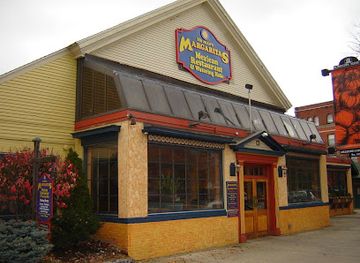
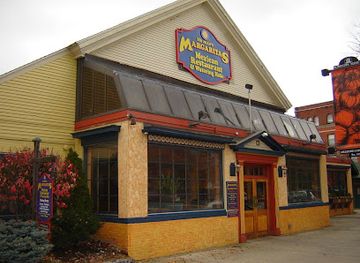
Margaritas Mexican Restaurant
Experience the flavors of Mexico at Margaritas Mexican Restaurant in Keene, NH, where vibrant dishes and a lively atmosphere await you.
-
American
Emma's 321 Pub & Kitchen
Experience the best of American comfort food at Emma's 321 Pub & Kitchen in Rindge, NH, where delicious flavors meet a warm, inviting atmosphere.
-
Restaurant
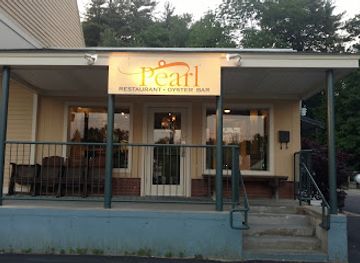
Pearl Restaurant & Oyster Bar
Discover the fresh seafood and exquisite dining experience at Pearl Restaurant & Oyster Bar in Peterborough, NH, perfect for every seafood lover's palate.
-
Restaurant
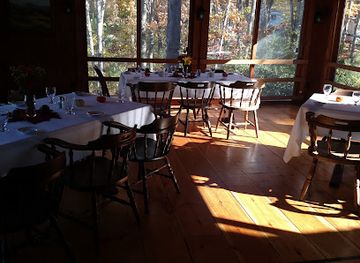
The Smoking Trout
Discover the culinary delights of The Smoking Trout, a charming restaurant in Marlborough, NH, specializing in brunch and lunch with a local touch.
Best nightclubs in Monadnock Region
Evenings in the Monadnock Region centre on pubs, breweries, restaurants, cafés and small live-music or performance venues rather than a large nightclub scene. Keene has the greatest concentration of bars and evening options, supported by its college population and year-round local community, while Peterborough’s cultural calendar adds theatre, music and arts-related events. Historic inns and village pubs offer a more traditional setting in smaller communities, but many rural establishments close earlier than visitors from major cities may expect. Breweries and taprooms provide opportunities to sample locally made beer where available, and restaurants often form the main focus of an evening in the countryside. Events vary by season and venue, so current listings should be checked before travelling. Visitors should arrange a designated driver or dependable taxi plan when staying outside Keene, as distances are substantial and public transport is limited at night.
-
Mexican
Margaritas Mexican Restaurant
Experience authentic Mexican flavors at Margaritas Mexican Restaurant in Keene, NH, where every meal is a fiesta of taste and fun.
-
Hotel
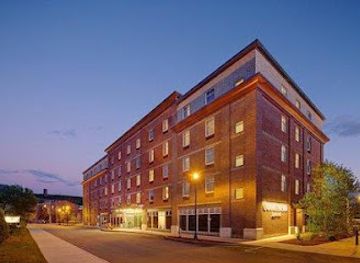
Courtyard Keene Downtown
Discover the perfect blend of modern comfort and local charm at Courtyard Keene Downtown, your gateway to exploring New Hampshire's vibrant downtown.
-
Live music bar
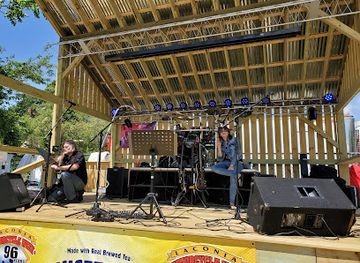
The Big House
Experience the vibrant atmosphere at The Big House, Laconia's premier live music bar featuring a variety of local and national acts.
-
Non-profit organization
Italian Club
Discover the vibrant community spirit and lively entertainment at the Italian Club in Keene, NH—where fun and connection come together.

Best shops in Monadnock Region
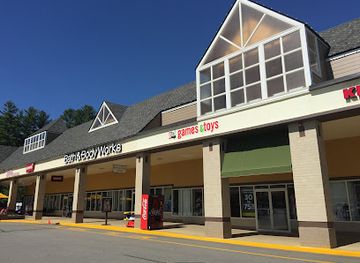
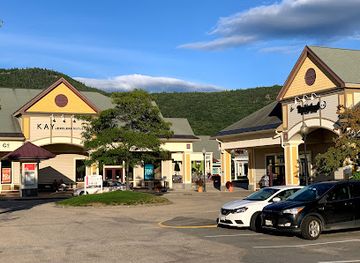
Shopping is concentrated in Keene and Peterborough, with smaller independent businesses distributed through the surrounding villages. Keene’s central streets offer books, gifts, clothing, galleries, antiques, cafés and practical supplies, while Peterborough is particularly associated with arts, crafts, books and locally oriented independent retail. Rural shopping is often found at farm stands, orchards, food shops and seasonal markets rather than in large commercial districts. Visitors can look for maple products, apple goods, cider, preserves, baked items, pottery, textiles, jewellery and work by local artists, although stock and opening patterns vary by season. Antiques and traditional New England furnishings appear in several small-town businesses, while galleries provide a more distinctly cultural form of shopping. The region is better suited to browsing independent shops and buying locally produced food or craft items than to extensive luxury retail. Autumn weekends can be busy, and some farm stands operate on a seasonal or self-service basis, so visitors should carry a payment method suitable for smaller rural sellers.
-
Shopping mall
The Mall of New Hampshire
Experience the ultimate shopping adventure at the Mall of New Hampshire, where retail therapy meets entertainment and dining options.
-
Shopping mall
Pheasant Lane Mall
Experience shopping bliss at Pheasant Lane Mall, Nashua's top retail destination with diverse stores and delightful dining options.
-
Outlet mall
Tanger Outlets Tilton
Discover unbeatable deals and a diverse shopping experience at Tanger Outlets Tilton, New Hampshire's top destination for savvy shoppers.
-
Outlet mall
Settlers Green Outlet Village
Discover unbeatable deals and breathtaking views at Settlers Green Outlet Village, North Conway's premier shopping destination.
Get your free copy of our complete guide to Monadnock Region, delivered straight to you.
Everything on this page, from attractions and restaurants to essentials and local phrases, in one PDF you can read offline, print or share.
Already have an account? Sign in
Your Monadnock Region guide is ready.
We'll send it to · Not you? Sign out

Getting your guide ready…
We are putting together a fresh copy of the Monadnock Region guide. This can take up to a minute.
This can take a few moments. If your browser asks, choose Allow so the download can start. You'll find the guide in your Downloads folder.
Nothing happened? Download it again
Sorry, the guide is taking longer than usual. Please try again in a minute, or get it by email instead.
Monadnock Region essentials
Currency and Payment
Safety
Emergency Situations
Do's and Don'ts
Local Tips
From Eve
Local phrases worth knowing
You don't need to get them perfect. A few words go a long way, and locals appreciate the effort.
Basics
| English | Local | Say it |
|---|---|---|
| Hello | Hi there | [Hah there] |
| Goodbye | See ya | [See yah] |
| Yes | Yup | [Yup] |
| No | Nah | [Nah] |
| Please/You're welcome | Sure thing | [Shoor thing] |
| Thank you | Thanks a lot | [Thanks a lot] |
| Excuse me/Sorry | Pardon me | [Pardon me] |
| How are you? | How ya doin'? | [How yah doin'?] |
| Fine. And you? | Good. How 'bout you? | [Good. How 'bout you?] |
| Do you speak English? | You speakin' English? | [You speakin' English?] |
| I don't understand | I'm not gettin' it | [I'm not gettin' it] |
Eating & Drinking
| English | Local | Say it |
|---|---|---|
| I'd like to see the menu, please | Can I see the menu, please? | [Can I see the menu, please?] |
| I don't eat meat | I don't do meat | [I don't do meat] |
| Cheers! | Cheers! | [Cheers!] |
| I would like to pay, please | Can I get the check, please? | [Can I get the check, please?] |
Emergencies
| English | Local | Say it |
|---|---|---|
| Help! | Help! | [Help!] |
| Go away! | Leave me alone! | [Leave me alone!] |
| Call the Police! | Call the cops! | [Call the cops!] |
| Call a doctor! | Get a doctor! | [Get a doctor!] |
| I'm lost | I'm turned around | [I'm turned around] |
| I'm ill | I'm not feelin' well | [I'm not feelin' well] |
Shopping
| English | Local | Say it |
|---|---|---|
| I'd like to buy... | I'm lookin' to buy... | [I'm lookin' to buy...] |
| I'm just looking | Just browsin' | [Just browsin'] |
| How much is it? | What’s the price? | [What’s the price?] |
| That's too expensive | That’s a bit pricey | [That’s a bit pricey] |
| Can you lower the price? | Can ya drop the price? | [Can ya drop the price?] |
Time & Numbers
| English | Local | Say it |
|---|---|---|
| What time is it? | What time ya got? | [What time ya got?] |
| It's one o'clock | It's one | [It's one] |
| Half past (10) | Half past ten | [Half past ten] |
| Morning | Mornin' | [Mornin'] |
| Afternoon | Afternoon | [Afternoon] |
| Evening | Evenin' | [Evenin'] |
| Yesterday | Yesterday | [Yesterday] |
| Today | Today | [Today] |
| Tomorrow | Tomorrow | [Tomorrow] |
| 1 | One | [One] |
| 2 | Two | [Two] |
| 3 | Three | [Three] |
| 4 | Four | [Four] |
| 5 | Five | [Five] |
| 6 | Six | [Six] |
| 7 | Seven | [Seven] |
| 8 | Eight | [Eight] |
| 9 | Nine | [Nine] |
| 10 | Ten | [Ten] |
Transport & Directions
| English | Local | Say it |
|---|---|---|
| Where's a/the...? | Where's the nearest...? | [Where's the nearest...?] |
| What's the address? | What's the address? | [What's the address?] |
| Can you show me (on the map)? | Can you point it out? | [Can you point it out?] |
| When's the next (bus)? | When's the next bus? | [When's the next bus?] |
| A ticket (to ....) | A ticket to... | [A ticket to... ] |
History of Monadnock Region
Abenaki Homelands and Indigenous Travel
Before European colonisation, southwestern New Hampshire formed part of the wider homelands and travel networks of Abenaki peoples. Rivers, ponds, upland passes and forest routes connected communities with hunting, fishing and seasonal activities. Mount Monadnock was a prominent geographical reference point within this landscape. Although later settlement transformed land ownership and land use, Indigenous history remains essential to understanding the region’s past and should not be reduced to a prelude to colonial development.
Colonial Settlement and Town Formation
European settlement expanded across the Monadnock country during the eighteenth century, bringing farms, roads, meetinghouses and locally organised town governments. Keene, Jaffrey, Peterborough and neighbouring communities developed at different times and around different combinations of farmland, waterpower and transport routes. The resulting village greens, church buildings, cemeteries and domestic architecture still shape the region’s appearance. Conflict and insecurity during the colonial period also affected settlement patterns, and the landscape was gradually reorganised around Euro-American agriculture and property boundaries.
Mills, Waterpower and Nineteenth-Century Industry
The region’s rivers supported sawmills, gristmills and later manufacturing, particularly along waterways such as the Ashuelot and Contoocook systems. Keene became an important local centre, while smaller communities combined farming with mills and workshops. Industrial buildings, dams and mill sites reveal how waterpower influenced settlement and employment before modern roads and utilities reshaped the economy. Agriculture remained significant, but nineteenth-century prosperity increasingly depended on the relationship between rural production, local commerce and small-scale manufacturing.
Mount Monadnock and the American Landscape Tradition
During the nineteenth century, Mount Monadnock became an influential subject for writers, painters and visitors seeking a distinctive New England landscape. Ralph Waldo Emerson and Henry David Thoreau both climbed the mountain, helping connect it with the period’s literary interest in nature and self-reliance. Artists including Abbott Handerson Thayer also represented Monadnock and its surroundings. Trails, inns and guidebooks gradually made the mountain more accessible, while its repeated appearance in art strengthened its symbolic importance far beyond southwestern New Hampshire.
Railways, Tourism and Regional Connections
Nineteenth-century railway development linked towns in the Monadnock Region with larger markets and made travel to the mountain country easier. Rail connections supported the movement of manufactured goods, agricultural produce and visitors, even though many former passenger routes later disappeared or changed purpose. Tourism became increasingly associated with mountain walking, summer stays and scenic travel. Today, remnants of rail infrastructure and converted corridors help illustrate how transport once organised the region’s economy and its emergence as a recreational destination.
The MacDowell and Peterborough Arts Legacy
In 1907, composer Edward MacDowell and his wife, Marian, established the artists’ colony now known as MacDowell in Peterborough. It became an important American setting for composers, writers, visual artists and other creative workers, offering time and space for concentrated work. Its legacy helped reinforce Peterborough’s cultural identity and contributed to the wider reputation of the Monadnock Region as a place associated with artistic production. The organisation’s historic grounds and continuing programme connect local history with national cultural life.
Conservation and the Modern Recreation Economy
The twentieth century brought growing concern for forests, watersheds, open land and public access around Mount Monadnock and throughout the region. State park management, local conservation organisations and private land stewardship helped protect important landscapes while accommodating hiking, camping and other recreation. At the same time, older farming and manufacturing economies were joined by tourism, arts organisations, hospitality and small businesses. The contemporary Monadnock Region therefore reflects both continuity and change: historic villages and working land remain alongside a visitor economy centred on nature and culture.
Monadnock Region in Photos
Browse through our photo collection highlighting the charm and character of the destination.
Neighbouring regions of Monadnock Region
The closest regions to Monadnock Region, if you have time for more than one.
-

-

-

-

-


Swipe for more regions
Explore more

Explore more of New Hampshire
Discover New Hampshire: Explore the majestic White Mountains, serene lakes, and historic towns in the heart of New England's enchanting landscapes.
Explore New Hampshire