

Free Merrimack Valley Travel Guide & Mobile App
Explore Merrimack Valley with free travel guides. Discover regional history, expert tips, proposed trips, and audio guides on web or mobile app.


Explore New Hampshire’s Merrimack Valley for river towns, industrial heritage, museums, Shaker history, local food and accessible woodland trails.
Read more about Merrimack Valley
Getting to and around Merrimack Valley
How to get there
Transportation
Top city travel guides in Merrimack Valley
The cities of Merrimack Valley, and the easiest places to base yourself.
-

-

-

-

-


Swipe for more cities
Destinations in Merrimack Valley
Resorts, valleys and scenic spots worth a trip of their own.
-

-

-

-


Swipe for more destinations
Best attractions in Merrimack Valley
The Merrimack Valley’s attractions combine urban museums, industrial history, village heritage and accessible outdoor recreation. Manchester’s Amoskeag Millyard contains the Millyard Museum and SEE Science Center, while the Currier Museum of Art and the historic Zimmerman House add art and twentieth-century architectural interest. In Concord, the New Hampshire State House, the New Hampshire Historical Society and the McAuliffe-Shepard Discovery Center provide different perspectives on politics, state identity, science and space exploration. Canterbury Shaker Village preserves a substantial historic community of buildings, gardens and working landscapes. Nashua offers riverside walks, downtown culture and Mine Falls Park, where canals and woodland paths recall the city’s industrial past. Bear Brook State Park, in the valley’s more rural northern area, provides swimming, walking, camping and forest recreation. Across the region, rail trails, river paths, farm stands, theatres and seasonal cultural events give visitors ways to experience communities rather than simply pass through them.
-
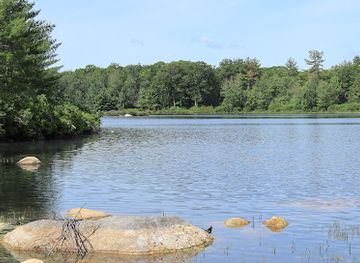
Benson Park
Experience the natural charm of Benson Park, a serene oasis in Hudson, NH, perfect for families and nature lovers alike.
-
The Palace Theatre
Explore The Palace Theatre in Manchester, NH, a historic venue showcasing a variety of captivating performances and theater productions year-round.
-
State park
Bear Brook State Park
Discover the untouched beauty and outdoor adventures of Bear Brook State Park, a top tourist attraction in New Hampshire for nature lovers and adventure seekers.
-
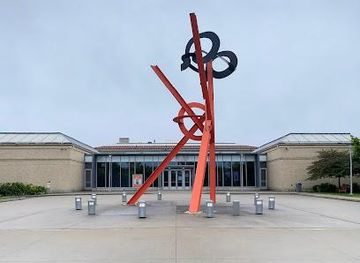
Currier Museum of Art
Discover a treasure trove of art and culture at the Currier Museum of Art in Manchester, New Hampshire, where creativity knows no bounds.


Best landmarks in Merrimack Valley
The Merrimack Valley’s most recognisable landmarks reflect its political, industrial and river-based identity. The New Hampshire State House in Concord, completed in the early nineteenth century and later enlarged, is distinguished by its golden dome and continuing civic role. Canterbury Shaker Village is a landmark of communal religious architecture, with carefully ordered buildings and landscapes that reveal how the Shakers organised work and worship. Manchester’s Amoskeag Millyard forms a vast brick industrial frontage along the Merrimack, with canals and mill structures expressing the scale of nineteenth-century textile production. The city’s Notre Dame Bridge crosses the river near this historic landscape, while Nashua’s former mills and canal corridors recall the industrial system that shaped its centre. Bear Brook State Park provides a contrasting natural landmark within the wider valley: a large tract of forest, ponds and glacially shaped terrain that demonstrates how quickly the region changes beyond its urban districts.
-
Historical landmark
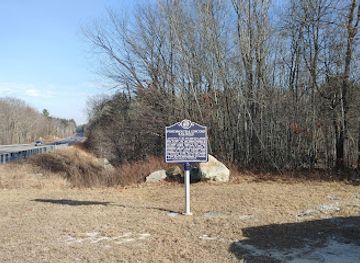
Portsmouth & Concord Railroad Historical Marker
Discover the rich history of New Hampshire at the Portsmouth & Concord Railroad Historical Marker, a serene site reflecting the legacy of early rail travel.
Explore Merrimack Valley on the map
Plan your trip on one map. See where the top cities, national parks and sights are, and book hotels and experiences in a few clicks.
Best hotels in Merrimack Valley
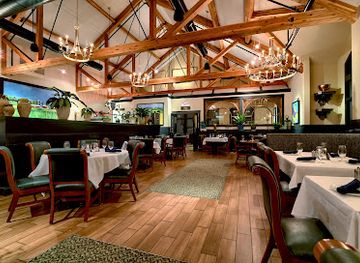
Best restaurants in Merrimack Valley
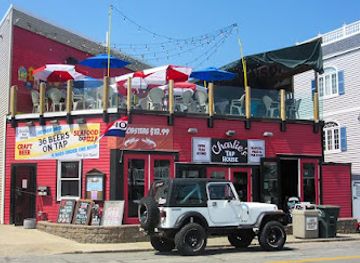
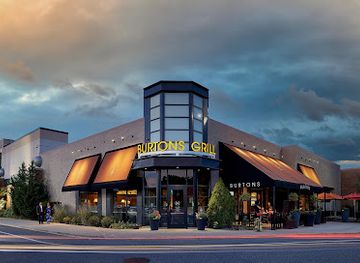
Dining in the Merrimack Valley brings together New England staples, immigrant traditions and a growing contemporary restaurant culture. Manchester and Nashua have the broadest choice, with independent restaurants serving American, French Canadian, Irish, Mediterranean, Asian and other cuisines alongside cafés, bakeries and bars. Concord’s compact centre is known for accessible cafés, restaurants and locally minded food businesses, while rural parts of the valley offer farm stands, diners, ice-cream shops and country inns. Regional eating often includes maple products, apples, berries, dairy, baked goods and seasonal produce rather than one single defining dish. Seafood is available despite the valley’s inland setting, while New England-style soups, sandwiches and fried foods remain common. Farmers’ markets and direct-from-farm sales are useful for discovering local produce, and breweries provide an additional part of the region’s modern food-and-drink scene.
-
Restaurant
Tuckaway Tavern and Butchery
Experience the best of New Hampshire's culinary scene at Tuckaway Tavern and Butchery with gourmet dishes and local brews in a vibrant atmosphere.
-
American
Copper Door
Discover Copper Door: A top-tier American restaurant in Bedford NH known for its unique menu and inviting atmosphere perfect for every occasion.
-
American
New England's Tap House Grille
Discover delicious American cuisine at New England's Tap House Grille – where fresh ingredients meet creative flavors in Hooksett, NH.
-
American
The Barley House Restaurant & Tavern
Discover delicious American cuisine at The Barley House Restaurant & Tavern in Concord, NH—where comfort meets flavor in every bite.
Best bars in Merrimack Valley
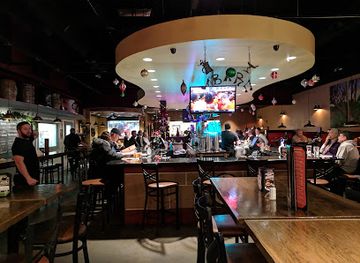
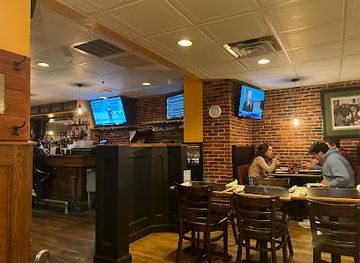
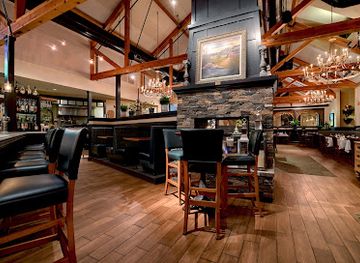
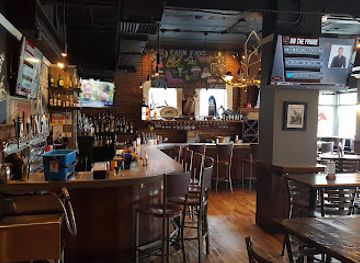
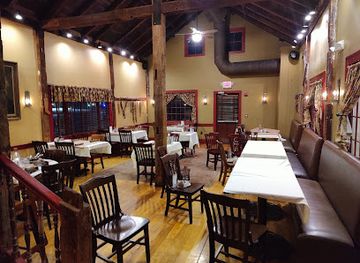
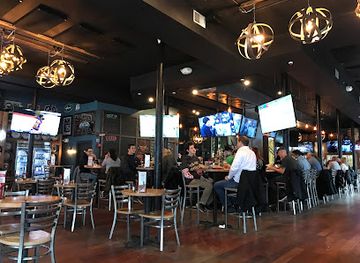
Evening life is concentrated in Manchester, Nashua and Concord rather than spread evenly across the valley. Manchester offers the widest range, including traditional pubs, restaurants with bars, breweries, live-music venues and the Palace Theatre, whose performances support a broader cultural evening out. Nashua’s downtown has pubs, cocktail-led venues, restaurants and occasional live entertainment, while Concord’s centre is suited to relaxed dining, local bars, breweries and theatre before or after a performance. Outside the cities, evenings generally centre on neighbourhood pubs, restaurants, seasonal events and rural inns rather than nightclubs. Opening arrangements and entertainment schedules change, so check current details locally. Visitors should also plan a safe journey back to accommodation, particularly where public transport is infrequent.
-
American
Copper Door
Discover Copper Door in Bedford, NH - a premier destination for exquisite American cuisine and a warm, inviting dining atmosphere.
-
Grill
The Farm Bar and Grille
Experience the best of local cuisine at The Farm Bar and Grille, Manchester's favorite grill for fresh flavors and a lively atmosphere.
-
Restaurant
The Common Man Merrimack
Experience the flavors of New Hampshire at The Common Man Merrimack, where hearty American cuisine meets rustic charm in a welcoming atmosphere.
-
Grill
Thirsty Moose Taphouse Manchester
Discover a culinary haven in Manchester, NH, at Thirsty Moose Taphouse, where grilled delights and craft beers create unforgettable dining experiences.
Best nightclubs in Merrimack Valley
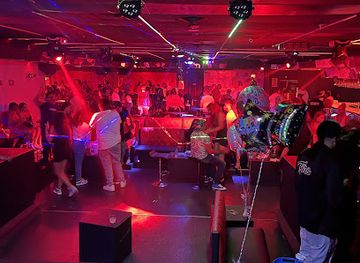
Evening life is concentrated in Manchester, Nashua and Concord rather than spread evenly across the valley. Manchester offers the widest range, including traditional pubs, restaurants with bars, breweries, live-music venues and the Palace Theatre, whose performances support a broader cultural evening out. Nashua’s downtown has pubs, cocktail-led venues, restaurants and occasional live entertainment, while Concord’s centre is suited to relaxed dining, local bars, breweries and theatre before or after a performance. Outside the cities, evenings generally centre on neighbourhood pubs, restaurants, seasonal events and rural inns rather than nightclubs. Opening arrangements and entertainment schedules change, so check current details locally. Visitors should also plan a safe journey back to accommodation, particularly where public transport is infrequent.
-
Live Music
Jewel Music Venue
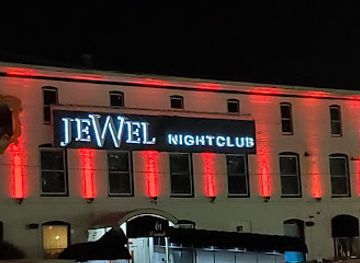
Discover the heartbeat of Manchester's nightlife at Jewel Music Venue, where live music and a vibrant lounge await every visitor.
-
Restaurant
DUBAI NIGHT CLUB AND GRILL
Discover the vibrant fusion of exquisite dining and electrifying nightlife at Dubai Night Club and Grill in Manchester, NH.
-
Night club
Club Madison
Discover the energetic nightlife at Club Madison, Hampton Beach's premier night club, where music and fun unite for an unforgettable experience.
Best shops in Merrimack Valley
Shopping in the Merrimack Valley ranges from practical urban retail to farm-based produce and independent town-centre businesses. Downtown Concord has bookshops, galleries, cafés and locally owned stores near the State House, while Manchester combines independent businesses in central neighbourhoods with larger commercial areas outside the historic core. Nashua’s compact downtown offers boutiques, antiques, art and specialty food shops, and the city is also associated with larger retail areas along its suburban corridors. Throughout the region, farm stands and seasonal markets are good places to look for maple syrup, honey, apples, baked goods, preserves and New Hampshire-made crafts. Gallery and studio shopping is most evident in the larger centres, while rural communities tend to offer practical goods, antiques and locally produced food rather than luxury retail. For a portable souvenir, choose a regional food product or a craft item whose maker and place of origin are clearly identified.
-
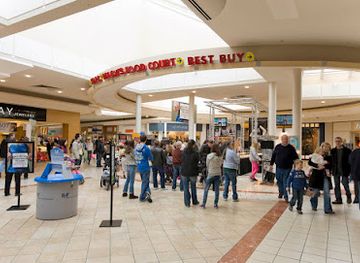
Shopping mall
The Mall of New Hampshire
Discover endless shopping and dining at The Mall of New Hampshire, where fashion meets fun in Manchester, NH.
-
Shopping mall
Pheasant Lane Mall
Explore the Pheasant Lane Mall for a diverse shopping experience, delightful dining, and endless entertainment in Nashua, NH.
-
Shopping mall
The Mall at Rockingham Park
Explore The Mall at Rockingham Park, New Hampshire's largest shopping destination, featuring diverse stores, delicious dining, and family-friendly entertainment.
-
Outlet mall
Tanger Outlets Tilton
Discover unbeatable deals at Tanger Outlets Tilton, the ultimate shopping destination in New Hampshire with a variety of brand-name stores.

Get your free copy of our complete guide to Merrimack Valley, delivered straight to you.
Everything on this page, from attractions and restaurants to essentials and local phrases, in one PDF you can read offline, print or share.
Already have an account? Sign in
Your Merrimack Valley guide is ready.
We'll send it to · Not you? Sign out

Getting your guide ready…
We are putting together a fresh copy of the Merrimack Valley guide. This can take up to a minute.
This can take a few moments. If your browser asks, choose Allow so the download can start. You'll find the guide in your Downloads folder.
Nothing happened? Download it again
Sorry, the guide is taking longer than usual. Please try again in a minute, or get it by email instead.
Merrimack Valley essentials
Currency and Payment
Safety
Emergency Situations
Do's and Don'ts
Local Tips
From Eve
Local phrases worth knowing
You don't need to get them perfect. A few words go a long way, and locals appreciate the effort.
Basics
| English | Local | Say it |
|---|---|---|
| Hello | Hey there | [Hey thair] |
| Goodbye | See ya | [See yah] |
| Yes | Yup | [Yup] |
| No | Nah | [Nah] |
| Please/You're welcome | No problem | [No prob-ləm] |
| Thank you | Thanks | [Thangs] |
| Excuse me/Sorry | Sorry about that | [Sorry abowt that] |
| How are you? | How ya doin’? | [How yah doin’?] |
| Fine. And you? | Good, you? | [Good, you?] |
| Do you speak English? | You speakin’ English? | [Yoo speakin’ English?] |
| I don't understand | I don’t get it | [I don’t get it] |
Eating & Drinking
| English | Local | Say it |
|---|---|---|
| I'd like to see the menu, please | Can I see the menu? | [Can I see the men-yoo?] |
| I don't eat meat | I’m a vegetarian | [I’m a vege-tair-i-an] |
| Cheers! | Cheers! | [Cheers!] |
| I would like to pay, please | Can I get the check? | [Can I get the chek?] |
Emergencies
| English | Local | Say it |
|---|---|---|
| Help! | Help! | [Help!] |
| Go away! | Get lost! | [Get lost!] |
| Call the Police! | Call the cops! | [Call the cops!] |
| Call a doctor! | Get a doctor! | [Get a doctor!] |
| I'm lost | I’m lost | [I’m lost] |
| I'm ill | I’m sick | [I’m sick] |
Shopping
| English | Local | Say it |
|---|---|---|
| I'd like to buy... | I wanna buy... | [I wanna buy...] |
| I'm just looking | Just browse’n | [Just browse’n] |
| How much is it? | What’s the price? | [What’s the price?] |
| That's too expensive | That’s way too pricey | [That’s way too pry-see] |
| Can you lower the price? | Can ya drop the price? | [Can yah drop the price?] |
Time & Numbers
| English | Local | Say it |
|---|---|---|
| What time is it? | What time is it? | [What time is it?] |
| It's one o'clock | It’s one o’clock | [It’s one o’clock] |
| Half past (10) | Half past ten | [Half past ten] |
| Morning | Mornin’ | [Mornin’] |
| Afternoon | Afternoon | [Afternoon] |
| Evening | Evening | [Evening] |
| Yesterday | Yesterday | [Yesterday] |
| Today | Today | [Today] |
| Tomorrow | Tomorrow | [Tomorrow] |
| 1 | One | [One] |
| 2 | Two | [Two] |
| 3 | Three | [Three] |
| 4 | Four | [Four] |
| 5 | Five | [Five] |
| 6 | Six | [Six] |
| 7 | Seven | [Seven] |
| 8 | Eight | [Eight] |
| 9 | Nine | [Nine] |
| 10 | Ten | [Ten] |
Transport & Directions
| English | Local | Say it |
|---|---|---|
| Where's a/the...? | Where’s a...? | [Where’s a...?] |
| What's the address? | What’s the address? | [What’s the address?] |
| Can you show me (on the map)? | Can ya show me on the map? | [Can yah show me on the map?] |
| When's the next (bus)? | When’s the next bus? | [When’s the next bus?] |
| A ticket (to ....) | A ticket to... | [A ticket to...] |
History of Merrimack Valley
Pennacook Communities and the Merrimack River
Before European settlement, the Merrimack Valley was home to Pennacook communities and part of a wider Indigenous world connected by the river and its tributaries. The Merrimack provided routes for travel, fishing and trade, while seasonal use of the surrounding forests and floodplains supported a varied economy. Epidemics, warfare and colonial expansion severely disrupted Pennacook life during the seventeenth century. Their presence remains fundamental to understanding the region’s history, even though many later accounts placed disproportionate emphasis on English settlement and industrial development.
Colonial Settlement and Concord’s Early Development
English settlement expanded along the Merrimack during the eighteenth century, establishing farms, mills and town centres on land that had previously been used by Indigenous communities. Concord, originally known as Rumford, was incorporated in 1725 after a long boundary dispute with neighbouring settlements. Its position at the confluence of the Merrimack and Contoocook rivers helped it become an important inland centre. The town’s later role as New Hampshire’s capital gave its civic architecture and institutions a significance extending well beyond the valley.
The Shakers at Canterbury
The Canterbury Shaker community was established in the 1790s after New England converts joined the movement’s communal religious society. Members shared property, organised work collectively and became known for disciplined craftsmanship, agriculture and distinctive buildings. The community declined during the nineteenth and early twentieth centuries as membership fell and social conditions changed. The preserved village north of Concord offers an unusually complete view of Shaker planning and daily life, including dwelling houses, workshops, gardens and surrounding farmland.
Waterpower, Canals and Early Industry
The Merrimack’s falls and tributaries supplied power for sawmills, gristmills and other early industries. In the early nineteenth century, canals and improved transport connected the river to wider commercial networks, making sites such as Manchester especially attractive for large-scale manufacturing. Waterpower did not simply provide energy; it also determined where workers, housing, warehouses and transport links developed. The surviving canals and mill landscapes help explain why several valley communities grew from small settlements into major New England industrial towns.
Amoskeag Manufacturing and the Textile City
The Amoskeag Manufacturing Company transformed Manchester during the nineteenth century, developing an extensive complex of brick mills along the Merrimack. Textile production drew workers from rural New England and, later, from many immigrant communities, creating a dense industrial city with company housing, churches, schools and commercial districts. Manchester’s textile economy declined during the twentieth century as production moved elsewhere, but the Millyard remains a powerful record of industrial scale and labour history. Museums and reused mill buildings now form a major part of the city’s cultural landscape.
Railways, Immigration and Urban Growth
Railways strengthened the valley’s links with Boston, the New Hampshire interior and other manufacturing towns during the nineteenth century. They carried raw materials, finished goods and passengers, while encouraging the growth of urban industries in Manchester, Nashua and Concord. Industrial employment attracted Irish, French Canadian and other immigrant communities, whose institutions shaped neighbourhoods, religious life and local politics. The region’s modern cultural diversity is partly a legacy of these movements, later joined by new patterns of migration and suburban development.
Deindustrialisation and the Modern Valley
After the Second World War, textile and manufacturing employment declined, and the Merrimack Valley began a long economic transition. Former mills acquired new uses as museums, offices, studios, shops and housing, while highways encouraged suburban growth around the principal cities. Manchester and Nashua developed more varied service, technology and healthcare economies, and Concord strengthened its role as a state-government centre. The contemporary valley therefore combines industrial heritage with renewed downtowns, expanding cultural institutions and the continuing importance of the river and its landscapes.
Merrimack Valley in Photos
Browse through our photo collection highlighting the charm and character of the destination.
Neighbouring regions of Merrimack Valley
The closest regions to Merrimack Valley, if you have time for more than one.
-

-

-

-

-


Swipe for more regions
Explore more

Explore more of New Hampshire
Discover New Hampshire: Explore the majestic White Mountains, serene lakes, and historic towns in the heart of New England's enchanting landscapes.
Explore New Hampshire