

Free Sullivan County Travel Guide & Mobile App
Explore Sullivan County with free travel guides. Discover regional history, expert tips, proposed trips, and audio guides on web or mobile app.


Explore Sullivan County, New Hampshire, for Lake Sunapee recreation, forested hills, historic villages, arts heritage and Connecticut River landscapes.
Read more about Sullivan County
Getting to and around Sullivan County
How to get there
Transportation
Top city travel guides in Sullivan County
The cities of Sullivan County, and the easiest places to base yourself.

Swipe for more cities
Destinations in Sullivan County
Resorts, valleys and scenic spots worth a trip of their own.

Swipe for more destinations
Best attractions in Sullivan County
Sullivan County's attractions range from outdoor recreation to carefully preserved cultural sites. Mount Sunapee State Park is the county's main four-season recreation area, offering access to hiking, winter sports and views over the surrounding lake country, while Lake Sunapee supports boating, swimming and lakeside exploration. The Sugar River Rail Trail provides a gentler way to experience the countryside on foot or by bicycle. History is represented by the reconstructed Fort at Number 4 in Charlestown, where living-history interpretation explains eighteenth-century frontier life, and by the buildings and landscapes of old village centres. Saint-Gaudens National Historical Park in Cornish is the county's most distinctive arts attraction, preserving studios, gardens and sculpture linked to one of America's leading nineteenth-century artists. Claremont adds historic mills, cultural programming and the Claremont Opera House, while farm stands, covered bridges, trails and rural roads create smaller-scale reasons to explore beyond the principal destinations.
-
Tourist attraction
Lost River Gorge & Boulder Caves
Explore the breathtaking beauty of Lost River Gorge & Boulder Caves in New Hampshire, a nature lover's paradise filled with stunning trails and fascinating caves.
-
Historical place museum
Castle in the Clouds
Explore the majestic Castle in the Clouds, a historical museum offering stunning views, rich heritage, and outdoor adventures in New Hampshire's natural beauty.
-
Historical place
John Hay Estate at The Fells
Discover the historical elegance and natural beauty of John Hay Estate at The Fells, an enchanting retreat in New Hampshire's picturesque landscape.
-
Museum
New Hampshire Telephone Museum
Explore the fascinating history of telephony at the New Hampshire Telephone Museum in Warner, where innovation meets nostalgia in communication technology.


Best landmarks in Sullivan County
The Connecticut River forms Sullivan County's western boundary and is its most important geographical landmark, creating a broad valley with views towards Vermont and a long history of settlement and transport. In Charlestown, the Fort at Number 4 site recalls the county's eighteenth-century frontier position, while the Cornish-Windsor Covered Bridge, approached from the New Hampshire side at Cornish, links the region's landscape with neighbouring Vermont. Mount Sunapee and Lake Sunapee provide the county's most recognisable natural profile, combining a forested mountain with a long, irregular lake and prominent seasonal viewpoints. Saint-Gaudens National Historical Park in Cornish is both an architectural and cultural landmark: Aspet, the sculptor's home, stands among studios, gardens and monumental works. Claremont's former mills, churches and civic buildings form a substantial industrial-era townscape, and village greens, meetinghouses and covered bridges across the county preserve the architectural character of earlier rural communities.
-
Local history museum
Washington Historical Society
Explore the rich history of Washington, NH at the Washington Historical Society, a cultural landmark showcasing local heritage and artifacts.
-
Historical landmark
Birthplace Of The Seventh Day Adventist Church NH Historical Highway Marker
Discover the serene Birthplace of the Seventh Day Adventist Church, a historical landmark in New Hampshire that captures the essence of faith and community.


Explore Sullivan County on the map
Plan your trip on one map. See where the top cities, national parks and sights are, and book hotels and experiences in a few clicks.
Best hotels in Sullivan County
Best restaurants in Sullivan County
Dining in Sullivan County reflects the foodways of rural New England, with traditional diners, family restaurants, cafés, pubs and seasonal farm outlets alongside more contemporary establishments around Claremont and Lake Sunapee. Maple syrup, apples, berries, pumpkins, baked goods and locally raised meat appear in farmside shops and seasonal menus, while cheese and craft beverages are common regional purchases. Lake Sunapee and the Connecticut River valley provide settings for relaxed summer dining, although menus commonly draw on ingredients from the wider New Hampshire and New England food region rather than a single county-specific cuisine. In small towns, breakfast cafés and inns can be important social and practical stops, while Claremont offers the broadest choice for an evening meal. Visitors should expect some rural establishments to operate seasonally or on limited days and should check arrangements before making a long drive.
-
American
Covered Bridge Farm Table
Discover the flavors of New Hampshire at Covered Bridge Farm Table - where local ingredients meet vibrant culinary creativity.
-
Restaurant
Tucker's
Savor delicious organic meals at Tucker's in New London – where fresh ingredients meet creative culinary flair.
-
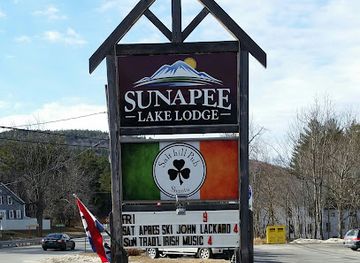
Irish pub
Salt Hill Pub Shanty
Discover the warmth of Ireland at Salt Hill Pub Shanty—where hearty meals meet friendly faces in beautiful Newbury.
-
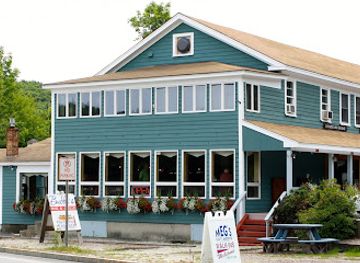
Restaurant
Bubba's Bar & Grille
Experience delightful dining at Bubba's Bar & Grille in Newbury, NH – where local flavors meet a warm atmosphere.
Best bars in Sullivan County
Evening life in Sullivan County is centred on traditional pubs, restaurants, breweries, live performances and community venues rather than a large nightclub scene. Claremont has the county's strongest concentration of cultural and evening activity, including performances at the historic Claremont Opera House and a selection of bars and restaurants. Newport and the Lake Sunapee communities offer smaller-scale places to eat and drink, with activity increasing during the warmer months and around seasonal visitors. In rural towns, evenings are generally quiet and often revolve around an inn, local pub, dinner or community event. Craft beer and New England-style tavern culture are more characteristic than late-night clubbing, and visitors should arrange a designated driver or accommodation transport because public transport is limited outside the main settlements.
-
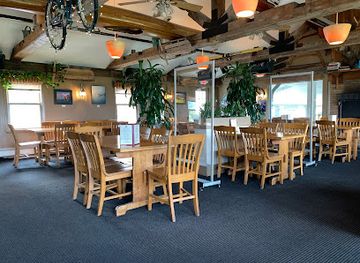
Brewpub
Flying Goose Brew Pub
Experience the delightful blend of craft beer and American cuisine at Flying Goose Brew Pub in New London, NH, where great flavors meet warm hospitality.
-
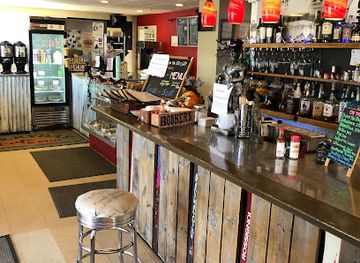
Pub
Salt Hill Pub - Lebanon
Discover the welcoming atmosphere and delicious offerings at Salt Hill Pub in Lebanon, NH, a perfect stop for any traveler.
-
Restaurant
The Everyday Cafe & Pub
Discover the charm of The Everyday Cafe & Pub, a cozy spot in Contoocook, NH, where American comfort food meets delightful baked treats.
-
Grill
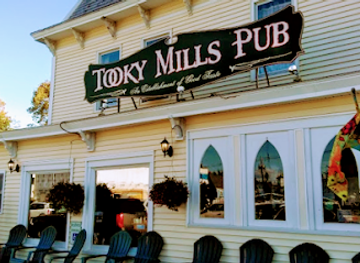
Tooky Mills Pub
Experience the charm and flavors of Tooky Mills Pub in Hillsborough, a delightful grill known for its welcoming atmosphere and delicious cuisine.

Best nightclubs in Sullivan County
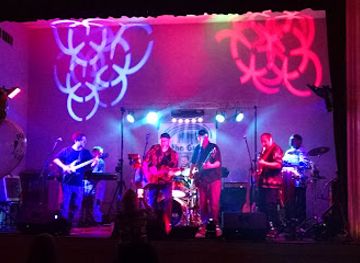
Evening life in Sullivan County is centred on traditional pubs, restaurants, breweries, live performances and community venues rather than a large nightclub scene. Claremont has the county's strongest concentration of cultural and evening activity, including performances at the historic Claremont Opera House and a selection of bars and restaurants. Newport and the Lake Sunapee communities offer smaller-scale places to eat and drink, with activity increasing during the warmer months and around seasonal visitors. In rural towns, evenings are generally quiet and often revolve around an inn, local pub, dinner or community event. Craft beer and New England-style tavern culture are more characteristic than late-night clubbing, and visitors should arrange a designated driver or accommodation transport because public transport is limited outside the main settlements.
-
Live music bar
The Big House
Experience vibrant live music and unwind with local brews at The Big House, Laconia's premier destination for entertainment and unforgettable nights.
-
Night club
Workmen's Club & Hall Rental
Discover a lively nightlife experience at Workmen's Club & Hall Rental in Manchester, NH, where good times and great music blend seamlessly.
-
Cigar shop
DUBAI CIGAR AND HOOKAH CLUB LLC
Immerse yourself in the vibrant culture of Dubai Cigar and Hookah Club LLC, where premium cigars, delicious food, and lively nightlife come together.


Best shops in Sullivan County
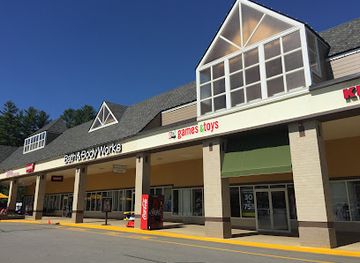
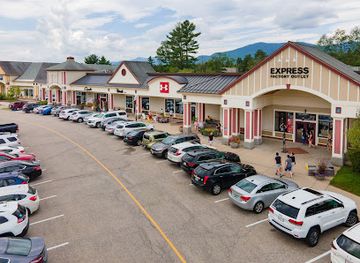
Shopping in Sullivan County is small-scale and locally oriented. Claremont has the county's broadest selection of independent shops, galleries, antiques, books, everyday services and food businesses, while Newport and the villages around Lake Sunapee provide smaller clusters of local retail. Farm stands and seasonal markets are useful for maple syrup, apples, pumpkins, preserves, baked goods, honey and other New England produce. Craft and practical souvenirs may include pottery, woodwork, textiles, artwork and locally made foods, particularly in communities associated with the Connecticut River valley and Lake Sunapee. The county is not a major destination for department stores or luxury retail, so visitors seeking extensive commercial shopping will find more choice outside the region in larger New Hampshire or Vermont centres. Buying directly from farms, studios and independent producers offers a more representative souvenir of the county than generic tourist merchandise.
-
Shopping mall
The Mall of New Hampshire
Experience shopping bliss at The Mall of New Hampshire, where fashion meets fun in a vibrant retail atmosphere.
-
Outlet mall
Tanger Outlets Tilton
Discover unbeatable deals at Tanger Outlets Tilton, a top shopping destination in New Hampshire with a diverse range of brand-name outlets.
-
Outlet mall
Settlers Green Outlet Village
Discover unbeatable deals at Settlers Green Outlet Village, the ultimate shopping destination in North Conway, NH, surrounded by breathtaking mountain views.
-
Gift shop
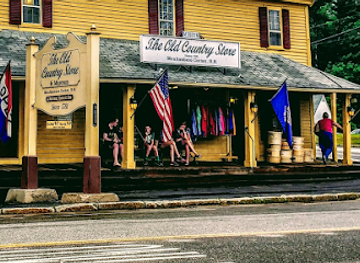
The Old Country Store and Museum
Explore unique gifts, gourmet treats, and local history at The Old Country Store and Museum in Moultonborough, NH—your perfect souvenir stop.

Get your free copy of our complete guide to Sullivan County, delivered straight to you.
Everything on this page, from attractions and restaurants to essentials and local phrases, in one PDF you can read offline, print or share.
Already have an account? Sign in
Your Sullivan County guide is ready.
We'll send it to · Not you? Sign out

Getting your guide ready…
We are putting together a fresh copy of the Sullivan County guide. This can take up to a minute.
This can take a few moments. If your browser asks, choose Allow so the download can start. You'll find the guide in your Downloads folder.
Nothing happened? Download it again
Sorry, the guide is taking longer than usual. Please try again in a minute, or get it by email instead.
Sullivan County essentials
Currency and Payment
Safety
Emergency Situations
Do's and Don'ts
Local Tips
From Eve
Local phrases worth knowing
You don't need to get them perfect. A few words go a long way, and locals appreciate the effort.
Basics
| English | Local | Say it |
|---|---|---|
| Hello | Hi | [hai] |
| Goodbye | See ya | [si ya] |
| Yes | Yep | [yehp] |
| No | Nope | [nohp] |
| Please/You're welcome | Sure thing | [shur thing] |
| Thank you | Thanks | [thangs] |
| Excuse me/Sorry | Sorry 'bout that | [sorree bout that] |
| How are you? | How's it going? | [how's it goin] |
| Fine. And you? | Good, you? | [gud, you?] |
| Do you speak English? | Do ya speak English? | [duh ya speak English?] |
| I don't understand | I don't get it | [I don't get it] |
Eating & Drinking
| English | Local | Say it |
|---|---|---|
| I'd like to see the menu, please | Can I see the menu? | [can I see the menu?] |
| I don't eat meat | I'm a vegetarian | [I'm a vege-tarian] |
| Cheers! | Cheers! | [cheers] |
| I would like to pay, please | Can I get the check? | [can I get the check?] |
Emergencies
| English | Local | Say it |
|---|---|---|
| Help! | Help! | [help] |
| Go away! | Leave me alone! | [leave me alone] |
| Call the Police! | Call the cops! | [call the cops] |
| Call a doctor! | Get a doctor! | [get a doctor] |
| I'm lost | I'm kinda lost | [I'm kinda lost] |
| I'm ill | I'm not feeling well | [I'm not feelin well] |
Shopping
| English | Local | Say it |
|---|---|---|
| I'd like to buy... | I wanna buy... | [I wanna buy...] |
| I'm just looking | Just browsing | [just browsing] |
| How much is it? | What's the price? | [what's the price?] |
| That's too expensive | That's a bit pricey | [that's a bit pricey] |
| Can you lower the price? | Can you give me a better deal? | [can you give me a better deal?] |
Time & Numbers
| English | Local | Say it |
|---|---|---|
| What time is it? | What time ya got? | [what time ya got?] |
| It's one o'clock | It's 1 o'clock | [it's 1 o'clock] |
| Half past (10) | Half past 10 | [half past 10] |
| Morning | Morning | [morning] |
| Afternoon | Afternoon | [afternoon] |
| Evening | Evening | [evening] |
| Yesterday | Yesterday | [yesterday] |
| Today | Today | [today] |
| Tomorrow | Tomorrow | [tomorrow] |
| 1 | One | [one] |
| 2 | Two | [two] |
| 3 | Three | [three] |
| 4 | Four | [four] |
| 5 | Five | [five] |
| 6 | Six | [six] |
| 7 | Seven | [seven] |
| 8 | Eight | [eight] |
| 9 | Nine | [nine] |
| 10 | Ten | [ten] |
Transport & Directions
| English | Local | Say it |
|---|---|---|
| Where's a/the...? | Where's the nearest...? | [where's the nearest...?] |
| What's the address? | What's the address? | [what's the address?] |
| Can you show me (on the map)? | Can you point it out? | [can you point it out?] |
| When's the next (bus)? | When's the next bus? | [when's the next bus?] |
| A ticket (to ....) | A ticket to... | [a ticket to...] |
History of Sullivan County
Indigenous Landscapes and Early Settlement
Before European settlement, the Connecticut River, Sugar River and Lake Sunapee region formed part of the homeland and travel networks of Indigenous peoples, including communities associated with the Abenaki peoples of northern New England. Rivers and lakes provided routes for movement, fishing and seasonal activity. European settlement expanded during the eighteenth century, bringing cleared farms, mills and roads, but also disrupting Indigenous communities through disease, warfare, land loss and colonial policy. The county's later towns developed along waterways and transport routes that had long structured movement through the region.
The Fort at Number 4 and the Colonial Frontier
Charlestown occupies the site of Fort at Number 4, a fortified settlement established in 1744 beside the Connecticut River. It was the northernmost permanent English settlement in New Hampshire at the time and became a strategic point during the tensions and conflicts involving British colonists, French interests and Indigenous nations. The original fort no longer survives, but the Fort at Number 4 Living History Museum reconstructs the settlement and interprets daily life, defence and frontier relations in the eighteenth century. Its history reflects both colonial expansion and the contested nature of the region's borderlands.
Farms, Villages and the Development of Towns
During the late eighteenth and early nineteenth centuries, farms and compact villages spread through the county's river valleys and uplands. Meetinghouses, town greens, general stores and small industries formed the civic centres of communities such as Cornish, Newport, Sunapee and Washington. The Connecticut River supported transport and trade, while local roads connected farms with mills and markets. Many surviving houses, barns, churches and civic buildings date from this period of agricultural growth. The settlement pattern remains visible in village centres separated by extensive woodland and working farmland.
Waterpower and Industrial Claremont
Claremont grew into the county's principal industrial town because the Sugar River supplied dependable waterpower. Textile, paper and other manufacturing enterprises expanded during the nineteenth century, supported by improved roads and rail connections. Mill complexes, workers' housing and commercial buildings transformed the town and connected it to wider markets in New England. Industrial investment also produced civic institutions, churches and cultural venues, including the Claremont Opera House. Although manufacturing has declined from its nineteenth-century prominence, the surviving mill architecture and historic districts preserve the physical record of the city's industrial era.
Railways and Regional Connections
Railways reached Sullivan County during the nineteenth century and strengthened links between Claremont, Newport, the Connecticut River valley and larger New England markets. Rail transport carried agricultural goods, timber and manufactured products while encouraging the growth of commercial centres. Stations and railway corridors helped define the county's economic geography, although later road transport reduced the importance of passenger and freight rail for local communities. Today, former railway routes have found new life as recreational corridors, including the Sugar River Rail Trail, which follows part of the historic landscape through the county.
Augustus Saint-Gaudens and the Cornish Art Colony
Sculptor Augustus Saint-Gaudens established his summer home and studio at Aspet in Cornish in the late nineteenth century. His presence attracted writers, painters, architects and musicians who formed the loosely connected Cornish Art Colony. The group was not a formal institution, but its members shaped the cultural reputation of the Connecticut River valley and brought national attention to the area. Saint-Gaudens's home, studios, gardens and works are preserved at Saint-Gaudens National Historical Park, providing an unusually complete view of an American artist's working environment and of the cultural life of the period.
Tourism, Conservation and the Outdoor Economy
In the twentieth century, improved roads and changing leisure habits encouraged tourism around Lake Sunapee and Mount Sunapee. Summer boating, lakeside holidays and winter skiing gradually became important complements to farming, manufacturing and forestry. State protection of Mount Sunapee and the preservation of historic buildings and cultural sites helped maintain public access to landscapes and heritage. The county now combines small-town services, conservation areas, outdoor recreation, heritage tourism and seasonal agriculture rather than relying on a single industry.
Sullivan County in Photos
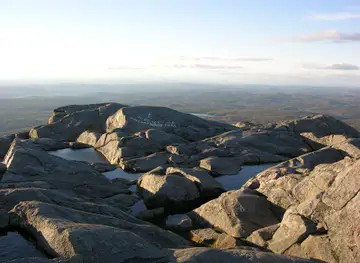
Browse through our photo collection highlighting the charm and character of the destination.
Neighbouring regions of Sullivan County
The closest regions to Sullivan County, if you have time for more than one.
-

-

-
-

-


Swipe for more regions
Explore more

Explore more of New Hampshire
Discover New Hampshire: Explore the majestic White Mountains, serene lakes, and historic towns in the heart of New England's enchanting landscapes.
Explore New Hampshire