

Free Dartmouth-Lake Sunapee Travel Guide & Mobile App
Explore Dartmouth-Lake Sunapee with free travel guides. Discover regional history, expert tips, proposed trips, and audio guides on web or mobile app.


Explore Dartmouth-Lake Sunapee for college-town culture, inland lakes, mountain trails, historic villages and New Hampshire countryside.
Read more about Dartmouth-Lake Sunapee
When is the best time to visit Dartmouth-Lake Sunapee?
Best: June, August–September · 23–27°C| Month | High (°C) | Rainfall (mm) |
|---|---|---|
| January | 0 | 75 |
| February | 2 | 70 |
| March | 7 | 85 |
| April | 14 | 90 |
| May | 20 | 95 |
| June (best) | 25 | 100 |
| July | 28 | 105 |
| August (best) | 27 | 100 |
| September (best) | 23 | 95 |
| October | 16 | 90 |
| November | 8 | 85 |
| December | 3 | 80 |
Getting to and around Dartmouth-Lake Sunapee
How to get there
Transportation
Top city travel guides in Dartmouth-Lake Sunapee
The cities of Dartmouth-Lake Sunapee, and the easiest places to base yourself.
-

-

-

-


Swipe for more cities
Destinations in Dartmouth-Lake Sunapee
Resorts, valleys and scenic spots worth a trip of their own.
-

-

-


Swipe for more destinations
Best attractions in Dartmouth-Lake Sunapee
Dartmouth-Lake Sunapee's attractions range from college museums and historic estates to lakes, forests and mountain recreation. Hanover provides the region's strongest concentration of cultural experiences, with Dartmouth's historic campus, the Hood Museum of Art and other university-linked venues situated close to independent shops and cafés. In the Lake Sunapee area, Mount Sunapee State Park supports hiking, swimming, boating and winter sports, while the lake's shoreline communities offer marinas, viewpoints and seasonal excursions. Saint-Gaudens National Historical Park in Cornish preserves the home, studios and landscaped grounds of the important American sculptor Augustus Saint-Gaudens. The Fells Historic Estate and Gardens in Newbury interprets the former home and gardens associated with diplomat John Milton Hale and later generations. The Sugar River Rail Trail, Appalachian Trail sections and paths around Mount Kearsarge provide options for walking and cycling, while Claremont's historic mill areas and the Connecticut River valley reveal the region's industrial past. Outdoor activities are strongly seasonal, with warm-weather boating and gardening giving way to foliage walks, skiing and snowshoeing.
-
Science museum
Montshire Museum of Science
Explore the wonders of science at Montshire Museum in Vermont: a hands-on experience for families and curious minds alike.
-
 Farm
Sugarbush Farm
Experience the flavors of Vermont at Sugarbush Farm, renowned for its artisanal cheeses and pure maple syrup amidst stunning natural beauty.
-
State park
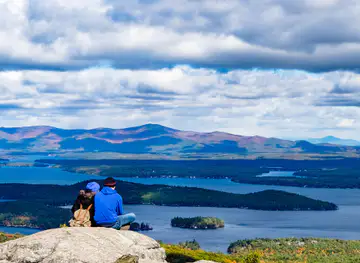
Mt Sunapee State Park
Discover breathtaking views, hiking trails, and serene beaches at Mt Sunapee State Park in New Hampshire, a paradise for outdoor enthusiasts and nature lovers.
-
Historical landmark
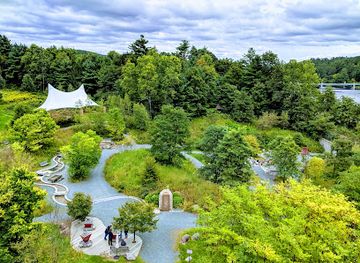
Saint-Gaudens National Historical Park
Discover the rich artistic heritage at Saint-Gaudens National Historical Park, where art and nature intertwine in New Hampshire's serene landscapes.
Best landmarks in Dartmouth-Lake Sunapee
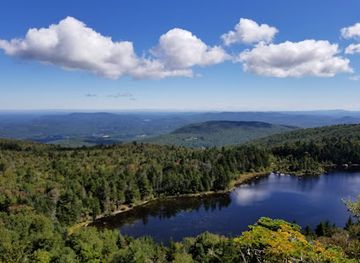
Dartmouth Hall and Baker-Berry Library's Baker Tower are among Hanover's most recognisable architectural features, expressing the long presence of Dartmouth College at the centre of the town. On the Connecticut River, the Cornish-Windsor Covered Bridge links Cornish, New Hampshire, with Windsor, Vermont, and is a notable surviving example of the covered-bridge tradition; the Vermont side lies outside the region's New Hampshire boundary. Saint-Gaudens National Historical Park in Cornish is significant for its preserved studios, home and designed landscape, which convey the scale of the former artist's working world. Lake Sunapee itself is a defining natural landmark, with forested shores, islands and mountain backdrops visible from Newbury, Sunapee and New London. Mount Sunapee and Mount Kearsarge provide prominent upland references across the region, while nineteenth-century civic buildings, churches and mill structures in Claremont and other river towns give the settlements a recognisable historic form.
-
Historical landmark
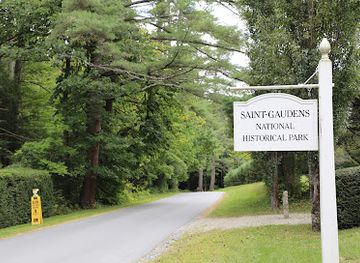
Saint-Gaudens National Historical Park
Discover the artistic legacy of Augustus Saint-Gaudens amidst the natural beauty of New Hampshire at Saint-Gaudens National Historical Park.

Explore Dartmouth-Lake Sunapee on the map
Plan your trip on one map. See where the top cities, national parks and sights are, and book hotels and experiences in a few clicks.
Best hotels in Dartmouth-Lake Sunapee
Best restaurants in Dartmouth-Lake Sunapee
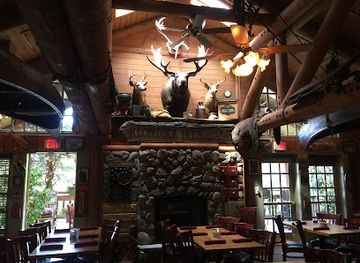
Dining in Dartmouth-Lake Sunapee reflects the difference between a college town, established river communities and rural lake districts. Hanover has the broadest selection, including cafés, bakeries, internationally influenced restaurants, casual dining and more formal kitchens serving students, residents and visitors. Lebanon and West Lebanon add a practical collection of restaurants, while Claremont, Newport, New London and Sunapee offer locally rooted cafés, pubs and family-run establishments. New England staples such as soups, seafood, roast meats, pies and hearty breakfasts appear alongside contemporary American cooking. Farm produce, apples, maple syrup, local cheeses and craft beer are common regional themes, particularly at seasonal farm stands and farmers' markets. Around Lake Sunapee, summer dining may be focused on waterside settings and seasonal businesses, whereas rural areas are more likely to rely on country inns, general stores and restaurants reached by car. Menus and opening patterns can change outside the main summer period, so advance checking is sensible for smaller establishments.
-
Brewpub
Flying Goose Brew Pub
Discover craft brews and delectable American cuisine at Flying Goose Brew Pub in New London—where every visit is a culinary adventure.
-
Steak
Jesse's Steakhouse
Discover culinary excellence at Jesse's Steakhouse in Hanover - where steak lovers unite over delicious meals in a warm atmosphere.
-
American
Molly's Restaurant & Bar
Experience delightful American cuisine at Molly's Restaurant & Bar in Hanover - where flavor meets hospitality in every dish.
-
Restaurant
Tucker's
Experience organic dining at Tucker's in New London – where fresh ingredients meet innovative cuisine in a warm and welcoming atmosphere.

Best bars in Dartmouth-Lake Sunapee
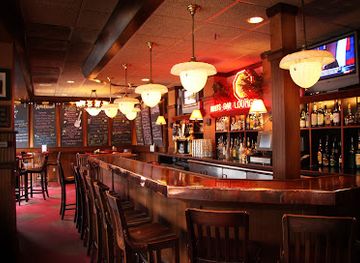
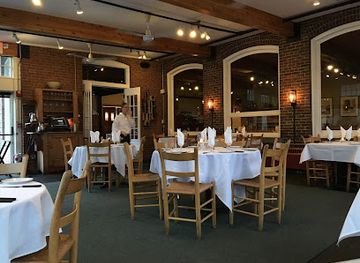
Nightlife is concentrated in Hanover, where Dartmouth's student population supports pubs, casual bars, live music, restaurants and occasional performance-led evenings. The atmosphere varies with the academic calendar, and visitors should not assume that every venue operates year-round in the same way. Lebanon and Claremont provide additional evening options, including pubs, restaurants, local music and community performances, while the Lake Sunapee towns are generally quieter after dinner, particularly outside summer. In rural districts, an evening is more likely to centre on a traditional inn, brewery, restaurant or seasonal event than on a nightclub. The region's cultural calendar, including performances and talks connected with colleges and local arts organisations, can be more significant than conventional clubbing. Drinking is not essential to experiencing the area, and driving arrangements are especially important when moving between dispersed villages and lakeside venues.
-
Bar
Simon Pearce
Experience the perfect blend of fine dining and artisanal craftsmanship at Simon Pearce in Quechee, Vermont – a must-visit for any traveler.
-
Brewpub
Flying Goose Brew Pub
Discover the perfect blend of craft brews and comfort food at Flying Goose Brew Pub in New London, NH, a must-visit for tourists seeking local flavor.
-
Bar
Salt Hill Pub - Newport
Discover the local charm and delicious cuisine of Salt Hill Pub in Newport, a perfect blend of community spirit and great food.
-
Restaurant
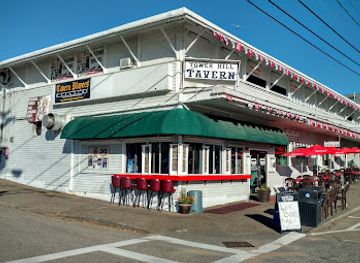
Tower Hill Tavern
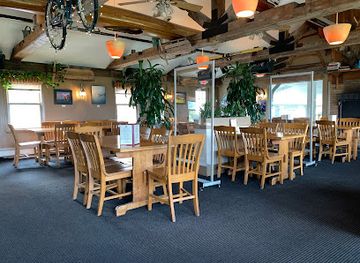
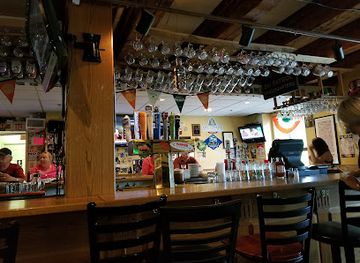
Experience the vibrant atmosphere of Tower Hill Tavern in Laconia, where delicious food meets live music and unforgettable nights.
Best nightclubs in Dartmouth-Lake Sunapee
Nightlife is concentrated in Hanover, where Dartmouth's student population supports pubs, casual bars, live music, restaurants and occasional performance-led evenings. The atmosphere varies with the academic calendar, and visitors should not assume that every venue operates year-round in the same way. Lebanon and Claremont provide additional evening options, including pubs, restaurants, local music and community performances, while the Lake Sunapee towns are generally quieter after dinner, particularly outside summer. In rural districts, an evening is more likely to centre on a traditional inn, brewery, restaurant or seasonal event than on a nightclub. The region's cultural calendar, including performances and talks connected with colleges and local arts organisations, can be more significant than conventional clubbing. Drinking is not essential to experiencing the area, and driving arrangements are especially important when moving between dispersed villages and lakeside venues.
-
Hotel
Mountain Edge Suites at Sunapee, Ascend Hotel Collection
Discover the serene beauty of New Hampshire at Mountain Edge Suites, your gateway to outdoor adventures and relaxing retreats.
Best shops in Dartmouth-Lake Sunapee
Shopping is strongest in Hanover, where independent bookshops, galleries, clothing retailers, Dartmouth-related stores, cafés and everyday services cluster around the walkable town centre. New London and Sunapee provide smaller selections of local shops, antiques, gifts, outdoor equipment and seasonal lakeside retail, while Lebanon and West Lebanon offer more practical shopping and services. Claremont's historic downtown has independent businesses, arts activity and locally oriented retail rather than a large regional shopping complex. Across the countryside, farm stands and producers sell maple syrup, honey, apples, preserves, baked goods and other New Hampshire products, with availability varying by season. Art galleries and craft outlets connected with the Connecticut River valley may feature ceramics, jewellery, textiles, prints and woodwork. Visitors should distinguish locally made goods from generic souvenirs, and should expect some rural businesses and seasonal shops to operate limited hours outside summer and autumn foliage periods.
-
Grocery store
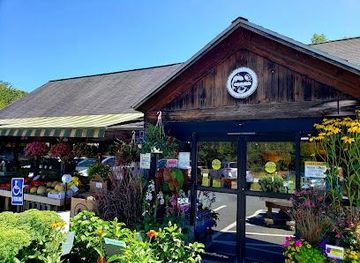
Woodstock Farmers' Market
Discover the heart of Vermont's local produce and artisanal goods at the Woodstock Farmers' Market, a vibrant destination for food lovers.
-
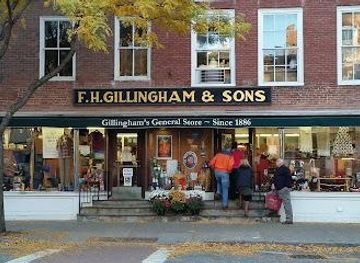
General store
F. H. Gillingham & Sons
Discover the charm of F. H. Gillingham & Sons, a historic general store in Woodstock, VT, offering local goods and unique gifts.
-
Grocery store
Mac's Woodstock Market
Discover the essence of Vermont at Mac's Woodstock Market, where local produce and artisanal goods await in a charming setting.
-
Gift shop
The Paper Store
Explore a unique gift shopping experience at The Paper Store in West Lebanon, where every corner reveals delightful surprises waiting to be discovered.


Get your free copy of our complete guide to Dartmouth-Lake Sunapee, delivered straight to you.
Everything on this page, from attractions and restaurants to essentials and local phrases, in one PDF you can read offline, print or share.
Already have an account? Sign in
Your Dartmouth-Lake Sunapee guide is ready.
We'll send it to · Not you? Sign out

Getting your guide ready…
We are putting together a fresh copy of the Dartmouth-Lake Sunapee guide. This can take up to a minute.
This can take a few moments. If your browser asks, choose Allow so the download can start. You'll find the guide in your Downloads folder.
Nothing happened? Download it again
Sorry, the guide is taking longer than usual. Please try again in a minute, or get it by email instead.
Dartmouth-Lake Sunapee essentials
Currency and Payment
Safety
Emergency Situations
Do's and Don'ts
Local Tips
From Eve
Local phrases worth knowing
You don't need to get them perfect. A few words go a long way, and locals appreciate the effort.
Basics
| English | Local | Say it |
|---|---|---|
| Hello | Hi | [Hah] |
| Goodbye | See ya | [See yah] |
| Yes | Yeah | [Yah] |
| No | Nope | [Nope] |
| Please/You're welcome | Sure | [Shoor] |
| Thank you | Thanks | [Thangs] |
| Excuse me/Sorry | Sorry about that | [Sore-ee abowt that] |
| How are you? | How ya doin'? | [How yah doin'?] |
| Fine. And you? | Good. You? | [Guhd. You?] |
| Do you speak English? | You speakin' English? | [Yoo speakin' English?] |
| I don't understand | I don't get it | [I don't get it] |
Eating & Drinking
| English | Local | Say it |
|---|---|---|
| I'd like to see the menu, please | Can I see the menu? | [Can I see the men-yoo?] |
| I don't eat meat | I'm a vegetarian | [I'm a vege-tair-ee-an] |
| Cheers! | Cheers! | [Cheers!] |
| I would like to pay, please | Can I get the check? | [Can I get the check?] |
Emergencies
| English | Local | Say it |
|---|---|---|
| Help! | Help! | [Help!] |
| Go away! | Leave me alone! | [Leave me alone!] |
| Call the Police! | Call the cops! | [Call the cops!] |
| Call a doctor! | Get a doctor! | [Get a doctor!] |
| I'm lost | I can't find my way | [I can't find my way] |
| I'm ill | I'm not feeling well | [I'm not feelin' well] |
Shopping
| English | Local | Say it |
|---|---|---|
| I'd like to buy... | I'm lookin' to buy... | [I'm lookin' to buy...] |
| I'm just looking | Just browsing | [Just browsin'] |
| How much is it? | What's the price? | [What's the price?] |
| That's too expensive | That's way too pricey | [That's way too pricy] |
| Can you lower the price? | Can you knock down the price? | [Can you knock down the price?] |
Time & Numbers
| English | Local | Say it |
|---|---|---|
| What time is it? | What time's it? | [What time's it?] |
| It's one o'clock | It's one | [It's one] |
| Half past (10) | Half past ten | [Half past ten] |
| Morning | Morning | [Mornin'] |
| Afternoon | Afternoon | [Afternoon] |
| Evening | Evening | [Evening] |
| Yesterday | Yesterday | [Yesterday] |
| Today | Today | [Today] |
| Tomorrow | Tomorrow | [Tomorrow] |
| 1 | One | [One] |
| 2 | Two | [Two] |
| 3 | Three | [Three] |
| 4 | Four | [Four] |
| 5 | Five | [Five] |
| 6 | Six | [Six] |
| 7 | Seven | [Seven] |
| 8 | Eight | [Eight] |
| 9 | Nine | [Nine] |
| 10 | Ten | [Ten] |
Transport & Directions
| English | Local | Say it |
|---|---|---|
| Where's a/the...? | Where's the...? | [Where's the...?] |
| What's the address? | What's the address? | [What's the address?] |
| Can you show me (on the map)? | Can you point it out on the map? | [Can you point it out on the map?] |
| When's the next (bus)? | When's the next bus? | [When's the next bus?] |
| A ticket (to ....) | A ticket to... | [A ticket to...] |
History of Dartmouth-Lake Sunapee
Abenaki Homelands and River Travel
Before European settlement, the Connecticut River valley, Lake Sunapee basin and adjoining uplands were used by Abenaki peoples, whose communities relied on forests, waterways, fishing, hunting and cultivated crops. The rivers and lakes provided routes through a landscape that later colonists often described as wilderness but which already had established Indigenous geographies and knowledge. European settlement, disease, land acquisition and political conflict profoundly disrupted Abenaki life. The region's modern place names and historical interpretation sit within that longer Indigenous history, which remains important to understanding western New Hampshire.
Colonial Settlement and Town Formation
English colonial settlement expanded into western New Hampshire during the eighteenth century, with farms, meetinghouses and small town centres developing along the Connecticut River and inland waterways. Hanover was incorporated in 1761, while other communities including New London, Newport, Newbury and Claremont grew as agricultural and trading settlements. The town layout, white-steepled churches, burial grounds and surviving eighteenth- and nineteenth-century houses found across the region reflect the gradual establishment of local civic institutions rather than a single colonial centre.
The Founding of Dartmouth College
Dartmouth College was founded in Hanover in 1769 through a charter granted to Eleazar Wheelock, growing from his earlier educational work in Connecticut and his interest in educating Native American students. The college became one of the defining institutions of the Upper Connecticut River valley and shaped Hanover's economy, architecture and cultural life over succeeding centuries. Its historic campus, libraries, museums and traditions remain central to the identity of the Dartmouth-Lake Sunapee region, while also connecting local history to the wider development of higher education in the United States.
Mills, Agriculture and the Connecticut River Economy
Water power supported mills and workshops along the Connecticut and Sugar rivers and their tributaries, while surrounding uplands remained devoted to dairy farming, hay, orchards and mixed agriculture. Claremont became particularly associated with industrial development, including textile-related manufacturing, and other river towns acquired commercial blocks, rail connections and worker housing. Some mills have disappeared or changed use, but the region's industrial past is still visible in historic buildings, dams, rail corridors and compact town centres. Agriculture also continues to shape the landscape through fields, farm stands and maple operations.
Railways and Nineteenth-Century Expansion
Railway construction in the nineteenth century linked western New Hampshire's towns with markets and larger centres in New England. Lines serving the Connecticut River valley and the interior carried passengers, timber, farm products and manufactured goods, accelerating the growth of places such as Lebanon, Claremont and Newport. Although many passenger services have ended, former rail corridors survive as walking and cycling routes, including the Sugar River Rail Trail. The railway era also helped establish the region's enduring pattern of compact towns separated by broad rural distances.
The Cornish Art Colony
From the late nineteenth century into the early twentieth century, artists, architects and writers gathered in the Connecticut River valley around Cornish, New Hampshire, and nearby Vermont communities. Sculptor Augustus Saint-Gaudens was the colony's most prominent resident, and his home, studios and gardens are preserved at Saint-Gaudens National Historical Park. The wider Cornish Colony brought an unusual concentration of creative activity to a rural setting, leaving a legacy of sculpture, landscape design, architecture and literary associations that remains one of the region's most distinctive cultural chapters.
The Rise of Lake and Mountain Recreation
Improved roads, rail access and the growing popularity of holidays in the New Hampshire countryside transformed Lake Sunapee and the surrounding mountains into recreation destinations during the nineteenth and twentieth centuries. Summer homes, inns, boating facilities and scenic excursions developed around the lake, while winter sports later expanded at Mount Sunapee. Conservation and public recreation shaped the modern landscape through Mount Sunapee State Park and other protected areas. Today tourism complements, rather than entirely replaces, the region's colleges, farms, towns and river-based industries.
Dartmouth-Lake Sunapee in Photos
Browse through our photo collection highlighting the charm and character of the destination.
Neighbouring regions of Dartmouth-Lake Sunapee
The closest regions to Dartmouth-Lake Sunapee, if you have time for more than one.
-

-

-

-

-


Swipe for more regions
Explore more

Explore more of New Hampshire
Discover New Hampshire: Explore the majestic White Mountains, serene lakes, and historic towns in the heart of New England's enchanting landscapes.
Explore New Hampshire