

Cape May Peninsula, New Jersey Travel Guide
Discover Cape May Peninsula's sun-kissed beaches, historic landmarks, and vibrant local culture – an idyllic retreat brimming with natural beauty and charm.
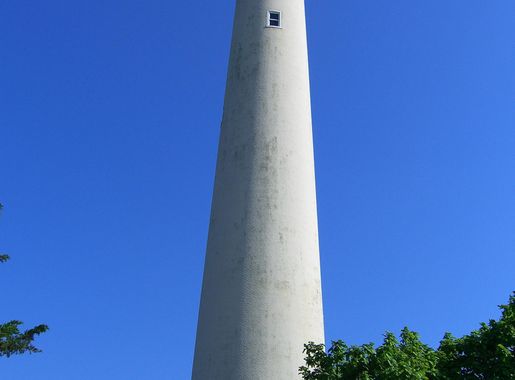
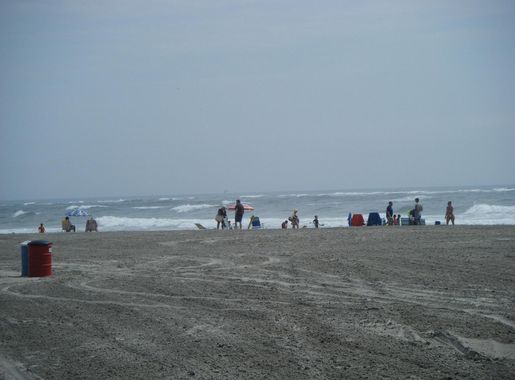
Cape May Peninsula, nestled at the southern tip of New Jersey, is renowned for its stunning beaches, rich history, and charming Victorian architecture. This picturesque destination offers a perfect blend of relaxation and adventure, making it an ideal spot for tourists looking to unwind and explore. Visitors can bask in the sun on the pristine beaches, take a refreshing dip in the Atlantic Ocean, or indulge in a variety of water sports. The Cape May Lighthouse, standing tall since 1859, offers panoramic views of the coastline and is a must-visit for history buffs and photography enthusiasts alike. Stroll through the quaint streets lined with well-preserved Victorian homes, many of which have been converted into cozy bed-and-breakfasts. The Washington Street Mall, a pedestrian-friendly shopping area, is perfect for discovering unique boutiques, local eateries, and charming cafes. Don't miss the chance to savor fresh seafood at one of the many acclaimed restaurants in the area. Nature lovers will appreciate the Cape May Bird Observatory, a haven for birdwatching with over 400 species spotted annually. The peninsula's diverse ecosystems, including salt marshes and freshwater wetlands, provide ample opportunities for hiking, biking, and kayaking. For a taste of local culture, visit during one of the many festivals or events that celebrate the region's heritage and vibrant community.

Know before you go
Hi, I'm Eve. Here are a few practical things to know before exploring Cape May Peninsula.
- Visit in the off-season for fewer crowds and better accommodation rates.
- Bring binoculars for birdwatching at the Cape May Bird Observatory.
- Rent a bike to explore the scenic trails and historic sites.
- Try the local seafood dishes at Dock Mike's Pancake House and Restaurant.
- Check out the local events calendar to join in on seasonal festivals and activities.
Top City Travel Guides in Cape May Peninsula
The cities of Cape May Peninsula, and the easiest places to base yourself.


Explore Cape May Peninsula: Things to Do, Places to Eat, Hotels & More
Handpicked recommendations for top attractions, local dining, accommodations, and more

Top Attractions & Sightseeing in Cape May Peninsula
Top-rated picks
Best Attractions
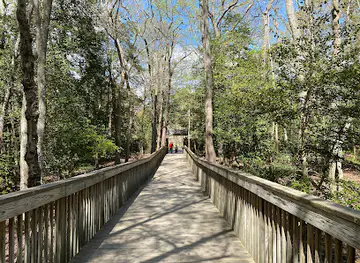
Cape May County Park & Zoo
Experience wildlife and nature at Cape May County Park & Zoo, a free-admission family attraction with diverse animals and beautiful landscapes.

Wildwood Boardwalk
Experience the excitement and charm of Wildwood Boardwalk, New Jersey's premier seaside destination filled with rides, dining, and family fun.

Morey's Piers & Beachfront Water Parks
Experience the ultimate family adventure at Morey's Piers & Beachfront Water Parks in Wildwood, NJ, where fun meets the sun.

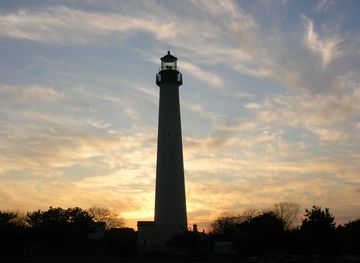
Cape May Lighthouse
Discover the historic Cape May Lighthouse, where stunning ocean views and maritime heritage come together in a beautiful coastal experience.

Best landmarks in Cape May Peninsula
Top-rated picks
Best Landmarks

Cape May Lighthouse
Explore the iconic Cape May Lighthouse, a historic landmark offering stunning ocean views and a glimpse into maritime history in New Jersey.

Sunset Beach
Discover Sunset Beach in Cape May, NJ – a captivating gift shop and historical landmark perfect for sunset views and unique souvenirs.

Cape May Point State Park
Explore the scenic beauty and rich history of Cape May Point State Park, a perfect blend of nature, adventure, and coastal charm.

Beach Plum Farm
Discover the flavors of West Cape May at Beach Plum Farm, a delightful farmers' market offering fresh produce, family fun, and farm-to-table dining.

Best restaurants in Cape May Peninsula
Top-rated picks
Best Restaurants

The Lobster House
Discover The Lobster House in Cape May: A top seafood destination serving fresh catches with stunning waterfront views.

Lucky Bones Back Water Grille
Experience delightful American cuisine at Lucky Bones Back Water Grille in Cape May – perfect for families craving fresh flavors.

Court House Diner Family Restaurant
Experience classic American diner vibes at Court House Diner in Cape May Court House, where delicious meals meet family-friendly service.

The Mad Batter Restaurant & Bar
Experience delightful American cuisine at The Mad Batter Restaurant & Bar in Cape May - perfect for breakfast, lunch or dinner by the sea.

Best bars in Cape May Peninsula
Top-rated picks
Best Bars

Ugly Mug Bar & Restaurant
Discover Ugly Mug Bar & Restaurant in Cape May for a taste of delicious grills and refreshing drinks in a cozy coastal setting.

The Mad Batter Restaurant & Bar
Experience the best of American and seafood cuisine at The Mad Batter Restaurant & Bar in Cape May, NJ, perfect for every meal of the day.

Delaney's Irish Pub And Grill
Experience authentic Irish cuisine and vibrant pub culture at Delaney's Irish Pub And Grill in Cape May, a perfect blend of tradition and coastal charm.

Rusty Nail
Discover The Rusty Nail, a lively beachside bar in Cape May, NJ, offering delicious food, refreshing drinks, and a vibrant atmosphere for all.

Best nightclubs in Cape May Peninsula
Top-rated picks
Best Nightclubs

Delaney's Irish Pub And Grill
Delaney's Irish Pub and Grill in Cape May offers a vibrant dining experience with authentic Irish dishes and fresh seafood in a warm, inviting atmosphere.

Keenan's North Wildwood
Discover the lively nightlife at Keenan's North Wildwood, where delicious food meets exciting entertainment in a vibrant atmosphere.

Elaine's Cape May
Discover the vibrant culinary scene at Elaine's Cape May, where delightful dishes, live music, and a lively atmosphere await every visitor.

Country Club Tavern
Experience the laid-back vibe and delicious offerings at Country Club Tavern in Cape May Court House, your perfect spot for relaxation and enjoyment.

Best shops in Cape May Peninsula
Top-rated picks
Best Shops

Sunset Beach
Discover Sunset Beach, a charming coastal destination in Cape May, NJ, known for its breathtaking sunsets and unique gift shop experiences.

Washington Street Mall
Discover unique shops and dining in the heart of Cape May at the charming Washington Street Mall, perfect for a delightful shopping experience.

West End Garage
Experience the vibrant blend of shopping, art, and local flavors at West End Garage in Cape May, NJ.

Bayshore Mall
Explore Bayshore Mall in North Cape May, NJ - a vibrant shopping and dining destination perfect for tourists seeking local experiences.

Explore Cape May Peninsula on the Map
A handpicked selection of must-see spots in Cape May Peninsula, mapped for you.
Cape May Peninsula Essentials
-
Cape May Peninsula is located in southern New Jersey. The nearest major airport is Philadelphia International Airport (PHL), approximately 90 miles away. From the airport, you can rent a car or take a shuttle service to reach Cape May. Alternatively, you can fly into Atlantic City International Airport (ACY), which is about 45 miles from Cape May. For those preferring rail travel, the Amtrak service to Philadelphia or Atlantic City can be convenient, followed by a car rental or shuttle. Driving directly is also an option, with the Garden State Parkway providing a direct route to the peninsula.
-
Within Cape May Peninsula, the most common mode of transportation is by car. Rental services are available at major airports and in town. Biking is also popular, with many bike rental shops in the area. The Cape May-Lewes Ferry offers a scenic route to and from Delaware. Local bus services and trolleys are available for getting around Cape May city. Walking is an enjoyable way to explore the historic district, especially during the warmer months.
-
The official currency is the United States Dollar (USD). Credit and debit cards are widely accepted in hotels, restaurants, and shops. ATMs are readily available throughout the peninsula. For small purchases, especially in local markets, it is advisable to carry some cash. Tipping is customary in the United States, generally 15-20% in restaurants and for other services.
-
Cape May Peninsula is generally a safe destination for tourists. However, it is always wise to stay vigilant, especially in crowded areas. Avoid isolated areas at night. While Cape May does not have high-crime areas targeting tourists, standard precautions such as not leaving valuables in plain sight in your car and using hotel safes are recommended. The local police are approachable and helpful in case of any issues.
-
In case of emergency, dial 911 for police, fire, or medical assistance. Cape Regional Medical Center is the main hospital serving the area. It is advisable to have travel insurance that covers medical emergencies. Pharmacies are available for minor health issues, and many offer 24-hour service. Keep a list of emergency contacts and local embassy information if you are an international traveler.
-
Fashion: Do wear comfortable and weather-appropriate clothing. Cape May has a relaxed, beach-town atmosphere, but some restaurants may have a dress code. Religion: Do respect local customs and traditions. There are several historic churches and sites where modesty is appreciated. Public Transport: Do be courteous and offer seats to the elderly. Don’t eat or drink on public transport. Greetings: Do greet people with a friendly 'hello' or handshake. Cape May locals are known for their hospitality. Eating & Drinking: Do try local seafood and delicacies. Don’t forget to tip your server.
-
To experience Cape May Peninsula like a local, visit the local farmers' markets for fresh produce and artisanal goods. Take a leisurely bike ride along the coastline or through the historic district. Engage with locals at the many festivals and events held throughout the year. Don’t miss the Cape May Lighthouse and the nearby bird observatory for unique local experiences. For a quieter beach experience, visit Sunset Beach or Higbee Beach.
When is the best time to visit Cape May Peninsula?
Useful Local Phrases for Cape May Peninsula
You don't need to speak the language perfectly. Even learning a few simple words can make conversations warmer—and locals usually appreciate the effort.
— Eve

Here are the phrases I use most often in Cape May Peninsula. Try a few—you'll be surprised how far they go! 😊
❤️
-
- HelloHi
[hai] - GoodbyeSee ya
[si ya] - YesYep
[yep] - NoNah
[nah] - Please/You're welcomeNo problem
[no prob-lum] - Thank youThanks
[thangs] - Excuse me/SorrySorry about that
[sor-ree uh-bout that] - How are you?How ya doin'?
[how ya doin'?] - Fine. And you?Good. And you?
[gud. an' you?] - Do you speak English?You speakin' English?
[you speakin' ing-lish?] - I don't understandI ain't gettin' it
[I ain't gettin' it]
- HelloHi
-
- I'd like to see the menu, pleaseCan I see the menu?
[can I see the men-u?] - I don't eat meatI don't do meat
[I don't do meat] - Cheers!Cheers!
[cheers!] - I would like to pay, pleaseCan I get the check?
[can I get the chek?]
- I'd like to see the menu, pleaseCan I see the menu?
-
- Help!Help!
[help!] - Go away!Get lost!
[get lost!] - Call the Police!Call the cops!
[call the cops!] - Call a doctor!Get a doctor!
[get a doc-tor!] - I'm lostI'm turned around
[I'm turned around] - I'm illI'm not feelin' well
[I'm not feelin' well]
- Help!Help!
-
- I'd like to buy...I wanna buy...
[I wanna buy...] - I'm just lookingJust browsing
[just brows-ing] - How much is it?What’s the price?
[what's the price?] - That's too expensiveThat's pricey
[that's pry-see] - Can you lower the price?Can you bring it down?
[can you bring it down?]
- I'd like to buy...I wanna buy...
-
- What time is it?What time ya got?
[what time ya got?] - It's one o'clockIt's one
[it's one] - Half past (10)Half past ten
[half past ten] - MorningMorning
[morning] - AfternoonAfternoon
[afternoon] - EveningEvening
[evening] - YesterdayYesterday
[yest-er-day] - TodayToday
[to-day] - TomorrowTomorrow
[to-mor-row] - 1One
[one] - 2Two
[two] - 3Three
[three] - 4Four
[four] - 5Five
[five] - 6Six
[six] - 7Seven
[seven] - 8Eight
[eight] - 9Nine
[nine] - 10Ten
[ten]
- What time is it?What time ya got?
-
- Where's a/the...?Where’s the...?
[where’s the...?] - What's the address?What’s the address?
[what’s the ad-dress?] - Can you show me (on the map)?Can you point it out?
[can you point it out?] - When's the next (bus)?When’s the next bus?
[when’s the next bus?] - A ticket (to ....)A ticket to...
[a ticket to...]
- Where's a/the...?Where’s the...?
History of Cape May Peninsula
-
Long before European settlers arrived, the Cape May Peninsula was inhabited by the Lenape people. They were part of the larger Algonquin nation and lived in harmony with the land, engaging in agriculture, hunting, and fishing. The Lenape people were known for their intricate beadwork, basketry, and traditional ceremonies.
-
In 1609, the English explorer Henry Hudson, sailing under the Dutch flag, became one of the first Europeans to set eyes on Cape May Peninsula. His voyage was part of a quest to find a northwest passage to Asia. This marked the beginning of European interest in the area, eventually leading to Dutch and later English settlements.
-
By the mid-17th century, European settlers began to establish permanent colonies on the Cape May Peninsula. The area became known for its whaling industry, which attracted settlers from New England and Long Island. The Cape May Court House, established in 1692, became the administrative center of Cape May County.
-
During the American Revolutionary War, Cape May Peninsula played a strategic role due to its coastal location. Local militia and privateers were active in defending the coast against British naval forces. The Battle of Turtle Gut Inlet in 1776 was a notable skirmish where American forces captured a British transport ship.
-
The 19th century saw Cape May Peninsula evolve into a premier seaside resort destination. Wealthy Philadelphians and New Yorkers flocked to Cape May City, drawn by its beautiful beaches and grand Victorian hotels. The construction of the Cape May Lighthouse in 1859 further solidified the area's status as a key maritime location.
-
Cape May Peninsula played a critical role during World War II. The Cape May Naval Air Station was established, and the area was fortified to protect against potential German U-boat attacks. Remnants of the WWII fortifications, such as the Gun Emplacements at Cape May Point State Park, still stand today as historical landmarks.
-
Today, Cape May Peninsula is celebrated for its rich history, preserved Victorian architecture, and vibrant cultural scene. The entire city of Cape May is designated as a National Historic Landmark, and it hosts numerous festivals, including the Cape May Music Festival and the Fall Victorian Weekend, which draw visitors from all over the world.
Neighbouring Regions of Cape May Peninsula
The closest regions to Cape May Peninsula, if you have time for more than one.


Your all‑in‑one travel companion app
Explore expert travel guides, compare and book tours, experiences, hotels, and more—all from the palm of your hand. Download now for seamless trip planning wherever your wanderlust takes you.


Explore More of New Jersey

Looking beyond Cape May Peninsula? Discover New Jersey for broader travel guides, local hot-spots, and regional highlights.
Explore New JerseyCape May Peninsula in Photos
Browse through our photo collection highlighting the charm and character of the destination.






Cape May Peninsula: New Jersey's Coastal Gem
Cape May Peninsula, nestled at the southern tip of New Jersey, is renowned for its stunning beaches, rich history, and charming Victorian architecture. This picturesque destination offers a perfect blend of relaxation and adventure, making it an ideal spot for tourists looking to unwind and explore. Visitors can bask in the sun on the pristine beaches, take a refreshing dip in the Atlantic Ocean, or indulge in a variety of water sports. The Cape May Lighthouse, standing tall since 1859, offers panoramic views of the coastline and is a must-visit for history buffs and photography enthusiasts alike. Stroll through the quaint streets lined with well-preserved Victorian homes, many of which have been converted into cozy bed-and-breakfasts. The Washington Street Mall, a pedestrian-friendly shopping area, is perfect for discovering unique boutiques, local eateries, and charming cafes. Don't miss the chance to savor fresh seafood at one of the many acclaimed restaurants in the area. Nature lovers will appreciate the Cape May Bird Observatory, a haven for birdwatching with over 400 species spotted annually. The peninsula's diverse ecosystems, including salt marshes and freshwater wetlands, provide ample opportunities for hiking, biking, and kayaking. For a taste of local culture, visit during one of the many festivals or events that celebrate the region's heritage and vibrant community.