

Free Jersey Shore Travel Guide & Mobile App
Explore Jersey Shore with free travel guides. Discover regional history, expert tips, proposed trips, and audio guides on web or mobile app.


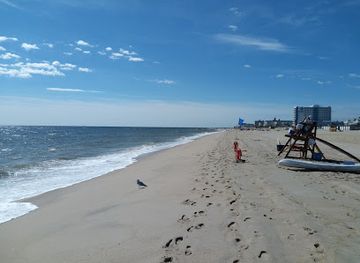
Explore the Jersey Shore for Atlantic beaches, historic resorts, boardwalks, maritime towns, wildlife and lively New Jersey coastal culture.
Read more about Jersey Shore
Getting to and around Jersey Shore
How to get there
Transportation
Top city travel guides in Jersey Shore
The cities of Jersey Shore, and the easiest places to base yourself.
-

-

-


Swipe for more cities
Destinations in Jersey Shore
Resorts, valleys and scenic spots worth a trip of their own.
-

-

-


Swipe for more destinations
Best attractions in Jersey Shore
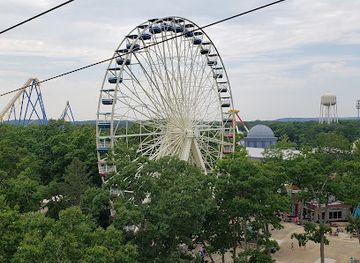
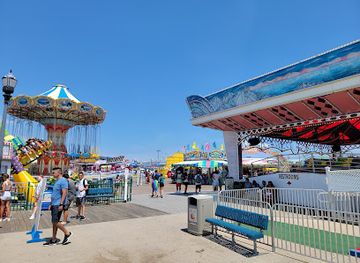
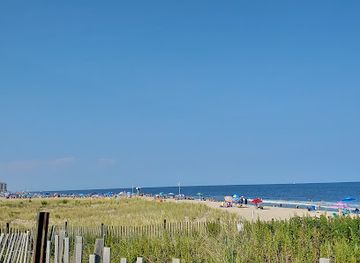
The Jersey Shore’s attractions range from carefully preserved resort architecture and working harbours to amusement piers, boardwalks, museums and protected coastal habitats. Sandy Hook offers beaches, dunes and former military sites within Gateway National Recreation Area, while Island Beach State Park provides a contrasting landscape of relatively undeveloped barrier beach, maritime forest and salt marsh. The northern resorts of Asbury Park, Long Branch and Point Pleasant Beach combine oceanfront recreation with music, dining and family amusements. Seaside Heights is known for its boardwalk entertainment, while Long Beach Island offers beaches, boating and access to Barnegat Lighthouse State Park. In the south, Atlantic City provides casinos, shows and a large historic boardwalk, whereas Cape May emphasises preserved Victorian streetscapes, tours and birdwatching. Ocean City and Wildwood remain strongly associated with family beaches, amusement piers and seasonal entertainment. Across the region, kayaking, fishing, surfing, cycling, whale-watching excursions and marsh exploration broaden the experience beyond sunbathing, although availability and conditions vary with the season and weather.
-
Six Flags Great Adventure
Experience the thrill of a lifetime at Six Flags Great Adventure, New Jersey's ultimate amusement park with world-class rides and attractions for all ages.
-
Cape May County Park & Zoo
Explore Cape May County Park & Zoo: a free family-friendly destination with diverse wildlife and beautiful parkland for a perfect day out.
-
Amusement park
Jenkinson's Boardwalk
Experience the joy of Jenkinson's Boardwalk, where amusement rides, delicious food, and beach fun create unforgettable family memories.
-
Historical landmark
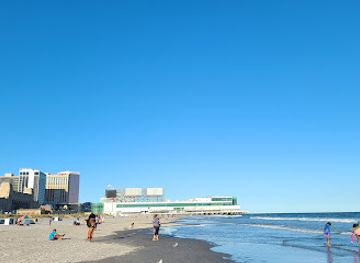
Atlantic City Boardwalk
Explore the historic Atlantic City Boardwalk, where nostalgia meets modern entertainment along the beautiful New Jersey coastline.

Best landmarks in Jersey Shore
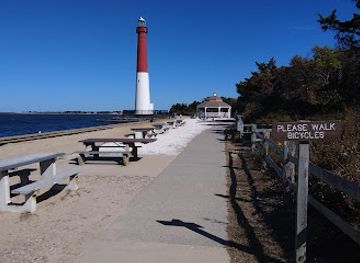
The Shore’s most recognisable landmarks express its relationship with the ocean, resort culture and maritime history. The Barnegat Lighthouse, popularly known as Old Barney, stands at the northern end of Long Beach Island and recalls the importance of coastal navigation. The boardwalks and amusement piers of Atlantic City, Seaside Heights and Wildwood are distinctive examples of the American seaside resort tradition, each with a different architectural and entertainment character. Cape May’s dense collection of nineteenth-century homes and civic buildings forms one of the region’s most significant historic townscapes. Sandy Hook Lighthouse, within Gateway National Recreation Area, is a prominent navigational landmark near the entrance to New York Harbour, while the former military landscape around it adds historical depth. The Asbury Park Casino and Convention Hall complex anchors the city’s oceanfront and reflects its resort-era architecture and later cultural associations. Natural landmarks are equally important: the dunes and long beaches of Island Beach, the tidal inlets between ocean and bay, and the expansive salt-marsh landscapes around the southern coast reveal the physical setting on which every shore community depends.
-
State park
Barnegat Lighthouse State Park
Explore the iconic Barnegat Lighthouse and immerse yourself in nature's beauty at this must-visit state park in New Jersey.
-
Park
Seven Presidents Oceanfront Park
Experience the beauty of Seven Presidents Oceanfront Park, where pristine beaches meet fun-filled recreational activities in Long Branch, New Jersey.
-
History museum
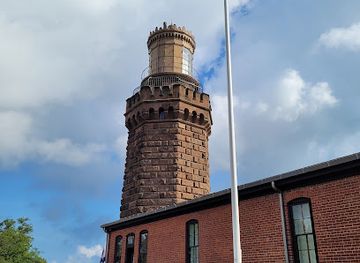
Twin Lights State Historic Site
Experience the breathtaking views and rich history at Twin Lights State Historic Site, New Jersey's iconic lighthouse destination.
-
State park
Monmouth Battlefield State Park
Explore Monmouth Battlefield State Park, where history and nature beautifully converge in the heart of New Jersey.

Explore Jersey Shore on the map
Plan your trip on one map. See where the top cities, national parks and sights are, and book hotels and experiences in a few clicks.
Best hotels in Jersey Shore
Best restaurants in Jersey Shore
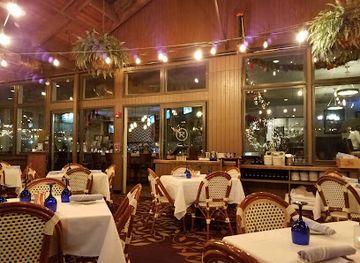
Dining along the Jersey Shore reflects both maritime resources and the practical traditions of American beach resorts. Seafood restaurants serve dishes built around clams, oysters, scallops, crab and locally familiar preparations of fish, while waterfront areas often combine formal dining with casual counters and dockside establishments. Boardwalk food is an important part of the regional experience, with pizza, fried seafood, sausages, doughnuts, ice cream, frozen custard and salt-water taffy sold alongside newer international and contemporary options. Cape May and Asbury Park have varied restaurant scenes, Atlantic City offers a broad range of dining associated with its casinos and urban resort setting, and smaller shore towns tend to rely on cafés, diners, pizzerias, pubs and seasonal seafood restaurants. Farmers’ markets and farm stands on the mainland can provide New Jersey produce, although the Shore is not defined by one single regional cuisine. Summer bookings are sensible in popular towns, particularly at weekends.
-
Seafood
Rooney's Oceanfront Restaurant
Experience exquisite seafood dining with breathtaking ocean views at Rooney's Oceanfront Restaurant in Long Branch, NJ.
-
American
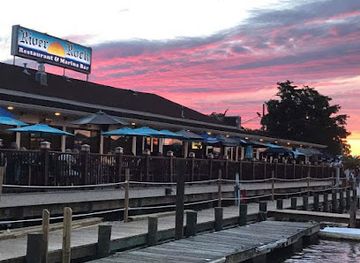
River Rock Restaurant & Marina Bar
Experience exquisite dining at River Rock Restaurant & Marina Bar with stunning waterfront views, live music, and a diverse menu in Brick Township.
-
Seafood
The Wharfside Seafood & Patio Bar
Experience fresh seafood and stunning waterfront views at The Wharfside Seafood & Patio Bar in Point Pleasant Beach.
-
Restaurant
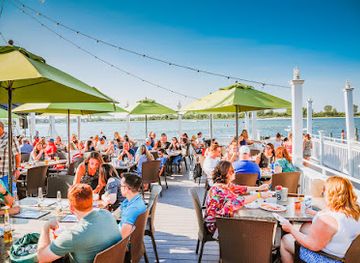
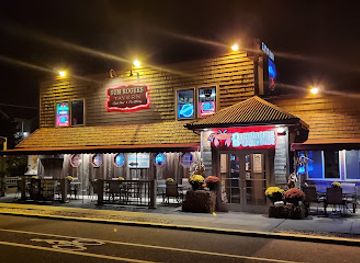
Bum Rogers Crab House & Tavern
Discover Bum Rogers Crab House & Tavern: Your ultimate destination for fresh seafood and unforgettable dining experiences in Seaside Park.
Best bars in Jersey Shore
Evening life varies sharply between the Jersey Shore’s towns. Asbury Park has the region’s strongest association with live music, performance venues and late-night bars, while Atlantic City offers the largest concentration of casinos, cocktail lounges, shows and nightlife connected with a major resort city. Boardwalk towns such as Seaside Heights and Wildwood have seasonal bars, amusement-area entertainment and venues aimed at summer visitors, though the atmosphere changes considerably outside the high season. In Cape May, Ocean City and many smaller communities, evenings are more likely to centre on restaurants, traditional pubs, hotel bars, breweries and occasional live music than on large nightclubs. Long Branch and other developed northern shore towns offer a mixture of dining, lounges and waterfront venues. Check local transport arrangements before drinking, since late-night public transport can be limited away from the principal resorts.
-
Seafood
The Shrimp Box & Outside The Box Patio Bar
Savor fresh seafood and vibrant cocktails at The Shrimp Box & Outside The Box Patio Bar, a coastal culinary gem in Point Pleasant Beach, NJ.
-
American
River Rock Restaurant & Marina Bar
Discover the perfect blend of dining and nightlife at River Rock Restaurant & Marina Bar, where waterfront views meet delicious American cuisine.
-
Bar
Martell's Tiki Bar
Martell's Tiki Bar: A Tropical Paradise Along Point Pleasant Beach with Creative Cocktails and Delicious Bar Fare.
-
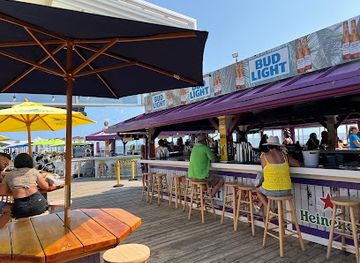
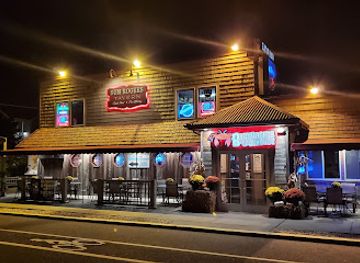
Pub
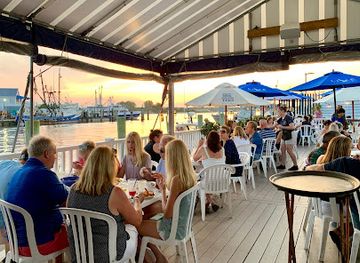
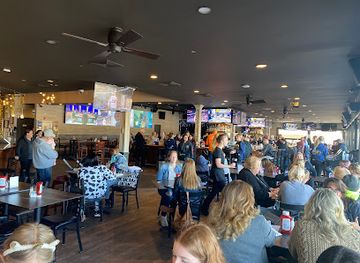
Bum Rogers Crab House & Tavern
Discover the taste of the sea at Bum Rogers Crab House & Tavern, a charming pub in Seaside Park offering fresh crab dishes and a lively atmosphere.
Best nightclubs in Jersey Shore
Evening life varies sharply between the Jersey Shore’s towns. Asbury Park has the region’s strongest association with live music, performance venues and late-night bars, while Atlantic City offers the largest concentration of casinos, cocktail lounges, shows and nightlife connected with a major resort city. Boardwalk towns such as Seaside Heights and Wildwood have seasonal bars, amusement-area entertainment and venues aimed at summer visitors, though the atmosphere changes considerably outside the high season. In Cape May, Ocean City and many smaller communities, evenings are more likely to centre on restaurants, traditional pubs, hotel bars, breweries and occasional live music than on large nightclubs. Long Branch and other developed northern shore towns offer a mixture of dining, lounges and waterfront venues. Check local transport arrangements before drinking, since late-night public transport can be limited away from the principal resorts.
-
Live Music
The Stone Pony
Experience live music at The Stone Pony, a legendary venue in Asbury Park, NJ, where iconic performances and vibrant nightlife await.
-
Night club
Headliner Oasis
Discover the pulsating heart of Neptune City's nightlife at Headliner Oasis, where music, dining, and dancing come together for an unforgettable experience.
-
Club
Promenade Beach Club
Discover the ultimate beach club experience at Promenade Beach Club, where sun, fun, and nightlife come together on the picturesque Jersey Shore.
-
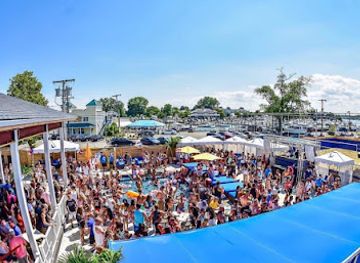
Night club
Jenks Club
Discover the ultimate beachside nightlife at Jenks Club, where music, dancing, and ocean views combine for an unforgettable experience.

Best shops in Jersey Shore
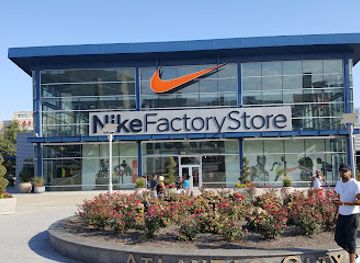
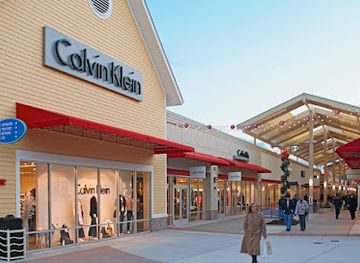
Shopping on the Jersey Shore is concentrated in boardwalk arcades, resort high streets, historic town centres, outlet-style districts, independent boutiques and seasonal markets rather than one continuous retail area. Asbury Park is known for independent fashion, records, art, design and locally oriented shops, while Cape May combines galleries, bookshops, gifts and boutiques with its historic streetscape. Long Beach Island communities offer beachwear, homeware, nautical gifts, art and small specialist shops, and many towns have summer farmers’ markets or roadside stands selling produce from mainland New Jersey. Boardwalks remain the place for souvenirs, beach equipment, sweets, salt-water taffy and amusement-related merchandise, with each resort developing its own mix of family-oriented retailers. Atlantic City provides larger-scale shopping alongside casinos and entertainment venues, while Wildwood and other southern resorts focus heavily on seasonal holiday goods. For more distinctive purchases, look for local artwork, ceramics, jewellery, regional food products and books about coastal history rather than generic beach souvenirs.
-
Amusement park
Jenkinson's Boardwalk
Discover the excitement and charm of Jenkinson's Boardwalk, where thrilling attractions meet beautiful ocean views in Point Pleasant Beach.
-
Outlet mall
Tanger Outlets Atlantic City
Discover unbeatable deals at Tanger Outlets Atlantic City, where brand-name shopping meets the vibrant spirit of New Jersey's favorite seaside city.
-
Outlet mall
Jersey Shore Premium Outlets
Explore unbeatable deals at Jersey Shore Premium Outlets, the ultimate shopping destination for fashion enthusiasts and bargain hunters.
-
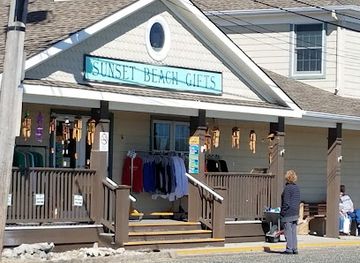
Gift shop
Sunset Beach
Experience the stunning sunsets and unique charm of Sunset Beach, a perfect blend of relaxation, history, and shopping in Cape May, NJ.

Get your free copy of our complete guide to Jersey Shore, delivered straight to you.
Everything on this page, from attractions and restaurants to essentials and local phrases, in one PDF you can read offline, print or share.
Already have an account? Sign in
Your Jersey Shore guide is ready.
We'll send it to · Not you? Sign out

Getting your guide ready…
We are putting together a fresh copy of the Jersey Shore guide. This can take up to a minute.
This can take a few moments. If your browser asks, choose Allow so the download can start. You'll find the guide in your Downloads folder.
Nothing happened? Download it again
Sorry, the guide is taking longer than usual. Please try again in a minute, or get it by email instead.
Jersey Shore essentials
Currency and Payment
Safety
Emergency Situations
Do's and Don'ts
Local Tips
From Eve
Local phrases worth knowing
You don't need to get them perfect. A few words go a long way, and locals appreciate the effort.
Basics
| English | Local | Say it |
|---|---|---|
| Hello | Hey! | [Hey!] |
| Goodbye | Later! | [Lay-tur!] |
| Yes | Yup | [Yup] |
| No | Nah | [Nah] |
| Please/You're welcome | No problem | [No prob-lum] |
| Thank you | Thanks! | [Thanks!] |
| Excuse me/Sorry | My bad | [My bad] |
| How are you? | What's up? | [Wuts up?] |
| Fine. And you? | Good. You? | [Good. You?] |
| Do you speak English? | You speakin' English? | [You speak-in' English?] |
| I don't understand | I don't get it | [I don't get it] |
Eating & Drinking
| English | Local | Say it |
|---|---|---|
| I'd like to see the menu, please | Can I see the menu? | [Can I see the men-you?] |
| I don't eat meat | I'm a vegetarian | [I'm a vege-tarian] |
| Cheers! | Cheers! | [Cheers!] |
| I would like to pay, please | Can I get the check? | [Can I get the check?] |
Emergencies
| English | Local | Say it |
|---|---|---|
| Help! | Help! | [Help!] |
| Go away! | Beat it! | [Beat it!] |
| Call the Police! | Call the cops! | [Call the cops!] |
| Call a doctor! | Get a doc! | [Get a doc!] |
| I'm lost | I’m totally lost | [I’m totally lost] |
| I'm ill | I feel sick | [I feel sick] |
Shopping
| English | Local | Say it |
|---|---|---|
| I'd like to buy... | I wanna buy... | [I wanna buy...] |
| I'm just looking | Just browsing | [Just browsing] |
| How much is it? | What’s the price? | [What’s the price?] |
| That's too expensive | That's way too much | [That's way too much] |
| Can you lower the price? | Can you cut me a deal? | [Can you cut me a deal?] |
Time & Numbers
| English | Local | Say it |
|---|---|---|
| What time is it? | What's the time? | [What's the time?] |
| It's one o'clock | It's one | [It's one] |
| Half past (10) | Half past ten | [Half past ten] |
| Morning | Morning | [Morning] |
| Afternoon | Afternoon | [Afternoon] |
| Evening | Evening | [Evening] |
| Yesterday | Yesterday | [Yesterday] |
| Today | Today | [Today] |
| Tomorrow | Tomorrow | [Tomorrow] |
| 1 | One | [One] |
| 2 | Two | [Two] |
| 3 | Three | [Three] |
| 4 | Four | [Four] |
| 5 | Five | [Five] |
| 6 | Six | [Six] |
| 7 | Seven | [Seven] |
| 8 | Eight | [Eight] |
| 9 | Nine | [Nine] |
| 10 | Ten | [Ten] |
Transport & Directions
| English | Local | Say it |
|---|---|---|
| Where's a/the...? | Where's the ...? | [Where's the ...?] |
| What's the address? | What's the address? | [What's the address?] |
| Can you show me (on the map)? | Can you show me on the map? | [Can you show me on the map?] |
| When's the next (bus)? | When's the next bus? | [When's the next bus?] |
| A ticket (to ....) | A ticket to ... | [A ticket to ...] |
History of Jersey Shore
Lenape Coastal Homelands
Before European colonisation, the coast and estuaries of present-day New Jersey were home to Lenape communities whose economies drew on fishing, shellfish, hunting, farming and seasonal movement between inland and coastal environments. The Shore’s bays, marshes and barrier islands were not empty wilderness but part of a lived cultural landscape connected by waterways and established routes. European settlement, land purchases and colonial expansion disrupted Lenape life, leading to displacement and the erosion of territorial control. Their legacy remains essential to understanding the region before it became a chain of recreational resorts.
Colonial Settlement and Maritime Trade
During the seventeenth and eighteenth centuries, European settlers established farms, villages, ports and fisheries along the mainland bays and navigable inlets. Coastal communities benefited from access to the Atlantic and from the sheltered waters behind the barrier islands, although storms and shifting channels made navigation difficult. Fishing, shipbuilding, oystering and small-scale agriculture became enduring elements of the Shore economy. Cape May developed maritime connections, while other settlements supplied food and timber to growing inland and port communities. The coastline’s later resort identity was built on this older network of working waterfronts.
The Rise of the Seaside Resort
The nineteenth century transformed the coast as improved roads, steamboats and especially railways made seaside recreation accessible to a growing urban middle class. Towns including Cape May, Long Branch, Asbury Park and Ocean Grove developed hotels, promenades, bathing facilities and elaborate residences. Ocean bathing was promoted as healthy recreation, while boardwalks helped organise movement above the sand and provided space for entertainment and commerce. Victorian architecture, religious meeting grounds and resort planning from this period remain particularly visible in Cape May, Ocean Grove, Long Branch and Asbury Park.
Boardwalks, Amusements and Mass Tourism
In the late nineteenth and twentieth centuries, boardwalks became one of the defining forms of Jersey Shore leisure. Atlantic City, Asbury Park, Point Pleasant Beach, Seaside Heights and other resorts combined beaches with piers, amusements, theatres, restaurants and hotels. The spread of automobile travel expanded access beyond railway-served resorts and encouraged the growth of motels, roadside businesses and seasonal communities. The Shore became a major destination for day trips and family holidays, but it also experienced periods of decline as travel patterns and consumer tastes changed.
Atlantic City and Legalised Casino Gaming
Atlantic City developed as a major resort during the nineteenth century and became nationally associated with its boardwalk, hotels and entertainment. After decades of economic difficulty, New Jersey voters approved casino gaming in Atlantic City in 1976, and the first casinos opened soon afterwards. The change brought substantial investment, employment and tourism while also producing debates about urban redevelopment, inequality and the relationship between casino districts and surrounding communities. Atlantic City therefore represents a distinct urban and entertainment-driven strand of the wider Jersey Shore economy.
Music, Cultural Renewal and Regional Identity
The Shore has played an important role in New Jersey’s popular-music history, particularly through Asbury Park’s clubs and performance venues. The city’s music culture developed alongside periods of urban decline and later revitalisation, helping give the northern coast a creative identity that differs from the casino focus of Atlantic City or the family amusements of several central resorts. Across the region, boardwalk architecture, local radio, summer concert traditions and independent cultural venues have helped preserve a recognisable coastal culture while communities adapt to changing tourism patterns.
Superstorm Sandy and Coastal Resilience
Superstorm Sandy struck the New Jersey coast in October 2012, causing severe flooding, wind damage, dune loss and disruption across barrier islands, bayside communities and mainland waterfronts. Recovery involved rebuilding homes, boardwalks, roads, utilities and protective dunes, while also intensifying public discussion about coastal development, flood risk and long-term resilience. The storm remains part of the Shore’s recent history and is visible in changed infrastructure, strengthened dune systems and continuing efforts to balance public beach access, private property and the vulnerability of low-lying coastal settlements.
Jersey Shore in Photos
Browse through our photo collection highlighting the charm and character of the destination.
Neighbouring regions of Jersey Shore
The closest regions to Jersey Shore, if you have time for more than one.
-

-

-

-

-
 Piedmont
Explore Piedmont New Jersey for industrial heritage, river landscapes, urban culture, historic parks and accessible countryside near New York City.
Piedmont
Explore Piedmont New Jersey for industrial heritage, river landscapes, urban culture, historic parks and accessible countryside near New York City.


Swipe for more regions
Explore more
Explore more of New Jersey
Discover New Jersey: From vibrant cities and historic towns to scenic beaches and lush parks, the Garden State offers a rich blend of culture, nature, and adventure.
Explore New Jersey