

Free Cape May Travel Guide & Mobile App
Plan your Cape May trip with Evendo. Get free guides to top attractions, restaurants, hotels, and bars. Web access or download the mobile app.


Cape May, New Jersey, pairs Victorian architecture, Atlantic beaches, lighthouse history, birdwatching and relaxed shore-town culture on the Jersey Cape.
A Historic Shoreline Setting
At the southern tip of New Jersey, where Delaware Bay meets the Atlantic Ocean, Cape May combines a broad sandy beach with one of the finest concentrations of Victorian architecture in the United States. The city’s compact centre is easy to explore on foot, with tree-lined streets leading past elaborately decorated houses, historic hotels and quiet gardens. Many buildings display the decorative exuberance associated with the late nineteenth-century seaside resort: colourful paintwork, intricate gingerbread trim, turrets, balconies and ornate porches.Read more about Cape May
Architecture, Culture and the Sea
Nature at the Jersey Cape
When is the best time to visit Cape May?
Best: May–June, September · 21–26°C| Month | High (°C) | Rainfall (mm) |
|---|---|---|
| January | 4 | 75 |
| February | 6 | 70 |
| March | 10 | 90 |
| April | 15 | 85 |
| May (best) | 21 | 90 |
| June (best) | 26 | 80 |
| July | 29 | 95 |
| August | 28 | 100 |
| September (best) | 24 | 85 |
| October | 19 | 80 |
| November | 13 | 75 |
| December | 7 | 80 |
Getting to and around Cape May
How to get there
Transportation
Best attractions in Cape May
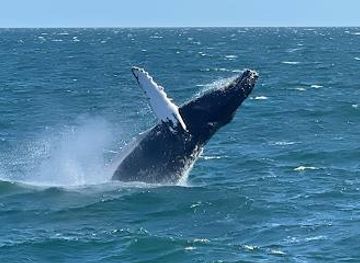
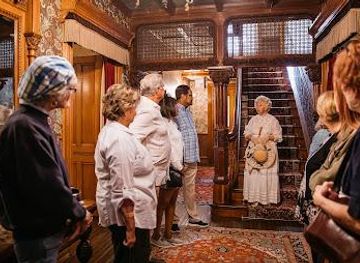
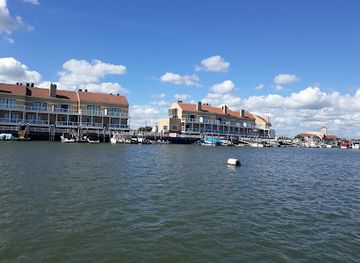
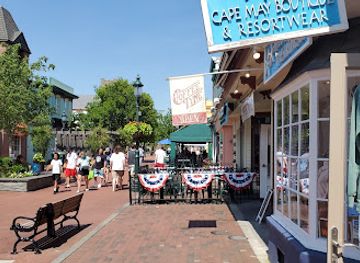
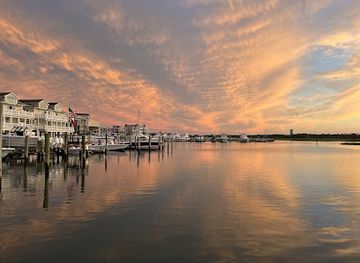
Cape May’s principal attraction is its extensive Historic District, where self-guided walks reveal hundreds of preserved Victorian houses, hotels and gardens set among quiet, tree-lined streets. The Emlen Physick Estate offers an accessible introduction to nineteenth-century domestic life through period rooms, exhibitions and changing programmes. Washington Street Mall provides a pedestrian centre of shops, cafés and small-town street life, while Cape May Convention Hall brings cultural events to the beachfront. The Harriet Tubman Museum of New Jersey adds an important perspective on abolition, African American work and the Underground Railroad era. Beyond the built environment, the city’s harbour supports wildlife cruises and seasonal whale- and dolphin-watching trips, while nearby Cape May Point and the surrounding wetlands are significant birding locations. The Cape May Lighthouse, in neighbouring Cape May Point, is a worthwhile regional excursion rather than a city attraction.
-
Whale watching tour agency
Cape May Whale Watcher
Embark on an unforgettable marine adventure with Cape May Whale Watcher; witness majestic whales and playful dolphins in their natural habitat.
15 min walk · 1.2 km from city centre
-
Tourist attraction
Emlen Physick Estate
Explore the Emlen Physick Estate, a Victorian jewel in Cape May, where history and architecture unite to tell the story of a bygone era.
12 min walk · 1.0 km from city centre
-
Tourist attraction
Emlen Physick Estate
Explore the Emlen Physick Estate, a Victorian gem in Cape May, showcasing rich history and exquisite architecture through guided tours and stunning gardens.
12 min walk · 1.0 km from city centre
-
Boat tour agency
Birding By Boat on the Osprey
Explore Cape May's breathtaking avian life with Birding By Boat on the Osprey, where nature meets adventure on the water.
15 min walk · 1.2 km from city centre
Best landmarks in Cape May
Cape May’s most significant landmark ensemble is the Cape May Historic District, whose late nineteenth-century houses record the city’s transformation into a fashionable seaside resort after the 1878 fire. The Emlen Physick Estate is especially notable as a surviving Victorian house museum, with its asymmetrical form, decorative woodwork and period interiors. Congress Hall, facing the beach, represents the grand hotel tradition that helped define Cape May’s resort identity, while Cape May Convention Hall reflects the continuing civic importance of the waterfront. The Harriet Tubman Museum of New Jersey occupies the former Macedonia Baptist Church parsonage and connects an ordinary historic building with the national history of abolition and freedom. The nearby Cape May Lighthouse, built in 1859 at Cape May Point, is an important regional maritime landmark, but it stands outside Cape May city.
-
Shopping mall
Washington Street Mall
Explore Washington Street Mall: A shopper's paradise in Cape May, NJ, offering unique boutiques, delicious eateries, and vibrant local culture.
6 min drive · 1.9 km from city centre
-
Whale watching tour agency
Cape May Whale Watcher
Discover the breathtaking beauty of marine life with Cape May Whale Watcher, where unforgettable whale watching adventures await amid stunning Atlantic views.
15 min walk · 1.2 km from city centre
-
Business center
Cape May Downtown
Discover the historic charm and vibrant atmosphere of Cape May Downtown, where unique shops and delightful dining await every visitor.
6 min drive · 2.0 km from city centre
-
 Hotel
HotelCongress Hall
Experience the timeless charm and coastal elegance of Congress Hall, a historic resort hotel in Cape May, New Jersey, perfect for relaxation and adventure.
6 min drive · 2.1 km from city centre
Explore Cape May on the map
Plan your Cape May trip on one map. See where the top attractions, landmarks, restaurants, bars and hotels are, find what's near where you're staying, and book hotels and experiences in a few clicks.
Best hotels in Cape May
Best restaurants in Cape May
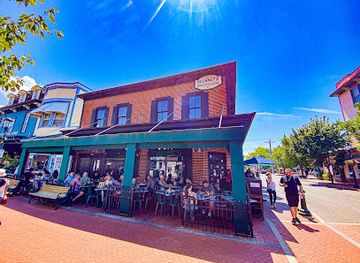
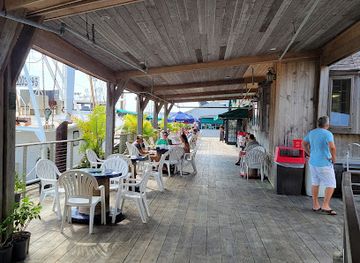
Cape May’s dining scene is shaped by its Atlantic setting, seasonal tourism and proximity to southern New Jersey farms. Seafood features prominently, with fish, shellfish, crab and oysters appearing in both traditional shore fare and more contemporary menus; availability naturally follows catches and the season. Restaurants range from polished dining rooms and historic-hotel settings to casual cafés, pizzerias, bakeries and relaxed beachfront options. The compact area around Washington Street Mall and the Historic District contains many visitor-oriented choices, while the harbour and waterfront offer a different atmosphere. Local produce, New Jersey wines and ingredients from nearby farms often appear alongside seafood, and the city also has cafés suited to breakfast and afternoon pauses. Dining patterns change considerably outside the main summer season, when some establishments operate reduced hours or close temporarily.
-
Seafood
The Lobster House
Experience the best of Cape May's seafood culture at The Lobster House - where fresh catches meet breathtaking views.
13 min walk · 1.0 km from city centre
-
American
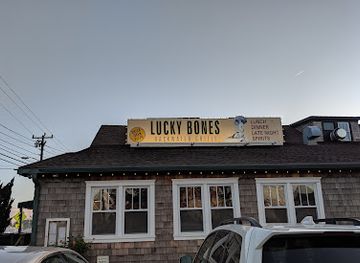
Lucky Bones Back Water Grille
Discover the flavors of America at Lucky Bones Back Water Grille in Cape May – where family-friendly dining meets coastal charm.
15 min walk · 1.2 km from city centre
-
Grill
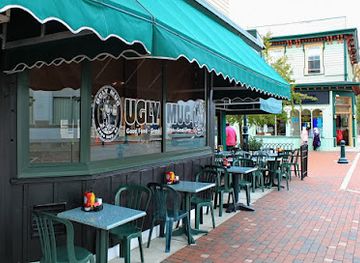
Ugly Mug Bar & Restaurant
Discover delicious grilled delights and refreshing drinks at Ugly Mug Bar & Restaurant in beautiful Cape May.
6 min drive · 1.9 km from city centre
-
Irish pub
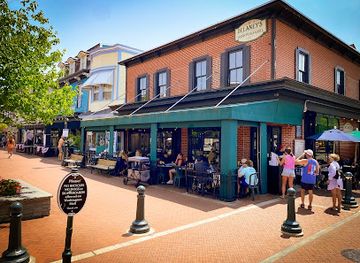
Delaney's Irish Pub And Grill
Experience authentic Irish cuisine at Delaney's Irish Pub And Grill in Cape May - where hearty meals meet vibrant pub culture.
6 min drive · 2.0 km from city centre
Best bars in Cape May
Cape May’s evening scene is more sociable and seasonal than club-focused. Historic hotels, restaurants and bars provide spaces for cocktails, local beer, wine and live music, with the area around Washington Street and the beachfront becoming livelier during summer. Evening entertainment often includes performances at Cape May Convention Hall, concerts, theatre and music programmes rather than large nightclubs. The city’s Victorian inns and older commercial buildings give many venues an intimate setting, while harbour-side establishments offer a more maritime atmosphere. In the quieter months, nightlife is restrained, with a smaller selection of open bars and restaurants and greater emphasis on cultural events. Visitors should plan transport carefully after drinking, as the city’s compact centre is walkable but accommodation and venues become more dispersed towards the edges of the peninsula.
-
Grill
Ugly Mug Bar & Restaurant
Discover the vibrant flavors and welcoming atmosphere of Ugly Mug Bar & Restaurant in Cape May, the perfect spot for food lovers and night owls alike.
6 min drive · 1.9 km from city centre
-
Irish pub
Delaney's Irish Pub And Grill
Experience the warmth of Irish hospitality at Delaney's Irish Pub and Grill, offering a delightful menu of classic dishes and fresh seafood in Cape May.
6 min drive · 2.0 km from city centre
-
American
The Mad Batter Restaurant & Bar
Experience the best of American cuisine at The Mad Batter Restaurant & Bar, a Cape May favorite for breakfast, lunch, and dinner with a coastal twist.
6 min drive · 2.0 km from city centre
-
Bar
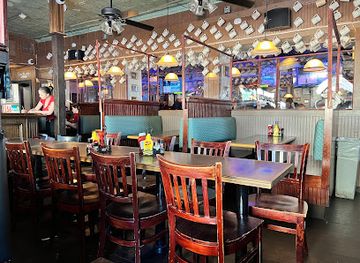
Rusty Nail
Discover Rusty Nail, the quintessential Cape May bar and family restaurant, where coastal charm meets delicious dining and vibrant nightlife.
7 min drive · 2.5 km from city centre
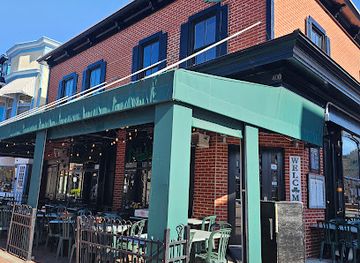
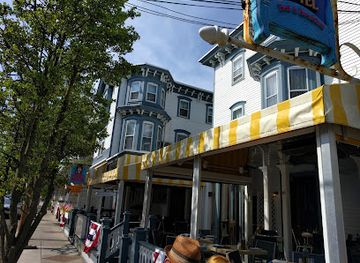
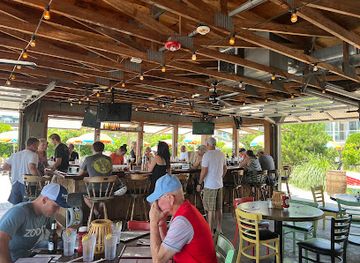
Best nightclubs in Cape May
Cape May’s evening scene is more sociable and seasonal than club-focused. Historic hotels, restaurants and bars provide spaces for cocktails, local beer, wine and live music, with the area around Washington Street and the beachfront becoming livelier during summer. Evening entertainment often includes performances at Cape May Convention Hall, concerts, theatre and music programmes rather than large nightclubs. The city’s Victorian inns and older commercial buildings give many venues an intimate setting, while harbour-side establishments offer a more maritime atmosphere. In the quieter months, nightlife is restrained, with a smaller selection of open bars and restaurants and greater emphasis on cultural events. Visitors should plan transport carefully after drinking, as the city’s compact centre is walkable but accommodation and venues become more dispersed towards the edges of the peninsula.
-
Grill
Ugly Mug Bar & Restaurant
Experience the vibrant culinary scene of Cape May at Ugly Mug Bar & Restaurant, where delicious grilled dishes meet a lively atmosphere.
6 min drive · 1.9 km from city centre
-
Night club
Rusty Nail
Rusty Nail - A perfect blend of family dining and nightlife in Cape May, offering delicious meals and vibrant entertainment by the beach.
7 min drive · 2.5 km from city centre
-
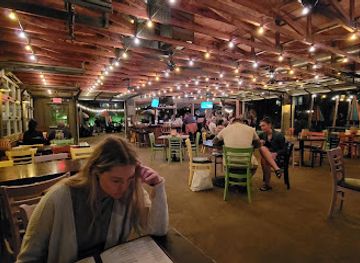
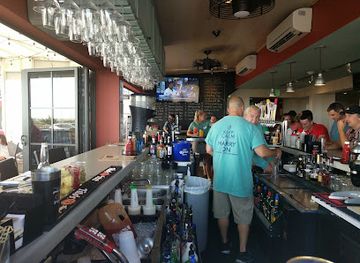
Bar
Harry's Ocean Bar & Grille
Discover Harry's Ocean Bar & Grille, where delicious coastal cuisine meets lively entertainment in the heart of Cape May.
15 min walk · 1.2 km from city centre
-
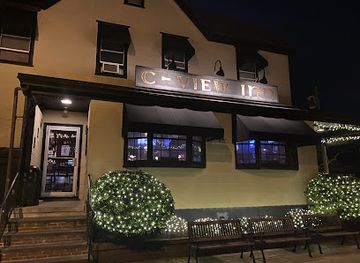
Grill
C-View Inn
Experience the best of Cape May dining at C-View Inn, where delicious grill and pizza dishes await in a cozy atmosphere.
11 min walk · 0.9 km from city centre
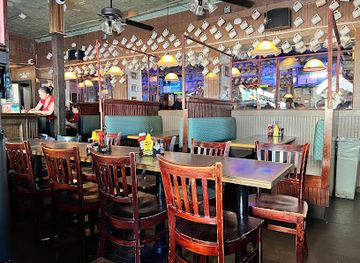
Best shops in Cape May
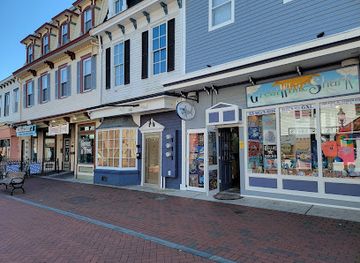
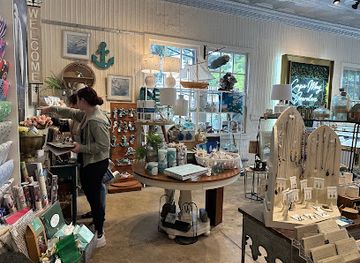
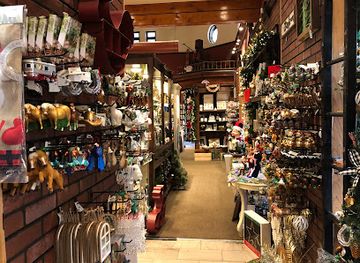
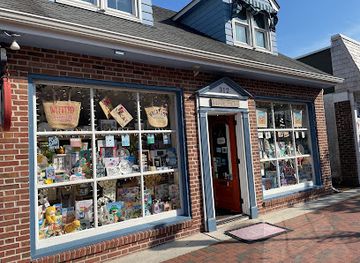
Shopping in Cape May centres on the pedestrian Washington Street Mall, where independent boutiques, galleries, jewellers, gift shops and cafés occupy a walkable cluster near the Historic District. The city’s retail character is oriented towards small businesses and seasonal visitors rather than large shopping centres. Shops commonly feature beachwear, homewares, artwork, books, local food products and souvenirs inspired by Victorian architecture or the coast. Visitors may also find New Jersey-made specialities, wines and craft goods, although provenance varies and locally made products should be identified by the retailer. The surrounding historic streets contain additional galleries and distinctive small shops, while the wider county offers farm markets and wineries that require separate transport. Summer brings the fullest retail selection, with a quieter pace in the off-season.
-
Shopping mall
Washington Street Mall
Discover unique shops and delightful eateries at Washington Street Mall, the heart of shopping in scenic Cape May, New Jersey.
6 min drive · 1.9 km from city centre
-
Shopping mall
West End Garage
Uncover unique treasures and local art at West End Garage, a vibrant shopping mall in Cape May, showcasing antiques, crafts, and boutiques.
7 min drive · 2.3 km from city centre
-
Gift shop
Winterwood Gift & Christmas Shoppe
Discover the charm of Christmas all year round at Winterwood Gift & Christmas Shoppe in Cape May, NJ - a treasure trove of festive delights and unique gifts.
5 min drive · 1.8 km from city centre
-
Gift shop
Whale's Tale
Explore Whale's Tale, a charming gift shop in Cape May, featuring unique jewelry, toys, home goods, and greeting cards for every occasion.
6 min drive · 2.0 km from city centre
Get your free copy of our complete guide to Cape May, delivered straight to you.
Everything on this page, from attractions and restaurants to essentials and local phrases, in one PDF you can read offline, print or share.
Already have an account? Sign in
Your Cape May guide is ready.
We'll send it to · Not you? Sign out

Getting your guide ready…
We are putting together a fresh copy of the Cape May guide. This can take up to a minute.
This can take a few moments. If your browser asks, choose Allow so the download can start. You'll find the guide in your Downloads folder.
Nothing happened? Download it again
Sorry, the guide is taking longer than usual. Please try again in a minute, or get it by email instead.
Cape May essentials
Currency and Payment
Safety
Emergency Situations
Do's and Don'ts
Local Tips
From Eve
Local phrases worth knowing
You don't need to get them perfect. A few words go a long way, and locals appreciate the effort.
Basics
| English | Local | Say it |
|---|---|---|
| Hello | Howdy | [haw-dee] |
| Goodbye | See ya | [see yuh] |
| Yes | Yup | [yuhp] |
| No | Nah | [nah] |
| Please/You're welcome | Please | [pleez] |
| Thank you | Thanks | [thanks] |
| Excuse me/Sorry | Pardon | [par-dun] |
| How are you? | How you doin'? | [how yuh doin] |
| Fine. And you? | Good. How 'bout you? | [good. how bout yuh] |
| Do you speak English? | Ya speak English? | [ya speak ing-lish] |
| I don't understand | I don't get it | [i dun get it] |
Eating & Drinking
| English | Local | Say it |
|---|---|---|
| I'd like to see the menu, please | Can I check the menu, please | [can eye chek the menu pleez] |
| I don't eat meat | I don't do meat | [i dun do meat] |
| Cheers! | Cheers! | [cheers] |
| I would like to pay, please | I wanna settle up, please | [i wanna set-tul up pleez] |
Emergencies
| English | Local | Say it |
|---|---|---|
| Help! | Help! | [help] |
| Go away! | Get lost! | [get lost] |
| Call the Police! | Call the cops! | [call the cops] |
| Call a doctor! | Get a doc! | [get a doc] |
| I'm lost | I'm all turned around | [im all turned around] |
| I'm ill | I'm feelin' under the weather | [im feelin under the weather] |
Shopping
| English | Local | Say it |
|---|---|---|
| I'd like to buy... | I'm lookin' to pick up... | [im lookin to pick up] |
| I'm just looking | Just browsin' | [just browsin] |
| How much is it? | How much? | [how much] |
| That's too expensive | Too steep | [too steep] |
| Can you lower the price? | Can ya knock it down? | [can ya knock it down] |
Time & Numbers
| English | Local | Say it |
|---|---|---|
| What time is it? | What's the time? | [whats the time] |
| It's one o'clock | It's one | [its one] |
| Half past (10) | Half ten | [half ten] |
| Morning | Mornin' | [mornin] |
| Afternoon | Afternoon | [afternoon] |
| Evening | Evenin' | [evenin] |
| Yesterday | Yest'day | [yest-day] |
| Today | Today | [today] |
| Tomorrow | Tomorrah | [tomorrah] |
| 1 | One | [wun] |
| 2 | Two | [too] |
| 3 | Three | [three] |
| 4 | Four | [four] |
| 5 | Five | [five] |
| 6 | Six | [six] |
| 7 | Seven | [seven] |
| 8 | Eight | [eight] |
| 9 | Nine | [nine] |
| 10 | Ten | [ten] |
Transport & Directions
| English | Local | Say it |
|---|---|---|
| Where's a/the...? | Where's the... | [wheres the] |
| What's the address? | What's the address? | [whats the address] |
| Can you show me (on the map)? | Can ya show me (on the map)? | [can ya show me on the map] |
| When's the next (bus)? | When's the next (bus)? | [whens the next bus] |
| A ticket (to ....) | A ticket (to ....) | [a ticket to] |
History of Cape May
Lenape Lands and Early Coastal Settlement
The Cape May peninsula formed part of the traditional homeland of the Lenape, whose communities used the coastal environment, waterways and surrounding forests long before European settlement. Dutch mariner Cornelius Jacobsen Mey explored and charted the area in the early seventeenth century, and the cape eventually took his name. English settlers arrived later in the century, establishing farms and small maritime communities on what became Cape Island. Cape May County was created in 1692, reflecting the growth of organised colonial settlement in the southern part of New Jersey. Fishing, farming, whaling and coastal trade shaped the early economy, while the island’s position between the Atlantic and Delaware Bay gave it continuing importance as a stopping place for vessels.
A Seaside Resort Takes Shape
Cape May began attracting visitors from Philadelphia and other nearby communities during the eighteenth and early nineteenth centuries, when sea bathing and coastal tourism became fashionable. Hotels and boarding houses developed around the waterfront, and improved roads and steamboat connections made seasonal travel more practical. The town was formally incorporated as a borough in 1848 and became a city in 1851. Its early resort buildings were largely constructed in wood, reflecting both local materials and the expanding American taste for seaside holidays. By the mid-nineteenth century Cape May had acquired a reputation as a summer retreat, with a growing service economy to support visitors.
Fire, Reconstruction and Victorian Architecture
A major fire in 1878 destroyed much of Cape May’s central business district and numerous earlier buildings. Reconstruction followed quickly, producing many of the ornate houses and commercial structures now associated with the city. The architecture reflects several late Victorian influences, including Italianate, Gothic Revival and Queen Anne elements, often combined on a single façade with decorative brackets, towers, porches and elaborate woodwork. Cape May’s prosperity as a resort continued into the late nineteenth century, when grand hotels and private summer residences lined the streets near the beach. The surviving concentration of buildings from this rebuilding era later became the basis of the Cape May Historic District.
African American History and Harriet Tubman
Cape May’s nineteenth-century resort economy depended on a diverse workforce, including African Americans employed in hotels, households, shops and maritime trades. Harriet Tubman worked in Cape May during the early 1850s, earning money and building networks that supported her later Underground Railroad activity. The Harriet Tubman Museum of New Jersey, located in a former church parsonage, interprets this period alongside broader stories of African American life, abolition and self-emancipation. The city’s Black history also forms part of the wider story of southern New Jersey, where coastal towns, churches and communities provided employment, refuge and connections during a period of intense conflict over slavery and freedom.
Preservation and the Modern Resort
As automobile travel expanded and newer shore resorts competed for visitors during the twentieth century, Cape May retained much of its historic building stock. Preservation efforts helped protect the city’s architectural character, and the Cape May Historic District was listed on the National Register of Historic Places in 1970. Tourism subsequently broadened beyond summer beach holidays to include heritage tours, museums, birdwatching, culinary travel and wildlife excursions. Today, Cape May’s identity rests on the relationship between its Victorian streetscape and its coastal setting: a working and seasonal visitor city whose history remains visible in houses, hotels, civic buildings, waterfront traditions and cultural institutions.
Cape May in Photos
Browse through our photo collection highlighting the charm and character of the destination.
Cities near Cape May
The closest cities to Cape May, if you have time for more than one stop.
-

-

-

-

-


Swipe for more cities
Explore more

Explore more of New Jersey
Discover New Jersey: From vibrant cities and historic towns to scenic beaches and lush parks, the Garden State offers a rich blend of culture, nature, and adventure.
Explore New Jersey