

Free Delaware Valley Travel Guide & Mobile App
Explore Delaware Valley with free travel guides. Discover regional history, expert tips, proposed trips, and audio guides on web or mobile app.


Explore New Jersey’s Delaware Valley for river towns, canal trails, Revolutionary history, farm country and easy access to Philadelphia.
Read more about Delaware Valley
When is the best time to visit Delaware Valley?
Best: May–June, September · 21–26°C| Month | High (°C) | Rainfall (mm) |
|---|---|---|
| January | 5 | 83 |
| February | 6 | 70 |
| March | 11 | 95 |
| April | 16 | 86 |
| May (best) | 21 | 100 |
| June (best) | 26 | 96 |
| July | 29 | 109 |
| August | 28 | 107 |
| September (best) | 25 | 98 |
| October | 19 | 87 |
| November | 12 | 90 |
| December | 8 | 94 |
Getting to and around Delaware Valley
How to get there
Transportation
Top city travel guides in Delaware Valley
The cities of Delaware Valley, and the easiest places to base yourself.
-

-

-

-


Swipe for more cities
Destinations in Delaware Valley
Resorts, valleys and scenic spots worth a trip of their own.
-

-

-

-

-

-


Swipe for more destinations
Best attractions in Delaware Valley
The New Jersey Delaware Valley offers a varied mix of river scenery, historic towns, museums and outdoor recreation. Along the northern river corridor, Lambertville, Frenchtown, Stockton and Milford provide access to galleries, independent shops, former mill landscapes and the Delaware and Raritan Canal towpath. Washington Crossing State Park combines woodland, open fields and Revolutionary War interpretation, while Howell Living History Farm near Lambertville explores nineteenth-century agricultural practices through demonstrations and seasonal programmes. Trenton provides the Old Barracks Museum, the New Jersey State Museum and state-government architecture, making it the region’s principal centre for public history. Around Princeton, historic battlefields, university collections and formal landscapes add intellectual and architectural interest. South of Trenton, the Delaware River becomes more closely tied to metropolitan attractions: Camden’s waterfront includes the Adventure Aquarium and the Battleship New Jersey Museum and Memorial, both within New Jersey but across the river from Philadelphia. Burlington contributes a compact historic centre, while rural Mercer and Burlington counties offer farms, gardens, sculpture and parkland. The region is best experienced as a sequence of linked landscapes rather than a single attraction cluster.
-
Theme park
Six Flags Great Adventure
Experience the ultimate family adventure at Six Flags Great Adventure, New Jersey's premier theme park with thrilling rides, wildlife encounters, and endless fun.
-
Historical place
Independence National Historical Park
Discover the pivotal sites of American history at Independence National Historical Park, where the past comes alive in Philadelphia's historic heart.
-
 Art museum
Philadelphia Museum of Art
Discover masterpieces and cultural treasures at the Philadelphia Museum of Art, a must-visit destination for art lovers and tourists alike.
-
Historical landmark
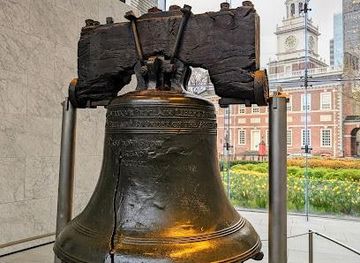
Liberty Bell
Discover the Liberty Bell in Philadelphia, a historic symbol of freedom that captures the spirit of American independence.


Best landmarks in Delaware Valley
The Delaware River itself is the defining geographical landmark of the New Jersey valley, forming a major state boundary while linking communities, transport routes and historic events. In Trenton, the gold-domed New Jersey State House and the Old Barracks provide prominent reminders of the state’s political and Revolutionary history. Washington Crossing State Park preserves the New Jersey landing area associated with Washington’s 1776 crossing, a landscape whose significance extends across the river into Pennsylvania. The Delaware and Raritan Canal is another defining structure: its towpath, locks and engineered waterway record the nineteenth-century effort to connect the Delaware with New Jersey’s interior. Lambertville’s dense nineteenth-century streetscape, including the New Hope–Lambertville Bridge approach, illustrates the commercial history of a river crossing, although the bridge itself links New Jersey with Pennsylvania. Burlington’s historic streets and waterfront retain the scale of an early colonial port. Farther south, Camden’s Battleship New Jersey is an imposing twentieth-century landmark on the riverfront, while the Benjamin Franklin Bridge, viewed from the New Jersey waterfront, expresses the region’s modern metropolitan connections; it is a bridge between states rather than a landmark wholly within the Delaware Valley’s New Jersey landscape.
-
Historical landmark
Liberty Bell
Explore the Liberty Bell, a historic symbol of American freedom and independence, located in the heart of Philadelphia's vibrant history.
-
Park
Red Bank Battlefield Park
Discover the rich history and breathtaking landscapes of Red Bank Battlefield Park, a picturesque retreat in New Jersey for history buffs and nature lovers alike.
-
Park
Historic Smithville Park
Discover the breathtaking scenery and rich history at Historic Smithville Park, a must-visit destination in New Jersey for nature lovers and history enthusiasts.
-
Historical landmark
Chinatown Friendship Arch
Discover the Cultural Heart of Philadelphia at the Stunning Chinatown Friendship Arch, a Symbol of Unity and Heritage.


Explore Delaware Valley on the map
Plan your trip on one map. See where the top cities, national parks and sights are, and book hotels and experiences in a few clicks.
Best hotels in Delaware Valley
Best restaurants in Delaware Valley
Dining in New Jersey’s Delaware Valley reflects both local agriculture and the powerful culinary influence of nearby Philadelphia. River towns such as Lambertville, Frenchtown and Stockton contain cafés, pubs, bakeries and restaurants in converted historic buildings, while Trenton is known for a broad everyday food culture that includes diners, Italian-American cooking and the city’s distinctive tomato pie tradition. Farm stands and seasonal markets in Mercer and Burlington counties provide fruit, vegetables and other locally grown produce, particularly during the warmer months. Burlington and the smaller Delaware communities offer casual meals with a historic-town setting, whereas Princeton and Camden have more varied contemporary dining, shaped by university, cultural and metropolitan audiences. Menus may include New Jersey produce, regional cheeses, craft beer and familiar Mid-Atlantic seafood alongside international cuisines. Visitors should distinguish genuine local specialities from dishes associated with the wider New Jersey or Philadelphia region, and should expect opening patterns in rural areas to be more limited than in the larger towns.
-
Brazilian
Fogo de Chão Brazilian Steakhouse
Experience authentic Brazilian cuisine at Fogo de Chão in Philadelphia – where every meal is a celebration of flavor and tradition.
-
Breakfast
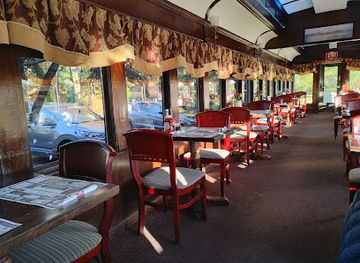
Clinton Station Diner
Discover delicious breakfasts and satisfying burgers at Clinton Station Diner - a must-visit spot in charming Clinton, NJ.
-
Restaurant
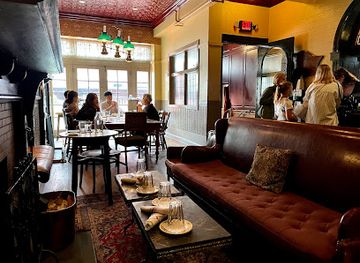
The Dandelion
Experience authentic British cuisine and warm hospitality at The Dandelion, your go-to pub in Philadelphia's charming Rittenhouse Square.
-
American
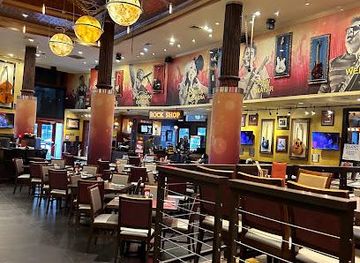
Hard Rock Cafe Philadelphia
Rock out with burgers, ribs, and memorabilia in Philly's historic core—Hard Rock Cafe delivers music-fueled American dining near Independence Hall.

Best bars in Delaware Valley
Evening life in the Delaware Valley ranges from traditional pubs and restaurant bars in river towns to a more varied urban scene in Trenton, Princeton and Camden. Lambertville and Frenchtown are suited to a relaxed meal, drinks and occasional live music rather than a large nightclub circuit. Trenton’s nightlife is dispersed across restaurants, cultural events and established bars, while Princeton has a stronger concentration of university-related venues, wine bars and late-evening restaurants. Camden’s waterfront is oriented towards restaurants, concerts and major events, with activity often shaped by the cultural calendar rather than a permanent club district. Breweries and taprooms can be found in the wider region, but arrangements and opening patterns change, so checking current information is sensible. In rural areas, evening entertainment generally centres on pubs, inns, restaurants and community performances, and a car or pre-arranged taxi may be necessary after public transport services have ended.
-
Restaurant
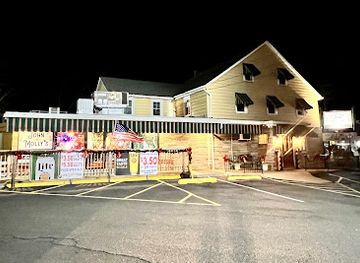
John and Molly's
Discover the flavors of John and Molly's, a culinary haven in Eastampton Township, offering delectable wings, burgers, and seafood in a cozy atmosphere.
-
Beer Garden
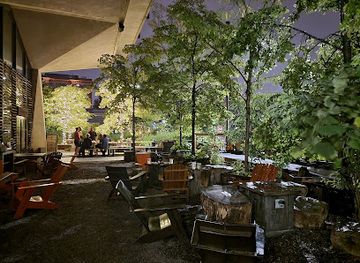
Independence Beer Garden
Experience the charm of Philadelphia at Independence Beer Garden, where craft beer and American cuisine meet in a vibrant outdoor setting.
-
Pub
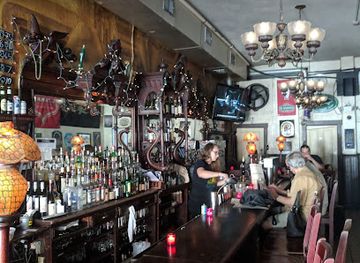
Khyber Pass Pub
Discover Khyber Pass Pub, Philadelphia's lively spot for craft beers and delicious fare in a warm, welcoming atmosphere.
-
American
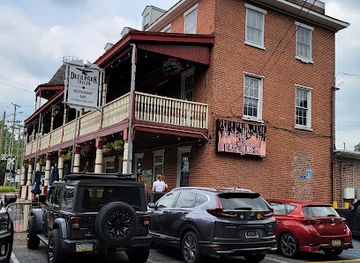
Deer Park Tavern
Discover Deer Park Tavern, a historic American tavern in Newark, DE, serving delicious food, craft drinks, and a lively sports atmosphere.
Best nightclubs in Delaware Valley
Evening life in the Delaware Valley ranges from traditional pubs and restaurant bars in river towns to a more varied urban scene in Trenton, Princeton and Camden. Lambertville and Frenchtown are suited to a relaxed meal, drinks and occasional live music rather than a large nightclub circuit. Trenton’s nightlife is dispersed across restaurants, cultural events and established bars, while Princeton has a stronger concentration of university-related venues, wine bars and late-evening restaurants. Camden’s waterfront is oriented towards restaurants, concerts and major events, with activity often shaped by the cultural calendar rather than a permanent club district. Breweries and taprooms can be found in the wider region, but arrangements and opening patterns change, so checking current information is sensible. In rural areas, evening entertainment generally centres on pubs, inns, restaurants and community performances, and a car or pre-arranged taxi may be necessary after public transport services have ended.
-
Lounge
Infinity Lounge
Discover the vibrant nightlife at Infinity Lounge in Trenton, NJ, a perfect blend of culinary delight and lively entertainment.
-
Night club
Perle Night Club
Discover the electrifying nightlife at Perle Night Club, a premier destination for dancing, drinks, and unforgettable memories in New Brunswick, NJ.
-
Night club
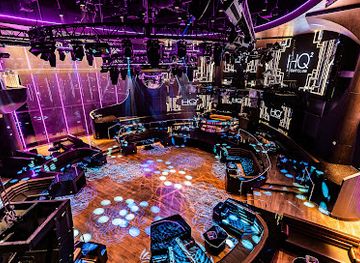
HQ2 Nightclub at Ocean Casino Resort
Dive into the vibrant nightlife of Atlantic City at HQ2 Nightclub, where world-class DJs and an electrifying atmosphere await every party lover.
-
Night club
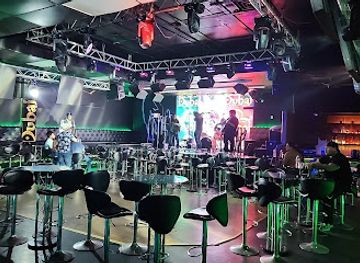
Dubai Night Club
Experience the electrifying nightlife at Dubai Night Club, where music, dance, and delicious food create unforgettable moments in Camden.


Best shops in Delaware Valley
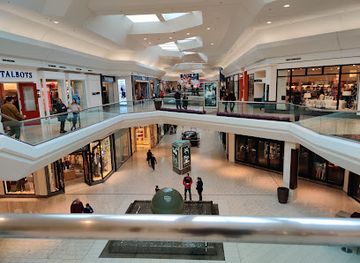
Shopping in the New Jersey Delaware Valley is strongest in historic river towns, market communities and independent commercial centres rather than large luxury districts. Lambertville is known for antiques, design shops, galleries, books and craft-oriented retail, with neighbouring New Hope across the river offering a separate Pennsylvania shopping scene. Frenchtown and Stockton have smaller concentrations of independent shops, studios and cafés, while Burlington’s historic centre combines local businesses with older streets and river-town architecture. Princeton provides a broader selection of books, clothing, gifts, galleries and specialist shops, although it is more urban and university-oriented than the northern river communities. Farm stands and seasonal markets in Mercer and Burlington counties are useful places to buy New Jersey produce, baked goods, preserves and other locally made food products. Trenton’s shopping is more dispersed, with particular interest for visitors seeking regional food traditions rather than a single retail district. Confirm market days and seasonal opening arrangements before travelling, especially outside the main towns.
-
Market
Reading Terminal Market
Explore the vibrant flavors and rich history of Reading Terminal Market, Philadelphia's beloved culinary destination filled with local delicacies and artisanal treasures.
-
Farmers' market
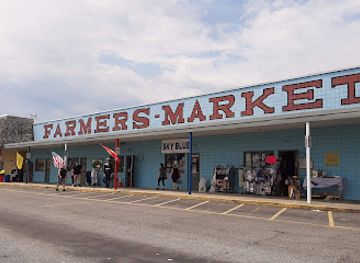
Columbus Farmers Market
Experience fresh produce, local crafts, and a lively atmosphere at the Columbus Farmers Market - a must-visit destination in New Jersey.
-
Shopping mall
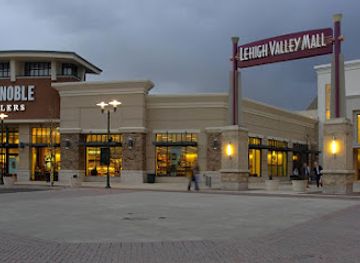
Lehigh Valley Mall
Explore Lehigh Valley Mall, a premier shopping destination with diverse stores, dining, and entertainment options in Pennsylvania's Whitehall.
-
Shopping mall
The Mall at Short Hills
Discover luxury shopping and exquisite dining at The Mall at Short Hills, New Jersey's premier shopping destination.

Get your free copy of our complete guide to Delaware Valley, delivered straight to you.
Everything on this page, from attractions and restaurants to essentials and local phrases, in one PDF you can read offline, print or share.
Already have an account? Sign in
Your Delaware Valley guide is ready.
We'll send it to · Not you? Sign out

Getting your guide ready…
We are putting together a fresh copy of the Delaware Valley guide. This can take up to a minute.
This can take a few moments. If your browser asks, choose Allow so the download can start. You'll find the guide in your Downloads folder.
Nothing happened? Download it again
Sorry, the guide is taking longer than usual. Please try again in a minute, or get it by email instead.
Delaware Valley essentials
Currency and Payment
Safety
Emergency Situations
Do's and Don'ts
Local Tips
From Eve
Local phrases worth knowing
You don't need to get them perfect. A few words go a long way, and locals appreciate the effort.
Basics
| English | Local | Say it |
|---|---|---|
| Hello | Hey there | [Hay thair] |
| Goodbye | See ya | [See yah] |
| Yes | Yep | [Yep] |
| No | Nah | [Nah] |
| Please/You're welcome | No problem | [No prob-lum] |
| Thank you | Thanks | [Thangs] |
| Excuse me/Sorry | Sorry 'bout that | [Sorry 'bout that] |
| How are you? | How you doin'? | [How ya doin'?] |
| Fine. And you? | Good. You? | [Good. You?] |
| Do you speak English? | You speakin' English? | [You speakin' English?] |
| I don't understand | I don't get it | [I don't get it] |
Eating & Drinking
| English | Local | Say it |
|---|---|---|
| I'd like to see the menu, please | Can I see the menu? | [Can I see the menu?] |
| I don't eat meat | I'm a vegetarian | [I'm a vege-ta-rian] |
| Cheers! | Cheers! | [Cheers!] |
| I would like to pay, please | Can I get the check? | [Can I get the check?] |
Emergencies
| English | Local | Say it |
|---|---|---|
| Help! | Help! | [Help!] |
| Go away! | Leave me alone! | [Leave me alone!] |
| Call the Police! | Call the cops! | [Call the cops!] |
| Call a doctor! | Get a doctor! | [Get a doctor!] |
| I'm lost | I'm turned around | [I'm turned around] |
| I'm ill | I'm not feelin' well | [I'm not feelin' well] |
Shopping
| English | Local | Say it |
|---|---|---|
| I'd like to buy... | I wanna buy... | [I wanna buy...] |
| I'm just looking | Just browsing | [Just browsing] |
| How much is it? | What’s the price? | [What’s the price?] |
| That's too expensive | That's way too pricey | [That's way too pricey] |
| Can you lower the price? | Can you give me a deal? | [Can you give me a deal?] |
Time & Numbers
| English | Local | Say it |
|---|---|---|
| What time is it? | What's the time? | [What's the time?] |
| It's one o'clock | It's one | [It's one] |
| Half past (10) | Half past ten | [Half past ten] |
| Morning | Morning | [Morning] |
| Afternoon | Afternoon | [Afternoon] |
| Evening | Evening | [Evening] |
| Yesterday | Yesterday | [Yesterday] |
| Today | Today | [Today] |
| Tomorrow | Tomorrow | [Tomorrow] |
| 1 | One | [One] |
| 2 | Two | [Two] |
| 3 | Three | [Three] |
| 4 | Four | [Four] |
| 5 | Five | [Five] |
| 6 | Six | [Six] |
| 7 | Seven | [Seven] |
| 8 | Eight | [Eight] |
| 9 | Nine | [Nine] |
| 10 | Ten | [Ten] |
Transport & Directions
| English | Local | Say it |
|---|---|---|
| Where's a/the...? | Where's the...? | [Where's the...?] |
| What's the address? | What's the address? | [What's the address?] |
| Can you show me (on the map)? | Can you point it out? | [Can you point it out?] |
| When's the next (bus)? | When's the next bus? | [When's the next bus?] |
| A ticket (to ....) | One ticket (to ...) | [One ticket (to ...)] |
History of Delaware Valley
Lenape Homeland and the Delaware River
Before European colonisation, the Delaware Valley was inhabited by Lenape communities whose seasonal movements, agriculture, fishing and trade were closely connected to the river and its tributaries. The name Delaware derives from the English title of Thomas West, Lord De La Warr, while the Lenape name for the river is commonly rendered as Lenapewihittuk. European settlement transformed land ownership and river access, but the valley’s geography still reflects the importance of Indigenous waterways and trails. Visitors should understand the area as an Indigenous homeland rather than an empty landscape awaiting colonial settlement.
Quaker Settlement and Colonial River Towns
During the late seventeenth and eighteenth centuries, English and Welsh settlers, including Quakers, established farms, mills and trading communities along the Delaware. Burlington, founded in 1677, became an important colonial centre and served as New Jersey’s capital for a period. River transport linked farms and workshops with Philadelphia, while ferries and roads connected both banks. Town plans, meeting houses, brick residences and surviving waterfront buildings in Burlington and other communities preserve elements of this colonial commercial and religious history.
The Revolutionary War in the Delaware Valley
The Delaware Valley was central to the American Revolutionary War because the river was a strategic transport route and the surrounding settlements lay close to Philadelphia. Washington Crossing State Park preserves the New Jersey landing area associated with George Washington’s crossing on 26 December 1776, before the Battle of Trenton. Trenton’s Old Barracks recalls the fighting and military occupation that followed, while Princeton Battlefield, farther east in the region’s wider travel orbit, marks another important engagement of the 1776–77 campaign. These sites illustrate how military movements depended on winter roads, ferries and river crossings.
Canals, Mills and Inland Commerce
The nineteenth century brought major changes to the valley through canals, improved roads, mills and later railways. The Delaware and Raritan Canal, completed in the 1830s, carried coal and other goods between the Delaware River and New Brunswick, reducing the need for coastal routes and supporting Trenton’s industrial growth. Smaller communities such as Stockton and Lambertville developed around milling, manufacturing and river trade. Canal towpaths, locks and former industrial sites remain among the clearest physical reminders of the period when water transport connected New Jersey’s interior with Philadelphia and New York.
Industrial Trenton and the Rise of Manufacturing
Trenton became one of New Jersey’s leading industrial cities during the nineteenth and early twentieth centuries. Its factories produced pottery, rubber goods, wire, steel and other manufactured products, supported by the Delaware River, canals, railways and a growing workforce. The city’s pottery tradition was particularly influential, and the Trenton Makes bridge sign later became a widely recognised emblem of its industrial identity. Deindustrialisation reduced the scale of manufacturing after the mid-twentieth century, but museums, historic buildings and surviving infrastructure preserve the city’s role in New Jersey’s industrial history.
Twentieth-Century Suburbanisation and the Philadelphia Metropolitan Region
After the Second World War, highways, automobiles and expanding employment around Philadelphia, Trenton and Princeton reshaped the Delaware Valley. Former agricultural areas in Mercer and Burlington counties developed suburban communities, while older river towns retained more compact historic centres. Camden experienced severe industrial decline and population loss, followed by efforts to regenerate its waterfront and cultural institutions. Today the New Jersey side of the valley combines rural agriculture, historic settlements, state-government activity, university influence and metropolitan commuting patterns rather than forming a single uniform urban or rural landscape.
Delaware Valley in Photos
Browse through our photo collection highlighting the charm and character of the destination.
Neighbouring regions of Delaware Valley
The closest regions to Delaware Valley, if you have time for more than one.
-

-

-

-

-


Swipe for more regions
Explore more
Explore more of New Jersey
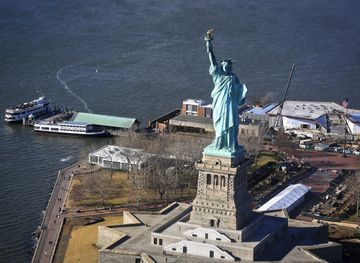
Discover New Jersey: From vibrant cities and historic towns to scenic beaches and lush parks, the Garden State offers a rich blend of culture, nature, and adventure.
Explore New Jersey