

Free Carlsbad Caverns Travel Guide & Mobile App
Explore Carlsbad Caverns with free travel guides. Discover regional history, expert tips, proposed trips, and audio guides on web or mobile app.


Explore Carlsbad Caverns in southeastern New Mexico for vast limestone chambers, desert trails, bat flights and a remarkable underground landscape.
Read more about Carlsbad Caverns
Getting to and around Carlsbad Caverns
How to get there
Transportation
Destinations in Carlsbad Caverns
Resorts, valleys and scenic spots worth a trip of their own.

Swipe for more destinations
Best attractions in Carlsbad Caverns
The central attraction is Carlsbad Cavern itself, reached either by the natural entrance trail or by elevator from the visitor centre. Underground routes pass through immense chambers decorated with columns, draperies, stalactites, stalagmites and other mineral formations, with the Big Room providing the most extensive self-guided walk. Ranger-led cave programmes, when offered, add geological and biological context, while summer evening bat flights provide a wildlife experience at the cavern entrance. Above ground, the park's desert trails reveal limestone slopes, open grassland, prickly vegetation and broad views across the Chihuahuan Desert. The short paved paths around the visitor centre suit a brief surface visit, while longer routes require water, sun protection and careful attention to weather. The park also appeals to visitors interested in geology, cave ecology, astronomy and landscape photography, although artificial light and photography rules can apply underground. Carlsbad, outside the national park, is the practical base for accommodation, supplies and additional regional excursions, but the park itself has deliberately limited visitor development so that the cavern and desert environment remain the focus.
-
Tourist attraction
Carlsbad Caverns National Park
Explore the breathtaking underground beauty of Carlsbad Caverns National Park, a UNESCO World Heritage site filled with stunning formations and rich ecosystems.
-
Visitor center
Carlsbad Caverns National Park Visitor Center
Experience the breathtaking beauty and geological wonders at Carlsbad Caverns National Park Visitor Center in New Mexico.
-
State park
Living Desert Zoo & Gardens State Park
Discover the rich biodiversity of the Living Desert Zoo & Gardens State Park, where native wildlife and stunning desert gardens await your exploration.
-
Water park
Carlsbad Water Park
Experience the thrill and relaxation at Carlsbad Water Park, a premier destination for family fun in New Mexico's stunning landscapes.



Best landmarks in Carlsbad Caverns
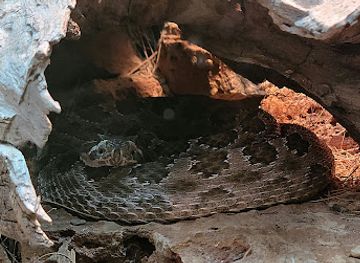
Carlsbad Cavern is the region's defining natural landmark, an immense underground landscape whose chambers and mineral formations express the geological history of the ancient Capitan Reef. The Big Room is especially significant for its scale, while the natural entrance gives the cavern a dramatic physical connection with the desert above. The park's visitor centre and cave entrance, reached along the winding access road through the Guadalupe Mountains, form the principal built gateway to this subterranean environment. Above ground, the exposed limestone hills, desert valleys and rugged escarpments are landmarks in their own right, contrasting with the hidden scale beneath them. The cavern entrance amphitheatre is also closely associated with the seasonal emergence of Brazilian free-tailed bats, although the bats are wildlife and viewing conditions vary. These places matter because they combine visual recognition with scientific importance: the formations are not merely decorative, the surrounding desert is part of the cave's ecological setting, and the entire protected landscape illustrates how geological processes operate above and below ground.
-
National park
Carlsbad Caverns National Park
Discover the wonders of Carlsbad Caverns National Park, where breathtaking limestone caves and rich biodiversity await exploration in New Mexico.
-
Visitor center
Carlsbad Caverns National Park Visitor Center
Explore Carlsbad Caverns National Park Visitor Center for a unique adventure into stunning underground formations and breathtaking hiking opportunities.
-
Amphitheater
Bat Flight Amphitheater
Witness the breathtaking bat emergence at the Bat Flight Amphitheater in Carlsbad, New Mexico—a unique natural spectacle for all nature lovers.
-
Cave
Carlsbad Cavern Natural Entrance
Experience the awe of Carlsbad Cavern Natural Entrance, a UNESCO World Heritage site showcasing stunning limestone formations and vibrant ecosystems.


Explore Carlsbad Caverns on the map
Plan your trip on one map. See where the top cities, national parks and sights are, and book hotels and experiences in a few clicks.
Best hotels in Carlsbad Caverns
Best restaurants in Carlsbad Caverns
Dining is concentrated outside the national park, particularly in Carlsbad and around the approach roads, with a small number of limited facilities near the park gateway rather than a substantial restaurant district at the cavern. Visitors will find the broadest choice in Carlsbad, including casual American restaurants, cafés, diners, Mexican-influenced cooking and familiar road-trip fare. New Mexican flavours may appear on menus, especially red or green chile, beans, tortillas and enchiladas, although food associated with the state is not exclusive to the Carlsbad Caverns area. The desert setting makes packed lunches useful for surface walks, but food should not be taken into the cave unless park regulations specifically allow it. Grocery shops and supermarkets in Carlsbad are practical for water, snacks and picnic supplies, while fuel-stop food is more limited along rural approaches. After an evening bat programme, check dining arrangements in advance because late options can be restricted outside the city.
-
Restaurant
Yellow Brix Restaurant
Discover the culinary delights at Yellow Brix Restaurant in Carlsbad—perfect for families and food lovers alike with gluten-free and vegan options.
-
Chinese
Dragon China Buffet
Discover a diverse selection of authentic Chinese dishes at Dragon China Buffet in Carlsbad, NM - perfect for families and food enthusiasts!
-
Grill
Lucky Bull Grill
Discover delightful grilled dishes at Lucky Bull Grill – where local flavor meets vibrant atmosphere in Carlsbad.
-
Mexican
El Charro
Discover the vibrant taste of authentic Mexican cuisine at El Charro in Carlsbad - where every dish is crafted with love and tradition.



Best bars in Carlsbad Caverns
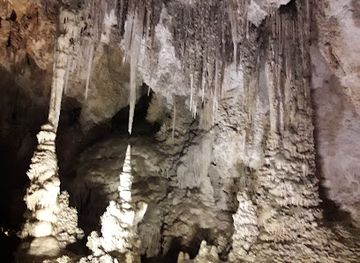
Carlsbad Caverns is a quiet, rural destination rather than a nightlife centre. Evening activity focuses on the park's bat-viewing programme, stargazing and the drive back to Carlsbad, where visitors can find traditional bars, casual restaurants and a modest local evening scene. Carlsbad's establishments generally serve residents, workers and travellers rather than forming a concentrated entertainment district, and opening arrangements can change. The city may offer occasional live music or community events, but there is no major club culture associated with the national park. In the immediate vicinity of the cavern, darkness and natural quiet are important parts of the experience, so visitors should not expect late-night services, regular public transport or a choice of venues after leaving the park. Drink-driving is particularly hazardous on remote roads; arrange a safe return to accommodation and follow all United States laws concerning alcohol and driving.
-
Mexican
El Jimador Restaurant
Experience the vibrant flavors of authentic Mexican cuisine at El Jimador Restaurant in Carlsbad, NM - a hidden gem for food lovers.
-
Restaurant
Yellow Brix Restaurant
Experience the best of local flavors at Yellow Brix Restaurant, a family-friendly eatery in Carlsbad, NM, offering diverse menu options for everyone.
-
Bar
Chili's Grill & Bar
Discover the vibrant flavors of Tex-Mex and American classics at Chili's Grill & Bar in Carlsbad, the perfect spot for family dining and relaxation.
-
Grill
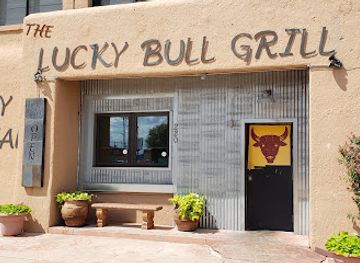
Lucky Bull Grill
Discover the vibrant flavors of New Mexico at Lucky Bull Grill, where grilled specialties and local brews create an unforgettable dining experience.
Best nightclubs in Carlsbad Caverns
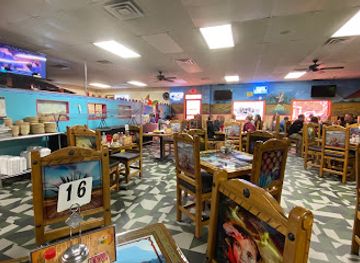
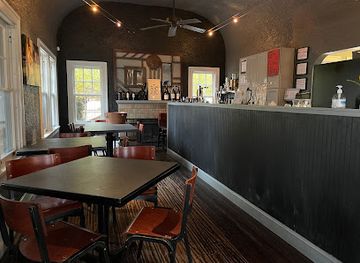
Carlsbad Caverns is a quiet, rural destination rather than a nightlife centre. Evening activity focuses on the park's bat-viewing programme, stargazing and the drive back to Carlsbad, where visitors can find traditional bars, casual restaurants and a modest local evening scene. Carlsbad's establishments generally serve residents, workers and travellers rather than forming a concentrated entertainment district, and opening arrangements can change. The city may offer occasional live music or community events, but there is no major club culture associated with the national park. In the immediate vicinity of the cavern, darkness and natural quiet are important parts of the experience, so visitors should not expect late-night services, regular public transport or a choice of venues after leaving the park. Drink-driving is particularly hazardous on remote roads; arrange a safe return to accommodation and follow all United States laws concerning alcohol and driving.
-
Grill
Cal's Shade Western
Experience the vibrant flavors and lively atmosphere at Cal's Shade Western in Carlsbad, NM - a grill loved by locals and visitors alike.
-
Lounge
Cavemen Cigar Lounge
Cavemen Cigar Lounge in Carlsbad: Experience a sophisticated retreat with premium cigars and a welcoming atmosphere.
-
Support group
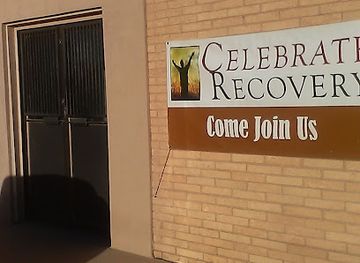
Celebrate Recovery
Experience the transformative power of community support at Celebrate Recovery in Carlsbad, NM, where healing and hope come together.
Best shops in Carlsbad Caverns
Shopping at Carlsbad Caverns is limited and conservation-oriented rather than centred on a large retail district. The park visitor centre typically provides interpretive materials, books, maps, educational gifts and souvenirs connected with geology, bats, caves and the National Park Service. Carlsbad, outside the park, offers the area's widest choice of supermarkets, pharmacies, practical supplies, independent retailers and locally oriented gift shops. Travellers commonly buy water, sun protection, snacks, outdoor equipment and printed maps before heading into the desert, since options become sparse near the park entrance and on rural roads. Regional souvenirs may include New Mexico-themed crafts, pottery, jewellery, chile products and books about the state's landscapes, but visitors should check that natural objects have been legally sourced and never remove rocks, fossils, plants or cave material from public land. For a more extensive range of arts, crafts or specialist shopping, visitors generally need to use larger centres elsewhere in New Mexico rather than expect a substantial shopping scene at Carlsbad Caverns.
-
Supermarket
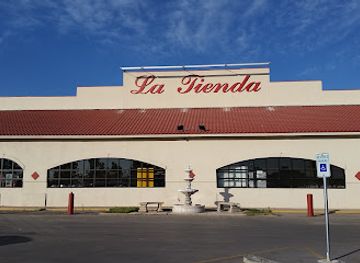
La Tienda Thriftway
Experience the vibrant local flavors of New Mexico at La Tienda Thriftway, a supermarket that showcases the best of Carlsbad's culinary heritage.
-
Bakery
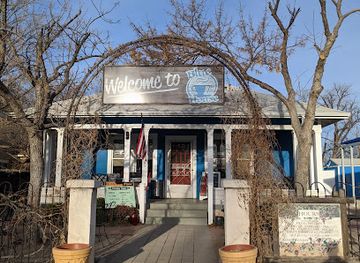
Blue House Bakery & Cafe
Discover the delightful flavors of Blue House Bakery & Cafe in Carlsbad, NM, where freshly baked goods and great coffee create a warm gathering place.
-
Cannabis store
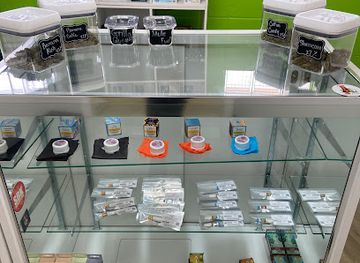
Bud Board Dispensary
Explore Bud Board Dispensary in Carlsbad, NM for a unique cannabis shopping experience with quality products and knowledgeable staff.
-
Cannabis store
OSO Cannabis Company
Discover the finest cannabis products at OSO Cannabis Company in Carlsbad, NM, where quality meets a welcoming atmosphere for all visitors.
Get your free copy of our complete guide to Carlsbad Caverns, delivered straight to you.
Everything on this page, from attractions and restaurants to essentials and local phrases, in one PDF you can read offline, print or share.
Already have an account? Sign in
Your Carlsbad Caverns guide is ready.
We'll send it to · Not you? Sign out

Getting your guide ready…
We are putting together a fresh copy of the Carlsbad Caverns guide. This can take up to a minute.
This can take a few moments. If your browser asks, choose Allow so the download can start. You'll find the guide in your Downloads folder.
Nothing happened? Download it again
Sorry, the guide is taking longer than usual. Please try again in a minute, or get it by email instead.
Carlsbad Caverns essentials
Currency and Payment
Safety
Emergency Situations
Do's and Don'ts
Local Tips
From Eve
Local phrases worth knowing
You don't need to get them perfect. A few words go a long way, and locals appreciate the effort.
Basics
| English | Local | Say it |
|---|---|---|
| Hello | Hola | [OH-lah] |
| Goodbye | Adiós | [ah-DYOS] |
| Yes | Sí | [SEE] |
| No | No | [NO] |
| Please/You're welcome | Por favor/De nada | [por fah-VOR/deh NAH-dah] |
| Thank you | Gracias | [GRAH-syahs] |
| Excuse me/Sorry | Disculpe/Lo siento | [dees-KOOL-peh/loh SYEN-toh] |
| How are you? | ¿Cómo está? | [KOH-moh es-TAH] |
| Fine. And you? | Bien. ¿Y tú? | [BYEN. ee TOO] |
| Do you speak English? | ¿Habla inglés? | [AH-blah een-GLES] |
| I don't understand | No entiendo | [NO en-TYEN-doh] |
Eating & Drinking
| English | Local | Say it |
|---|---|---|
| I'd like to see the menu, please | Me gustaría ver el menú, por favor | [meh goos-tah-REE-ah BEHR el meh-NOO, por fah-VOR] |
| I don't eat meat | No como carne | [NO KOH-moh KAR-neh] |
| Cheers! | ¡Salud! | [sah-LOOD] |
| I would like to pay, please | Me gustaría pagar, por favor | [meh goos-tah-REE-ah pah-GAR, por fah-VOR] |
Emergencies
| English | Local | Say it |
|---|---|---|
| Help! | ¡Ayuda! | [ah-YOO-dah] |
| Go away! | ¡Vete! | [BEH-teh] |
| Call the Police! | ¡Llame a la policía! | [YAH-meh ah lah poh-lee-SIAH] |
| Call a doctor! | ¡Llame a un doctor! | [YAH-meh ah oon dok-TOR] |
| I'm lost | Estoy perdido | [es-TOY per-DIH-doh] |
| I'm ill | Estoy enfermo | [es-TOY en-FER-mo] |
Shopping
| English | Local | Say it |
|---|---|---|
| I'd like to buy... | Me gustaría comprar... | [meh goos-tah-REE-ah kom-PRAR] |
| I'm just looking | Solo estoy mirando | [SOH-lo es-TOY mee-RAN-doh] |
| How much is it? | ¿Cuánto cuesta? | [KWAN-toh KWES-tah] |
| That's too expensive | Es demasiado caro | [es deh-mah-SYAH-doh KAH-roh] |
| Can you lower the price? | ¿Puede bajar el precio? | [PWEH-deh bah-HAR el PREH-syoh] |
Time & Numbers
| English | Local | Say it |
|---|---|---|
| What time is it? | ¿Qué hora es? | [KEH OH-rah es] |
| It's one o'clock | Es la una | [es lah OO-nah] |
| Half past (10) | Y media (10) | [ee MEH-diah (10)] |
| Morning | Mañana | [ma-NYAH-nah] |
| Afternoon | Tarde | [TAR-deh] |
| Evening | Noche | [NOH-cheh] |
| Yesterday | Ayer | [ah-YER] |
| Today | Hoy | [OY] |
| Tomorrow | Mañana | [ma-NYAH-nah] |
| 1 | Uno | [OO-noh] |
| 2 | Dos | [DOS] |
| 3 | Tres | [TRES] |
| 4 | Cuatro | [KWAH-troh] |
| 5 | Cinco | [SEEN-koh] |
| 6 | Seis | [SACE] |
| 7 | Siete | [SYEH-teh] |
| 8 | Ocho | [OH-choh] |
| 9 | Nueve | [NWEH-beh] |
| 10 | Diez | [DYEZ] |
Transport & Directions
| English | Local | Say it |
|---|---|---|
| Where's a/the...? | ¿Dónde está un/una...? | [DON-deh es-TAH oon/UNA] |
| What's the address? | ¿Cuál es la dirección? | [KWAL es lah dee-rek-SYON] |
| Can you show me (on the map)? | ¿Me puede mostrar (en el mapa)? | [meh PWEH-deh mos-TRAR (en el MAH-pah)] |
| When's the next (bus)? | ¿Cuándo es el próximo (autobús)? | [KWAN-doh es el PROK-si-mo (ow-toh-BOOS)] |
| A ticket (to ....) | Un boleto (a....) | [oon bo-LEH-toh (ah....)] |
History of Carlsbad Caverns
Permian Reef and Cave Formation
The caverns developed within limestone deposited roughly 250 million years ago, when a shallow inland sea covered what is now southeastern New Mexico. That marine environment created the Capitan Reef, a major geological structure later uplifted and exposed as the Guadalupe Mountains. Rainwater absorbed carbon dioxide in the soil, became mildly acidic and gradually dissolved passages through the limestone. Later mineral-rich water deposited the formations seen today. This geological history explains why Carlsbad Cavern contains such extensive chambers and why its formations differ in shape, colour and texture across the cave.
Indigenous and Borderlands History
The wider southeastern New Mexico landscape has long been used by Indigenous peoples, including the Mescalero Apache, whose traditional homelands extend across parts of the southern New Mexico and Texas borderlands. Spanish and later Mexican expeditions, traders and settlers entered a region shaped by desert routes, scarce water and mountain passes. The cavern itself was not developed as a tourist site during these earlier periods, but its surrounding landscape belongs to a much older human geography than the national park's modern visitor infrastructure suggests.
Jim White and Early Exploration
Local rancher and explorer Jim White played a central role in bringing the caverns to wider attention in the late nineteenth and early twentieth centuries. As a young man he investigated the vast underground spaces, initially descending with improvised equipment and using lanterns to examine the formations. White mapped passages, guided visitors and documented the cave's scale at a time when many outsiders doubted the reports of an enormous chamber beneath the desert. His explorations helped establish the basis for scientific study and later public access.
From National Monument to National Park
Carlsbad Cave National Monument was established by presidential proclamation in 1923, recognising the cave's exceptional geological importance and beginning a more formal era of protection. The site became Carlsbad Caverns National Park in 1930. During the following decades, the National Park Service developed trails, lighting, ranger interpretation and an elevator system while attempting to balance access with conservation. The visitor infrastructure made the cavern accessible to a much wider public, but the park's central responsibility remains the preservation of its fragile underground environment.
Civilian Conservation Corps Development
During the 1930s, members of the Civilian Conservation Corps contributed to infrastructure across many American public lands, including work associated with the development of Carlsbad Caverns. Trails, roads, buildings and visitor facilities helped transform the monument into a more organised national destination during the New Deal era. This period shaped the practical arrival experience that visitors still recognise: a developed gateway in the desert leading to a protected natural site rather than an unmanaged cave open to unrestricted exploration.
Scientific Recognition and World Heritage
Carlsbad Caverns gained international recognition as scientists documented its geology, cave biology and ecological importance. In 1995 UNESCO inscribed Carlsbad Caverns National Park as a World Heritage Site, citing the exceptional scale and beauty of its cave formations and the importance of its natural processes. The designation reflects more than the visual drama of the Big Room: it also recognises the continuing geological development of the cave and the relationship between its underground habitats and the Chihuahuan Desert above.
Bats and Contemporary Conservation
Brazilian free-tailed bats have become one of the park's most recognised natural features. Their seasonal presence supported early public interest in the cavern and remains central to evening interpretation, although the bats are protected wildlife rather than a managed show. Modern conservation focuses on protecting bat habitat, reducing disturbance, monitoring cave environments and managing visitor impacts. The park's history is therefore still developing, with scientific research and wildlife protection influencing how the cavern is visited and understood.
Carlsbad Caverns in Photos
Browse through our photo collection highlighting the charm and character of the destination.
Neighbouring regions of Carlsbad Caverns
The closest regions to Carlsbad Caverns, if you have time for more than one.
-
 Southeast New Mexico
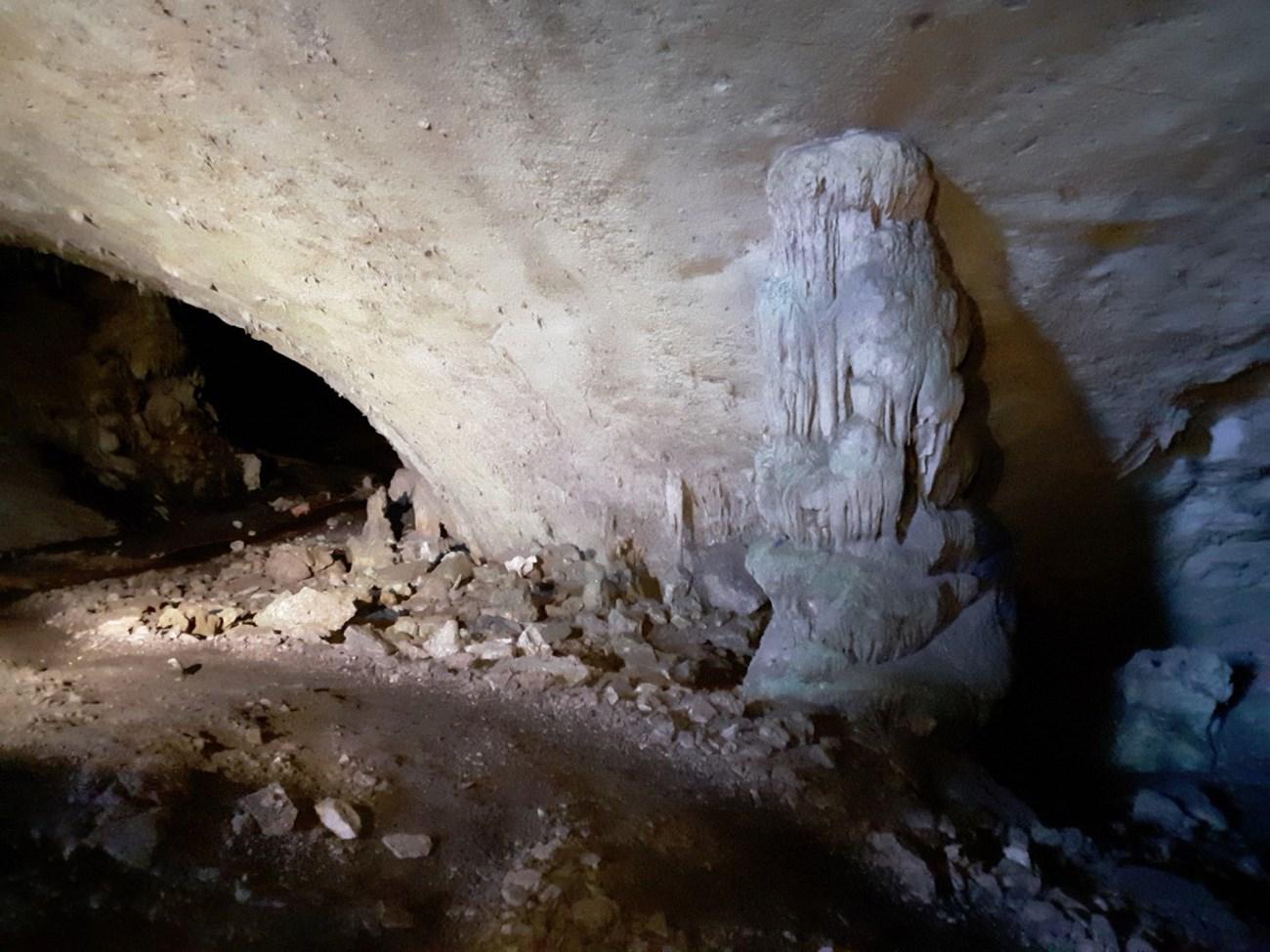
Explore Southeast New Mexico for Carlsbad Caverns, desert wildlife, Roswell UFO history, oil-country towns and the pine forests of the Sacramento Mountains.
-

-

-

-


Swipe for more regions
Explore more

Explore more of New Mexico
Discover the enchanting blend of rich history, diverse cultures, and stunning landscapes in New Mexico, the Land of Enchantment, where adventure and relaxation await.
Explore New Mexico