

Free Southeast New Mexico Travel Guide & Mobile App
Explore Southeast New Mexico with free travel guides. Discover regional history, expert tips, proposed trips, and audio guides on web or mobile app.


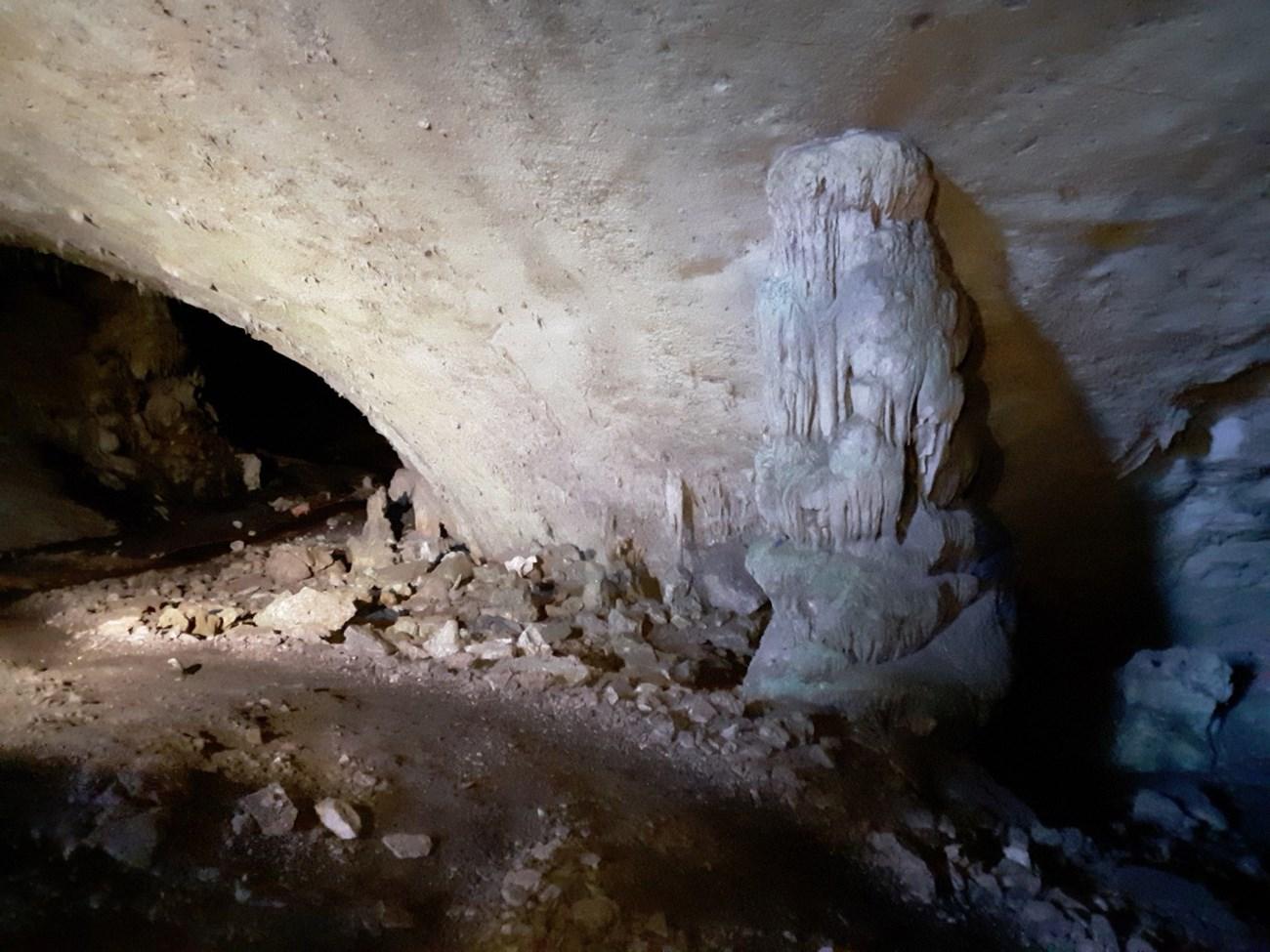


Explore Southeast New Mexico for Carlsbad Caverns, desert wildlife, Roswell UFO history, oil-country towns and the pine forests of the Sacramento Mountains.
Read more about Southeast New Mexico
Getting to and around Southeast New Mexico
How to get there
Transportation
Top city travel guides in Southeast New Mexico
The cities of Southeast New Mexico, and the easiest places to base yourself.
-

-

-

-

-

-


Swipe for more cities
Destinations in Southeast New Mexico
Resorts, valleys and scenic spots worth a trip of their own.
-

-

-

-


Swipe for more destinations
Best attractions in Southeast New Mexico
Southeast New Mexico's attractions range from subterranean geology to open desert wetlands and pine-covered mountains. Carlsbad Caverns National Park is the region's principal natural draw, offering access to an enormous limestone cave system and desert scenery above ground; visit arrangements and seasonal conditions should be checked before arrival. Around Carlsbad, the Pecos River corridor, Brantley Lake State Park and Sitting Bull Falls provide different settings for boating, picnicking, wildlife viewing and short walks. Roswell combines the International UFO Museum and Research Center and other space-themed attractions with the more conventional cultural collections of the Roswell Museum and Art Center. Bitter Lake National Wildlife Refuge is valuable for birds and wetland habitats, while Bottomless Lakes State Park offers swimming and recreation around unusual sinkhole lakes. Farther west, Ruidoso and Lincoln provide access to the Lincoln National Forest, frontier history and mountain scenery, with Smokey Bear Historical Park in Capitan adding a distinctive conservation story. The region's attractions are dispersed, so a realistic itinerary should group sites by area rather than attempt to cross the entire territory in a single day.
-
National park
Carlsbad Caverns National Park
Explore the stunning limestone formations and diverse wildlife of Carlsbad Caverns National Park, a natural wonder in New Mexico.
-
National park
White Sands National Park
Experience the breathtaking beauty of White Sands National Park, a unique landscape of rolling gypsum dunes in New Mexico, perfect for outdoor adventures and serene escapes.
-
Historical landmark
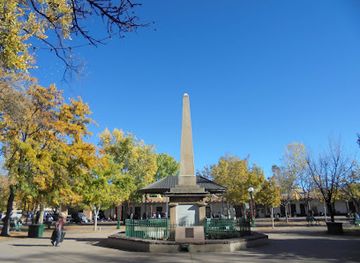
Santa Fe Plaza
Discover the cultural heart of Santa Fe at the historic Santa Fe Plaza, where art, history, and vibrant community come together.
-
Tourist attraction
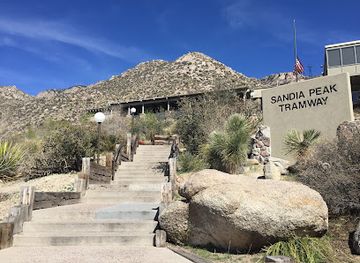
Sandia Peak Tramway
Discover stunning views and thrilling hikes at Sandia Peak Tramway, an iconic Albuquerque attraction that showcases the beauty of New Mexico's landscape.



Best landmarks in Southeast New Mexico
Carlsbad Caverns is Southeast New Mexico's most recognisable natural landmark, its limestone chambers demonstrating the long geological history of the Guadalupe Mountains region. Seen above ground, the surrounding desert escarpments and cave entrance landscape provide a strong contrast with the dark interior. In Roswell, the International UFO Museum and Research Center is a contemporary cultural landmark rather than an ancient monument, reflecting the city's enduring association with the 1947 incident. The blue-green sinkhole lakes and pale cliffs of Bottomless Lakes State Park form another distinctive visual feature near the Pecos Valley. In the Sacramento Mountains, the historic village of Lincoln preserves a remarkable concentration of nineteenth-century adobe and timber buildings linked with the Lincoln County War. Capitan's Smokey Bear Historical Park commemorates the bear cub rescued after the 1950 Capitan Gap fire and the national wildfire-prevention symbol that followed. The oil infrastructure and open landscapes around Hobbs and Artesia are less conventionally picturesque, but they are important markers of the industries that shaped modern southeastern New Mexico.
-
National park
White Sands National Park
Discover the breathtaking beauty of White Sands National Park, a natural wonder in New Mexico with stunning gypsum dunes and endless adventure.
-
Historical landmark
Santa Fe Plaza
Discover the charm of Santa Fe Plaza, a historic landmark filled with art, culture, and vibrant local life, perfect for every tourist's New Mexico itinerary.
-
Tourist attraction
Sandia Peak Tramway
Experience breathtaking views and outdoor adventures at Sandia Peak Tramway, Albuquerque's iconic aerial tramway and hiking destination.
-
Plaza
Old Town Plaza
Explore Old Town Plaza in Albuquerque, NM – a vibrant historic district filled with shops, galleries, restaurants, and cultural experiences.


Explore Southeast New Mexico on the map
Plan your trip on one map. See where the top cities, national parks and sights are, and book hotels and experiences in a few clicks.
Best hotels in Southeast New Mexico
Best restaurants in Southeast New Mexico
Dining in Southeast New Mexico combines New Mexican comfort food with the practical traditions of oil-country towns, ranching communities and Pecos Valley agriculture. Menus commonly include red or green chile, enchiladas, tamales, burritos, huevos rancheros and substantial breakfast plates, with local preferences varying between restaurants. Carlsbad and Roswell offer the broadest selection of cafés, diners, Mexican-American restaurants and contemporary eateries, while Artesia, Hobbs, Ruidoso and smaller communities are well suited to informal meals, bakeries and family-run establishments. Pecans, dairy products, beef and vegetables from the wider river valley may appear in local cooking, although not every regional dish is exclusive to southeastern New Mexico. In the mountain towns, restaurants and breweries serve visitors alongside year-round residents, while roadside diners remain useful stops on long drives. Farmers' markets and food shops can provide seasonal produce and regional specialities, but opening days and availability vary, especially outside the larger centres.
-
Mexican
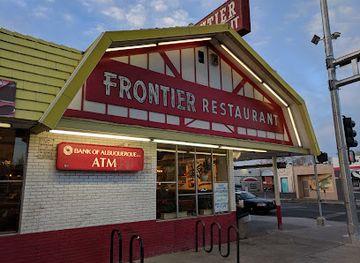
Frontier
Discover authentic New Mexican flavors at Frontier Restaurant in Albuquerque - where delicious meals meet friendly service in a vibrant atmosphere.
-
Southwestern American
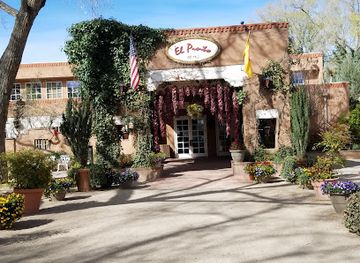
El Pinto Restaurant
Experience authentic Southwestern cuisine at El Pinto Restaurant in Albuquerque - where every dish tells a story of New Mexico's rich culinary heritage.
-
Restaurant
Sawmill Market
Experience the vibrant culinary scene at Sawmill Market in Albuquerque - a delightful food hall showcasing local flavors and artisanal delights.
-
American
The Ranch House
Discover authentic American cuisine at The Ranch House in Santa Fe - where tradition meets modern taste in a welcoming atmosphere.


Best bars in Southeast New Mexico
Nightlife in Southeast New Mexico is generally relaxed and town-centred rather than built around large club districts. Roswell, Carlsbad, Hobbs and Ruidoso have the widest choice of bars, casual lounges, breweries, live-music settings and restaurants that remain open into the evening. Traditional pubs and locally oriented bars are common meeting places, while Ruidoso's visitor economy supports a more varied evening scene than many smaller settlements. In Artesia, Lincoln, Capitan and rural areas, evening entertainment is more likely to centre on restaurants, community events, live music or a small local bar than on nightclubs. The region's distances mean that driving after drinking requires particular care, and visitors should arrange a taxi, rideshare or designated driver before settling in for the evening. Seasonal activity can increase during holidays, ski periods and local events, but schedules and venue status change, so current local information is advisable.
-
Sports bar
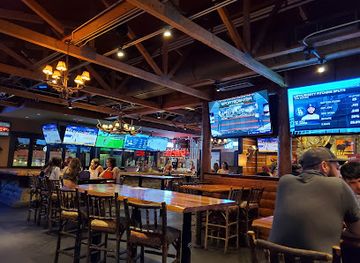
Twin Peaks
Experience the ultimate sports bar atmosphere at Twin Peaks, where delicious American cuisine meets thrilling live sports in Albuquerque, NM.
-
Irish pub
Two Fools Tavern
Discover the heart of Irish culture at Two Fools Tavern, where hearty meals and friendly vibes await in Albuquerque's Nob Hill.
-
Bar
Sister
Experience the vibrant atmosphere and live music at Sister, a top bar and restaurant in Albuquerque, NM, perfect for a night out.
-
Sports bar
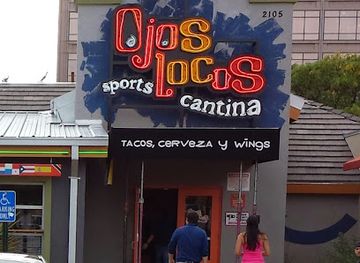
Ojos Locos Sports Cantina - Albuquerque
Experience the lively atmosphere and flavorful cuisine at Ojos Locos Sports Cantina, Albuquerque's top sports bar and Latin American restaurant.

Best nightclubs in Southeast New Mexico
Nightlife in Southeast New Mexico is generally relaxed and town-centred rather than built around large club districts. Roswell, Carlsbad, Hobbs and Ruidoso have the widest choice of bars, casual lounges, breweries, live-music settings and restaurants that remain open into the evening. Traditional pubs and locally oriented bars are common meeting places, while Ruidoso's visitor economy supports a more varied evening scene than many smaller settlements. In Artesia, Lincoln, Capitan and rural areas, evening entertainment is more likely to centre on restaurants, community events, live music or a small local bar than on nightclubs. The region's distances mean that driving after drinking requires particular care, and visitors should arrange a taxi, rideshare or designated driver before settling in for the evening. Seasonal activity can increase during holidays, ski periods and local events, but schedules and venue status change, so current local information is advisable.
-
Restaurant
Chili's Grill & Bar
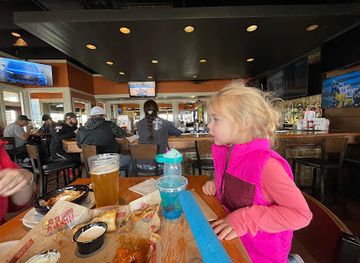
Experience the vibrant flavors of American and Tex-Mex cuisine at Chili's Grill & Bar in Carlsbad, NM, perfect for families and food lovers alike.
-
Chicken Wings
Buffalo Wild Wings
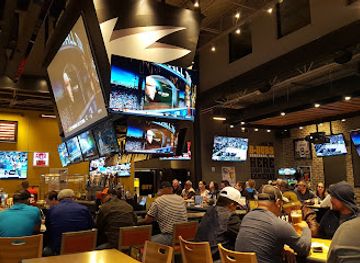
Experience the ultimate chicken wing destination in Carlsbad, NM, with Buffalo Wild Wings' delicious flavors, vibrant atmosphere, and sports excitement.
-
Bar
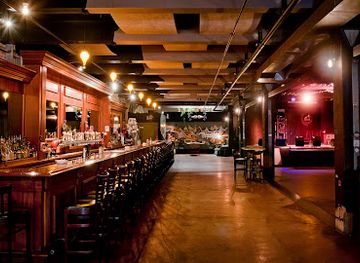
Backstage at Revel
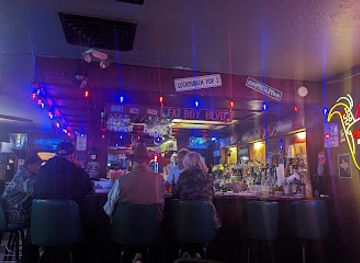
Discover the lively nightlife at Backstage at Revel, Albuquerque's premier bar for craft cocktails and unforgettable evenings in a vibrant atmosphere.
-
Grill
Cal's Shade Western
Discover the vibrant flavors of Cal's Shade Western, a top grill destination in Carlsbad, NM, serving delicious meals in a lively atmosphere.

Best shops in Southeast New Mexico
Shopping in Southeast New Mexico is concentrated in the main towns rather than in a single regional retail district. Roswell, Carlsbad, Hobbs and Artesia provide everyday high-street shops, supermarkets, galleries, bookshops and practical outdoor supplies, while Ruidoso has a more visitor-oriented mix of independent stores, Western goods, art, gifts and mountain apparel. Local galleries and craft shops may feature New Mexican pottery, jewellery, leatherwork, woodwork and paintings, though provenance and quality vary and buyers should ask questions about handmade items. Food products such as chile-based sauces, pecans, sweets and regional preserves make useful gifts when properly packaged for travel. Roswell's UFO-themed merchandise is especially prominent, ranging from playful souvenirs to books and collectibles. Historic Lincoln and the mountain communities offer smaller-scale shopping, often tied to local crafts and heritage tourism. Market days and seasonal stalls can be worthwhile, but rural opening patterns are limited, so do not rely on finding specialist shops late in the evening or between towns.
-
Shopping mall
Cottonwood Mall
Explore Cottonwood Mall, Albuquerque's premier shopping destination, with diverse stores, delicious dining, and entertainment for the whole family.
-
Department store
Walmart Supercenter
Discover Walmart Supercenter in Carlsbad, NM - a comprehensive shopping experience for travelers with everything you need under one roof.
-
Grocery store
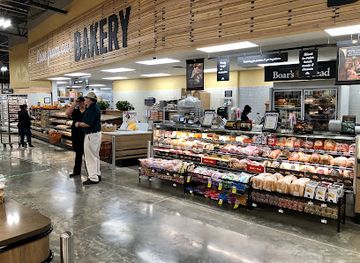
Albertsons Market
Explore the best of local flavors at Albertsons Market in Carlsbad, NM - your one-stop shop for groceries, liquor, and pharmacy needs.
-
Gift shop
The Breaking Bad Store ABQ
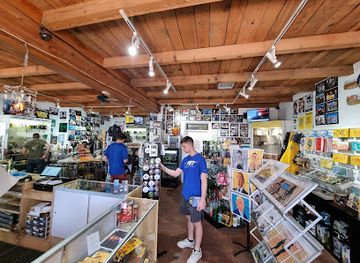
Discover the ultimate gift shop for Breaking Bad fans, featuring exclusive memorabilia, clothing, and a nostalgic atmosphere celebrating the iconic series.


Get your free copy of our complete guide to Southeast New Mexico, delivered straight to you.
Everything on this page, from attractions and restaurants to essentials and local phrases, in one PDF you can read offline, print or share.
Already have an account? Sign in
Your Southeast New Mexico guide is ready.
We'll send it to · Not you? Sign out

Getting your guide ready…
We are putting together a fresh copy of the Southeast New Mexico guide. This can take up to a minute.
This can take a few moments. If your browser asks, choose Allow so the download can start. You'll find the guide in your Downloads folder.
Nothing happened? Download it again
Sorry, the guide is taking longer than usual. Please try again in a minute, or get it by email instead.
Southeast New Mexico essentials
Currency and Payment
Safety
Emergency Situations
Do's and Don'ts
Local Tips
From Eve
Local phrases worth knowing
You don't need to get them perfect. A few words go a long way, and locals appreciate the effort.
Basics
| English | Local | Say it |
|---|---|---|
| Hello | Hola | [OH-lah] |
| Goodbye | Adiós | [ah-DYOHs] |
| Yes | Sí | [SEE] |
| No | No | [NO] |
| Please/You're welcome | Por favor / De nada | [por fah-VOR / de NAH-dah] |
| Thank you | Gracias | [GRAH-syahs] |
| Excuse me/Sorry | Perdón | [pair-DON] |
| How are you? | ¿Cómo estás? | [KOH-moh ess-TAS] |
| Fine. And you? | Bien. ¿Y tú? | [BYEN. ee TOO] |
| Do you speak English? | ¿Hablas inglés? | [AH-blahs een-GLEHS] |
| I don't understand | No entiendo | [NO en-TYEN-doh] |
Eating & Drinking
| English | Local | Say it |
|---|---|---|
| I'd like to see the menu, please | Me gustaría ver el menú, por favor | [may goos-tah-REE-ah vehr el meh-NOO, por fah-VOR] |
| I don't eat meat | No como carne | [NO KOH-moh KAR-neh] |
| Cheers! | ¡Salud! | [sah-LOOD] |
| I would like to pay, please | Me gustaría pagar, por favor | [may goos-tah-REE-ah pah-GAR, por fah-VOR] |
Emergencies
| English | Local | Say it |
|---|---|---|
| Help! | ¡Ayuda! | [ah-YOO-dah] |
| Go away! | ¡Vete! | [VEH-teh] |
| Call the Police! | ¡Llame a la policía! | [YAH-meh ah lah poh-lee-SYAH] |
| Call a doctor! | ¡Llame a un doctor! | [YAH-meh ah oon dok-TOR] |
| I'm lost | Estoy perdido | [ess-TOY pair-DEE-doh] |
| I'm ill | Estoy enfermo | [ess-TOY en-FER-mo] |
Shopping
| English | Local | Say it |
|---|---|---|
| I'd like to buy... | Me gustaría comprar... | [may goos-tah-REE-ah kom-PRAR] |
| I'm just looking | Solo estoy mirando | [SOH-lo ess-TOY mee-RAN-doh] |
| How much is it? | ¿Cuánto cuesta? | [KWAN-toh KWES-tah] |
| That's too expensive | Es demasiado caro | [es deh-mah-SYAH-doh KAH-roh] |
| Can you lower the price? | ¿Puedes bajar el precio? | [PWEH-des bah-HAR el PREH-syo] |
Time & Numbers
| English | Local | Say it |
|---|---|---|
| What time is it? | ¿Qué hora es? | [KEH OH-rah ess] |
| It's one o'clock | Es la una | [ess lah OO-nah] |
| Half past (10) | Y media (10) | [ee MEH-dee-ah (10)] |
| Morning | Mañana | [mah-NYAH-nah] |
| Afternoon | Tarde | [TAR-deh] |
| Evening | Noche | [NOH-cheh] |
| Yesterday | Ayer | [ah-YER] |
| Today | Hoy | [OY] |
| Tomorrow | Mañana | [mah-NYAH-nah] |
| 1 | Uno | [OO-no] |
| 2 | Dos | [DOS] |
| 3 | Tres | [TRES] |
| 4 | Cuatro | [KWAH-tro] |
| 5 | Cinco | [SEEN-koh] |
| 6 | Seis | [SAYS] |
| 7 | Siete | [SYEH-teh] |
| 8 | Ocho | [OH-choh] |
| 9 | Nueve | [NWEH-beh] |
| 10 | Diez | [DYEZ] |
Transport & Directions
| English | Local | Say it |
|---|---|---|
| Where's a/the...? | ¿Dónde está un/los...? | [DON-deh ess-TAH oon/los...] |
| What's the address? | ¿Cuál es la dirección? | [KWAL ess lah dee-rek-SYON] |
| Can you show me (on the map)? | ¿Puedes mostrarme (en el mapa)? | [PWEH-des mos-TRAR-meh (en el MAH-pah)] |
| When's the next (bus)? | ¿Cuándo es el próximo (autobús)? | [KWAN-doh ess el PROK-see-mo (ow-toh-BOOS)] |
| A ticket (to ....) | Un boleto (a ....) | [OON boh-LEH-toh (ah ....)] |
History of Southeast New Mexico
Indigenous Peoples and the Chihuahuan Desert
The region's history began long before European settlement, with Indigenous peoples adapting to an arid environment through knowledge of seasonal water, plants, animals and movement routes. The Mescalero Apache have deep cultural ties to the Sacramento Mountains and surrounding lands. Archaeological evidence across southeastern New Mexico also records earlier communities and long-term use of desert river corridors. Visitors should understand that the landscape is not empty wilderness: it has been inhabited, travelled and managed by Indigenous peoples for thousands of years.
Spanish and Mexican Frontier Influence
Spanish colonial expansion and later Mexican rule brought new political boundaries, livestock practices and trade networks to the wider Pecos Valley and southeastern frontier. Settlement remained limited compared with central New Mexico, partly because of distance, water scarcity and conflict on the frontier. Roads and trails linked ranches, military posts and river settlements, while Hispanic agricultural and culinary traditions became part of the cultural foundations still visible in communities across the region.
The Lincoln County War and Frontier Conflict
Lincoln County, once much larger than the present county, became the setting for a violent commercial and political struggle in the late 1870s. Rival merchants, ranchers and lawmen competed for influence and contracts, producing the conflict commonly known as the Lincoln County War. Billy the Kid became the best-known figure associated with it, although the episode involved many other residents and forces. The village of Lincoln preserves a remarkable group of buildings connected with this period, including sites associated with the county courthouse and the Murphy-Dolan faction.
Railways, Ranching and Town Formation
The arrival of railways in the late nineteenth and early twentieth centuries transformed southeastern New Mexico by making livestock, agricultural products and mineral resources easier to move. Rail connections helped establish and expand towns such as Roswell, Artesia and Carlsbad, while encouraging stores, hotels, stock operations and irrigation projects. The Pecos River became particularly important for farming and settlement. Many town centres, civic buildings and local museums reflect this transition from a sparsely connected frontier to a regional economy.
Oil, Potash and Industrial Expansion
Petroleum production and potash mining reshaped the economy of the region during the twentieth century. The Permian Basin brought major oil activity to areas around Hobbs and Artesia, while the deposits near Carlsbad supported one of the world's important potash-mining districts. These industries attracted workers, generated investment and created the modern infrastructure of many communities, but they also tied local prosperity to commodity cycles. Contemporary southeastern New Mexico still combines industrial operations with ranching, agriculture, tourism and wildlife conservation.
Roswell and the 1947 UFO Legacy
In 1947, debris recovered from a ranch near Roswell became the subject of a brief United States Army announcement and subsequent official explanation as a weather balloon. Later claims that the material came from an extraterrestrial spacecraft transformed Roswell into an international centre of UFO culture. The incident remains disputed and heavily mediated through books, films, exhibitions and festivals. Its lasting importance in the region is cultural and economic: museums and themed businesses now sit alongside Roswell's older agricultural, military and scientific histories.
Conservation and Heritage Tourism
During the twentieth century, national parks, wildlife refuges, forests and historic-site programmes gave formal protection to parts of southeastern New Mexico's natural and cultural inheritance. Carlsbad Caverns became internationally recognised for its geology and bat colonies, while Bitter Lake protected important wetland habitat along the Pecos. Lincoln's preserved frontier buildings and the commemoration of Smokey Bear added further heritage destinations. Tourism now provides a counterpoint to extraction and agriculture, encouraging visitors to engage with both the region's fragile ecosystems and its working communities.
Southeast New Mexico in Photos
Browse through our photo collection highlighting the charm and character of the destination.
Neighbouring regions of Southeast New Mexico
The closest regions to Southeast New Mexico, if you have time for more than one.
-

-

-

-

-


Swipe for more regions
Explore more

Explore more of New Mexico
Discover the enchanting blend of rich history, diverse cultures, and stunning landscapes in New Mexico, the Land of Enchantment, where adventure and relaxation await.
Explore New Mexico