

Free Mesilla Valley Travel Guide & Mobile App
Explore Mesilla Valley with free travel guides. Discover regional history, expert tips, proposed trips, and audio guides on web or mobile app.


Explore the Mesilla Valley for adobe heritage, Rio Grande agriculture, New Mexican cuisine, pecan orchards and desert landscapes near Las Cruces.
Read more about Mesilla Valley
Getting to and around Mesilla Valley
How to get there
Transportation
Best attractions in Mesilla Valley
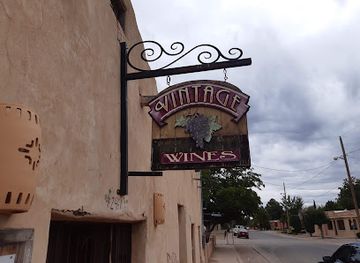
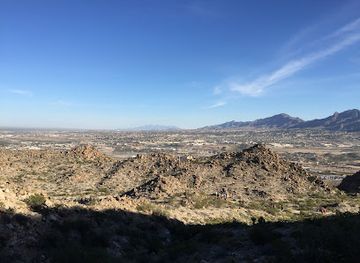
The Mesilla Valley’s attractions combine historic communities, agricultural landscapes and access to the Chihuahuan Desert. Mesilla Plaza is the principal cultural starting point, with adobe buildings, galleries, restaurants and San Albino Church reflecting the settlement’s Mexican and borderlands history. In Las Cruces, the New Mexico Farm and Ranch Heritage Museum explains the region’s agricultural development through exhibitions, historic structures and working-landscape interpretation, while the city’s museums and galleries explore local art, history and culture. The Mesilla Valley Bosque State Park provides a closer look at the Rio Grande’s cottonwood habitat, wetlands and birdlife. Outdoor visitors can follow trails and scenic roads towards the Organ Mountains, where desert vegetation, volcanic rock and elevated viewpoints create a sharp contrast with the irrigated valley floor. Picacho Peak and the broad agricultural countryside offer further opportunities for walking, photography and birdwatching, subject to heat and trail conditions. Seasonal markets, farm stands and food-focused events add a social dimension to the valley’s working landscape. The attractions are spread between an urban centre, a historic village, river habitats and rural farmland, so a car and a flexible itinerary are useful.
-
Restaurant
D. H. LESCOMBES WINERY & BISTRO
Discover the perfect blend of exquisite wines and delightful cuisine at D. H. Lescombes Winery & Bistro in Las Cruces, New Mexico.
-
Pumpkin patch
Mesilla Valley Maze
Explore the enchanting Mesilla Valley Maze, a perfect blend of fun, family activities and the charm of New Mexico's outdoors.
-
Catholic church
Basilica of San Albino
Discover the breathtaking Basilica of San Albino in Mesilla, NM, a stunning blend of history, architecture, and spirituality that captivates every visitor.
-
Gift shop
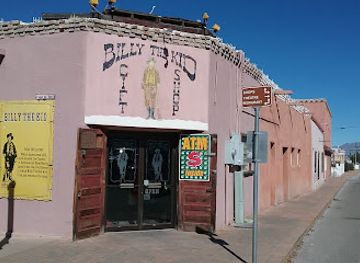
Billy the Kid Gift Shop
Explore the rich history of the Wild West at Billy the Kid Gift Shop, your go-to destination for unique souvenirs and local crafts in Mesilla, New Mexico.


Best landmarks in Mesilla Valley
Mesilla Plaza is the valley’s most recognisable historic landmark, a formally planned town square surrounded by adobe and territorial-era buildings that recall the community’s nineteenth-century role on the Mexican and American frontier. San Albino Church, facing the plaza, is an important religious and architectural feature of the village. In Las Cruces, the historic downtown and Main Street area preserve elements of the city’s earlier civic and commercial development, while the New Mexico State University campus contributes a more modern regional landmark through its educational and agricultural role. Beyond the settled areas, the Organ Mountains form the valley’s defining natural skyline: their jagged profiles and pale desert light are visible from much of Las Cruces and the surrounding farmland. The Rio Grande and its cottonwood bosque provide a contrasting linear landmark, marking the valley’s source of fertility in an arid setting. Irrigation ditches, fields and pecan orchards are less monumental but equally significant, expressing the engineering and agricultural systems that have shaped the Mesilla Valley for generations.
-
Plaza
Mesilla Plaza
Explore the historic Mesilla Plaza in Las Cruces, where culture, cuisine, and community come together in a vibrant New Mexican setting.
-
Monument
Mount Cristo Rey
Experience awe-inspiring views and rich cultural heritage at Mount Cristo Rey, a stunning monument uniting New Mexico, Texas, and Mexico.
-
DJ service
Telshor Events
Discover the magic of music with Telshor Events, the ultimate DJ service for all your special occasions, ensuring unforgettable memories through entertainment.
-
Museum
Gadsden Museum
Uncover the captivating history of New Mexico at the Gadsden Museum in Mesilla, showcasing artifacts and stories from the region's rich past.


Explore Mesilla Valley on the map
Plan your trip on one map. See where the top cities, national parks and sights are, and book hotels and experiences in a few clicks.
Best hotels in Mesilla Valley
Best restaurants in Mesilla Valley
Dining in the Mesilla Valley is rooted in the food culture of New Mexico, with red and green chile appearing in enchiladas, burritos, tamales, stews and breakfast dishes. Restaurants in Las Cruces and Mesilla range from casual cafés and long-established Mexican and New Mexican eateries to contemporary kitchens using local produce. Ask whether chile is served red, green or Christmas-style with both, and expect tortillas, beans and rice to accompany many meals. Pecans, onions, fruit, wine from the wider southern New Mexico growing region and seasonal vegetables reflect the valley’s agricultural setting. Mesilla offers atmospheric dining around and near its historic plaza, while Las Cruces has the widest choice of international cuisines, bakeries, coffee shops and modern restaurants. Farm stands and markets can be more useful than formal restaurants for tasting the region’s fresh produce, although availability follows the growing season. Rural eating options are more dispersed, so travellers exploring outside the urban centres should plan meals and supplies rather than assume that every community has late-opening dining.
-
Mexican
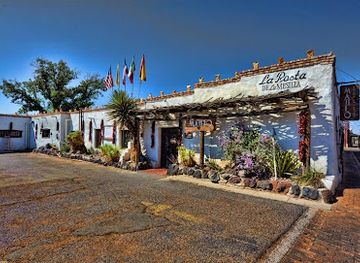
La Posta De Mesilla
Experience the rich flavors of Mexico at La Posta De Mesilla—where tradition meets vibrant dining in New Mexico.
-
Mexican
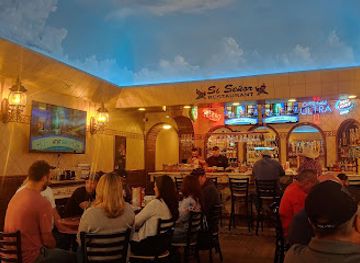
Si Señor Restaurant
Experience authentic Mexican flavors at Si Señor Restaurant in Las Cruces - where family-friendly dining meets culinary excellence.
-
American
Cracker Barrel Old Country Store
Experience authentic Southern dining at Cracker Barrel Old Country Store in Las Cruces – where comfort food meets unique shopping.
-
Steak
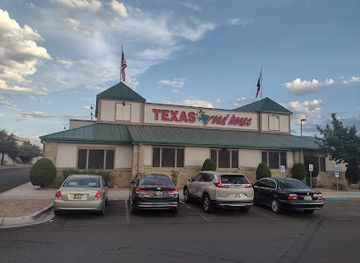
Texas Roadhouse
Experience the best of American cuisine at Texas Roadhouse in Las Cruces - where delicious steaks meet lively ambiance.

Best bars in Mesilla Valley
Evening life in the Mesilla Valley is centred on restaurants, traditional bars, breweries, cafés and live music rather than a dense nightclub district. Mesilla’s historic plaza area is suited to a relaxed meal or drink in an adobe setting, while central Las Cruces and areas around the university provide the broadest choice of bars, casual venues and entertainment. New Mexico beer, locally produced wine and cocktails featuring regional flavours may appear alongside familiar American drinks, but the character of the evening depends on the venue and season. Live music, cultural events and performances at local arts venues add alternatives to drinking-focused nightlife. Rural communities generally close earlier and offer fewer late-night options, so visitors staying outside Las Cruces or Mesilla should arrange transport in advance and avoid relying on unplanned taxis. Opening arrangements and event schedules change, particularly around university holidays and seasonal festivals.
-
Mexican
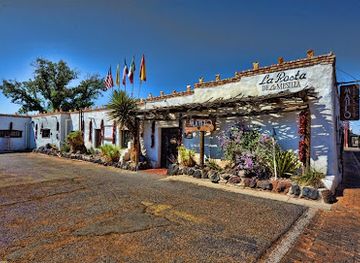
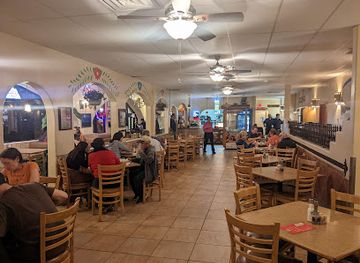
La Posta De Mesilla
Discover the authentic flavors of Mexico at La Posta De Mesilla, a vibrant restaurant in New Mexico's charming Mesilla.
-
Mexican
Andele Restaurant
Experience authentic Mexican cuisine at Andele Restaurant in Mesilla, NM, where vibrant flavors and a lively atmosphere await every visitor.
-
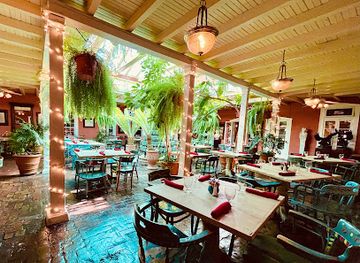
Restaurant
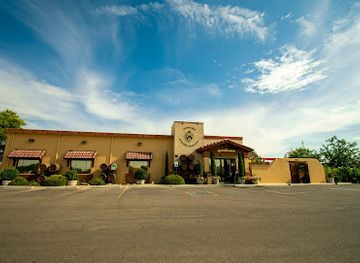
D. H. LESCOMBES WINERY & BISTRO
Discover the perfect blend of exquisite cuisine and award-winning wines at D. H. Lescombes Winery & Bistro in Las Cruces.
-
Steak
Double Eagle Restaurant
Experience the finest steaks and rich history at Double Eagle Restaurant in Mesilla, New Mexico—where every meal is a celebration of flavor.
Best nightclubs in Mesilla Valley
Evening life in the Mesilla Valley is centred on restaurants, traditional bars, breweries, cafés and live music rather than a dense nightclub district. Mesilla’s historic plaza area is suited to a relaxed meal or drink in an adobe setting, while central Las Cruces and areas around the university provide the broadest choice of bars, casual venues and entertainment. New Mexico beer, locally produced wine and cocktails featuring regional flavours may appear alongside familiar American drinks, but the character of the evening depends on the venue and season. Live music, cultural events and performances at local arts venues add alternatives to drinking-focused nightlife. Rural communities generally close earlier and offer fewer late-night options, so visitors staying outside Las Cruces or Mesilla should arrange transport in advance and avoid relying on unplanned taxis. Opening arrangements and event schedules change, particularly around university holidays and seasonal festivals.
-
Bar
Palacio Bar Since 1936
Discover the lively spirit of Palacio Bar Since 1936 in Mesilla, NM, where history, music, and dance come together for an unforgettable night out.
-
Bar
El Patio Bar
Discover El Patio Bar in Mesilla, NM: A nostalgic destination for affordable drinks, live music, and vibrant local culture!
-
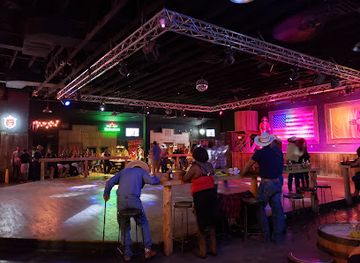
Night club
Whiskey Dicks Las Cruces
Dive into the vibrant nightlife of Las Cruces at Whiskey Dicks, a lively night club with music, drinks, and a friendly atmosphere.
-
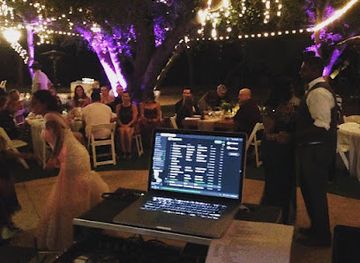
DJ service
Telshor Events
Discover the ultimate nightlife experience at Telshor Events, where exceptional DJ services and vibrant parties create unforgettable memories.


Best shops in Mesilla Valley
Shopping in the Mesilla Valley is strongest in historic Mesilla and central Las Cruces, where independent galleries, craft shops, boutiques, bookshops and cafés offer a more local alternative to standardised retail. Around Mesilla Plaza, visitors can look for pottery, jewellery, woven goods, paintings, photography and New Mexico-themed gifts, while Las Cruces provides larger supermarkets, everyday services and a broader range of shops. Farmers’ markets and seasonal roadside stands are particularly worthwhile for pecans, chile, onions, honey, preserves and other regional produce, although the selection changes with the agricultural calendar. Local galleries often reflect the landscapes and cultural history of southern New Mexico, and food products travel well when properly packaged. Shopping is generally more individual and market-oriented than luxury-focused, with the greatest concentration in the two historic and urban centres rather than in rural parts of the valley. Check opening arrangements before travelling to smaller galleries or farm shops, especially outside peak visitor periods.
-
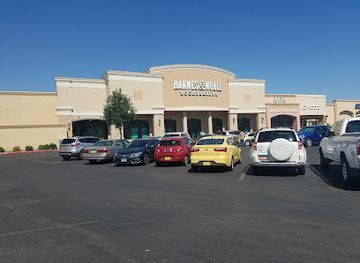
Shopping mall
Mesilla Valley Mall
Shop, dine, and explore the vibrant Mesilla Valley Mall in Las Cruces, NM, where shopping meets entertainment in a family-friendly environment.
-
Flea market
Big Daddy's Flea Market
Explore Big Daddy's Flea Market in Las Cruces for unique finds and local flavor in a vibrant shopping atmosphere.
-
Gift shop
Billy the Kid Gift Shop
Explore the charm of the Billy the Kid Gift Shop in Mesilla, where history meets unique souvenirs and local crafts in a captivating shopping experience.
-
Tea store
Old Barrel Tea Company
Explore Old Barrel Tea Company: A Tea Lover's Paradise in Mesilla, NM – Discover Unique Blends and Gifts for Every Occasion.
Get your free copy of our complete guide to Mesilla Valley, delivered straight to you.
Everything on this page, from attractions and restaurants to essentials and local phrases, in one PDF you can read offline, print or share.
Already have an account? Sign in
Your Mesilla Valley guide is ready.
We'll send it to · Not you? Sign out

Getting your guide ready…
We are putting together a fresh copy of the Mesilla Valley guide. This can take up to a minute.
This can take a few moments. If your browser asks, choose Allow so the download can start. You'll find the guide in your Downloads folder.
Nothing happened? Download it again
Sorry, the guide is taking longer than usual. Please try again in a minute, or get it by email instead.
Mesilla Valley essentials
Currency and Payment
Safety
Emergency Situations
Do's and Don'ts
Local Tips
From Eve
Local phrases worth knowing
You don't need to get them perfect. A few words go a long way, and locals appreciate the effort.
Basics
| English | Local | Say it |
|---|---|---|
| Hello | Hola | [oh-lah] |
| Goodbye | Adiós | [ah-dee-ohs] |
| Yes | Sí | [see] |
| No | No | [noh] |
| Please/You're welcome | Por favor/De nada | [pohr fah-vor/deh nah-dah] |
| Thank you | Gracias | [grah-syahs] |
| Excuse me/Sorry | Perdón | [pehr-dohn] |
| How are you? | ¿Cómo estás? | [koh-moh ehs-tahs] |
| Fine. And you? | Bien. ¿Y tú? | [byen. ee too] |
| Do you speak English? | ¿Hablas inglés? | [ah-blahs een-glays] |
| I don't understand | No entiendo | [noh ehn-tyen-doh] |
Eating & Drinking
| English | Local | Say it |
|---|---|---|
| I'd like to see the menu, please | Me gustaría ver el menú, por favor | [meh goos-tah-ree-ah vehr el meh-noo, pohr fah-vor] |
| I don't eat meat | No como carne | [noh koh-moh kar-neh] |
| Cheers! | ¡Salud! | [sah-lood] |
| I would like to pay, please | Me gustaría pagar, por favor | [meh goos-tah-ree-ah pah-gar, pohr fah-vor] |
Emergencies
| English | Local | Say it |
|---|---|---|
| Help! | ¡Ayuda! | [ah-yoo-dah] |
| Go away! | ¡Vete! | [veh-teh] |
| Call the Police! | ¡Llama a la policía! | [yah-mah ah lah poh-lee-see-ah] |
| Call a doctor! | ¡Llama a un doctor! | [yah-mah ah oon dok-tor] |
| I'm lost | Estoy perdido | [es-toy pehr-dee-doh] |
| I'm ill | Estoy enfermo/a | [es-toy en-fehr-mo/a] |
Shopping
| English | Local | Say it |
|---|---|---|
| I'd like to buy... | Me gustaría comprar... | [meh goos-tah-ree-ah kohm-prar] |
| I'm just looking | Solo estoy mirando | [soh-lo es-toy mee-ran-doh] |
| How much is it? | ¿Cuánto cuesta? | [kwahn-toh kwes-tah] |
| That's too expensive | Eso es muy caro | [eh-soh ehs mwee kah-roh] |
| Can you lower the price? | ¿Puedes bajar el precio? | [pweh-des bah-har el preh-syo] |
Time & Numbers
| English | Local | Say it |
|---|---|---|
| What time is it? | ¿Qué hora es? | [keh oh-rah ehs] |
| It's one o'clock | Es la una | [es lah oo-nah] |
| Half past (10) | Y media (10) | [ee meh-diah (diez)] |
| Morning | Mañana | [mahn-yah-nah] |
| Afternoon | Tarde | [tahr-deh] |
| Evening | Noche | [noh-cheh] |
| Yesterday | Ayer | [ah-yehr] |
| Today | Hoy | [oy] |
| Tomorrow | Mañana | [mahn-yah-nah] |
| 1 | Uno | [oo-noh] |
| 2 | Dos | [dohs] |
| 3 | Tres | [tress] |
| 4 | Cuatro | [kwah-troh] |
| 5 | Cinco | [seen-koh] |
| 6 | Seis | [says] |
| 7 | Siete | [syeh-teh] |
| 8 | Ocho | [oh-choh] |
| 9 | Nueve | [nweh-veh] |
| 10 | Diez | [diez] |
Transport & Directions
| English | Local | Say it |
|---|---|---|
| Where's a/the...? | ¿Dónde está un/una...? | [dohn-deh ehs-tah oon/oo-nah] |
| What's the address? | ¿Cuál es la dirección? | [kwahl ehs lah dee-rek-syon] |
| Can you show me (on the map)? | ¿Me puedes mostrar (en el mapa)? | [meh pweh-des mohs-trar (en el mah-pah)] |
| When's the next (bus)? | ¿Cuándo es el próximo (autobús)? | [kwahn-doh ehs el prohk-see-moh (ow-toh-boos)] |
| A ticket (to ....) | Un boleto (a....) | [oon boh-leh-toh (ah....)] |
History of Mesilla Valley
Indigenous Settlement and the Rio Grande Corridor
Long before European settlement, Indigenous communities lived along the Rio Grande and used the river valley’s water, plants and wildlife within a wider desert environment. The region forms part of the cultural landscape of southern New Mexico, where agricultural knowledge and seasonal movement developed over many centuries. Archaeological evidence across the broader area records earlier societies associated with the Jornada Mogollon tradition, although individual sites and interpretations vary. The river corridor later became important to Spanish, Mexican and American travellers because it offered a comparatively reliable route through the dry interior.
Spanish Colonisation and El Camino Real
Spanish expeditions and settlements connected the upper Rio Grande with the colonial centres of New Spain from the late sixteenth century onwards. The route later known as El Camino Real de Tierra Adentro followed the river for much of its New Mexico course, linking communities, missions, commerce and administration. In the Mesilla Valley, Spanish colonial influence introduced new livestock, crops, religious institutions and irrigation practices, while Indigenous communities remained central to the region’s human geography. The legacy survives in place names, religious traditions, adobe architecture and the continued importance of water management.
The Mexican Period and the Founding of Mesilla
After Mexican independence from Spain in 1821, the Mesilla Valley formed part of Mexico’s northern frontier. The settlement of Mesilla was established in 1848 by Mexican residents who moved south of the newly altered international boundary. Its plaza soon became a centre for trade, administration and community life. The town’s position on routes between northern Mexico, the Rio Grande settlements and the wider Southwest helped it grow as a commercial and cultural meeting point. Much of the historic character visible around Mesilla Plaza reflects this nineteenth-century Mexican borderlands heritage.
The Gadsden Purchase and a Shifting Border
The Gadsden Purchase of 1853 transferred a large area of present-day southern New Mexico and Arizona from Mexico to the United States, placing Mesilla and the valley firmly within the American Southwest. The change affected political administration, landholding, trade and military activity, while the international boundary moved to its modern position farther south. Mesilla continued to serve as an important local centre, and its history illustrates how national borders could change around established communities rather than erase their earlier identities.
Agriculture, Acequias and Irrigation
The Mesilla Valley’s agricultural character rests on controlled water. Spanish and Mexican settlers expanded irrigation systems based on acequias, communal ditches that distribute river water among landholders. Later engineering projects, including works associated with the Rio Grande Project in the twentieth century, brought further regulation and increased the reliability of farming. Cotton, pecans, chile, onions, alfalfa and other crops became commercially important. Today, the contrast between intensely cultivated fields and surrounding Chihuahuan Desert remains one of the valley’s defining visual and economic features.
Railways, Las Cruces and Regional Growth
Railway development in the late nineteenth century strengthened Las Cruces and other settlements by connecting the valley with wider markets and transport networks. The arrival of the railroad helped shift commercial importance away from some older routes and supported the movement of agricultural products, livestock and manufactured goods. Las Cruces subsequently expanded as a regional service centre, while Mesilla retained a more compact historic identity. Roads, irrigation infrastructure, New Mexico State University and twentieth-century urban growth have since reshaped the valley without removing its agricultural foundation.
Modern Research, Agriculture and Cross-Border Culture
In the modern era, the Mesilla Valley has developed as a centre for education, agricultural research, food production and regional administration. New Mexico State University has contributed to research and teaching relevant to farming and the arid Southwest, while Las Cruces has grown into a diverse city with museums, galleries and a substantial student population. Trade and family connections across the nearby United States–Mexico border remain part of the wider regional context. Contemporary identity therefore combines a historic Hispanic and Indigenous legacy with scientific, agricultural and urban development.
Mesilla Valley in Photos
Browse through our photo collection highlighting the charm and character of the destination.
Neighbouring regions of Mesilla Valley
The closest regions to Mesilla Valley, if you have time for more than one.
-

-

-

-

-


Swipe for more regions
Explore more

Explore more of New Mexico
Discover the enchanting blend of rich history, diverse cultures, and stunning landscapes in New Mexico, the Land of Enchantment, where adventure and relaxation await.
Explore New Mexico