

Free Sacramento Mountains Travel Guide & Mobile App
Explore Sacramento Mountains with free travel guides. Discover regional history, expert tips, proposed trips, and audio guides on web or mobile app.


Explore New Mexico's Sacramento Mountains for pine forests, mountain towns, Indigenous heritage, winter sports and wide desert views.
Read more about Sacramento Mountains
Getting to and around Sacramento Mountains
How to get there
Transportation
Top city travel guides in Sacramento Mountains
The cities of Sacramento Mountains, and the easiest places to base yourself.
-

-


Swipe for more cities
Destinations in Sacramento Mountains
Resorts, valleys and scenic spots worth a trip of their own.

Swipe for more destinations
Best attractions in Sacramento Mountains
The Sacramento Mountains offer a mixture of forest recreation, Indigenous cultural heritage, science and small-town activities rather than one concentrated attraction district. Lincoln National Forest provides hiking, camping, scenic drives, wildlife watching and mountain-bike opportunities across the range, with conditions changing sharply between lower grasslands and higher pine and aspen woods. Cloudcroft is a base for historic railway interpretation, village walks and winter recreation, while Ruidoso provides access to river-valley trails, galleries, family activities and the wider mountain road network. Above Ruidoso, Ski Apache on Mescalero Apache tribal land offers winter sports when snow conditions permit and also functions as a summer mountain destination. The National Solar Observatory at Sunspot adds a scientific dimension to the landscape, although access arrangements should be checked before setting out. Visitors interested in regional history can explore the area's logging legacy, railway remains and museums in the surrounding communities. Horse racing at Ruidoso Downs, on the eastern approach to the mountain communities, is a seasonal sporting attraction. Because fire restrictions and weather can alter access, the most rewarding itineraries remain flexible and rely on current forest and tribal notices.
-
Tourist attraction
McGinn's PistachioLand Home of the World's Largest Pistachio
Discover the charm of McGinn's PistachioLand, featuring the world's largest pistachio and a delightful array of pistachio-themed treats in Alamogordo, New Mexico.
-
National forest
Lincoln National Forest
Discover the natural beauty and diverse wildlife of Lincoln National Forest, a premier destination for outdoor adventures in New Mexico.
-
Tourist attraction
Smokey Bear Historical Park
Discover the history and legacy of Smokey Bear while enjoying nature at Smokey Bear Historical Park in Capitan, New Mexico.
-
Museum
Lincoln Historic Site
Explore Lincoln Historic Site, a captivating glimpse into New Mexico's Old West, where history and adventure await every visitor.


Best landmarks in Sacramento Mountains
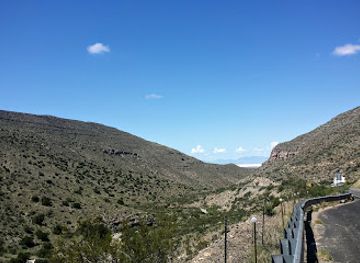
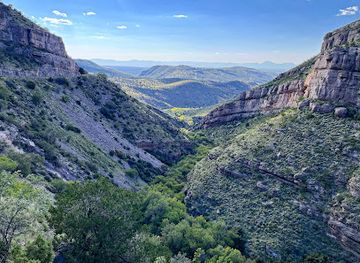
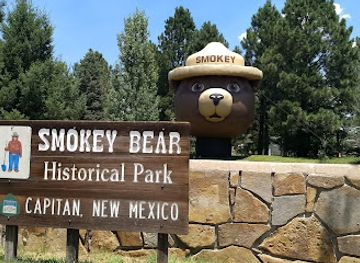
The Sacramento Mountains' most recognisable landmarks are closely tied to elevation, Indigenous presence and the history of access. Cloudcroft's historic village and surviving railway associations recall the steep timber line that helped open the high country to industry and tourism. The National Solar Observatory at Sunspot is a distinctive scientific landmark on the southern crest, where research facilities occupy a high, dry site overlooking the Tularosa Basin; it should not be confused with a conventional public observatory, and access may be limited. Ski Apache's mountain setting above Ruidoso is one of the region's most visible modern landmarks and lies on Mescalero Apache tribal land. The forested slopes themselves form the dominant geographical landmark, especially where dense pine gives way to open views over the desert basin. The Ruidoso River valley provides the principal natural corridor through the northern tourism area, while the high ridgelines around Cloudcroft and Sunspot reveal the dramatic boundary between mountain forest and Chihuahuan Desert. Nearby Capitan, outside the principal high range, is associated with the Smokey Bear Historical Park and can be visited as a related regional excursion rather than a Sacramento Mountains landmark.
-
Tourist attraction
McGinn's PistachioLand Home of the World's Largest Pistachio
Explore McGinn's PistachioLand in Alamogordo, NM – home to the world's largest pistachio and a delightful array of pistachio-themed treats and experiences.
-
Park
Smokey Bear Historical Park
Immerse yourself in the history of wildfire prevention at Smokey Bear Historical Park, a unique blend of education and nature in Capitan, New Mexico.
-
Historical landmark
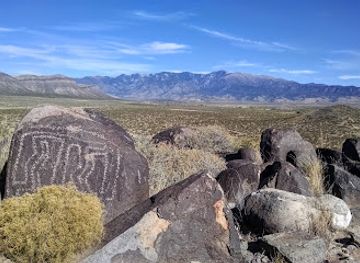
Three Rivers Petroglyph Site
Explore the Three Rivers Petroglyph Site, a treasure trove of ancient rock art set in the stunning landscapes of New Mexico, perfect for history lovers and outdoor enthusiasts.
-
Museum
Lincoln Historic Site
Experience the Wild West at Lincoln Historic Site, where history comes alive through original buildings and captivating stories from the past.
Explore Sacramento Mountains on the map
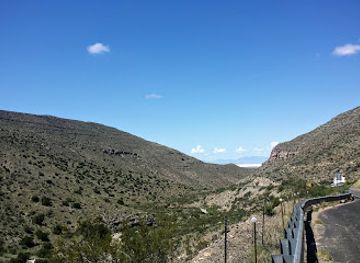
Plan your trip on one map. See where the top cities, national parks and sights are, and book hotels and experiences in a few clicks.
Best hotels in Sacramento Mountains
Best restaurants in Sacramento Mountains
Dining in the Sacramento Mountains combines New Mexican flavours with the informal character of mountain resort towns. Ruidoso has the broadest selection, including cafés, family restaurants, steakhouses, pizzerias and establishments serving chile-based dishes, enchiladas, burritos and other northern New Mexican staples. Cloudcroft's smaller scene centres on cafés, bakeries, casual restaurants and historic-inn dining, with menus shaped by visitors seeking warming food after time outdoors. In both towns, expect American comfort food, burgers and barbecue alongside local specialities; red and green chile are often available according to preference. Ruidoso's galleries and independent commercial areas also support coffee shops and dessert stops, while rural roads may have fewer services and limited evening choices. Farmers' markets and seasonal stands can provide local produce, baked goods and preserves, though availability varies. Tipping is customary in table-service restaurants in line with national US practice, and sales tax is generally added to displayed menu prices.
-
Resort hotel
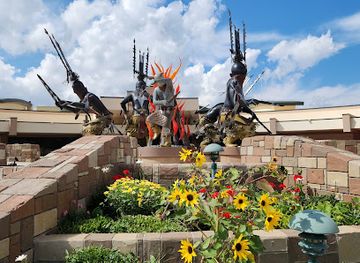
Inn of the Mountain Gods
Discover luxury and adventure at Inn of the Mountain Gods - your ultimate resort experience in Mescalero, New Mexico.
-
Brazilian
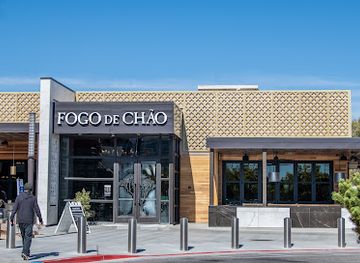
Fogo de Chão Brazilian Steakhouse
Experience authentic Brazilian churrasco at Fogo de Chão in Albuquerque – where every meal is a feast for the senses!
-
Hamburger
Sparkys
Discover Sparkys in Hatch, NM – where gourmet burgers meet mouthwatering barbecue in an inviting atmosphere.
-
Steak
K-Bob's Steakhouse and Catering
Experience the best steaks in Ruidoso at K-Bob's Steakhouse - where flavor meets tradition in every bite.
Best bars in Sacramento Mountains
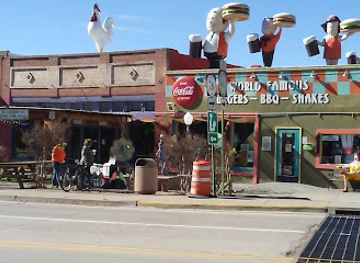
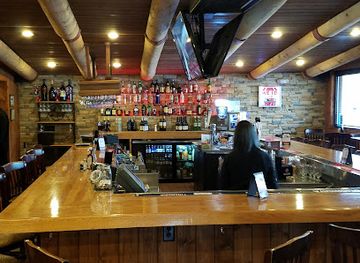
Evening life in the Sacramento Mountains is concentrated in Ruidoso and Cloudcroft and is generally relaxed rather than built around a large nightclub scene. Ruidoso offers sports bars, breweries, cocktail-led venues, restaurants with bars and occasional live music, with busier periods during holidays, races and major mountain events. Cloudcroft's evening character is more closely associated with traditional pubs, historic inns, casual bars and small live-music settings. Visitors may also find locally produced beer and spirits in the wider region, but opening arrangements and entertainment schedules change frequently. In smaller settlements, restaurants and accommodation venues may provide the main after-dark options, and rural distances make driving after drinking particularly unwise. The most dependable approach is to check locally for current performances and to arrange a taxi, designated driver or accommodation within walking distance.
-
Steak
K-Bob's Steakhouse and Catering
Experience the best of steak dining at K-Bob's Steakhouse in Ruidoso, NM - a family-friendly destination with hearty portions and warm hospitality.
-
Grill
The Mine Shaft Tavern & Cantina
Experience the heart of Madrid, New Mexico, at The Mine Shaft Tavern & Cantina, where rustic charm meets vibrant local culture and delicious grill cuisine.
-
Grill
Anaheim Jacks
Experience the vibrant flavors of Anaheim Jacks, a premier grill and sports bar in Ruidoso, New Mexico, offering delicious burgers and local craft brews.
-
Barbecue
Mad Jack's Mountaintop Barbecue
Discover the ultimate barbecue experience at Mad Jack's Mountaintop Barbecue in Cloudcroft, NM, where flavor meets stunning mountain views.

Best nightclubs in Sacramento Mountains
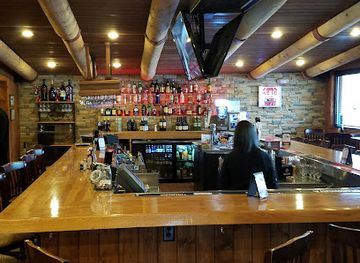
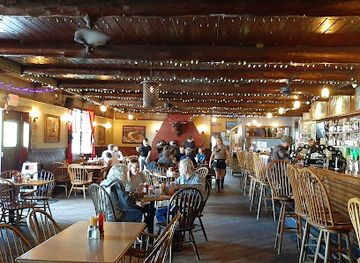
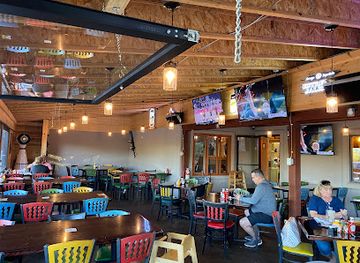
Evening life in the Sacramento Mountains is concentrated in Ruidoso and Cloudcroft and is generally relaxed rather than built around a large nightclub scene. Ruidoso offers sports bars, breweries, cocktail-led venues, restaurants with bars and occasional live music, with busier periods during holidays, races and major mountain events. Cloudcroft's evening character is more closely associated with traditional pubs, historic inns, casual bars and small live-music settings. Visitors may also find locally produced beer and spirits in the wider region, but opening arrangements and entertainment schedules change frequently. In smaller settlements, restaurants and accommodation venues may provide the main after-dark options, and rural distances make driving after drinking particularly unwise. The most dependable approach is to check locally for current performances and to arrange a taxi, designated driver or accommodation within walking distance.
-
Pub
No Scum Allowed Saloon
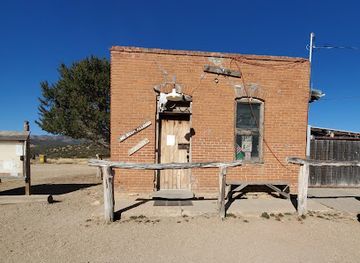
Discover the historic No Scum Allowed Saloon in White Oaks, NM – a charming pub offering a taste of the Old West with local beers and a friendly atmosphere.
-
Night club
Cake Nightclub
Discover the vibrant nightlife of Albuquerque at Cake Nightclub, where music and energy unite for unforgettable nights out.
-
Night club
Effex NightClub
Experience the vibrant nightlife at Effex NightClub in Albuquerque, blending cocktails, dance, and live music in one unforgettable venue.
-
Night club
Cananas
Experience the vibrant nightlife of Albuquerque at Cananas, a lively night club and bar offering music, dance, and delicious drinks.



Best shops in Sacramento Mountains
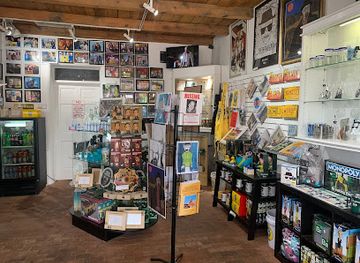
Shopping in the Sacramento Mountains is centred on independent high-street businesses, galleries, craft outlets and practical outdoor suppliers rather than large retail complexes. Ruidoso has the widest choice, with art galleries, western-inspired goods, jewellery, home décor, books, clothing and souvenirs reflecting the area's mountain-resort character. Cloudcroft offers a smaller selection of local shops, antiques, gifts, crafts and food products, often concentrated around its historic village centre. Visitors may find pottery, woodwork, photography, textiles and artwork inspired by the surrounding forests, wildlife and desert views, but quality and stock vary between shops. Farmers' markets and seasonal roadside stands can offer baked goods, preserves, produce and other local items when operating. Products connected with the Mescalero Apache community should be purchased through legitimate, authorised channels, and visitors should never remove artefacts or natural objects from public or tribal land. For everyday supplies, Ruidoso is the region's most reliable shopping base.
-
Gift shop
The Breaking Bad Store ABQ
Discover the ultimate destination for Breaking Bad memorabilia and unique gifts in Albuquerque, New Mexico.
-
Cannabis store
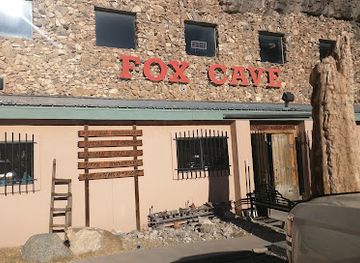
Weed World at Fox Cave Dispensary Consumption Lounge and Gift Shop over 3,000 pipes in stock!
Explore Weed World in Ruidoso Downs: A cannabis store, art gallery, and collectible haven with over 3,000 unique pipes and gifts.
-
Gift shop
TeePee Curios
Explore the charm of TeePee Curios, a treasure trove of unique gifts and local art along the historic Route 66 in Tucumcari, NM.
-
Home goods store
Camino 66
Explore the unique southwestern charm at Camino 66, Albuquerque's go-to destination for home goods and folk art treasures.


Get your free copy of our complete guide to Sacramento Mountains, delivered straight to you.
Everything on this page, from attractions and restaurants to essentials and local phrases, in one PDF you can read offline, print or share.
Already have an account? Sign in
Your Sacramento Mountains guide is ready.
We'll send it to · Not you? Sign out

Getting your guide ready…
We are putting together a fresh copy of the Sacramento Mountains guide. This can take up to a minute.
This can take a few moments. If your browser asks, choose Allow so the download can start. You'll find the guide in your Downloads folder.
Nothing happened? Download it again
Sorry, the guide is taking longer than usual. Please try again in a minute, or get it by email instead.
Sacramento Mountains essentials
Currency and Payment
Safety
Emergency Situations
Do's and Don'ts
Local Tips
From Eve
Local phrases worth knowing
You don't need to get them perfect. A few words go a long way, and locals appreciate the effort.
Basics
| English | Local | Say it |
|---|---|---|
| Hello | Hola | [Oh-lah] |
| Goodbye | Adiós | [Ah-dee-ohs] |
| Yes | Sí | [See] |
| No | No | [No] |
| Please/You're welcome | Por favor/De nada | [Por fah-vor/Dey nah-dah] |
| Thank you | Gracias | [Grah-see-ahs] |
| Excuse me/Sorry | Perdón | [Per-dohn] |
| How are you? | ¿Cómo estás? | [Koh-moh es-tahs] |
| Fine. And you? | Bien. ¿Y tú? | [Byen. Ee too] |
| Do you speak English? | ¿Hablas inglés? | [Ah-blahs een-glehs] |
| I don't understand | No entiendo | [No en-tyen-doh] |
Eating & Drinking
| English | Local | Say it |
|---|---|---|
| I'd like to see the menu, please | Me gustaría ver el menú, por favor | [Meh goo-stah-ree-ah vehr el meh-noo, por fah-vor] |
| I don't eat meat | No como carne | [No koh-moh kar-neh] |
| Cheers! | ¡Salud! | [Sah-lood] |
| I would like to pay, please | Me gustaría pagar, por favor | [Meh goo-stah-ree-ah pah-gar, por fah-vor] |
Emergencies
| English | Local | Say it |
|---|---|---|
| Help! | ¡Ayuda! | [Ah-yoo-dah] |
| Go away! | ¡Vete! | [Veh-teh] |
| Call the Police! | ¡Llama a la policía! | [Yah-mah ah lah poh-lee-syah] |
| Call a doctor! | ¡Llama a un doctor! | [Yah-mah ah oon dok-tor] |
| I'm lost | Estoy perdido | [Es-toy per-dee-doh] |
| I'm ill | Estoy enfermo/enferma | [Es-toy en-fer-mo/en-fer-mah] |
Shopping
| English | Local | Say it |
|---|---|---|
| I'd like to buy... | Me gustaría comprar... | [Meh goo-stah-ree-ah kom-prar] |
| I'm just looking | Solo estoy mirando | [So-lo es-toy mee-ran-do] |
| How much is it? | ¿Cuánto cuesta? | [Kwan-toh kwes-tah] |
| That's too expensive | Es muy caro | [Es moo-ee kah-roh] |
| Can you lower the price? | ¿Puedes bajar el precio? | [Pweh-des bah-har el preh-syo] |
Time & Numbers
| English | Local | Say it |
|---|---|---|
| What time is it? | ¿Qué hora es? | [Keh oh-rah es] |
| It's one o'clock | Es la una | [Es lah oo-nah] |
| Half past (10) | Y diez y media | [Ee dyas ee meh-dee-ah] |
| Morning | Mañana | [Mah-nyah-nah] |
| Afternoon | Tarde | [Tar-deh] |
| Evening | Noche | [No-cheh] |
| Yesterday | Ayer | [Ah-yer] |
| Today | Hoy | [Oy] |
| Tomorrow | Mañana | [Mah-nyah-nah] |
| 1 | Uno | [Oo-no] |
| 2 | Dos | [Dos] |
| 3 | Tres | [Tres] |
| 4 | Cuatro | [Kwah-tro] |
| 5 | Cinco | [Seen-koh] |
| 6 | Seis | [Says] |
| 7 | Siete | [Syay-teh] |
| 8 | Ocho | [Oh-cho] |
| 9 | Nueve | [Nweh-veh] |
| 10 | Diez | [Dyas] |
Transport & Directions
| English | Local | Say it |
|---|---|---|
| Where's a/the...? | ¿Dónde está...? | [Dohn-deh es-tah] |
| What's the address? | ¿Cuál es la dirección? | [Kwahl es lah dee-rek-syon] |
| Can you show me (on the map)? | ¿Puedes mostrarme (en el mapa)? | [Pweh-des mos-trar-meh (en el mah-pah)] |
| When's the next (bus)? | ¿Cuándo es el próximo (autobús)? | [Kwan-doh es el prok-si-mo (ow-toh-boos)] |
| A ticket (to ....) | Un boleto (a ....) | [Oon boh-leh-toh (ah ....)] |
History of Sacramento Mountains
Mescalero Apache Homelands
The Sacramento Mountains form part of the homeland of the Mescalero Apache, whose communities have maintained cultural connections with the region's forests, mountains and watercourses for generations. The Mescalero Apache Reservation was established in the nineteenth century and remains a sovereign tribal community within New Mexico. Its land includes forested mountain country, the slopes above Ruidoso and important cultural places. Visitors should understand that tribal governance, access rules and cultural protocols apply on the reservation; not every landscape or site is a public attraction. Mescalero Apache history is not only a subject of the past but a continuing presence in the region.
Spanish and Mexican Frontier Influence
Before the range became a major mountain resort, the Sacramento Mountains lay within the wider frontier world shaped by Spanish colonial expansion, Mexican rule and later United States settlement. Routes across southern New Mexico connected communities, ranching country and mining districts, although the high forest itself remained difficult to access. Place names and surviving settlement patterns reflect overlapping Indigenous, Hispanic and Anglo-American histories. The region's later development therefore took place on an already inhabited and travelled landscape rather than in an empty wilderness.
Logging and the Cloudcroft Railway
Commercial transformation accelerated in the late nineteenth century when timber became a major resource. The El Paso and Northeastern Railway reached the high country in the 1890s, and a steep logging line was built to connect Alamogordo with Cloudcroft. The railway made it practical to move mountain timber to the desert-edge town and also helped establish Cloudcroft as a summer resort. Much of the line disappeared after changes in the timber industry, but railway structures, historic interpretation and the town's layout preserve the memory of this formative period.
Cloudcroft as a Mountain Resort
Cloudcroft developed from a timber settlement into a high-elevation retreat as visitors from the hotter surrounding lowlands sought cooler air and forest scenery. Hotels, cabins and recreational facilities followed the railway and road connections, giving the village a long association with summer tourism. The resort tradition shaped the mountain economy alongside forestry and ranching. Today, Cloudcroft's historic character, trail access and winter activities reflect this layered evolution from industrial outpost to year-round visitor centre.
Ruidoso and the Modern Tourism Economy
Ruidoso grew from a small mountain settlement into the principal commercial and accommodation centre of the Sacramento Mountains. Improved roads in the twentieth century brought greater access from southern New Mexico and west Texas, while holiday homes, outdoor recreation, horse racing and hospitality became increasingly important. The community's growth followed the Ruidoso River corridor and linked the surrounding villages more closely. Modern tourism remains closely tied to the natural setting, but it also depends on careful management of water, forests, roads and wildfire risk.
Science at Sacramento Peak
The clear, dry atmosphere above the southern Sacramento Mountains attracted astronomical research in the twentieth century. The National Solar Observatory at Sunspot, historically known as Sacramento Peak Observatory, became an important centre for observing the Sun and studying solar activity. Its presence added scientific research to the region's established timber, recreation and Indigenous histories. The observatory's high-altitude setting also demonstrates why the Sacramento Mountains matter beyond tourism: elevation, low humidity and relatively dark skies create valuable conditions for research.
Conservation, Wildfire and Forest Stewardship
Much of the mountain landscape is managed within Lincoln National Forest, where conservation, recreation, wildlife habitat and working landscapes meet. Repeated droughts, insect damage and severe wildfires have made forest stewardship a defining contemporary issue. Fires such as the 2012 Little Bear Fire affected communities and watersheds around the range and reinforced the importance of evacuation planning, fuel management and changing visitor restrictions. The modern history of the Sacramento Mountains is therefore also a story of adapting human settlement and recreation to a fire-prone mountain environment.
Sacramento Mountains in Photos
Browse through our photo collection highlighting the charm and character of the destination.
Neighbouring regions of Sacramento Mountains
The closest regions to Sacramento Mountains, if you have time for more than one.
-

-

-
 Southeast New Mexico
Explore Southeast New Mexico for Carlsbad Caverns, desert wildlife, Roswell UFO history, oil-country towns and the pine forests of the Sacramento Mountains.
Southeast New Mexico
Explore Southeast New Mexico for Carlsbad Caverns, desert wildlife, Roswell UFO history, oil-country towns and the pine forests of the Sacramento Mountains.
-

-


Swipe for more regions
Explore more

Explore more of New Mexico
Discover the enchanting blend of rich history, diverse cultures, and stunning landscapes in New Mexico, the Land of Enchantment, where adventure and relaxation await.
Explore New Mexico