

Chihuahuan Desert, New Mexico Travel Guide
Discover the Chihuahuan Desert in New Mexico: A vast landscape of natural beauty, unique wildlife, and rich cultural history, perfect for adventure and exploration.
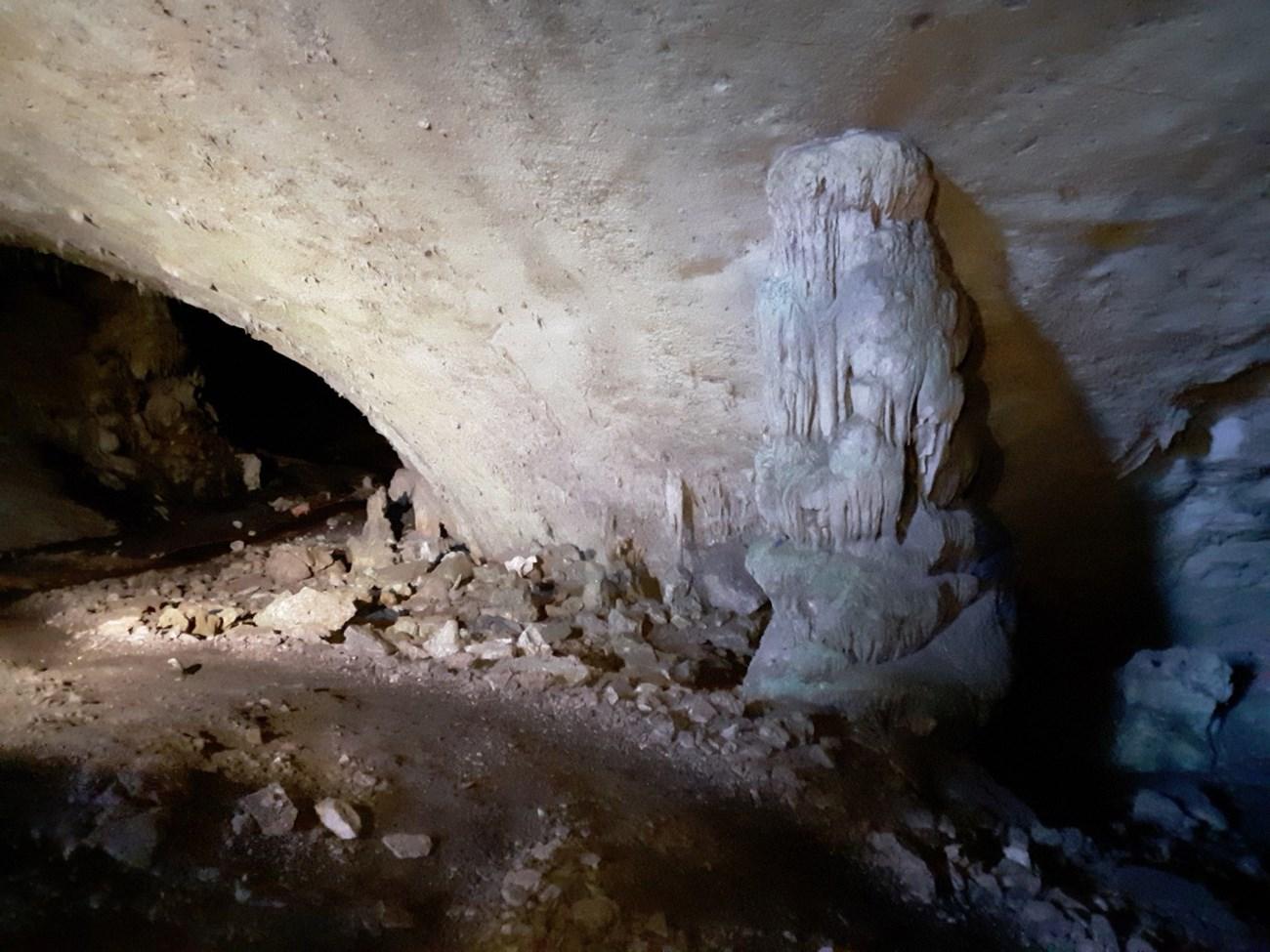
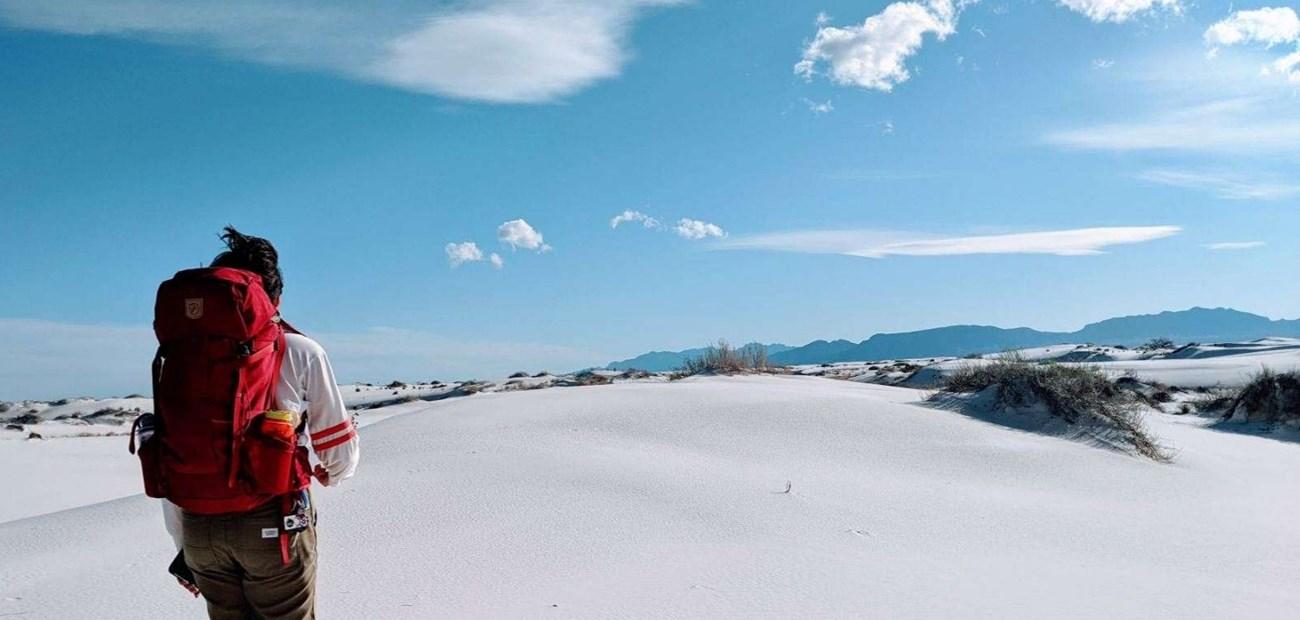
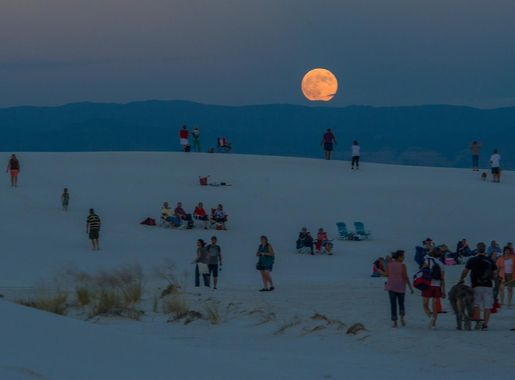
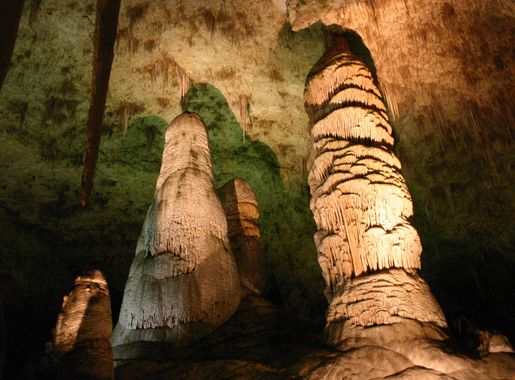
The Chihuahuan Desert in New Mexico is a vast and breathtaking landscape, spanning over 140,000 square miles. This desert, the largest in North America, is a treasure trove for nature lovers and adventure seekers. With its unique flora and fauna, the Chihuahuan Desert offers a rare glimpse into a world where life thrives against the odds. You will find a variety of plants like the agave and yucca, which have adapted to the harsh conditions. Wildlife enthusiasts will be thrilled to spot animals such as the roadrunner, javelina, and even the elusive mountain lion. The desert landscape is a canvas of dramatic contrasts, featuring towering mountains, sprawling plains, and hidden canyons. One of the highlights is the White Sands National Park, where you can marvel at the world's largest gypsum dune field. The park offers a range of activities, including hiking, sand sledding, and mesmerizing sunset views. Another must-visit is Carlsbad Caverns National Park, home to over 119 caves formed by sulfuric acid dissolution. The Big Room, a massive underground chamber, will leave you awestruck with its stunning formations and sheer size. For those interested in the cultural and historical aspects, the Chihuahuan Desert does not disappoint. The region is rich in Native American history, with numerous archaeological sites and petroglyphs that offer a glimpse into the lives of the early inhabitants. The desert also played a significant role in the history of the American Southwest, serving as a corridor for explorers, traders, and settlers. Today, you can explore historic towns like Mesilla, where you can stroll through charming streets, dine at local eateries, and shop for unique souvenirs.

Know before you go
Hi, I'm Eve. Here are a few practical things to know before exploring Chihuahuan Desert.
- Visit during the cooler months (October to April) to avoid extreme heat.
- Bring plenty of water, sunscreen, and a hat to protect yourself from the sun.
- Wear sturdy hiking boots for exploring rugged terrain.
- Check the weather forecast before heading out, as conditions can change rapidly.
- Respect the wildlife and natural environment; do not disturb plants or animals.
- Consider guided tours for a more informative and safe experience.
Top City Travel Guides in Chihuahuan Desert
The cities of Chihuahuan Desert, and the easiest places to base yourself.


Destinations in Chihuahuan Desert
Resorts, valleys and scenic spots worth a trip of their own.


Explore Chihuahuan Desert: Things to Do, Places to Eat, Hotels & More
Handpicked recommendations for top attractions, local dining, accommodations, and more

Top Attractions & Sightseeing in Chihuahuan Desert
Top-rated picks
Best Attractions

White Sands National Park
Experience the otherworldly beauty of White Sands National Park – a natural marvel of gleaming white gypsum dunes in New Mexico.

Carlsbad Caverns National Park
Discover the breathtaking underground world of Carlsbad Caverns National Park, a UNESCO World Heritage site in New Mexico, filled with stunning formations and rich wildlife.

Santa Fe Plaza
Explore Santa Fe Plaza, a historical landmark rich in culture, art, and tradition, nestled in the heart of New Mexico's vibrant capital.

Sunland Park Racetrack & Casino
Discover the excitement of Sunland Park Racetrack & Casino, where thrilling horse races and vibrant entertainment await every visitor in New Mexico.

Best landmarks in Chihuahuan Desert
Top-rated picks
Best Landmarks

White Sands National Park
Experience the stunning beauty of White Sands National Park, where vast gypsum dunes meet adventure in New Mexico's breathtaking landscape.

Carlsbad Caverns National Park
Discover the stunning beauty and geological wonders of Carlsbad Caverns National Park, a UNESCO World Heritage Site in New Mexico.

Santuario de Chimayo
Discover the spiritual beauty of Santuario de Chimayo, a historic shrine in New Mexico known for its healing earth and rich cultural heritage.

Bandelier National Monument
Discover the ancient cliff dwellings and stunning landscapes of Bandelier National Monument, a cultural gem in New Mexico that intertwines history with natural beauty.

Best restaurants in Chihuahuan Desert
Top-rated picks
Best Restaurants

Cattleman's Steakhouse at Indian Cliffs Ranch
Discover the flavors of Texas at Cattleman's Steakhouse—where premium steaks meet exquisite dining in Fabens.

Sparkys
Discover the best burgers and barbecue at Sparky's in Hatch, NM - where flavor meets tradition!

The Mine Shaft Tavern & Cantina
Experience the vibrant atmosphere and delicious grill fare at The Mine Shaft Tavern & Cantina in Madrid, NM - A must-visit culinary gem!

Yellow Brix Restaurant
Discover delicious family-friendly dining at Yellow Brix Restaurant in Carlsbad, NM - offering gluten-free, vegan & vegetarian options for everyone.

Best bars in Chihuahuan Desert
Top-rated picks
Best Bars

The Mine Shaft Tavern & Cantina
Experience the vibrant flavors and rustic charm of The Mine Shaft Tavern & Cantina, a must-visit grill in Madrid, New Mexico.

The Alley Cantina
Discover The Alley Cantina in Taos, New Mexico - a lively bar and restaurant offering delicious American and Mexican cuisine with live music entertainment.

Farley's Food Fun & Pub
Experience the vibrant atmosphere of Farley's Food Fun & Pub, Ruidoso's favorite bar and restaurant for food, drinks, and local entertainment.

Ardovino's Desert Crossing
Experience the essence of Italian cuisine at Ardovino's Desert Crossing, a premier dining destination in Sunland Park, New Mexico.

Best nightclubs in Chihuahuan Desert
Top-rated picks
Best Nightclubs

The Dirty Bourbon
Experience Albuquerque's vibrant nightlife at The Dirty Bourbon, a lively bar and dance hall with great music and a welcoming atmosphere.

Blue Moon Bar & Grill
Discover the lively Blue Moon Bar & Grill in Las Cruces, NM, where delicious cuisine meets vibrant nightlife and live music.

Palacio Bar Since 1936
Discover the historic and lively Palacio Bar Since 1936 in Mesilla, NM, where vibrant nightlife meets rich cultural heritage.

Tequilas Discoteque
Discover the vibrant nightlife at Tequilas Discoteque, where every night is an unforgettable celebration filled with music, dancing, and great drinks.

Best shops in Chihuahuan Desert
Top-rated picks
Best Shops

Bosque del Apache National Wildlife Refuge Visitor Center
Discover the breathtaking beauty and wildlife of Bosque del Apache National Wildlife Refuge, a premier destination for nature enthusiasts and birdwatchers.

Living Desert Zoo & Gardens State Park
Discover the vibrant flora and fauna of the Chihuahuan Desert at Living Desert Zoo & Gardens State Park, a captivating natural wonder in New Mexico.

New Mexico Farm & Ranch Heritage Museum
Explore New Mexico's agricultural legacy at the Farm & Ranch Heritage Museum, where history, culture, and hands-on experiences come together.

The Breaking Bad Store ABQ
Explore the iconic Breaking Bad Store in Albuquerque for exclusive merchandise and a glimpse into the world of the legendary series.

Explore Chihuahuan Desert on the Map
A handpicked selection of must-see spots in Chihuahuan Desert, mapped for you.
Chihuahuan Desert Essentials
-
The Chihuahuan Desert in New Mexico can be accessed primarily via two major airports: El Paso International Airport (ELP) in Texas and Albuquerque International Sunport (ABQ) in New Mexico. From El Paso, it is a short drive to the New Mexico border and the desert regions. From Albuquerque, you will need to drive south, a journey that typically takes around 3-4 hours. Alternatively, you can also consider taking a bus or renting a car for more flexibility.
-
Transportation within the Chihuahuan Desert region is best managed by renting a car. Public transportation options are limited and often do not reach the more remote areas of the desert. If you prefer guided tours, several companies offer excursions to key attractions. For short distances within towns, taxis and rideshare services like Uber and Lyft are available, but their availability may be limited in more isolated areas.
-
The official currency in the United States is the US Dollar (USD). Credit and debit cards are widely accepted in most establishments, including hotels, restaurants, and shops. However, it is advisable to carry some cash, especially if you plan to visit remote areas where card payments may not be possible. ATMs are available in towns and cities, but might be scarce in rural areas.
-
The Chihuahuan Desert is generally a safe destination for tourists. However, it's important to take standard safety precautions. Avoid isolated areas at night, keep an eye on your belongings, and stay hydrated as the desert climate can be extremely dry. There are no specific high-crime areas targeting tourists, but it's always best to remain vigilant. Be aware of wildlife and stay on designated trails.
-
In case of an emergency, dial 911 for immediate assistance. For non-urgent medical issues, clinics and hospitals are available in larger towns such as Las Cruces and Alamogordo. It is highly recommended to carry a first aid kit and have travel insurance that covers medical emergencies. For minor health issues, pharmacies are available in towns where you can purchase over-the-counter medications.
-
Fashion: Do wear lightweight, breathable clothing and sturdy shoes suitable for hiking. Don’t forget a hat and sunglasses to protect yourself from the sun. Religion: Do respect local customs and traditions, although the area is not particularly known for religious conservatism. Public Transport: Do plan your trips as public transport options are limited. Don’t rely solely on public transport for remote areas. Greetings: Do greet people with a friendly 'hello' or 'hi.' Don’t be overly formal; a handshake is generally sufficient. Eating & Drinking: Do try local cuisine, and always carry plenty of water. Don’t forget to pack out all trash to keep the desert clean.
-
To experience the Chihuahuan Desert like a local, consider visiting the small towns and interacting with the residents. Local markets and diners offer a taste of local life and cuisine. Enjoy activities such as hiking, bird watching, and stargazing, which are popular among locals. Visit White Sands National Park for its unique gypsum sand dunes and Carlsbad Caverns for its stunning cave formations. Don’t miss the opportunity to learn about the region’s rich Native American history and culture.
When is the best time to visit Chihuahuan Desert?
Useful Local Phrases for Chihuahuan Desert
You don't need to speak the language perfectly. Even learning a few simple words can make conversations warmer—and locals usually appreciate the effort.
— Eve

Here are the phrases I use most often in Chihuahuan Desert. Try a few—you'll be surprised how far they go! 😊
❤️
-
- HelloHola
[OH-lah] - GoodbyeAdiós
[ah-DYOS] - YesSí
[SEE] - NoNo
[NO] - Please/You're welcomePor favor
[por fah-VOR] - Thank youGracias
[GRAH-syahs] - Excuse me/SorryDisculpa
[dees-KOOL-pah] - How are you?¿Cómo estás?
[KOH-moh es-TAS] - Fine. And you?Bien. ¿Y tú?
[BYEN. ee TOO] - Do you speak English?¿Hablas inglés?
[AH-blas een-GLES] - I don't understandNo entiendo
[NO en-TEE-en-doh]
- HelloHola
-
- I'd like to see the menu, pleaseMe gustaría ver el menú, por favor
[meh goos-tah-REE-ah ver el meh-NOO, por fah-VOR] - I don't eat meatNo como carne
[NO KOH-mo KAR-neh] - Cheers!¡Salud!
[sah-LOOD] - I would like to pay, pleaseMe gustaría pagar, por favor
[meh goos-tah-REE-ah pah-GAR, por fah-VOR]
- I'd like to see the menu, pleaseMe gustaría ver el menú, por favor
-
- Help!¡Ayuda!
[ah-YOO-dah] - Go away!¡Vete!
[VEH-teh] - Call the Police!¡Llama a la policía!
[YAH-mah ah lah poh-lee-SEE-ah] - Call a doctor!¡Llama a un doctor!
[YAH-mah ah oon dok-TOR] - I'm lostEstoy perdido
[es-TOY per-DEE-doh] - I'm illEstoy enfermo
[es-TOY en-FER-mo]
- Help!¡Ayuda!
-
- I'd like to buy...Me gustaría comprar...
[meh goos-tah-REE-ah kom-PRAR] - I'm just lookingSolo estoy mirando
[SO-lo es-TOY mee-RAN-doh] - How much is it?¿Cuánto cuesta?
[KWAN-to KWEH-stah] - That's too expensiveEso es muy caro
[EH-so es MOY KAH-ro] - Can you lower the price?¿Puedes bajar el precio?
[PWEH-des bah-HAR el PREH-syo]
- I'd like to buy...Me gustaría comprar...
-
- What time is it?¿Qué hora es?
[KEH OH-rah es] - It's one o'clockEs la una
[es lah OO-nah] - Half past (10)Y diez y media
[ee DYESS ee MEH-dyah] - MorningMañana
[ma-NYAH-nah] - AfternoonTarde
[TAR-deh] - EveningNoche
[NO-cheh] - YesterdayAyer
[ah-YER] - TodayHoy
[OY] - TomorrowMañana
[ma-NYAH-nah] - 1Uno
[OO-no] - 2Dos
[DOS] - 3Tres
[TRES] - 4Cuatro
[KWAH-tro] - 5Cinco
[SEEN-koh] - 6Seis
[SAYS] - 7Siete
[SYEH-teh] - 8Ocho
[OH-cho] - 9Nueve
[NWEH-veh] - 10Diez
[DYESS]
- What time is it?¿Qué hora es?
-
- Where's a/the...?¿Dónde está...?
[DON-deh es-TAH] - What's the address?¿Cuál es la dirección?
[KWAL es lah dee-rek-SYON] - Can you show me (on the map)?¿Puedes mostrarme (en el mapa)?
[PWEH-des mos-TRAR-meh (en el MAH-pah)] - When's the next (bus)?¿Cuándo es el próximo (autobús)?
[KWAN-do es el PROK-see-mo (ow-toh-BOOS)] - A ticket (to ....)Un boleto (a ...)
[oon boh-LEH-to (ah ...)]
- Where's a/the...?¿Dónde está...?
History of Chihuahuan Desert
-
Long before European settlers arrived, the Chihuahuan Desert was home to various indigenous tribes, including the Mogollon and the Jornada Mogollon cultures. These early inhabitants left behind intricate petroglyphs, pottery, and ruins of their cliff dwellings, which can still be explored today.
-
In the late 16th century, Spanish explorers, including Francisco Vásquez de Coronado, ventured into the Chihuahuan Desert in search of wealth and new territories. Their expeditions marked the beginning of European influence in the region, leading to the spread of Christianity and the establishment of missions.
-
In the mid-19th century, the Butterfield Overland Mail Route passed through the Chihuahuan Desert, connecting St. Louis, Missouri, to San Francisco, California. This vital communication link helped facilitate westward expansion and played a significant role in the development of the American frontier.
-
The Chihuahuan Desert was a battleground during the Apache Wars, which spanned several decades in the 19th century. Apache leaders like Victorio and Geronimo led resistance against the U.S. military and settlers, fighting to preserve their land and way of life. The conflicts left a lasting impact on the region's history.
-
Established during World War II, the White Sands Missile Range in the Chihuahuan Desert became a crucial site for military testing and research. It was here that the first atomic bomb, known as the Trinity Test, was detonated in 1945, marking a pivotal moment in world history.
-
Today, the Chihuahuan Desert is a vibrant tapestry of cultural traditions. Annual events like the Hatch Chile Festival celebrate the region's agricultural heritage, while indigenous ceremonies and modern festivities showcase the diverse cultural influences that have shaped the area.
Neighbouring Regions of Chihuahuan Desert
The closest regions to Chihuahuan Desert, if you have time for more than one.



Your all‑in‑one travel companion app
Explore expert travel guides, compare and book tours, experiences, hotels, and more—all from the palm of your hand. Download now for seamless trip planning wherever your wanderlust takes you.


Explore More of New Mexico

Looking beyond Chihuahuan Desert? Discover New Mexico for broader travel guides, local hot-spots, and regional highlights.
Explore New MexicoChihuahuan Desert in Photos
Browse through our photo collection highlighting the charm and character of the destination.





The Majestic Chihuahuan Desert: New Mexico's Hidden Gem
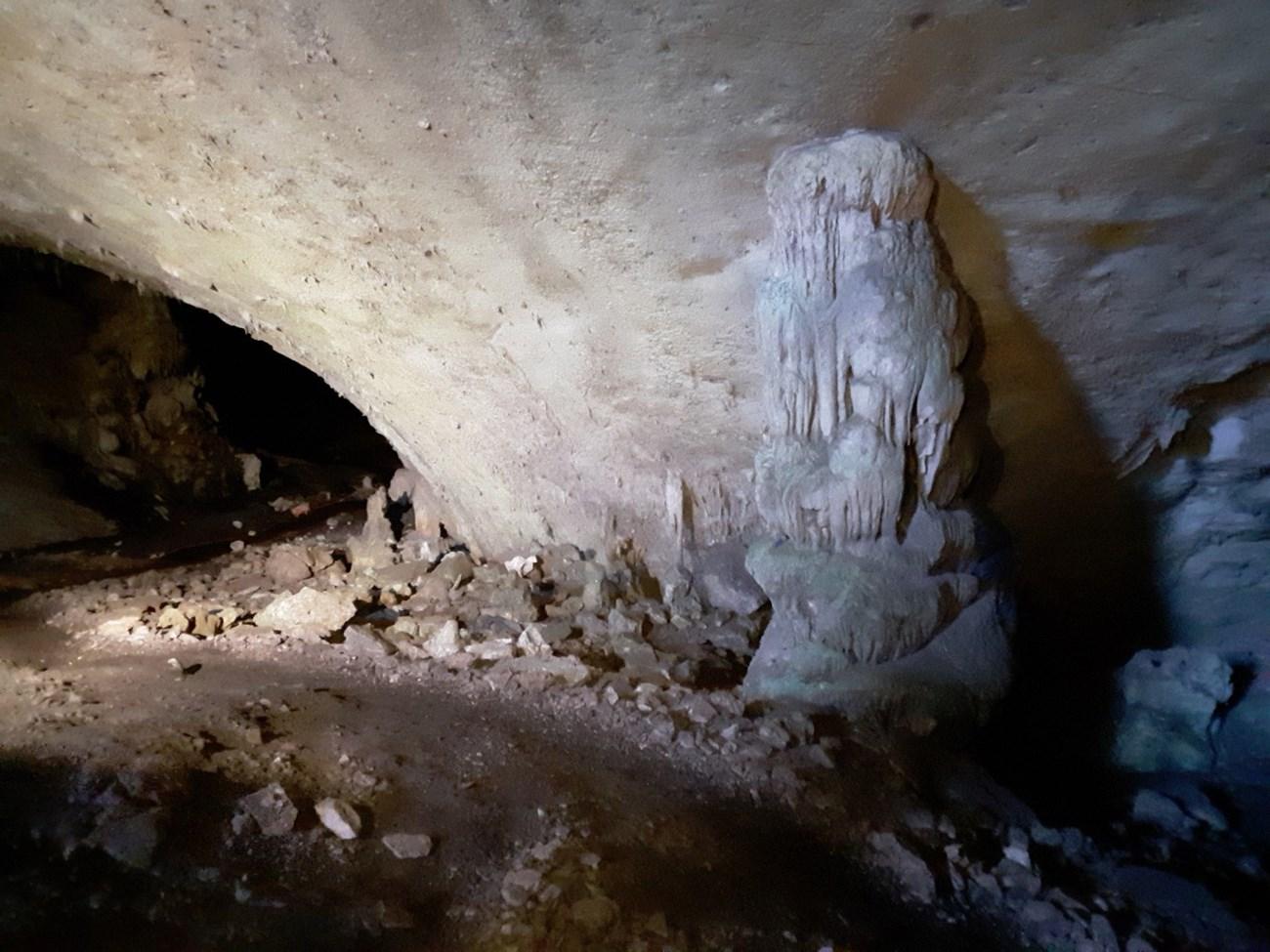
The Chihuahuan Desert in New Mexico is a vast and breathtaking landscape, spanning over 140,000 square miles. This desert, the largest in North America, is a treasure trove for nature lovers and adventure seekers. With its unique flora and fauna, the Chihuahuan Desert offers a rare glimpse into a world where life thrives against the odds. You will find a variety of plants like the agave and yucca, which have adapted to the harsh conditions. Wildlife enthusiasts will be thrilled to spot animals such as the roadrunner, javelina, and even the elusive mountain lion. The desert landscape is a canvas of dramatic contrasts, featuring towering mountains, sprawling plains, and hidden canyons. One of the highlights is the White Sands National Park, where you can marvel at the world's largest gypsum dune field. The park offers a range of activities, including hiking, sand sledding, and mesmerizing sunset views. Another must-visit is Carlsbad Caverns National Park, home to over 119 caves formed by sulfuric acid dissolution. The Big Room, a massive underground chamber, will leave you awestruck with its stunning formations and sheer size. For those interested in the cultural and historical aspects, the Chihuahuan Desert does not disappoint. The region is rich in Native American history, with numerous archaeological sites and petroglyphs that offer a glimpse into the lives of the early inhabitants. The desert also played a significant role in the history of the American Southwest, serving as a corridor for explorers, traders, and settlers. Today, you can explore historic towns like Mesilla, where you can stroll through charming streets, dine at local eateries, and shop for unique souvenirs.