

Free Manzano Mountains Travel Guide & Mobile App
Explore Manzano Mountains with free travel guides. Discover regional history, expert tips, proposed trips, and audio guides on web or mobile app.


Explore New Mexico's Manzano Mountains for pine forests, high-desert views, autumn colour, historic villages and rewarding hiking near Albuquerque.
Read more about Manzano Mountains
Getting to and around Manzano Mountains
How to get there
Transportation
Best attractions in Manzano Mountains
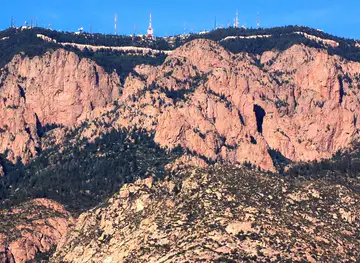
The Manzano Mountains' principal attraction is the forested public-land landscape of the Cibola National Forest, where hiking, camping, wildlife watching and scenic driving replace the concentrated visitor infrastructure found in New Mexico's larger resort areas. Trails lead through piñon-juniper foothills and ponderosa pine forest towards open ridges, with more demanding routes approaching Manzano Peak and the crest. Fourth of July Canyon is particularly known for seasonal colour, especially when aspen and other deciduous trees turn in autumn, although access and road conditions should be checked before travelling. Developed recreation areas provide selected places for picnicking and camping, while dispersed opportunities depend on current regulations and fire restrictions. The villages of Manzano and Torreon add adobe architecture, agricultural landscapes and local religious heritage to the mountain experience. Mountainair, on the eastern side of the range, is a useful cultural and practical base, and the nearby Salinas Pueblo Missions National Monument offers important Pueblo and Spanish colonial history, though it is outside the mountains themselves. The attraction landscape is therefore defined by distance, elevation and changing environments: desert-edge settlements below, cool forest and broad views above, and a need for independent planning between locations.
-
Tourist attraction
Sandia Peak Tramway
Experience breathtaking views and outdoor adventures at the Sandia Peak Tramway, one of the longest aerial tramways in the world.
-
Natural history museum
New Mexico Museum of Natural History and Science
Explore the rich natural history and science of New Mexico at the New Mexico Museum of Natural History and Science in Albuquerque.
-
Science museum
National Museum of Nuclear Science & History
Explore the National Museum of Nuclear Science & History in Albuquerque - a journey through the atomic age and its profound impact on our world.
-
Amusement park
Cliff's Amusement Park
Experience the thrills and chills of Cliff's Amusement Park, Albuquerque's premier destination for family fun and adventure in New Mexico.


Best landmarks in Manzano Mountains
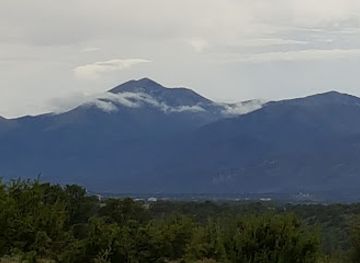
Manzano Peak, rising to roughly 10,000 feet on the range's crest, is the principal high-country landmark and gives the mountains their most commanding internal destination, although reaching it requires a serious hike rather than a roadside visit. The long wooded ridgeline itself is a defining geographical feature, standing above the open plains and agricultural lands of central New Mexico. Fourth of July Canyon is a recognisable natural feature for its steep-sided woodland setting and autumn colour. In the foothills, the village of Manzano and its historic adobe religious architecture express the Spanish-speaking agricultural heritage of the area, while Torreon retains the character of a small rural community shaped by farming and mountain access. The contrast between these settlements and the high forest is as important as any single monument. For wider historical context, the mission ruins of Gran Quivira and the other Salinas Pueblo Missions near Mountainair are major landmarks of the surrounding region, but they should be described accurately as outside the Manzano range rather than as mountain landmarks.
-
Tourist attraction
#AbqTours - History & GHOST Tours of Old Town
Uncover the haunted histories and charming stories of Albuquerque's Old Town with immersive ghost tours that bring the past to life.
-
Historical landmark
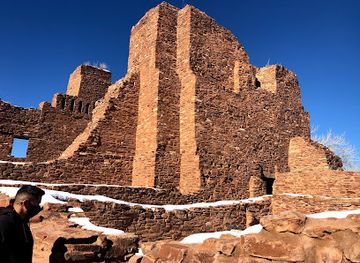
Salinas Pueblo Missions National Monument Quarai Unit
Explore Quarai's ancient ruins and witness the beauty of New Mexico's history at Salinas Pueblo Missions National Monument.
-
Museum
Lincoln Historic Site
Explore the captivating history of the Old West at Lincoln Historic Site, home to preserved buildings and artifacts from the 1800s.
-
Historical landmark
Fort Stanton Historic Site
Immerse yourself in the vibrant history of Fort Stanton, a historical landmark that brings New Mexico's past to life through engaging exhibits and beautiful landscapes.

Explore Manzano Mountains on the map
Plan your trip on one map. See where the top cities, national parks and sights are, and book hotels and experiences in a few clicks.
Best hotels in Manzano Mountains
Best restaurants in Manzano Mountains
Dining in and around the Manzano Mountains is primarily rural and community-based rather than destination fine dining. Small-town cafés, family restaurants, general stores and traditional New Mexican eateries in foothill communities and service towns provide access to staples such as red or green chile, enchiladas, tamales, beans, tortillas and breakfast dishes. Apple orchards and gardens around the Manzano settlements reflect a local agricultural tradition, while seasonal produce, preserves and baked goods may appear at roadside stands or community markets when available. Mountainair and Moriarty offer a broader choice of everyday meals than the smaller villages, and Albuquerque provides the widest range of restaurants before or after a mountain excursion. Visitors camping in the forest should plan to cook, carry water and avoid depending on a restaurant near a trailhead. Regional food is best understood as part of central New Mexico's wider Hispano and New Mexican culinary culture, with local variations in chile, produce and family recipes rather than a completely separate mountain cuisine.
-
Mexican
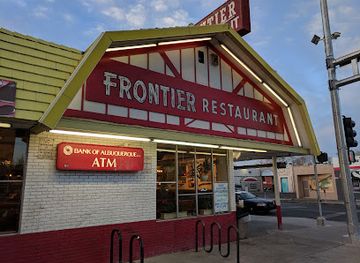
Frontier
Discover authentic New Mexican cuisine at Frontier, where hearty breakfasts and delicious burritos meet a vibrant atmosphere in Albuquerque.
-
Southwestern American
El Pinto Restaurant
Experience the rich flavors of Southwestern cuisine at El Pinto Restaurant in Albuquerque - where tradition meets taste in every bite.
-
Mexican
Sadie's of New Mexico
Experience authentic New Mexican cuisine at Sadie's of New Mexico—where vibrant flavors meet warm hospitality in Los Ranchos De Albuquerque.
-
Brazilian
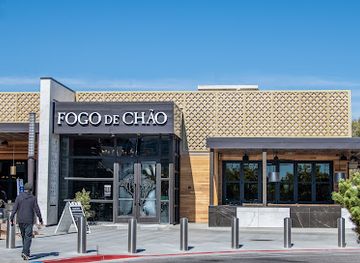
Fogo de Chão Brazilian Steakhouse
Experience the taste of Brazil at Fogo de Chão Brazilian Steakhouse in Albuquerque - where tradition meets flavor in every bite.


Best bars in Manzano Mountains
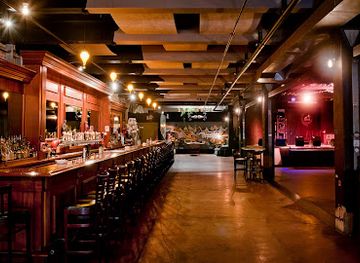
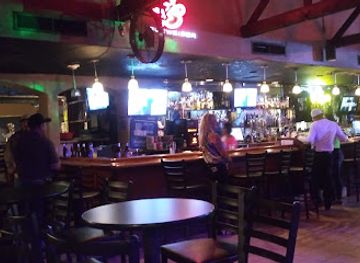
Evening life in the Manzano Mountains is quiet and dispersed. Local bars, restaurants serving alcohol and traditional cafés in nearby towns provide the main social settings, while rural villages generally do not have a formal nightclub scene. Mountainair and Moriarty offer more opportunity for an evening meal or drink than the smaller foothill settlements, but opening arrangements and choices can change, so checking locally is sensible. Albuquerque, outside the region, has the nearest substantial concentration of live music, cocktail bars and late-night venues. In the mountains themselves, evening culture is more likely to mean conversation at a local establishment, a community event or a dark-sky campsite than late-night entertainment. Visitors camping outdoors should follow fire restrictions, keep noise low and remember that many forest roads are unlit and isolated after dark.
-
Sports bar
Twin Peaks
Discover Twin Peaks in Albuquerque, a lively sports bar offering delicious American cuisine and an unforgettable atmosphere for sports fans and food lovers alike.
-
Irish pub
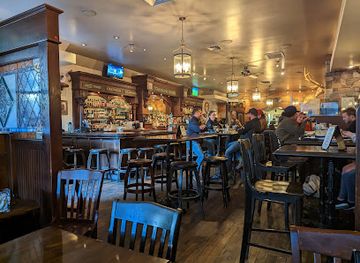
Two Fools Tavern
Discover the vibrant atmosphere and authentic Irish cuisine at Two Fools Tavern, a beloved pub in Albuquerque's Nob Hill.
-
Grill
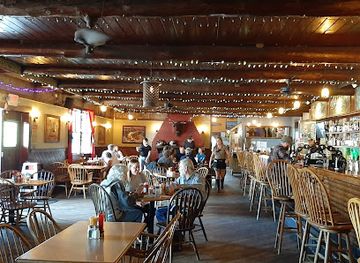
The Mine Shaft Tavern & Cantina
Discover the heart of Madrid at The Mine Shaft Tavern & Cantina, where great food, drinks, and live music come together in a charming, rustic setting.
-
Brewpub
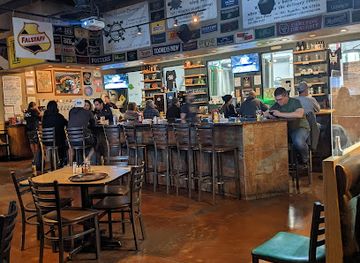
Turtle Mountain Brewing Company
Discover the flavors of New Mexico at Turtle Mountain Brewing Company, a craft beer haven in Rio Rancho, serving delicious brews and mouthwatering dishes.

Best nightclubs in Manzano Mountains
Evening life in the Manzano Mountains is quiet and dispersed. Local bars, restaurants serving alcohol and traditional cafés in nearby towns provide the main social settings, while rural villages generally do not have a formal nightclub scene. Mountainair and Moriarty offer more opportunity for an evening meal or drink than the smaller foothill settlements, but opening arrangements and choices can change, so checking locally is sensible. Albuquerque, outside the region, has the nearest substantial concentration of live music, cocktail bars and late-night venues. In the mountains themselves, evening culture is more likely to mean conversation at a local establishment, a community event or a dark-sky campsite than late-night entertainment. Visitors camping outdoors should follow fire restrictions, keep noise low and remember that many forest roads are unlit and isolated after dark.
-
Restaurant
Sister
Explore Sister in Albuquerque for a perfect blend of delicious cuisine, live music, and a lively atmosphere.
-
Amusement center
Round1 Bowling & Arcade
Discover endless entertainment at Round1 Bowling & Arcade, where bowling, arcade games, karaoke, and fun await in Albuquerque, New Mexico.
-
Night club
The Library Bar & Grill
The Library Bar & Grill in Albuquerque offers a lively nightlife experience with delicious food, craft cocktails, and live music in a unique literary-themed setting.
-
Bar
Leo's
Discover the dynamic nightlife at Leo's, where karaoke, live music, and a vibrant bar atmosphere await in Albuquerque, New Mexico.


Best shops in Manzano Mountains
Shopping in the Manzano Mountains is limited and local in character, with supplies concentrated in the surrounding small towns rather than in a dedicated retail district. Mountainair and Moriarty are practical places for groceries, fuel, outdoor necessities and everyday provisions, while smaller foothill communities may have only a few businesses and irregular services. Seasonal roadside sales, community events and local markets can offer apples, preserves, baked goods, chile products and other agricultural produce associated with central New Mexico, but availability depends on harvests and local schedules. Visitors may also find handmade craftwork, pottery, textiles, art and books in independent galleries or community-oriented shops in nearby towns. The most appropriate souvenirs are durable regional products purchased directly from established local sellers, not objects removed from archaeological or forest sites. Albuquerque, outside the region, provides the broadest selection of specialist outdoor equipment and general retail shopping.
-
Gift shop
The Breaking Bad Store ABQ
Explore The Breaking Bad Store in Albuquerque, a unique gift shop offering exclusive memorabilia and apparel from the iconic TV series.
-
Gift shop
Camino 66
Explore the vibrant world of southwestern artistry at Camino 66, your go-to gift shop in Albuquerque for unique folk art and home goods.
-
Antique store
Los Ranchos Antique Mall
Explore timeless treasures at Los Ranchos Antique Mall, where vintage finds and unique collectibles await every curious traveler.
-
Gift shop
Church Street Market
Explore the unique treasures of Church Street Market in Edgewood, New Mexico, where shopping meets local culture in a charming atmosphere.


Get your free copy of our complete guide to Manzano Mountains, delivered straight to you.
Everything on this page, from attractions and restaurants to essentials and local phrases, in one PDF you can read offline, print or share.
Already have an account? Sign in
Your Manzano Mountains guide is ready.
We'll send it to · Not you? Sign out

Getting your guide ready…
We are putting together a fresh copy of the Manzano Mountains guide. This can take up to a minute.
This can take a few moments. If your browser asks, choose Allow so the download can start. You'll find the guide in your Downloads folder.
Nothing happened? Download it again
Sorry, the guide is taking longer than usual. Please try again in a minute, or get it by email instead.
Manzano Mountains essentials
Currency and Payment
Safety
Emergency Situations
Do's and Don'ts
Local Tips
From Eve
Local phrases worth knowing
You don't need to get them perfect. A few words go a long way, and locals appreciate the effort.
Basics
| English | Local | Say it |
|---|---|---|
| Hello | Hola | [OH-lah] |
| Goodbye | Adiós | [ah-DYOS] |
| Yes | Sí | [SEE] |
| No | No | [NO] |
| Please/You're welcome | Por favor/De nada | [por fah-VOR/deh NAH-dah] |
| Thank you | Gracias | [GRAH-syahs] |
| Excuse me/Sorry | Perdón | [pair-DON] |
| How are you? | ¿Cómo estás? | [KOH-moh es-TAS] |
| Fine. And you? | Bien. ¿Y tú? | [BYEN. ee TOO?] |
| Do you speak English? | ¿Hablas inglés? | [AH-blas een-GLES?] |
| I don't understand | No entiendo | [NO en-TYEN-doh] |
Eating & Drinking
| English | Local | Say it |
|---|---|---|
| I'd like to see the menu, please | Me gustaría ver el menú, por favor | [meh goos-tah-REE-ah ver el meh-NOO, por fah-VOR] |
| I don't eat meat | No como carne | [NO KOH-moh KAR-neh] |
| Cheers! | ¡Salud! | [sah-LOOD] |
| I would like to pay, please | Me gustaría pagar, por favor | [meh goos-tah-REE-ah pah-GAR, por fah-VOR] |
Emergencies
| English | Local | Say it |
|---|---|---|
| Help! | ¡Ayuda! | [ah-YOO-dah] |
| Go away! | ¡Vete! | [VEH-teh] |
| Call the Police! | ¡Llama a la policía! | [YAH-mah ah lah poh-lee-SEE-ah] |
| Call a doctor! | ¡Llama a un doctor! | [YAH-mah ah oon dok-TOR] |
| I'm lost | Estoy perdido | [es-TOY pair-DIDO] |
| I'm ill | Estoy enfermo/enferma | [es-TOY en-FER-mo/en-FER-mah] |
Shopping
| English | Local | Say it |
|---|---|---|
| I'd like to buy... | Me gustaría comprar... | [meh goos-tah-REE-ah kom-PRAHR] |
| I'm just looking | Solo estoy mirando | [SOH-lo es-TOY mee-RAN-do] |
| How much is it? | ¿Cuánto cuesta? | [KWAN-to KWEH-stah?] |
| That's too expensive | Es demasiado caro | [es deh-ma-SYAH-do KAH-ro] |
| Can you lower the price? | ¿Puedes bajar el precio? | [PWEH-des bah-HAR el PREH-syo?] |
Time & Numbers
| English | Local | Say it |
|---|---|---|
| What time is it? | ¿Qué hora es? | [KEH OH-rah es?] |
| It's one o'clock | Es la una | [es lah OO-nah] |
| Half past (10) | Y diez y media | [ee DYAS ee MEH-dyah] |
| Morning | Mañana | [mah-NYAH-nah] |
| Afternoon | Tarde | [TAR-deh] |
| Evening | Noche | [NOH-cheh] |
| Yesterday | Ayer | [ah-YER] |
| Today | Hoy | [OY] |
| Tomorrow | Mañana | [mah-NYAH-nah] |
| 1 | Uno | [OO-no] |
| 2 | Dos | [DOS] |
| 3 | Tres | [TRES] |
| 4 | Cuatro | [KWAT-ro] |
| 5 | Cinco | [SEEN-koh] |
| 6 | Seis | [SAYS] |
| 7 | Siete | [SYEH-teh] |
| 8 | Ocho | [OH-cho] |
| 9 | Nueve | [NWEH-veh] |
| 10 | Diez | [DYAS] |
Transport & Directions
| English | Local | Say it |
|---|---|---|
| Where's a/the...? | ¿Dónde está...? | [DON-deh es-TAH?] |
| What's the address? | ¿Cuál es la dirección? | [KWAL es lah dee-rehk-SYON?] |
| Can you show me (on the map)? | ¿Puedes mostrarme (en el mapa)? | [PWEH-des mos-TRAR-me (en el MAH-pah)?] |
| When's the next (bus)? | ¿Cuándo es el próximo (autobús)? | [KWAN-doh es el PROHK-see-mo (ow-toh-BOOS)?] |
| A ticket (to ....) | Un boleto (a ....) | [OON boh-LEH-to (ah ....)] |
History of Manzano Mountains
Indigenous Landscapes Before European Settlement
The Manzano Mountains form part of a wider central New Mexico landscape used by Indigenous peoples for hunting, gathering, travel and seasonal resource collection long before Spanish colonisation. The surrounding plains and valleys also contain evidence of ancestral Pueblo communities, whose agricultural settlements depended on careful management of water and arable land. The archaeological record is complex and regionally connected, so the mountains should not be treated as an isolated cultural zone. Their forests, springs and passes were valuable within a much larger network of movement and exchange.
Spanish Colonial Expansion and Mission Communities
Spanish colonial settlement expanded through central New Mexico from the late sixteenth century, bringing new patterns of landholding, livestock raising, farming and Catholic worship. Villages around the Manzano foothills developed within this frontier environment, where Hispanic settlers lived alongside established Pueblo communities and negotiated access to land and water. The nearby mission complexes associated with the Salinas district illustrate the ambitions and conflicts of the colonial period, although those ruins lie outside the mountain range. Adobe churches, acequias and village layouts remain visible reminders of this era.
Land, Water and the Growth of Foothill Villages
During the eighteenth and nineteenth centuries, communities on the western and eastern sides of the Manzano range relied on small-scale agriculture, orchards, livestock and shared irrigation systems. Acequias distributed scarce water through a cooperative system that remains important in parts of rural New Mexico. Villages such as Manzano and Torreon developed a built character shaped by adobe construction, agricultural plots and religious institutions. These communities were connected to regional trade routes but remained comparatively remote, with the mountains influencing both their climate and their access to neighbouring settlements.
United States Administration and Forest Conservation
After New Mexico became a United States territory in 1850 and later a state in 1912, federal surveys, land policies and public-land administration increasingly shaped the Manzano Mountains. Portions of the range became part of the national forest system, reflecting a national movement towards managing watersheds, timber and mountain recreation. This change did not erase older uses: grazing, fuel gathering, hunting and local travel continued alongside formal conservation. Contemporary public lands therefore reflect overlapping histories of Indigenous presence, Hispanic settlement, private ownership and federal management.
Roads, Recreation and the Civilian Conservation Era
Improved roads and Forest Service administration made the Manzano Mountains more accessible during the twentieth century. As elsewhere in New Mexico, the Depression-era Civilian Conservation Corps contributed to the development of public-land infrastructure, including work associated with trails, fire management and recreation facilities. Later improvements encouraged camping, hiking and seasonal visits from Albuquerque and surrounding communities. The range never became a heavily urbanised resort landscape; its appeal has remained tied to relatively modest facilities, forest scenery and the contrast between high country and desert lowlands.
Modern Stewardship and Rural Continuity
Today the Manzano Mountains are managed within a landscape where recreation, wildfire prevention, wildlife habitat, grazing, water protection and rural livelihoods intersect. The Cibola National Forest provides public access, but conditions vary according to snow, fire danger, maintenance and land ownership. Historic villages continue to retain local religious and agricultural traditions even as many residents commute or depend on wider regional centres. The range's modern identity is therefore not simply recreational: it is a working cultural landscape as well as a forested mountain environment.
Manzano Mountains in Photos
Browse through our photo collection highlighting the charm and character of the destination.
Neighbouring regions of Manzano Mountains
The closest regions to Manzano Mountains, if you have time for more than one.
-

-

-
-

-


Swipe for more regions
Explore more

Explore more of New Mexico
Discover the enchanting blend of rich history, diverse cultures, and stunning landscapes in New Mexico, the Land of Enchantment, where adventure and relaxation await.
Explore New Mexico