

Free Central New Mexico Travel Guide & Mobile App
Explore Central New Mexico with free travel guides. Discover regional history, expert tips, proposed trips, and audio guides on web or mobile app.


Explore Central New Mexico for Albuquerque’s Route 66 heritage, Pueblo culture, Sandia Mountain trails, high-desert scenery and distinctive chile-based cuisine.
Read more about Central New Mexico
Getting to and around Central New Mexico
How to get there
Transportation
Top city travel guides in Central New Mexico
The cities of Central New Mexico, and the easiest places to base yourself.
-
-
-

-

-

-


Swipe for more cities
Destinations in Central New Mexico
Resorts, valleys and scenic spots worth a trip of their own.
-

-

-
-

-
-


Swipe for more destinations
Best attractions in Central New Mexico
Central New Mexico’s attractions range from cultural institutions in Albuquerque to open landscapes along the Rio Grande and the Sandia Mountains. Old Town provides an accessible introduction to the city’s Spanish colonial foundations, with museums, galleries and historic buildings clustered around the plaza. The Indian Pueblo Cultural Center offers substantial insight into the history and contemporary life of New Mexico’s Pueblo peoples, while the National Museum of Nuclear Science and History examines the state’s complex relationship with science, military research and the atomic age. Petroglyph National Monument is one of the region’s most distinctive outdoor sites, with trails leading across volcanic terrain marked by ancient and historic rock images. The bosque supports walking, cycling and birdwatching, and the Sandia foothills provide hiking, scenic drives and, at higher elevations, cooler forests and winter recreation. Nearby communities along the Turquoise Trail add historic mining landscapes, galleries and mountain scenery, although they require separate planning from Albuquerque.
-
National park
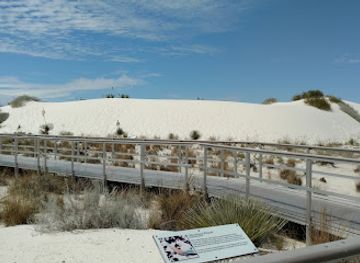
White Sands National Park
Discover the surreal beauty of White Sands National Park, a unique national park in New Mexico with stunning gypsum dunes and outdoor adventures.
-
Botanical garden
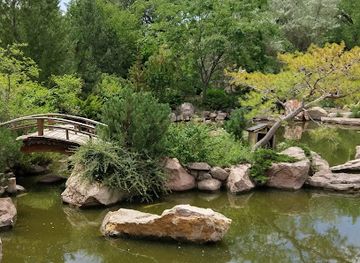
ABQ BioPark - Botanic Garden
Explore the vibrant beauty of ABQ BioPark - Botanic Garden in Albuquerque, a must-visit destination for nature enthusiasts and families.
-
Plaza
Old Town Plaza
Explore Old Town Plaza in Albuquerque, a historic jewel filled with art, culture, and authentic New Mexican cuisine, perfect for an unforgettable travel experience.
-
Cibola National Forest
Discover the diverse landscapes and outdoor adventures of Cibola National Forest, a natural haven near Albuquerque, New Mexico.


Best landmarks in Central New Mexico
San Felipe de Neri Church and the adobe buildings around Albuquerque’s Old Town Plaza are among central New Mexico’s clearest architectural reminders of the city’s colonial foundations and continuing religious history. The Albuquerque rail yards and Downtown grid reflect the expansion created by the nineteenth-century railroad, while Central Avenue preserves surviving elements of the Route 66 era, including distinctive roadside architecture and neon signs. To the west, the dark basalt escarpment of Petroglyph National Monument forms a powerful geological landmark above the city, its carved images linking the modern landscape with Indigenous and historic communities. The Sandia Mountains provide the region’s most recognisable natural backdrop, rising sharply east of Albuquerque and changing from desert foothills to conifer forest at higher elevations. The Rio Grande and its cottonwood bosque are less monumental in appearance but equally significant, defining the valley’s agricultural history, wildlife habitat and settlement pattern.
-
National park
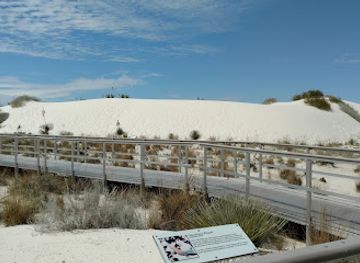
White Sands National Park
Experience the stunning beauty of White Sands National Park in New Mexico, where endless white dunes create a unique and breathtaking landscape.
-
Historical landmark
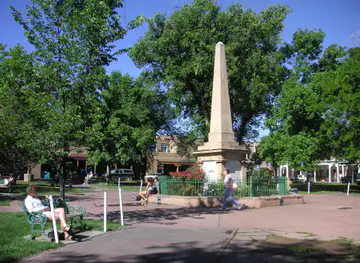
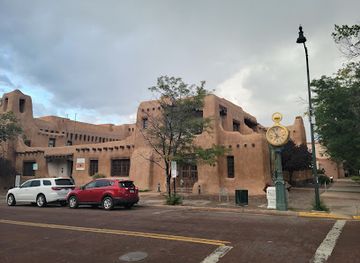
Santa Fe Plaza
Explore Santa Fe Plaza, the historical heart of Santa Fe, where culture, art, and history converge in a vibrant atmosphere.
-
Botanical garden
ABQ BioPark - Botanic Garden
Discover the enchanting beauty of the ABQ BioPark - Botanic Garden, a lush oasis filled with diverse plant life and themed gardens in Albuquerque.
-
National forest
Cibola National Forest
Explore the stunning Cibola National Forest, a breathtaking natural retreat near Albuquerque, New Mexico, perfect for hiking, camping, and wildlife watching.


Explore Central New Mexico on the map
Plan your trip on one map. See where the top cities, national parks and sights are, and book hotels and experiences in a few clicks.
Best hotels in Central New Mexico
Best restaurants in Central New Mexico
Central New Mexico’s food culture is anchored by the state’s chile tradition, with red chile, green chile or Christmas preparations appearing on enchiladas, burritos, eggs, stews and other dishes. Blue corn, beans, posole, sopaipillas and carne adovada are also familiar elements of New Mexican cooking, though recipes and interpretations vary between households and restaurants. Albuquerque offers longstanding cafés, family-run New Mexican restaurants, Indigenous food traditions, contemporary dining rooms, breweries and international cuisines, while smaller communities along the Rio Grande and Turquoise Trail have more limited but often locally focused choices. Farmers’ markets and growers’ stalls can feature seasonal produce from irrigated valley agriculture, especially when the harvest is active. Visitors should distinguish New Mexican cuisine from generic Tex-Mex and ask about chile heat rather than assuming that colour alone indicates intensity. Tipping for table service follows broader US practice.
-
Mexican
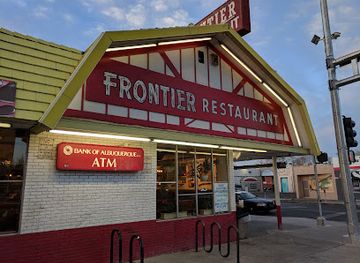
Frontier
Discover Frontier Restaurant in Albuquerque: A culinary haven offering delicious Mexican fare and local favorites at affordable prices.
-
Steak
Texas Roadhouse
Experience the heart of American dining at Texas Roadhouse in Albuquerque with hand-cut steaks and a lively atmosphere.
-
Southwestern American
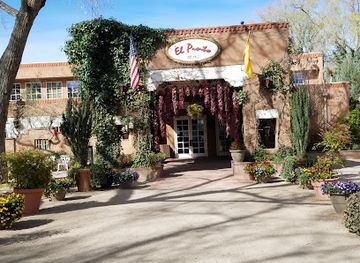
El Pinto Restaurant
Experience authentic Southwestern American cuisine at El Pinto Restaurant in Albuquerque, where vibrant flavors meet warm hospitality.
-
Breakfast
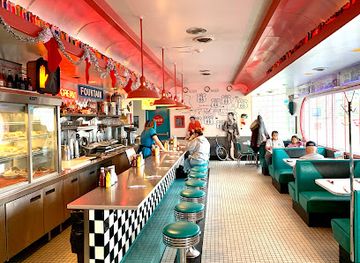
66 Diner
Experience classic American comfort food at 66 Diner in Albuquerque - where nostalgia meets deliciousness!

Best bars in Central New Mexico
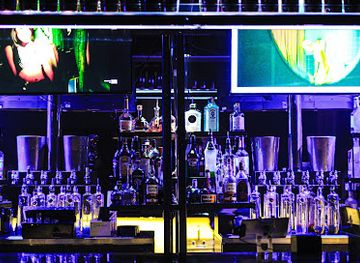
Evening life in central New Mexico is concentrated in Albuquerque, where Downtown, Nob Hill and parts of the city’s older commercial corridors offer brewpubs, cocktail bars, wine bars, live music and late-opening restaurants. Breweries are a notable part of the contemporary scene, reflecting the city’s craft-beer culture, while historic Route 66 areas contribute diners, bars and neon-lit architecture rather than a single formal nightlife district. Theatre, concerts, galleries and seasonal cultural events provide alternatives to drinking-focused evenings. Outside Albuquerque, nightlife is quieter and tends to centre on local pubs, restaurants, breweries and occasional live music in communities along the Turquoise Trail or the Rio Grande. Opening patterns vary, and rural distances make arranging a safe return journey important; alcohol is not necessary to engage with the region’s evening culture.
-
Sports bar
Twin Peaks
Experience the thrill of sports and the flavor of American cuisine at Twin Peaks, Albuquerque's top sports bar and restaurant.
-
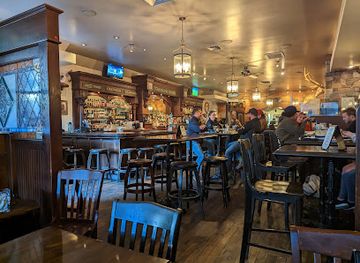
Irish pub
Two Fools Tavern
Discover Two Fools Tavern, an authentic Irish pub in Albuquerque, offering hearty cuisine, a wide drink selection, and lively entertainment.
-
Brewpub
Turtle Mountain Brewing Company
Experience the best of local craft beer and delicious cuisine at Turtle Mountain Brewing Company in Rio Rancho, New Mexico.
-
Bar
Sister
Discover Sister, where delectable cuisine meets live music in the heart of Albuquerque, creating the perfect nightlife experience.


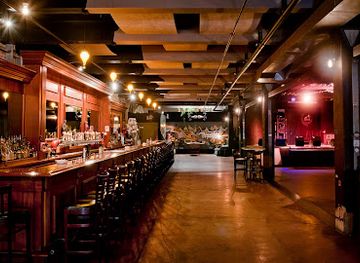
Best nightclubs in Central New Mexico
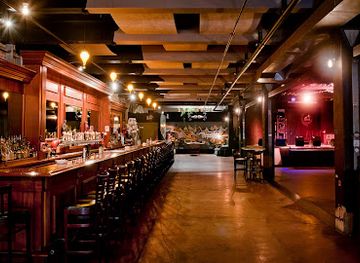
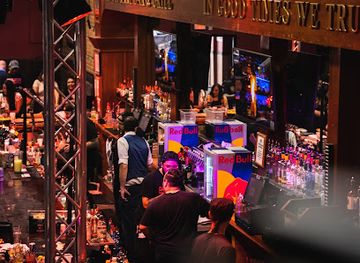
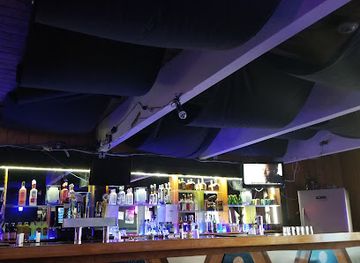
Evening life in central New Mexico is concentrated in Albuquerque, where Downtown, Nob Hill and parts of the city’s older commercial corridors offer brewpubs, cocktail bars, wine bars, live music and late-opening restaurants. Breweries are a notable part of the contemporary scene, reflecting the city’s craft-beer culture, while historic Route 66 areas contribute diners, bars and neon-lit architecture rather than a single formal nightlife district. Theatre, concerts, galleries and seasonal cultural events provide alternatives to drinking-focused evenings. Outside Albuquerque, nightlife is quieter and tends to centre on local pubs, restaurants, breweries and occasional live music in communities along the Turquoise Trail or the Rio Grande. Opening patterns vary, and rural distances make arranging a safe return journey important; alcohol is not necessary to engage with the region’s evening culture.
-
Restaurant
Sister
Discover Sister, a lively restaurant and bar in Albuquerque, where delicious food meets an electrifying live music scene for an unforgettable experience.
-
Night club
The Library Bar & Grill
Discover the vibrant nightlife at The Library Bar & Grill in Albuquerque, where drinks, music, and great atmosphere come together for an unforgettable experience.
-
Bar
Leo's
Discover Albuquerque's vibrant nightlife at Leo's, where great drinks, music, and dancing await in a lively atmosphere.
-
Night club
Cake Nightclub
Dance the night away at Cake Nightclub, Albuquerque's premier destination for a vibrant nightlife experience with great music and drinks.
Best shops in Central New Mexico
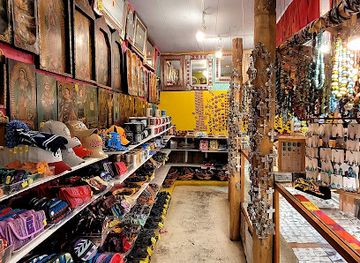
Albuquerque’s shopping is strongest in its independent districts, historic areas and food markets rather than in a single region-wide retail centre. Old Town has galleries, craft shops, jewellery, pottery, textiles, books and souvenirs, but visitors should look for clear information about where an item was made and whether it is Native-designed or Native-produced. Nob Hill combines independent boutiques, vintage shops, cafés and specialist retailers along the historic Central Avenue corridor. Local food products, including chile, spices, beans and regional sweets, are practical purchases, while farmers’ markets offer seasonal produce when operating. The Indian Pueblo Cultural Center shop and other reputable cultural outlets can be useful places to learn about and purchase Pueblo arts with appropriate attribution. Communities along the Turquoise Trail have galleries, antiques and studio-based craft businesses, though opening patterns can be seasonal and distances between them make advance planning worthwhile.
-
Shopping mall
Cottonwood Mall
Discover Cottonwood Mall in Albuquerque, a vibrant shopping destination offering a mix of brand-name stores, local boutiques, and diverse dining options for every taste.
-
Gift shop
The Breaking Bad Store ABQ
Discover the ultimate Breaking Bad experience at The Breaking Bad Store ABQ - a treasure trove for fans and collectors alike.
-
Gift shop
TeePee Curios
Explore TeePee Curios for unique gifts and local treasures along historic Route 66 in Tucumcari, New Mexico.
-
Gift shop
Camino 66
Explore the best of Southwestern art and unique gifts at Camino 66, Albuquerque's premier destination for authentic local treasures.


Get your free copy of our complete guide to Central New Mexico, delivered straight to you.
Everything on this page, from attractions and restaurants to essentials and local phrases, in one PDF you can read offline, print or share.
Already have an account? Sign in
Your Central New Mexico guide is ready.
We'll send it to · Not you? Sign out

Getting your guide ready…
We are putting together a fresh copy of the Central New Mexico guide. This can take up to a minute.
This can take a few moments. If your browser asks, choose Allow so the download can start. You'll find the guide in your Downloads folder.
Nothing happened? Download it again
Sorry, the guide is taking longer than usual. Please try again in a minute, or get it by email instead.
Central New Mexico essentials
Currency and Payment
Safety
Emergency Situations
Do's and Don'ts
Local Tips
From Eve
Local phrases worth knowing
You don't need to get them perfect. A few words go a long way, and locals appreciate the effort.
Basics
| English | Local | Say it |
|---|---|---|
| Hello | Hola | [OH-lah] |
| Goodbye | Adiós | [ah-DYOS] |
| Yes | Sí | [SEE] |
| No | No | [NO] |
| Please/You're welcome | Por favor/De nada | [por fah-VOR/deh NAH-dah] |
| Thank you | Gracias | [GRAH-syahs] |
| Excuse me/Sorry | Disculpe/Lo siento | [dees-KOOL-peh/loh SYEN-toh] |
| How are you? | ¿Cómo estás? | [KOH-moh ehs-TAS] |
| Fine. And you? | Bien. ¿Y tú? | [byEN. ee TOO] |
| Do you speak English? | ¿Hablas inglés? | [AH-blas een-GLES] |
| I don't understand | No entiendo | [NO en-TYEN-do] |
Eating & Drinking
| English | Local | Say it |
|---|---|---|
| I'd like to see the menu, please | Me gustaría ver el menú, por favor | [meh goos-tah-REE-ah vehr el meh-NOO, por fah-VOR] |
| I don't eat meat | No como carne | [NO KOH-moh KAR-neh] |
| Cheers! | ¡Salud! | [sah-LOOD] |
| I would like to pay, please | Me gustaría pagar, por favor | [meh goos-tah-REE-ah pah-GAR, por fah-VOR] |
Emergencies
| English | Local | Say it |
|---|---|---|
| Help! | ¡Ayuda! | [ah-YOO-dah] |
| Go away! | ¡Vete! | [VEH-teh] |
| Call the Police! | ¡Llama a la policía! | [YAH-mah ah lah poh-lee-SEE-ah] |
| Call a doctor! | ¡Llama a un doctor! | [YAH-mah ah oon dok-TOR] |
| I'm lost | Estoy perdido | [es-TOY per-DID-oh] |
| I'm ill | Estoy enfermo/enferma | [es-TOY en-FER-mo/en-FER-mah] |
Shopping
| English | Local | Say it |
|---|---|---|
| I'd like to buy... | Me gustaría comprar... | [meh goos-tah-REE-ah kom-PRAR] |
| I'm just looking | Solo estoy mirando | [SOH-lo es-TOY mee-RAN-do] |
| How much is it? | ¿Cuánto cuesta? | [KWAN-toh KWEH-stah] |
| That's too expensive | Eso es demasiado caro | [EH-so es deh-mah-SYA-do KAH-ro] |
| Can you lower the price? | ¿Puedes bajar el precio? | [PWEH-des bah-HAR el PREH-sio] |
Time & Numbers
| English | Local | Say it |
|---|---|---|
| What time is it? | ¿Qué hora es? | [keh OH-rah es] |
| It's one o'clock | Es la una | [es lah OO-nah] |
| Half past (10) | Y diez y media | [ee DYESS ee MEH-diah] |
| Morning | Mañana | [mah-NYAH-nah] |
| Afternoon | Tarde | [TAR-deh] |
| Evening | Noche | [NOH-cheh] |
| Yesterday | Ayer | [ah-YER] |
| Today | Hoy | [OY] |
| Tomorrow | Mañana | [mah-NYAH-nah] |
| 1 | Uno | [OO-no] |
| 2 | Dos | [DOS] |
| 3 | Tres | [TRES] |
| 4 | Cuatro | [KWA-tro] |
| 5 | Cinco | [SEEN-koh] |
| 6 | Seis | [SAYS] |
| 7 | Siete | [SYEH-teh] |
| 8 | Ocho | [OH-choh] |
| 9 | Nueve | [NWEH-beh] |
| 10 | Diez | [DYESS] |
Transport & Directions
| English | Local | Say it |
|---|---|---|
| Where's a/the...? | ¿Dónde está un/una...? | [DON-deh es-TAH oon/OO-nah] |
| What's the address? | ¿Cuál es la dirección? | [KWAL es lah dee-rek-SYON] |
| Can you show me (on the map)? | ¿Puedes mostrarme (en el mapa)? | [PWEH-des mos-TRAR-meh (en el MAH-pah)] |
| When's the next (bus)? | ¿Cuándo es el próximo (autobús)? | [KWAN-do es el PROK-see-mo (ow-toh-BOOS)] |
| A ticket (to ....) | Un boleto (a ...) | [oon bo-LEH-toh (ah ...)] |
History of Central New Mexico
Ancestral Pueblo Landscapes
Long before European settlement, ancestral Indigenous communities occupied the central Rio Grande valley and surrounding mesas. Agriculture, irrigation, trade and seasonal movement shaped relationships with the river, mountains and volcanic terrain. Petroglyph National Monument preserves thousands of images carved into basalt along Albuquerque’s western escarpment, while Pueblo communities in and around the wider region maintain living cultural traditions rather than representing a vanished past. The archaeological record is therefore only one part of a continuing Indigenous history that remains important to understanding central New Mexico.
Spanish Exploration and Colonial Settlement
Spanish expeditions entered the region in the sixteenth century, including Francisco Vásquez de Coronado’s expedition in 1540, which encountered Pueblo communities in what is now New Mexico. Permanent colonial settlement developed later through missions, farming communities and royal administrative routes. Albuquerque was founded in 1706 as La Villa de Alburquerque, named for the Duke of Alburquerque, and its early location near the Rio Grande reflected the importance of irrigation, agriculture and overland movement. The colonial legacy survives in religious buildings, acequia systems, place names and architectural forms.
The Camino Real and Regional Exchange
For centuries, the Camino Real de Tierra Adentro linked central New Mexico with Mexico City and other settlements along the Rio Grande. Goods, livestock, religious ideas, languages and people moved along this difficult route, although travel was slow and dependent on river valleys and established communities. Albuquerque’s position made it a useful agricultural and trading centre between northern and southern settlements. The corridor helped create the cultural and economic connections that distinguish New Mexico from the eastern United States and remain visible in foodways, family histories and historic landscapes.
United States Annexation and Territorial Change
The region became part of the United States after the Mexican-American War and the 1848 Treaty of Guadalupe Hidalgo, although political transition did not erase existing Hispanic and Pueblo communities. New Mexico remained a US territory for more than six decades before statehood in 1912. During the territorial period, Albuquerque developed civic institutions, commercial links and transport connections while older farming settlements continued along the Rio Grande. The period also brought intensified federal involvement and changing land relationships, developments that continue to influence debates about culture, water and public land.
Railroads and the Growth of Albuquerque
The arrival of the Atlantic and Pacific Railroad in 1880 transformed Albuquerque’s economy and geography. A new commercial centre grew around the railway several miles east of the older plaza, creating the foundations of present-day Downtown Albuquerque. Rail connections encouraged trade, migration, tourism and the movement of agricultural products, while also linking the region more closely to national markets. The contrast between Old Town and the later railroad city remains one of Albuquerque’s clearest historical patterns, with adobe traditions beside Victorian, industrial and early twentieth-century architecture.
Route 66 and the Motoring Era
US Route 66 brought a new form of mobility and commerce to central New Mexico after the route was established in the 1920s. Albuquerque’s Central Avenue became lined with petrol stations, diners, motor courts, theatres and roadside businesses, many of which expressed the bold architectural language of the mid-twentieth-century American Southwest. Although the original highway designation was removed in 1985, surviving buildings and signs remain important cultural landmarks. Route 66 also helped establish the region’s enduring association with road travel, neon, classic cars and popular images of the Southwest.
Indigenous Rights and Cultural Renewal
The twentieth and twenty-first centuries have seen renewed work by Pueblo communities and other Indigenous peoples to protect languages, traditions, land and cultural authority. Institutions such as the Indian Pueblo Cultural Center present Pueblo history through Indigenous perspectives, while Pueblo communities continue to govern their own ceremonial and social life. Visitors should understand that Pueblo culture is living, diverse and not simply a catalogue of public performances or historic objects. This continuing cultural presence is essential to the identity of central New Mexico.
Contemporary Albuquerque and the Balloon Fiesta
Modern central New Mexico combines a growing metropolitan economy with long-established agricultural, artistic and cultural networks. Albuquerque’s International Balloon Fiesta, first held in 1972, developed into a major annual gathering that reflects the region’s clear skies, broad valley and enthusiasm for aviation and spectacle. Alongside ballooning, the city has built reputations in film, visual arts, science and outdoor recreation. Contemporary development continues to raise questions about water use, housing, transport and the protection of historic and natural landscapes.
Central New Mexico in Photos
Browse through our photo collection highlighting the charm and character of the destination.
Neighbouring regions of Central New Mexico
The closest regions to Central New Mexico, if you have time for more than one.
-
-

-

-

-


Swipe for more regions
Explore more

Explore more of New Mexico
Discover the enchanting blend of rich history, diverse cultures, and stunning landscapes in New Mexico, the Land of Enchantment, where adventure and relaxation await.
Explore New Mexico