

Free Rio Grande Valley Travel Guide & Mobile App
Explore Rio Grande Valley with free travel guides. Discover regional history, expert tips, proposed trips, and audio guides on web or mobile app.


Explore New Mexico’s Rio Grande Valley for Pueblo heritage, adobe towns, chile-rich cuisine, bird-filled wetlands and desert river landscapes.
Read more about Rio Grande Valley
Getting to and around Rio Grande Valley
How to get there
Transportation
Best attractions in Rio Grande Valley
The Rio Grande Valley’s attractions follow the river’s changing landscape and layered communities. In the north, visitors can explore historic villages, Pueblo cultural centres where access is permitted, adobe churches and craft traditions around the Española area. Albuquerque offers Old Town, museums, galleries, the National Hispanic Cultural Center and extensive trails through the bosque, the cottonwood woodland lining the river. The middle valley provides a quieter combination of agricultural scenery, archaeological interpretation and wildlife watching, with Bosque del Apache National Wildlife Refuge near San Antonio particularly noted for migratory birds. Around Socorro, open desert, volcanic landforms and mountain views create opportunities for walking, photography and nature observation. The southern valley centres on Las Cruces and Mesilla, where historic streets, museums, food producers, vineyards, orchards and pecan groves reveal the character of the Mesilla Valley. Outdoor options range from cycling and riverside walks to birdwatching and scenic drives, although several dramatic mountain areas are beyond the immediate river plain and should be treated as separate excursions. The main appeal is the relationship between landscape, irrigation, culture and settlement rather than a concentration of single-ticket attractions.
-
National park
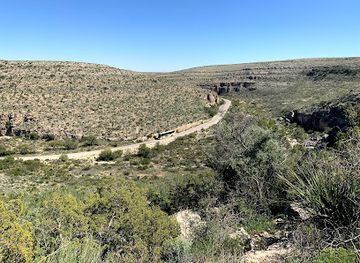
Carlsbad Caverns National Park
Explore the breathtaking underground wonders of Carlsbad Caverns National Park, a natural marvel filled with stunning limestone formations and rich biodiversity.
-
Bridge
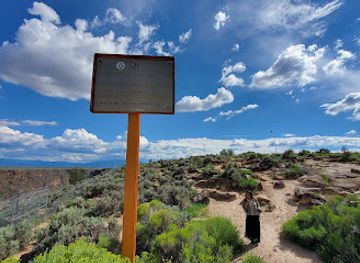
Rio Grande Gorge Bridge
Experience breathtaking views and the stunning beauty of nature at the iconic Rio Grande Gorge Bridge, a must-visit for all travelers in New Mexico.
-
Tourist attraction
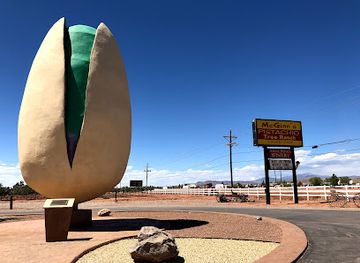
McGinn's PistachioLand Home of the World's Largest Pistachio
Explore McGinn's PistachioLand in Alamogordo, home of the world's largest pistachio, and indulge in nutty treats amidst stunning New Mexico scenery.
-
National reserve
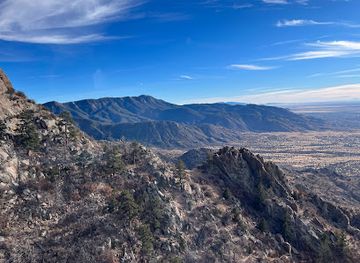
Petroglyph National Monument
Explore the fascinating ancient rock art and breathtaking landscapes at Petroglyph National Monument in Albuquerque, New Mexico.
Best landmarks in Rio Grande Valley
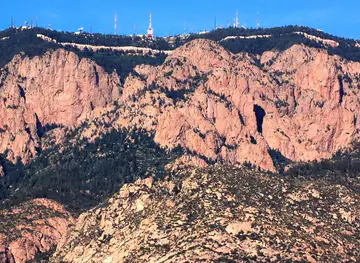
The strongest landmarks of the Rio Grande Valley are places where geography and cultural history remain visibly connected. Albuquerque’s Old Town preserves a historic plaza framed by adobe-style buildings and San Felipe de Neri Church, while the National Hispanic Cultural Center provides a major contemporary architectural and cultural presence in the central valley. The river bosque itself is a defining natural landmark, a narrow green corridor contrasting with surrounding desert and urban development. Farther south, the historic plaza and adobe streets of Mesilla express the region’s Spanish and Mexican colonial inheritance, while the San Albino Church is one of its most recognisable buildings. The Organ Mountains rise dramatically east of the Mesilla Valley, although they are a mountain backdrop rather than a river-valley monument. In the north, longstanding Pueblo settlements and historic acequia landscapes are culturally important, but access and photography must follow community rules. Irrigated fields, cottonwood woodland and open floodplain together form a living landmark system shaped by water, agriculture and human settlement.
-
Plaza
Old Town Plaza
Explore Old Town Plaza, Albuquerque's historic heart, where culture, art, and cuisine come together in a vibrant Southwest setting.
-
Cultural center
Indian Pueblo Cultural Center
Explore the vibrant culture and history of the Pueblo people at the Indian Pueblo Cultural Center, a must-visit cultural gem in Albuquerque, New Mexico.
-
Bridge
Rio Grande Gorge Bridge
Discover the breathtaking beauty and engineering marvel of the Rio Grande Gorge Bridge, a must-visit tourist attraction in New Mexico.
-
National reserve
Petroglyph National Monument
Explore the rich history and captivating rock art of Petroglyph National Monument, a stunning national reserve in Albuquerque, New Mexico.
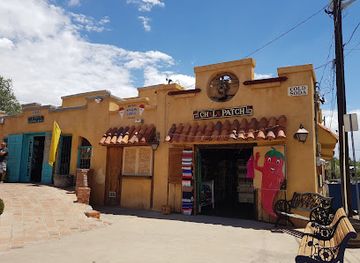


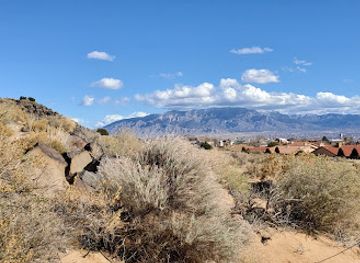
Explore Rio Grande Valley on the map
Plan your trip on one map. See where the top cities, national parks and sights are, and book hotels and experiences in a few clicks.
Best hotels in Rio Grande Valley
Best restaurants in Rio Grande Valley
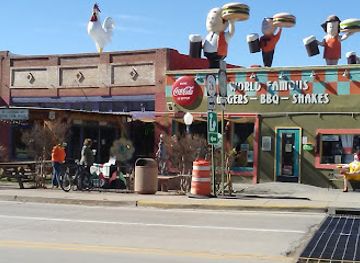
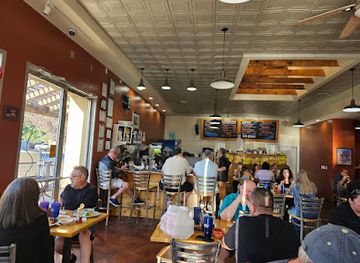
Food in the Rio Grande Valley is closely associated with New Mexico’s chile-based cuisine, though the northern, central and southern sections each have their own emphasis. Restaurants, diners and family-run kitchens serve enchiladas, burritos, tamales, posole, beans, sopaipillas and dishes made with blue corn, with red chile, green chile or both used according to preference. Albuquerque has the broadest range of contemporary restaurants, craft food producers and international dining, while smaller valley communities offer cafés, traditional lunch counters, bakeries and rural eateries. Around Las Cruces and Mesilla, chile, pecans, onions, fruit, dairy products and wine reflect the productive agricultural plain. Farmers’ markets and seasonal stands are useful places to encounter local produce, although schedules vary. Visitors should distinguish New Mexican cuisine from the broader category of Mexican food: its use of locally grown chile, blue corn and long-standing Hispano and Pueblo influences gives it a particular regional identity.
-
Restaurant
Sawmill Market
Discover diverse local cuisine at Sawmill Market in Albuquerque—an unforgettable culinary experience awaits you!
-
Hamburger
Sparkys
Discover Sparkys in Hatch, NM - where mouthwatering burgers meet vibrant local culture amidst live music and warm hospitality.
-
Mexican
The Original Cocina Azul
Experience the vibrant flavors of Mexico at The Original Cocina Azul in Albuquerque - a culinary gem offering authentic dishes in a warm atmosphere.
-
Steak
The Republic of the Rio Grande
Experience exceptional steaks and lively dining at The Republic of the Rio Grande in McAllen, Texas – where flavor meets hospitality.

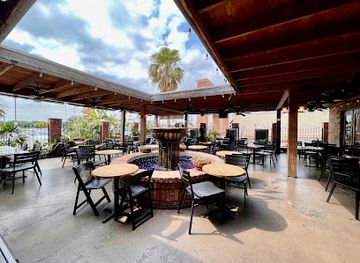
Best bars in Rio Grande Valley
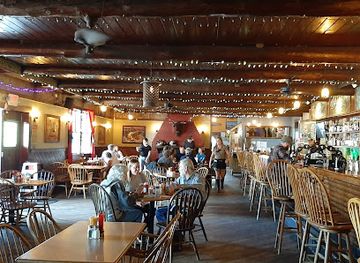
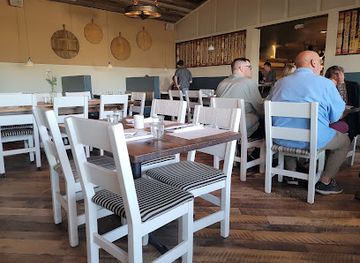
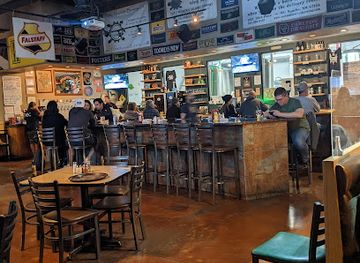
Evening life varies sharply across the valley. Albuquerque has the region’s broadest choice of breweries, cocktail bars, live-music venues, restaurants and late-opening entertainment, with activity concentrated around established central districts and the historic core rather than along the entire river. Las Cruces and nearby Mesilla offer breweries, wine-focused venues, restaurants and bars serving a university and local population, while smaller towns generally rely on traditional pubs, cafés, historic inns and occasional live music. In rural areas, evenings are more likely to centre on dining, stargazing or community events than nightclubs. New Mexico’s craft-beer and wine industries are represented in parts of the valley, but opening arrangements and event calendars change regularly. Drinking is not necessary to experience the region’s evening culture, and visitors should arrange a sober driver when travelling between dispersed communities.
-
Bar
Range Cafe Rio Grande
Experience the rich flavors of Southwestern cuisine at Range Cafe Rio Grande, your go-to spot for breakfast, lunch, and dinner in Albuquerque.
-
Grill
The Mine Shaft Tavern & Cantina
Discover the taste of New Mexico at The Mine Shaft Tavern & Cantina, where delicious grill dishes, vibrant music, and warm hospitality come together.
-
Restaurant
Campo at Los Poblanos
Experience the essence of New Mexico at Campo, where farm-to-table dining meets local culinary artistry in a stunning setting.
-
Brewpub
Turtle Mountain Brewing Company
Discover the essence of craft brewing at Turtle Mountain Brewing Company in Rio Rancho, a delightful brewpub offering unique beers and delicious bites.

Best nightclubs in Rio Grande Valley
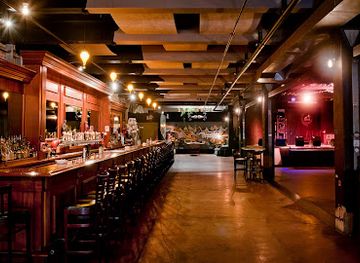
Evening life varies sharply across the valley. Albuquerque has the region’s broadest choice of breweries, cocktail bars, live-music venues, restaurants and late-opening entertainment, with activity concentrated around established central districts and the historic core rather than along the entire river. Las Cruces and nearby Mesilla offer breweries, wine-focused venues, restaurants and bars serving a university and local population, while smaller towns generally rely on traditional pubs, cafés, historic inns and occasional live music. In rural areas, evenings are more likely to centre on dining, stargazing or community events than nightclubs. New Mexico’s craft-beer and wine industries are represented in parts of the valley, but opening arrangements and event calendars change regularly. Drinking is not necessary to experience the region’s evening culture, and visitors should arrange a sober driver when travelling between dispersed communities.
-
Bar
Sister
Sister: A lively bar and restaurant in Albuquerque offering delicious food, craft drinks, and exciting live music for an unforgettable experience.
-
Bar
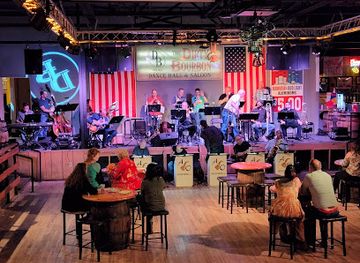
The Dirty Bourbon
Experience the vibrant nightlife at The Dirty Bourbon, Albuquerque's premier bar and dance hall, where unforgettable memories are made every night.
-
Night club
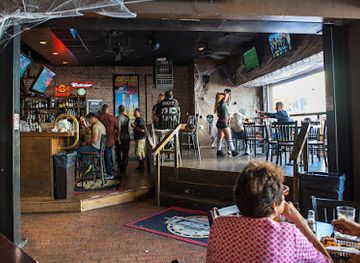
The Library Bar & Grill
Experience the vibrant nightlife at The Library Bar & Grill, Albuquerque's premier destination for drinks, dancing, and unforgettable fun.
-
Night club
Leo's
Experience Albuquerque's nightlife at Leo's Night Club, where vibrant music, karaoke, and a fun atmosphere come together for an unforgettable evening.

Best shops in Rio Grande Valley
Shopping in the Rio Grande Valley is strongest in independent galleries, historic districts, markets and specialist food shops rather than in a single regional retail centre. Albuquerque’s Old Town and surrounding arts districts offer Pueblo and Southwestern art, jewellery, pottery, textiles, books and locally made food products, but buyers should seek clear information about provenance and avoid assuming that every vaguely Southwestern object is Native-made. In the north, authorised Pueblo markets and galleries provide opportunities to purchase pottery, weaving and other crafts when communities are open to visitors. Mesilla has adobe-fronted shops and galleries selling art, gifts, clothing and regional products, while Las Cruces adds larger retail areas and food markets. Chile products, pecans, salsas, beans, honey and locally produced wine are practical souvenirs from the agricultural valley. Farmers’ markets are seasonal and schedules vary, so check locally before making a special journey.
-
Outlet mall
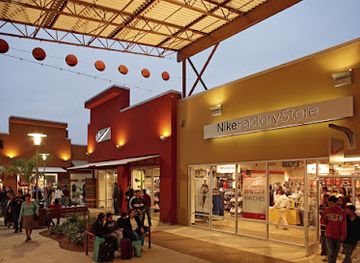
Rio Grande Valley Premium Outlets
Experience unbeatable discounts and a vast selection of brands at Rio Grande Valley Premium Outlets, your ultimate shopping destination in Texas.
-
Shopping mall
Shoppes at Rio Grande Valley
Experience the vibrant shopping, diverse dining, and family-friendly entertainment at the Shoppes at Rio Grande Valley in Edinburg, Texas.
-
Department store
Walmart Supercenter
Explore Walmart Supercenter in Clovis, NM - your ultimate destination for groceries, electronics, clothing, and more, all at budget-friendly prices.
-
Shopping mall
Rio Grande Plaza
Discover shopping and dining delights at Rio Grande Plaza, the ultimate retail destination in Rio Grande, New Jersey.

Get your free copy of our complete guide to Rio Grande Valley, delivered straight to you.
Everything on this page, from attractions and restaurants to essentials and local phrases, in one PDF you can read offline, print or share.
Already have an account? Sign in
Your Rio Grande Valley guide is ready.
We'll send it to · Not you? Sign out

Getting your guide ready…
We are putting together a fresh copy of the Rio Grande Valley guide. This can take up to a minute.
This can take a few moments. If your browser asks, choose Allow so the download can start. You'll find the guide in your Downloads folder.
Nothing happened? Download it again
Sorry, the guide is taking longer than usual. Please try again in a minute, or get it by email instead.
Rio Grande Valley essentials
Currency and Payment
Safety
Emergency Situations
Do's and Don'ts
Local Tips
From Eve
Local phrases worth knowing
You don't need to get them perfect. A few words go a long way, and locals appreciate the effort.
Basics
| English | Local | Say it |
|---|---|---|
| Hello | Hola | [OH-lah] |
| Goodbye | Adiós | [ah-DYOS] |
| Yes | Sí | [SEE] |
| No | No | [NO] |
| Please/You're welcome | Por favor | [por fah-VOR] |
| Thank you | Gracias | [GRAH-sias] |
| Excuse me/Sorry | Perdón | [pair-DON] |
| How are you? | ¿Cómo estás? | [KOH-moh es-TAS] |
| Fine. And you? | Bien. ¿Y tú? | [BYEN. ee TOO] |
| Do you speak English? | ¿Hablas inglés? | [AH-blas een-GLES] |
| I don't understand | No entiendo | [NO en-TYEN-do] |
Eating & Drinking
| English | Local | Say it |
|---|---|---|
| I'd like to see the menu, please | Quisiera ver el menú, por favor | [kee-SYER-ah vehr el meh-NOO por fah-VOR] |
| I don't eat meat | No como carne | [NO KOH-mo KAR-neh] |
| Cheers! | ¡Salud! | [sah-LOOD] |
| I would like to pay, please | Quisiera pagar, por favor | [kee-SYER-ah pah-GAR por fah-VOR] |
Emergencies
| English | Local | Say it |
|---|---|---|
| Help! | ¡Ayuda! | [ah-YOO-dah] |
| Go away! | ¡Vete! | [VEH-teh] |
| Call the Police! | ¡Llama a la policía! | [YAH-mah ah lah poh-lee-SEE-ah] |
| Call a doctor! | ¡Llama a un doctor! | [YAH-mah ah oon dok-TOR] |
| I'm lost | Estoy perdido | [es-TOY pair-DI-do] |
| I'm ill | Estoy enfermo | [es-TOY en-FER-mo] |
Shopping
| English | Local | Say it |
|---|---|---|
| I'd like to buy... | Quisiera comprar... | [kee-SYER-ah kom-PRAR] |
| I'm just looking | Solo estoy mirando | [SO-lo es-TOY mee-RAN-do] |
| How much is it? | ¿Cuánto cuesta? | [KWAN-to KWES-ta] |
| That's too expensive | Es muy caro | [ES moo-ee KAR-o] |
| Can you lower the price? | ¿Puedes bajar el precio? | [PWEH-des bah-HAR el PREH-syo] |
Time & Numbers
| English | Local | Say it |
|---|---|---|
| What time is it? | ¿Qué hora es? | [KEH OR-ah es] |
| It's one o'clock | Es la una | [ES lah OO-nah] |
| Half past (10) | Y media (10) | [ee MEH-dee-ah (10)] |
| Morning | Mañana | [mah-NYAH-nah] |
| Afternoon | Tarde | [TAR-deh] |
| Evening | Noche | [NOH-cheh] |
| Yesterday | Ayer | [ah-YER] |
| Today | Hoy | [OY] |
| Tomorrow | Mañana | [mah-NYAH-nah] |
| 1 | Uno | [OO-no] |
| 2 | Dos | [DOS] |
| 3 | Tres | [TRES] |
| 4 | Cuatro | [KWAT-roh] |
| 5 | Cinco | [SEEN-koh] |
| 6 | Seis | [SAYS] |
| 7 | Siete | [SYEH-teh] |
| 8 | Ocho | [OH-choh] |
| 9 | Nueve | [NWEH-ve] |
| 10 | Diez | [DYEZ] |
Transport & Directions
| English | Local | Say it |
|---|---|---|
| Where's a/the...? | ¿Dónde hay un...? | [DON-deh I un] |
| What's the address? | ¿Cuál es la dirección? | [KWAL es lah dee-rek-SYON] |
| Can you show me (on the map)? | ¿Puedes mostrarme (en el mapa)? | [PWEH-des mohs-TRAR-me (en el MAH-pah)] |
| When's the next (bus)? | ¿Cuándo es el próximo (autobús)? | [KWAN-do es el PROK-si-mo (ow-toh-BOOS)] |
| A ticket (to ....) | Un boleto (a ...) | [OON bo-LEH-toh (ah ...)] |
History of Rio Grande Valley
Pueblo Civilisations and Ancient River Settlement
The Rio Grande Valley has been inhabited for thousands of years, with farming communities developing around reliable water, fertile floodplains and seasonally productive ecosystems. Ancestral Pueblo peoples built settlements, cultivated maize and other crops, and developed long-distance exchange networks across the Southwest. Archaeological sites and living Pueblo communities reflect the continuity of Indigenous history, although the region’s modern pueblos are not museum pieces: they remain sovereign communities with their own governments, religious traditions and cultural protocols.
Spanish Exploration and Colonial Settlement
Spanish expeditions entered the upper Rio Grande during the sixteenth century, followed by colonial settlement in the late seventeenth century. After the Pueblo Revolt of 1680 and the Spanish reconquest in 1692, villages, missions, ranches and irrigated fields expanded along the river. The colonial legacy remains visible in adobe buildings, Catholic churches, acequia systems and place names. Hispano communities developed distinctive agricultural, craft and architectural traditions while living alongside, trading with and sometimes contesting Pueblo societies.
El Camino Real and Regional Trade
For centuries, the Camino Real de Tierra Adentro connected Mexico City with northern New Spain through the Rio Grande corridor. The route carried people, livestock, religious institutions, administrative materials and goods, linking settlements such as Santa Fe, Albuquerque and communities farther south with Mexico. Its legacy is especially apparent in the valley’s historic villages and the corridor now interpreted through heritage sites and museums. Trade and travel along this route helped establish the cultural connections that still distinguish New Mexico from other parts of the United States.
Mexican Rule and the American Territorial Era
Mexican independence in 1821 brought the Rio Grande settlements into the Mexican republic, before the region became part of the United States after the Mexican-American War and the Treaty of Guadalupe Hidalgo in 1848. New Mexico remained a US territory until statehood in 1912. These political changes altered land administration, legal systems and commercial networks, but Spanish-speaking communities, Pueblo nations and long-established agricultural practices continued to shape daily life throughout the valley.
Railways, Irrigation and Commercial Agriculture
The arrival of railways in the nineteenth century connected Rio Grande towns to wider American markets and accelerated the movement of people, cattle and agricultural products. Modern irrigation projects later reshaped the river, regulating flows and expanding or stabilising farming in some districts while reducing the natural reach of seasonal flooding. Cottonwood bosque, acequia landscapes, chile fields, orchards and pecan groves are all part of this continuing relationship between engineering, agriculture and the river’s limited water supply.
Twentieth-Century Urban Growth and Cultural Renewal
Albuquerque grew into New Mexico’s principal urban centre, while Las Cruces expanded as a southern agricultural, educational and commercial hub. Roads, aviation, military activity and federal investment brought new industries and migration to the valley. At the same time, Pueblo and Hispano communities, artists, farmers and conservationists worked to maintain languages, crafts, historic landscapes and access to the river. Contemporary events, museums, foodways and arts institutions express this mixture of Indigenous, Hispanic, Mexican and wider American influences.
Rio Grande Valley in Photos
Browse through our photo collection highlighting the charm and character of the destination.
Neighbouring regions of Rio Grande Valley
The closest regions to Rio Grande Valley, if you have time for more than one.
-

-

-
-

-


Swipe for more regions
Explore more

Explore more of New Mexico
Discover the enchanting blend of rich history, diverse cultures, and stunning landscapes in New Mexico, the Land of Enchantment, where adventure and relaxation await.
Explore New Mexico